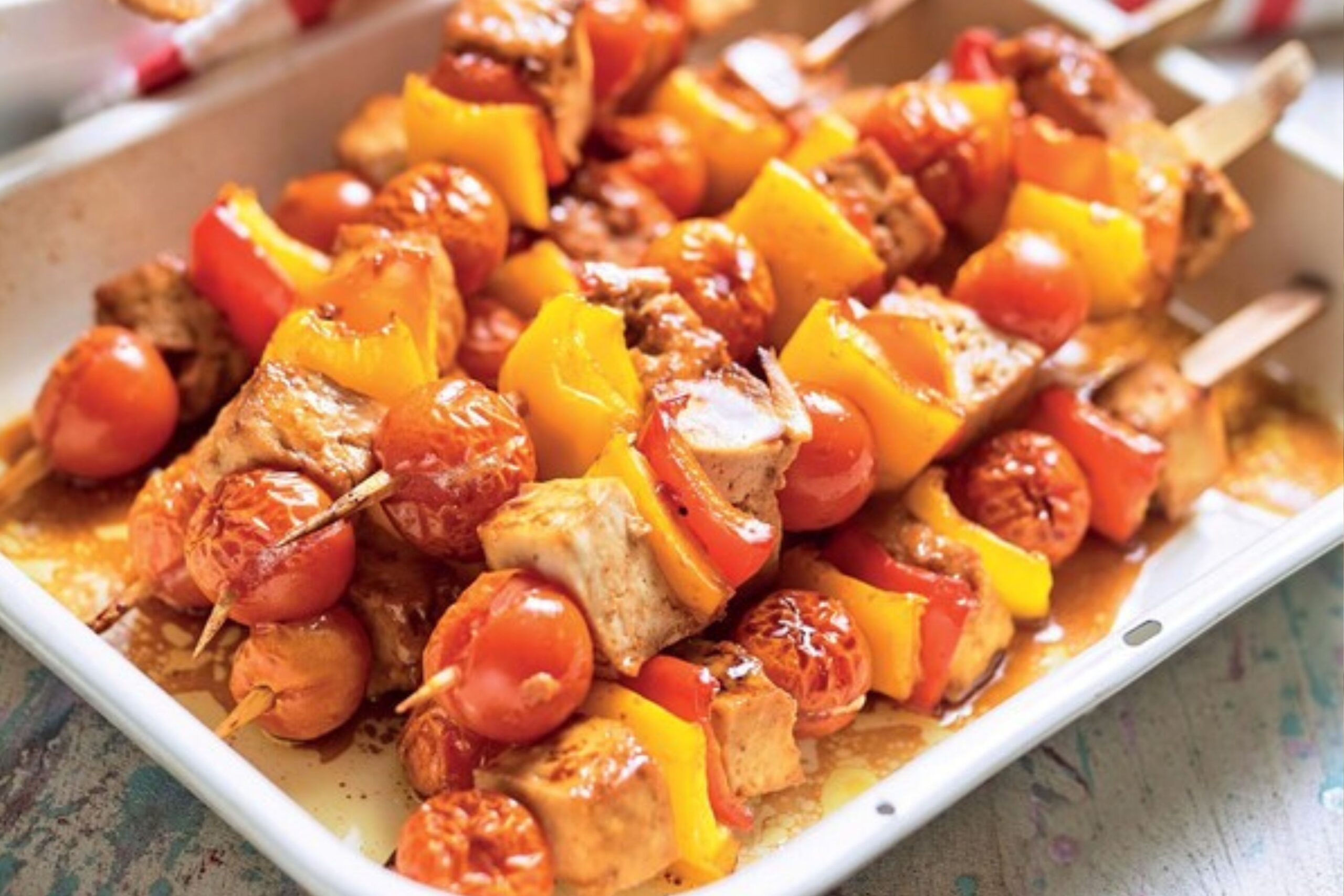
Dessert doesn’t have to be an occasional treat—it can be part of a balanced, satisfying day. With the right mix of ingredients, it can add real nutritional value while still feeling like something you genuinely look forward to.
And it’s not about swapping in “diet” versions or making compromises. It’s about building with foods that already bring something to the table—like low-fat Greek yogurt, creamy cottage cheese, tangy ricotta, or even protein powder—and pairing them with ingredients that make dessert feel like dessert: frozen fruit, berries, peanut butter, dark chocolate, even avocado.
In that sense, dessert can help round things out. It’s an easy way to layer in nutrients like calcium, fiber, and plant compounds, while also giving you a satisfying close to your day.
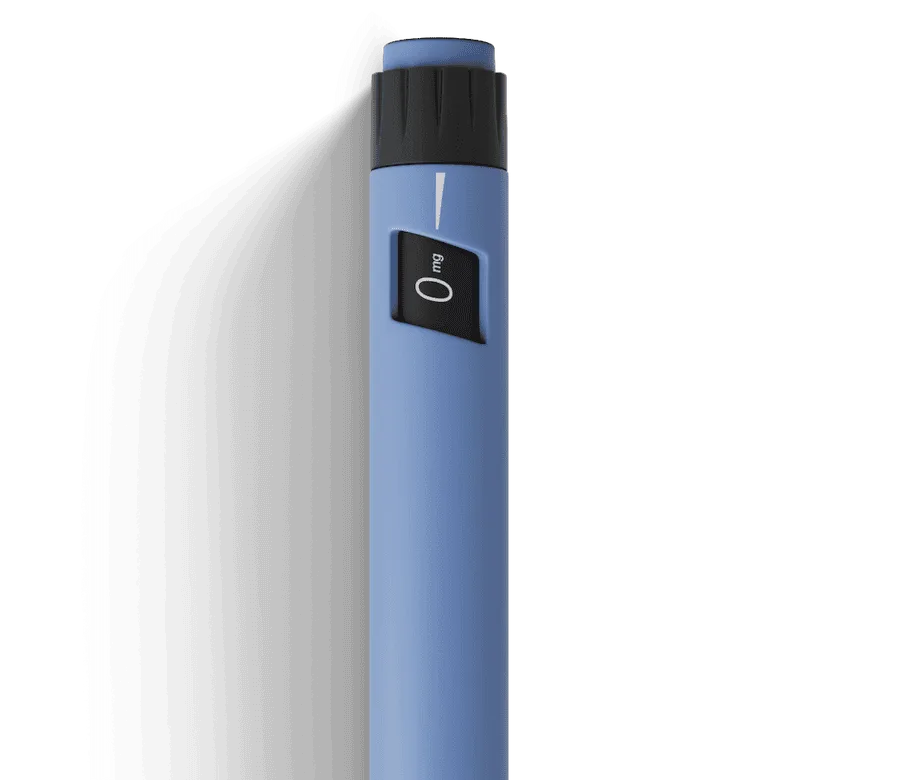
That’s especially true if you’re taking a GLP-1 medication. GLP-1s reduce appetite, and many people eat fewer calories overall, which makes hitting daily protein targets harder when you simply aren’t that hungry.
High-protein foods that are also genuinely appealing—flavorful, satisfying, something you actually want—can help close that gap. A small dessert made with ricotta, Greek yogurt, or cottage cheese isn’t just a treat; it’s a way to get in the protein your body needs to preserve lean mass during weight loss.
Noom’s Most Powerful Program
A dual-pathway GLP-1 and behavior change for lasting results.
With these 7 high-protein desserts, you’ll find a mix of classics and creative takes—from ice cream and ice pops to no-bake truffles and crepes—that deliver on both taste and staying power.
What makes a dessert “high protein”?
There’s no official cutoff, but aiming for 8 to 10 grams of protein per serving is a solid benchmark—especially for something that functions more like a small snack than a full meal.
Most high-protein desserts are built around a few key ingredients:
- Greek yogurt: 17–20g per cup (nonfat tends to be highest)
- Cottage cheese: 25–28g per cup (low-fat varieties)
- Ricotta cheese: 14g per ½ cup (part-skim)
- Protein powder (whey, pea, etc.): 20–25g per ounce
- Eggs: 6g each
- Powdered peanut butter: 5–6g per 2 tablespoons
The approach is usually pretty simple: either swap in higher-protein ingredients (like Greek yogurt instead of heavy cream) or add protein where it fits, like blending in cottage cheese or a scoop of protein powder.
When it’s done well, it doesn’t feel like a workaround—it just tastes like a really good dessert that happens to keep you full longer.
Why higher-protein desserts matter
This isn’t just a fitness trend. Protein plays a real role in how full and satisfied you feel after eating—partly because it influences hormones like GLP-1 and peptide YY that help regulate appetite, and partly because it slows digestion, which helps keep blood sugar on a steadier track.
For dessert, that makes a difference. A higher-sugar option with little protein or fat tends to digest quickly, which can lead to that familiar spike-and-drop feeling—and you’re back in the kitchen not long after. Adding protein (often alongside fiber) helps stretch that out, so it actually feels like a satisfying finish to a meal.
That doesn’t mean every dessert needs to double as a protein shake. But if dessert is part of your routine, a little protein can go a long way in helping it feel more balanced, more filling, and less like something that leaves you wanting more right after.
7 high-protein dessert recipes
These run the range from frozen to no-bake to baked, with a wide spread of flavors and protein levels. Pick based on what sounds good, not just what has the most grams.
5-Ingredient Mango Ice Cream
Prep: 5 min + freeze time | Serves: 1–2 | Calories: ~170

The Easy Way
to lose weight and get healthy.
Est. protein: 18–20g per serving*
Why it works: Blending cottage cheese and Greek yogurt gives you a creamy, frozen base with significantly more protein than traditional ice cream, no ice cream maker required. The mango adds natural sweetness that makes this taste like summer.
Ingredients:
- ½ cup plain nonfat Greek yogurt
- ½ cup low-fat cottage cheese
- 1 cup frozen mango
- Splash of almond milk
- 1 tsp vanilla paste
Directions:
1. Add all ingredients to a blender and blend until smooth.
2. Pour into a freezer-safe container or popsicle molds.
3. Freeze for at least 2 hours or until set.
4. Scoop or slice and serve.
Optional swaps:
- Swap mango for frozen pineapple or peaches
- Add a scoop of vanilla protein powder to boost protein further
- Blend and serve immediately for a smoothie bowl texture
Mocha Pudding
Prep: 120 min (includes 2 hours chill) | Serves: 4 | Calories: 211
Est. protein: 14g per serving
Why it works: Fat-free ricotta is the secret here—blended smooth, it becomes a creamy, protein-rich base. The espresso powder deepens the chocolate flavor without adding caffeine-level intensity, and the coffee bean garnish makes it look like something you’d order at a restaurant.
Ingredients:
- 1 container (15 oz) fat-free ricotta cheese
- 1 cup low-fat vanilla yogurt
- ½ cup unsweetened cocoa powder
- ⅓ cup confectioners’ sugar
- 1 tsp vanilla extract
- ¼ tsp espresso powder
- 12 chocolate-covered coffee beans
Directions:
- Combine ricotta cheese, ¾ cup of the yogurt, cocoa, sugar, vanilla extract, and espresso powder in a food processor. Process just until smooth.
- Divide evenly among 4 serving dishes and refrigerate for 2 hours, or until set.
- Top each serving with 1 tablespoon of the remaining yogurt and 3 coffee beans.
Optional swaps:
- Use part-skim ricotta if fat-free isn’t available—the texture will be slightly richer
- Swap vanilla yogurt for plain Greek yogurt to reduce sugar and boost protein further
- Skip the espresso powder and add a pinch of cinnamon for a Mexican chocolate vibe
No-Bake Peanut Butter Truffles
Prep: 20 min + chill | Makes: 8 truffles | Calories: 95 per truffle
Est. protein: 7g per truffle*
Why it works: Powdered peanut butter gives you the flavor with less fat than regular peanut butter, and Greek yogurt binds the dough while adding protein. The dark chocolate coating sets firm and adds that perfect counterpoint to peanut butter.
Ingredients:
- ½ cup powdered peanut butter
- ½ cup nonfat plain Greek yogurt
- 1 tbsp maple syrup
- 2 tbsp unsweetened cocoa powder
- ½ cup dark chocolate chips
- 1 tsp coconut oil
- Pinch of sea salt
Directions:
Access GLP-1 Weight Loss with Noom
Explore a wide range of prescription medications supported by Noom’s program.
Microdose GLP-1rx
Noom GLP-1rx
Noom GLP-1rx Plus
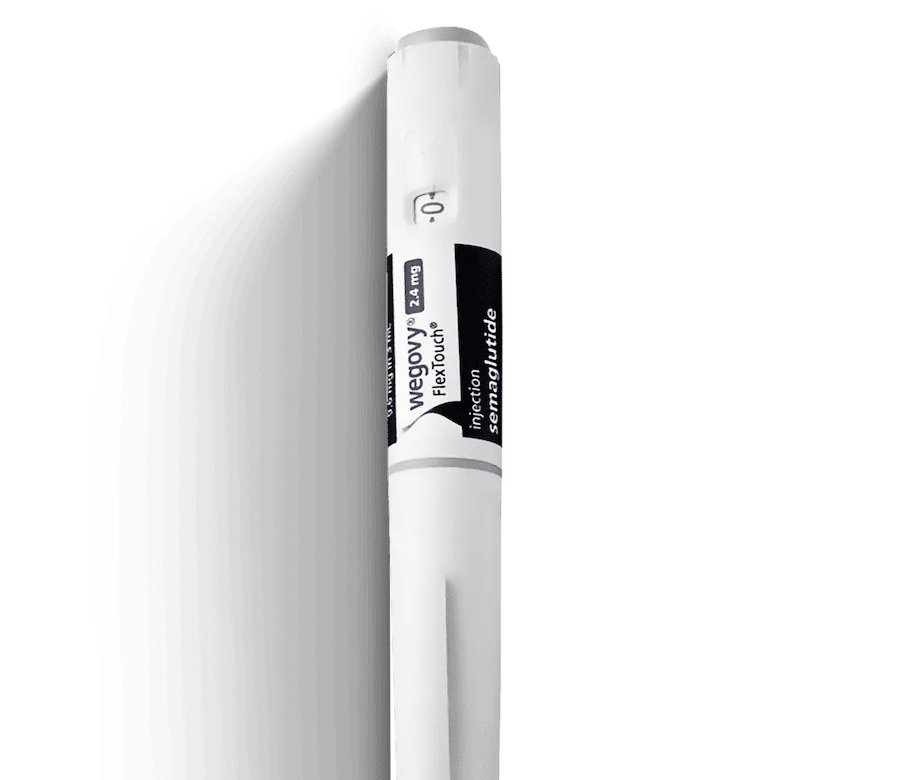
Wegovy®
Ozempic®

Metformin
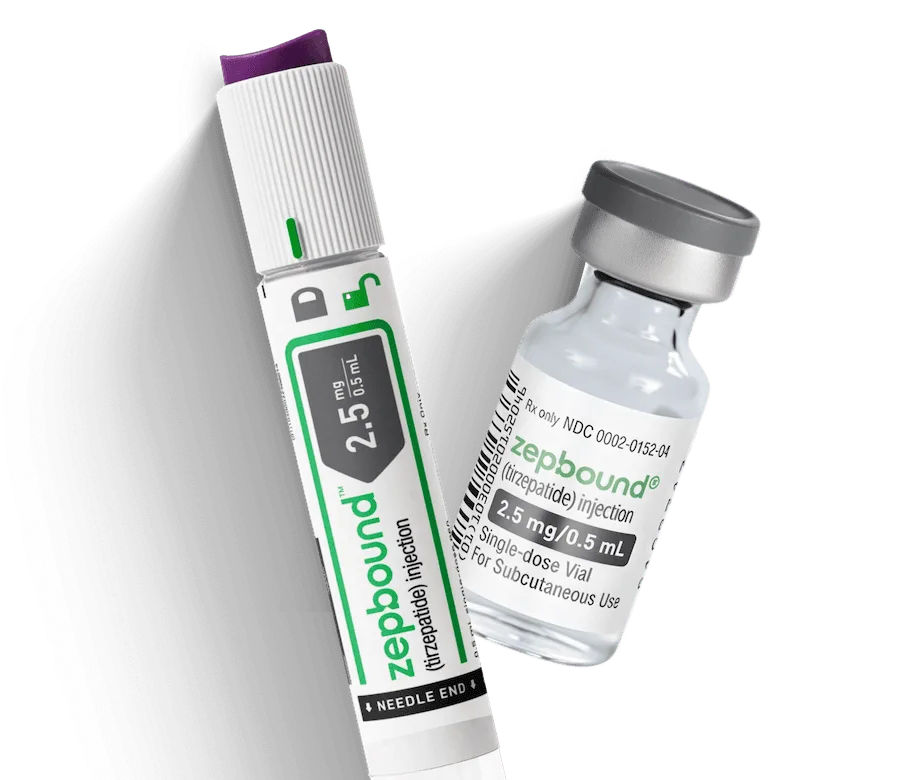
Zepbound®
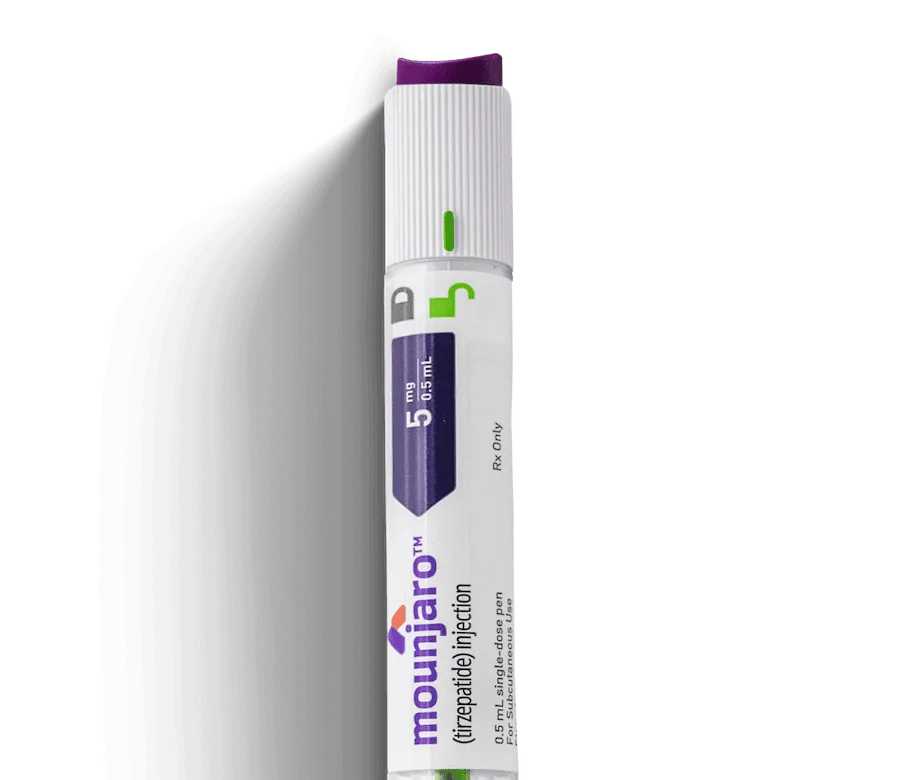
Mounjaro®
Liraglutide
1. Mix powdered peanut butter, yogurt, maple syrup, and cocoa powder until a thick dough forms. Chill the dough for 20 minutes.
2. Roll into 8 equal balls and place on a parchment-lined baking sheet.
3. Melt chocolate chips with coconut oil (microwave in 30-second increments, stirring between).
4. Dip each ball in chocolate, let excess drip off, and return to parchment.
5. Chill until chocolate sets, then serve.
Optional swaps:
- Use regular peanut butter, but reduce to 3 tbsp.—the dough will be softer, so chill it longer
- Swap dark chocolate for white chocolate for a different flavor
- Roll in crushed nuts for more texture
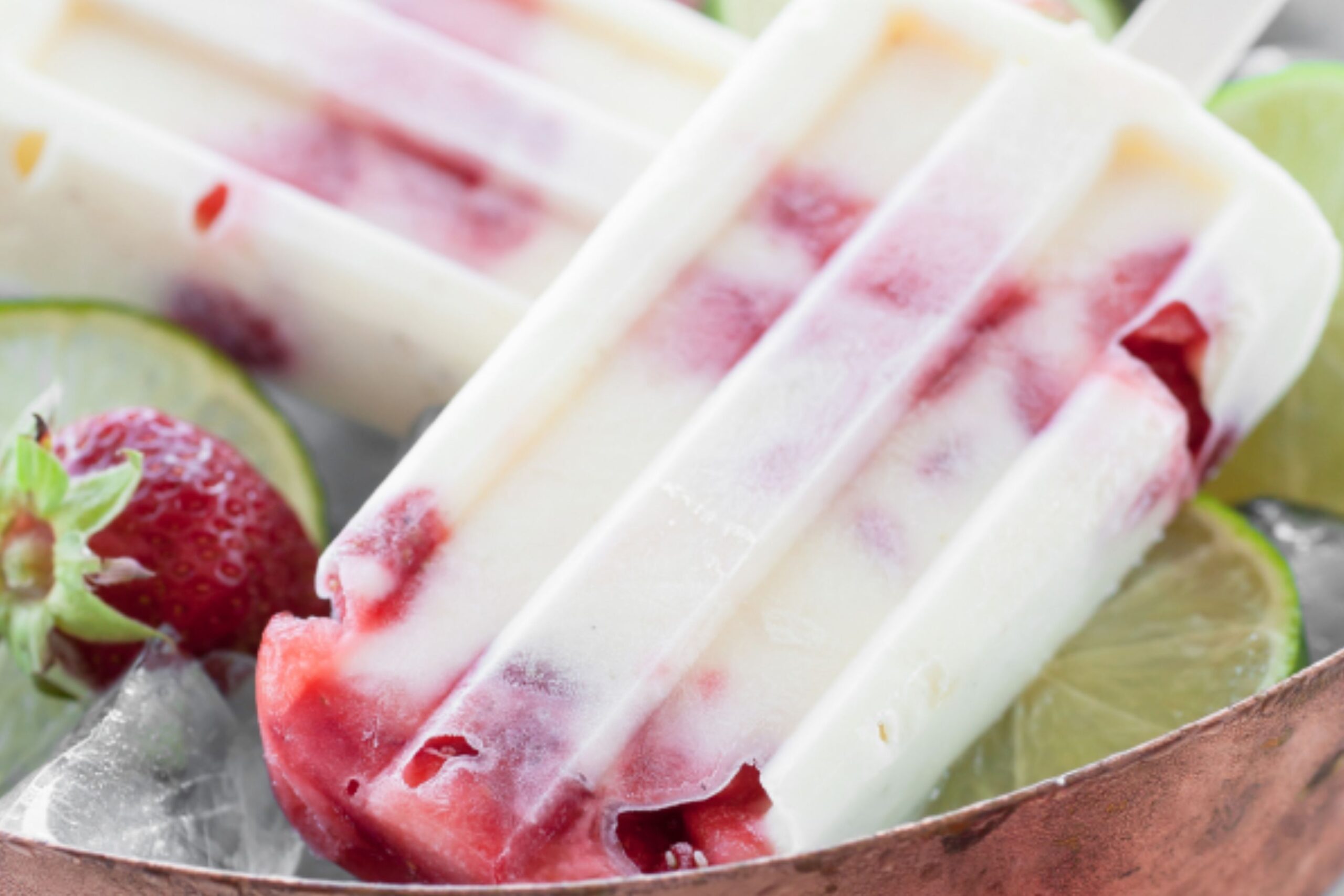
Yogurt and Berry Creamsicles
Prep: 10 min + 3 hours freeze | Serves: 8 | Calories: 103 per popsicle
Est. protein: 5g per popsicle
Why it works: Simple, refreshing, and endlessly customizable. Full-fat Greek yogurt gives these a creamier texture than nonfat, and the blended berries add natural sweetness—which means you can easily skip the honey if your fruit is ripe.
Ingredients:
- 2 cups full-fat Greek yogurt
- 1 cup frozen blueberries
- 2 cups frozen strawberries
- Honey to taste (optional—skip if fruit is sweet enough)
Directions:
1. Blend all ingredients until smooth, or leave slightly chunky if you like more texture.
2. Pour into popsicle molds.
3. Freeze for at least 3 hours or until fully set.
4. Run molds briefly under warm water to release.
Optional swaps:
- Use low-fat Greek yogurt to balance richness and calories
- Swap in raspberries or blackberries
- Stir in lemon zest before pouring for a brighter flavor
Avocado Chia Pudding
Prep: 1 hour (includes chill time) | Serves: 2 | Calories: 552 per serving
Est. protein: 21–22g per serving
Why it works: The calorie count here is high because of the avocado and chia seeds—both filling and nutrient-dense. The pea protein powder brings protein up significantly, and the avocado keeps the texture rich and smooth without any cream.
Ingredients:
- ½ cup chia seeds
- 1 cup almond milk
- 1 avocado
- 3 tbsp maple syrup
- 1 tsp lemon juice
- 1 oz unflavored pea protein powder
- Salt to taste
Directions:
1. Scoop avocado into a blender with almond milk, protein powder, and maple syrup. Blend until smooth.
2. Add a pinch of salt and stir. Add chia seeds and stir well with a spatula so they’re evenly distributed. Add lemon juice and stir again.
3. Cover and chill for 45 minutes.
4. Stir before serving—chia seeds will have thickened the mixture significantly.
Optional swaps:
- Use half an avocado per serving to reduce calories
- Swap maple syrup for honey or a couple of pitted dates
- Top with berries or cacao nibs for added texture
Blackberry Parfait Martinis
Prep: 7 min | Serves: 4 | Calories: ~215 per serving
Est. protein: 10–11g per serving
Why it works: These look fancy but come together in under 10 minutes. The graham crackers add crunch, the toasted cashews add richness, and the yogurt layers hold everything together. A solid option when you want something that feels more intentional than a bowl of yogurt.
Ingredients:
- 2 cups low-fat vanilla yogurt
- 2 cups blackberries, raspberries, or blueberries
- ½ cup diced strawberries or tropical fruit
- 1 cup crushed graham crackers
- ¼ cup crushed cashews
Directions:
1. Coat a skillet with cooking spray, add cashews, and stir over medium heat for about 2 minutes until lightly toasted.
2. In 4 martini or coupe glasses, build thin layers: yogurt, graham crackers, strawberries, and berries—ending with yogurt.
3. Top with the remaining berries and the warm cashews.
4. Serve immediately.
Optional swaps:
- Use plain Greek yogurt + a little vanilla extract for more protein
- Swap graham crackers for granola
- Serve in regular bowls or ramekins if you don’t have stemware
Strawberry-Ricotta Crepes
Prep: 60 min | Serves: 10 | Calories: 208 per crepe
Est. protein: 12–13g per crepe
Why it works: Ricotta is an underrated protein source in desserts—creamy, mild, and a natural pairing with fruit. These crepes use ricotta and reduced-fat cream cheese for the filling, plus eggs and milk in the batter, so protein builds across all three components.
Ingredients:
- ¾ cup all-purpose flour
- ¾ cup white whole wheat flour
- 2 large eggs
- 2 cups fat-free milk
- 1 tsp vanilla extract
- Zest of 2 lemons
- 1 cup part-skim ricotta cheese
- 3 oz reduced-fat cream cheese (Neufchâtel), about ⅓ cup
- 5 tbsp confectioners’ sugar, plus extra for serving (optional)
- 2 lbs strawberries, cored and finely chopped (about 4 cups)
- Juice of 1 lemon (about 3 tbsp)
- 2 tbsp granulated sugar
Directions:
1. Combine lemon juice, granulated sugar, and 2 cups of the strawberries in a saucepan over medium-high heat. Simmer, stirring frequently, until berries are very soft and liquid is thickened, 15–20 minutes. Remove from heat, cover, and set aside.
2. Mix ricotta, cream cheese, 4 tbsp confectioners’ sugar, and the remaining strawberries in a bowl. Cover and refrigerate until ready to use.
3. Whisk both flours, 1 tbsp confectioners’ sugar, and ¼ tsp salt together in a large bowl. In a separate bowl, whisk eggs, milk, and vanilla, then pour into the flour mixture and whisk until no lumps remain.
4. Heat an 8″ skillet over medium heat. Spray with cooking spray, pour ¼ cup batter in, and immediately tilt and swirl to coat the pan.
5. Cook until the bottom is golden, 1–1½ minutes. Flip and cook 45 seconds more. Transfer to a plate under a kitchen towel.
6. Repeat with remaining batter, spraying the pan each time. Stack with parchment between crepes.
7. Spread ¼ cup ricotta mixture over each crepe, fold into a triangle, and top with about 2 tbsp of strawberry sauce. Finish with lemon zest and a dusting of confectioners’ sugar if using.
Optional swaps:
- Make crepes ahead and refrigerate stacked with parchment—fill just before serving
- Swap ricotta for blended cottage cheese for a protein boost
- Use frozen strawberries for the sauce if fresh aren’t in season
How to make any dessert with more protein
You don’t need a special recipe to nudge dessert in a higher-protein direction. A few consistent swaps tend to do most of the work:
- Replace heavy cream or sour cream with Greek yogurt—you’ll gain protein without losing much texture in most recipes.
- Use cottage cheese in frozen desserts—blended smooth, it’s virtually undetectable and adds a significant protein bump.
- Add a small amount of unflavored protein powder to puddings, no-bake bites, and smoothie-style desserts. Start with less than you think and taste as you go.
- Lean on ricotta for creamy fillings—it’s naturally higher in protein than cream cheese and works in everything from crepes to cheesecake.
- Use eggs generously—they’re one of the most efficient protein sources in baking and double as a binder.
The goal isn’t to turn every dessert into a protein shake. It’s to make small, consistent choices that add up—so you can enjoy dessert and add a few nutrients to your day.
More questions about high-protein desserts
What is a high-protein dessert?
There’s no official standard, but 8–15 grams per serving is a good amount to aim for. The more useful frame: does the dessert include a meaningful protein source—low-fat Greek yogurt, cottage cheese, eggs, or protein powder—or is it mostly sugar and fat?
What dessert is high in protein?
Desserts made with Greek yogurt, cottage cheese, ricotta, eggs, and protein powder tend to lead the pack. Of the recipes above, the avocado chia pudding (21g) and mango ice cream (18–20g) are the highest, followed by the strawberry-ricotta crepes (12–13g) and blackberry parfait martinis (10–11g).
Are high-protein desserts good for weight loss?
They can support weight loss goals, mostly by keeping you fuller longer. Protein is the most satiating macronutrient, and desserts that include it tend to be easier to eat in a reasonable portion. That said, calories still matter—even with a high-protein dessert, portion size is worth paying attention to.
Can I make high-protein desserts without protein powder?
Yes. Plenty of these recipes hit solid protein numbers through whole food ingredients alone—Greek yogurt, cottage cheese, and eggs. If you’re avoiding protein powder, focus on those, and you’ll still come out well ahead of most traditional desserts.
How do I add protein to desserts without changing the taste?
The most seamless swaps: replace cream cheese with cottage cheese blended smooth, use Greek yogurt instead of sour cream or heavy cream, and fold small amounts of unflavored protein powder into batters or puddings. The key is starting with one change at a time so you can taste as you go.
Noom’s Most Powerful Program
A dual-pathway GLP-1 and behavior change for lasting results.
The bottom line: Dessert can be delicious and good for you
Dessert gets a reputation for being unhealthy, but plenty of desserts can be a nutritional bonus. It’s easy to find versions of the foods you enjoy that also nourish your body.
These recipes do that. They’re made with real ingredients, they taste good, and they deliver enough protein to genuinely contribute to your daily total. Start with the one that sounds most appealing and go from there.
For more protein-packed recipes, healthy eating tips, and proven ways to build healthier habits, sign up for a free trial of Noom and follow us on YouTube and Instagram.
Editorial standards
At Noom, we’re committed to providing health information that’s grounded in reliable science and expert review. Our content is created with the support of qualified professionals and based on well-established research from trusted medical and scientific organizations. Learn more about the experts behind our content on our Health Expert Team page.