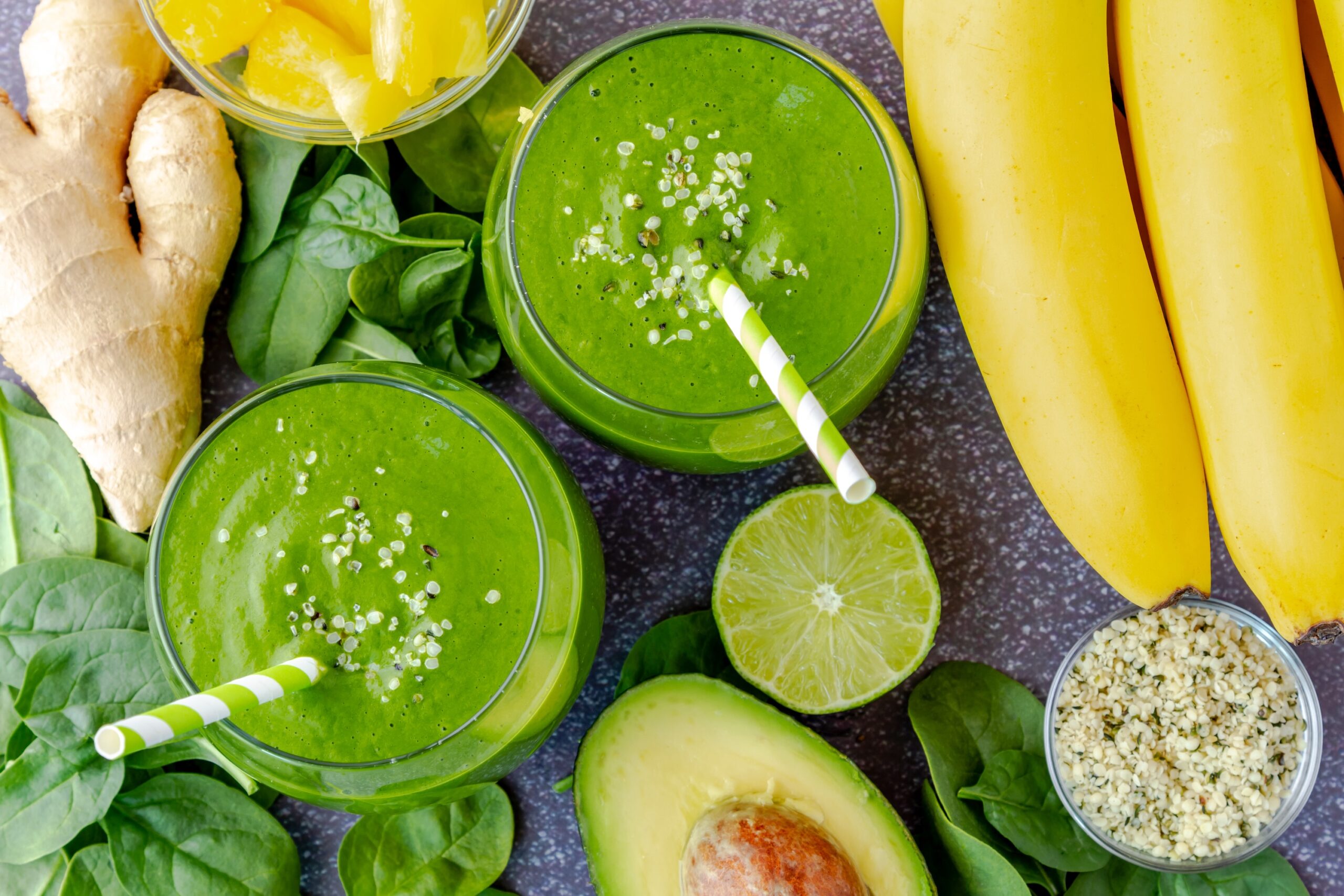
Smoothies can be easy way to pack a lot of healthy ingredients into one glass. But whether a smoothie actually supports your health depends entirely on what you put in it.
That matters even more when it comes to inflammation. It’s a big topic right now—applied to everything from gut health to joint pain—but inflammation itself isn’t a bad thing. It’s part of your body’s natural immune response, helping you heal and fight off infection.
The concern is chronic, low-grade inflammation, which can build over time and has been linked to conditions like heart disease, type 2 diabetes, and broader metabolic changes.
The research here is still evolving. There’s no single food—or smoothie—that can overhaul your body. But there are clear patterns.
Large clinical trials on eating habits—like Mediterranean-style diets, built around foods like berries, leafy greens, olive oil, nuts, and fermented dairy—have shown meaningful health effects, including fewer heart issues. Follow-up research suggests this way of eating is also linked to lower levels of inflammatory markers.

The Easy Way
to lose weight and get healthy.
In other words, it’s not one ingredient—it’s the overall pattern that matters.
That’s where smoothies can come in because they make it easier to regularly eat more of those anti-inflammatory foods. A handful of spinach, some berries, a source of lean protein, maybe low-fat Greek yogurt or kefir—it all adds up.
That’s really the goal: consistency, not perfection.
We put together 8 of our favorite smoothies with ingredients that have been linked with lower inflammation. But first…
What makes a smoothie “anti-inflammatory”?
When smoothies are built with ingredients associated with lower inflammation, they usually include a mix of:
- Polyphenol-rich foods: Berries, leafy greens, cocoa, and even green tea contain plant compounds that have been linked to antioxidant effects and may help lower certain inflammatory markers over time.
- Fiber: Higher-fiber diets are associated with shifts in the gut microbiome—changes that may help regulate inflammation over time.
- Protein and healthy fats: These make a smoothie more filling and help support steadier blood sugar. Over time, large blood sugar spikes have been linked to higher levels of inflammation.
- Fermented foods: Greek yogurt and kefir may support gut bacteria and short-chain fatty acid production, both linked to inflammation pathways.
- Spices like turmeric and ginger: These contain bioactive compounds—like curcumin, gingerol, and other plant compounds—that have been linked to effects on inflammation. While most research looks at higher-dose supplements, using these spices regularly can still contribute to an overall pattern associated with lower inflammation.
You don’t need all of these every time. But the more often they show up, the more your overall diet starts to shift.
Read more about how anti-inflammatory foods can fit together:
9 anti-inflammatory smoothie recipes
These are built with a mix of ingredients commonly linked to lower inflammation—along with enough protein, fiber, and fat to make them filling, practical, and actually taste good.
Pineapple, Ginger and Turmeric Smoothie
Prep time: 10 minutes | Serves: 1 | Calories: 501
Why it works: This one leans into ingredients commonly associated with inflammation research. Ginger and turmeric are widely studied, and black pepper may help improve curcumin absorption. It’s still food-level support—not a treatment—but it’s a solid place to start.
The Easy Way
to lose weight and get healthy.
Ingredients:
- 1 cup almond milk
- 1 cup frozen pineapple chunks
- 2 bananas, sliced
- 1 tsp grated ginger
- 2 tsp flaxseed meal
- 1 tsp ground turmeric
- ½ tsp black pepper
- 1 oz unflavored pea protein powder
How to make:
- Blend everything on high until smooth.
- Serve immediately.
Optional swaps:
- Use mango instead of pineapple
- Swap flax for chia seeds
Grapefruit Ginger Smoothie
Prep time: 15 minutes | Serves: 2 | Calories: 401
Why it works: This one balances fruit, protein, and fat. Ginger adds a flavor boost, while yogurt and protein powder help make it more filling than a typical fruit smoothie.
Ingredients:
- 1 red grapefruit
- 1 banana, sliced
- 2 cups frozen pineapple chunks
- 1 cup yogurt
- 1 tbsp coconut oil
- 1 oz unflavored pea protein powder (or other)
- 1 tsp grated ginger
How to make:
Segment grapefruit over a bowl to collect the juice. Add all ingredients to a blender and blend until smooth. Serve immediately.
Optional swaps:
- Skip coconut oil if you want to lower calories
- Use Greek yogurt for more protein
Pumpkin Smoothie
Prep time: 5 minutes | Serves: 1 | Calories: 162
Why it works: This is one of the simplest options. Pumpkin provides fiber and beta-carotene, while the spices add flavor without extra sugar. It’s lighter overall, so it works best as a snack or base you can build on.
Ingredients:
- ½ cup canned pumpkin
- ½ cup vanilla soy milk
- ½ cup crushed ice
- 1 tbsp honey
- 1 tsp pumpkin pie spice
How to make:
Blend everything until smooth.
Optional swaps:
- Add protein powder to make it more filling
- Swap honey for a date if you prefer whole-food sweetness
Plum and Green Tea Smoothie
Prep time: 10 minutes | Serves: 1 | Calories: 192
Why it works: This one leans into polyphenols from both fruit and green tea. It’s refreshing and lighter, but lower in protein—so it’s better as a snack than a full meal.
Ingredients:
- 2 plums, halved and pitted
- 1 nectarine, pitted and quartered
- 1 peach, pitted and quartered
- 1 cup green tea
- 2 tbsp lime juice
How to make:
Blend all ingredients until smooth. Pour into a glass and serve.
Optional swaps:
- Add Greek yogurt or protein powder for more staying power
- Use frozen fruit for a thicker texture
Banana-Matcha Green Tea Vegan Smoothie
Prep time: 10 minutes | Serves: 2 | Calories: 354
Why it works: Matcha brings caffeine and plant compounds, while spinach and zucchini add volume without changing the flavor much. It’s more balanced than it looks, especially with added protein.
Ingredients:
- 2 bananas
- 2 cups almond milk
- 2 cups spinach
- 2 oz zucchini, chopped
- 2 oz vegan protein powder
- 2 tbsp matcha green tea powder
- 2 dates, pitted
- 2 tsp vanilla extract
How to make:
Blend all ingredients until smooth, adding more liquid if needed.
Optional swaps:
- Use 1 banana instead of 2 to reduce sugar
- Swap dates for a smaller amount of honey or skip entirely
Dark Chocolate, Banana, and Strawberry Smoothie
Prep time: 10 minutes | Serves: 2 | Calories: 474
Why it works: This one leans more dessert-like but still includes fiber, fats, and protein. Cocoa powder contains polyphenols, and avocado adds healthy fats that help with fullness.
Ingredients:
- ½ cup strawberries
- 4 bananas, sliced
- ½ avocado, sliced
- 2 tbsp unsweetened cocoa powder
- ¼ cup coconut milk
- ¼ cup water
- 2 oz unflavored whey protein powder (or other)
How to make:
Blend everything until smooth. Serve immediately.
Optional swaps:
- Use fewer bananas to lower carbs and calories
- Swap coconut milk for almond milk for a lighter version
Strawberry-Avocado Smoothie
Prep time: 10 minutes | Serves: 1 | Calories: 630
Protein: ~35g | Fiber: ~15g
Why it works: This one is balanced in a way that makes it satisfying. The avocado adds fats that slow digestion, while strawberries bring fiber and natural sweetness.
Ingredients:
- 1 small avocado
- 1 cup strawberries
- ¾ cup plain yogurt
- 1 tbsp orange juice
- ½ tsp vanilla extract
- 1 tbsp ground sprouted flaxseed
- 1 oz unflavored pea protein powder
How to make:
- Blend everything until smooth.
- Serve immediately.
Optional swaps:
- Use Greek yogurt or cottage cheese
- Swap orange juice for lemon juice
Mango, Raspberry and Kale Smoothie
Prep time: 10 minutes | Serves: 1 | Calories: 661
Protein: ~21g | Fiber: ~14g
Why it works: This one sits in the middle—some carbs for energy, fiber from fruit and greens, and protein from yogurt. It works well as a full breakfast.
Ingredients:
- 2 cups almond milk
- 1 cup frozen mango chunks
- 1 cup raspberries
- 1 cup yogurt
- 1 cup kale
- 1 tbsp lime juice
- 1 banana, sliced
How to make:
- Blend until smooth.
- Serve immediately.
Optional swaps:
- Use spinach instead of kale
- Swap yogurt for kefir
More questions about building anti-inflammatory smoothie recipes
Are anti-inflammatory smoothie recipes actually effective?
They can be helpful—but not on their own. What matters more is your overall eating pattern. Smoothies can make it easier to include foods like berries, leafy greens, and yogurt, which are linked to lower inflammation over time. But one smoothie isn’t going to create a noticeable change by itself.
What ingredients are best for anti-inflammatory smoothie recipes?
There’s no single “best” ingredient, but a few tend to show up often:
- berries and leafy greens for fiber and plant compounds
- yogurt or kefir for protein and probiotics
- nuts, seeds, or avocado for healthy fats
- spices like ginger or turmeric for added flavor and potential benefits
The key is combining them in a way that’s balanced and filling.
Can smoothies reduce inflammation quickly?
No. Changes in inflammation—especially the chronic, low-grade kind—tend to happen gradually and are tied to longer-term habits.
Most research looks at overall dietary patterns over weeks to months, not single foods or drinks. For example, eating patterns like the Mediterranean diet have been associated with lower inflammatory markers over time, but those changes come from consistent intake—not one meal or smoothie.
Smoothies can help you include foods linked to lower inflammation, like berries, leafy greens, and yogurt. But they’re best thought of as one small part of a bigger pattern, not a quick fix.
Are smoothies good for weight loss?
They can fit into a weight loss plan—but it depends on how they’re built and how they’re used.
A smoothie made with whole foods, a lean source of protein, and some fiber can be filling enough to work as a meal. But it’s easy for calories to add up quickly, especially with large portions, added sugars, or multiple high-calorie ingredients like nut butters, oils, and sweetened milks.
Is it okay to drink a smoothie every day?
For most people, yes—if it fits into a balanced diet. It helps to vary your ingredients and make sure your smoothie isn’t crowding out other types of foods you’d normally eat.
What’s the biggest mistake people make with smoothies?
Treating them like a health shortcut. The most common issues are too much fruit, not enough protein, and using smoothies as an add-on instead of a meal. How you build and use them matters more than the idea of the smoothie itself.
Noom’s Most Powerful Program
A dual-pathway GLP-1 and behavior change for lasting results.
The bottom line: Smoothies are a great place for swapping in anti-inflammatory ingredients
Smoothies aren’t a shortcut to reducing inflammation or losing weight—but they can fit into a way of eating that supports both, depending on how they’re built and used.
When a smoothie includes protein, fiber, and some fat, it’s more likely to be filling and easier on blood sugar, which can help with appetite and overall metabolic health. But it’s just as easy to go the other direction if you’re not paying attention.
That’s why it helps to think of smoothies as part of an overall day of eating. Are your meals actually filling? Are you getting enough protein across the day? Are you building meals—or just drinking them?
These patterns tend to matter more than any single ingredient.
For more smoothie recipes, healthy eating tips, and proven ways to build healthier habits, sign up for a free trial of Noom.
Editorial standards
At Noom, we’re committed to providing health information that’s grounded in reliable science and expert review. Our content is created with the support of qualified professionals and based on well-established research from trusted medical and scientific organizations. Learn more about the experts behind our content on our Health Expert Team page.