
Fasting sounds simple enough: stop eating for a set period of time, then eat again later. No snacks, no meals, but definitely water.
But once you actually try it, the questions start stacking up fast. What about coffee? Tea? Supplements? Electrolytes? Does lemon water count? What if you add a splash of cream?
Part of the confusion is that people use the phrase “break a fast” in different ways. Some mean anything with calories. Others follow what’s sometimes called a dirty fast or modified fast—a more flexible approach that allows small amounts of calories from sources that have little effect on insulin, like a splash of cream, a bit of bone broth, or a zero-calorie sweetener. That’s why some foods and drinks are clear-cut, while others fall into more of a gray area.
Whether you’re doing a 16:8 intermittent fast, a 48-hour fast, or pushing into a 72-hour fast, the rules can look a little different depending on how far you go.
Before getting into the details, it’s worth zooming out for a second. Fasting isn’t something you need to do to lose weight or be healthy. Many people see results without it, and for some, it can actually make things harder—especially if it leads to intense hunger, low energy, or an all-or-nothing cycle with food.
Noom’s Most Powerful Program
A dual-pathway GLP-1 and behavior change for lasting results.
If you do choose to fast, the goal isn’t to follow rigid rules at all costs. It’s to support your body. That means staying hydrated, paying attention to how you feel, and making adjustments when needed. Something like water, electrolytes, or even a small amount of calories may technically “break” a fast depending on how you define it—but in some cases, it can help you feel better and stay safe, especially during longer fasting windows.
In this guide, we’ll walk through the most common questions about what does and does not break a fast, how different types of fasting work, and what to keep in mind if you want to try fasting in a way that actually fits your life. You’ll hear expert advice from Maggie Hudspeth, RDN, Senior Manager of Coaching at Noom, about how each food and drink affects your fasting experience.
Popular types of fasts
Not all fasts are the same. Here are the most common, listed from the least intense to the ones that are hardest on your body.
Time-restricted eating (TRE): This is the most common type of intermittent fasting. It focuses on when you eat, not necessarily how much. You eat during a set window each day, then fast the rest of the time. Common timelines include 16:8 and 12:12.
One-day fasts (24 hours): A 24-hour fast means going one full day without food, often once a week. A common version is dinner-to-dinner: you eat dinner one night, then wait until dinner the next night to eat again.
48-hour fasts: A two-day fast goes well beyond what most people mean when they say intermittent fasting. During a fast this long, glycogen stores are largely depleted, and the body relies more heavily on stored fat and ketone production for energy.
72-hour fasts: This is an extended fast, not a typical daily fasting routine, and it is much more demanding than a basic time-restricted eating plan. A 72-hour fast pushes the body into a survival response and metabolic shift.
Why do people try fasting?
Some people fast for medical reasons—a fast is required before certain blood tests because food can affect the results. Others fast before surgery or medical procedures as directed by their doctor. Fasting is also growing in popularity for longevity and healthy aging, with some research suggesting it may trigger autophagy, the body’s process for clearing out damaged cells. But the most common reason is weight loss. For some people, fasting is simply a practical tool for managing their eating and eating fewer calories.
Does it work? It might.
When you fast, your body eventually runs low on glucose and starts burning stored fat for energy. Some muscle can be lost in the process, too, especially during longer fasts, which is worth knowing going in. Over time, that metabolic shift can contribute to a calorie deficit and weight reduction—but results vary, and fasting works best when it fits your lifestyle rather than fights it.

The Easy Way
to lose weight and get healthy.
Here’s what can happen to your body when you fast:
- Metabolic shift: As your body runs out of stored glycogen, it will gradually use stored body fat for energy, a shift called ketosis. Your liver creates “ketones” from fat. These act as a fuel for your brain and body that can also help protect your muscles from being broken down as energy.
- Lower insulin levels: When you stop eating, your insulin levels will drop. Low insulin is a signal to your body to stop storing fat and start burning it.
- 5 to 10% body weight loss: In a review of prolonged fasting studies, participants lost about 5 to 10% of their body weight over several days, but a large portion of that loss came from fluid shift, not true fat loss.
Why are people concerned about breaking a fast?
Most of the concern about what you can and can’t eat during a fast comes down to insulin. When you eat, your body releases insulin to help move glucose from your blood into your cells for energy. Insulin also signals your body to stop burning stored fat so that it can store energy. During a fast, insulin levels stay low—and that low-insulin state is what many fasting benefits are reportedly tied to.
The concern is that having anything with calories causes insulin to rise, which interrupts the fasted state. That is why people who are following a strict fast want to know exactly what will and won’t cause that response
Safety: Who should talk to a doctor before fasting?
Fasting isn’t right for everyone. Never fast without medical supervision if you:
- Are under age 25 (your body is still growing and developing)
- Are pregnant or breastfeeding
- Take insulin or other diabetes medications
- Take medications that must be taken with food
- Have a seizure disorder
If any of these apply to you, check in with your doctor before starting a fast or making significant changes to when you eat. And even if none of them apply, it’s never a bad idea to loop in your healthcare provider—especially before attempting longer fasts.
11 foods and drinks that don’t break a fast
While fasting on the surface feels simple—don’t consume food—it can be something of a choose-your-own-adventure when it comes to zero-calorie or very low-calorie foods and drinks. Most fasts, except dry fasts, consider water okay, and some say near-zero-calorie foods like black coffee and tea are okay. But in the age of artificial sweeteners and processed or zero-calorie foods, there are a lot of gray areas.
The most honest answer to whether something should be avoided during a fast is that it depends on how strict your fast is and what you’re looking to get out of it.
Routine matters too. Someone who drinks coffee or diet soda every day may feel some side effects if they cut it out abruptly while fasting. In that case, keeping one familiar low-calorie drink may make the fasting routine easier to stick to.
Here’s how the most common fasting questions break down.
1. Does coffee break a fast?
Typical serving: 8–12 oz black coffee | Calories: about 0–5 | Fat: 0g | Sugars: 0g
Answer: Plain black coffee is usually considered fine for fasting.
Plain black coffee is usually considered fine for fasting. Coffee on its own contains very few calories and is one of the most common fasting drinks for a reason. Some research suggests coffee may help reduce appetite during a fast—one study found that decaffeinated coffee reduced hunger and increased levels of PYY, a satiety hormone, for up to 90 minutes—though the effect varies by person. Black coffee also appears to be gentle on blood sugar: A study found that black coffee did not meaningfully alter fasting blood sugar in healthy adults.
Noom expert advice: “Plain coffee is generally okay during a fast, but cream, milk, or sugar will change the equation,” reminds Hudspeth. “And if coffee on an empty stomach makes you shaky or nauseated, it’s best to avoid it.”
2. Does tea break a fast?
Typical serving: 8–12 oz brewed tea | Calories: 0–2 | Fat: 0g | Sugars: 0g
Answer: For most people, unsweetened tea does not break a fast.
For most people, unsweetened tea does not break a fast. Black tea, green tea, and most herbal teas are generally fine during a fast as long as nothing caloric is added. Like coffee, tea contributes almost no calories and can help make fasting more manageable for people who normally consume caffeine.
Green tea may offer a small added benefit: a meta-analysis found it was associated with modest reductions in fasting blood sugar. And for those who worry that caffeinated drinks might dehydrate them, a study found that black tea provides similar hydrating effects to plain water.
The key is keeping it plain: adding honey, milk, or sugar turns any fasting-friendly tea into a fast-breaker.
Noom expert advice: “Tea can be a gentler option than coffee for some people, especially if caffeine hits hard on an empty stomach,” offers Hudspeth.
3. Does lemon water break a fast?
Typical serving: 1 to 2 teaspoons fresh lemon juice in water | Calories: about 1–4 | Fat: 0g | Sugars: less than 1g
Access GLP-1 Weight Loss with Noom
Explore a wide range of prescription medications supported by Noom’s program.
Microdose GLP-1rx
Noom GLP-1rx
Noom GLP-1rx Plus
Wegovy®

Ozempic®

Metformin
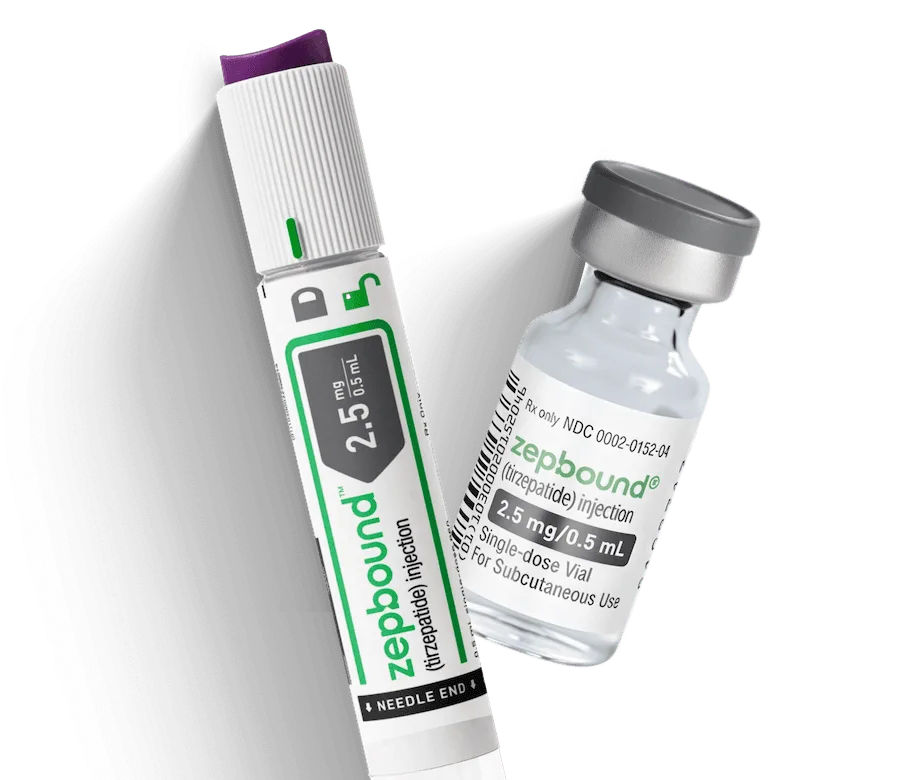
Zepbound®
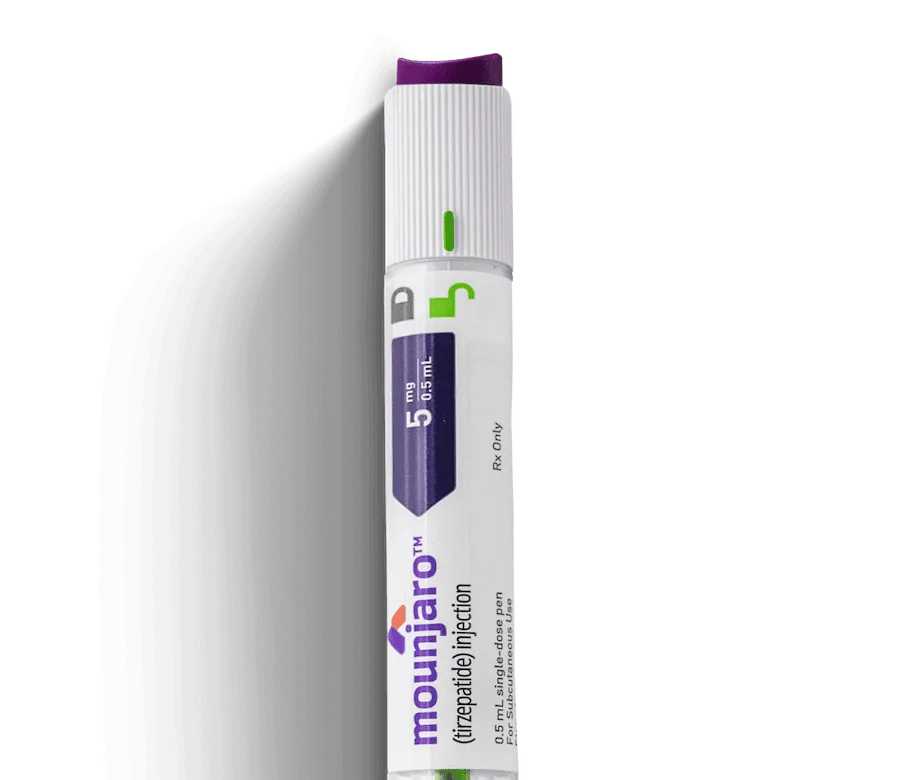
Mounjaro®
Liraglutide
Answer: It may help with hydration, but it may technically break a fast.
It may help with hydration, but it may technically break a fast. A small splash of lemon juice—about 1 to 2 teaspoons—adds only 1 to 4 calories and less than 1 gram of sugar, which most people’s bodies will barely register. But if you’re following a strict fast and concerned about any insulin response, even trace sugar is worth knowing about.
A larger amount is a different story. Squeeze half a lemon or more, and you’re looking at closer to 10 to 15 calories and nearly a gram of sugar per serving—still modest, but no longer quite a “splash.” For strict fasting purposes, it’s worth keeping the amount small.
There’s a practical upside worth noting: if lemon makes water more appealing, it may help you drink more throughout the day. And since water adds volume to the stomach, it can help reduce hunger—a study found that drinking water before meals was associated with reduced calorie intake.
What about lemonade with an artificial sweetener? Zero-calorie sweeteners like stevia or monk fruit don’t trigger a meaningful insulin response for most people, so artificially sweetened lemonade is generally considered compatible with weight-focused fasting. That said, if your goal is stricter metabolic fasting, some research suggests certain sweeteners may affect gut bacteria or insulin sensitivity over time—so plain water remains the most conservative choice.
Noom expert advice: “If a splash of lemon helps you drink more water, that may be more helpful than worrying about a couple of calories, or less than a gram of sugar,” says Hudspeth.
4. Does diet soda break a fast?
Typical serving: 12 oz can | Calories: 0–5 | Fat: 0g | Sugars: 0g
Answer: Usually not, but it is more of a gray area than water, coffee, or tea.
Most diet sodas contain little to no calories, so they are unlikely to break a basic intermittent fast from a calorie standpoint.
The bigger question is what artificial sweeteners do during a fasted state. Most research suggests that artificial sweeteners have no meaningful effect on insulin for most people, though findings vary by sweetener type, and some research points to potential effects on gut bacteria with regular use.
Cutting out diet soda might make sense if you want a stricter fast. The problem is that if you’re used to drinking it every day, you may experience headaches or fatigue from caffeine withdrawal rather than fasting itself. In that case, keeping one serving during a shorter fast may make the routine more sustainable.
Noom expert advice: “If your usual routine includes caffeine, taking it away all at once can make fasting feel harder than it really is,” explains Hudspeth. “Carbination can also be upsetting on an empty stomach. As for artificial sweeteners, some people do just fine with them during a fast, but others find they trigger cravings or make them think about food more. Pay attention to how you feel and listen to your body.”
5. Do electrolytes break a fast?
Typical serving: 1 electrolyte packet, capsule, or mineral mix | Calories: 0–10 depending on product | Fat: 0g | Sugars: 0g in unsweetened versions
Answer: Usually fine if they are unsweetened and calorie-free.
Plain sodium, potassium, and magnesium are generally fasting-friendly and can make fasting feel significantly easier, especially during longer fasts. When insulin drops during a fast, the kidneys excrete more sodium, and water follows. That’s why electrolyte depletion is so common during fasting, and why replenishing them can help with the headaches and fatigue people often blame on the fast itself.
The key is checking the label. Some electrolyte products contain sugar, coconut water powder, or other ingredients that add calories and may interrupt a strict fast.
Noom expert advice: “Electrolytes can be especially helpful if someone is fasting longer, sweating a lot, or dealing with headaches and low energy,” says Hudspeth.
6. Does creatine break a fast?
Typical serving: 3–5 grams creatine monohydrate | Calories: about 0 | Fat: 0g | Sugars: 0g
Answer: Usually not, if it is plain creatine monohydrate.
Creatine is a compound found naturally in muscle cells—and in small amounts in foods like red meat and fish—that helps muscles produce energy during short, high-intensity efforts like sprinting or lifting. Most people get far less from food than their muscles can use, which is why creatine is one of the most popular and well-researched sports supplements available.
In supplement form, plain creatine monohydrate contains no calories, no sugar, and no fat, so it is unlikely to trigger an insulin response or interrupt a basic fast. That said, timing is worth thinking about: research shows that insulin helps drive creatine into muscle cells, and insulin rises in response to carbohydrates. Taking creatine with your first meal after a fast—rather than during the fasting window—is a simple way to get more out of each dose.
The one category to watch is flavored or pre-mixed creatine products. These often contain added sugars, maltodextrin, or other carbohydrates—sometimes 15 to 25 calories and 4 to 5 grams of carbs per serving—which would be enough to interrupt a stricter fast. Checking the label for added ingredients is worth the extra few seconds.
Noom expert advice: “Creatine itself is not usually the problem—it is the extras added to some products,” says Hudspeth. “If you use creatine as a pre-workout, I wouldn’t recommend doing strenuous exercise when fasting.”
7. Does gum break a fast?
Typical serving: 1 piece | Calories: about 2–5 for sugar-free gum; often 10+ for regular gum | Fat: 0g | Sugars: 0g in sugar-free gum; a few grams in regular gum
Answer: It can, depending on the type and how strict you want to be.
It can, depending on the type and how strict you want to be. Regular gum with sugar definitely breaks a fast—even a few grams of sugar is enough to trigger an insulin response. Sugar-free gum is a closer call.
The calorie question is fairly simple: most sugar-free gum contains 2 to 5 calories per piece, which is unlikely to meaningfully interrupt a basic fast. The more interesting issue is what chewing itself does. The act of chewing—even without swallowing anything caloric—triggers what’s known as a cephalic phase response: the body begins preparing for food by releasing saliva, digestive enzymes, and in some cases a small amount of insulin. A study on people fasting for medical reasons found measurable differences in insulin levels after chewing sugar-free gum, suggesting even calorie-free gum can nudge the body out of a fully fasted state.
On the appetite side, the evidence is mixed. A systematic review found that chewing gum may increase feelings of fullness and reduce overall energy intake for some people—but for others it had the opposite effect, possibly by stimulating hunger.
For a casual intermittent fast focused on calorie reduction, a piece of sugar-free gum is unlikely to matter much. For a stricter metabolic fast, it’s worth skipping.
Noom expert advice: “If gum makes you feel hungrier, it is probably not helping your fast,” adds Hudspeth. “But if one piece helps you stick with your plan, that may be a reasonable tradeoff.”
8. Does stevia break a fast?
Typical serving: 1 packet or a few drops liquid stevia | Calories: 0–4 depending on product | Fat: 0g | Sugars: 0g in pure stevia
Answer: Usually not, especially if it is pure stevia with no added sugar.
Stevia is a plant-based, zero-calorie sweetener derived from the leaves of a plant called Stevia rebaudiana. Its sweetness comes from compounds called steviol glycosides, which make it roughly 250–300 times sweeter than sugar—meaning only a tiny amount is needed.
On the insulin question, the evidence is reassuring. A meta-analysis of 26 studies found that using stevia had no significant effect on insulin concentration, and some evidence suggests it may modestly reduce blood glucose levels over time. A separate study comparing stevia, monk fruit, and aspartame to sugar found that all three non-caloric sweeteners had minimal influence on blood sugar and insulin levels after eating compared to a sugar-sweetened beverage, making any of them reasonable options during a fast from a blood sugar standpoint.
The bigger caveat, as with any sweetener, is what intense sweetness does to your appetite. For some people, something that tastes very sweet—even with zero calories—can trigger cravings or make fasting feel harder. That’s individual, not universal, but worth paying attention to.
Noom expert advice: “Even non-caloric sweeteners can make your body expect something sweet,” reminds Hudspeth. “Stevia tends to be one of the more well-tolerated options, but pay attention to how you respond.”
9. Does salt break a fast?
Typical serving: a pinch to 1/4 teaspoon | Calories: 0 | Fat: 0g | Sodium: 500 mg | Sugars: 0g
Answer: No.
Adding a small amount during a fast can actually be helpful—sodium plays a key role in fluid balance, and fasting naturally causes the body to excrete more of it. A pinch of salt in water is one of the simplest ways to stay on top of electrolytes during a longer fast.
That said, more isn’t better. The American Heart Association recommends no more than 2,300 mg of sodium per day for most adults, and ideally closer to 1,500 mg. Anyone with kidney disease, heart conditions, or hypertension should talk to their doctor before adjusting their sodium intake or starting a fasting routine.
Noom expert advice: “A little sodium can make a big difference in how someone feels during a longer fast,” says Hudspeth. “Sodium is critical for regulating fluid balance, and you need to stay hydrated no matter what. A pinch of salt in water is very different from pouring it in freely, and a little goes a long way.”
10. Does apple cider vinegar break a fast
Typical serving: 1–2 tablespoons diluted in water | Calories: about 3–6 | Fat: 0g | Sugars: 0g
Answer: Usually not in small amounts.
Apple cider vinegar is mostly water and acetic acid, and at 1 to 2 tablespoons diluted in water, it contains almost no calories and no sugar. That makes it one of the more fasting-compatible additions people reach for, particularly in the morning before eating.
The acetic acid is worth noting, too. A meta-analysis found that apple cider vinegar significantly reduced fasting blood sugar levels in people with type 2 diabetes, suggesting it may actually support—rather than disrupt—the metabolic state fasting is meant to promote.
The main thing to watch is how you take it. Straight ACV is strongly acidic and can irritate the throat and damage tooth enamel over time—always dilute it in water, and consider drinking it through a straw. Also, check the label on flavored or sweetened ACV drinks, which often contain added sugar and are a different product entirely.
Noom expert advice: “Apple cider vinegar is fine for most people during a fast, but always dilute it—a tablespoon or two in a full glass of water is plenty. Straight ACV is hard on your teeth and your throat,” says Hudspeth.
11. Does pickle juice break a fast?
Typical serving: 1–2 oz | Calories: about 10-12 | Fat: 0g | Sugars: 0g in most dill pickle juice
Answer: Usually not in small amounts.
Plain dill pickle juice is mostly water, sodium, and vinegar—and in a 1- to 2-ounce pour, it contains very few calories, often close to zero depending on the brand. That combination is actually why some people reach for it during a fast: it’s a quick way to replenish sodium without eating anything.
The vinegar component is worth noting, too. A meta-analysis of clinical trials found that vinegar can help reduce blood sugar and insulin levels after eating, suggesting the acetic acid in pickle juice may be a mild metabolic ally rather than a concern during fasting.
The exception is sweet pickle brine, which contains sugar—sometimes several grams per serving. Always check the label, since “pickle juice” covers a wide range of products.
Noom expert advice: “If you want something salty and low-calorie, pickle juice can work—just make sure it is not sweetened,” explains Hudspeth.
4 foods and drinks that definitely break a fast
These items are more straightforward: they contain meaningful calories, sugar, fat, or protein, so they definitely break a fast.
1. Does bone broth break a fast?
Typical serving: 1 cup | Calories: about 30–60 | Fat: 0–3g | Sugars: 0g | Protein: about 5–10g
Answer: Definitely.
Unlike plain water, black coffee, or unsweetened tea, bone broth contains both calories and protein—typically around 30–60 calories and 5–10 grams of protein per cup, though this varies a lot by brand and how it’s made. Protein triggers an insulin response, which means bone broth interrupts a strict fast.
That said, it’s one of the more popular choices for modified or extended fasting—and for good reason. The combination of protein, sodium, and warmth can make longer fasting windows much easier to get through, especially for people new to fasting or managing hunger during a 24-hour fast. If your goal is general weight management rather than a strict fast, a cup of plain bone broth is a low-calorie way to take the edge off without derailing your overall approach.
What about the bone broth fast? That’s a different approach entirely, what’s called a single-food modified fast, where bone broth replaces meals rather than serving as a fasting aid. Think of it less as a traditional fast and more as a very low-calorie diet built around one food. A clinical trial found that combining a bone broth diet with intermittent fasting was safe and led to weight loss in people with elevated BMIs—though it was an early-stage study, so more research is needed. Separately, another review found that the amino acids in bone broth, particularly glycine and glutamine, may help support gut health.
Noom expert advice: “If someone wants a gentler way to ease a longer fast, bone broth can be a reasonable choice—but it is still technically breaking the fast,” says Hudspeth.
2. Does heavy cream break a fast?
Typical serving: 1 tablespoon | Calories: about 50–55 | Fat: about 5–6g | Sugars: about 0.4g
Answer: Yes.
Yes, if you’re following a strict fast. Heavy cream adds meaningful calories and fat quickly—about 50–55 calories and 5–6 grams of fat per tablespoon—and most people pour more than a tablespoon. Even a small splash turns black coffee from a fasting-friendly drink into a caloric one.
If you’re following a ketogenic diet, the answer is more nuanced. Fat has a much smaller effect on insulin than carbohydrates or protein, which is why heavy cream is one of the most common dirty fasting additions—especially in coffee. The logic is that pure fat keeps the body in or near ketosis even while technically providing calories, so some people use it without feeling like they’ve undermined their fast.
If your goal is ketosis specifically, a small amount of heavy cream is unlikely to knock you out of it. If your goal is calorie reduction or a clean metabolic fast, it’s better to skip. Either way, the calories add up quickly, so it’s worth being intentional about how much you’re pouring.
Noom expert advice: “If you want to keep your fast stricter, coffee or tea is best taken plain,” instructs Hudspeth.
3. Does honey break a fast?
Typical serving: 1 teaspoon to 1 tablespoon | Calories: about 20–22 per teaspoon, 60–65 per tablespoon | Fat: 0g | Sugars: about 6g per teaspoon, 17g per tablespoon
Answer: Absolutely.
Honey is a concentrated source of sugar and calories, so there is no real gray area here. A drizzle of it in tea, coffee, or water turns it into a calorie-containing drink that will raise blood sugar and trigger an insulin response. Honey does contain antioxidants and has some well-studied antimicrobial properties—but those benefits don’t change what it does metabolically during a fast.
Noom expert advice: “Honey may feel more natural than table sugar, but during a fast, your body still reads it as fuel,” says Hudspeth. “All sugar is sugar.”
4. Does coconut water break a fast?
Typical serving: 8 oz | Calories: about 40–45 | Fat: 0g | Sugars: 6g
Answer: Yes.
Coconut water may sound like a hydration drink—and outside a fasting window, it genuinely is a good one—but it contains real calories and naturally occurring sugar, typically around 40–45 calories and 6–10 grams of sugar per 8 oz serving depending on the brand. That’s enough to raise blood sugar and trigger an insulin response, which breaks a strict fast.
The confusion is understandable. Coconut water is often marketed alongside water and electrolyte drinks, and it does contain useful electrolytes like potassium and magnesium. But unlike plain electrolyte supplements, it comes with sugar attached. If you’re fasting and want the electrolyte benefit, a sugar-free electrolyte packet is a better fit.
Noom expert advice: “Coconut water can be great for hydration after a workout or when you are done fasting, but it is not the same as plain water,” reminds Hudspeth.
Frequently asked questions about what breaks a fast
How many calories break a fast?
There’s no universal number, and the honest answer is that it depends on what you’re fasting for. For weight management and basic metabolic benefits, small amounts of calories—especially from fat—are unlikely to meaningfully disrupt a fast. You may have seen a “50-calorie rule” circulating online, but it’s worth knowing that this figure isn’t backed by a specific study; it’s a practical rule of thumb that spread through fasting communities.
For autophagy—the cellular cleanup process that is thought to kick in during extended fasts—the threshold is much stricter. Research shows that both insulin and amino acids are among the main signals that slow autophagy down, which means even small amounts of protein can interrupt it. If maximizing autophagy is your goal, water-only fasting is the conservative approach.
For most people doing everyday intermittent fasting, the goal is simpler: keep calories low enough to stay in a fat-burning state and avoid anything with sugar or significant carbs. When in doubt, zero-calorie foods still contain trace calories under FDA labeling rules, so plain water, black coffee, and unsweetened tea remain the safest defaults.
What cancels intermittent fasting?
Anything that meaningfully feeds you—and “meaningfully” matters here. A meal, a snack, juice, milk, cream, honey, broth, a smoothie, or a protein drink will all interrupt a fast in ways that count. On the drink side, the most common surprise fast-breakers are sweetened coffee drinks, flavored teas, sports drinks, and coconut water, which people often assume are fasting-friendly because they seem light or healthy. The macronutrient type also matters: carbohydrates and sugar trigger the strongest insulin response, protein a moderate one, and fat the smallest. So a splash of heavy cream lands differently than a teaspoon of honey, even at similar calorie counts. For a clean fast, water, black coffee, unsweetened tea, plain salt, and unsweetened electrolyte products are the safest options.
What do you not eat when fasting?
Anything with meaningful calories or sugar—but the trickier question is what people don’t realize counts. The most common fast-breakers that catch people off guard are creamers in coffee, sweetened electrolyte drinks, flavored gum, protein supplements, and “natural” sweeteners like honey, coconut sugar, or agave. These all trigger an insulin response the same way regular sugar does, regardless of how they’re marketed. If a label says “natural,” “low-calorie,” or “plant-based,” it’s still worth checking the sugar and calorie content before using it during a fasting window.
Noom’s Most Powerful Program
A dual-pathway GLP-1 and behavior change for lasting results.
The bottom line: What breaks a fast for one person might be helpful for another
Fasting doesn’t have to be complicated, but it helps to know what you’re actually looking for. The most common fast-breakers aren’t the obvious ones—they’re the creamers, the sweetened electrolyte drinks, the flavored gums, and the “natural” sweeteners like honey, coconut sugar, and agave that seem harmless but affect your body the same way regular sugar does. If a label says “natural,” “low-calorie,” or “plant-based,” it’s still worth a quick check before using it during a fasting window.
It’s also worth saying clearly: you don’t have to fast. Unless your doctor has recommended it for a specific reason—like preparing for a blood test or a medical procedure—fasting is a personal choice, not a requirement for losing weight or being healthy. Plenty of people reach their goals without it.
If fasting leaves you feeling exhausted, irritable, or obsessed with food, that’s a sign it may not be the right fit for you right now—and that’s completely okay. Whatever approach you take, staying hydrated, listening to your body, and checking in with your doctor if you have any health conditions are always the right moves first.
If you’re looking for more healthy weight loss strategies, explore the Noom app on iOS & Android. Noom focuses on building awareness around your habits and food choices. When you understand how different foods affect your hunger, satisfaction, and habits, you can make choices that feel balanced—and build changes that last.
Editorial standards
At Noom, we’re committed to providing health information that’s grounded in reliable science and expert review. Our content is created with the support of qualified professionals and based on well-established research from trusted medical and scientific organizations. Learn more about the experts behind our content on our Health Expert Team page.