
What you’ll learn:
- CagriSema is a combo therapy of semaglutide and cagrilintide that targets GLP-1 and amylin pathways to help regulate appetite, digestion, and blood sugar.
- Weight-loss research so far shows strong results, including an average of 23% weight loss in a recent study.
- The medication has completed phase 3 trials and is currently under FDA review, with a decision expected by late 2026.
Wegovy® and Zepbound® have changed how people approach medically assisted weight loss. For the first time, medications are helping many people lose an average of 15% to 21% of their body weight when combined with nutrition, movement, and long-term behavior change. That level of effectiveness has reshaped expectations around what’s possible without surgery.
But the weight-loss field doesn’t stand still. Researchers are continually testing new medications that may work faster, lead to greater weight loss, reduce side effects, or improve long-term safety. The goal isn’t just more weight loss—it’s better metabolic health, cardiovascular protection, and sustainable results.
One medication currently in clinical trials is CagriSema.
Developed by Novo Nordisk, the company behind Ozempic® and Wegovy® (made with semaglutide), CagriSema combines two hormone-based therapies into a single once-weekly injection. It combines semaglutide and cagrilintide, an active ingredient that also helps regulate appetite and satiety.
CagriSema is being studied for weight management, type 2 diabetes, and heart health. Early info, including a trial comparing it directly to tirzepatide (the active ingredient in Zepbound®), has generated significant discussion about what the next generation of obesity medications could look like.
So what does CagriSema actually do, how effective is it so far, and how might it fit into the evolving landscape of medical weight loss? Let’s take a closer look.
What is CagriSema?
CagriSema is a once-weekly weight-loss injection still in trials that combines semaglutide with cagrilintide, a long-acting version of a hormone called amylin. You can think of CagriSema as semaglutide plus an extra satiety boost.
So why add another hormone? Semaglutide helps lower appetite, slow stomach emptying, and improve blood sugar control. Cagrilintide, a longer-acting version of amylin, also promotes fullness and supports blood sugar regulation after eating.
The idea is that these two hormones may work in complementary ways—semaglutide curbs appetite through GLP-1 pathways, while cagrilintide may further reinforce fullness signals. By combining the two, researchers hope to strengthen the body’s natural satiety signals and potentially support greater reductions in food intake than semaglutide alone.
CagriSema: How it’s taken
In clinical trials, CagriSema has been taken as a once-weekly injection under the skin. It’s designed to be self-administered in the abdomen, thigh, or upper arm, just like Wegovy.
CagriSema: Where it stands in clinical trials
CagriSema is currently in late-stage (phase 3) clinical testing, which is the final step before a company can seek FDA approval. That means it’s still investigational—but far along in development.
Earlier studies showed promising results. In a 32-week trial, people taking cagrilintide plus semaglutide lost an average of 16% of their body weight, compared to roughly 10% with semaglutide alone.
More recent phase 3 data, which follow people for longer, suggest weight loss may reach the low 20% range in people without diabetes. That puts it in a similar range to today’s most effective medications, including Wegovy (14-15%) and Zepbound (20-21%).
Taken together, the results are encouraging—but not necessarily groundbreaking. So far, CagriSema hasn’t clearly outperformed tirzepatide (the active ingredient in Zepbound) in a way that would set it apart. In other words, it looks like a potentially powerful option, but not a dramatic leap beyond what’s already available.
CagriSema: Dosage and titration
Since CagriSema is still under FDA review, there aren’t official prescribing instructions yet. What we do know comes from the clinical trials. CagriSema is given as a once-weekly injection under the skin.
Access GLP-1 Weight Loss with Noom
Explore a wide range of prescription medications supported by Noom’s program.Microdose GLP-1rx
Noom GLP-1rx
Noom GLP-1rx Plus
Wegovy®
Ozempic®
Metformin
Zepbound®
Mounjaro®
Liraglutide
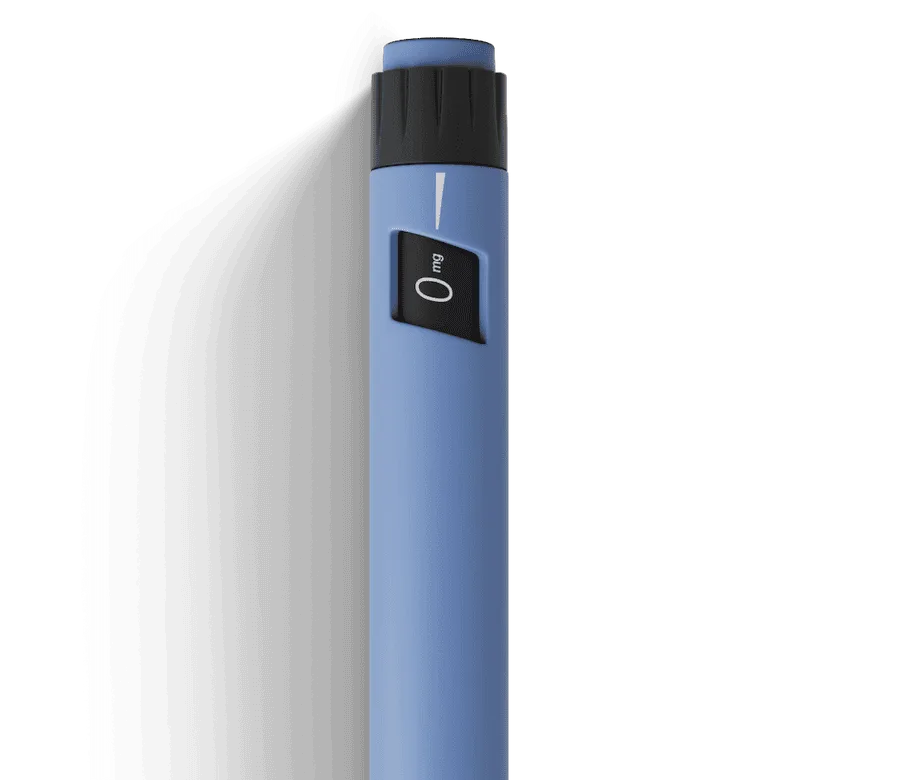
Here’s how the schedule worked:
- Weeks 0–4: 0.25 mg cagrilintide + 0.25 mg semaglutide
- Weeks 4–8: 0.5 mg cagrilintide + 0.5 mg semaglutide
- Weeks 8–12: 1 mg cagrilintide + 1 mg semaglutide
- Weeks 12–16: 1.7 mg cagrilintide + 1.7 mg semaglutide
- Week 16+: 2.4 mg cagrilintide + 2.4 mg semaglutide
Like other GLP-1 medications, the medication was slowly titrated upward so the body could adjust to the medication over time to lower the risk of side effects. In this study, the dose was increased every 4 weeks until people reached the full maintenance dose of 2.4 mg cagrilintide + 2.4 mg semaglutide once weekly.
CagriSema: Weight loss potential
The newest info we have on weight loss comes from a head-to-head study comparing CagriSema with tirzepatide (Zepbound®). After 84 weeks, people taking CagriSema lost an average of 23% of their body weight. Tirzepatide came in slightly higher at an average of 26% weight loss.
What does that mean? In that study, CagriSema didn’t meet its goal of proving it was at least as effective as tirzepatide, which is why you may have seen headlines about it. Still, a 23% average weight loss is significant. For comparison, Novo Nordisk’s semaglutide (Wegovy®) achieved an average weight loss of 15% over 2 years in its trials. So the results seen with CagriSema were notably higher and achieved in a shorter time frame.
And it isn’t the only data we have.
What other studies say about weight loss with CagriSema
There’s already a solid, earlier body of research behind CagriSema: Here’s what some of the major ones set out to do and what they found:
- In one major trial, people taking CagriSema for about 68 weeks lost an average of 20% of their body weight, compared with about 3% in the placebo group. About half of the participants also moved into a lower BMI category by the end of the study.
- In another study focused on people with type 2 diabetes, participants lost an average of 14% of their body weight, and their blood sugar improved significantly. Nearly three-quarters reached a healthy HbA1c target.
- Researchers are also running a large, ongoing study to see whether CagriSema can reduce the risk of heart attacks or strokes, with results expected around 2027.
More trials are still underway—including research on higher doses—so the data we have now may not be the final picture of what this medication can ultimately do.
CagriSema: What could it cost?
Right now, there’s no official price for CagriSema. It’s still under FDA review, so we won’t know any numbers until it reaches the market. To get an idea, we can look at semaglutide medications from Novo Nordisk that are already available. If CagriSema is approved, its eventual price may differ from these. Insurance coverage and savings programs will play a big role in what you’d pay out of pocket.
| Medication | FDA approval and use | List price (monthly) | Price through NovoCare Pharmacy |
|---|---|---|---|
| Wegovy® | Weight loss, heart disease, and metabolic-associated steatohepatitis (MASH) | Weekly injection and daily pill: $1,350 | Injection: $199–$349Pill: $149–$299Read more about the cost of Wegovy. |
| Ozempic® | Diabetes, heart disease, and off-label weight loss | $1,028 | $199–$499Read more about the cost of Ozempic. |
Learn more about semaglutide costs:
- What does Wegovy® cost? How to navigate pricing in 2026
- Ozempic® cost without insurance: What to expect in 2026
CagriSema: Side effects and safety considerations
Like most weight-loss medications, CagriSema can cause side effects, largely because of how the two hormones it mimics—GLP-1 and amylin—affect digestion and appetite. GLP-1 receptor agonists slow stomach emptying and reduce appetite, helping people feel full longer, but also leading to digestive symptoms. Amylin has a similar effect, reinforcing feelings of fullness and further slowing the rate at which food moves through the stomach.
In studies, the most commonly reported reactions involved the digestive system. That means symptoms like:
- Nausea
- Vomiting
- Diarrhea
- Constipation
- Abdominal pain
Most of these symptoms were described as mild to moderate and temporary. This pattern is consistent with other medications that work on GLP-1 pathways. Because CagriSema also activates amylin receptors, which influence appetite and digestion, some stomach-related adjustment is expected early on, especially during dose increases.
Does CagriSema have any potential for severe side effects?
As with other medications that affect appetite hormones, researchers continue to monitor CagriSema for potential serious side effects as clinical trials progress. Because the drug combines semaglutide with cagrilintide, its safety profile is expected to reflect the effects of both hormones on digestion and metabolism.
GLP-1–based medications have been associated in rare cases with issues such as pancreatitis, gallbladder problems, or severe gastrointestinal symptoms.
For now, available trial data suggest that most side effects are gastrointestinal and generally manageable, but researchers are continuing to study whether combining GLP-1 and amylin signaling changes the risk profile compared to GLP-1 medications alone.

The Easy Way
to lose weight and get healthy.
See if you qualify
Learn more about common side effects linked to GLP-1 weight loss medications:
- Wegovy® side effects: Symptom guide and management tips
- Zepbound® side effects: Symptom guide & management tips
CagriSema: When could it become available?
There’s no set launch date yet, but CagriSema is already far along in the approval process. The medication has completed large phase 3 trials, and Novo Nordisk officially filed for FDA approval in December 2025. Drug development follows a step-by-step path, and CagriSema has moved through each stage:
- Phase 1: Early safety testing in a small group. Researchers confirm the medication is tolerated and determine safe starting doses.
- Phase 2: Mid-sized studies explore effectiveness and continue monitoring safety.
- Phase 3: Large studies involving thousands of people compare the medication to a placebo or existing treatments. These trials provide the main evidence needed for FDA approval.
- Phase 4: Happens after approval. These are ongoing studies that track long-term safety and real-world outcomes once the medication is publicly available.
A decision is expected by late 2026. If the FDA gives it the green light, CagriSema could become available shortly after that, and any additional long-term monitoring would fall under phase 4.
CagriSema vs. other GLP-1 weight loss medications
While CagriSema is still under FDA review, based on trial results, it’s already being compared to some of the biggest names in weight loss treatment. Looking at average weight loss across studies can help you see where it fits.
Here’s a simple side-by-side snapshot:
| Medication | How it’s taken | Study length | Average weight loss |
|---|---|---|---|
| CagriSema (2.4 mg / 2.4 mg) | Weekly injection | 84 weeks | 20–23% |
| Tirzepatide (Zepbound®) – 15 mg | Weekly injection | 72 weeks | 20–21% |
| Semaglutide (Wegovy®) – 2.4 mg | Weekly injection and daily pill | 104 weeks | 14–15% |
Other weight loss medications in trials
CagriSema isn’t the only medication being studied right now. Researchers are actively testing several next-generation treatments that aim to build on what current weight loss medications can do. Some work on multiple hormone pathways. Others are designed as pills instead of injections. Here are a few things drawing attention.
Amycretin
Amycretin is another medication being developed by Novo Nordisk that activates both GLP-1 and amylin in a single compound. In completed phase 2 trials, people taking the highest weekly injection dose (40 mg) lost an average of 15% of their body weight over 36 weeks, while those taking the highest daily pill dose (50 mg) lost an average of 10% over the same period.
A phase 3 weight loss trial was posted in January 2026, though it hasn’t begun recruiting yet, so larger and longer-term results are still ahead.
Retatrutide
Retatrutide activates three hormone receptors instead of two. In addition to GLP-1 and GIP, it also works on glucagon, a hormone involved in energy use. According to a recent phase 3 trial, the highest dose (12 mg) resulted in an average of 29% weight loss over 68 weeks. Those results have made it one of the most closely followed candidates in weight loss research.
Orforglipron
Orforglipron is a once-daily oral GLP-1 medication. In phase 3 trials, the highest dose (36 mg) led to an average of 11% weight loss over 72 weeks. It’s currently being reviewed for potential approval.
Eloralintide
Eloralintide works on amylin receptors, helping slow digestion and strengthen fullness signals. It’s being tested as a weekly injection. In phase 2 studies, the highest dose (9 mg) resulted in an average of 20% weight loss over 48 weeks. Phase 3 trials began in February 2026 and are currently recruiting participants.
Frequently asked questions about CagriSema
There’s a lot of curiosity around CagriSema right now. Here are clear, simple answers to some of the most common questions people are asking.
When will CagriSema be available for weight management?
Novo Nordisk submitted CagriSema to the FDA in December 2025. The FDA is expected to decide by late 2026, though approval isn’t guaranteed. Even if approved, availability could be limited initially due to manufacturing and supply considerations.
Is CagriSema more effective than Zepbound® or Wegovy®?
Based on current studies, CagriSema appears more effective than Wegovy® and slightly less effective than Zepbound® in head-to-head research.
People taking CagriSema lost an average of 23% of their body weight over 84 weeks. In that same study, people taking Zepbound® lost an average of 26%, so Zepbound® showed somewhat greater average weight loss in that comparison.
That said, the 23% average weight loss seen with CagriSema is still notably higher than what has been reported for the highest approved dose for Wegovy® in earlier studies, where people lost an average of 15% of their body weight over 2 years.
How is CagriSema different from Zepbound® (tirzepatide)?
At a high level, both medications aim to reduce appetite—but they’re built a little differently.
Zepbound® (tirzepatide) is a single medication designed to act on two hormone systems at once: GLP-1 and GIP. It’s one molecule that’s engineered to do both jobs in a single weekly injection.
CagriSema combines two separate medications in the same shot:
- Semaglutide (the GLP-1 drug used in Wegovy®)
- Cagrilintide (which mimics amylin, another hormone involved in fullness)
So rather than building one molecule to hit multiple targets, CagriSema pairs two hormone-based treatments together.
In simple terms:
- Zepbound → one drug, two hormone targets
- CagriSema → two drugs, two appetite pathways
For most people, the experience would likely feel pretty similar—a once-weekly injection that helps reduce hunger. The main difference is behind the scenes, in how each medication is designed to work.
What long-term safety data do we have, and what’s still being studied?
So far, the largest trials have followed people for up to 84 weeks. Most side effects reported were digestive, like nausea or vomiting, and many eased over time as the body adjusted. Researchers are still running longer studies to better understand how the medication performs over the long term.
Could CagriSema be used for conditions beyond weight loss and diabetes?
The main focus right now is weight management and blood sugar control. There’s also a large ongoing study looking at heart-related outcomes in people who already have cardiovascular disease. Since other GLP-1–based medications have shown heart benefits in past research, scientists want to see how this combination performs. More research is still in progress, and we’ll know more once longer-term results come in.
Reviews from real Noom users
Desirea N. — Real Noom user
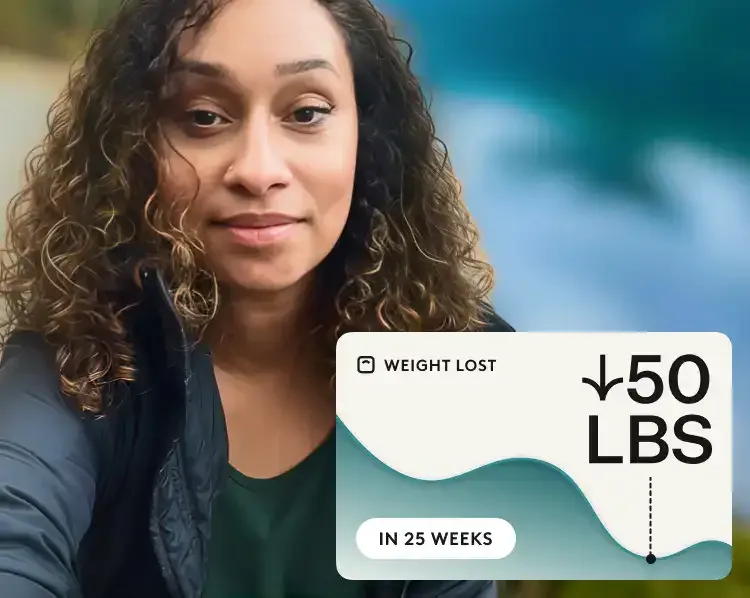
“My favorite parts of Noom are the care team and other Noomers. Sharing and getting help made me feel like I wasn’t doing it alone. That support made all the difference.”
Desirea N. — Real Noom user
Matthew M. — Real Noom user
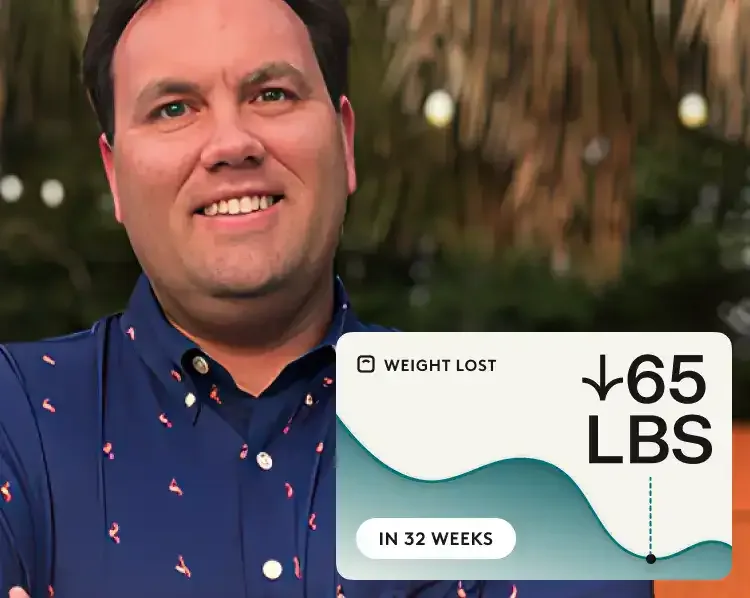
“Noom has taught me that every day is a new chance to make better, healthier choices. It's taught me how to stop overeating.’’
Matthew M. — Real Noom user
Lila M. — Real Noom user
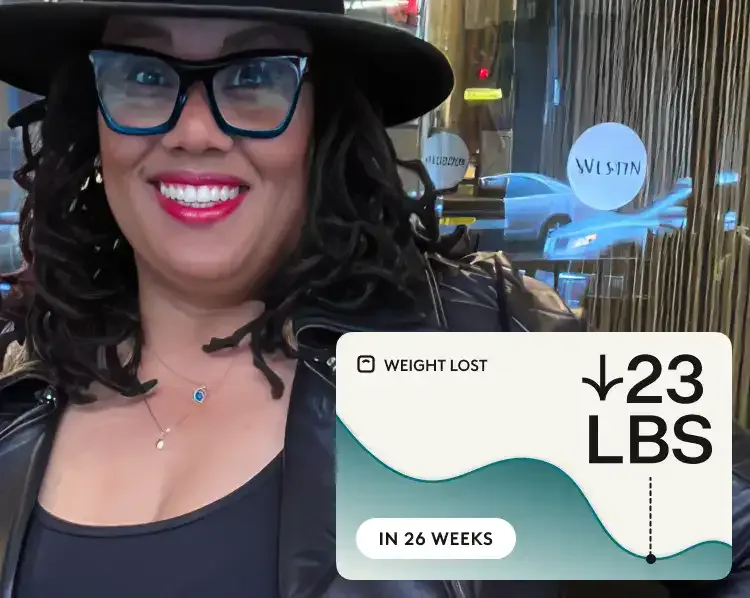
“Clinicians who understand how supportive medication can be is one of the best parts of Noom! I was convinced I wouldn’t have success but I’m down 11 pounds in two months.’’
Lila M. — Real Noom user
Steve M. — Real Noom user
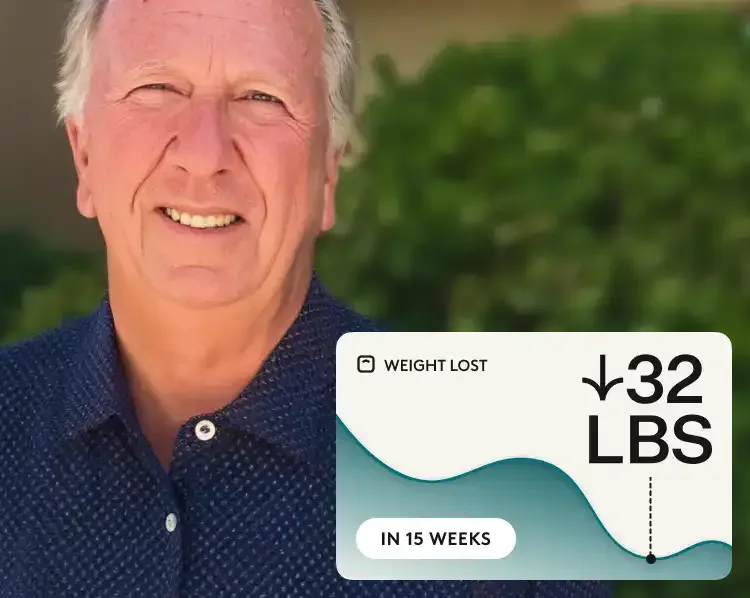
“Noom provided me with the medication which I could not get through Medicare. I have learned the tricks to better eating and life in general.”
Steve M. – Real Noom user
Daisy R. — Real Noom user
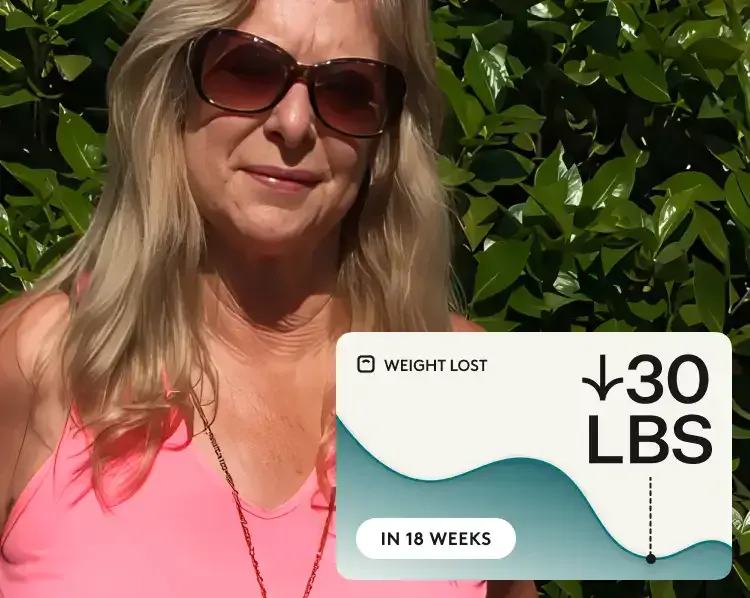
‘’Noom has changed my life and I’m so thankful, I feel great, have more energy and am no longer prediabetic.”
Daisy R. – Real Noom user
Sarah R. — Real Noom user
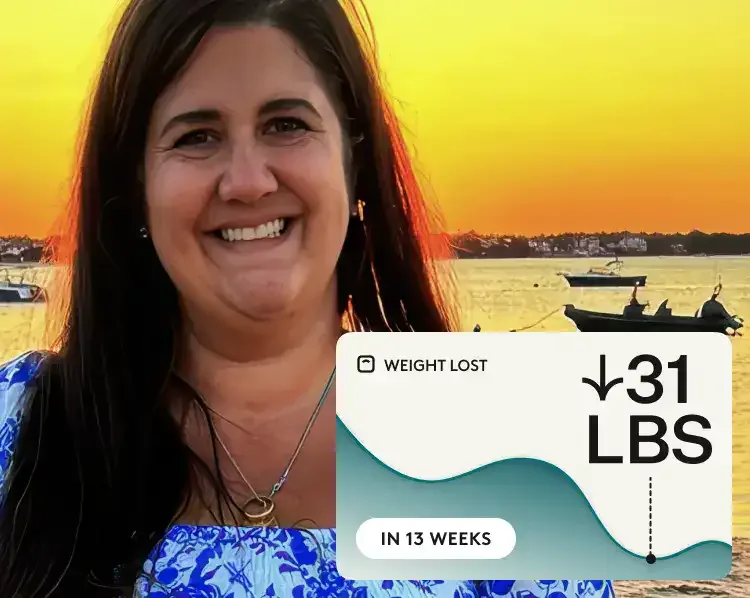
“All of the Noom providers that I’ve met with have been exceptional and prescribed medications that are appropriate for my situation and health.”
Sarah R. – Real Noom user
Madison S. — Real Noom user
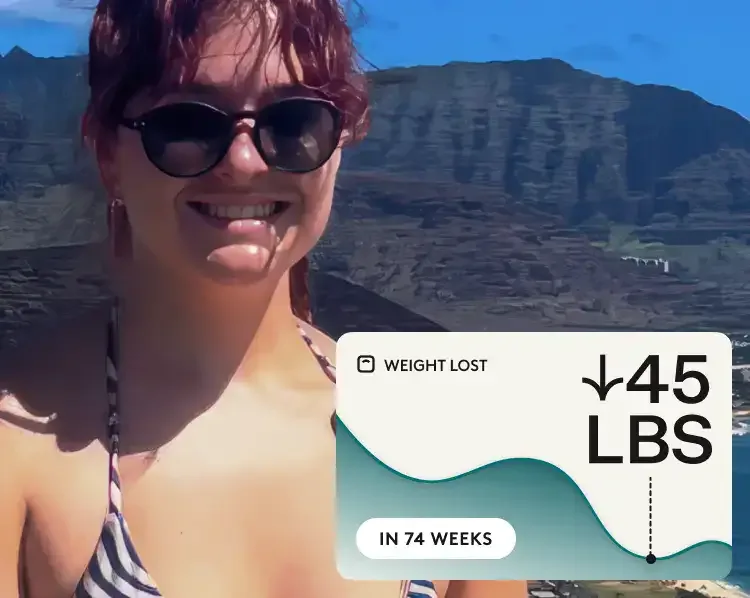
“Noom made the process so simple and now I feel full, free from diet obsession, and at ease in my body again.”
Madison S. – Real Noom user
Sonday K. — Real Noom user
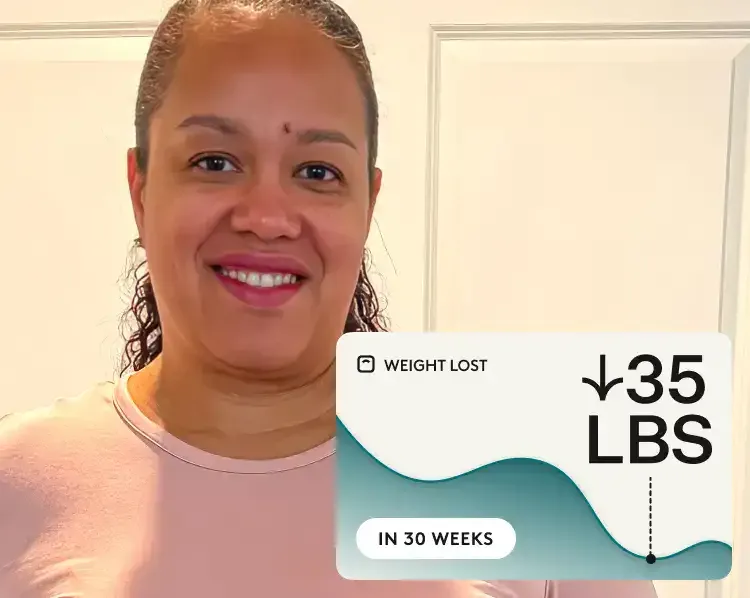
“My doctor recommended Noom after I was frustrated trying to lose weight. The lessons helped change my relationship with food. My body feels lighter & energized.”
Sonday K. – Real Noom user
Cam K. — Real Noom user
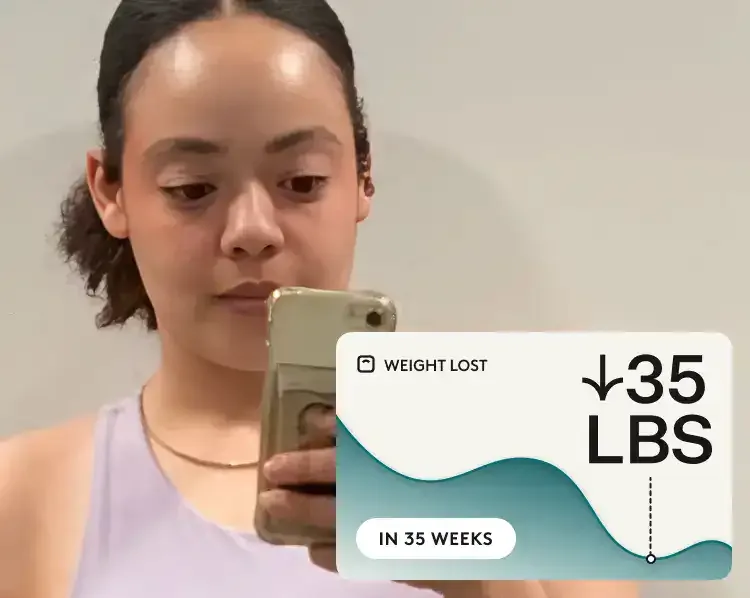
“I built healthy habits with coaching and lessons that make me confident I can maintain my weight loss long term.”
Cam K. – Real Noom user
Laura TR. — Real Noom user
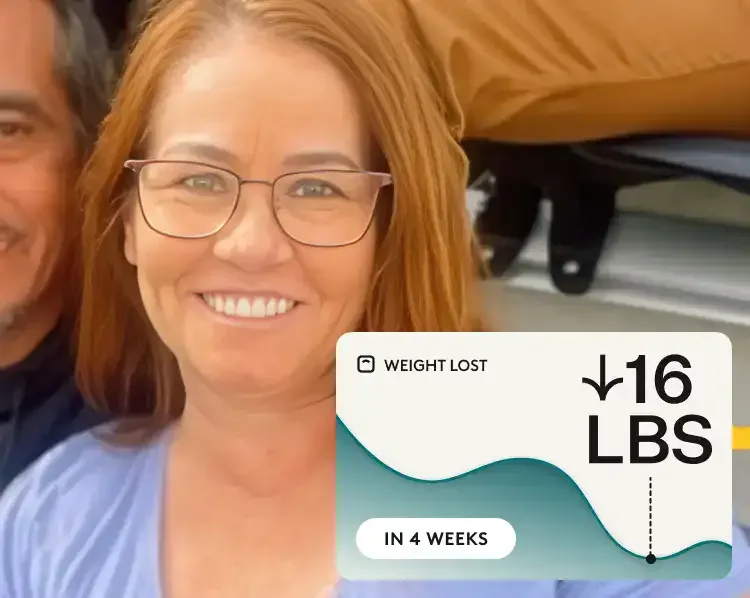
“With the right medication through Noom, hunger and sugar cravings finally quieted and I have the tools to break the cycle.”
Laura TR. – Real Noom user
Jessica S. — Real Noom user
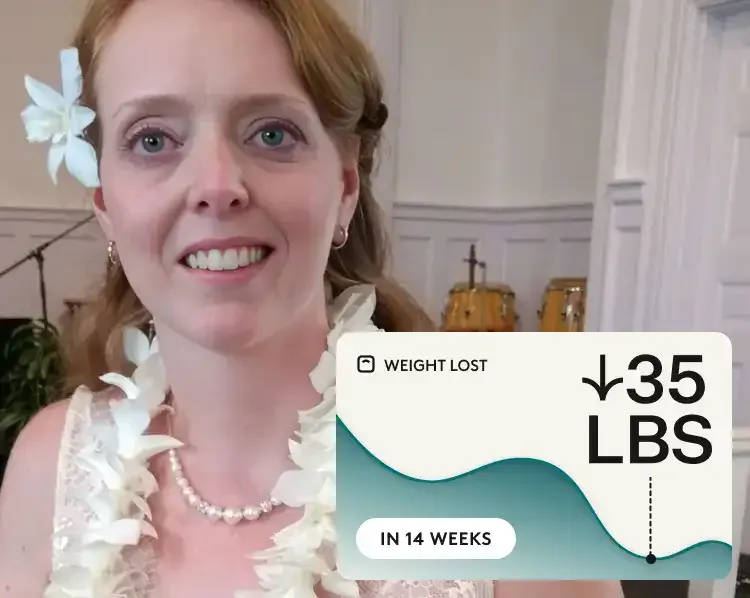
“Cravings and food noise are gone, I finally feel confident in the healthy habits I’ve built to last with Noom.”
Jessica S. – Real Noom user
The bottom line: CagriSema could be another weight loss option in the future
CagriSema is shaping up to be a meaningful step forward in weight-loss treatment. By targeting two separate hormone pathways—GLP-1 with semaglutide and amylin with cagrilintide—it works on appetite and digestion in ways that go beyond what current single-pathway medications can achieve.
That dual-hormone approach is what puts it in the same conversation as Zepbound®, so it’s no surprise the two keep getting compared. But does CagriSema actually work better? Recent clinical trials say not quite—in the head-to-head study, CagriSema produced an average weight loss of 23% over 84 weeks, while Zepbound® came in slightly higher at 26%.
Still, 23% is nothing to dismiss. That’s a significant result, and it meaningfully outperforms Novo Nordisk’s weight loss medication Wegovy®, which averaged around 15% weight loss in its own trials. CagriSema is currently under FDA review, with a decision expected by late 2026.
If you’re thinking about medication as part of your own weight-loss journey, see if you qualify for Noom Med. If you do, you’ll be paired with a clinician who can help determine which treatment makes sense for you and prescribe medication when appropriate. From there, you’ll receive structured support through coaching, guided workouts, our GLP-1 Companion with protein tracking and on-demand exercises, recipes, and daily tools that make weight management feel more manageable and sustainable.
Editorial standards
At Noom, we’re committed to providing health information that’s grounded in reliable science and expert review. Our content is created with the support of qualified professionals and based on well-established research from trusted medical and scientific organizations. Learn more about the experts behind our content on our Health Expert Team page.