

What you’ll learn:
- Wegovy® and Zepbound® can cost over $1,000 per month at list price, but most people pay much less.
- Insurance coverage for these medications varies widely by plan and diagnosis, but recent policy changes and new programs are expanding access and lowering costs.
- The manufacturers Wegovy and Zepbound have savings programs that reduce out-of-pocket costs for people without insurance coverage.
When people talk about prescription weight-loss medications today, two names usually come up first: Wegovy® (semaglutide) and Zepbound® (tirzepatide). Both medications are part of a newer generation of treatments (GLP-1 receptor agonists) that help regulate appetite and blood sugar through hormone pathways involved in metabolism.
For many people, they’ve changed what’s possible for medical weight loss, with clinical trials showing average weight loss in the 15% to 21% range over time. They’re also similar in how they’re used—both are typically taken as once-weekly injections, while Wegovy is also available in a newer daily pill form.
Because their effectiveness and side effect profiles overlap in many ways, the deciding factor for many people isn’t the medication itself—it’s the cost.
At first glance, Wegovy appears more expensive, with a list price just under $1,350 per month, while Zepbound’s list price sits just over $1,000. But list prices rarely reflect what people actually pay.
The real out-of-pocket cost depends heavily on insurance coverage, manufacturer savings programs, and pharmacy options. In some cases, insurance and manufacturer discounts can lower the monthly cost to as little as $25, though coverage for weight-loss medications is still inconsistent across many health plans.
Without insurance coverage, people often turn to manufacturer-direct programs or partner pharmacies, where the prices are typically lower than the official list price but still significant. Recent policy changes and pricing programs have begun to shift the landscape, but the options can still be confusing to sort through. To make it clearer, we’ll walk through how Wegovy and Zepbound compare in price—both with insurance and without—so you can better understand what each option might cost in real life.
Zepbound vs. Wegovy cost: News and changes for 2026
Staying on top of Zepbound Wegovy price news can save you money and help you choose the right option for you. Recent manufacturer announcements and government policy changes are reshaping what you’ll actually pay.
Policy shifts and pricing updates change frequently in the weight loss medication market. These recent developments could significantly impact your monthly costs:
- February 24, 2026: Novo Nordisk announced it will cut the U.S. list price of Wegovy® to $675/month starting January 1, 2027 (a roughly 50% reduction).
- February 23, 2026: Eli Lilly announced a new multi-dose KwikPen® device for Zepbound®, allowing people to take their once-weekly medication from a single pen that contains four doses. The multi-dose pens are available through Lilly Direct.
- January 5, 2026: Novo Nordisk launched its FDA-approved Wegovy® pill, making it the first oral GLP-1 specifically for weight loss. Novo Nordisk also announced cash pricing through NovoCare Pharmacy for the pill, ranging from $149 to $299 per month, depending on dose.
- December 1, 2025: Eli Lilly cut cash prices for Zepbound® vials purchased through LillyDirect. Pricing dropped to to $299–$449 (depending on dose), from $349–$499 for people paying with cash.
- November 17, 2025: Novo Nordisk announced it would continue offering reduced pricing for Wegovy® injections through NovoCare Pharmacy when paying cash. Many uninsured or underinsured people can get Wegovy for $199 to $349 per month, depending on dose and pharmacy participation.
- November 6, 2025: The White House announced a Most-Favored-Nation (MFN) pricing agreement for Wegovy and Zepbound medications.
Zepbound® vs. Wegovy®: Costs with and without insurance
What you’ll actually pay each month depends on insurance coverage, savings card eligibility, and manufacturer self-pay discount programs. The dose you take will also play a role in what you pay if you choose a self-pay option. Here’s a quick breakdown of the potential costs with and without insurance. We’ll go through all the details below.
| Indication | Wegovy® | Zepbound® |
|---|---|---|
| List price (retail) | $1,350/month (pen or pill) | $1,086/month |
| With commercial insurance + savings card | As low as $25/month | As low as $25/month |
| Self-pay (manufacturer programs) | $199-$349 for the injection pen $149-$299 for the pill (NovoCare Pharmacy) | $299–$449 monthly for multi-dose pens and single-dose vials (Lilly Direct Pharmacy) |
Zepbound vs. Wegovy: Insurance coverage
Insurance coverage for Zepbound® and Wegovy® depends on two key factors: your type of insurance and why the medication is being prescribed. While both Wegovy and Zepbound are FDA-approved for weight loss, they are more likely to be covered for their other uses, obstructive sleep apnea (OSA) for Zepbound and heart disease or MASH for Wegovy.
But, even for those indications, coverage rules aren’t uniform, and even within the same insurance company, benefits can vary by employer plan or state.
- For people with commercial (employer-sponsored or private) insurance, coverage is determined by the specific plan your employer selects. Some plans include weight loss medications as a covered benefit, while others exclude them entirely. If the medication is covered, your copay could range widely depending on your deductible and formulary tier.
- Medicare (Part D) is generally prohibited by federal law from covering medications prescribed solely for weight loss. However, if a medication has another FDA-approved indication that qualifies under Medicare rules, coverage may be possible depending on the plan.
- Medicaid coverage varies by state. Some states cover GLP-1 medications for weight management, while others restrict coverage to diabetes treatment or other approved uses.
Because of these differences, two people taking the same medication may have completely different out-of-pocket costs.
Even when a plan covers Zepbound® or Wegovy®, most insurers require prior authorization (PA). This means your healthcare provider must submit documentation confirming the medication is right for you.
Some plans may also require step therapy, meaning you must try other treatments first before approval. Review timelines vary but often take several business days.
If coverage is approved, copays under commercial plans commonly range from about $25 to $150 per month, depending on the benefit design and deductible status. High-deductible plans may require paying the full negotiated price until the deductible is met. Both medications have savings cards that can help offset the price.

The Easy Way
to lose weight and get healthy.
Zepbound vs Wegovy: How the savings cards work
Both Zepbound® and Wegovy® offer manufacturer savings cards that may significantly reduce your out-of-pocket cost, in some cases to as little as $25 per month. But these programs aren’t traditional coupons. They function as secondary coverage that works alongside commercial insurance, and eligibility rules are strict.
Here’s what you need to know:
| Feature | Zepbound® Savings Card (Eli Lilly) | Wegovy® Savings Card (Novo Nordisk) |
|---|---|---|
| Who can use it | People with commercial (private or employer-sponsored) insurance | People with commercial (private or employer-sponsored) insurance |
| Cost if insurance covers the drug | Copay may be reduced to as little as $25 per month, depending on program limits | Copay may be reduced to as little as $25 per month, depending on savings caps |
| Cost if insurance doesn’t cover the drug | May still reduce the price to a lower fixed monthly cost, but usually not as low as $25 | Savings card will not apply, and you’ll pay the manufacturer’s self-pay prices for those without insurance |
| Government insurance eligibility | Not valid for Medicare, Medicaid, TRICARE, VA, or other government-funded plans | Not valid for Medicare, Medicaid, TRICARE, VA, or other government-funded plans |
| Program limits | Includes annual maximum savings limits, eligibility requirements, and expiration dates | Includes monthly and annual savings caps, eligibility verification, and expiration dates |
| Current program timeline | Programs currently list expiration through Dec 31, 2026 (terms may change) | Programs include official expiration dates in program terms (subject to updates) |
Important things to remember about the savings cards
This is where many people get confused.
- If your commercial insurance covers the medication, the savings card acts like secondary coverage and may reduce your copay to $25.
- For Zepbound®, if your commercial insurance denies coverage, the savings card may still apply—but typically reduces the cost to a higher discounted amount rather than $25. However, you can’t use the savings card for Wegovy® if your insurance doesn’t cover it.
- If you have government insurance, you are not eligible to use these manufacturer savings cards due to federal regulations.
Because program details and pricing tiers change periodically, it’s important to review the official terms directly from the manufacturer before enrolling.
Learn more:
- Wegovy® costs: With and without insurance coverage
- Zepbound® costs: With and without insurance coverage
Zepbound vs Wegovy: Cost without insurance
If you’re paying cash, where you fill your prescription can make a significant difference. List prices for both Zepbound® and Wegovy® exceed $1,000 per month, but manufacturer programs and certain pharmacies that partner with them offer lower self-pay options.
The cheapest place to get Zepbound and Wegovy when you pay cash is typically the manufacturer’s direct program. LillyDirect offers the best Zepbound® pricing, and NovoCare provides the lowest Wegovy® costs. These programs can save you hundreds compared to retail pharmacies, but you’ll need a valid prescription and may need to meet eligibility requirements.
First, let’s go through what you can expect to pay by dose for Zepbound and Wegovy injection and pill.
| Medication | Est. cost monthly | Self-pay program conditions |
|---|---|---|
| Wegovy® (Semaglutide) | Retail: $1,349 NovoCare Pharmacy: Pen: $199: 0.25 mg and 0.5 mg; $349:1 mg, 1.7 mg, and 2.4 mg Pill: $149: 1.5 mg; $149–$199: 4 mg; $299: 9 mg and 25 mg | Retail: $1,349 NovoCare Pharmacy:Pen: $199: 0.25 mg and 0.5 mg $349:1 mg, 1.7 mg, and 2.4 mg Pill: $149: 1.5 mg $149–$199: 4 mg $299: 9 mg and 25 mg |
| Zepbound® (Tirzepatide) | Retail and pen: $1,087 Lilly Direct: Vial & syringe and multi-dose pen (KwikPen®): $299: 2.5 mg $399: 5 mg $449: 7.5 mg, 10 mg, 12.5 mg, and 15 mg | Discounted self-pay pricing: Eligible people can pay $449 per month for a 28-day supply (4 single-dose vials or 1 KwikPen®) of Zepbound® 7.5 mg, 10 mg, 12.5 mg, or 15 mg when purchasing the single-dose vial or KwikPen® through the Self Pay Journey Program. Eligibility and timing requirement: To keep the $449 price, refills must be purchased within 45 days of receiving the previous prescription. Standard self-pay prices: Regular pricing is $299 (2.5 mg), $399 (5 mg), $499 (7.5 mg), and $699 (10 mg–15 mg) per month, plus possible taxes or fees. Must be processed as cash pay: Prescriptions filled using this offer aren’t billed to insurance and do not count toward deductibles or out-of-pocket limits. People enrolled in Medicare, Medicaid, or other government insurance programs are not eligible for this offer. See full terms and conditions. |
Pharmacy comparison
Below is a side-by-side comparison of estimated cash prices based on publicly available pricing data and manufacturer announcements as of December 2026. Actual prices vary by dose, location, and current promotions.
If you want the lowest out-of-pocket price for Wegovy® or Zepbound® without insurance, it usually makes sense to check the manufacturers’ direct cash programs first, since those often offer the most consistent self-pay pricing.
From there, it can be helpful to compare large retail pharmacies like Costco or Walmart, which sometimes list lower cash prices than other chains.
When filling a prescription at standard retail pharmacies, be sure to ask the pharmacist about available coupons, discount cards, or manufacturer pricing programs. These savings are not always applied automatically and may need to be requested at the counter, but they can significantly reduce the final cost.
Disclaimer: Prices are estimates based on publicly available GoodRx data (excluding the manufacturer direct pricing and Amazon Pharmacy pricing) from December 2026 and may change. Always confirm directly with the pharmacy.
| Retailer/pharmacy | Est. Zepbound® cash price | Est. Wegovy® cash price | Insider tip |
|---|---|---|---|
| Manufacturer direct | Lilly Direct: $299–$449/month | NovoCare Pharmacy: $149–$349/month | Buying directly through the manufacturer programs often gives the most predictable pricing for self-pay individuals. These options are designed specifically for people without insurance coverage for the medication. |
| Walmart | $524–$995/month | $149–$349/month | Many Walmart pharmacies are familiar with manufacturer cash programs. If you’re using NovoCare pricing for Wegovy, ask the pharmacist to process the prescription through the manufacturer program rather than standard retail pricing. |
| Costco | $554–$995/month | $149–$349/month | Costco pharmacies sometimes offer slightly lower cash prices than other retail chains. You can typically use the pharmacy even if you are not a warehouse club member. |
| CVS | $516–$995/month | $149–$349/month | CVS locations may vary widely in cash pricing. If you’re paying out of pocket, it can help to confirm the price ahead of time or ask if manufacturer pricing programs are available. |
| Walgreens | $512–$995/month | $149–$349/month | Walgreens prices can run higher at full retail. If you plan to self-pay, checking manufacturer programs or alternative pharmacies may significantly lower the cost. |
| Amazon Pharmacy | $299–$499/month | $149–$349/month | Online pharmacies can be convenient if your local pharmacy has stock shortages. Amazon also offers delivery and auto-refill options, which some people prefer for ongoing prescriptions. |
Zepbound® vs Wegovy® tips to lower your monthly cost
Smart purchasing strategies can save you $15 to $50 per month or more on your medication costs. These approaches work whether you’re paying with insurance or out of pocket.
- Order a 90-day supply instead of monthly refills—many plans and manufacturer programs offer better pricing for three-month fills, potentially saving you up to $50 monthly compared to standard prescription costs.
- Use HSA or FSA funds to pay for your prescription with pre-tax dollars, which can reduce your effective cost by 20-30%, depending on your tax bracket.
- Enroll in manufacturer savings programs early in your plan year if eligible—programs can help you meet your deductible faster and may reduce copays to as low as $25 monthly for Zepbound® or Wegovy®.
- Compare pharmacy prices before filling your prescription; cash prices can vary by $200-400 monthly between retailers, with manufacturer direct programs often offering the lowest rates.
- Keep detailed records of all medication expenses and receipts for HSA/FSA claims, insurance appeals, and tax purposes.
These money-saving strategies can make a real difference in your monthly budget, potentially reducing costs by hundreds of dollars annually. But remember, the cheapest option isn’t always the best if it affects your ability to stay consistent with treatment.
Zepbound® and Wegovy®: Other costs associated with getting a prescription
The list price for both Wegovy® and Zepbound® is roughly $1,000 to $1,350 per month, depending on the medication and pharmacy. That sticker price is the starting point before insurance, savings programs, or manufacturer self-pay options are applied. In practice, many people end up paying significantly less because of lower-cost self-pay programs, manufacturer discounts, or insurance coverage that reduces the out-of-pocket cost.
It’s also important to remember that medication is only one piece of the total cost of treatment. Ongoing care often includes provider appointments to review progress, renew prescriptions, and adjust dosing. These visits can run about $150 to $300 each, and lab work may cost $100 to $200 if it’s ordered. When these services aren’t bundled into a program, they can gradually add to the overall cost of treatment.
Do you need a prescription for Wegovy® or Zepbound®?
Yes. Both Wegovy® and Zepbound® are prescription-only medications, and there are no over-the-counter versions. A licensed healthcare provider should always be involved in prescribing and monitoring treatment.
Here are a few reasons prescriptions are required:
Doses are gradually increased over time
Neither Wegovy® nor Zepbound® is started at the full maintenance dose. Instead, treatment typically begins at a lower dose that is slowly increased over several weeks or months. This process, called titration, helps your body adjust and reduces the risk of side effects. Your provider monitors how you respond and determines when to increase the dose, with the goal of finding the lowest possible dose that gets your desired results while keeping side effects manageable.
Access GLP-1 Weight Loss with Noom
Explore a wide range of prescription medications supported by Noom’s program.
Microdose GLP-1rx
Noom GLP-1rx
Noom GLP-1rx Plus
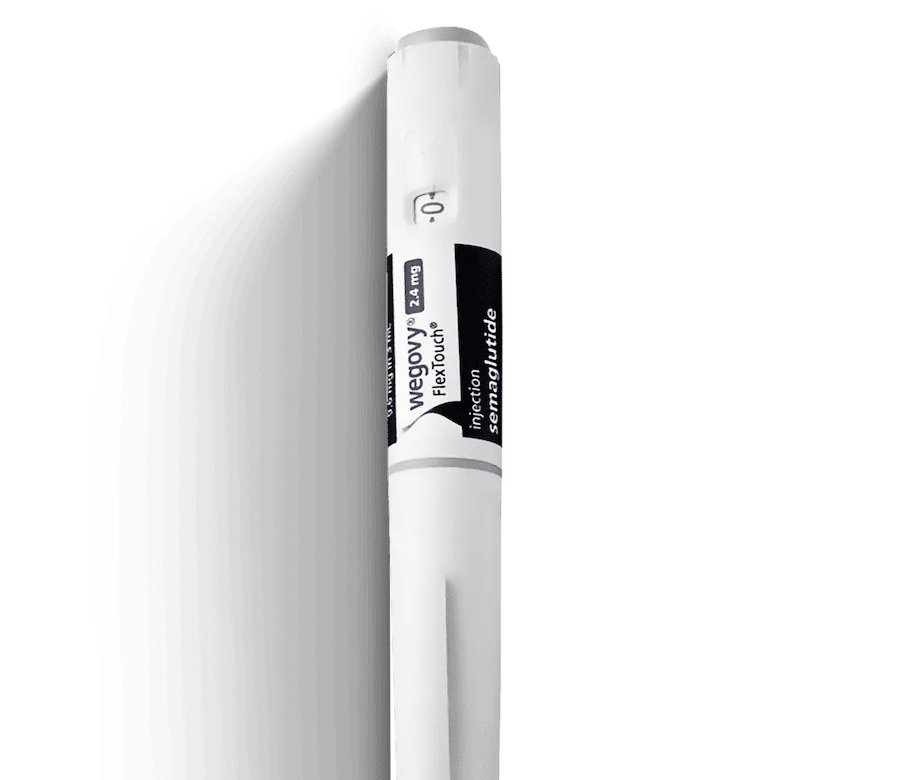
Wegovy®
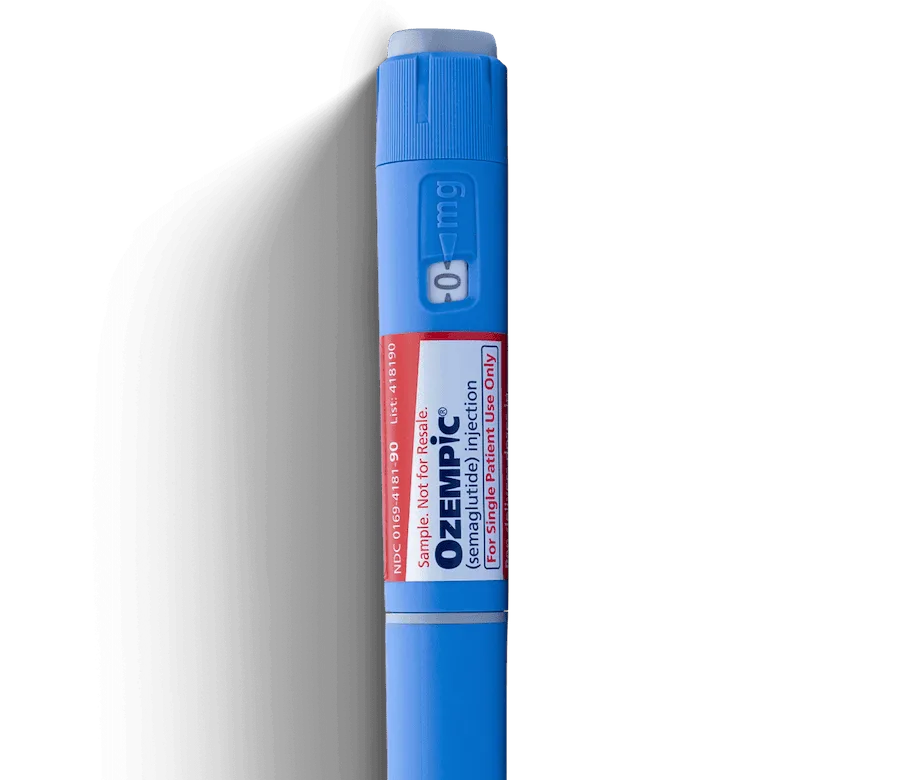
Ozempic®
Metformin
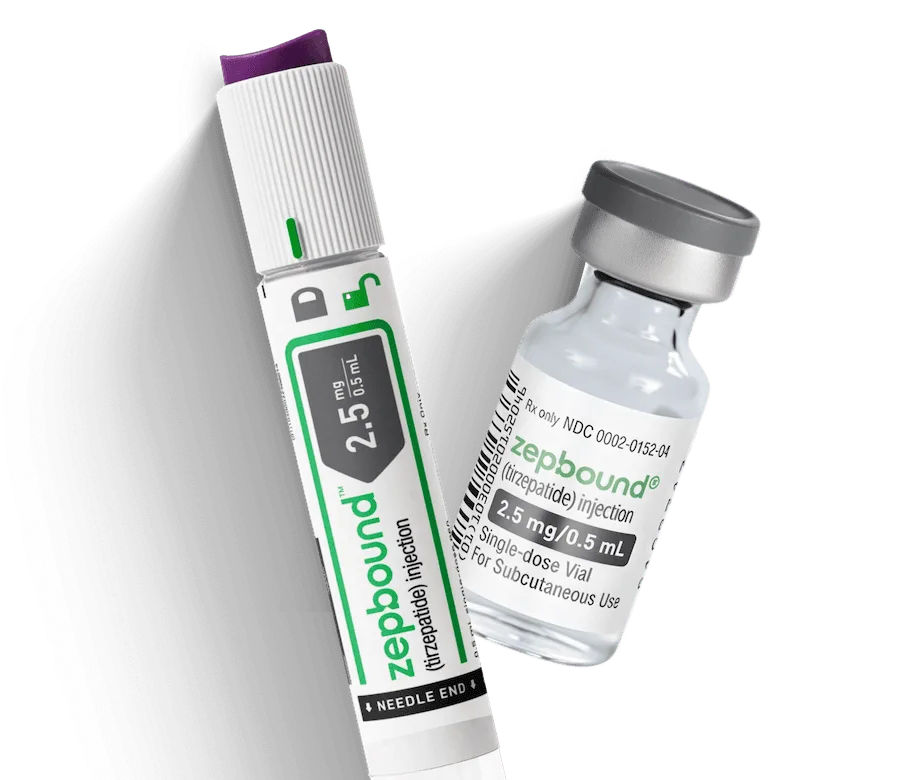
Zepbound®
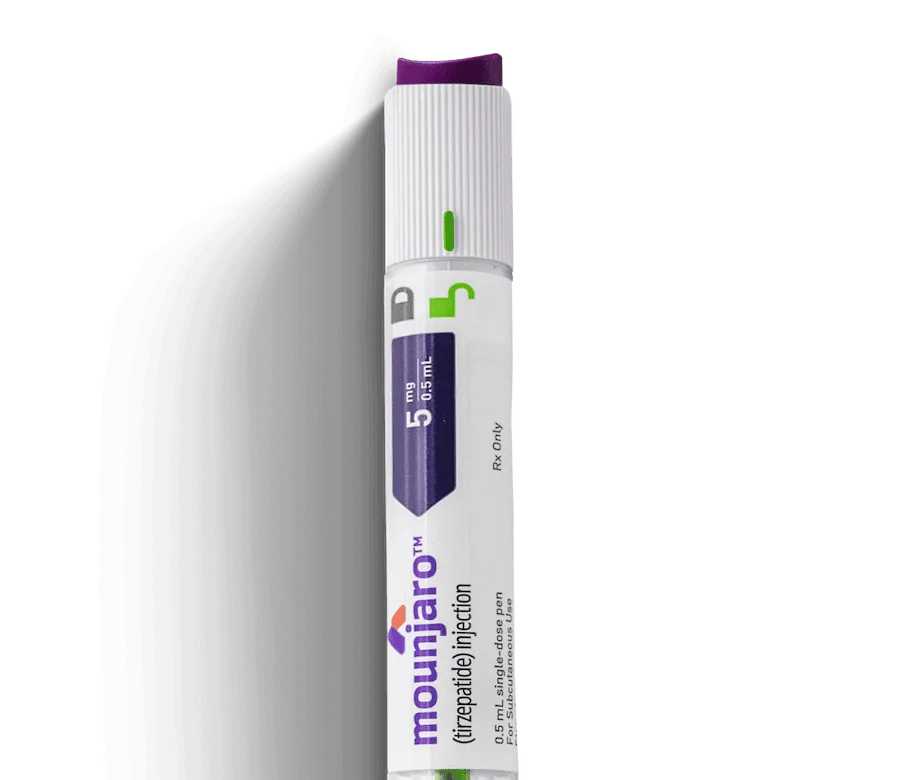
Mounjaro®
Liraglutide
- Learn more about Wegovy® dosing and Zepbound® dosing.
Side effects may need monitoring
Like other GLP-1–based medications, both drugs can cause gastrointestinal side effects, including nausea, vomiting, diarrhea, constipation, or stomach discomfort. These symptoms are usually mild to moderate and often improve as your body adapts to treatment, especially when the dose is increased gradually. Both Wegovy® and Zepbound® can be associated with more severe conditions that a provider can also monitor for.
Regular check-ins with a prescribing provider allow for dose adjustments, symptom management, and safety monitoring, which helps keep treatment both effective and manageable.
These medications aren’t appropriate for everyone
A medical review is important because Wegovy® and Zepbound® may not be recommended for some people. Your provider will evaluate medical history, current medications, and pregnancy plans before prescribing.
In general, these medications are not recommended if:
- You or a close family member has medullary thyroid carcinoma (MTC) or multiple endocrine neoplasia syndrome type 2 (MEN 2)
- You’ve had a serious allergic reaction to semaglutide, tirzepatide, or similar medications
- You are pregnant, planning to become pregnant, or breastfeeding
- These medications should typically be stopped at least two months before trying to conceive
- These medications should typically be stopped at least two months before trying to conceive
A provider may also recommend caution or alternatives if you:
- Have a history of pancreatitis
- Have severe digestive conditions, such as gastroparesis
Working with a healthcare provider helps ensure that treatment is appropriate for your health history and monitored over time.
Learn more about Wegovy® and Zepbound®.
How to get a prescription for Zepbound® and Wegovy® without insurance
Prescriptions for Wegovy® or Zepbound® can come from a traditional in-person appointment or from a virtual telehealth visit. The overall cost and experience can vary depending on how the visit is structured, how often follow-ups are required, and whether services like lab work or coaching are included.
In recent years, telehealth has made it easier for many people to access treatment without needing to schedule in-person appointments. Still, programs differ in pricing and what they include, so it helps to understand the most common ways prescriptions are provided.
Common ways to get a Wegovy® or Zepbound® prescription
- Primary care provider (in person)
Your regular doctor can prescribe Wegovy® or Zepbound® if they determine the medication is appropriate for you. If you don’t have insurance, you’ll usually pay separately for the office visit, follow-up appointments, and any lab testing your provider recommends. - Obesity medicine specialist or endocrinologist
Doctors who specialize in metabolic health or hormone conditions often have extensive experience prescribing GLP-1 medications like Wegovy® and Zepbound®. Their expertise can be valuable, especially for complex cases, but specialist visits can be more expensive. Initial consultations may cost several hundred dollars, with additional charges for monitoring visits and labs. - Telehealth programs focused on weight or metabolic health
Many telehealth platforms connect people with licensed clinicians through video visits. Some operate on a pay-per-visit model, while others charge a monthly membership that covers evaluation, prescription management, and follow-up care. In most cases, the medication itself is not included in the program fee, so it’s important to confirm exactly what the subscription covers. - Online clinician marketplaces
Certain websites allow you to book one-time virtual consultations with independent providers. The upfront visit may be relatively inexpensive, but ongoing care often requires additional appointments for things like refills, dose adjustments, or monitoring.
Telehealth vs. in-person care for Wegovy® or Zepbound® prescriptions
For many people, the way they access care can affect total costs almost as much as the medication itself.
- With traditional in-person care, expenses can add up quickly. An initial consultation may cost $200 or more, follow-up appointments often run around $150, and lab testing is typically billed separately. By the time the prescription is written, the total cost of care can already reach several hundred dollars.
- Telehealth programs like Noom Med often structure pricing differently. Many charge a flat monthly membership fee that includes the clinician evaluation, prescription management, and follow-ups. Some programs also coordinate lab testing and provide additional support resources, which can make costs easier to predict for people paying out of pocket.
For individuals without insurance, or for those using insurance only to cover the medication itself, telehealth can offer a more streamlined way to access prescription weight-loss treatment. Instead of scheduling multiple appointments or managing referrals, these programs combine clinician care, prescription oversight, and behavior-change tools in one platform.
Noom Med offers access to branded GLP-1 medications starting with a $39 initial 30-day trial (medication not included). Prescriptions for Wegovy® or Zepbound® are filled at the pharmacy of your choice, while the program provides Noom’s digital weight-management tools, GLP-1 Companion features, and support from a dedicated care team.
Who is eligible for Noom Med?
Noom Med is built for people who want medical oversight along with comprehensive lifestyle guidance. After reviewing your medical history and health goals, a licensed clinician decides whether a prescription weight-loss medication like Wegovy® or Zepbound® is a good fit. The program is often a good match for individuals who prefer a combined approach, with clinician-led care alongside ongoing behavioral tools and support to help maintain healthy habits.
Frequently asked questions (FAQ) about the cost of Wegovy® and Zepbound®
Based on the pricing information covered above, when you’re weighing the costs and benefits of these medications, you might have questions that go beyond the basic costs. Here are straightforward answers to the most common concerns people have about affording and choosing between these options.
Is Zepbound® or Wegovy® more effective for weight loss?
Based on clinical trials, Zepbound® tends to be more effective. People taking Zepbound® lost an average of about 21% of their body weight, while those on Wegovy® lost about 15%. But individual results vary, and your response may be different.
Does Zepbound® or Wegovy® have more side effects?
Both medications have similar side effect profiles because they affect appetite and digestion in related ways.
The most common side effects for both are digestive symptoms such as nausea, diarrhea, constipation, and stomach discomfort, especially during the first few weeks or after dose increases.
In terms of side effect rates, nausea occurs at similar rates (around 44%), and diarrhea is also reported at nearly identical levels.
But there are a few differences: vomiting appears somewhat more often with Wegovy® (about 21% vs 15%), and constipation or acid reflux may also be slightly more common with it. Zepbound® tends to cause injection-site reactions more frequently. (Obviously, this wouldn’t apply to the Wegovy® pill.)
In most cases, these effects are mild to moderate and improve over time as the body adjusts to treatment.
What are the most affordable ways to get Wegovy or Zepbound without insurance?
The most affordable options are manufacturer-direct programs.
- Wegovy® through NovoCare costs $149 to $349 per month for both the pill and the injection.
- Zepbound® through LillyDirect ranges from $299 to $449 monthly.
Noom Med can also reduce your overall costs by bundling clinician check-ins with side effect management.
Do the manufacturer’s coupons work if I have no insurance?
No, the $25 manufacturer coupons require commercial insurance coverage for both Zepbound® and Wegovy®. Without insurance, you’ll pay the self-pay rates through manufacturer programs. Patient assistance programs may offer free medication for qualifying low-income people.
Does Noom include the prices for Zepbound or Wegovy?
No, Noom Med’s program fee includes consultation with a clinician, our behavior change program, a dedicated Care Team, and everything you need to maximize your results with the medication. The monthly fee ($39 to start) doesn’t cover medication costs, but Noom Med can help you access the most affordable option for you. See if you qualify.
What is the most affordable GLP-1 option per month?
For brand-name GLP-1s, Wegovy® pills start at $149 monthly through NovoCare Pharmacy.
Does the monthly cost of Wegovy or Zepbound include doctor visits?
No, medication costs are separate from medical care. Traditional doctor visits can cost $200+ for initial appointments, plus follow-ups and labs. Noom Med bundles clinician oversight into a monthly fee, which can be more predictable and affordable.
The bottom line: Without insurance, Wegovy tends to be more affordable than Zepbound
The price of Wegovy® and Zepbound® can look very different depending on how you access them. List prices suggest one story, but insurance coverage, manufacturer savings programs, and direct pharmacy options can change the amount someone actually pays each month.
For people with commercial insurance, costs may drop as low as $25 per month with savings cards. For those paying cash, manufacturer programs and partner pharmacies often provide significantly lower prices than retail pharmacies, though the medication can still represent a meaningful monthly expense.
Because the landscape is changing quickly—with new pricing programs, policy discussions, and additional formulations like Wegovy’s pill—it’s worth checking current options before starting treatment.
The best approach is usually to review your insurance benefits, explore manufacturer programs, and talk with a healthcare provider about what fits both your health needs and your budget. While cost is often a major factor when choosing between these medications, understanding the full range of pricing options can help you make a more informed decision about which path makes the most sense for you.
Noom Med combines clinician-guided prescription management with behavioral support, helping you navigate both the financial and practical aspects of treatment. See if you qualify.
Editorial standards
At Noom, we’re committed to providing health information that’s grounded in reliable science and expert review. Our content is created with the support of qualified professionals and based on well-established research from trusted medical and scientific organizations. Learn more about the experts behind our content on our Health Expert Team page.