
What you’ll learn:
- Wegovy® can cause constipation because semaglutide slows digestion, lowers appetite, and may reduce thirst.
- Constipation is most common when starting Wegovy® or increasing your dose, and for many people, it improves as the body adjusts.
- Steady hydration, gradual fiber increases, regular movement, and consistent meals are usually enough to manage symptoms and stay comfortably on treatment.
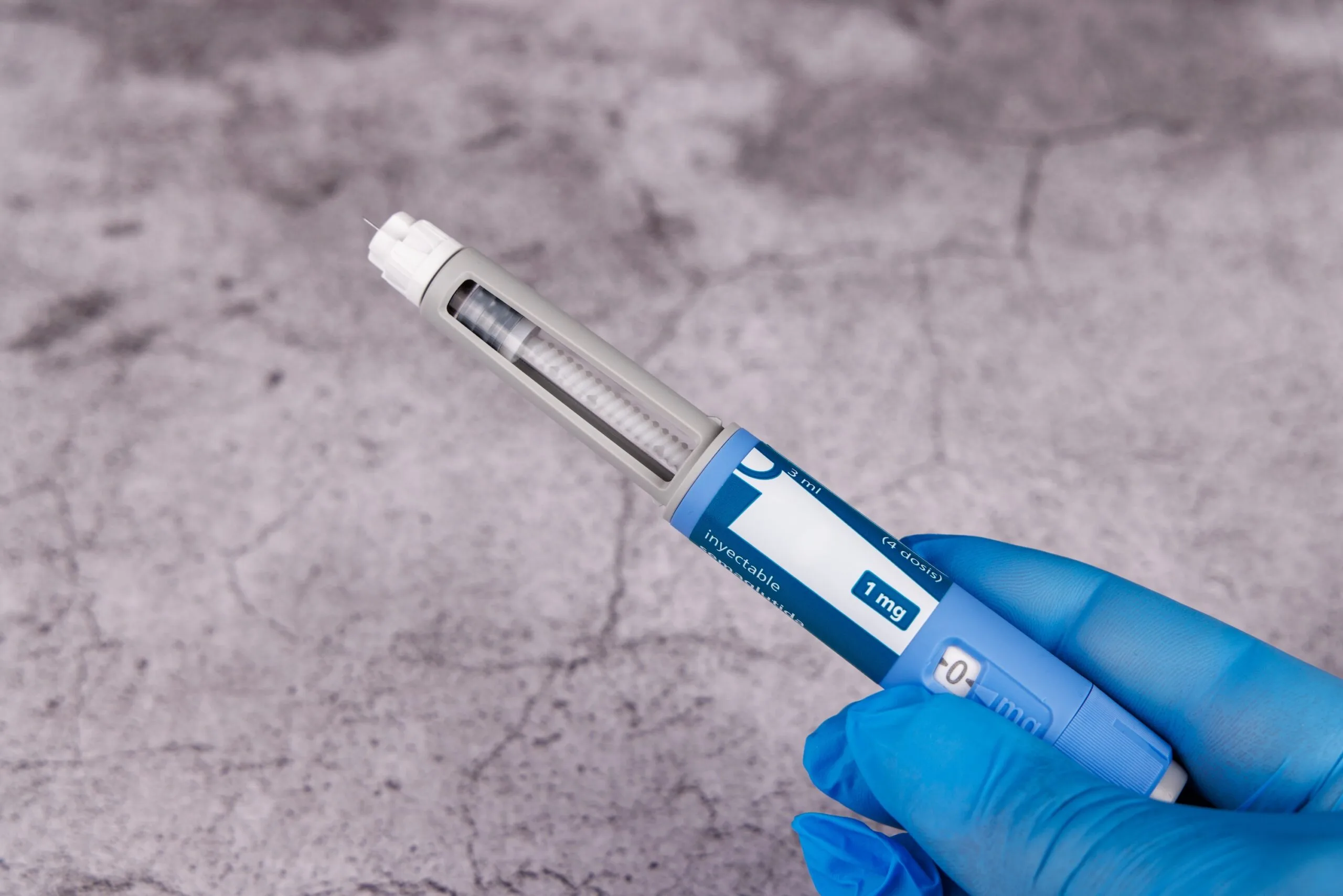
Starting Wegovy® for weight loss can feel exciting—but it can also come with some uncomfortable side effects. Constipation is one of the more common side effects. And it’s tied directly to how the medication works in your body.
Semaglutide, the active ingredient in Wegovy®, is designed to mimic a hormone called GLP-1. This hormone naturally slows digestion, lowers appetite, and helps stabilize blood sugar after you eat. When semaglutide amplifies that signal, food moves more slowly through your digestive system. That slowdown helps you feel full longer—but it can also create the perfect setup for constipation.
There’s another layer, too. As appetite decreases, most people eat less overall—and often less fiber. Some people also drink less without realizing it. Less fiber and less fluid mean less bulk and moisture in the stool, which can make bowel movements harder and less frequent.
While it can be uncomfortable, this side effect is common—and in many cases, manageable with the right strategies. It also tends to be temporary and tied to how your Wegovy® dose will be increased gradually.
Let’s break down why constipation happens on Wegovy®, what’s going on physiologically, and what you can do to relieve it safely, with guidance from Dr. Odhett Cojocaru, MD.

The Easy Way
to lose weight and get healthy.
See if you qualify
Why can Wegovy® cause constipation?
Constipation is one of the more common Wegovy® side effects, affecting about 24% of people taking it at the highest dose. But the real question is: Why does it happen? While we went through some of the reasons above, let’s take a closer look.
It’s designed to slow digestion
Wegovy® mimics a natural hormone called GLP-1, a hormone your body already releases after you eat. GLP-1 helps regulate blood sugar, reduces appetite, and slows digestion. That slowing effect is part of why the medication helps you feel fuller longer. But it’s also one of the main reasons constipation can occur.
When digestion slows, food moves more gradually through your gastrointestinal tract. Slower movement means stool also moves more slowly, and the longer stool sits in the colon, the more water gets absorbed out of it. That can lead to harder, more difficult-to-pass stools.
But slower digestion isn’t the only factor.
It lowers appetite
Because Wegovy® lowers appetite, many people naturally eat smaller portions. Less food intake means less overall bulk, which can make bowel movements less frequent.
It lowers thirst
Studies show that, along with appetite, thirst can also decrease on GLP-1s. Some people notice they drink less without realizing it. And hydration matters: research shows that lower fluid intake is associated with increased constipation risk, since adequate fluids help keep stool soft and easier to pass.
The reassuring part? For many people, these symptoms improve as the body adapts.
“Digestive changes with GLP-1 medications are usually a sign that the medication is working on appetite and gut signaling—not necessarily that something is wrong,” Dr. Cojocaru explains. “The key is learning how to support your body through the adjustment.”
What constipation on Wegovy® can feel like
Constipation on Wegovy® doesn’t look the same for everyone, but you might notice things like:
- Going to the bathroom less often
- Stools that feel harder or more difficult to pass
- Bloating or general abdominal discomfort
Here’s the reassuring part: constipation doesn’t mean something is wrong. The same process that helps you feel fuller longer can also slow how quickly waste moves through your system.
Access GLP-1 Weight Loss with Noom
Explore a wide range of prescription medications supported by Noom’s program.Microdose GLP-1rx
Noom GLP-1rx
Noom GLP-1rx Plus
Wegovy®

Ozempic®

Metformin
Zepbound®
Mounjaro®
Liraglutide
When is constipation most likely with Wegovy®?
Constipation—like other digestive side effects—is most common when first starting Wegovy® or when you’re adapting to a new dose. Many people report that symptoms are most common when first starting the medication and then resurface or intensify briefly when the dose goes up. Eventually, as your body gets used to the new level, side effects often lessen.
Why? Wegovy® is titrated—meaning you begin at the lowest dose. Your clinician will increase your dose every 4 weeks as needed to continue losing steady weight while keeping side effects to a minimum. This gradual increase helps your body adapt to changes in appetite and digestion. But each time you step up to a higher dose, your system has to adjust again.
Higher doses of GLP-1 medications are associated with higher rates of digestive side effects overall. That doesn’t mean everyone at a higher dose will struggle with constipation, but it does mean that changes in dose can make digestive symptoms more noticeable.
The good news? These effects often improve after your body adapts to each dose level. And understanding when you’re most susceptible can help you prepare with hydration, gentle movement, and other supportive habits discussed elsewhere in this guide.
Learn more: Wegovy® side effects: Symptom guide and management tips
What helps relieve Wegovy® constipation?
Drinking enough water, increasing fiber gradually, and regular daily movement can all help relieve constipation. Here’s what to do:
1. Hydrate (more than you think)
Studies show that GLP-1s can suppress thirst cues, leading people to drink less than they need.
When slower gut motility is combined with reduced food intake and lower fluid consumption, the risk of constipation increases. Being intentional about hydration—rather than waiting until you feel thirsty—can help counterbalance these effects and support more comfortable bowel movements.
Rather than having a big glass of water once or twice a day, aim for steady hydration that is easier on your system and more effective when digestion is slowed.
That might look like:
- Keeping a reusable water bottle at your desk and taking a few sips every 20 to 30 minutes
- Filling a glass of water before each meal and finishing it while you eat
- Pairing snacks with an unsweetened drink, like herbal tea in the afternoon or sparkling water with lunch
- Setting a gentle phone reminder if you tend to forget to drink
“Hydration is one of the most overlooked tools for managing GLP-1 side effects,” Dr. Cojocaru notes. “When digestion slows, adequate fluid becomes even more important for comfortable bowel movements.”
2. Increase fiber (gradually, not all at once)
Fiber can help, but more isn’t always better. Soluble, gel-forming fiber absorbs water and helps soften stool, making it easier to pass, while insoluble fiber increases the amount moving through your system. Research supports the role of both in improving stool frequency and consistency.
But increasing fiber too quickly can worsen bloating, gas, and abdominal discomfort. A gradual approach works better. Increasing intake by about 5 grams every few days—working toward a general target of 25 to 35 grams per day—gives your digestive system time to adjust.
This matters even more when you’re taking a GLP-1 medication, where gastric emptying is already slowed. The goal isn’t to maximize fiber, but to find the amount that supports regularity without adding discomfort. Adequate hydration is also essential with increased fiber. Without enough fluid, added fiber can actually worsen constipation rather than relieve it.
Here are some foods to include:
- Whole grains, especially oats, which are rich in beta-glucan, a soluble fiber that absorbs water and helps soften stool.
- Legumes, such as beans and lentils, which provide a mix of soluble and insoluble fiber to support stool bulk and regularity.
- Seeds, particularly chia and ground flax, contain gel-forming soluble fiber that can help draw water into the stool.
- Vegetables, especially options like carrots, Brussels sprouts, sweet potatoes, and broccoli, provide a combination of soluble and insoluble fiber.
- Fruit, including berries, which contribute soluble fiber, along with water.
3. Get daily movement
When it comes to supporting digestion, you don’t need intense workouts or long gym sessions. Gentle, consistent movement can go a long way.
Research suggests that regular physical activity may help stimulate gut motility—the wave-like muscle contractions that move stool through the colon. Even small amounts of movement can support this process.
Here are a few ways to increase slowly:
- Take a 10–15 minute walk after lunch
- Lightly stretch in the morning or before bed
- Stay generally active throughout the day instead of sitting for long stretches
4. Eat at regular intervals
GLP-1 medications naturally reduce appetite, which can change how and when you eat. But digestion is partly stimulated by food intake. Each time you eat, your body sends signals to your digestive tract that help move stool through the colon.
Long gaps between meals may mean fewer of these natural movement signals. Very large meals, on the other hand, can feel uncomfortable when digestion is already slowed. Many people find it helpful to:
- Eat smaller, consistent meals throughout the day
- Eat at roughly similar times daily
- Avoid very large meals that may feel uncomfortable
What can I take for Wegovy® constipation?
It’s one of the most common questions people ask: Should I take something for this?
The short answer: sometimes—but go slow and consult your clinician first.
For many people, constipation on Wegovy® improves with hydration, gradual fiber intake, regular movement, and consistent meal timing. Those are always the first-line strategies. But if you need additional support, there are a few options to consider.
- Soluble fiber supplements (like psyllium). Psyllium (found in supplement form and products like Metamucil) can help soften stool and increase bulk, making bowel movements easier.
- Osmotic laxatives. Products such as MiraLAX work by drawing water into the stool, which can help when things feel dry or hard to pass. These are generally considered gentler than stimulant laxatives, but should still be used according to package directions and discussed with a provider if needed regularly.
- Stimulant laxatives (like senna or bisacodyl). These trigger intestinal contractions. They can work quickly, but frequent use isn’t recommended because they may lead to dependency or worsen cramping. They’re better suited for short-term, occasional use rather than routine management.
What’s important: constipation management should feel supportive, not aggressive. If you find yourself relying on laxatives often, or if symptoms persist despite lifestyle changes, check in with your healthcare provider. Sometimes a small dose adjustment or a slower titration schedule can make a big difference.
The goal isn’t to override your body—it’s to support it while it adjusts.
Wegovy® constipation: What to be careful with
When managing constipation, a few common mistakes can make things worse:
- Adding too much fiber too quickly: This can increase bloating, gas, and discomfort before your gut has time to adjust.
- Relying on stimulant laxatives: Frequent use can make you dependent on them. Talk to your doctor about trying natural options like psyllium husk first, and be sure to stay well-hydrated.
- Ignoring symptoms for weeks: Ongoing constipation can become harder to manage the longer it persists. If symptoms last longer than three weeks, you notice bloody or black stools, or bleeding, you should get immediate medical attention.
Wegovy® constipation: When to get medical attention
Constipation with Wegovy® is usually mild, temporary, and manageable—but there are times when it deserves a closer look. GLP-1 medications like semaglutide work by slowing digestion, and while that’s part of how they help with appetite and fullness, it can occasionally lead to more significant gastrointestinal symptoms. Serious complications are rare, but knowing the warning signs can help you tell the difference between normal digestive slowing and something that needs medical attention.
You should contact your healthcare provider if you experience:
- Constipation lasting more than 3 weeks, especially if hydration, fiber, movement, and meal-timing adjustments aren’t helping. Ongoing symptoms may mean your dose or plan needs tweaking.
- Frequent reliance on stimulant laxatives, since repeated use may point to a digestive slowdown that needs evaluation rather than more aggressive fixes.
You should get immediate medical attention if you experience signs of a severe issue:
- Severe or worsening abdominal pain – Especially pain that’s sharp, persistent, or radiates to the back. This can be a sign of pancreatitis and should be considered a medical emergency and potentially a trip to the ER.
- Ongoing vomiting or inability to keep fluids down, which may indicate delayed gastric emptying, obstruction, or dehydration.
- Inability to pass gas along with significant bloating or abdominal distension, which could be a sign of an obstruction or gastroparesis.
- Fever paired with abdominal pain, which is not typical of routine constipation and should be checked promptly, as this could also signal pancreatitis.
Pain that is sharp, persistent, or escalating should never be ignored.
People who may need closer monitoring include those with pre-existing GI conditions, a history of gastroparesis, risk factors for pancreatitis, or those taking other medications that also slow digestion.
Frequently asked questions about Wegovy® constipation
Can you take Dulcolax or other stool softeners with Wegovy®?
Occasional use of stool softeners (like Colace), osmotic laxatives (like MiraLAX), or stimulant laxatives (like Dulcolax) is generally considered safe. But stimulant laxatives shouldn’t be used regularly. If you find yourself relying on them often, talk to your healthcare provider about adjusting your plan.
How long does Wegovy® constipation last?
Constipation is most common when starting Wegovy® or increasing the dose (titration). For many people, symptoms improve within a few weeks as the body adjusts. If it lasts more than 1 to 2 weeks despite lifestyle changes, check in with your provider.
Does Wegovy® cause higher rates of constipation than Zepbound®?
Constipation is a known side effect of all GLP-1 medications in general because they slow down digestion, but there can be differences between medications. The rate of constipation might be slightly less with Zepbound®, Wegovy®’s closest competitor. 29% of people reported constipation on Wegovy® compared to 27% on Zepbound®.
How can I prevent constipation on Wegovy®?
You might not be able to prevent it, but you can manage it. Focus on consistent hydration, gradually increasing fiber, regular movement, and structured meals. These habits can help keep digestion moving and reduce symptoms, especially during dose changes.
Does the Wegovy® pill cause less or more constipation?
There’s no indication that rates of constipation are different with the new Wegovy® pill.
Is constipation a reason to stop Wegovy®?
For most people, no.
Constipation is uncomfortable, but it’s rarely a reason to stop treatment entirely. With hydration, thoughtful nutrition, movement, and patience, many people find relief while continuing Wegovy®.
That said, treatment decisions should always be individualized. What works for one person may not work for another.
Reviews from real Noom users
Desirea N. — Real Noom user
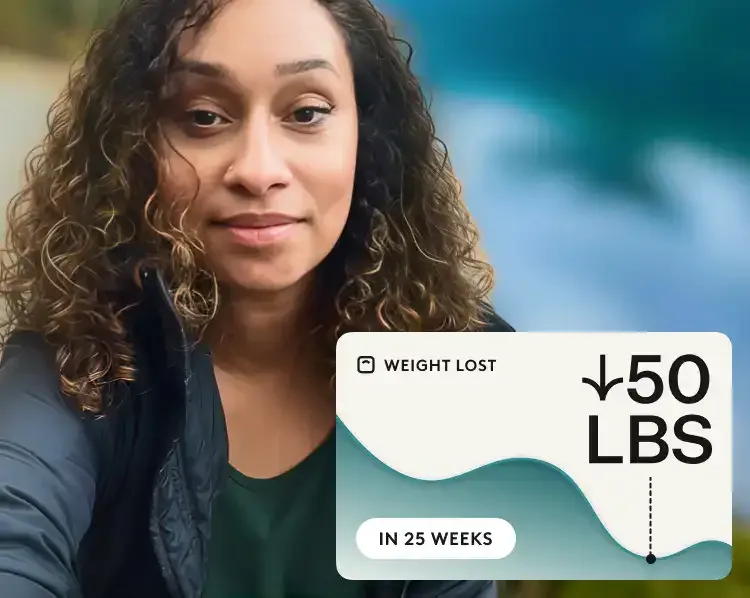
“My favorite parts of Noom are the care team and other Noomers. Sharing and getting help made me feel like I wasn’t doing it alone. That support made all the difference.”
Desirea N. — Real Noom user
Matthew M. — Real Noom user
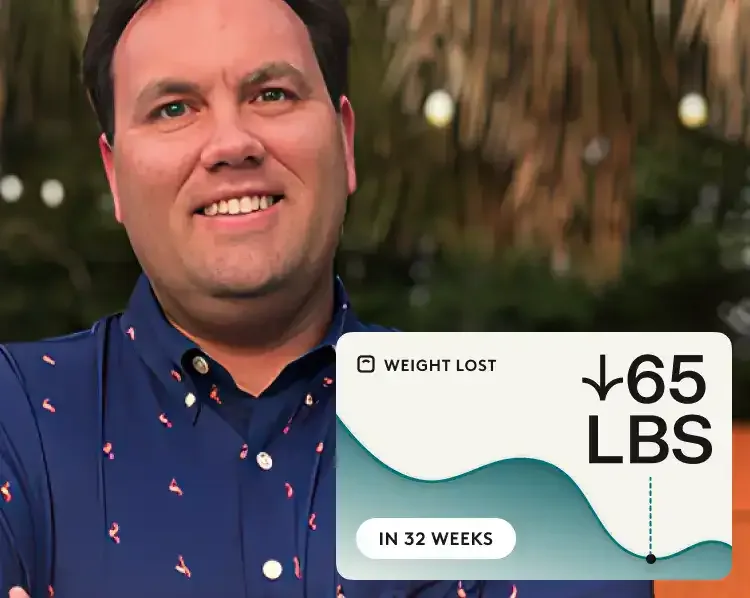
“Noom has taught me that every day is a new chance to make better, healthier choices. It's taught me how to stop overeating.’’
Matthew M. — Real Noom user
Lila M. — Real Noom user
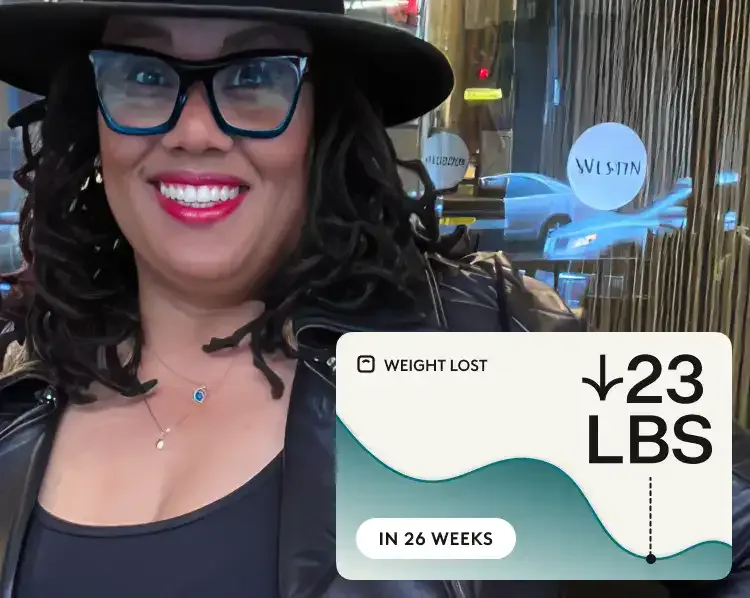
“Clinicians who understand how supportive medication can be is one of the best parts of Noom! I was convinced I wouldn’t have success but I’m down 11 pounds in two months.’’
Lila M. — Real Noom user
Steve M. — Real Noom user
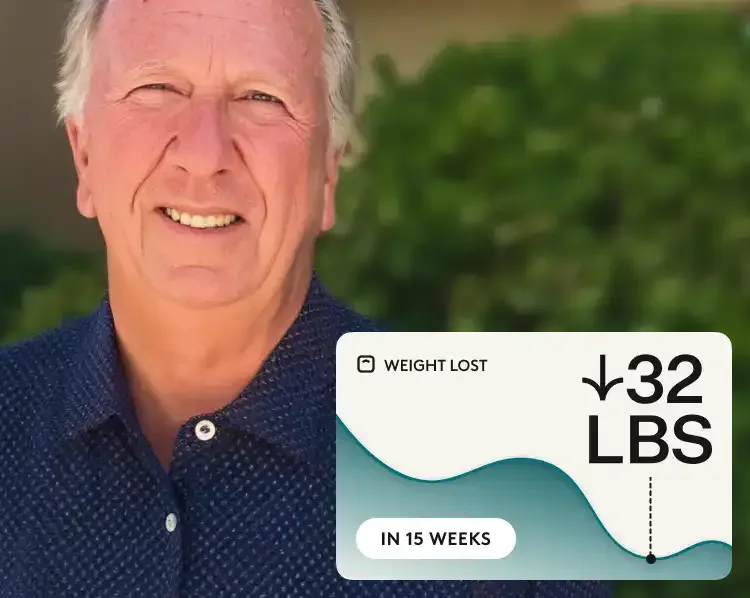
“Noom provided me with the medication which I could not get through Medicare. I have learned the tricks to better eating and life in general.”
Steve M. – Real Noom user
Daisy R. — Real Noom user
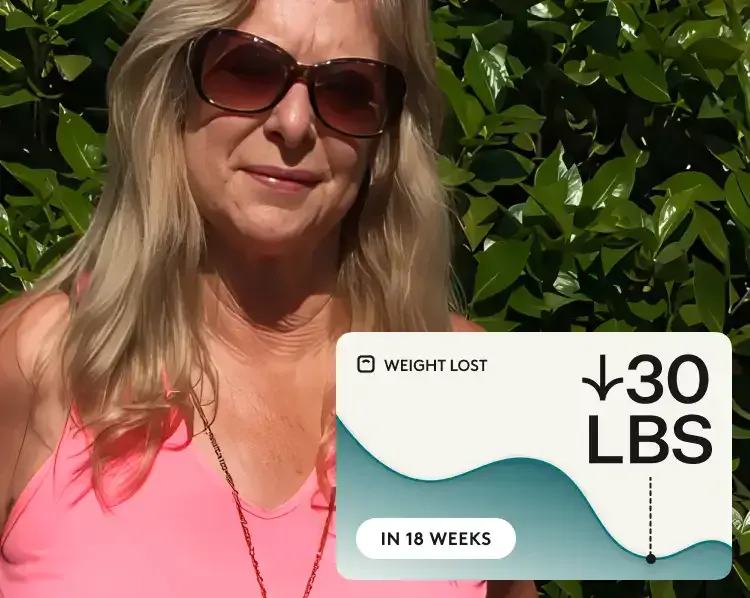
‘’Noom has changed my life and I’m so thankful, I feel great, have more energy and am no longer prediabetic.”
Daisy R. – Real Noom user
Sarah R. — Real Noom user
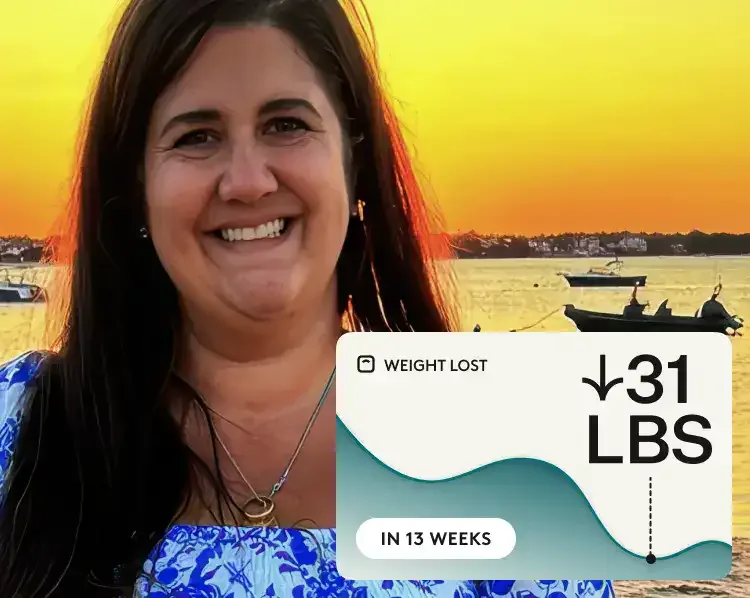
“All of the Noom providers that I’ve met with have been exceptional and prescribed medications that are appropriate for my situation and health.”
Sarah R. – Real Noom user
Madison S. — Real Noom user
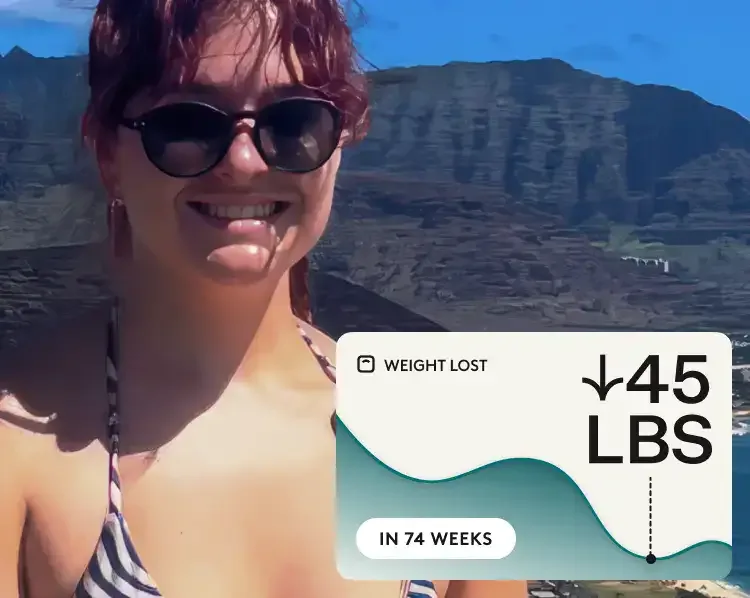
“Noom made the process so simple and now I feel full, free from diet obsession, and at ease in my body again.”
Madison S. – Real Noom user
Sonday K. — Real Noom user
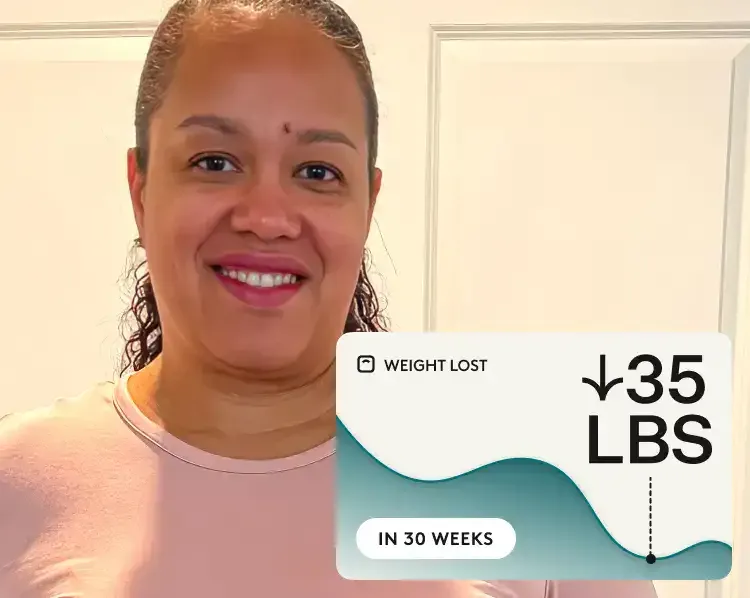
“My doctor recommended Noom after I was frustrated trying to lose weight. The lessons helped change my relationship with food. My body feels lighter & energized.”
Sonday K. – Real Noom user
Cam K. — Real Noom user
“I built healthy habits with coaching and lessons that make me confident I can maintain my weight loss long term.”
Cam K. – Real Noom user
Laura TR. — Real Noom user
“With the right medication through Noom, hunger and sugar cravings finally quieted and I have the tools to break the cycle.”
Laura TR. – Real Noom user
Jessica S. — Real Noom user
“Cravings and food noise are gone, I finally feel confident in the healthy habits I’ve built to last with Noom.”
Jessica S. – Real Noom user
The bottom line: Constipation is common with Wegovy® but often manageable
Constipation on Wegovy® can feel frustrating, especially when you’re doing something positive for your health. But in most cases, it’s a reflection of how the medication works—not a sign that something is wrong. Slower digestion, reduced appetite, and subtle changes in thirst all play a role. The key is supporting your body through that adjustment period with steady hydration, gradual fiber increases, gentle movement, and consistent meal patterns.
For most people, symptoms improve as the body adapts to each dose. And when you understand what’s happening physiologically, it becomes easier to respond thoughtfully instead of reactively. If constipation becomes persistent or severe, your healthcare provider can help you adjust your plan. But for many, small, consistent habits make a meaningful difference — allowing you to stay on track with treatment while keeping digestion as comfortable as possible.
If you qualify for Noom Med and get Wegovy® through the program, your journey is supported by a dedicated Care Team that can help you manage side effects. You’ll also get Noom’s evidence-based behavior change program—designed to help you build sustainable habits, shift your mindset, and stay supported for the long term.
Editorial standards
At Noom, we’re committed to providing health information that’s grounded in reliable science and expert review. Our content is created with the support of qualified professionals and based on well-established research from trusted medical and scientific organizations. Learn more about the experts behind our content on our Health Expert Team page.