
What you’ll learn:
- Clear protein is whey protein in a lighter, juice-like form sold as a powder or ready-made drink.
- It can be a convenient way to boost protein intake, but it’s likely less filling than whole foods.
- It works best as a supplement to your routine, not a replacement for meals or a shortcut to weight loss.
Protein shakes used to come with a pretty specific vibe: thick, creamy, and often more like a meal than a drink. Clear protein is part of a newer wave of supplements that shifts that experience. Instead of a milkshake-style texture, it’s light, fruity, and closer to flavored water or a sports drink—available as a powder you mix with water or as a ready-to-drink option—while still delivering a similar amount of protein.
If you’ve been seeing it pop up, you’re probably wondering: Is it actually different—or just a rebrand? Does it work the same way? And is it worth swapping in for your usual protein shake?
For some people, the appeal is practical. If you’re trying to increase your protein intake—whether that’s for general health, workouts, or while taking GLP-1 medications where maintaining muscle mass becomes more important—something lighter and easier to sip can feel more doable than a full shake.
That shift in texture and taste can make clear protein appealing if you want something easier to drink or more refreshing, especially when a traditional shake feels like too much. But it also raises a few practical questions: What actually makes it “clear”? How is it different from regular whey? And what are you really getting in that bottle?
Here’s what to know about what clear protein is, how it’s made, what’s typically in it, and how it compares to more familiar options—so you can decide how (or if) it fits into your routine.
Plus, Maggie Hudspeth, RDN, Senior Coach Program Manager at Noom, will talk about whether clear protein is worth it and how to use it for the best results.
What is clear protein, and how is it made?
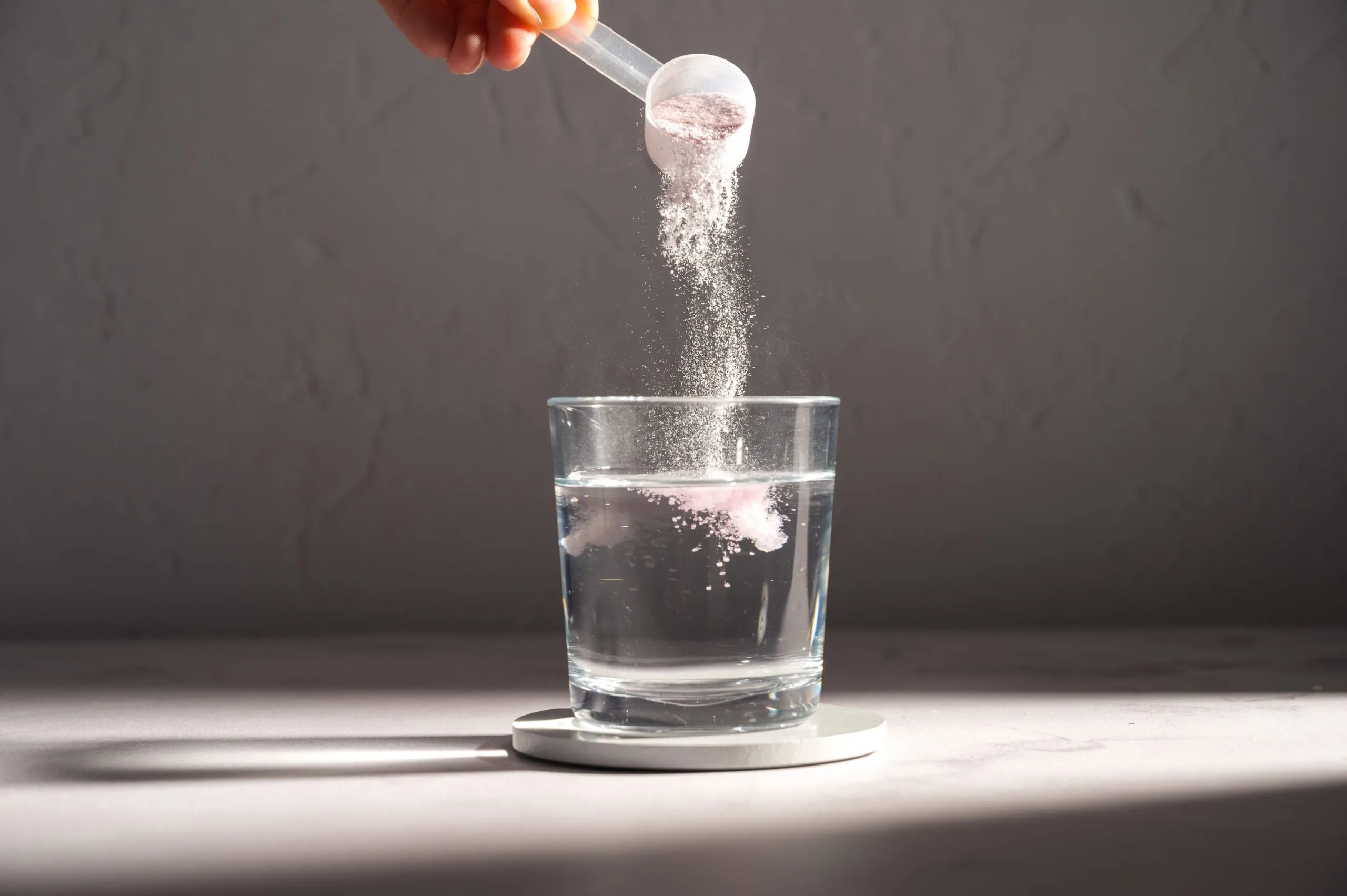
Clear protein—sometimes called clear whey protein—is a type of protein supplement that looks and tastes more like water or juice than a traditional shake. Unlike the creamy, thick protein drinks you might be used to, a clear protein drink has a transparent, light texture.
Most clear protein is made from whey protein isolate or hydrolyzed whey, which comes from milk. These are highly filtered forms of whey where most of the fat, carbs, and lactose have already been removed, leaving behind a more concentrated protein source.
From there, manufacturers use additional processing steps to create a signature, clear, juice-like result:
- Advanced filtration: Further removes compounds that create a creamy texture
- Hydrolysis (in some formulas): Breaks protein into smaller peptides for better solubility
- Acidification: Lowers the pH so the protein stays dissolved and looks clear instead of cloudy
- Flavor balancing: Helps offset the sharper taste that can come with acidic drinks
The end result is a protein drink that’s clear and able to take on light fruit flavors or no flavor at all in the case of protein water.
What really sets clear protein apart is what’s been removed. Traditional protein powders keep more fats and milk solids, which create that familiar creamy texture. Clear protein strips most of that away, so it feels lighter and less filling—even though it can deliver a similar amount of protein.
“Clear protein can be a great option for people who struggle with the heaviness of traditional shakes. Because it’s lighter in texture and often fruit-flavored, it tends to feel less like a supplement and more like a refreshing drink,” says Hudspeth
That’s part of the appeal. It’s an option for people who want to increase protein without something heavy—whether that’s after a workout, in warmer weather, or just as an easier way to sip protein throughout the day.
What does clear protein taste like?
The biggest difference with clear protein is its taste and texture.
On its own, the protein is fairly neutral. Instead of creamy vanilla or chocolate shake-like options, most clear protein drinks are fruit-forward—think lemon-lime, berry, or tropical punch.
Access GLP-1 Weight Loss with Noom
Explore a wide range of prescription medications supported by Noom’s program.Microdose GLP-1rx
Noom GLP-1rx
Noom GLP-1rx Plus
Wegovy®
Ozempic®
Metformin
Zepbound®
Mounjaro®
Liraglutide
The texture follows that same idea:
- Light and watery: More like flavored water than a shake
- No chalky finish: Doesn’t leave that thick coating some protein powders do
- Easy to sip: Something you can drink gradually
Because the heavier fats and milk solids are removed during processing, clear protein ends up with a more juice-like consistency.
Clear protein: Nutrition facts
Clear protein is designed to be simple: a meaningful dose of protein without a lot of extra calories.
Most options provide 15 to 25 grams of protein for about 45 to 100 calories, with minimal fat (0 to 1g) and low carbs (1 to 4g).
That said, formulas vary. Calories can depend on how the drink is flavored, the sweeteners used, and the added ingredients—even between flavors from the same brand.
When comparing options, focus on:
- Protein per serving
- Calories relative to protein
- Added sugars and carbs
A quick scan of the nutrition label is usually enough to find an option that fits your goals—whether you’re looking for something with specific macros or simply want help hitting your protein target.
Most products fall into a fairly tight range, regardless of brand. Instead of focusing on exact numbers, it helps to know what’s typical:
- Calories: 70–100
- Protein: 15–25g
- Carbohydrates: 1–4g
- Sugar: 0–3g
- Fat: 0–1g
This is what gives clear protein its “light” reputation. Compared to traditional shakes, you’re getting a solid amount of protein with relatively few added calories, carbs, or fat.
Where brands differ most is in the details:
- Some push higher protein (closer to 25g) with slightly more calories
- Others keep calories lower but land closer to 15–18g of protein
- Flavors can shift carbs and sugar slightly, especially in fruitier options
A simple rule of thumb: look for at least 15 grams of protein per 100 calories. That keeps the protein-to-calorie ratio in a range that works well for most weight management or maintenance goals.
Protein quality and absorption
Most clear protein products are made from whey isolate, which is considered a complete protein. That means it provides all nine essential amino acids your body needs for muscle repair, recovery, and overall health.
Whey protein is also known for being quickly absorbed. Because it’s already filtered—and sometimes broken down into smaller peptides—it moves through the digestive system faster than many whole food proteins. Research suggests this may help your body absorb and use amino acids more efficiently, especially after exercise.
In practical terms, that means clear protein might:
- Support muscle recovery after workouts
- Make it easier to hit your daily protein target
- Offer a convenient backup when whole food protein isn’t available
“Clear protein can be a practical way to support protein intake for people with busy lifestyles. It’s convenient and easily absorbed,” says Hudspeth. “This can help bridge protein gaps when whole foods aren’t readily available.”
What’s in a clear protein drink? A review of popular brands
If you look at a typical label, most clear protein ingredients fall into a few core categories:
- Protein source: Usually whey protein isolate (the main protein component)
- Liquid base: Water, which creates the light consistency
- Acids (like citric acid): Maintain clarity and add a slightly tart flavor
- Sweeteners: Often sucralose, stevia, or similar low-calorie options
- Flavoring agents: Natural or artificial flavors for fruit-based profiles
- Coloring (optional): Some brands add color, while others keep it fully clear
Different brands tweak these elements to create their own version of a clear protein drink. Here’s a look at some of the popular ones:
| Brand | Format | Main protein source | Added ingredients | Notes |
|---|---|---|---|---|
| Myprotein Clear Whey Isolate | Powder + RTD option | Hydrolyzed whey protein (most flavors); whey protein isolate (some flavors) | Sweeteners, flavoring, colorants; RTD version adds electrolytes and B vitamins | One of the most popular clear whey powders with strong fruit flavors and low sugar |
| Isopure Clear Protein | Powder + RTD (Protein Water) | Whey protein isolate | Powder: citric acid, stevia, fruit/vegetable juice (color) — 5 ingredients RTD: adds electrolytes | Powder has no electrolytes or added vitamins; RTD Protein Water adds electrolytes and has 15g protein at 60 calories |
| SEEQ | Powder | Whey protein isolate | Natural flavors, sweeteners, citric acid, malic acid | Designed to feel more like a sports drink than a shake |
| Bloom Clear Protein | Powder | Whey isolate + collagen peptides | Digestive enzyme blend, natural flavor, sweeteners | Markets heavily toward wellness and lifestyle consumers, particularly women |
| Protein2o | Ready-to-drink | Whey protein isolate | Electrolyte blend (sodium, potassium, magnesium), vitamins B5 and B6 | Hydration-focused clear protein water |
| Oath Nutrition Clear Protein | Powder | Whey isolate | Coconut milk powder, natural flavors, sweeteners | Grass-fed, Clean Label Project certified |
| Wicked Protein Clear Whey | Powder | Whey isolate | Natural flavors, citric acid, stevia, fruit/vegetable juice (color) | Clean Label Project certified; minimal ingredients, no artificial sweeteners |
| Ready Clear Protein Water | Ready-to-drink | Whey protein isolate | Electrolytes, natural flavors, monk fruit, stevia, fruit/vegetable juice (color) — no sucralose or artificial ingredients | Marketed as a hydration and recovery drink |
| Vital Proteins Clear Collagen | Powder | Collagen peptides | Vitamin C, hyaluronic acid — confirm exact product name | More collagen-focused than traditional muscle-building protein |
The core formula stays similar, but the balance of sweeteners, flavors, and additives can change the taste, texture, and overall nutrition. The key is finding a version where the ingredients—and the experience—fit what you’re actually likely to drink consistently.
Clear protein: What are the benefits?
Clear protein is often marketed as a lighter, easier alternative to traditional protein shakes. Some of those claims hold up—but most come down to format and convenience, not fundamentally different health effects.
Here’s what it can do—and what it doesn’t.
It’s light and easy to drink
Clear protein has a lighter, juice-like texture due to processing that reduces fat and adjusts pH, creating a more transparent drink. That alone can make it easier to tolerate—especially in warm weather or after exercise—if thick shakes feel like too much.
Some formulas use whey hydrolysates, which may absorb slightly faster, but that doesn’t appear to meaningfully change outcomes for most people. The real advantage is simpler: you may be more likely to actually drink it.
It helps boost protein
Clear protein can help fill gaps if you’re not getting enough protein from food, with most options providing 15 to 25 grams per serving. But this isn’t unique—any protein source can do the same.
Evidence shows protein can help support weight loss and muscle maintenance, but those benefits depend on total daily intake, not the format. Clear protein works best as a supplement to—not a replacement for—whole foods.
It’s convenient
Its real advantage is convenience: it’s portable, shelf-stable, and requires no prep, which can make it easier to stay consistent with protein intake.
Does clear protein build muscle?
Clear protein provides the same complete protein as traditional whey, including essential amino acids like leucine that support muscle protein synthesis.
“Clear whey protein has the same muscle-building potential as traditional whey — the difference is really just texture and taste. If you’re consistently hitting your protein goals and pairing it with strength training, the form it comes in matters a lot less than most people think,” says Hudspeth.
But protein supports muscle repair and maintenance—muscle growth still requires resistance training and enough overall calories and nutrients. Clear protein isn’t more effective than other protein sources; it’s just another way to get the same building blocks.
Can clear protein help with weight loss?
Clear protein is typically low in calories while providing a moderate amount of protein, which can be useful in a calorie-controlled diet.
There’s strong evidence that higher protein intake can support satiety and help preserve muscle during weight loss. But again, those effects come from protein overall, not from clear protein specifically.
It can help if it:
- Replaces a higher-calorie snack
- Makes it easier to hit your protein target
“It’s less helpful if it’s simply added on top of what you’re already eating—or replaces more filling, nutrient-dense foods,” says Hudspeth.
Research also shows that protein’s role in weight management works best alongside consistent eating patterns and physical activity—not as a standalone strategy.
If you prefer clear protein, and it helps you meet your protein needs, it can be a good choice. But the benefits come from protein itself and your overall habits—not from the “clear” version specifically.
Clear protein: What are the downsides?
Clear protein can be convenient, but it comes with a few trade-offs. Most aren’t deal-breakers—they just help set realistic expectations.
- Less filling than whole foods: Clear protein is a liquid, and research shows liquids tend to be less filling than solid foods. It also lacks fiber and fat, which play a role in satiety. That means it’s unlikely to keep you full for long—or work well as a true meal replacement.
- Added ingredients: To create that clear, fruity taste, most products rely on sweeteners, acids, and flavoring agents. These are generally considered safe in typical amounts, but some people prefer to limit them or may notice digestive discomfort depending on the formula.
- Variable product quality: Like other protein supplements, quality can vary. Some products may contain contaminants or heavy metals if they’re not properly tested. Looking for third-party testing can help reduce that risk.
- Higher cost for what you get: Clear protein is often more expensive per serving than whole food sources like eggs, yogurt, or chicken. You’re mostly paying for convenience.
“Clear protein shouldn’t crowd out more filling, nutrient-dense foods. If you’re relying on it in place of meals, you may find yourself getting hungry again sooner,” says Hudspeth.
Clear protein isn’t a nutritional upgrade. If you enjoy it and it helps you hit your protein goals, it can fit into your routine. But it doesn’t replace whole foods, and it’s not doing anything fundamentally different from other protein sources.
Is clear protein worth it?
Clear protein can be useful—but whether it’s “worth it” depends on what you’re actually looking for. It’s not a different kind of protein, so the value mostly comes down to trade-offs.
- It can be convenient: Clear protein is easy to grab, portable, and simple to prepare—whether you’re mixing a powder or reaching for a ready-to-drink option.
- Similar health benefits, not unique ones: Clear protein can support muscle recovery and help you meet daily protein needs, just like other whey-based options. Research shows whey isolate can support muscle maintenance after exercise. But these benefits come from protein itself, not the clear format.
- How it fits into your diet: Clear protein works best as a convenient add-on, not a replacement for meals. Whole foods still provide more nutrients, fiber, and staying power.
Clear protein can be worth it if you value convenience and are more likely to use it consistently. But from a nutrition and cost standpoint, it’s not doing anything you can’t get from less expensive or more nutrient-dense protein sources.
Things to be aware of with clear protein
Like other protein supplements, clear protein products aren’t as tightly regulated as whole foods. Independent testing has found that some protein powders contain detectable levels of heavy metals, pesticides, and other contaminants. They also tend to include sweeteners and additives worth paying attention to.
How to find the best product
If you want to minimize exposure to contaminants, look for products that are third-party tested and certified by organizations like NSF Certified for Sport, Informed Sport, or the Clean Label Project. These certifications mean the product has been independently verified for what’s on the label—and screened for what shouldn’t be there. Brands like Wicked Protein and Oath Nutrition carry Clean Label Project certification, which is relatively rare in the clear protein space.
Understanding sweeteners and additives: Type matters
Many clear protein products rely on sweeteners and additives to achieve their light, juice-like taste and texture with little to no sugar and low calories. What’s in your product depends on the brand, so it’s worth knowing what to look for.
Sweeteners:
- Stevia (Reb A and Reb M) and monk fruit are among the best-tolerated options for most people, with minimal reported side effects. These appear in brands like Wicked Protein, Isopure, Ready, and Oath.
- Erythritol is a sugar alcohol that’s generally better tolerated than others in its class, but can still cause bloating, gas, or digestive upset in larger amounts. Protein2o uses erythritol.
- Sucralose and acesulfame potassium (Ace-K) are the sweeteners most commonly linked to digestive discomfort in sensitive people. These appear in several popular clear protein powders including Myprotein and SEEQ. People with IBS or sensitive stomachs may want to avoid products that include these.
Other additives to be aware of:
- Polysorbate 80, an emulsifier found in some SEEQ formulas, has been flagged in some research as potentially disruptive to gut microbiome balance at high doses, though evidence in humans remains limited and amounts in protein powder are small.
The bottom line: if you have a sensitive stomach, IBS, or simply prefer cleaner labels, look for products sweetened with stevia or monk fruit and free of artificial colors and emulsifiers. Checking the ingredient list before buying is always the safest approach.
How to include clear protein in your diet
Clear protein is flexible—it doesn’t require much planning, prep, or timing. But it works best when you’re using it intentionally, not just adding it in on top of everything else.
Common ways to use clear protein
Most people use a clear protein drink when they want protein without something heavy or time-consuming. It tends to fit into a few practical moments:
- After activity: Whey protein isolate can support muscle recovery, so some people use clear protein after workouts or long days when they don’t feel like eating right away.
- Between meals: A lighter option to add protein without committing to a full snack or meal.
- On-the-go: Easy to keep in a bag, car, or at your desk when meals are delayed or inconsistent.
- In warm weather: A cold, juice-like drink might be more appealing than a traditional shake.
- Mixed into routines: Some people pair it with coffee, smoothies, or other drinks, though it’s usually designed to be consumed on its own.
There’s no “best” time to drink it—it depends on your schedule. The processing and pH that keep it clear also make it shelf-stable and easy to drink anywhere, which is part of the appeal.
Situations where clear protein may not be enough
Clear protein is designed to deliver protein, not to function as a complete food. That matters in a few situations:
- As a meal replacement: It doesn’t provide enough calories, fiber, or fat to replace a balanced meal.
- For staying full: Liquid protein is generally less satisfying than solid food, so hunger may return quickly.
- For overall nutrition: It lacks the vitamins, minerals, and variety you’d get from whole foods.
If you’re actually hungry or need more sustained energy, it usually works better alongside food—for example, paired with fruit, nuts, or a meal—rather than on its own.
“Clear protein is most useful for convenience and filling small gaps. It’s not meant to replace meals, says Hudspeth.
Clear protein vs whey: Is clear protein better than whey?
Both clear protein and traditional whey are whey, the same milk-derived protein. That means they provide similar nutrition at their core. The difference isn’t the protein itself—it’s how it’s processed and how it feels to drink. Here’s a look at the most important similarities and differences:
| Feature | Clear protein | Traditional whey protein |
|---|---|---|
| Protein quality | Complete protein | Same. |
| Calories | 70–100 per serving | 100–150+ per serving |
| Texture | Light, watery, juice-like | Thick, creamy, shake-like |
| Taste | Fruity (lemon, berry, tropical) | Dessert-like (chocolate, vanilla) |
| Satiety | Less filling | May be more filling |
| Convenience | Powder or ready-to-drink | Same. |
What this actually means
- Protein quality: Both work the same way in your body. Research shows whey protein is rapidly absorbed and supports muscle recovery regardless of format.
- Fullness: This is one of the biggest practical differences. Clear protein is easier to drink but is likely less satisfying, while traditional whey might keep you fuller longer.
Clear protein isn’t better than whey—it’s just a different delivery format. If you want something light and easy to sip, it can fit well. If you want something more filling and cost-effective, traditional whey may make more sense.
More questions about clear protein
If you’re thinking about trying clear protein, a few questions tend to come up—especially around how it’s made, how it fits into your routine, and what to expect. Here are some answers:
Is clear protein considered processed?
Yes. Clear protein goes through multiple filtration and formulation steps to remove fat and lactose and create its clear, juice-like texture. Processing isn’t automatically a problem, but it does mean it’s a supplement—not a whole food—so it’s best used alongside a balanced diet.
Is clear protein lactose-free?
Usually, or very low in lactose. Most clear protein is made from whey isolate, which has much of the lactose removed during processing. That said, tolerance varies, so if you’re sensitive, it’s still worth checking the label.
Is clear protein easier to digest?
Sometimes. Clear protein made with whey isolate or hydrolyzed whey may be easier to digest for some people because it’s more filtered or partially broken down. Hydrolyzed whey is often described as “pre-digested,” but not everyone notices a difference—individual response matters.
Can you have a clear protein drink before a colonoscopy?
One question that comes up less often but is worth addressing: whether clear protein qualifies as a clear liquid for medical procedures like a colonoscopy prep. Sometimes—but only if it fits your doctor’s “clear liquid” guidelines. Even though clear protein looks like a clear liquid, it still contains protein and other ingredients, so it’s not always allowed.
Check your prep instructions or ask your provider. If approved, choose one that’s fully clear (not cloudy), light in color (no red, purple, or blue), and free of fiber or thickening agents. When in doubt, stick to standard clear liquids.
Can clear protein replace water or count toward hydration?
It can count toward your fluid intake, but it’s not a replacement for water. Because it contains protein and other ingredients, your body processes it differently from plain fluids. It’s better to think of it as something you drink in addition to water, not instead of it.
Does clear protein contain caffeine or stimulants?
Most don’t, but some products include added caffeine or other ingredients for energy. If that matters to you—especially later in the day—check the label.
Reviews from real Noom users
Desirea N. — Real Noom user
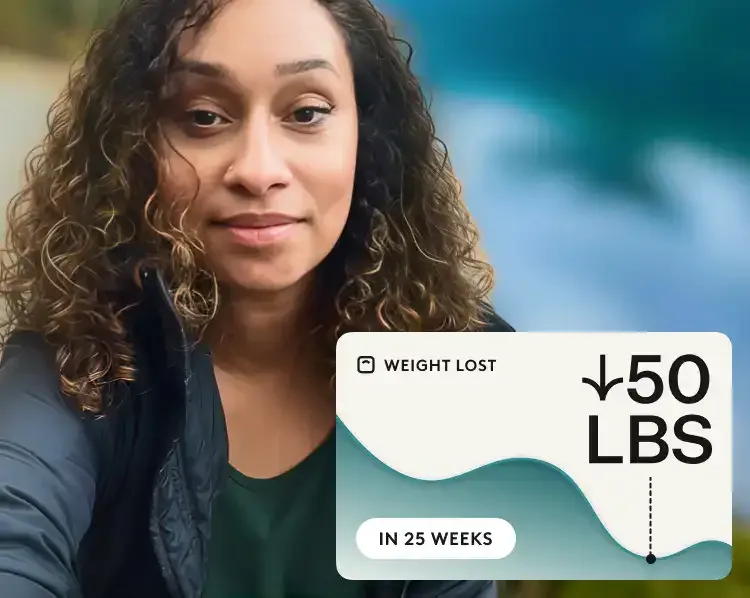
“My favorite parts of Noom are the care team and other Noomers. Sharing and getting help made me feel like I wasn’t doing it alone. That support made all the difference.”
Desirea N. — Real Noom user
Matthew M. — Real Noom user
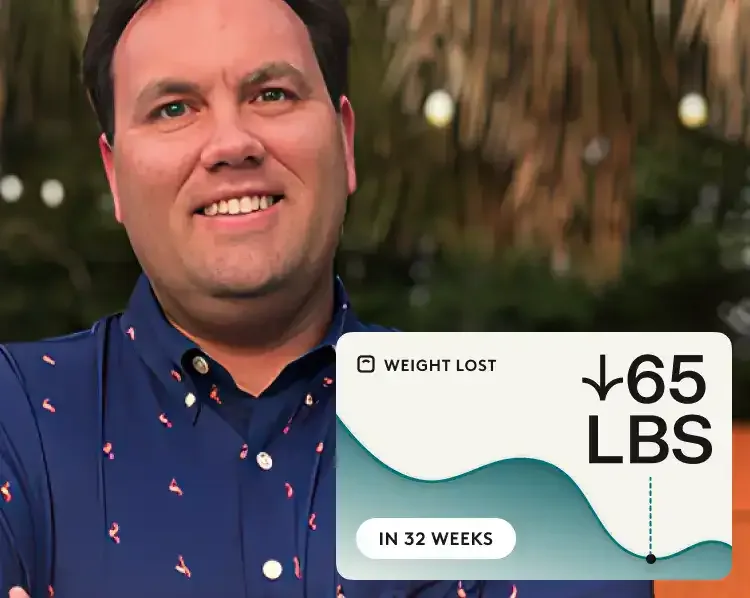
“Noom has taught me that every day is a new chance to make better, healthier choices. It's taught me how to stop overeating.’’
Matthew M. — Real Noom user
Lila M. — Real Noom user
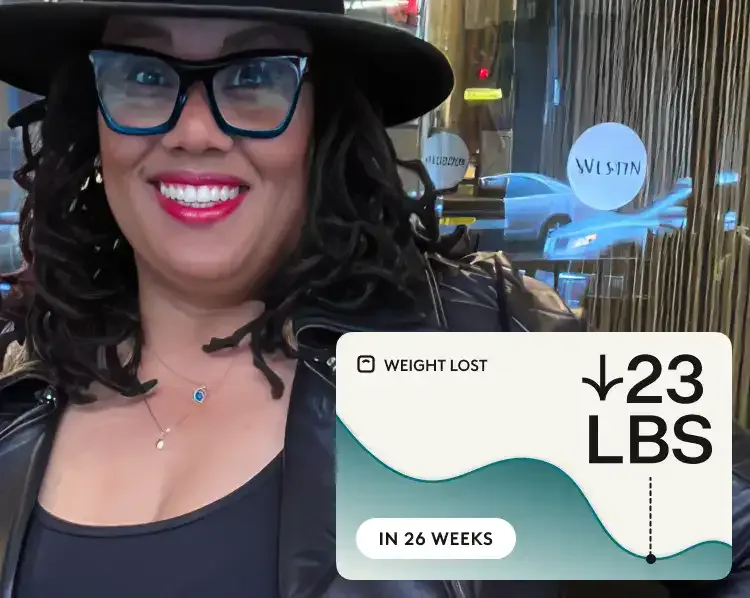
“Clinicians who understand how supportive medication can be is one of the best parts of Noom! I was convinced I wouldn’t have success but I’m down 11 pounds in two months.’’
Lila M. — Real Noom user
Steve M. — Real Noom user

“Noom provided me with the medication which I could not get through Medicare. I have learned the tricks to better eating and life in general.”
Steve M. – Real Noom user
Daisy R. — Real Noom user
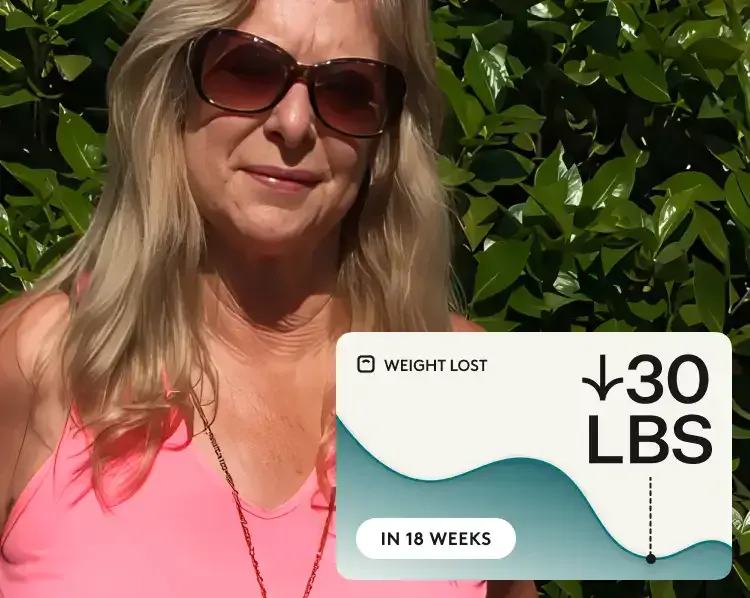
‘’Noom has changed my life and I’m so thankful, I feel great, have more energy and am no longer prediabetic.”
Daisy R. – Real Noom user
Sarah R. — Real Noom user
“All of the Noom providers that I’ve met with have been exceptional and prescribed medications that are appropriate for my situation and health.”
Sarah R. – Real Noom user
Madison S. — Real Noom user

“Noom made the process so simple and now I feel full, free from diet obsession, and at ease in my body again.”
Madison S. – Real Noom user
Sonday K. — Real Noom user
“My doctor recommended Noom after I was frustrated trying to lose weight. The lessons helped change my relationship with food. My body feels lighter & energized.”
Sonday K. – Real Noom user
Cam K. — Real Noom user
“I built healthy habits with coaching and lessons that make me confident I can maintain my weight loss long term.”
Cam K. – Real Noom user
Laura TR. — Real Noom user

“With the right medication through Noom, hunger and sugar cravings finally quieted and I have the tools to break the cycle.”
Laura TR. – Real Noom user
Jessica S. — Real Noom user
“Cravings and food noise are gone, I finally feel confident in the healthy habits I’ve built to last with Noom.”
Jessica S. – Real Noom user
The bottom line: Clear protein can bridge protein gaps, but it isn’t a meal replacement
Clear protein isn’t a completely new kind of nutrition—it’s a different way to deliver something familiar. At its core, it provides the same whey-based protein you’d get from a traditional shake, just in a lighter, more drinkable format. For some people, that shift makes it easier to stay consistent, especially when appetite is low, schedules are busy, or a full shake feels like too much. But the benefits still come down to the basics: total protein intake, overall diet, and how it fits into your routine.
If you like the taste and find yourself reaching for it regularly, clear protein can be a practical tool. Just keep expectations grounded—it won’t build muscle on its own, replace whole foods, or deliver anything fundamentally different from other protein sources. Think of it as one option in the mix: useful when it helps you follow through, less so if it replaces more filling, nutrient-dense choices.
“Clear protein can make it easier to get enough protein,” says Hudspeth. “But it’s not a substitute for balanced meals. It works best as part of a routine that includes a variety of whole foods.”If you want guidance on building a sustainable approach, having the right support can make a difference. Download the Noom app on iOS & Android for free tools and guidance to learn new behaviors, stay consistent, and make changes that last.
Editorial standards
At Noom, we’re committed to providing health information that’s grounded in reliable science and expert review. Our content is created with the support of qualified professionals and based on well-established research from trusted medical and scientific organizations. Learn more about the experts behind our content on our Health Expert Team page.