
What you’ll learn:
- Cutting jelly is a low-calorie gel supplement made with fiber and plant extracts, marketed to support appetite control and weight loss.
- Cutting jelly may curb hunger briefly, but it doesn’t significantly suppress appetite.
- Cutting jelly can’t boost your metabolism, silence food noise long term, or cause meaningful fat loss on its own.
If you’ve been scrolling social media lately, you may have seen it: a slim tube of glossy red jelly, squeezed straight into someone’s mouth as a daily ritual. The product is called cutting jelly, a Korean diet supplement made primarily from low-calorie soluble fibers and plant extracts, often marketed to support digestion and appetite control—and now being framed online as a weight-loss shortcut.
A big part of its rise can be traced to Kylie Jenner, who recently shared that she added cutting jelly to her routine while preparing for an event. She described it as her new favorite for digestion and debloating, and said it helped her snack less. She also suggested taking it daily to curb appetite and stay on track.
From there, other claims followed. Across social media, fans and influencers began describing cutting jelly as a way to cut carb cravings, quiet “food noise,” boost metabolism, improve digestion, and even help people lose weight without changing much else. Some framed it as a low-effort tool to avoid snacking. Others went further, implying it works almost like a prescription appetite suppressant.
The hype reached another level when the product picked up an unofficial nickname: the “Korean Ozempic.” That comparison fueled the idea that cutting jelly could deliver similar appetite-suppressing or weight-loss effects as GLP-1 medications—just without a prescription.
But do those claims actually hold up?

The Easy Way
to lose weight and get healthy.
See if you qualify
Let’s take a closer look at what cutting jelly actually is, why it’s suddenly everywhere, and what evidence—if any—supports its use for weight loss. Dr. Karen Mann, MD, Noom Medical Director, also weighs in on how these products work in the body, what they can and can’t realistically do, and what to consider before adding one to your routine.
What is cutting jelly?
Cutting jelly is a low-calorie Korean supplement-style food that comes in a gel stick, resembling a popsicle. It’s made of a smooth, flavored gel designed to be squeezed directly into the mouth. Most versions are shelf-stable, meaning they don’t require refrigeration, and are meant to be eaten on the go. While pomegranate is one of the most common flavors, other varieties are also sold, depending on the brand.
One of the most well-known versions comes from the Korean health supplement brand Foodology, whose product is officially called Coleology Cutting Jelly. While Foodology helped popularize the trend, it’s not the only brand making gel-stick supplements in this style. These products are marketed as easy daily habits to support weight loss, appetite control, digestion, and reduced bloating—all packaged in a convenient squeeze tube.
The term “cutting” comes from fitness culture and refers to cutting calories or carbohydrates in pursuit of a leaner physique. Cutting jelly taps directly into that mindset, positioning itself as a tool to help reduce snacking, curb carb cravings, quiet “food noise,” and claiming to support metabolism when consumed once per day—often recommended after lunch.
It’s sold as a simple shortcut. The next step is looking at what’s actually in it—and whether those ingredients can realistically deliver on those promises.
What are the ingredients in cutting jelly?
Cutting jelly isn’t standardized, and ingredient formulas can vary by brand and flavor. One of the most widely shared versions online from Foodology is a good example of what these products typically contain.
- Garcinia cambogia extract: This plant extract contains hydroxycitric acid (HCA) and is commonly marketed for appetite control and weight loss. It’s a frequent ingredient in diet supplements, though research hasn’t shown consistent or clinically meaningful weight-loss effects. There have also been case reports linking garcinia-containing supplements to liver injury, which has raised safety concerns.
- Seeds, gums, and thickeners: Chia seed and locust bean gum help create the jelly texture and visual “functional” feel. While chia seeds contain fiber and nutrients in whole-food form, the amount included here is unlikely to do much.
- Fruit concentrates and flavoring: Pomegranate concentrate, red grape concentrate, European plum concentrate, vegetable mixed concentrate powder, and pomegranate flavor provide sweetness, color, and taste. These ingredients contribute more to flavor and appearance than to nutrition.
- Beauty-focused additives: Fish collagen, elastin, hyaluronic acid, milk protein, and dry yeast reflect the product’s crossover into the “inner beauty” category—a common theme in Korean supplements. These ingredients are included to support skin-related marketing claims rather than weight loss.
- Vitamins, minerals, and additives: Vitamin C, calcium, and pantothenate (vitamin B5) are included in small amounts, along with citric acid, beta-cyclodextrin, and FD&C Red No. 40 for stability, taste, and color.
Cutting jelly is appealing because it’s sweet, low-calorie, and visually polished, with marketing that blends weight loss and beauty. The more important question is whether these ingredients—at the amounts used—can meaningfully affect appetite, digestion, or weight in everyday life.
Foodology cutting jelly: Nutrition breakdown
Each stick of Foodology cutting jelly contains 50 calories and 5 grams of fiber. There’s no fat and almost no protein. While 5 grams of fiber can support digestive regularity and may create a brief sense of fullness, the lack of protein and fat means it’s unlikely to keep you satisfied for long.
Protein and fat both play important roles in satiety and blood sugar stability, which is why foods that contain them tend to be more filling. Cutting jelly is primarily a low-calorie carbohydrate source with added fiber—not a balanced snack.
Access GLP-1 Weight Loss with Noom
Explore a wide range of prescription medications supported by Noom’s program.Microdose GLP-1rx
Noom GLP-1rx
Noom GLP-1rx Plus
Wegovy®
Ozempic®
Metformin
Zepbound®
Mounjaro®
Liraglutide
Here’s what one stick typically contains:
| Nutrient | Amount per stick |
|---|---|
| Calories | 50 |
| Total Fat | 0 g |
| Carbohydrates | 11 g |
| Fiber | 5 g |
| Sugar | 3 g (.7 g added sugar) |
| Protein | 0 g |
Does cutting jelly actually help with weight loss?
When a product goes viral for weight loss, the promises tend to multiply—fewer cravings, a faster metabolism, results that feel almost effortless. Cutting jelly is no exception. Before buying into the hype, it helps to pause and look at what’s being marketed versus what’s actually supported by evidence. Below, we break down some of the most common claims—and what the science really says.
Claim 1: Cutting jelly helps you lose weight because it’s high in fiber
Verdict: False.
Cutting jelly does contain fiber—about 5 grams per stick, largely from chia seeds and fiber-like carbohydrates. Fiber can slow digestion and help you feel fuller for a short period of time, which is why it’s often highlighted in weight-loss marketing. But fiber alone doesn’t drive fat loss.
“Increasing fiber intake can support digestive health, but fiber by itself doesn’t cause sustainable weight loss,” explains Dr. Mann. “Any quick change on the scale after using a product like this is more likely due to temporary water loss, not a reduction in body fat.”
Some of the fiber and sugar alcohols in cutting jelly can also have mild laxative-like effects for certain people, which may temporarily lower scale weight. That can make the product seem more effective than it really is.
Real, lasting weight loss isn’t about short-term fullness or water weight shifts. It happens when overall eating patterns and daily habits support a consistent calorie balance over time—not from a single fiber-containing product.
Claim 2: Eating cutting jelly after lunch boosts metabolism
Verdict: False.
Cutting jelly’s main benefit comes from its low-calorie content. If it replaces a higher-calorie snack, your total daily calorie intake may decrease. Over time, that calorie deficit can support weight loss.
But this has nothing to do with “boosting” metabolism or the specific timing of eating it after lunch. “Your metabolism isn’t meaningfully altered by a 50-calorie gel stick,” says Dr. Mann.
What matters most is your overall pattern—how much you eat across the day, how satisfied you feel, and whether your habits are sustainable. In other words, it’s not about metabolic hacks. It’s about consistency.
Claim 3: Cutting jelly stops carb cravings and reduces food noise all day
Verdict: Not likely.
Cutting jelly can temporarily take the edge off hunger simply because it provides some calories and fiber, which can create a short-lived sense of fullness. But that effect is brief—and it’s not the same as addressing cravings or ongoing “food noise.”
Cravings and food noise are rarely solved by adding a single low-calorie product. They’re influenced by many factors, including stress, sleep, hormones, restrictive eating patterns, and whether meals are balanced and satisfying. When you consistently undereat—or rely on very low-calorie options—cravings often come back stronger later in the day.
“Food noise isn’t just about hunger—it’s often your body signaling that it needs adequate fuel, balance, or even stress relief,” says Dr. Mann. “Short-term appetite suppression doesn’t resolve the underlying drivers of cravings, which is why sustainable strategies matter more than quick fixes.”
New from Noom
Microdose GLP-1Rx Plus
An affordable way to start your GLP-1 journey with Compounded Tirzepatide.

*Initial 3 week subscription and 4 weeks of medication from $79 plus tax and $199 per month plus tax for 12 week subscription thereafter. Final pricing depends on program selection. Noom GLP-1Rx Plus Microdose Program involves medication (when appropriate), healthy diet, exercise and support. Individual results vary. Meds & personalization based on need as determined by a third-party clinician. Medications are not reviewed by FDA for safety, efficacy, or quality. No affiliation with Eli Lilly and Company, the only US source of FDA-approved tirzepatide. Not available in all 50 US states.
Reducing food noise usually means eating enough overall—especially enough protein—getting fiber from whole foods, and building habits that support steady energy and satiety. That’s something a single jelly stick, on its own, isn’t designed to do.
Is cutting jelly safe?
For most people, occasional use of cutting jelly may not cause serious harm. But “low calorie” doesn’t automatically mean risk-free. It contains ingredients that deserve a closer look—especially if you’re considering using it regularly.
- Garcinia cambogia: Some cutting jelly products include garcinia cambogia, a plant extract marketed for appetite control. There have been reports of liver toxicity in people taking garcinia cambogia-containing products. Other possible side effects include headaches, nausea, diarrhea, and general digestive discomfort.
- Artificial sweeteners: These processed sweeteners might help some people eat fewer calories, but they don’t affect everyone the same way. “Some people experience gastrointestinal discomfort such as bloating, gas, or diarrhea,” says Dr. Mann. “Others notice that very sweet, processed sugar products may increase cravings for sugary foods rather than reduce them. Sometimes, having natural sources of sugar, honey, or agave is more satisfying.”
- Undereating and satisfaction: Cutting jelly isn’t a meal replacement. At about 50 calories per stick, it doesn’t provide enough energy, protein, or nutrients to be filling on its own. Dr. Mann adds, “Even when aiming for weight loss, your body still needs enough food—especially whole foods—to feel satisfied, energized, and supported. Regularly undereating can make cravings stronger and consistency harder in the long run.”
Sustainable weight loss isn’t about eating as little as possible. It’s about consistently fueling your body with a variety of nutritious foods, then creating a small, sustainable calorie gap—through food choices, movement, or both—that allows weight loss to happen gradually over time.
Does cutting jelly have any side effects?
Cutting jelly may seem harmless—it’s small, sweet, and only 50 calories—but that doesn’t mean it’s risk-free. Like many supplements marketed for weight loss or appetite control, it contains ingredients that can affect digestion and overall health, especially if used regularly or in larger amounts than recommended.
Each stick contains about 5 grams of fiber, which can support digestive regularity. For some people, that’s a helpful boost. But if you’re not used to getting much fiber in your diet, adding it suddenly—especially in concentrated form—can cause bloating, cramping, gas, or diarrhea. Fiber works best when it’s introduced gradually and paired with adequate hydration and balanced meals.
Some of the individual ingredients in cutting jelly deserve extra attention:
- Garcinia cambogia: Some people experience headaches, nausea, diarrhea, and general digestive discomfort from products with garcinia cambogia.
- Sugar alcohols and artificial sweeteners: Ingredients like xylitol, D-sorbitol, and sucralose help keep the product low in calories. But sugar alcohols are known to have laxative-like effects for some at higher amounts.
- Allergies: If you have food allergies, it’s important to review the ingredient list carefully. Cutting jelly often contains pomegranate concentrate, and pomegranate is classified as a type of berry. If you have a berry allergy or sensitivity to any listed ingredients, this product may not be appropriate for you.
Cutting jelly: Recommended use and warnings
Cutting jelly is typically intended to be consumed up to two times per day. Taking more than the recommended amount may increase the likelihood of digestive discomfort.
The product packaging for Coleology Cutting Jelly also includes several important warnings:
- Discontinue use if you experience stomach upset or indigestion.
- Check the ingredient list carefully if you have allergies.
- Avoid use in children, pregnant individuals, and those who are breastfeeding.
- Consult a healthcare professional if you have liver, kidney, or heart disease, allergies, asthma, or if taking medications.
- If adverse reactions occur, discontinue use and consult a healthcare professional.
As with any supplement, it’s important to approach cutting jelly with awareness. “Natural” or “low-calorie” doesn’t automatically mean safe for everyone. Paying attention to how your body responds—and prioritizing balanced, whole foods first—will always be a more sustainable foundation for health.
Frequently asked questions (FAQs) about cutting jelly
What is cutting jelly?
Cutting jelly is a low-calorie Korean gel supplement sold in portable stick packaging. The term “cutting” refers to cutting calories or carbs. It’s typically flavored with fruit (like pomegranate) and contains fiber, artificial sweeteners, and other added ingredients marketed to support weight management and digestion.
What does cutting jelly do?
Cutting jelly is marketed as a low-calorie dietary supplement that can supposedly support appetite control, digestion, and reduce snacking. It contains fiber and low-calorie sweeteners, which may help some people feel temporarily fuller or more regular. But it’s not a medication, fat burner, or metabolism booster, and it doesn’t directly cause fat loss on its own.
How do you eat cutting jelly?
You eat cutting jelly by tearing open the top of the stick and squeezing the gel directly into your mouth. Think of it like a popsicle or a yogurt pouch. It’s meant to be convenient and consumed on the go.
Is cutting jelly the same as collagen jelly sticks?
Collagen jelly sticks are single-serve gel snacks that are fortified with collagen peptides or collagen-related ingredients. They’re typically sold as a way to support skin, hair, nail, or joint “beauty” benefits. Cutting jelly is less about beauty and is promoted as more of a weight-loss tool.
Reviews from real Noom users
Desirea N. — Real Noom user
“My favorite parts of Noom are the care team and other Noomers. Sharing and getting help made me feel like I wasn’t doing it alone. That support made all the difference.”
Desirea N. — Real Noom user
Matthew M. — Real Noom user
“Noom has taught me that every day is a new chance to make better, healthier choices. It's taught me how to stop overeating.’’
Matthew M. — Real Noom user
Lila M. — Real Noom user
“Clinicians who understand how supportive medication can be is one of the best parts of Noom! I was convinced I wouldn’t have success but I’m down 11 pounds in two months.’’
Lila M. — Real Noom user
Steve M. — Real Noom user
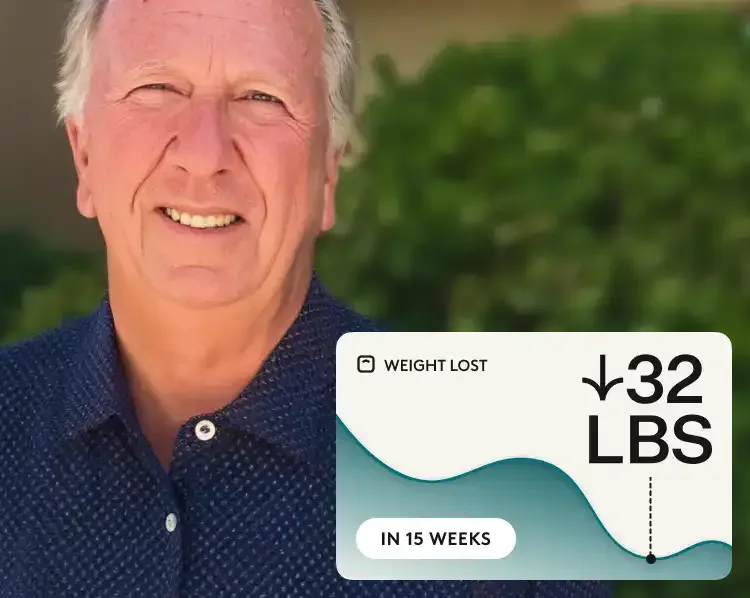
“Noom provided me with the medication which I could not get through Medicare. I have learned the tricks to better eating and life in general.”
Steve M. – Real Noom user
Daisy R. — Real Noom user
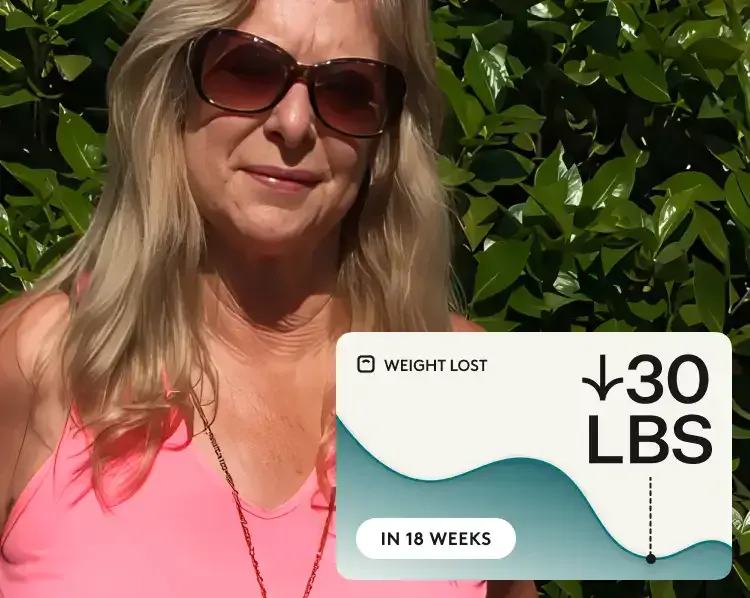
‘’Noom has changed my life and I’m so thankful, I feel great, have more energy and am no longer prediabetic.”
Daisy R. – Real Noom user
Sarah R. — Real Noom user
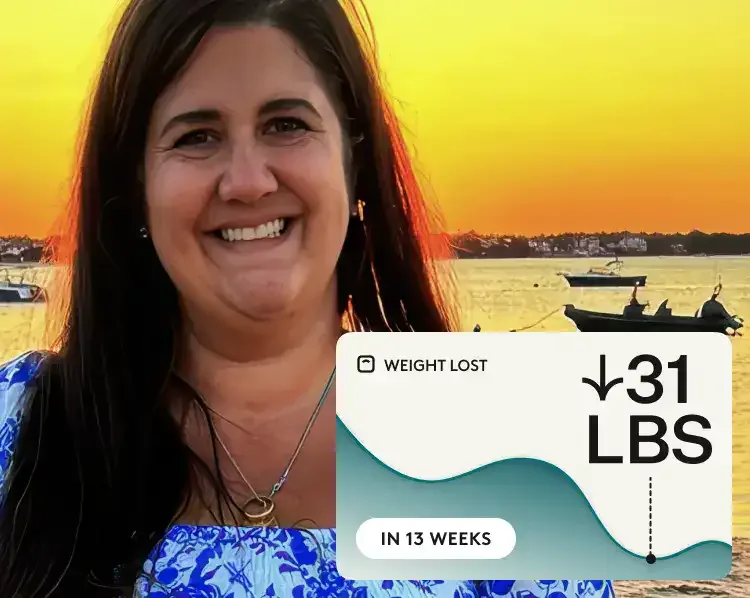
“All of the Noom providers that I’ve met with have been exceptional and prescribed medications that are appropriate for my situation and health.”
Sarah R. – Real Noom user
Madison S. — Real Noom user
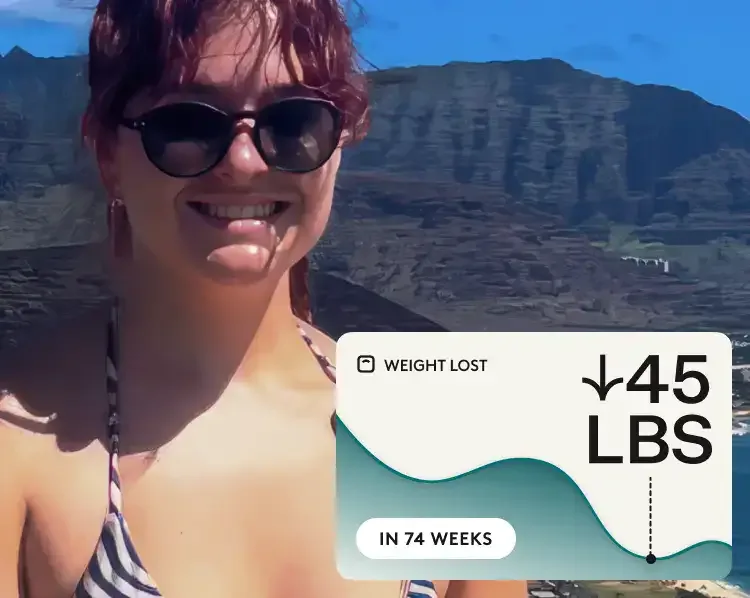
“Noom made the process so simple and now I feel full, free from diet obsession, and at ease in my body again.”
Madison S. – Real Noom user
Sonday K. — Real Noom user
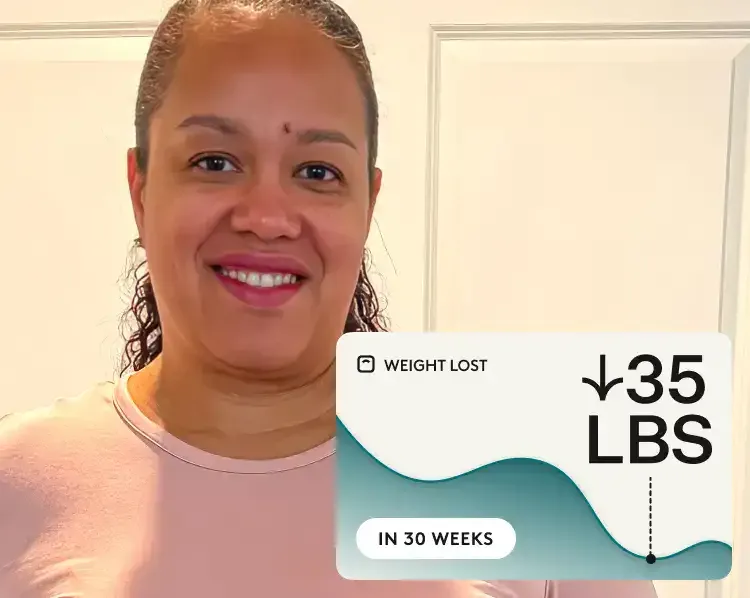
“My doctor recommended Noom after I was frustrated trying to lose weight. The lessons helped change my relationship with food. My body feels lighter & energized.”
Sonday K. – Real Noom user
Cam K. — Real Noom user
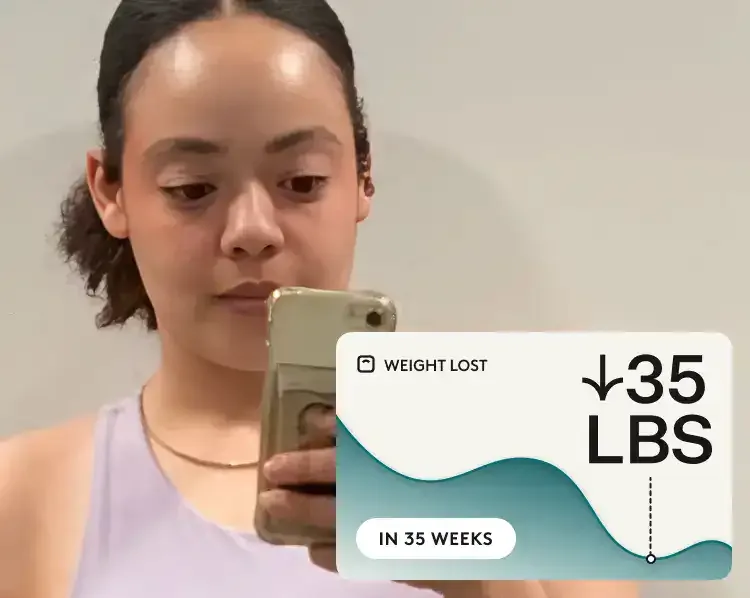
“I built healthy habits with coaching and lessons that make me confident I can maintain my weight loss long term.”
Cam K. – Real Noom user
Laura TR. — Real Noom user
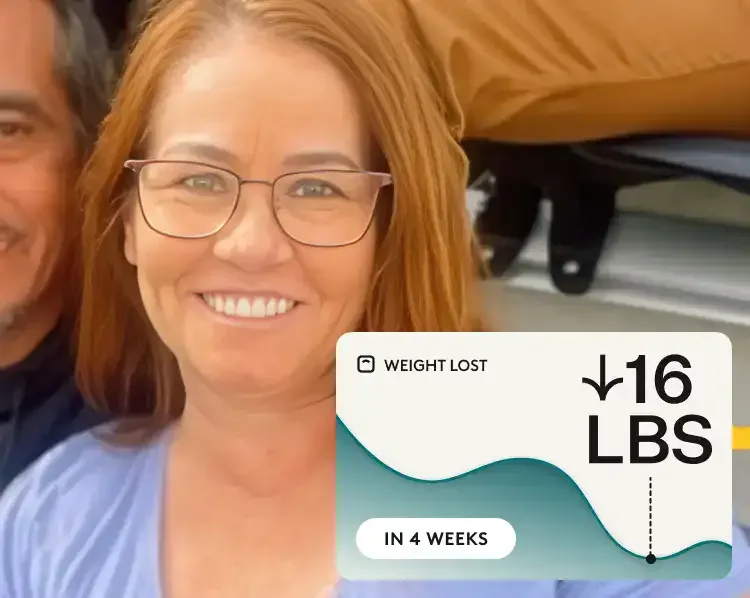
“With the right medication through Noom, hunger and sugar cravings finally quieted and I have the tools to break the cycle.”
Laura TR. – Real Noom user
Jessica S. — Real Noom user
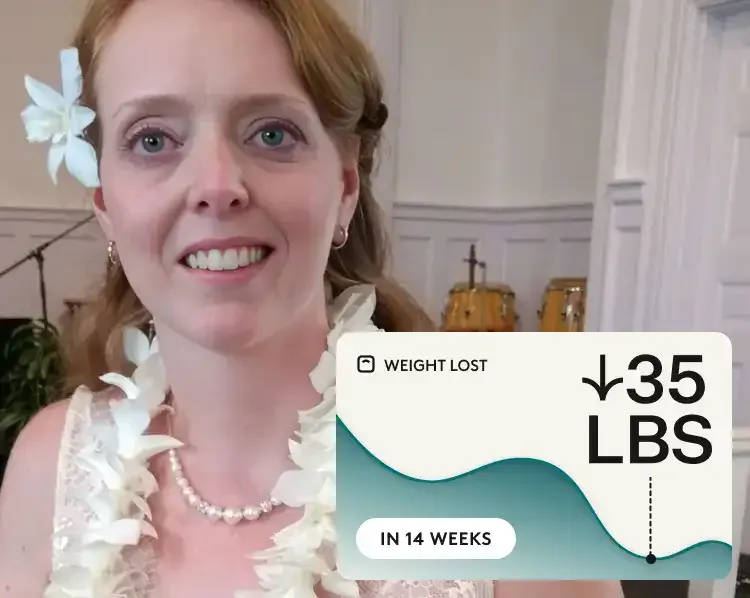
“Cravings and food noise are gone, I finally feel confident in the healthy habits I’ve built to last with Noom.”
Jessica S. – Real Noom user
The bottom line: Cutting jelly is a fruity snack and won’t lead to lasting weight loss
Cutting jelly is a tube of fruit-flavored, fiber-infused gel with a few supplements. Claims that it can curb appetite, lower carb cravings, boost metabolism, and support digestion are overstated. It doesn’t boost metabolism, silence food noise, or create sustainable weight loss on its own. Any results are likely tied to reduced calories—not a special ingredient or timing trick.
Real change usually doesn’t come from one product or “hack.” It comes from habit changes that add up over time.
Rather than promising quick fixes, Noom focuses on helping people understand their habits and make changes that feel realistic. Weight loss is about building routines and habits that you can stick with.
Download the Noom app on iOS and Android for daily tips, exclusive recipes, and more to help you on your wellness journey.
Editorial standards
At Noom, we’re committed to providing health information that’s grounded in reliable science and expert review. Our content is created with the support of qualified professionals and based on well-established research from trusted medical and scientific organizations. Learn more about the experts behind our content on our Health Expert Team page.