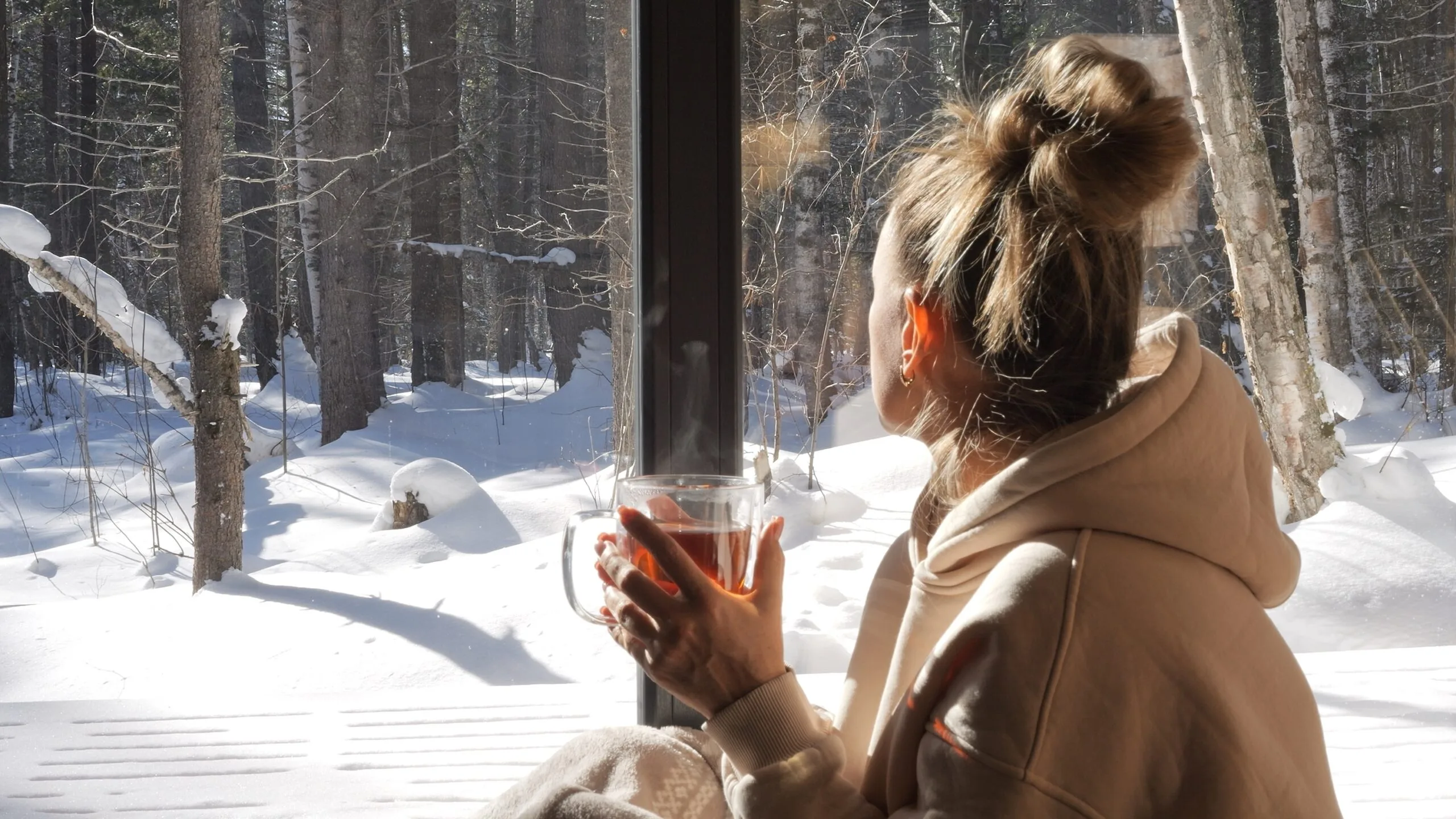
When daylight shrinks, energy often follows. Shorter days can affect your focus, motivation, and even how rested you feel—especially in winter. That dip can be a biological response to less light and disrupted rhythms.
The good news? You don’t need a full routine overhaul or a tropical vacation to feel better. Research shows that small, consistent habits, particularly around light, can support your body’s internal clock, improve sleep quality, and help you feel more stable day to day. Even brief changes can send clearer signals to your brain about when to be alert and when to rest.
Here are three simple microhabits you can start using right now.
1. Step into daylight in the morning
Your brain relies on light to know when it’s time to wake up. Morning light exposure helps regulate your circadian rhythm—the internal clock that controls sleep, alertness, and energy levels.
Even 5–10 minutes of outdoor light, including on cloudy days, can help improve alertness and support healthier sleep-wake cycles. This doesn’t need to be a workout. A short walk, standing on the porch, or walking the dog counts.


Think of this habit as telling your brain: It’s daytime—let’s get going.
2. Stretch by a window in the afternoon
That midafternoon energy dip is common in winter, when light levels are lower and days feel longer. Research suggests that light exposure during the day helps reinforce circadian signals that keep energy steadier.
When your slump hits, try pairing gentle movement with light. A brief stretch, shoulder rolls, or slow standing movements near a window can help re-signal to your brain that it’s still daytime.
This isn’t about pushing harder—it’s about nudging your system with small cues that support alertness.
3. Dim the lights an hour before bed
Light doesn’t just help you wake up in the morning—it also helps you wind down at night. Bright or cool-toned light in the evening can interfere with melatonin, the hormone that supports sleep.
Lowering light levels and switching to warmer lighting in the evening can help your brain transition into rest mode. Better sleep at night often translates into better energy and focus the next day.
This microhabit can be as simple as turning off overhead lights, using lamps, or lowering screen brightness after dinner.
Why light can make a difference in the winter
These microhabits may seem simple, but they work because they support your body’s natural rhythms—not because they demand more willpower.
Winter energy doesn’t usually improve by “trying harder.” It improves when your body gets clearer signals about when to be alert and when to rest. Small, consistent light cues help create that clarity, making energy feel steadier and easier to access over time.
You don’t have to wait for longer days to feel more energized. A few light-based microhabits, done consistently, can support better quality sleep, steadier energy throughout the day, and improved focus all winter long.

See if your insurance
covers GLP-1s.
The form only takes 2 minutes to answer. We’ll handle the rest.
GET STARTEDProgress doesn’t come from doing everything perfectly. It comes from doing small, doable things, again and again. Over time, these small cues help your body work with the season instead of against it.
If you’re working toward weight loss, better energy, or long-term health, Noom can help you build habits that last, through personalized guidance, simple tools, and support that adapts to your life.
Editorial standards
At Noom, we’re committed to providing health information that’s grounded in reliable science and expert review. Our content is created with the support of qualified professionals and based on well-established research from trusted medical and scientific organizations. Learn more about the experts behind our content on our Health Expert Team page.