
What you’ll learn:
- Amycretin is a new medication in development that works on both GLP-1 and amylin pathways to support appetite control and digestion.
- Early phase 2 studies showed encouraging weight-loss results, with about 15% loss from the weekly injection and about 10% from the daily pill.
- Because it also activates amylin pathways, researchers are exploring its potential to support weight loss while helping preserve more lean muscle.
As weight-loss research expands, scientists are moving beyond today’s GLP-1 medications like semaglutide and tirzepatide. They’re now experimenting with drugs that layer additional hormone pathways on top of GLP-1 to boost results. Some investigational therapies even combine multiple hormones at once to strengthen appetite control, metabolism, and long-term weight management. For example, retatrutide, a medication currently in clinical trials, is a triple agonist that targets GLP-1, GIP, and glucagon receptors—an approach designed to amplify fat-loss and metabolic effects.
Amycretin is another emerging name in that conversation. It pairs two key pathways—GLP-1 and amylin. Early findings suggest this combination may heighten fullness signals and metabolic benefits beyond GLP-1–only medications. Developed by Novo Nordisk, the company behind Ozempic® and Wegovy®, Amycretin has already shown promising mid-stage results in people with type 2 diabetes.
Let’s take a closer look at what amycretin is, how it works in the body, and what early studies are showing so far.
What is amycretin?
Amycretin is a medication being developed by Novo Nordisk that is currently in clinical trials. Like tirzepatide (the active ingredient in Zepbound® and Mounjaro®, made by rival Eli Lilly), amycretin is a dual-agonist, meaning it works through two different hormone pathways at the same time. The difference is in which pathways they target: tirzepatide mimics GLP-1 and GIP, while amycretin targets GLP-1 and amylin.
Amylin is a hormone released by the pancreas alongside insulin. It helps regulate appetite, slows how quickly food leaves your stomach, and smooths out blood sugar spikes after meals. Higher amylin activity is tied to stronger fullness cues, steadier appetite, and more stable eating patterns—all factors that support weight loss.
Noom’s Most Powerful Program
A dual-pathway GLP-1 and behavior change for lasting results.
By activating both GLP-1 and amylin pathways together, Amycretin may be able to enhance appetite control, digestion, and energy balance more than a GLP-1 drug alone. Early trial data suggest that this dual action could lead to stronger weight-loss effects, which is exactly why it’s generating so much attention in the next-generation weight loss drug landscape
How amylin support helps
We already know that when GLP-1 receptors are activated, appetite is lowered, digestion slows, and blood sugar is stabilized. Targeting amylin can help too. Amylin receptors sit in brain regions that help regulate how much you eat. Turning them on can help with:
- Clearer fullness cues, so you naturally stop eating sooner
- Less frequent hunger, especially throughout the day
- More balanced blood sugar after eating, which helps avoid energy dips
- Lower overall appetite, without forcing restriction
Part of the excitement around amylin-based treatments is the possibility that they may help people lose weight while holding onto more lean muscle. Rapid weight loss, no matter the method, can sometimes include a drop in muscle along with fat. Keeping muscle mass makes weight loss healthier and helps maintain energy and physical confidence.
How is amycretin taken?
Amycretin doesn’t have official dosing instructions yet, as it’s still in the research stage. Early studies give us a peek at how the medication might be used one day. Researchers are currently testing two forms: a weekly injection and a daily pill.
In the latest phase 2 trial, people with type 2 diabetes used different doses for up to 36 weeks while staying on metformin. Researchers checked two main things: how much participants’ blood sugar improved and how their weight changed. Below are the amycretin doses used in the trial:
- Weekly injection: 0.4 mg, 1.5 mg, 5 mg, 10 mg, 20 mg, 40 mg
- Daily pill: 6 mg, 25 mg, 50 mg
Participants followed a step-up dosing schedule, meaning doses were increased gradually over time.
How much weight can you lose with amycretin?
So far, amycretin’s weight-loss results look very encouraging.
Weekly injections: In its phase 2 trial, people using the highest weekly injection dose (40 mg) lost an average of 15% of their body weight over 36 weeks. This is on par with the highest dose of semaglutide found in Wegovy.
Daily pill: The daily pill version also showed strong results, with the highest oral dose (50 mg) helping people lose an average of 10% of their body weight. This is significantly more than the average weight loss of 4% of body weight seen with Rybelsus®, which is currently only approved for type 2 diabetes, not weight loss.
Those who were managing type 2 diabetes saw improvements in blood sugar right alongside the weight changes. There’s still more research to come, but so far, amycretin looks like it could become another high-performing weight-loss option once it’s fully tested.
What does amycretin cost?
There’s no official price for amycretin yet. Still, you can get a general idea by seeing what today’s top weight-loss medications cost out of pocket.
- Wegovy®, Novo Nordisk’s semaglutide weight loss injection, has a list price of about $1,350 each month, though getting your prescription filled through NovoCare®brings that down to around $349 per month.
Learn more: Wegovy® costs with and without insurance
- Rybelsus® costs around $998 per month, but that price can vary depending on your insurance coverage, your pharmacy choice, and whether you’re using it for type 2 diabetes or off-label for weight loss. It’s also possible that the price could go down in the future, due to recent initiatives by the federal government and an agreement with the manufacturer, Novo Nordisk, to lower prescription drug prices.
Learn more: Rybelsus® costs in 2025: With and without insurance coverage
These prices help paint a picture of the current market, but amycretin’s actual cost won’t be known until it’s approved.
Amycretin: Side effects and safety considerations
Any medication can come with side effects, and amycretin follows the same pattern seen with other GLP-1 and amylin-based treatments. Most of the reactions in early studies were experienced in the digestive system, especially when first starting or when doses were increased.
The most common side effects included:
- Nausea
- Vomiting
- Diarrhea
These were usually mild to moderate and tended to ease as the body settled into treatment. This kind of GI response is very common for medications that work on appetite and digestion pathways.
Learn more about common side effects of GLP-1-based weight loss medications:
Amycretin: When could it become available?
Before any new treatment becomes something your doctor can prescribe, it has to work through several rounds of testing. Amycretin has completed phase 2 testing and is gearing up for phase 3 trials, which Novo Nordisk plans to start in 2026. This 3rd phase is a big deal because it’s the final major step before a company can officially ask the FDA to review a new treatment.
To get a clearer picture of this clinical trial process, here’s a simple breakdown of how they typically go:
- Phase 1: A small group of volunteers tries the medication so researchers can check basic safety and figure out early dosing.
- Phase 2: More people join (usually a few hundred) so researchers can see how well the drug works and what side effects show up.
- Phase 3: Huge studies come next, comparing the new drug to existing options to gather the evidence needed for FDA review.
- Phase 4: Happens after approval, once the medication is already available to the public, to track long-term safety.
If the phase 3 results go well, independent analysts at GlobalData expect amycretin could be approved in late 2030 in the United States. Until then, it’s still considered experimental and is only available to people enrolled in clinical studies.
Amycretin vs. other weight-loss drugs
Amycretin is still being studied, but early data already puts it in the same conversation as today’s leading weight loss medications. Looking at how much weight people lost in the trials helps show where it might fit once it’s fully tested.
Here’s a simple side-by-side view comparing amycretin to weight loss medications many people already know:
| Medication | How it’s taken | Study length | Average weight loss (est.) |
|---|---|---|---|
| Amycretin – 40 mg | Weekly injection | 36 weeks | 15% |
| Amycretin – 50 mg | Daily pill | 36 weeks | 10% |
| Tirzepatide (Zepbound®) – 15 mg | Weekly injection | 72 weeks | 21% |
| Semaglutide (Wegovy®) – 2.4 mg | Weekly injection | 104 weeks | ~15% |
| Semaglutide (Rybelsus®) – 14mg | Daily pill | 26 weeks | 4% |
Other medications in trials
In addition to the medications that are already on the market, pharmaceutical companies are developing next-generation options. These work in different ways, come in different forms (including pills), and in some cases show comparable or even bigger weight-loss results than existing medications. Below are a few of the most talked-about medications currently in the pipeline—and why people are keeping a close eye on them.
Retatrutide
Retatrutide, a medication from Eli Lilly, has reached phase 3 trials. It’s a once-weekly injection that works on three hormone pathways at once, and early research has been eye-opening.
Noom’s Most Powerful Program
A dual-pathway GLP-1 and behavior change for lasting results.
In an early 48-week trial, people on the highest dose (12 mg weekly) dropped an average of 24% of their body weight. It isn’t approved yet, but it’s another example of how quickly new weight loss treatments are developing.
Orforglipron
Orforglipron is an oral GLP-1 medication, similar to Rybelsus®, from Eli Lilly that is currently undergoing trials. The results seem to be promising, with people losing an average of 11% of their body weight with 36 mg of Orforglipron over 72 weeks. It’s not yet FDA-approved, but the manufacturer expects it might gain approval as early as March 2026.
CagriSema
CagriSema is a new combo medication from Novo Nordisk that pairs two powerful ingredients: cagrilintide, an amylin analog, and semaglutide, a GLP-1. Both hormones naturally help regulate appetite, so putting them together creates a sort of “double-team” effect on hunger, fullness, and blood sugar.
Some trial groups have seen weight-loss numbers that rival current GLP-1 medications, with people losing about 14% of their body weight after 68 weeks. It’s still working its way through clinical trials, but a lot of experts see CagriSema as one of the next big steps in obesity treatment.
Eloralintide
Eloralintide is another emerging medication in the weight-management world. It’s an oral amylin analog, so instead of an injection, you’d take it as a pill. It targets amylin and helps slow digestion and increase the feeling of fullness, which can help with appetite control and meal-time consistency.
Early trial data suggest that weight loss could be significant, with people losing an average of 20% of their body weight with 9 mg over 48 weeks. Like many pipeline medications, it’s not approved yet, but it’s definitely one to keep an eye on.
Frequently asked questions about amycretin
If you’re trying to understand where amycretin fits into the world of weight-loss and diabetes treatments, these quick answers can help you get up to speed.
When will amycretin be available in pharmacies?
Amycretin is still being tested, so it won’t be available for a while. Novo Nordisk plans to begin the final rounds of testing in 2026. After that, the FDA review process can take a few years, so availability is still several steps away.
Is amycretin more effective than Zepbound® or Wegovy®?
We can’t say for certain yet. There haven’t been any direct, head-to-head studies comparing amycretin to drugs like Zepbound® or Wegovy®.
Based on what we have so far, Zepbound® shows higher average weight loss at around 21%, while amycretin’s phase 2 trial showed an average of 15% weight loss at its highest weekly dose.
The pill version of amycretin does appear to be more effective than Rybelsus®, which results in an average weight loss of around 4%, though studies have shown that higher doses of Rybelsus® could have comparable results to amycretin, if approved, at 15%.
Still, these numbers come from separate studies, so they aren’t accurate head-to-head comparisons. More research is needed before anyone can say how they really stack up.
What long-term safety data do we have for amycretin?
Right now, long-term safety data for amycretin are still limited. So far, the best safety snapshot for amycretin comes from a 36-week study. The most common side effects were GI symptoms, and researchers didn’t see major safety concerns during the study period.
While this is helpful early information, it’s still far from the long-term data needed to understand how a medication might affect the body over several years.
Could amycretin be used beyond weight loss and diabetes?
Possibly. Some early animal studies show amycretin might also affect liver health, but that’s as far as the science goes right now. Anything beyond weight and blood-sugar support would need its own human studies and FDA approval.
Reviews from real Noom users
“My favorite parts of Noom are the care team and other Noomers. Sharing and getting help made me feel like I wasn’t doing it alone. That support made all the difference.”
Desirea N. — Real Noom user
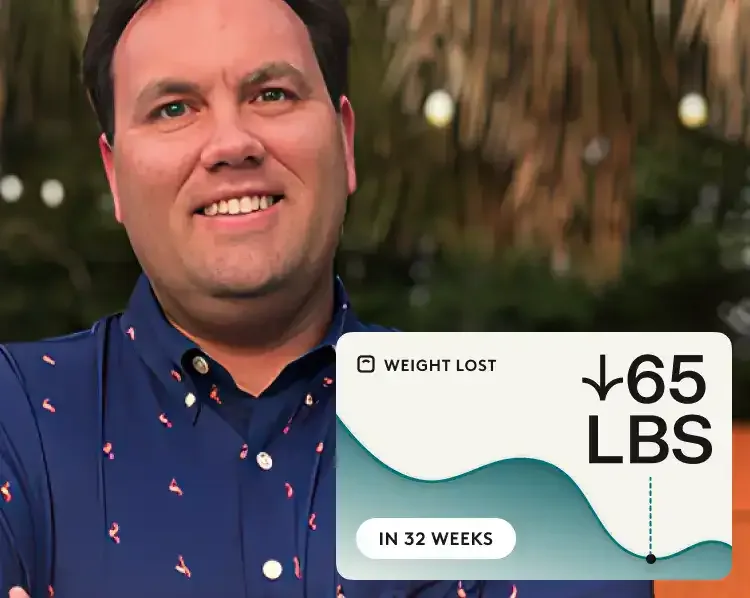
“Noom has taught me that every day is a new chance to make better, healthier choices. It’s taught me how to stop overeating.”
Matthew M. — Real Noom user
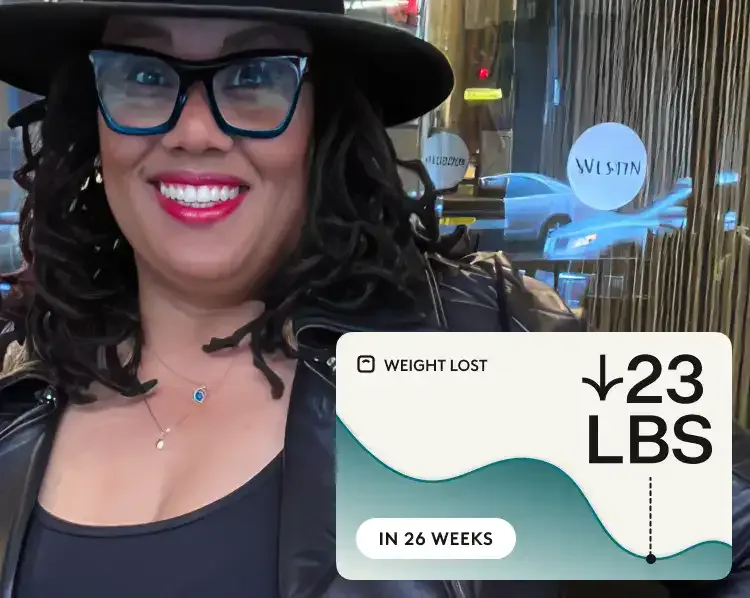
“Clinicians who understand how supportive medication can be is one of the best parts of Noom! I was convinced I wouldn’t have success but I’m down 11 pounds in two months.”
Lila M. — Real Noom user
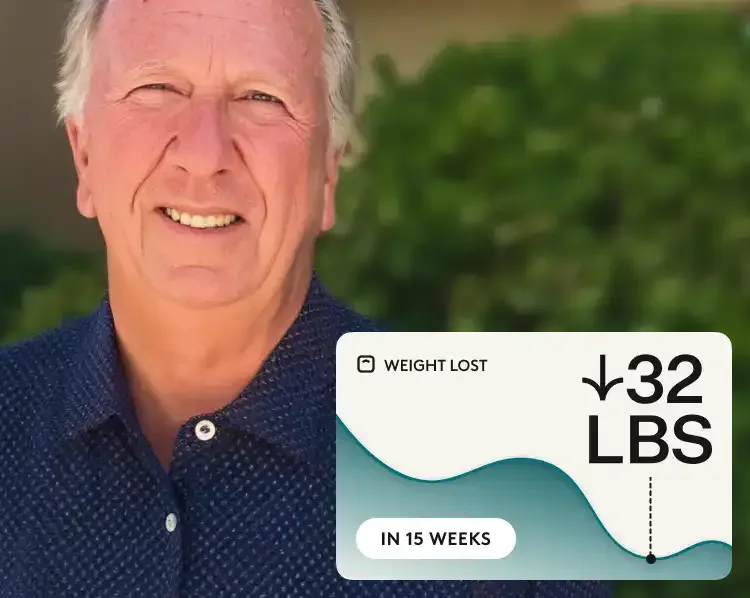
“Noom provided me with the medication which I could not get through Medicare. I have learned the tricks to better eating and life in general.”
Steve M. – Real Noom user
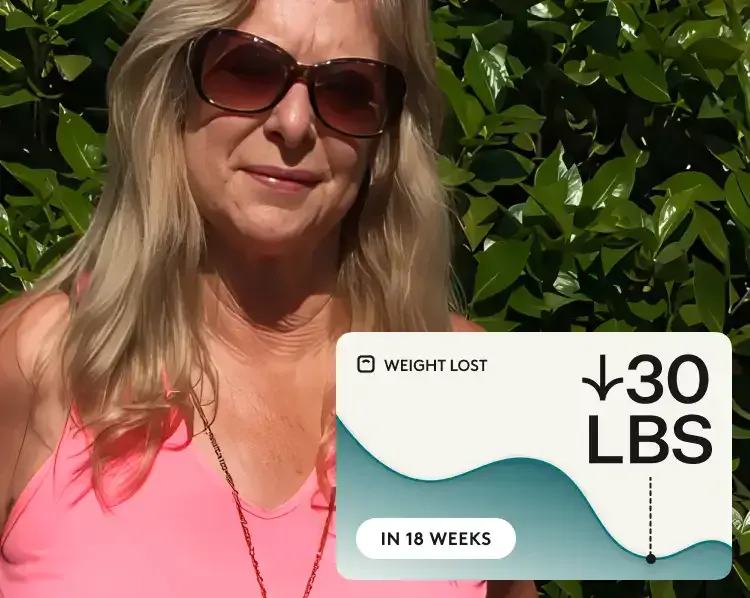
“Noom has changed my life and I’m so thankful, I feel great, have more energy and am no longer prediabetic.”
Daisy R. – Real Noom user
“All of the Noom providers that I’ve met with have been exceptional and prescribed medications that are appropriate for my situation and health.”
Sarah R. – Real Noom user
“Noom made the process so simple and now I feel full, free from diet obsession, and at ease in my body again.”
Madison S. – Real Noom user
“My doctor recommended Noom after I was frustrated trying to lose weight. The lessons helped change my relationship with food. My body feels lighter & energized.”
Sonday K. – Real Noom user
“I built healthy habits with coaching and lessons that make me confident I can maintain my weight loss long term.”
Cam K. – Real Noom user
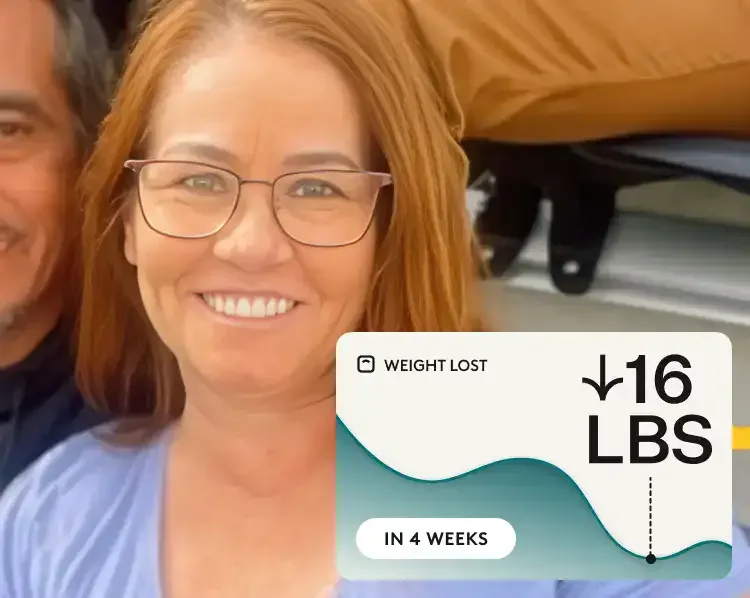
“With the right medication through Noom, hunger and sugar cravings finally quieted and I have the tools to break the cycle.”
Laura TR. – Real Noom user
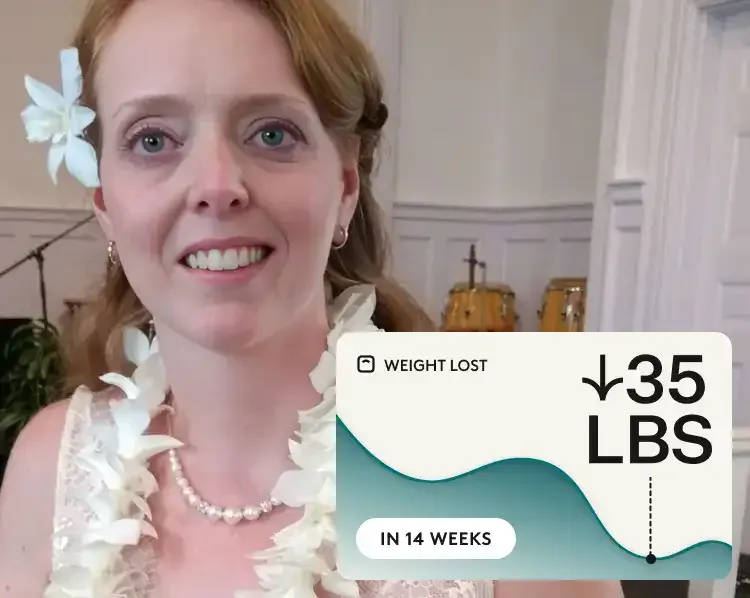
“Cravings and food noise are gone, I finally feel confident in the healthy habits I’ve built to last with Noom.”
Jessica S. – Real Noom user
The bottom line: Amycretin could be a future weight loss medication option
Amycretin’s early data show why it’s becoming one to watch. In mid-stage trials, the highest weekly dose produced an average of 15% weight loss, and the oral version reached around 10%. That’s solid progress for a treatment that’s not even in phase 3 yet.
Its dual action on GLP-1 and amylin also opens the door to potential benefits beyond appetite control, including supporting lean muscle during weight loss. With late-stage trials expected to begin in 2026, researchers will soon have more information to confirm how well it performs in the long run. All that said, amycretin may take a few more years to reach the market, but you don’t have to put your health goals on hold. If you’re thinking about weight-loss medications or want help understanding your choices, you can check your eligibility for Noom Med. If you qualify, you’ll be paired with a clinician who can match you with the right treatment and prescribe medication if needed. You’ll also get coaching, a personalized plan, and tools that support lasting change.
Editorial standards
At Noom, we’re committed to providing health information that’s grounded in reliable science and expert review. Our content is created with the support of qualified professionals and based on well-established research from trusted medical and scientific organizations. Learn more about the experts behind our content on our Health Expert Team page.