
What you’ll learn:
- The “fibermaxxing” trend—eating upwards of 50 to 100 grams of fiber a day—promises quick weight loss, but can backfire with bloating, nutrient gaps, and other health risks.
- While most people fall short on daily fiber, gradually increasing intake to the recommended 25 to 38 grams per day through whole foods is the safest way to get the benefits without the risks.
- A balanced approach to fiber supports weight loss, gut health, and disease prevention far better than extreme diet hacks like fibermaxxing.
When it comes to wellness and weight loss, there’s no shortage of trends. We’ve seen everything from drinking chia seed water to the not-so-tasty baking soda and vinegar concoction. The latest social media sensation is being called “fibermaxxing.”
You might have already guessed from the name that this trend is all about eating as much fiber as possible. People believe that upping fiber to extreme levels can help improve gut health and help with weight loss. While it’s true that getting adequate fiber in your diet can help you lose weight by slowing digestion and keeping you full, that doesn’t mean that more fiber is necessarily better.
While most people do need more fiber in their diet, about 90% to 97% of people fall short of their daily recommended fiber intake; too much can be dangerous. Let’s look at what the science says about fiber, ask the experts, and figure out if fibermaxxing is a trend worth following.
What is fibermaxxing, and why is it popular?
People who adopt fibermaxxing are trying to hit or even exceed the RDA* of fiber for the day, which is between 25 and 38 grams. Some even promote extreme levels of 50 to 100 grams per day. The idea is that more fiber is better.
Fibermaxxing is popular because it promises a straightforward fix to several common complicated issues. They believe that more fiber will help them reduce calories, improve their gut issues, and lead to a path of wellness.
New from Noom
Microdose GLP-1Rx Plus
An affordable way to start your GLP-1 journey with Compounded Tirzepatide.

*Initial 3 week subscription and 4 weeks of medication from $79 plus tax and $199 per month plus tax for 12 week subscription thereafter. Final pricing depends on program selection. Noom GLP-1Rx Plus Microdose Program involves medication (when appropriate), healthy diet, exercise and support. Individual results vary. Meds & personalization based on need as determined by a third-party clinician. Medications are not reviewed by FDA for safety, efficacy, or quality. No affiliation with Eli Lilly and Company, the only US source of FDA-approved tirzepatide. Not available in all 50 US states.
A person can pursue the trend by eating more high-fiber foods (like fruits, veggies, whole grains, seeds, and legumes) or buying inexpensive supplements (like those with psyllium husk) to reap the benefits. Plus, influencers are endorsing it across social media channels, so it has spread quickly.
*Recommended dietary allowance (RDA) is defined as the average daily amount of nutrients that are needed to meet the requirements of nearly all healthy people based on a 2,000-calorie diet.
Understanding fiber: Types and benefits
To understand the fibermaxxing trend better, it helps to understand how fiber works in the body. Fiber is a carbohydrate, but it’s not broken down into sugar for energy like other carbohydrates. Instead, fiber passes through your system mostly intact—and that’s precisely why it’s so helpful.
Think of dietary fiber less as one thing and more as a family of plant-based carbs, each with different jobs to do. The big dividing line? Whether they dissolve in water. Soluble fiber acts like a sponge, soaking up water to help steady blood sugar and keep you feeling satisfied. Insoluble fiber is more like a broom—it sweeps through your digestive tract, helping everything move along smoothly. Let’s take a closer look:
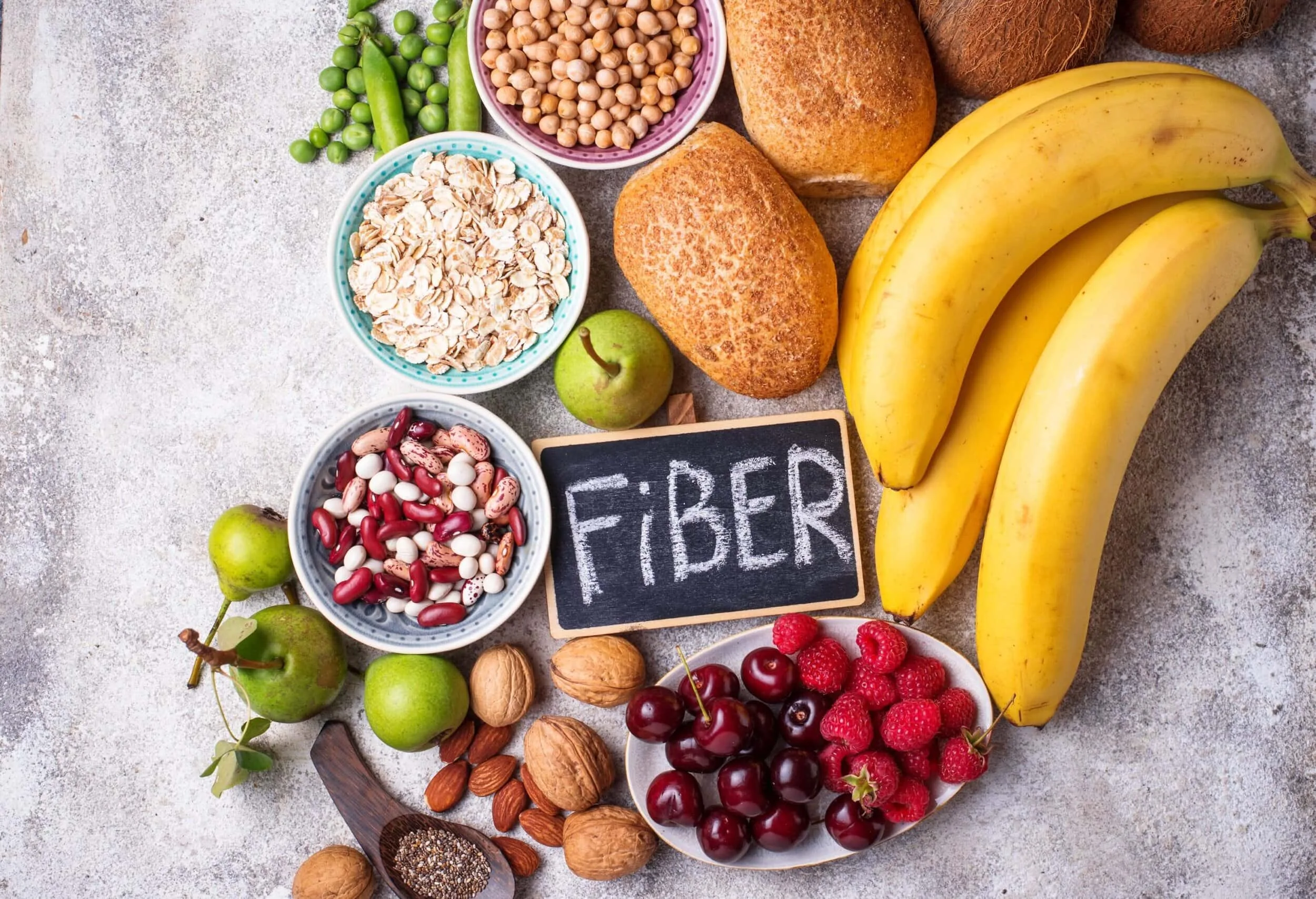
- Soluble fiber. This form is found in the inner, fleshy parts of plants and dissolves to create a thick, gel-like substance. You can find soluble fiber in foods like oats, lentils, apples, beans, and barley.
- Benefits: Soluble fiber helps slow down digestion, making you feel full and satisfied for longer. Your gut bacteria love this kind of fiber, too. According to a study, soluble fiber can create diverse gut microorganisms that may prevent diseases like colorectal cancer, inflammatory bowel disease, and diabetes.
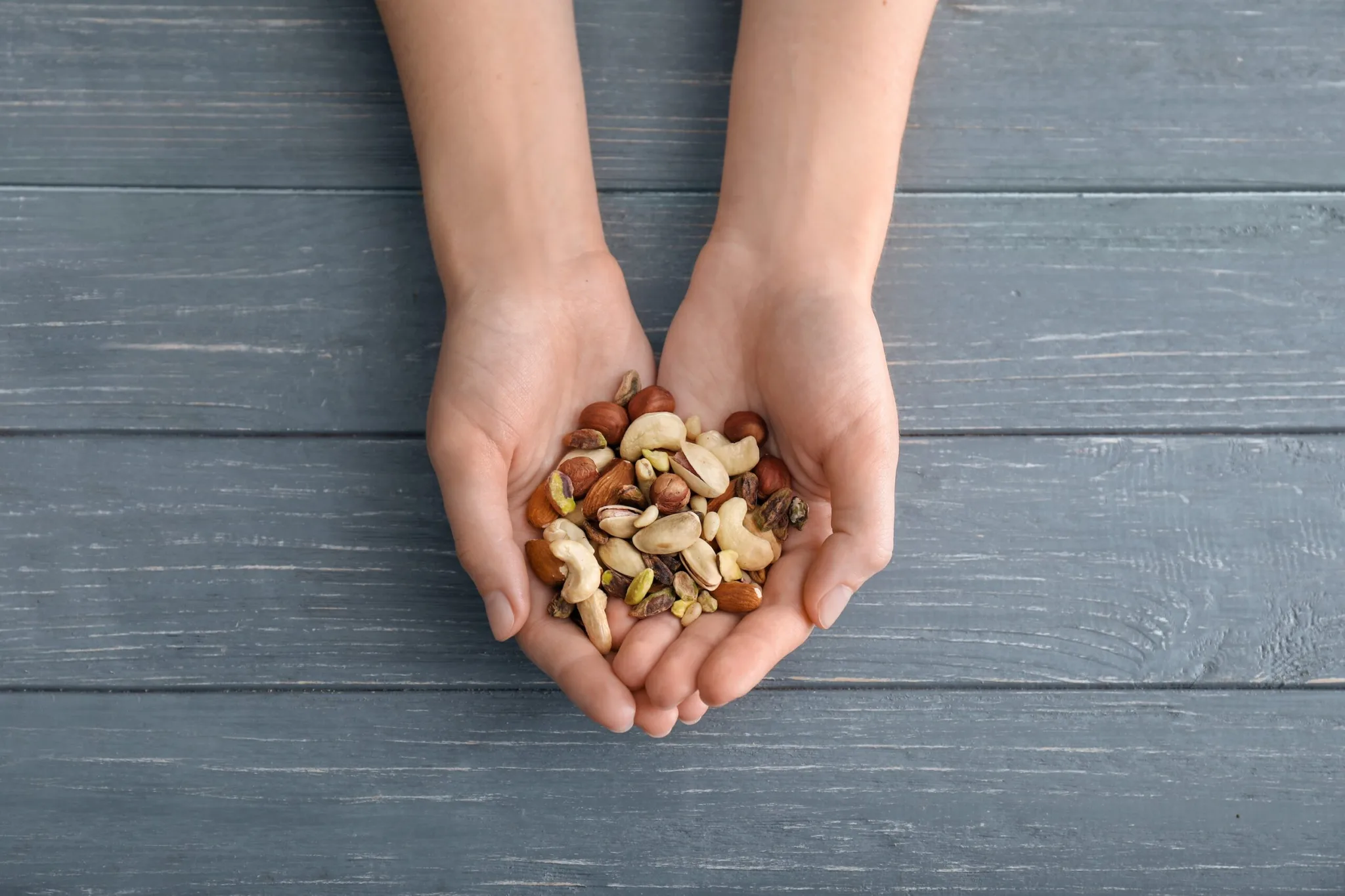
- Insoluble fiber: This type of fiber doesn’t dissolve in water. It’s found in the tough, outer parts of plants, like the skins of fruits and the husks of grains. You get insoluble fiber from things like whole grains, nuts, and the skins of vegetables and fruits.
- Benefits: It adds bulk to your stool, helping to keep things moving smoothly through your digestive system. According to a study in Nutrients, higher intake of insoluble fiber has been associated with a lower risk of heart disease, heart attacks, and type 2 diabetes.
Eating a mix of both kinds of fiber—like what you get naturally in whole fruits, veggies, legumes, grains, nuts, and seeds—offers the most health perks. Soluble fiber supports heart health, blood sugar control, and a happy gut. Insoluble fiber supports digestive regularity, may reduce disease risk, and keeps things moving in a good way. It really is the “sponge and broom” team-up for your gut.\
What are the benefits of getting more fiber?
Fibermaxxing has become such a trend because increasing fiber brings almost instant wins: a lower appetite and improved digestion (for some). And when you feel better right away, it’s a lot easier to stay motivated. Considering people average about 15 grams of fiber per day, adding more fiber is a win for most.
Here’s how boosting your fiber can help with weight loss and overall wellness:
- Weight management: Fiber-rich foods are naturally filling. They slow digestion, which helps you stay satisfied longer and makes sticking to a lower-calorie diet more comfortable. An extensive review found that adding soluble fiber led to an extra 2–3 pounds of weight loss over 3 months. Another analysis showed that even without cutting calories, certain fibers like psyllium still produced steady drops in weight, waist size, and BMI.
- Gut health: Prebiotic fiber is the type of fiber that acts as food to fuel your gut bacteria. When these microbes break it down, they create short-chain fatty acids. These compounds help strengthen your gut lining and may even influence metabolism and appetite—two key players in weight management.
- Disease prevention: Fiber isn’t just about digestion—it’s working behind the scenes to protect your health in bigger ways. Eating more fiber has been linked to lower risks of heart disease, type 2 diabetes, and several cancers, including colorectal, breast, and endometrial. While fiber keeps you full and regular day to day, it also lowers your odds of chronic disease down the road.
- Mood booster: Research shows a strong gut-brain connection—your digestive system and your mind are in constant communication. By feeding your gut bacteria, fiber helps them produce compounds that may reduce inflammation and influence brain function. Fiber also plays a role in the production of serotonin—the “happiness hormone.” A study found that people who eat more fiber tend to report fewer depressive symptoms.
“Most people only think of fiber for its role in digestion,” says Karen Mann, MD, Medical Director at Noom. “From heart health to blood sugar regulation and even weight loss, fiber is an underappreciated component of maintaining a healthy lifestyle.”
Is fibermaxxing safe? A gut check
For most people, yes, adding more fiber is safe. But too much and too much too soon can be issues. When intake climbs toward the extreme end of 50 to 100 grams a day, research shows it can create new problems instead of solving them. Here’s what experts have found:
- Too much fiber can lead to the reduced intake of other nutrients, like proteins, healthy fats, and other nutrient-dense foods, creating imbalances and raising the risk of nutrient deficiencies.
- Excess fiber may also cause problems with absorbing minerals. A very high intake can bind to calcium, iron, and zinc, reducing the amount your body absorbs. Over time, that can leave you short on nutrients needed for energy, bone health, and immunity.
- Adding fiber too fast—or in extreme amounts—can trigger gas and bloating, painful cramping, and even severe constipation, especially if you’re not drinking enough water.
Fiber is healthy—but yes, you really can overdo it. Pushing fiber intake to extreme levels has been shown to carry serious risks. One of the most severe (though thankfully rare) outcomes is a bowel obstruction, which is a medical emergency. This happens when undigested plant matter hardens into a solid mass that physically blocks the intestines.
In addition to the dangers of excessive fiber, using laxatives—even high doses of fiber supplements—for rapid weight loss is extremely dangerous. This practice doesn’t cause you to lose body fat; it only makes you lose water weight, which will come right back. The serious risks include severe dehydration, electrolyte imbalances, and even heart damage. Using laxatives for weight loss is a sign of a serious eating disorder, and if you or someone you know is doing this, you should seek professional help.
How to safely incorporate more fiber
Boosting your fiber is one of the simplest ways to improve your health—but the way you do it matters. Too much, too fast can leave you feeling miserable instead of energized. The good news? With a few smart strategies, you can get the benefits of fibermaxxing without the downsides.
Boosting your fiber is one of the easiest health changes with big upside—but like most good things, it pays to pace yourself. Suddenly jumping into super-high fiber (especially around 50–100 g/day) can backfire. Here’s how to ramp it up the Noom way—steady wins:
- Go slow: “I tell my patients to increase fiber gradually—no more than about 5 grams per day—so that the digestive system has time to adjust,” says Dr. Mann. Going too fast is what leads to cramping, bloating, or excess gas.
- Drink more water: “Fiber can only do its job when it’s paired with enough fluids,” Mann explains. Aim for at least 6 to 8 cups of water daily as you increase your fiber intake. Without it, you could end up constipated.
- Focus on food first: “Whole foods are the gold standard,” Mann notes. “They naturally give you both soluble and insoluble fiber, plus vitamins, minerals, and antioxidants. Supplements can help, but they don’t come with the same full package.”
The key is to find the right balance for your body. If you have conditions like Crohn’s disease, ulcerative colitis, or diverticulitis, talk with your doctor or nutritionist about what’s best for you.
Does fibermaxxing work? Analyzing the claims behind the trend
So, what’s the real science behind fiber and weight loss? Let’s break it down.
Claim 1: Extra fiber makes you feel fuller for longer.
Verdict: True.
Imagine soluble fiber is like a tiny sponge. When you eat foods with it—like oatmeal or beans—the fiber soaks up water in your stomach, turning into a thick, gooey gel. This gel slows down how quickly food leaves your stomach, which means you feel full for a lot longer. This “full-for-longer” feeling can naturally lead you to eat less throughout the day.
Claim 2: Eating fiber-rich foods helps you eat fewer ultra-processed foods.
Verdict: Potentially.
Fiber is found in plant-based foods, like fruits, vegetables, whole grains, beans, seeds, and nuts. These foods are generally higher in nutrients than processed snacks. When you’re full from a high-fiber meal, you’re less likely to reach for chips or other snacks. You’ll likely be more satisfied, which makes it easier to manage cravings and support your weight goals.
It’s worth noting that these benefits are strongest when your fiber comes from whole foods, not fiber powders, mixed supplements, or ultra-processed products that have fiber added back in. Whole foods deliver a natural balance of fiber, vitamins, minerals, and phytonutrients that work together to keep you satisfied and energized.
Claim 3: Eating more fiber can boost your energy.
Verdict: True.
Soluble fiber forms a gel-like substance in your gut, which slows down how quickly sugar is absorbed into your bloodstream. This helps prevent the sharp blood sugar spikes (and crashes) that leave you feeling wired one minute and wiped out the next. By keeping your blood sugar steadier, fiber helps your body regulate energy more evenly throughout the day—so you feel fueled, not fatigued.
Bonus: One large study found that people who eat enough fiber have a 20–30% lower chance of developing type 2 diabetes. And for those already living with diabetes, a high-fiber diet has been shown to improve blood sugar control and reduce inflammation.
Claim 4: Fiber helps decrease fat storage, especially the dangerous kind.
Verdict: True!
Soluble fiber can help reduce a particularly harmful type of fat called visceral fat—the kind that wraps around your organs and drives up the risk of serious conditions. In one long-term study, researchers found that for every 10 grams of soluble fiber added to the diet, visceral belly fat gain dropped by almost 4%, regardless of any other weight changes.
Why does this matter? Visceral fat is more than just a number on the scale—it’s been strongly linked to higher risks of type 2 diabetes, heart disease, and other chronic health issues. Adding more soluble fiber to your meals is a simple, science-backed way to keep this dangerous fat in check.
The best sources of fiber: Food and supplements
While we all know that fiber is good for us, it’s important to understand the difference between getting it from whole foods and taking a supplement. Fiber in foods like fruits and vegetables is natural and comes with other helpful nutrients. Supplements, on the other hand, are often just a single, isolated type of fiber. Because of this, supplements are considered less effective.
Food sources of fiber
Ready to get started with incorporating more fiber into your daily life? Here are some simple, high-fiber foods you can add to your meals.
| Food | Fiber per serving | Soluble (%) | Insoluble (%) | Calories per serving |
|---|---|---|---|---|
| Black beans (1 cup cooked) | 15g | ~25% | ~75% | 227 |
| Lima beans (1 cup cooked) | 13g | ~25% | ~75% | 210 |
| Lentils (½ cup cooked) | 8g | ~25% | ~75% | 115 |
| Chia seeds (2 Tbsp) | 8g | ~5% | ~95% | 138 |
| Raspberries (1 cup) | 8g | ~30% | ~70% | 65 |
| Avocado (½ medium) | 7g | ~30% | ~70% | 120 |
| Oats (1 cup cooked) | 4g | ~55% | ~45% | 154 |
| Apples (1 medium) | 4g | ~30% | ~70% | 95 |
| Quinoa (⅔ cup cooked) | 3g | ~15% | ~85% | 148 |
| Bananas (1 medium) | 3g | ~25% | ~75% | 105 |
| Brussels sprouts (½ cup cooked) | 3g | ~35% | ~65% | 28 |
Popular fiber supplements & what sets them apart
Whole foods should always be your first stop for fiber—fruits, vegetables, beans, and whole grains give you not just fiber but a full package of nutrients your body needs. But if you’re struggling to hit your daily target, fiber supplements can help fill the gap. They aren’t all created equal, though: different types of fiber behave differently in your body.
Before starting a supplement, it’s a good idea to talk with your doctor or a registered dietitian about which type is right for your health goals and digestion.
Access GLP-1 Weight Loss with Noom
Explore a wide range of prescription medications supported by Noom’s program.Microdose GLP-1rx
Noom GLP-1rx
Noom GLP-1rx Plus
Wegovy®
Ozempic®

Metformin

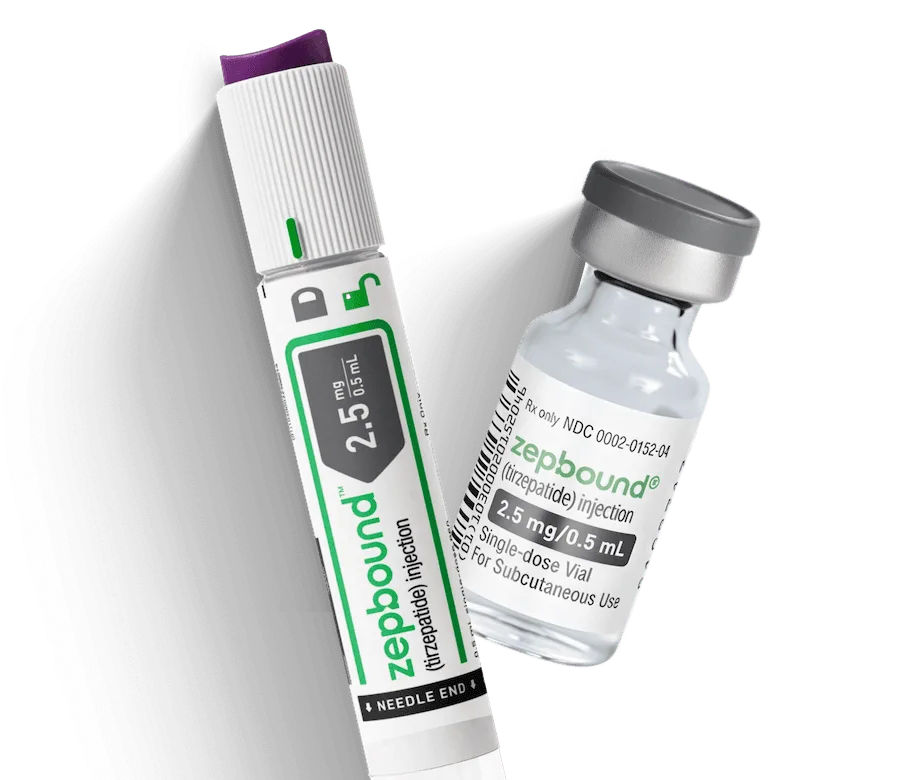
Zepbound®
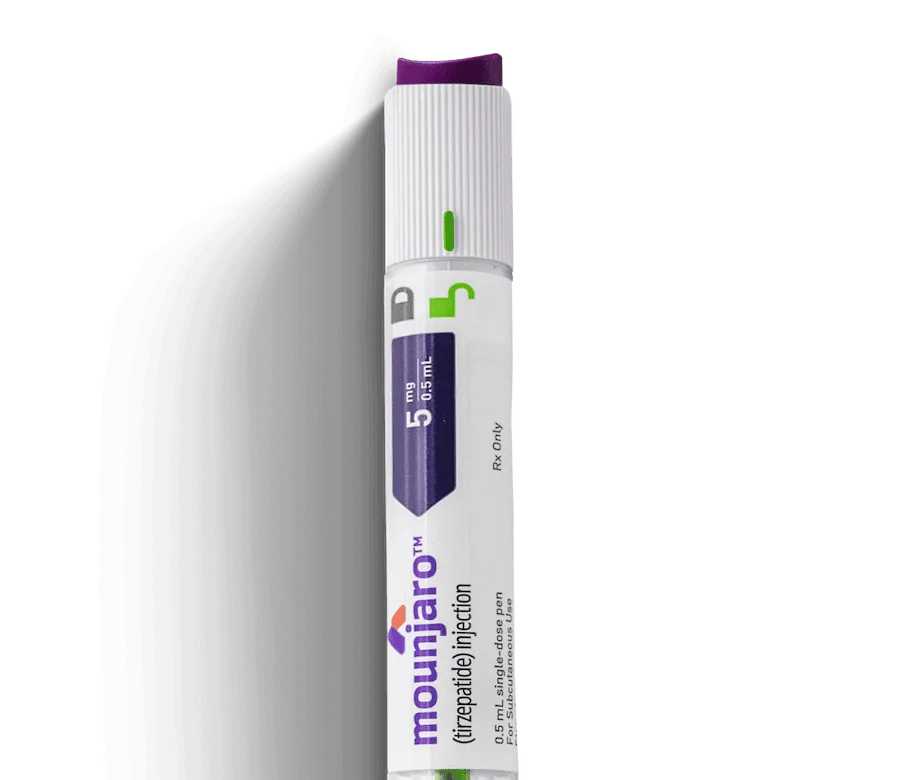
Mounjaro®
Liraglutide
And keep in mind, “supplements can fill a gap, but they shouldn’t replace real food,” reminds Dr. Mann. “Whole foods give you both soluble and insoluble fiber along with vitamins, minerals, and antioxidants that a capsule or powder just can’t match.”
Here are the most common options and how they compare.
| Fiber type | Source & key traits | Common examples |
|---|---|---|
| Psyllium husk | Natural mix of soluble and insoluble fiber. Forms a gel in your gut—great for fullness, cholesterol, and blood sugar control. | Metamucil, Konsyl, Laxmar |
| β-glucan | Soluble, gel-forming fiber from oats & barley; effective for lowering cholesterol. | Oat-based supplements |
| Inulin | Soluble, fermentable fiber—not gel-forming. Great for prebiotic effects but milder in fullness. | Fiber Choice, Metamucil gummies |
| Methylcellulose | Artificial, soluble, and non-fermentable. Gentler on gas—but less potent overall. | Citrucel |
| Wheat dextrin | Soluble but non-viscous. Mild effect; good for a gentle fiber boost. | Benefiber |
| Glucomannan (konjac root) | Extremely viscous soluble fiber that expands in your stomach to promote fullness, slow digestion, and aid weight management. Research shows mixed results on weight loss and appetite. | Lipozene, shirataki noodles |
| Acacia fiber (gum arabic) | Soluble, fermentable prebiotic that’s gentle on digestion and supports healthy gut bacteria growth. Linked to BMI and body fat reduction in human studies. | Heather’s Tummy Fiber, NOW Acacia |
The bottom line: Fiber is just one of many tools for weight loss
At the end of the day, fiber has a lot of research backing up its health benefits. From keeping you full and steadying blood sugar to supporting gut health and lowering disease risk, it earns its reputation. And while fibermaxxing highlights just how much potential fiber has, going to extremes isn’t necessary—and in some cases, can do more harm than good.
The smarter move is to close the gap most of us already have: slowly increasing fiber with whole foods, drinking plenty of water, and using supplements when needed. That way, you’ll get the benefits without the downsides. Fibermaxxing may be a flashy trend, but the real takeaway is simple: fiber works best when it’s balanced, consistent, and part of an overall healthy lifestyle.
Want a great way to track how much fiber you’re getting? Sign up for your free Noom trial, and let the app do the calculating for you. Plus, get daily nutritional lessons rooted in behavioral science, thousands of recipes at your fingertips, and a ton of exercises for every level to get moving.
Editorial standards
At Noom, we’re committed to providing health information that’s grounded in reliable science and expert review. Our content is created with the support of qualified professionals and based on well-established research from trusted medical and scientific organizations. Learn more about the experts behind our content on our Health Expert Team page.