NOOM MED/NOOM GLP-1Rx PLUS PROGRAM
About Your
Compounded Tirzepatide
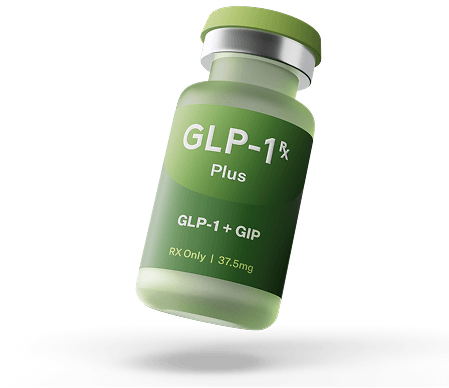
Dosing Chart
12.5mg/ml vial
1. GLP-1Rx Plus
| Dose (mg) | Units on syringe |
|---|---|
| 1 mg | 8 units |
| 2 mg | 16 units |
| 3 mg | 24 units |
| 4.25 mg | 34 units |
| 5.75 mg | 46 units |
| 6.5 mg | 52 units |
| 8.75 mg | 70 units |
2. Microdose GLP-1Rx Plus
| Dose (mg) | Units on syringe |
|---|---|
| 1 mg | 8 units |
| 2 mg | 16 units |
| 3 mg | 24 units |
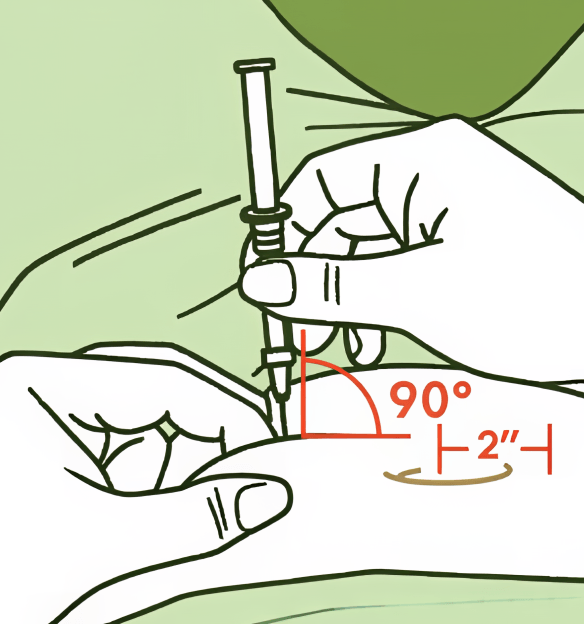
Step-by-Step Instructions for Injecting Your Medication
What’s in the Box
Mailer containing medication vial
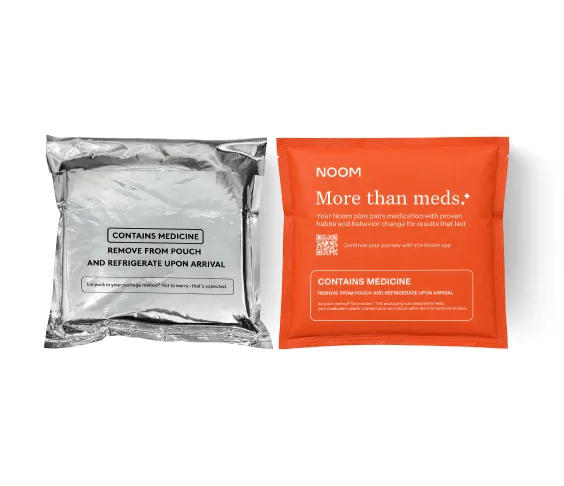
Medication
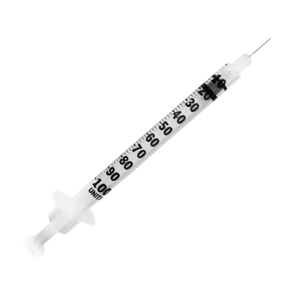
Syringes
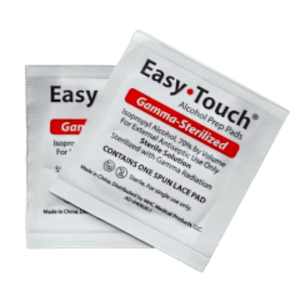
Alcohol swabs
More Than Meds
Noom GLP-1Rx Plus Program is More Than Meds. It’s a comprehensive solution that combines high-quality weight-loss medications with a powerful program for healthy lifestyle change. With Noom GLP-1Rx Plus Program you can:
Keep the muscle,
lose the fat

Develop
healthy habits

Find support
in community

Ask your
1:1 coach anything

Frequently Asked Questions
What is compounded tirzepatide and how does it work?
Compounded tirzepatide is a dual agonist that activates both glucagon-like peptide-1 (GLP-1) and glucose-dependent insulinotropic polypeptide (GIP) receptors. These two hormone pathways work together in the brain and throughout the body to:
- Suppress appetite and promote satiety: By mimicking these hormones, compounded tirzepatide signals the brain to reduce hunger and increase feelings of fullness, leading to lower caloric intake.
- Slow digestion: The medication slows down gastric emptying (how quickly food leaves your stomach), which keeps you feeling full longer.
- Improve insulin sensitivity and release: Compounded tirzepatide encourages the pancreas to release more insulin after meals, which helps lower blood sugar.
These effects improve blood sugar control and promote meaningful weight loss when combined with healthy nutrition and lifestyle changes.
How do I administer my medication?
Compounded tirzepatide is injected subcutaneously (under the skin) in the stomach (abdomen), thigh, or upper arm. For more information on how to administer your medication, please refer to the administration guide in your Noom GLP-1Rx Plus Program booklet or check out the in-app injection instructions.
What should I do with the syringe after use?
- Discard your used syringe in a heavy-duty, hard-sided container with a lid, such as an empty laundry detergent bottle. Keep this container away from children and pets.
- When your container is full, you can take it to a disposal site near you.
How does dosing work?
The Noom GLP-1Rx Plus Program with SmartDose is a personalized titration that is tailored to you to minimize side effects and support sustainable, long-term weight loss.
Your dose and titration will vary based on your health history, side effect tolerance, and weight-loss progress. Review the dosing instructions in your clinician chat carefully to confirm your personalized dosing instructions.
What do I do if I miss a dose?
In an ideal world, you’ll never miss a dose. But sometimes life gets in the way. If you skip or miss a dose of your medication, here’s what to do:
- If your next dose is more than two days away: Take your missed dose as soon as possible.
- If your next dose is less than two days away: Skip the missed dose and take your next dose on the regularly scheduled day.
- If you’ve skipped two or more consecutive weeks: Contact your Noom Med clinician for guidance.
- Do not administer double doses of compounded tirzepatide.
What if the ice pack in my packaging has melted?
This packaging was rigorously tested and developed to ensure your medication remains stable at elevated temperatures and during potential shipping delays. For more information, reach out to your Care Coordination team.
How do I store my medication?
Store your compounded tirzepatide in the refrigerator, away from heat, moisture, and direct sunlight. Do not freeze.
Your compounded tirzepatide will remain stable at extreme temperatures for short periods of time but it’s best to contact your Care Coordination team with any concerns.
Once you puncture your compounded tirzepatide vial, you’ll need to discard it after 28 days, even if there’s some medication left. You can follow these Food and Drug Administration (FDA)-approved steps to dispose of your medication in the trash:
- Mix your medication with an unappealing substance like dirt or used coffee grounds.
- Place the mixture in a sealed container, like a plastic bag.
- Remove all personal information on the prescription label.
What do I do if I have to travel?
Plan Ahead:
- Make sure you have enough medication and supplies to last your entire trip—plus a little extra.
Pack Properly:
- If you’re traveling by car or train, explore using a portable cooler or insulated bag.
- If you’re traveling by plane, pack your medication and supplies in your carry-on rather than a checked bag.
- Leave your medication and supplies in their original packaging.
Airport Security Protocols:
- You can take your medication and all your supplies through security. Just be sure to give yourself extra time to allow for screening of these items.
International Rules and Regulations:
- Each country has its own laws and regulations for medications. Make sure to do your research before you travel. You can check with the embassy of your destination to make sure your GLP-1 is permitted.
Avoid Extreme Temperatures:
- Extreme temperatures—whether in the trunk of your car or a plane’s cargo hold—can make your medication less effective. So you’ll want to avoid exposing your medication to excessive heat or cold.
Store Correctly When You Reach Your Destination:
- Put your medication in the refrigerator as soon as you reach your destination.
What important safety information should I know?
Risks:
Medications in the GLP-1 family have caused thyroid tumors in lab mice. It is not yet known if medications in the GLP-1 family will cause thyroid tumors or medullary thyroid cancer (MTC) in people.
No studies have confirmed a link between GLP-1 medications and thyroid tumors in humans. However, if you have a family history of thyroid cancer, you may want to discuss taking a GLP-1 with your primary care doctor.
If you develop any of the following while taking compounded tirzepatide, please immediately notify your Noom Med clinician and stop taking the medication:
- Sudden vision changes (medications that alter blood sugar can have various effects on vision and should be evaluated promptly by an eye doctor).
- Mass or swelling in the neck.
- Persistent pain or difficulty with swallowing.
- Persistent hoarseness.
Do not use compounded tirzepatide if:
You have an active eating disorder, such as binge eating disorder, anorexia nervosa, or bulimia.
You have a personal or family history of the following conditions:
- Medullary thyroid cancer (MTC).
- Multiple endocrine neoplasia type 2 syndrome (MEN-2).
You have a personal history of the following conditions:
- Diabetic retinopathy.
- Chronic pancreatitis.
- Gallbladder disease (this does not include a cholecystectomy, or gallbladder removal).
- Severe gastrointestinal disease, such as ulcerative colitis.
You are currently pregnant or breastfeeding, or are planning to become pregnant.
You have a history of drug or alcohol abuse.
You have undergone recent bariatric surgery.
Interactions:
Compounded tirzepatide can interact with other medications, including insulin and insulin-releasing medications, which can result in low blood sugar. Consult with your Noom Med clinician before starting or stopping any medication.
GLP-1s and fertility:
GLP-1s can increase fertility and may make oral contraceptives less effective. Compounded tirzepatide can delay gastric emptying, which may affect how well certain oral medications are absorbed. This is especially relevant for people taking oral contraceptives. Those using birth control pills should either transition to a non-oral contraceptive method or use a backup barrier method for 4 weeks after starting tirzepatide and for 4 weeks following each dose increase. You should not take a GLP-1 if you are currently pregnant or breastfeeding. If you become pregnant, please stop taking the medication and notify your Noom Med clinician immediately.
Surgery:
If you have an upcoming surgery or other medical procedure, talk to your surgeon about what is safe. You may need to temporarily stop using compounded tirzepatide to avoid complications.
Side effects:
Potential side effects include nausea, vomiting, diarrhea, headache, fatigue, dizziness, and constipation.
If you experience these or other side effects, the Noom app has tips for how to manage them in the ‘Manage your side effects‘ section of Success Kit. Report any severe or troublesome side effects to your Noom Med clinician immediately.
Rare adverse events:
While rare, compounded tirzepatide may be associated with serious side effects. If you notice any of the symptoms listed below, get medical help right away, as they could signal a serious or life-threatening problem:
- Signs of an allergic reaction (e.g., rash, chest tightness, trouble breathing, swelling of the mouth or throat).
- Severe dehydration (e.g., dizziness or passing out, fast heartbeat).
- Kidney problems (e.g., change in how much urine is passed, blood in the urine, or leg swelling).
- Gallbladder problems (e.g., pain in your belly, right shoulder area, or between the shoulder blades; pale-colored stools; dark urine; yellow skin or eyes; fever or chills).
- Low blood sugar (e.g., dizziness, feeling sleepy or weak, shaking, confusion, hunger, or sweating).
- Sudden vision changes (medications that alter blood sugar can have various effects on vision and should be evaluated promptly by an eye doctor).
Call your doctor right away if you have severe stomach or back pain or persistent vomiting, which may indicate severe pancreas problems.
Does my compounded tirzepatide contain any additives?
Your medication may include an additive, which may offer additional clinical benefits. Your treatment plan from your clinician will describe any additional active ingredients they have chosen to prescribe, as well as the reason for prescribing them.
What are some tips for success?
- Maintain a healthy lifestyle: Combine medication with a balanced diet and regular exercise through engagement in the Noom app.
- Stay hydrated: To prevent dehydration, drink enough fluids so that your urine is clear to light yellow. This is usually at least half a gallon or eight glasses of water per day.
- Communicate with your Noom Med clinician: Regular communication helps your clinician monitor your progress and adjust treatment as needed.
- Connect with your primary care provider: Let your primary care provider know that you are now taking compounded tirzepatide.
What are the differences between the Noom GLP-1Rx Plus and Noom Microdose GLP-1Rx Plus Programs?
The Noom GLP-1Rx Plus program offers compounded tirzepatide, whereas Noom GLP-1Rx program offers compounded semaglutide and generic liraglutide. Both programs are designed to gradually scale dosing over time, offering a dynamic, personalized path and are backed by Noom’s behavior change tools and clinical care teams—so you get the guidance you need, no matter your path.
How are the Noom GLP-1Rx Plus and Noom Microdose GLP-1Rx Plus Programs different from other weight-loss programs?
Noom Med combines the power of Noom’s proven behavior change weight-loss program with the latest advancements in medical weight-loss technology.
Our goal is not to sell more medications—it’s to drive sustainable weight-loss outcomes.
You have requested a compounded treatment from a mail-order compounding pharmacy. While this can improve access and cost, compounded medications are not FDA-approved. You have the right to request any pharmacy you would like to use, but the compounding treatment for the Noom Med program is currently only available through designated partner pharmacies. Find out more about compounding pharmacies: https://www.fda.gov/drugs/human-drug-compounding/compounding-and-fda-questions-and-answers. If you have any questions, please reach out to your Care Coordination team through the app.