
What you’ll learn:
- Zepbound® reduces appetite, but what and how you eat still matters for managing side effects, weight loss, and protecting muscle.
- The best results come from pairing Zepbound® with nutrient-dense meals and prioritizing adequate protein, fiber, and hydration.
- Simple habits like smaller, regular meals and gentle exercise can make Zepbound® easier to tolerate and more effective long-term.
Starting Zepbound® can be a big moment that often includes a mix of excitement, anxiety, and curiosity about what comes next. For many people, it feels like a fresh start, but at the same time, it’s completely normal to have questions, especially when it comes to diet.
You might be asking yourself: What should I eat on Zepbound®? How often should I eat? Will I even feel like eating at all? There’s usually also some nervousness about side effects—like nausea, constipation, or stomach pain—and whether those might get in the way of meals.
As the medication starts to work, many people notice changes in their hunger level and how their bodies process food. Studies show that hunger levels tend to drop in the first few weeks, and most people start seeing a reduction in cravings and noticeable weight loss in the first 1 to 3 months. That’s because Zepbound® helps lower appetite, slows digestion, and steadies blood sugar, which makes it easier to eat less without feeling constantly hungry.
So what does that mean for your day-to-day eating? The good news is there’s no strict or “required” meal plan you have to follow while taking Zepbound®. But how and what you eat can make a big difference in how you feel, how manageable side effects are, and even your weight loss results.
Focusing on nutrient-dense foods can help you keep your energy up, prevent muscle loss, support steady weight loss, and may even ease common side effects like nausea or digestive discomfort. With a balanced, flexible approach to eating, Zepbound® can fit more seamlessly into your routine and feel easier to manage day to day.


Let’s go through the best ways to eat and provide some simple diet plans you can follow as you start your weight loss journey with Zepbound®.
What you eat still matters with Zepbound®
Zepbound® can make it much easier to eat less—because hunger, cravings, and “food noise” often turn down. But it’s not a free pass to ignore food choices. Zepbound® was approved as an adjunct to a reduced-calorie diet and increased physical activity, meaning it’s designed to work with lifestyle changes—not replace them.
That’s also how the biggest tirzepatide weight-loss trial was run: people took the medication and followed a lifestyle program that included a calorie deficit and regular physical activity counseling. The greatest weight loss happened in that combined setup, which is a good reminder that medication helps, but it’s day-to-day habits that move the needle.
The two biggest mistakes people tend to make when starting Zepbund are:
- Eating less nutritious foods, thinking that the medication will still work.
- Not eating enough, which can lower energy, lead to constipation, or even muscle loss.
When your appetite drops significantly, getting enough nutrition becomes the priority. What should you do?
- Focus on nutrient-dense foods like lean proteins, healthy fats, and high-fiber carbs, including fruits and vegetables.
- Eat small, frequent meals even if you don’t feel hungry.
- Protein should come first at each meal to help maintain muscle mass during weight loss.
Eating adequate protein, fiber, and planning small but regular meals might also prevent some common side effects. Protein helps protect lean mass during weight loss, and fiber supports healthy digestion. Both are very important when appetite is lower, and you’re eating smaller portions. And because GI side effects are common early on, many people feel better when they keep meals smaller and avoid heavy, greasy foods—especially around dose increases.
How to eat for the best results with Zepbound®
Zepbound® can lower your appetite, but your eating habits are still very important. The goal is a simple, sustainable approach that supports fat loss, protects muscle, and helps you feel steady and satisfied. Think: a modest calorie deficit, enough protein, plenty of produce and fiber, and staying on top of hydration so the medication can work the way it’s meant to. Here are some tips:
Keep a modest calorie deficit—don’t aim for “as little as possible.”
Zepbound® is indicated alongside a reduced-calorie diet, and trials paired it with lifestyle coaching. Here’s a link to figure out how many calories you need.
Prioritize protein at every meal (and most snacks).
Think: eggs, low-fat Greek yogurt/cottage cheese, chicken, fish, tofu/tempeh, lean meat, protein-forward soups—whatever you’ll actually eat consistently. Protein intake matters for preserving lean mass during weight loss.
Build meals using this formula: “protein + produce + fiber.”
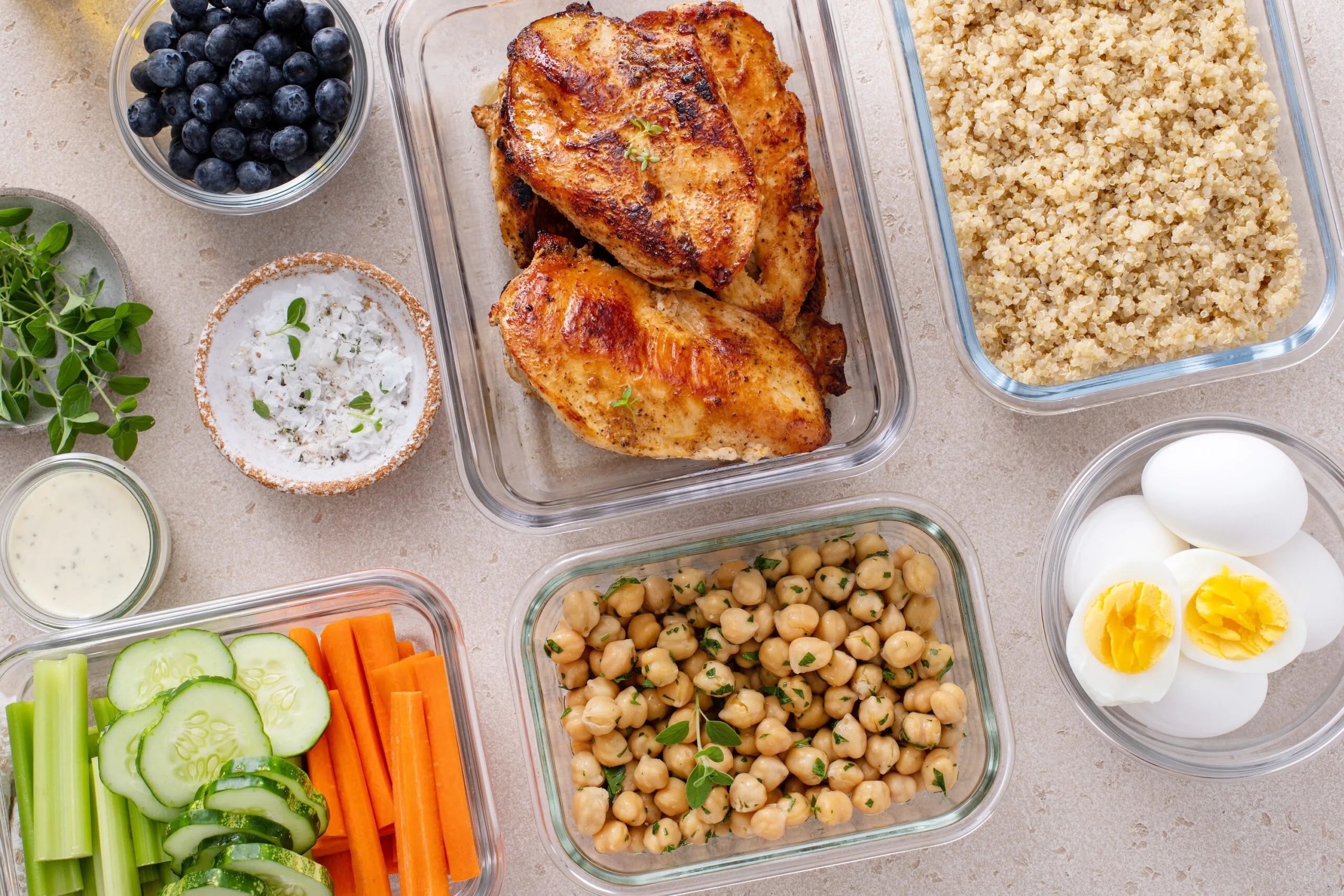
This ratio can make balancing meals simpler. Here are some examples:
Rx weight loss, the right way, with Noom
Get access to prescription weight loss medication with Noom.Microdose GLP-1s
Wegovy®
Ozempic®
Metformin
Zepbound®
Mounjaro®
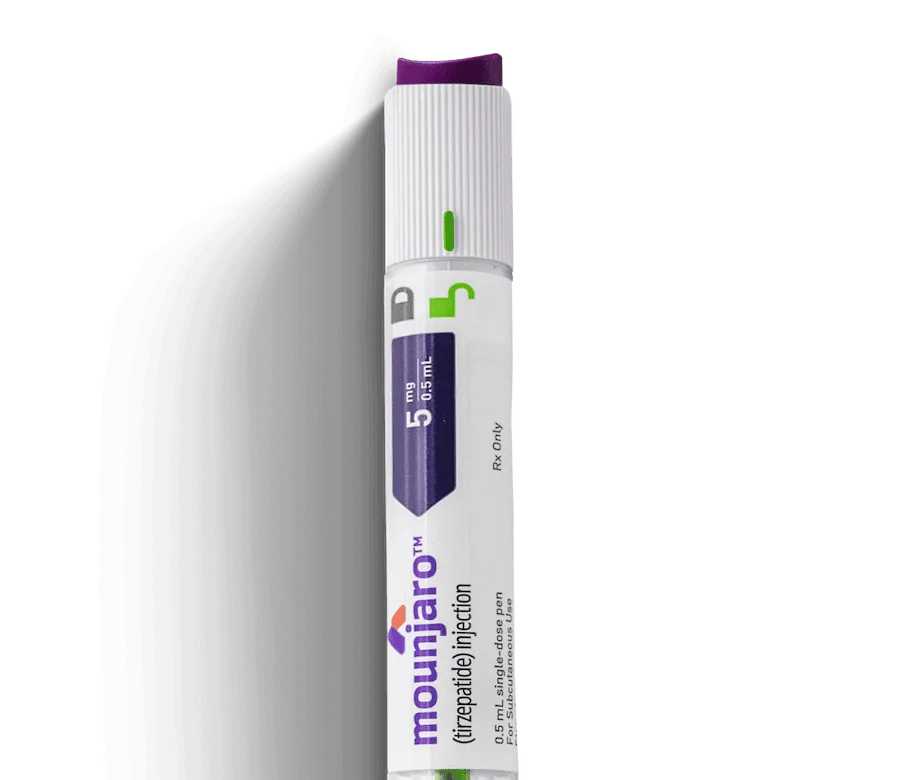
Liraglutide
- Make an omelet with spinach and tomato, and have whole-wheat toast on the side
- Add grilled chicken and chickpeas to a big salad
- Top low-fat Greek yogurt with strawberries and chia seeds
- Have roasted salmon with broccoli and lentils
- Stir-fry tofu with mixed veggies and serve over brown rice
Tips: Adding a small amount of healthy fat—like olive oil, avocado, nuts, seeds—can make meals more satisfying and help your body absorb nutrients, without overdoing calories.
- Hydrate intentionally. Appetite drops can take thirst with it. Sip through the day and aim for a steady baseline (water, seltzer, herbal tea; add electrolytes if you’re getting headaches/lightheaded).
Tips for eating when you’re experiencing side effects
Zepbound® works in part by slowing digestion, which is why side effects like nausea or constipation can show up—especially early on or when your dose increases. The goal is to eat in a way that works with the medication instead of against it. A few small adjustments to meal size, timing, and food choices can make a noticeable difference in how comfortable you feel day to day.
- Go smaller, more often if nausea hits. Many people tolerate mini-meals better than one large, heavy meal—especially early on or after dose increases.
- Limit high-fat, fried, and super-greasy meals (especially at first). They tend to sit longer when gastric emptying is slowed and can worsen nausea/indigestion for some people.
- Prevent constipation before it starts. Constipation is a common side effect of GLP-1 medications, so it helps to be proactive. Add fiber gradually rather than all at once, increase fluids throughout the day, and keep some form of daily movement in your routine. Something as simple as walking or light exercise can support digestion and regularity.
- Be careful when your dose is increased. Since studies show that people tend to experience more side effects at higher doses, you might experience more side effects during those transition periods, so a little planning goes a long way.
- Keep meals simpler and lighter
- Avoid scheduling big, heavy restaurant-type meals during those times
- Have easy-to-digest protein options on hand—like Greek yogurt, rotisserie chicken, eggs, or cottage cheese—so eating well feels effortless even if your appetite or tolerance is off.
- Stop when you feel “comfortably full.” With Zepbound®, that signal can show up faster—and “one more bite” can be the difference between feeling fine or getting physically sick from eating too much.
Zepbound®: What to eat
The foods you choose while taking Zepbound® can make a noticeable difference in how you feel, how steadily you lose weight, and how well you tolerate the medication. There’s no strict “Zepbound® diet,” but research consistently shows that prioritizing nutrient-dense, minimally processed foods helps maximize weight loss, protect muscle, and reduce side effects like nausea or constipation. Building meals around protein, fiber-rich carbs, and healthy fats creates a balanced approach that helps you get the best results with Zepbound®.
Protein-rich foods
Protein plays a big role when you’re taking Zepbound®. As weight comes down, some loss of lean muscle can happen alongside fat loss—and preserving muscle matters for strength, metabolism, energy, and long-term success.
Research on nutrition strategies during GLP-1–based weight loss shows that eating enough protein—around 1.2–1.6 grams per kilogram of body weight per day—can help preserve lean mass when appetite is reduced. In everyday terms, that often works out to about 20 to 30 grams of protein per meal and snack for many adults, spread across the day.
Making protein a consistent anchor can also help meals feel more satisfying, even when portions are smaller. And because Zepbound® slows digestion, choosing proteins that are nutrient-dense and easier to digest can make eating feel more comfortable.
Here’s how some lean, well-tolerated protein options stack up.
These standard serving sizes make it easier to mix and match foods to reach protein targets without needing large portions or complicated tracking.
| Protein category | Examples | Typical protein per serving* |
|---|---|---|
| Low-fat poultry | Chicken breast, turkey breast | 20–22 g (3 oz) |
| Fish & seafood | Salmon, tuna, cod, shrimp | 18–22 g (3 oz) |
| Eggs | Whole eggs, egg whites | 12 g (2 eggs) |
| Low-fat dairy | Greek yogurt, cottage cheese | 12–18 g (½–¾ cup) |
| Plant proteins | Tofu, tempeh | 10–15 g (½ cup) |
| Legumes | Beans, lentils | 7–9 g (½ cup) |
A few things to keep in mind as you use this list:
- You don’t need to hit a perfect number at every meal—consistency across the day matters most.
- Smaller portions still count. On Zepbound®, it’s common to meet protein needs through mixing and matching, not one large serving.
Fiber-rich carbs
Adding fiber-rich foods while taking Zepbound® helps in two important ways.
- First, fiber supports steady, sustainable weight loss. Researchers say that whole grains like oats, quinoa, brown rice, and whole-grain breads, cereals, and pastas should be encouraged while taking GLP-1 medications because they are nutrient-dense and linked to health benefits. Your exact portion will depend on your appetite and how Zepbound® affects your hunger.
- Second, it can help prevent constipation—one of the medication’s most common side effects, affecting about 11% to 17% of people depending on dose. Research shows that dietary fiber may ease constipation associated with GLP-1 medications like Zepbound®, making fiber-rich produce especially helpful for digestion while also delivering nutrients your body needs.
Fruits and vegetables
Fruits and vegetables are packed with nutrients, and many can also help increase fiber. If other high-fiber carbs are causing bloating, focus on options like leafy greens, broccoli, carrots, berries, apples, and oranges. Aim for at least 2 cups of vegetables and 1 to 2 cups of fruit each day.
Here’s a quick breakdown of the fiber content you can get per serving:
| Food | Typical serving size | Fiber (grams) |
|---|---|---|
| Leafy greens (spinach, kale, romaine) | 1 cup raw | 0.7–1 g |
| Broccoli | 1 cup cooked | 5 g |
| Carrots | 1 cup raw | 3.5 g |
| Berries (raspberries, blackberries, strawberries, blueberries) | 1 cup | 3–8 g (raspberries highest) |
| Apples (with skin) | 1 medium | 4.5 g |
| Oranges | 1 medium | 3 g |
Healthy fats
Healthy fats help you feel satisfied and support your overall health. Unsaturated fats like those found in avocado, olive oil, nuts, seeds, and fatty fish such as salmon help your brain function well and support heart health.
Expert guidance suggests that small amounts of these fats can support your body’s natural fullness signals while taking GLP-1 medications. Foods that are high in saturated fats, such as butter and cheese, may worsen gastrointestinal side effects, so it’s best to limit those.
The key to incorporating healthy fats into your Zepbound® meal plan is keeping portions small but consistent. How?
- Aim for about a thumb-size portion of avocado or a teaspoon or two of olive oil per meal to get the benefits without overdoing calories.
- Add a tablespoon of crushed almonds or walnuts to yogurt.
- Include fatty fish, like salmon, in your meal rotation at least twice a week.
Foods to limit or avoid while taking Zepbound®
Because Zepbound® (tirzepatide) slows how quickly food moves through your stomach, some foods are more likely to trigger side effects than others. Here’s what to watch out for:
- Highly processed and sugary foods like candy, pastries, sugary drinks, and packaged snacks can spike your blood sugar and make it harder for you to lose weight.
- High-fat, greasy, or fried foods such as fast food, fried chicken, or heavy cream sauces can slow digestion even more and increase stomach discomfort, especially during your first few weeks on the medication.
- Large portions of any food can be harder for your stomach to handle when it’s already working more slowly, leading to uncomfortable fullness, bloating, or nausea that lasts longer than usual. Splitting three larger daily meals into four or more smaller ones to help keep portion sizes manageable.
- Very high-fiber foods like beans should be limited until you know how they’ll affect you. Research shows they might cause temporary bloating while your body adjusts, but they’ll become easier to eat as you continue treatment and your digestive system adapts.
- Carbonated beverages and spicy foods may trigger symptoms like acid reflux or stomach irritation, particularly when you’re adjusting to a new dose.
- Alcohol adds calories without nutrition and may worsen nausea or acid reflux or interfere with how the medication affects your blood sugar. It’s not strictly prohibited, but you should see how it affects you before having a drink.
The good news is that with some simple meal planning strategies, you can enjoy a wide variety of satisfying foods while feeling your best on Zepbound®.
Zepbound®: 3-day sample meal plan
Planning meals ahead can make eating on Zepbound® feel much simpler and more comfortable. This 3-day sample meal plan shows how to build balanced meals with protein, fiber, and healthy fats—key nutrients that support steady weight loss and fewer side effects.
Keep in mind that portion sizes and calories will vary based on your appetite, body size, and goals, especially since Zepbound® often reduces hunger. Use this as inspiration, not a strict rulebook.
Day 1: Getting started
- Breakfast: Greek yogurt topped with mixed berries and a tablespoon of chopped walnuts
- Lunch: Grilled chicken salad with mixed greens, cucumber, cherry tomatoes, and olive oil dressing
- Dinner: Baked salmon with roasted sweet potato and steamed broccoli
- Snack: Apple slices with almond butter
This first day focuses on including protein at every meal to support muscle while you lose weight. Fiber-rich fruits and vegetables help support digestion and may reduce constipation, which can be common on Zepbound®. Eat slowly and stop when you feel comfortably full—your hunger cues may be different than before.
Day 2: Simple swaps and variety
- Breakfast: Scrambled eggs with spinach and whole-grain toast topped with avocado
- Lunch: Turkey and hummus wrap with a whole wheat tortilla, lettuce, tomato, and cucumber
- Dinner: Lean ground turkey stir-fry with bell peppers, snap peas, and brown rice
- Snack: Cottage cheese with sliced cucumber
Day two shows how easy swaps—like changing protein sources or vegetables—can keep meals interesting without adding complexity. These balanced meals help you stay satisfied even with a smaller appetite. Staying well hydrated throughout the day also supports digestion and overall comfort while on Zepbound®.
Day 3: Flexible favorites
- Breakfast: Overnight oats made with rolled oats, milk, chia seeds, and sliced banana
- Lunch: Lentil soup paired with a mixed green salad and olive oil vinaigrette
- Dinner: Grilled chicken breast with quinoa and roasted vegetables
- Snack: A small handful of mixed nuts
These meals are flexible, family-friendly, and easy to prep ahead. Since Zepbound® can be taken with or without food, you have freedom in meal timing—focus more on what and how much you eat than when. Tools like Noom’s calorie calculator can help you adjust portions so they align with your personal goals and changing appetite.
| Day | Breakfast | Lunch | Dinner | Snack |
|---|---|---|---|---|
| Day 1 | Low- fat Greek yogurt with berries and chopped walnuts | Grilled chicken with mixed greens, cucumber, cherry tomatoes, and olive oil dressing | Baked salmon with roasted sweet potato and steamed broccoli | Apple slices with almond butter |
| Day 2: Simple swaps and variety | Scrambled eggs with spinach and whole-grain toast topped with avocado | Turkey and hummus wrap on a whole-wheat tortilla, lettuce, tomato, and cucumber | Lean ground turkey stir-fry with bell peppers, snap peas, and brown rice | Cottage cheese with sliced cucumber |
| Day 3: Flexible favorites | Overnight oats with low-fat milk, chia seeds, and sliced banana | Lentil soup with a mixed green salad and olive oil vinaigrette | Grilled chicken breast with quinoa and roasted vegetables | Small handful of mixed nuts |
Practical tips for success when starting Zepbound®
Starting Zepbound® means adjusting to new hunger signals—your appetite may decrease more than expected, and familiar eating patterns might feel different. Building simple, sustainable habits during this adjustment period sets you up for long-term success.
The best tips for starting Zepbound® focus on listening to your body and staying flexible as you adapt to these changes.
- Keep meals simple with protein, vegetables, and high-fiber carbs rather than complex meals.
- Eat slowly and put your fork down between bites—it takes 20 minutes for fullness signals to reach your brain.
- Drink water throughout the day, aiming for 8-10 glasses to prevent dehydration risks from potential side effects.
- Move your body regularly with walks or light exercise to support digestion and maintain muscle mass.
- Track your hunger levels and how different foods make you feel using a simple journal or app.
These small changes become powerful habits that work alongside Zepbound® to support your goals. Remember, side effects often improve with time, and tracking your patterns helps you and your healthcare provider make any needed adjustments.
Starting Zepbound®: How to manage common side effects by adjusting eating habits
Starting Zepbound® can come with some challenges, but knowing what to expect makes the journey smoother. The most common Zepbound® side effects are digestive—things like nausea, changes in appetite, and constipation. The good news is that these challenges are manageable with the right approach to eating and hydration.
Nausea
Nausea affects 25 to 28% of people taking Zepbound® and is the most common side effect among all doses, but changing what you eat can help. Here’s what to do:
- Eat smaller portions
- Slow down at meals
- Space meals farther apart
All of these give your stomach more time to process food. For most, nausea improves as the body adjusts to the medication.
Diarrhea
Diarrhea is another common side effect, affecting 19 to 23% of people, depending on dose. Here’s what to do:
- Eat smaller meals
- Eat lower-fat foods
- Stay well hydrated
- Reintroduce fiber gradually
Like nausea, diarrhea often becomes less frequent over time as the body adapts.
Constipation
Constipation is also common with Zepbound® because the medication slows digestion. Here are some things that can help:
- Gradually add more fiber while making sure you’re drinking enough water
- Add light exercise, like taking daily walks
If constipation sticks around or starts to feel uncomfortable, check in with your healthcare provider—they can recommend safe options, like stool softeners, to help you feel better.
Frequently asked questions about how to eat on Zepbound®
Side effects like nausea or bloating can also make food choices feel confusing at first. The FAQs below walk through the most common “what should I eat, when should I eat, and is this normal?” questions so you can feel more confident and less stressed as you adjust.
Do I need to follow a specific diet while on Zepbound®?
There’s no required “Zepbound diet,” but the medication works best with a reduced-calorie diet and increased physical activity. Clinical trials used about a 500-calorie daily deficit, but it’s also important to eat adequate protein, fiber, and healthy fat. Focus on balanced, nutrient-dense meals rather than strict rules.
What should I eat during my first week on Zepbound®?
The first week is all about easing in. Start with small meals to help your body adjust. Choose easy-to-digest foods like toast, crackers, rice, and chicken broth if you feel nauseous. Avoid fatty foods to reduce stomach upset.
How much protein should I eat while taking Zepbound®?
Aim for about 1.2–1.6 grams per kilogram of body weight daily. This works out to about 20 to 30 grams of protein per meal. Spreading protein across meals helps preserve muscle and keeps you feeling satisfied, even when your appetite is lower.
Are there foods I should avoid on Zepbound®?
No foods are completely off-limits, but some are more likely to cause discomfort. Sugary drinks, fried or greasy foods, and very large portions can worsen nausea and bloating. Some people also notice that certain high-fiber foods cause temporary gas or bloating early on—these usually become easier to tolerate over time.
Should I eat if I’m not hungry?
It’s normal to feel much less hungry on Zepbound®, but it’s still important to eat regularly. Even if portions are smaller, aim for nutrient-dense foods—especially protein—to maintain energy and support muscle. Skipping meals entirely can lead to low energy or blood sugar dips.
Is it normal for my food preferences to change on Zepbound®?
Yes, very normal. Many people notice reduced cravings, less interest in sweets or rich foods, or a preference for lighter meals. These changes are part of how the medication works. Pay attention to what feels good to eat and adjust your choices accordingly.
How much water should I drink while taking Zepbound®?
Aim for 8 to 10 glasses daily, more if you experience diarrhea or vomiting. Proper hydration helps prevent dehydration-related kidney problems. Include water-rich foods like soups and fruits in your meals.
Do I need to count calories on Zepbound®?
Not necessarily. Many people lose weight without formal calorie tracking because Zepbound® naturally reduces appetite. That said, some people find light tracking helpful—especially early on—to make sure they’re eating enough protein and nutrients. Use calorie counting as a tool if it helps, not a requirement.
What happens if I eat too much while on Zepbound®?
Eating a large meal may cause increased nausea, bloating, or discomfort since Zepbound® slows digestion. If this happens, go back to smaller portions and give your stomach time to settle. The medication naturally helps reduce portions over time.
Can I drink alcohol while taking Zepbound®?
Alcohol isn’t strictly prohibited, but it can worsen nausea and increase the risk of dehydration. It also adds extra calories that may interfere with your weight loss goals. Discuss alcohol use with your healthcare provider.
Will my diet need to change as my Zepbound® dose increases?
Your appetite may decrease further with higher doses, so you might need even smaller, more frequent meals. Side effects like nausea may temporarily return after dose increases, requiring gentler food choices until your body adjusts.
Reviews from real Noom users
Desirea N. — Real Noom user
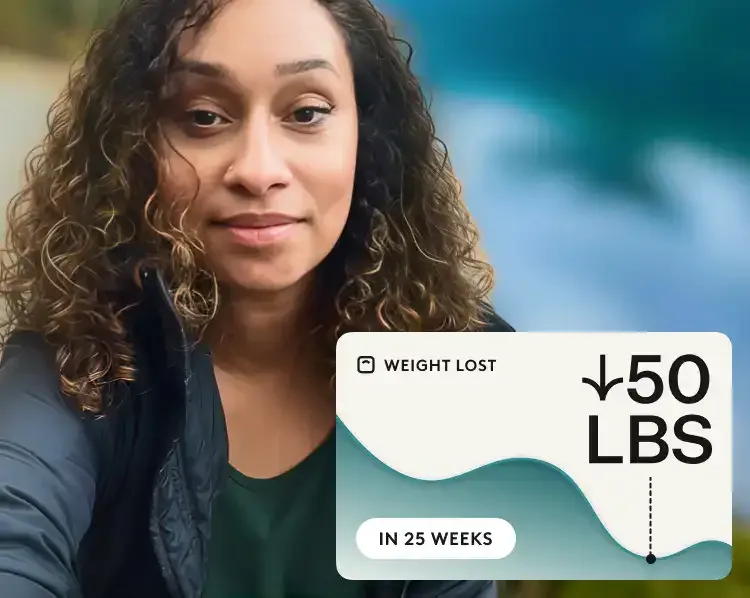
“My favorite parts of Noom are the care team and other Noomers. Sharing and getting help made me feel like I wasn’t doing it alone. That support made all the difference.”
Desirea N. — Real Noom user
Matthew M. — Real Noom user
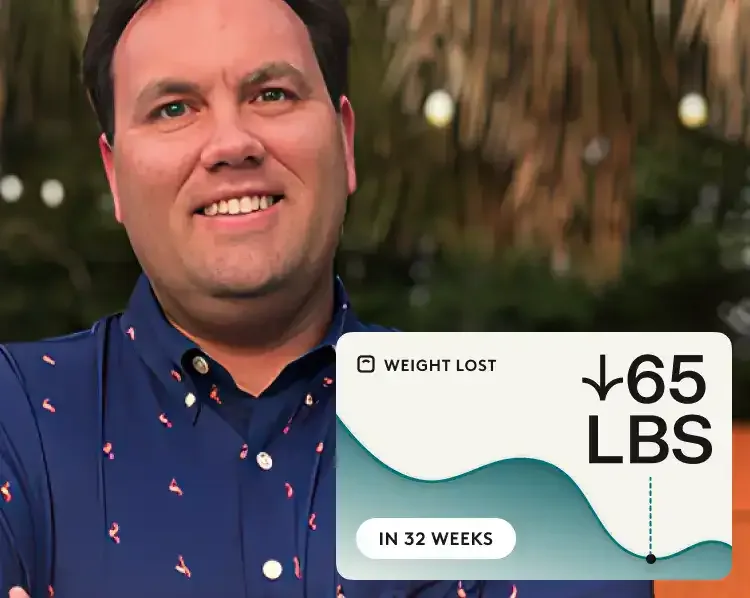
“Noom has taught me that every day is a new chance to make better, healthier choices. It's taught me how to stop overeating.’’
Matthew M. — Real Noom user
Lila M. — Real Noom user
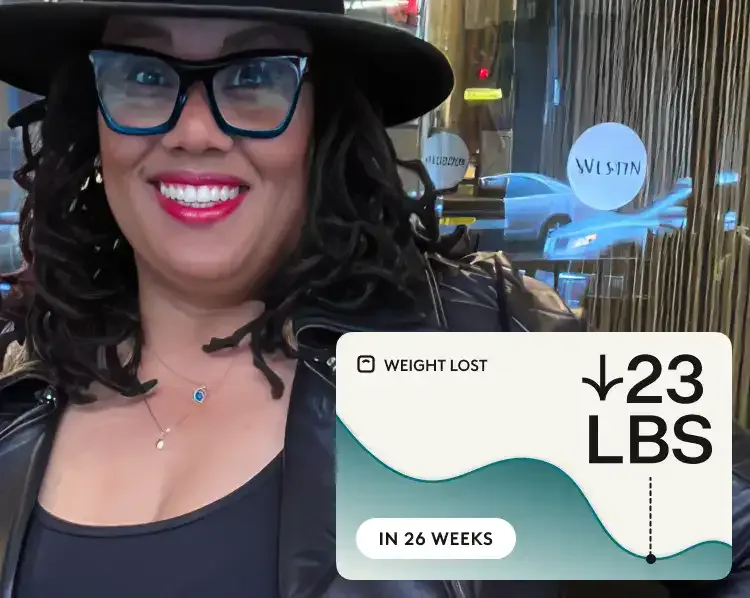
“Clinicians who understand how supportive medication can be is one of the best parts of Noom! I was convinced I wouldn’t have success but I’m down 11 pounds in two months.’’
Lila M. — Real Noom user
Steve M. — Real Noom user
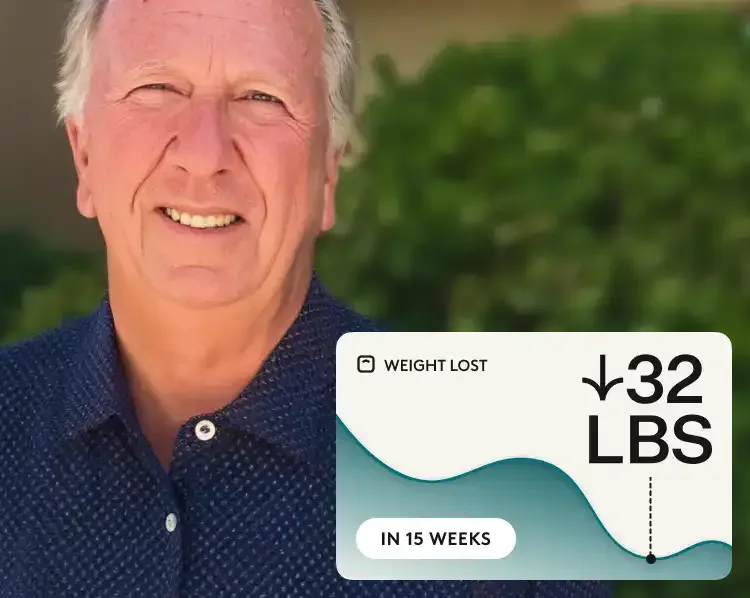
“Noom provided me with the medication which I could not get through Medicare. I have learned the tricks to better eating and life in general.”
Steve M. – Real Noom user
Daisy R. — Real Noom user
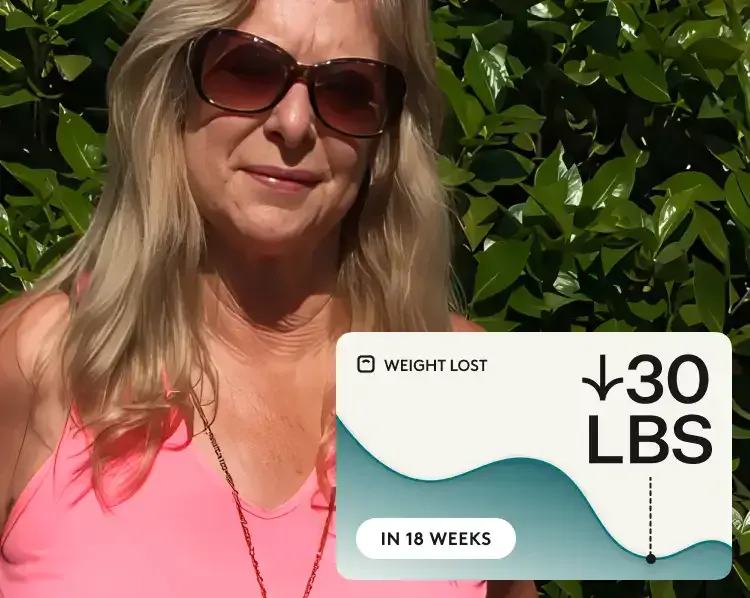
‘’Noom has changed my life and I’m so thankful, I feel great, have more energy and am no longer prediabetic.”
Daisy R. – Real Noom user
Sarah R. — Real Noom user
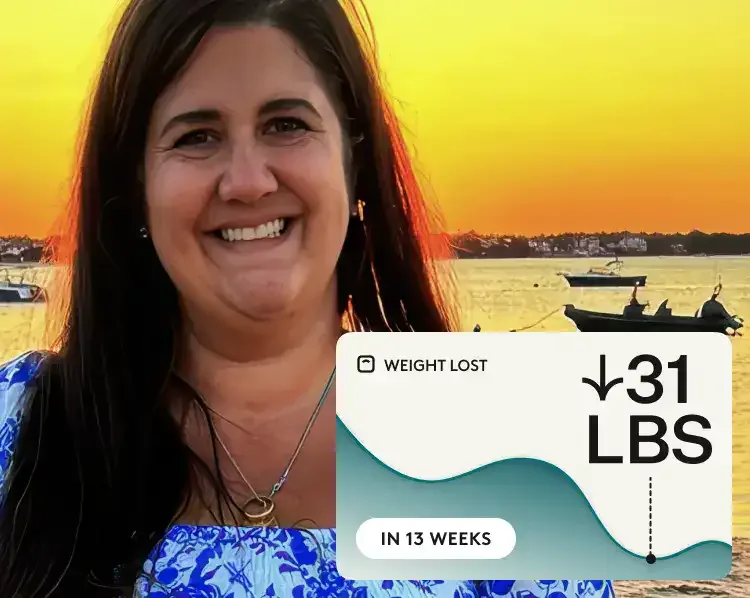
“All of the Noom providers that I’ve met with have been exceptional and prescribed medications that are appropriate for my situation and health.”
Sarah R. – Real Noom user
Madison S. — Real Noom user
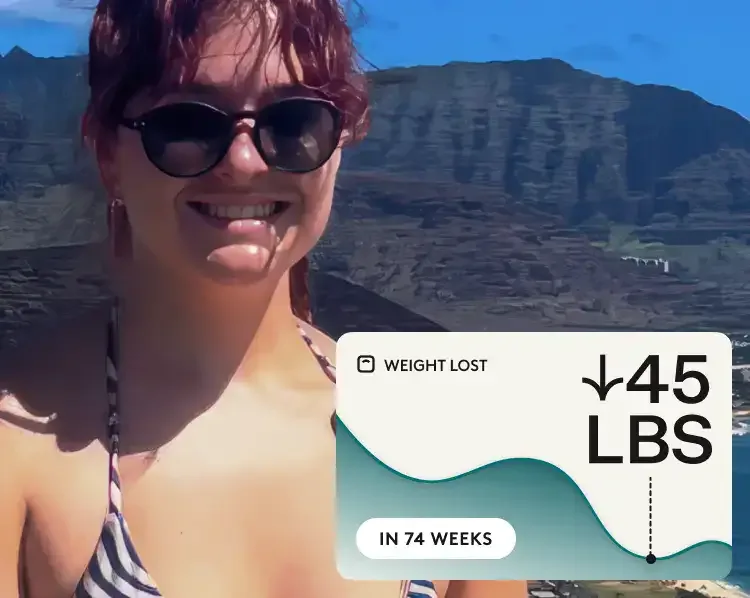
“Noom made the process so simple and now I feel full, free from diet obsession, and at ease in my body again.”
Madison S. – Real Noom user
Sonday K. — Real Noom user
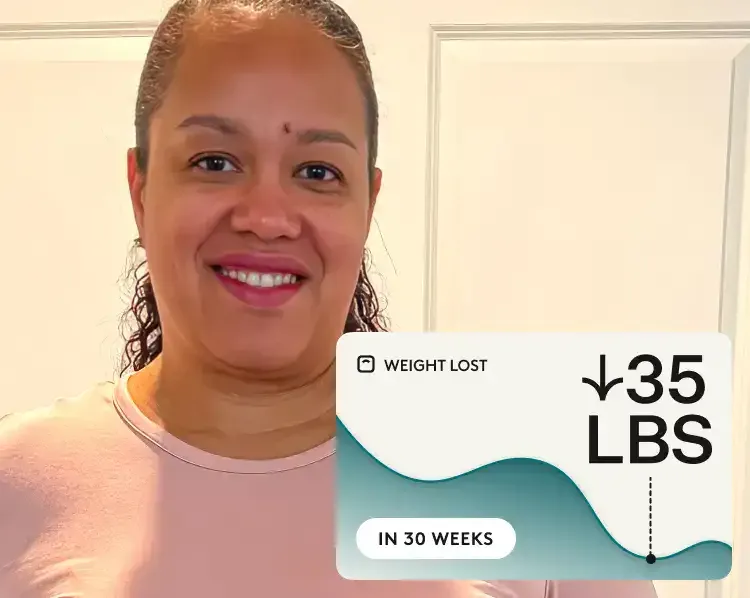
“My doctor recommended Noom after I was frustrated trying to lose weight. The lessons helped change my relationship with food. My body feels lighter & energized.”
Sonday K. – Real Noom user
Cam K. — Real Noom user
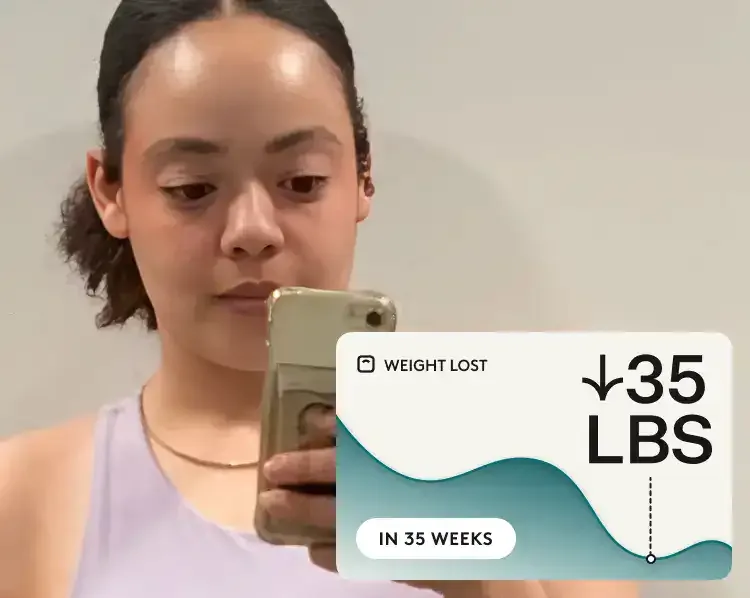
“I built healthy habits with coaching and lessons that make me confident I can maintain my weight loss long term.”
Cam K. – Real Noom user
Laura TR. — Real Noom user
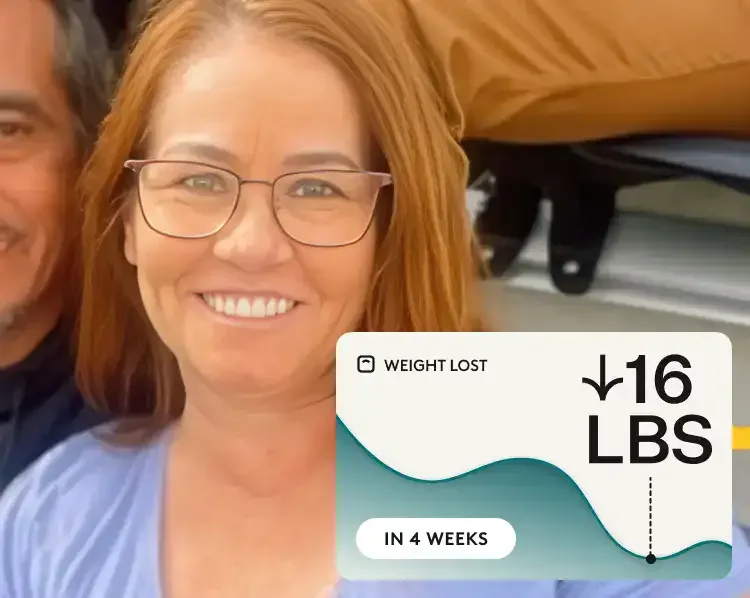
“With the right medication through Noom, hunger and sugar cravings finally quieted and I have the tools to break the cycle.”
Laura TR. – Real Noom user
Jessica S. — Real Noom user
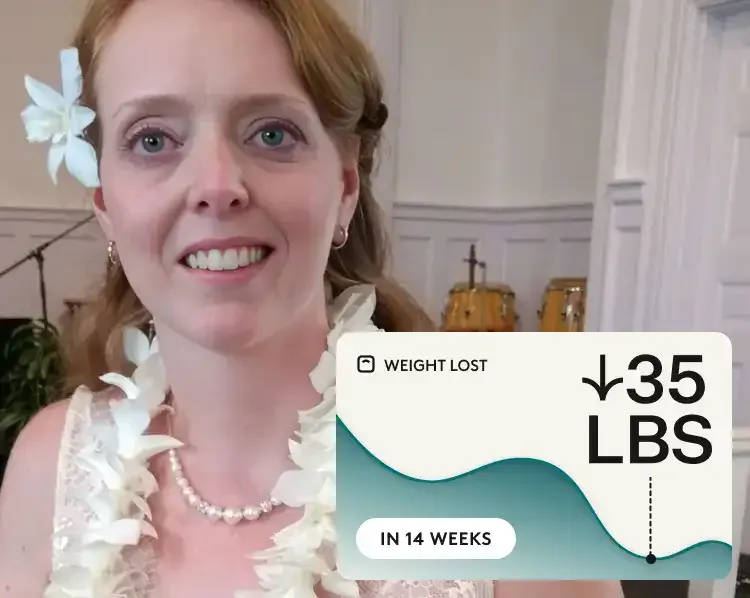
“Cravings and food noise are gone, I finally feel confident in the healthy habits I’ve built to last with Noom.”
Jessica S. – Real Noom user
The bottom line: Use a meal plan to adjust to eating on Zepbound®
Eating on Zepbound® isn’t about following a rigid plan or getting everything “perfect.” As your appetite shifts and hunger cues change, the goal becomes eating intentionally—enough to fuel your body, protect muscle, and support digestion, without pushing past comfort. Prioritizing protein, fiber-rich produce, whole grains, and small amounts of healthy fats helps you get the most nutrition out of smaller portions, while also reducing common side effects like nausea, bloating, or constipation.
It’s also important to stay hydrated, especially if you’re experiencing side effects like vomiting or diarrhea. Keeping meals smaller, spacing them throughout the day, eating more slowly, and being mindful of spicy, heavy, or greasy and high-fat foods can help you feel better.
It’s also important to remember that Zepbound® works best as part of a bigger picture. The medication helps quiet hunger and cravings, but long-term results still come from the everyday habits that support it. Building nutrient-dense meals, staying hydrated, and moving your body are all important for weight loss and long-term health.
That’s where having structure and guidance can make a real difference. If you qualify, Noom Med combines medication support with coaching, nutrition guidance, and tools to help you personalize your calorie needs. You’ll also get a protein amount to hit and personalized meal plans. Instead of guessing or going it alone, you get support that adapts with you.
Editorial standards
At Noom, we’re committed to providing health information that’s grounded in reliable science and expert review. Our content is created with the support of qualified professionals and based on well-established research from trusted medical and scientific organizations. Learn more about the experts behind our content on our Health Expert Team page.