
What you’ll learn:
- Both the Wegovy® pill and injection use the same medication, semaglutide, so they work in very similar ways and produce nearly the same weight-loss results.
- They are taken differently
- The biggest difference comes down to routine, since the pill is taken every morning with strict timing, while the injection is taken once a week.
Over the past few years, Wegovy® has become one of the most talked-about prescription options for weight loss. Most people recognize it as the highly effective, weight-loss-approved counterpart to Ozempic®. At the end of 2025, Wegovy® reached another milestone: it was also approved as a pill, becoming the first oral GLP-1 medication FDA-approved for weight loss.
That new option gives people another way to take the same medication, but many might be wondering whether there are any differences between the pill and the injection, and which one is right for them.
Let’s think about it. Both the Wegovy® pill and injection contain semaglutide, which is a GLP-1 receptor agonist. This means they mimic a hormone your body releases after eating (GLP-1) that helps lower appetite, slow digestion, and regulate blood sugar, helping many people lose weight. Though one is a weekly injection and one is a daily pill, the same medication is getting into your body.
But there’s a reason there haven’t been a lot of oral GLP-1 medications. GLP-1 is a very small protein molecule called a peptide. When it travels through the digestive system, your body destroys semaglutide before it can be absorbed. That’s why the pill needed a special absorption coating. Does it affect the results? We’ll take a look.
We’ll also look at cost and access. Both forms of Wegovy® currently have a list price of about $1,350 per month. Insurance coverage is unlikely, and even when covered, out-of-pocket costs can vary. But manufacturers’ programs have made it easier to access both, and pricing depends on your dose level.

The Easy Way
to lose weight and get healthy.
See if you qualify

Let’s take a closer look at how the Wegovy® pill and injection compare.
Wegovy® pill vs. injection: How do they work?
Both the Wegovy® pill and the injection rely on the same medication, semaglutide, so the way they affect your body is largely the same. Both forms activate GLP-1 receptors, which are part of the body’s natural system for managing hunger, digestion, and blood sugar.
Think of GLP-1 receptors as messengers that help coordinate how your body handles food. Semaglutide amplifies those messages. Once the medication reaches these receptors, several things begin happening at the same time:
- In the stomach: Digestion slows down, which helps food stay in your stomach longer and keeps you feeling full for a longer period.
- In the brain: Appetite signals become quieter, which can make you want to eat less.
- In the pancreas: Insulin release becomes more balanced, helping the body manage blood sugar levels after eating.
All of these effects work together to reduce hunger and support gradual weight loss over time. The pill and the injection trigger the same receptors and the same appetite signals. The main difference is simply how the medication gets into your body and how often you take it.
Learn more: What is Wegovy®? Exploring the weight loss benefits, side effects, and cost
Wegovy® pill vs. injection: What are the similarities?
Even though one is a pill and the other is an injection, the two versions of Wegovy® actually share a lot in common. They contain the same medication and work in the body in very similar ways. Let’s look at a few of the biggest similarities you’ll notice if you’re comparing the two options.
- Rarely covered by insurance. Insurance coverage for weight-loss medications is still limited. In many cases, people taking either version of Wegovy® may need to pay out of pocket, explore savings programs, or work with their provider to find affordable options.
- Both are part of a long-term treatment plan. Both the pill and the injection are designed to help manage weight over time and in coordination with healthy lifestyle changes. Healthcare providers will monitor progress and adjust dosing when needed.
- Both are slowly increased over time. You will start at the lowest dose for both, and it will be increased slowly to get the best results with the fewest side effects.
- Similar side effects. Since both the Wegovy pill and injection contain the same medication, the side-effect profile is largely the same. The most common symptoms involve digestion, such as nausea, diarrhea, constipation, vomiting, or stomach pain. These effects are usually most noticeable when starting treatment or increasing the dose and often improve as your body adjusts.
Learn more: Wegovy® side effects: Symptom guide and management tips
Wegovy® pill vs. injection: What are the differences?
While the Wegovy® pill and injection use the same medication, the experience of taking them can feel quite different day to day. The biggest differences come down to how you take them, how your body absorbs them, and what the routine looks like.
Let’s walk through the main ways they differ.
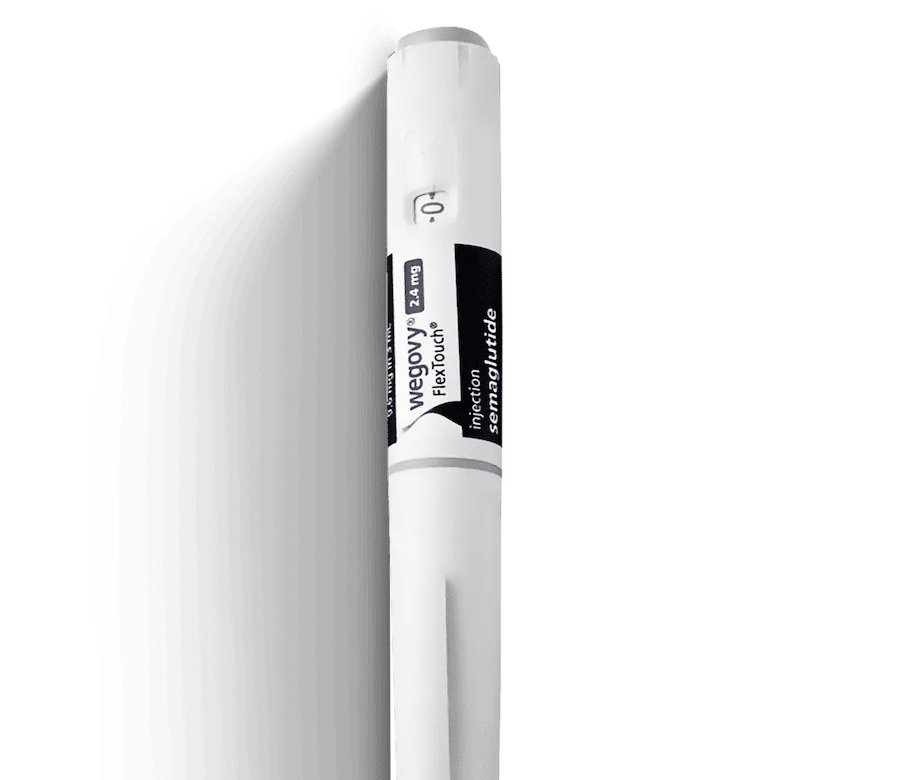
- How you take the medication. The most noticeable difference between the two options is simply how you take them. The Wegovy® pill is taken once a day as a tablet in the morning before eating anything, while the Wegovy® injection is taken once per week using a prefilled pen.
- How your body absorbs the medication. Both versions contain semaglutide, but your body absorbs them differently depending on how the medication is delivered. The Wegovy® pill travels through the digestive system, which makes absorption more challenging. To help with this, the tablet includes an ingredient that temporarily changes the stomach environment so semaglutide can pass through the stomach lining and enter the bloodstream. This is also why the instructions for taking the pill are very specific.
- How they are taken: You can take injectable Wegovy on any day of the week at any time, as long as you stick to that day. For semaglutide to be absorbed as a pill, things are a little more structured. Here’s a look at both:
- Wegovy® injection: Taken once weekly at any time of day, with or without food. Because it’s injected under the skin, meal timing and water intake don’t affect how the medication is absorbed. Learn more: Wegovy® dosage guide: Finding the right dose for weight loss results.
- Wegovy® pill: Taken once daily, first thing in the morning on an empty stomach with a small amount of plain water (no more than about 4 ounces), followed by waiting at least 30 minutes before eating, drinking, or taking other medications.
- Available doses: The Wegovy® pill doses range from 1.5 mg to 25 mg, taken daily, while the injectable version ranges from about 0.25 mg to 2.4 mg, taken once per week. The pill has a higher dose because the body absorbs it in a different way. When the medication is injected, it goes directly into the bloodstream. A pill has to pass through the digestive system first, where much of the drug can break down before it’s absorbed. So, the dose needs to be higher to achieve the same effect, even with the special absorption enhancer that helps protect the medication and allows more of it to pass through the stomach lining into the bloodstream. We’ll go over the full dosing schedules and how they increase over time in a later section.
- Prices for each medication: While both the Wegovy® pill and injection have the same list price of about $1,350 per month across all doses, what you actually pay can look very different if you’re paying cash. Through NovoCare® Pharmacy’s cash-pay program, the Wegovy® pill starts at around $149 per month, while the Wegovy® injection starts at around $199 per month, meaning the pill can sometimes be the more affordable option depending on how you fill your prescription.
Learn more: Wegovy® costs: With and without insurance coverage
Access GLP-1 Weight Loss with Noom
Explore a wide range of prescription medications supported by Noom’s program.Microdose GLP-1rx
Noom GLP-1rx
Noom GLP-1rx Plus
Wegovy®
Ozempic®
Metformin
Zepbound®
Mounjaro®
Liraglutide
Wegovy® pill vs. injection: Weight loss results
By this point, you’ve already seen that the Wegovy® pill and injection share a lot of similarities and differences. What you may want to know next is whether taking it as a daily tablet or a weekly injection changes the results you might see. To answer that, it helps to look at what studies show.
Wegovy® pill vs. injection: How much weight can you lose?
Studies show that both the Wegovy® pill and the injection can lead to meaningful weight loss, especially when combined with healthy lifestyle changes like diet and exercise. Let’s take a look at how much weight you can lose with each:
- Wegovy pill (daily): an average of 14% of body weight loss
- Wegovy injection (weekly): an average of 15% of body weight loss
Overall, the outcomes are very close, suggesting that both forms of the medication can be highly effective for weight loss when combined with lifestyle changes.
How long does it take to see results?
Most people taking Wegovy® start noticing gradual changes within the first few weeks as appetite and fullness signals begin to shift. The weight loss typically builds over time, with steady progress as those changes add up.
For the pill and injection, weight loss results tend to be very similar. Here’s what average weight loss looked like in clinical studies for the Wegovy® pill compared with the Wegovy® injection:
After 3 months
- Wegovy pill: 6%
- Wegovy injection: 6%
After 6 months
- Wegovy pill: 11%
- Wegovy injection: 11%
After 1 year and beyond
- Wegovy pill: 14%
- Wegovy injection: 15%
Keep in mind that these figures reflect average results from clinical studies. Individual outcomes can vary based on factors like starting weight, lifestyle habits, dose, and how your body responds to the medication.
Wegovy® pill vs. injection: Accessibility and getting a prescription
Before choosing between the pill and the injection, it helps to understand who Wegovy® is designed for and how treatment typically works over time. Because both versions contain the same active ingredient (semaglutide), they follow the same general prescribing guidelines and safety considerations.
Let’s go through who may be eligible, who should avoid it, whether you can switch between the pill and injection, and what to know about how long people typically stay on the medication.
Who can take the Wegovy® pill and injection for weight loss?
The pill and injection formats of Wegovy® follow the same prescribing guidelines. Your provider will usually look at your BMI range and overall health to decide if Wegovy® may be a good fit. In general, it’s prescribed for adults who fall into one of these categories:
- BMI of 30 or higher
- BMI of 27 or higher with a weight-related health condition, such as high blood pressure or high cholesterol
Your provider will also take a look at your medical history and current medications before recommending the pill or the injection.
Who shouldn’t take the Wegovy® pill or injection?
There are certain situations where you can’t take the Wegovy® pill or the injection, including if:
- You or someone in your family has had medullary thyroid carcinoma (MTC)
- You or someone in your family have multiple endocrine neoplasia syndrome type 2 (MEN 2)
- You’ve had an allergic reaction to semaglutide
- You’re pregnant, planning pregnancy, or breastfeeding
Your provider may also want to discuss treatment carefully if you have a history of:
- Pancreatitis
- Kidney disease or kidney problems
- Severe gastrointestinal conditions, such as gastroparesis
- Diabetic retinopathy
- Upcoming surgery requiring anesthesia
For more detailed safety guidance, visit our Wegovy® safety page.
Can you switch between Wegovy® injection and the pill?
Since both versions of Wegovy® contain semaglutide, switching is definitely possible. Some people move from the weekly injection to the daily pill, while others go the opposite direction if the injection ends up fitting better into their routine.
Keep in mind, though, that even if the medication is the same, the doses and timing are different between the pill and injection. Your healthcare provider will determine the dose you will switch to.
If you take Wegovy® to lose weight, will you need to keep taking it forever?
There isn’t one single timeline that works for everyone. Wegovy® in both pill and injection form is approved for long-term weight management, but that doesn’t necessarily mean you’ll have to take it forever. The timeline can look different depending on your goals, your health history, and how your body responds.
Because Wegovy® helps regulate appetite and digestion while you’re taking it, those signals can gradually return if the medication is stopped, potentially leading to regained weight.
When you stop Wegovy®, a few things can happen:
- Hunger signals may increase again, since the medication is no longer helping to quiet appetite cues
- Weight regain is common, especially if supportive habits aren’t in place yet
- Some people taper off gradually or remain on a maintenance dose in coordination with their provider.
- Restarting the medication is also possible, but it should always be done under medical guidance.
For some people, staying on a lower maintenance dose helps keep appetite signals steady. The most lasting results tend to come from combining medication with habits that are sustainable day to day, like balanced meals, regular movement, and consistent sleep. Noom can help you adjust your eating patterns and daily routines so the changes you make are easier to maintain over time.
Learn more: Stopping Wegovy: What to expect and how to prevent weight regain
Wegovy® pill vs. injection: Cost and insurance considerations
Cost is an important factor for many when deciding between the Wegovy® pill and the injection. Both versions share the same official list price, but what you end up paying can look very different depending on where you fill your prescription and which dose you’re prescribed.
Insurance coverage can also be unpredictable. Many health plans still don’t routinely cover weight-loss medications, because they aren’t required to include them under current coverage rules. That’s one reason people often end up paying out of pocket. That said, the landscape may continue to change as new policies and employer health plans begin to expand coverage for obesity treatment.
If you’re paying cash, you’ll likely get your medication through NovoCare Pharmacy, the manufacturer-supported fulfillment program from Novo Nordisk. NovoCare works with a network of partner pharmacies to help provide more affordable pricing for Wegovy®. Like most manufacturer programs, eligibility rules and pricing details can apply, and offers may change over time. Currently, you must be opting to self-pay and can’t be enrolled in any federal healthcare programs like Medicare or Medicaid in order to take advantage of the NovoCare pricing.
Here’s a quick look at the typical pricing ranges:
| Wegovy® format | Cost (monthly) |
|---|---|
| Wegovy® injection (pen) | List price: about $1,350 per month NovoCare® Pharmacy pricing: $199: 0.25 mg and 0.5 mg $349: 1 mg, 1.7 mg, and 2.4 mg |
| Wegovy® pill (tablets) | List price: about $1,350 per month NovoCare® Pharmacy pricing: $149: 1.5 mg $149–$199: 4 mg $299: 9 mg and 25 mg |
Learn more: What does Wegovy® cost without insurance? How to navigate pricing in 2026
Does insurance cover Wegovy® pills and injections?
The reality is that coverage varies widely. Some insurance plans cover Wegovy®, while others don’t include weight-loss medications at all. When coverage does exist, your provider may need to submit prior authorization paperwork showing that you meet certain criteria, such as a qualifying BMI range or related health conditions.
Because policies differ from plan to plan, it’s always worth checking directly with your insurance provider to see what your benefits include.
Does private insurance cover Wegovy® pills and injections?
Private insurance may cover both the pill and injection versions of Wegovy®, but coverage varies widely depending on your specific plan and the reason the medication is prescribed. Many employer-sponsored and marketplace plans create their own rules for weight-loss medications, and because U.S. insurance policies aren’t required to cover drugs prescribed for weight management, some plans exclude them entirely.
When coverage is available, insurers usually require several approval steps:
- Prior authorization: Your healthcare provider must submit documentation showing the medication is medically necessary. This often includes BMI records, diagnosis codes, and notes about previous lifestyle interventions.
- BMI criteria: Many plans require a BMI of 30 or higher, or 27 or higher with a weight-related condition such as high blood pressure or high cholesterol.
- Step therapy: Some insurers require trying other medications or treatments first before approving the Wegovy® pill or injection.
- Formulary placement: Even if Wegovy® appears on your plan’s drug list, the tier it’s placed in can affect whether it’s approved and how much you pay.
Coverage policies differ significantly across insurers, and they can even vary between employer plans under the same insurer. Because of that, two people with the same prescription may have very different coverage outcomes depending on their specific benefits.
Learn more: Does insurance cover Wegovy®? Check your coverage in 2026
Does Medicare cover Wegovy® pills and injections?
Medicare can’t cover medications used solely for weight loss, which means Wegovy® isn’t included under Medicare Part D, the prescription drug supplement. But that policy may be evolving. Recent federal pricing agreements and the introduction of new healthcare programs could potentially expand Medicare coverage for people with obesity and related health conditions in the future, and will lower Medicare prices for medications like Wegovy® beginning in 2027.
Because these policies continue to change, it’s best to check directly with Medicare or your provider to confirm the most up-to-date coverage options.
Does Medicaid cover Wegovy® pills and injections?
Medicaid coverage for Wegovy®—both the weekly injection and the daily pill—can vary widely depending on the state you live in. Because each state runs its own Medicaid program, policies around weight-loss medications are inconsistent.
- State-dependent rules: Some states restrict coverage for weight-loss-only prescriptions, while others may allow it for certain medical conditions such as cardiovascular risk or metabolic dysfunction-associated steatohepatitis (MASH).
- Prior authorization required: Most programs require documentation of BMI, diagnosis, and previous lifestyle interventions. Approval is not guaranteed and often depends on the state’s formulary and preferred drug list.
- Examples of variation:
- California: Weight-loss coverage is largely excluded.
- New York: Limited coverage under strict clinical criteria (BMI ≥40, cardiovascular disease, participation in lifestyle modification).
- Massachusetts: Added Wegovy® as a preferred anti-obesity agent with utilization controls.
- Other states: Policies differ; coverage should always be verified directly with the state Medicaid office.
Medicaid coverage for Wegovy® is inconsistent and often limited. Checking your state’s specific rules and working closely with your healthcare provider can help determine whether your prescription will be approved.
Read more:
- What does Wegovy® cost without insurance?
- Wegovy® pill cost: With and without insurance
- Does insurance cover Wegovy®? Check your coverage in 2026
Wegovy® pill vs injection: Are there differences in side effects?
Whether you take Wegovy® as a pill or an injection, the safety profile is mostly the same. That’s because both forms contain semaglutide and affect the body in the same way. The most common side effects tend to involve digestion, since the medication slows how quickly food moves through the stomach. The main difference is that the Wegovy® injection can sometimes cause mild injection site reactions, such as redness, itching, or swelling where the shot is given, which isn’t a concern with the pill.
Common side effects
For many people, side effects are mild and tend to improve over time. They often show up early in treatment while your body is getting used to the medication. Common symptoms can include:
- Nausea
- Diarrhea
- Vomiting
- Headache
- Constipation
- Abdominal pain
Learn more: Wegovy® side effects: Symptom guide and management tips
Serious side effects and warnings
Although Wegovy® is considered safe for most people when used as prescribed, there are some rare but serious risks to be aware of. Contact your healthcare provider right away or seek medical care if you notice symptoms such as:
- Pancreatitis: Pancreatitis can cause severe, ongoing pain in the upper abdomen that may spread toward the back. The pain may also occur alongside nausea or vomiting. If you experience strong stomach pain that does not go away, seek medical care right away.
- Vision changes: Sudden changes in vision, such as blurred sight or difficulty focusing, may occur in some people. If you notice unexpected changes in your vision, contact your doctor immediately.
- Low blood sugar: Symptoms can include shaking, sweating, dizziness, confusion, blurred vision, or a fast heartbeat. If these symptoms occur, especially if you take other diabetes medications, contact your healthcare provider promptly.
- Kidney problems: Warning signs may include reduced urination, swelling in the feet or ankles, unusual tiredness, or shortness of breath. If you experience these symptoms, seek medical attention immediately.
- Gallbladder problems: Gallbladder issues can cause pain in the upper right side of the abdomen along with fever, nausea, or yellowing of the skin or eyes. Contact your doctor right away if these symptoms appear.
- Severe allergic reactions: In rare cases, people may experience swelling of the face, lips, tongue, or throat along with difficulty breathing. This is a medical emergency, and you should seek emergency care immediately.
- Boxed warning for Wegovy®: Wegovy® carries an FDA boxed warning about a possible risk of thyroid C-cell tumors. This risk has been seen in animal studies, but it isn’t clear whether it occurs in humans. Because of this, people with a personal or family history of MTC or MEN 2 should not take Wegovy®.
For full safety details, see the safety information for Wegovy®.
Which is safer: Wegovy® pill or injection?
When it comes to safety, there isn’t really a clear “better” option between the Wegovy® pill and the injection. Both versions use the same medication, semaglutide, so they come with very similar safety profiles and potential side effects.
For most people, the difference comes down to how the medication fits into daily life. Some people feel more comfortable with a weekly injection, while others prefer taking a pill each morning. Talking with your healthcare provider can help you figure out which format is the better fit for your routine and overall health.
Wegovy® pill vs. injection: Dosage and administration
Both the Wegovy® pill and injection use a step-up dosing approach. That means you start with a small dose and gradually increase it over time. This slow increase helps your body get used to the medication and can make side effects easier to handle.
- Wegovy® pill: The tablet is taken once daily, first thing in the morning on an empty stomach. It starts at 1.5 mg per day and can be increased gradually up to 25 mg daily.
- Wegovy® injection: The injectable version is taken once a week. Treatment begins at 0.25 mg per week, and the dose is gradually increased until you reach the dose that gives you the best results with the lowest side effects.
Here’s a look at the available doses:
| Wegovy® pill doses | Wegovy® pen doses |
|---|---|
| 1.5 mg (starting dose) 4 mg 9 mg 25 mg (maximum dose) | 0.25 mg (starting dose) 0.5 mg 1 mg 1.7 mg 2.4 mg (maximum dose) |
Your provider will adjust your dosing schedule based on how you tolerate the medication and how your weight-loss progress is going.
Learn more: Wegovy® dosage guide: Finding the right dose for weight loss results
Choosing between Wegovy® pill vs. injection: Which is right for me?
Since both versions of Wegovy® contain semaglutide, the medication itself works the same way in your body. That means appetite control, digestion changes, and overall weight-loss support are very similar between the pill and the injection.
So how do most people decide? It usually comes down to everyday practicality. If remembering a daily medication with specific timing feels easy for you, the pill may fit well. If you’d rather take your medication once a week and not think about it the rest of the time, the injection might feel simpler.
Here’s a side-by-side look at the biggest things to think about before you decide with your provider.
| Medication | Wegovy® pill | Wegovy® injection |
|---|---|---|
| Pricing per month (without insurance) | List price: about $1,350 | Same. |
| Pricing through NovoCare® Pharmacy | $149: 1.5 mg $149–$199: 4 mg $299: 9 mg and 25 mg | $199: 0.25 mg and 0.5 mg $349: 1 mg, 1.7 mg, and 2.4 mg |
| Dosing and timing requirements | Taken once daily, first thing in the morning on an empty stomach with a small amount of plain water, and you need to wait at least 30 minutes before eating, drinking, or taking other oral medications. | Taken once weekly. You choose one day of the week and can take it at any time of day, with or without food. |
| Side effects | Common side effects are mostly digestive. | Side effects are mostly the same as the pill, but the injection can also cause mild injection site reactions. |
| Effectiveness | People lost an average of 14% of their starting body weight in studies. | People lost an average of 15% of their starting body weight in studies. |
Frequently asked questions about the Wegovy® pill vs injection
Choosing between a daily pill and a weekly injection can feel like a big decision. These quick answers cover some of the most common questions people have when comparing the two options.
Is the Wegovy® pill cheaper than the injection?
It can be. Both versions have a similar list price of about $1,349 per month. But savings programs can lower the cost. If you pay cash through NovoCare® Pharmacy, the pill will cost $149 to $299 per month, while injection pricing ranges from $199 to $349.
Learn more: What does Wegovy® cost without insurance? How to navigate pricing in 2026
Does the Wegovy® pill work as well as the injection?
The results are very similar. Studies show the pill can lead to an average of 14% weight loss over roughly 64 weeks. The weight loss studies on the weekly injection show an average of 15% weight loss. For most people, the decision comes down to which routine feels easier to maintain.
Learn more: Wegovy® pill: Exploring the benefits, side effects, and cost
Does the Wegovy® pill have fewer side effects than the injection?
Most side effects are the same because both forms contain semaglutide. Common symptoms include nausea, vomiting, constipation, and diarrhea. The injection can sometimes cause mild reactions where the shot is given, such as redness or itching, which is not something you’ll have to worry about with the pill.
Does the Wegovy® pill upset the stomach?
It might, but stomach pain and nausea are common with both Wegovy® forms, especially during dose increases. For many people, these symptoms improve as the body gets used to the medication.
Will insurance cover Wegovy® pills?
Coverage varies by insurance plan. Some plans cover Wegovy®, while others do not include weight-loss medications. When coverage is available, your provider may need to submit prior authorization showing you meet certain medical criteria. Checking directly with your insurer is the best way to confirm your benefits.
Reviews from real Noom users
Desirea N. — Real Noom user
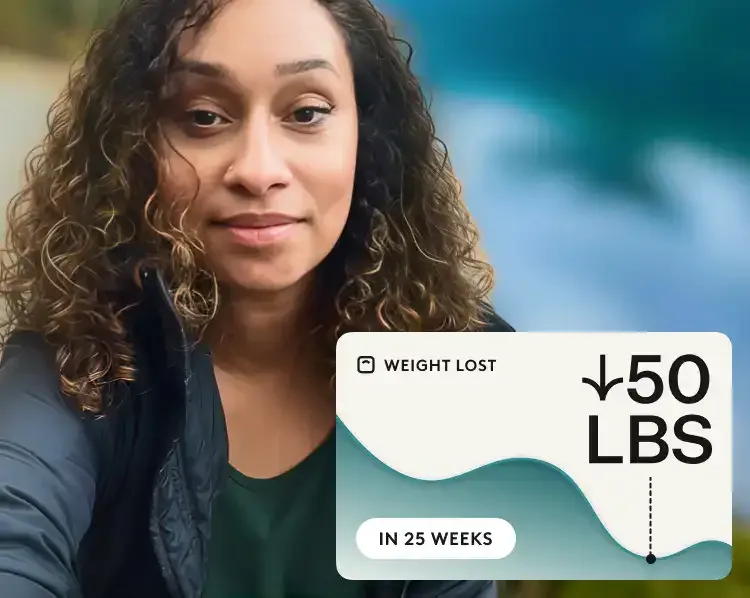
“My favorite parts of Noom are the care team and other Noomers. Sharing and getting help made me feel like I wasn’t doing it alone. That support made all the difference.”
Desirea N. — Real Noom user
Matthew M. — Real Noom user
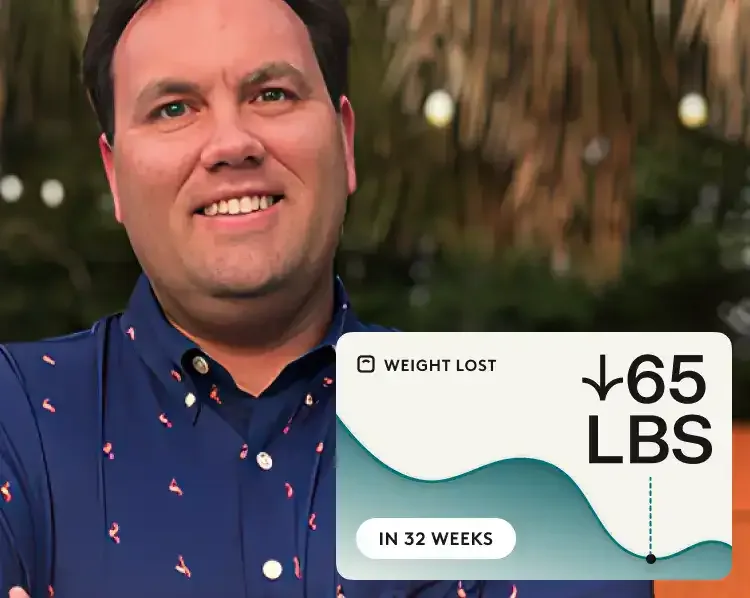
“Noom has taught me that every day is a new chance to make better, healthier choices. It's taught me how to stop overeating.’’
Matthew M. — Real Noom user
Lila M. — Real Noom user
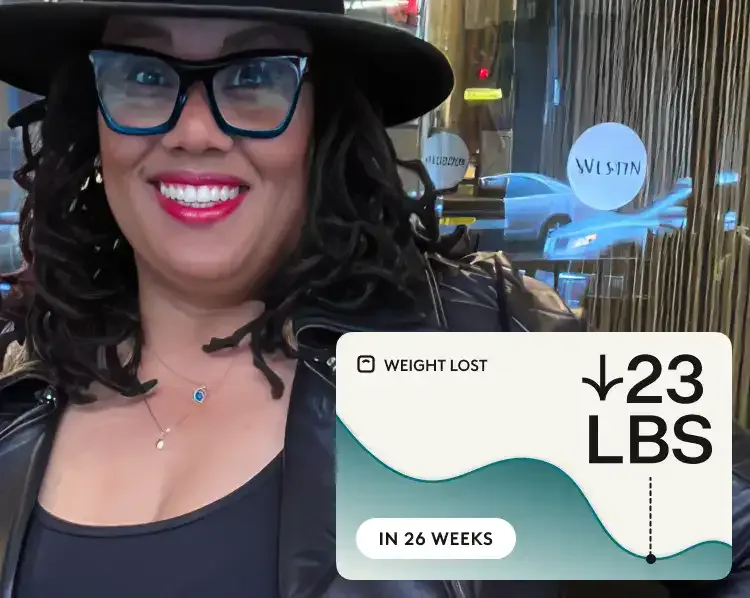
“Clinicians who understand how supportive medication can be is one of the best parts of Noom! I was convinced I wouldn’t have success but I’m down 11 pounds in two months.’’
Lila M. — Real Noom user
Steve M. — Real Noom user
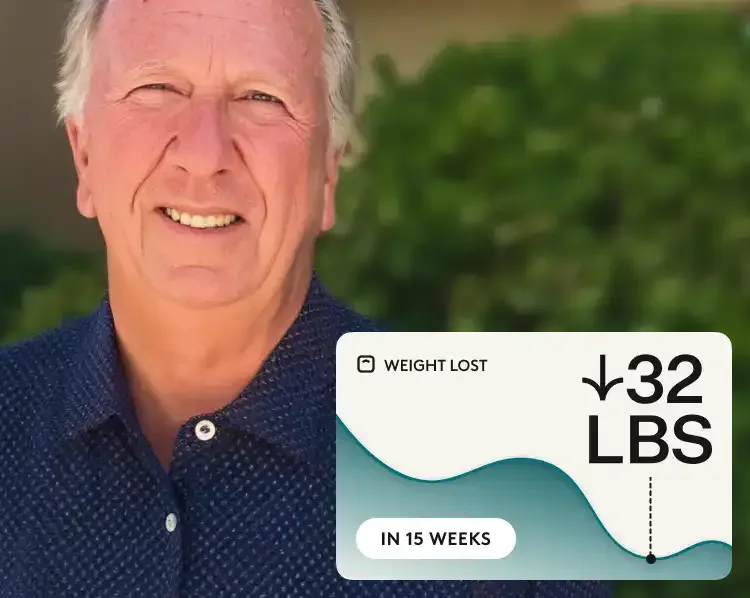
“Noom provided me with the medication which I could not get through Medicare. I have learned the tricks to better eating and life in general.”
Steve M. – Real Noom user
Daisy R. — Real Noom user
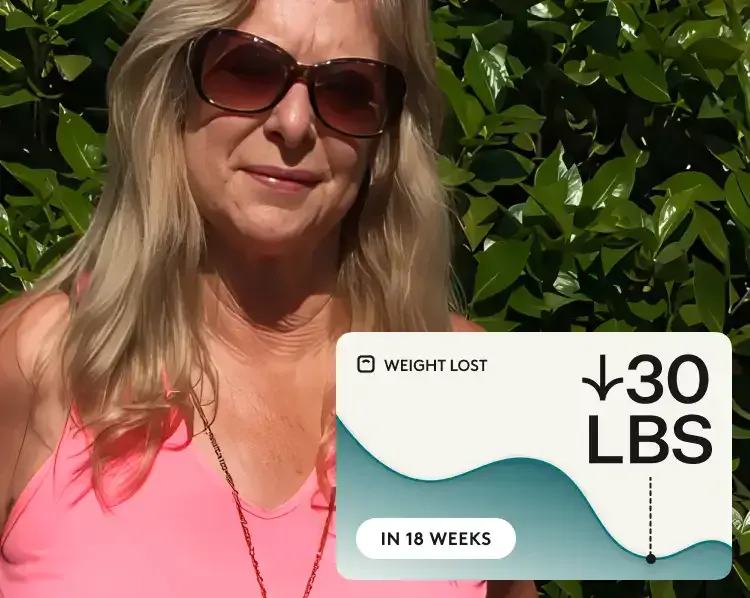
‘’Noom has changed my life and I’m so thankful, I feel great, have more energy and am no longer prediabetic.”
Daisy R. – Real Noom user
Sarah R. — Real Noom user
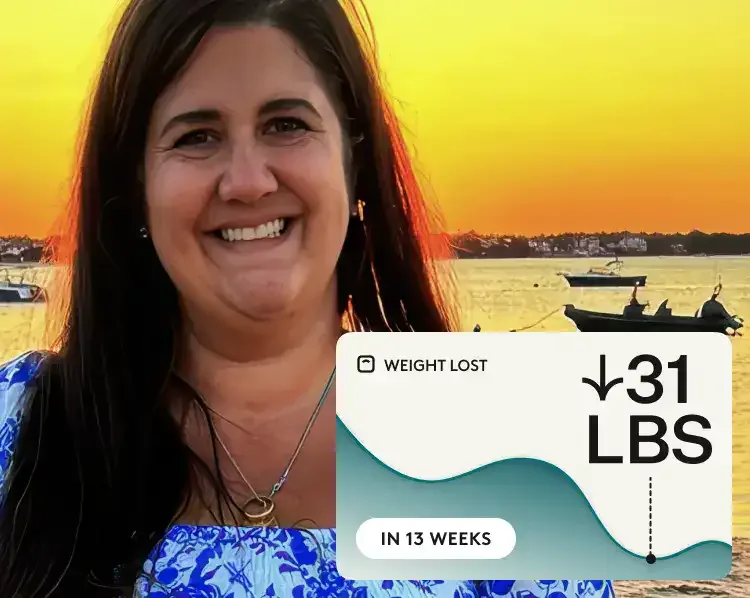
“All of the Noom providers that I’ve met with have been exceptional and prescribed medications that are appropriate for my situation and health.”
Sarah R. – Real Noom user
Madison S. — Real Noom user
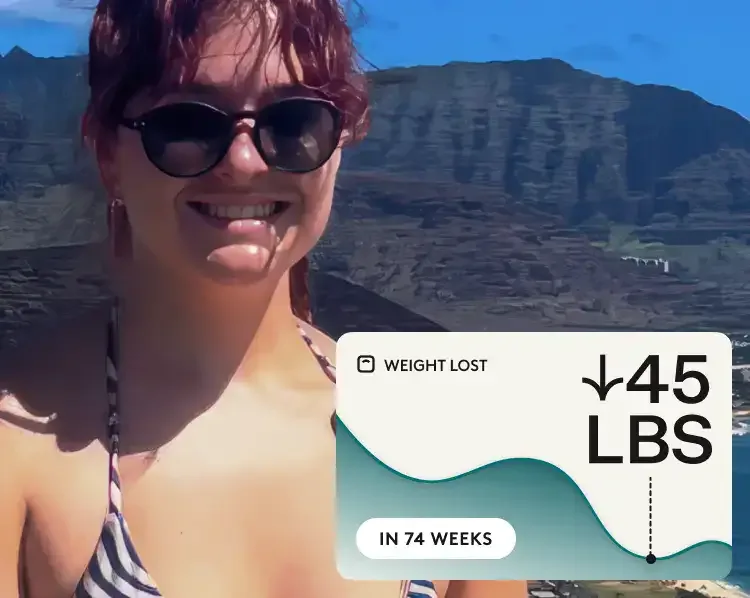
“Noom made the process so simple and now I feel full, free from diet obsession, and at ease in my body again.”
Madison S. – Real Noom user
Sonday K. — Real Noom user
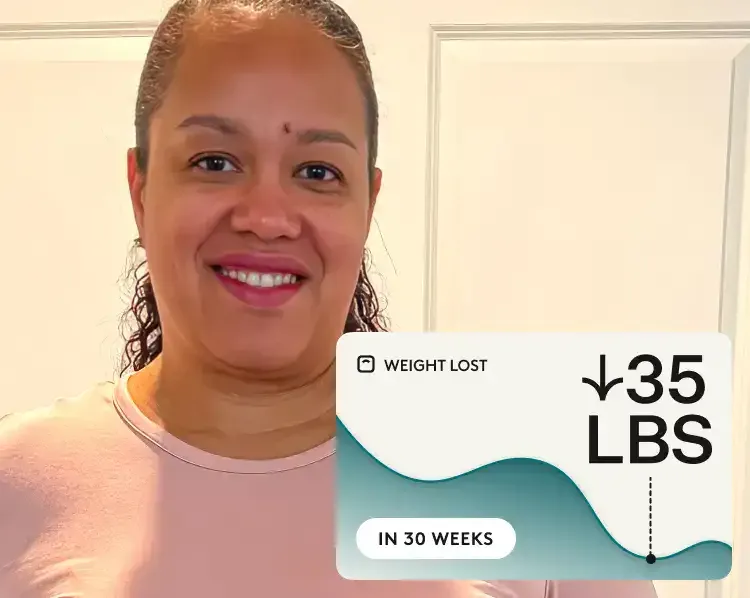
“My doctor recommended Noom after I was frustrated trying to lose weight. The lessons helped change my relationship with food. My body feels lighter & energized.”
Sonday K. – Real Noom user
Cam K. — Real Noom user
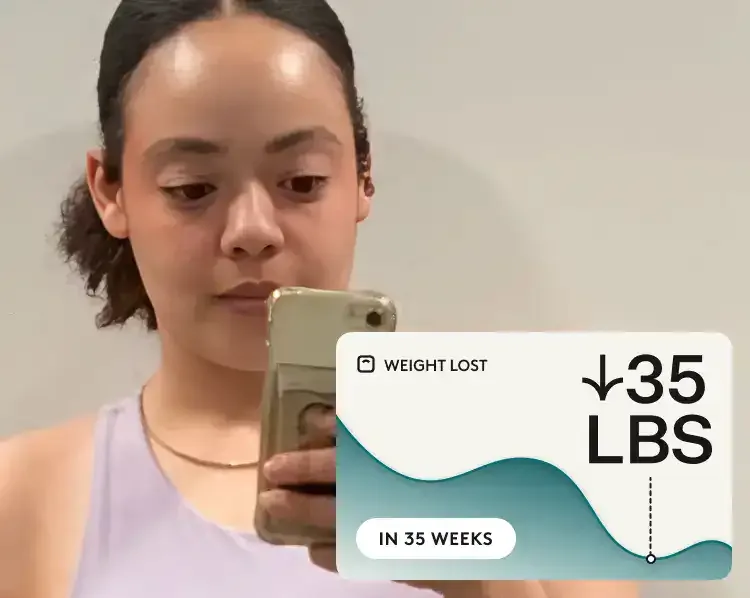
“I built healthy habits with coaching and lessons that make me confident I can maintain my weight loss long term.”
Cam K. – Real Noom user
Laura TR. — Real Noom user
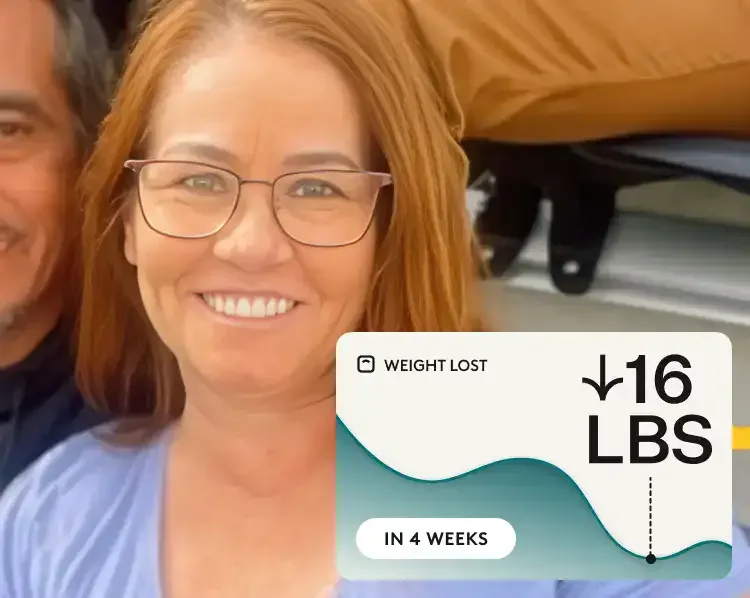
“With the right medication through Noom, hunger and sugar cravings finally quieted and I have the tools to break the cycle.”
Laura TR. – Real Noom user
Jessica S. — Real Noom user
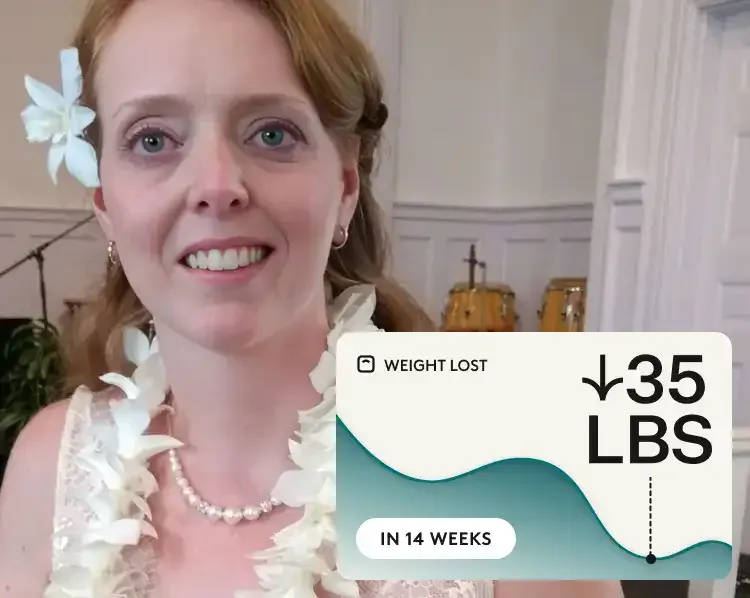
“Cravings and food noise are gone, I finally feel confident in the healthy habits I’ve built to last with Noom.”
Jessica S. – Real Noom user
The bottom line: The right Wegovy® option is the one that fits your life
The Wegovy® pill and injection have a lot more in common than they do differences. Both use semaglutide, both work through the same appetite and digestion pathways, and both can lead to very similar weight-loss results over time. Where things start to separate is in the day-to-day experience. The pill may appeal to you if you want to avoid injections and don’t mind a stricter morning routine. The weekly pen may feel easier if you want something simpler to remember and manage.
Cost, timing, and side effects can also shape the decision. Both versions have the same list price, but self-pay pricing through NovoCare® Pharmacy can make the pill less expensive in some cases. Side effects are also mostly the same, with stomach-related symptoms being the most common for both. The main extra consideration with the injection is the chance of mild injection site reactions. In the end, this is less about finding one “winner” and more about finding the version that fits your routine, budget, and comfort level.
If you’re thinking about medication support for weight loss, Noom Med can help you explore your options. If you qualify, you’ll be paired with a clinician who can help you build a plan that pairs medication, if appropriate, with the kind of habits that support long-term progress.
Editorial standards
At Noom, we’re committed to providing health information that’s grounded in reliable science and expert review. Our content is created with the support of qualified professionals and based on well-established research from trusted medical and scientific organizations. Learn more about the experts behind our content on our Health Expert Team page.