
What you’ll learn:
- Wegovy® (semaglutide) was recently approved with a new maximum dose of 7.2 mg.
- This new version, Wegovy® HD, offers the potential for continued weight loss beyond the 2.4 mg dose.
- People have seen an average of about 18.7% of body weight loss, which is more comparable to Zepound® (tirzepatide).
Most updates in the GLP-1 space focus on new medications, new indications, or taking them in a different way. One example is when a medication like Zepbound® is approved to treat an additional condition. Or, sometimes a medication is approved when it’s offered in a different form, like the newer Wegovy® pill.
Changes to the dosing of an already approved medication are less common. Most medications are approved with a defined dosing range, and updates after approval more often involve new uses or formulations rather than increases to the maximum dose.
In March 2026, the FDA approved a higher-dose version of semaglutide for weight management, often referred to as Wegovy® 7.2 mg or Wegovy® HD. This makes the 7.2 mg update different from most changes in this category. Instead of introducing a new medication or a new format, it builds on an existing treatment by increasing the maximum approved dose.
The 7.2 mg dose is designed to help people continue losing weight after reaching 2.4 mg. In clinical trials, people lost an average of about 18.7% of their body weight with the 7.2 mg dose, compared to about 15.6% with 2.4 mg, depending on how the results are analyzed. What’s especially notable is that about one-third of people taking the higher dose lost 25% or more of their body weight.
Let’s take a look at what the 7.2 mg option means for weight loss outcomes, potential side effect differences, and what the cost could be when it launches. Plus, we’ll see how it compares to other GLP-1 medications, like Zepbound.


What is Wegovy®?
Wegovy® is a medication that was approved for weight loss in 2021. Its active ingredient, semaglutide, mimics GLP-1 (glucagon-like peptide-1), a hormone made by special cells in your intestines. You have GLP-1 receptors in your brain, pancreas, and digestive system that help coordinate how your body handles food. Semaglutide amplifies those messages that reduce appetite, slow digestion, and regulate blood sugar.
Wegovy® comes as a once-weekly injection or daily pill. It follows a titration schedule, which means people begin at the lowest dose and gradually increase, typically every four weeks. This process helps the body adjust and reduces the risk of side effects. In some cases, dose increases may be slowed, or a person may stay at a lower dose if it’s already working well.
The goal is always to find the lowest effective dose that supports weight loss with the fewest side effects. Standard dosing for the injection typically progresses through 0.25 mg, 0.5 mg, 1 mg, 1.7 mg, and 2.4 mg. Novo Nordisk, the company that makes Wegovy, announced that a new dose for people who need more weight loss support was approved by the FDA in March 2025 and is set to launch sometime in April.
Learn more: What is Wegovy?
Wegovy® HD 7.2 mg: How does the new dose work?
The introduction of Wegovy® HD 7.2 mg isn’t about changing the medication—it’s about expanding how it can be used.
The active ingredient is still semaglutide, and the mechanism of action hasn’t changed. What’s new is the maximum dose. Previously, the highest approved dose of Wegovy® was 2.4 mg. Now, with FDA approval of 7.2 mg, clinicians have a new option for people who need more support.
This higher dose was specifically studied in people who had already been through the standard treatment pathway and needed additional help continuing their weight loss. Instead of switching medications, people may now be able to continue treatment with the same drug if weight loss stalls or plateaus.
Here’s what the new dosing schedule for Wegovy HD will look like:
| Weeks | Dose |
|---|---|
| Weeks 1–4 | 0.25 mg |
| Weeks 5–8 | 0.5 mg |
| Weeks 9–12 | 1 mg |
| Weeks 13–16 | 1.7 mg |
| Week 17+ | 2.4 mg |
| Week 20+ | 7.2 mg (if appropriate) |
Learn more: Wegovy® dosage guide: Finding the right dose for weight loss results
Wegovy® HD: How much weight can you lose?
From a results perspective, this new dose offers the highest weight loss seen with Wegovy® so far, with clinical trials showing average reductions of just under 19% (18.7%) of body weight. What’s more, around one-third of people lost 25% or more of their body weight, reinforcing how much the higher dose can expand results. That brings semaglutide closer to Zebound, which has seen an average weight loss at its highest dose of about 21%.
Wegovy® HD: How to take it
Like the other Wegovy® doses, the 7.2 mg dose is still taken once weekly as an injection. The difference is that there isn’t yet a single pen that delivers this full amount in one shot.
Access GLP-1 Weight Loss with Noom
Explore a wide range of prescription medications supported by Noom’s program.Microdose GLP-1rx
Noom GLP-1rx
Noom GLP-1rx Plus
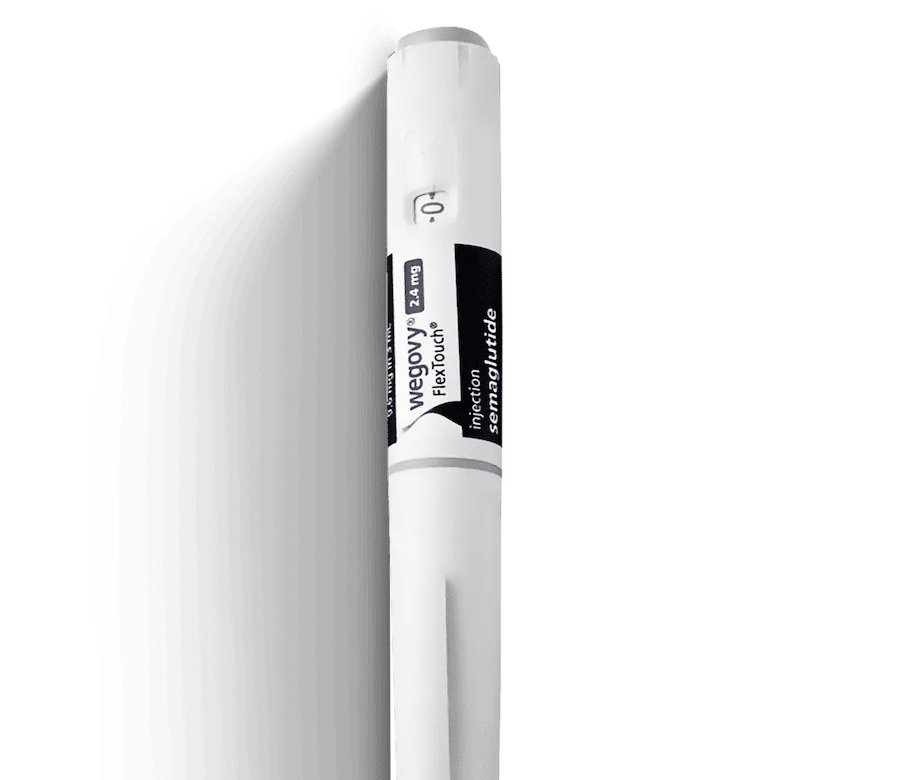
Wegovy®
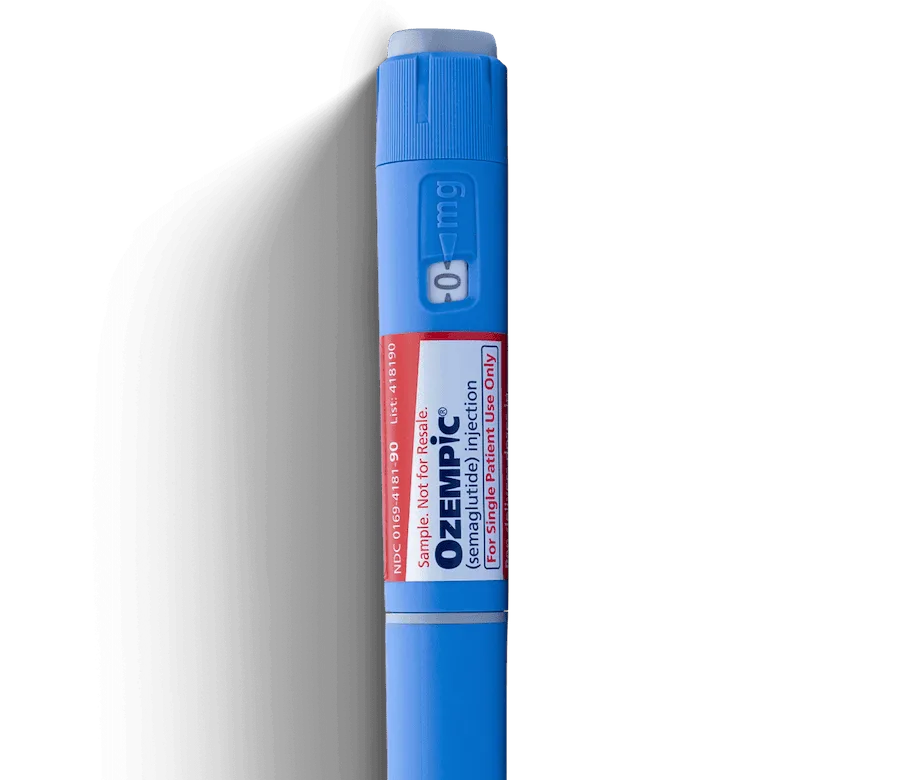
Ozempic®
Metformin
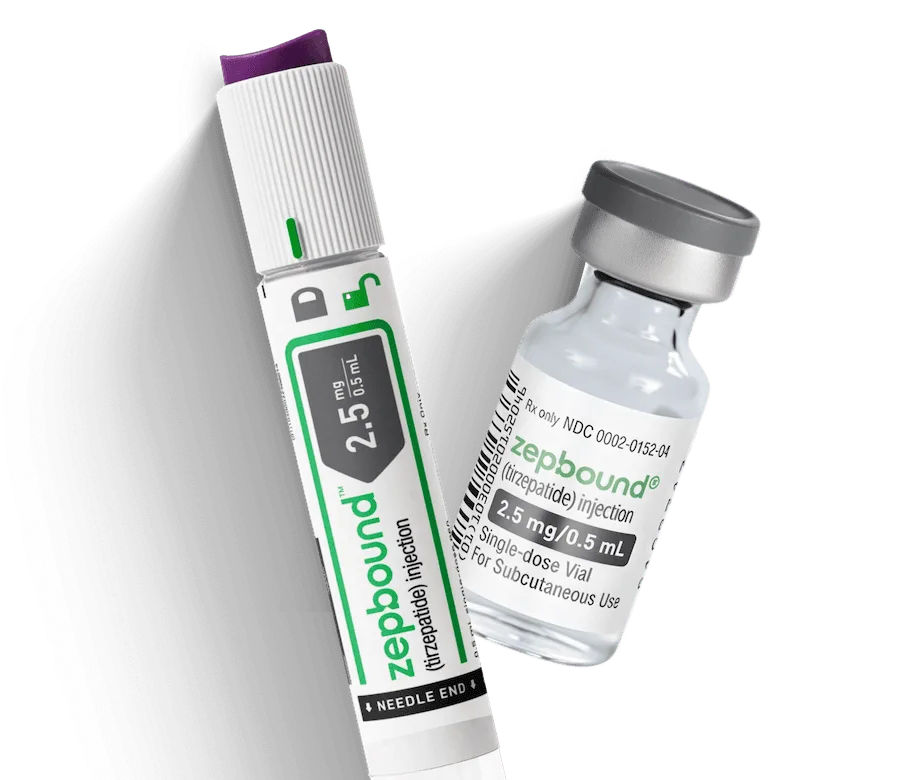
Zepbound®
Mounjaro®
Liraglutide
The United Kingdom’s medicine regulator approved the 7.2 mg dose in January 2026. The 7.2 mg dose is currently given as three 2.4 mg injections on the same day in the United Kingdom. These can be injected in the same general body area, but each injection should be spaced at least 2 inches apart.
In the future, there will likely be one pen that contains the full 7.2 mg dose, so it will only need to be given as one injection weekly.
Wegovy® HD 7.2 mg vs. 2.4 mg: Weight loss differences
The 7.2 mg dose of Wegovy was studied in a 72-week trial that included 1,400 people with BMIs over 30 called the STEP UP trial. Participants were randomly assigned to take the 7.2 mg dose, 2.4 mg dose, or a placebo.
The researchers found that people taking Wegovy 7.2 mg lost an average of about 18.7% of their body weight, compared to 15.6% with the 2.4 mg dose.
What really stands out is how many people reached higher levels of weight loss. About one in three people taking Wegovy 7.2 mg lost 25% or more of their body weight. Here’s a look at the results side by side:
| Dose | Average weight loss | 25% or more weight loss |
|---|---|---|
| Wegovy 7.2 mg | 18.7% | 33.2% |
| Wegovy 2.4 mg | 15.6% | 16.7% |
Wegovy® HD: Safety and side effects
When starting Wegovy®, most people begin to notice changes within the first few weeks—both in how their body responds to the medication and in shifts in appetite. It can take several weeks for each dose to reach its full effect as your body adjusts. During this period, side effects like nausea, diarrhea, constipation, and abdominal pain are common, but they’re usually manageable and tend to improve over time. They can return or briefly intensify with dose increases.
While serious side effects are rare, it’s still important to understand the potential risks and stay in close communication with your healthcare provider throughout treatment. Let’s take a look at the differences with Wegovy 7.2.
At 7.2 mg, some side effects become more common. Data comparing placebo, Wegovy® 2.4 mg, and Wegovy® 7.2 mg shows how frequently certain reactions happened:
| Side effect | Wegovy 2.4 mg (%) | Wegovy 7.2 mg (%) |
|---|---|---|
| Nausea | 35 | 39 |
| Vomiting | 16 | 22 |
| Dysesthesia | 6 | 22 |
| Constipation | 19 | 20 |
| Abdominal pain | 9 | 12 |
| Fatigue | 9 | 11 |
| Headache | 8 | 9 |
| Dizziness | 5 | 6 |
At 7.2 mg, side effects don’t completely change—but they do shift a bit. And when you look closely, most of the differences fall into two buckets: small bumps vs. more noticeable jumps.
First, the small changes (about 1–2% higher):
These are the ones that technically increase, but probably won’t feel dramatically different day to day:
- Constipation: 19% → 20%
- Headache: 8% → 9%
- Dizziness: 5% → 6%
This is the same pattern you tend to see with dose increases—slight upticks, but nothing that usually changes the overall experience.
Then there are the moderate increases (a bit more noticeable):
- Nausea: 35% → 39%
- Fatigue: 9% → 11%
- Abdominal pain: 9% → 12%
These are still in the expected range for GLP-1 medications, but you might feel them more, especially during the dose adjustment.
And then there’s the one that really stands out:
- Dysesthesia: 6% → 22%
- Vomiting: 16% → 22%
Vomiting sees a meaningful jump, which lines up with what we know about higher GLP-1 doses increasing GI side effects.
The one side effect that stands apart is dysesthesia. While most side effects increase gradually with a higher dose, this one shows a more noticeable jump—and it’s also less familiar than the typical nausea or digestive symptoms people expect with GLP-1 medications. It’s essentially a catch-all term for unusual skin sensations, which can make it harder to recognize at first.
Learn more: Wegovy side effects
Wegovy® HD 7.2 mg and dysesthesia
According to Novo Nordisk’s prescribing information, dysesthesia is grouped as a broader category of sensory-related side effects. That means it can include a range of unusual skin sensations—like tingling, burning, numbness, heightened sensitivity, or even discomfort from light touch (called allodynia). Some people may also experience “pins and needles”–type feelings (paresthesia).
These sensations happen without a clear external cause, which is part of what makes them feel unexpected. They’re not typically dangerous, but they can feel uncomfortable or confusing if you don’t realize they may be related to the medication.
What can help with dysesthesia?
In many cases, it improves as your body adjusts—staying at your current dose longer, keeping hydrated, and checking things like vitamin B12 levels if it persists can help, along with looping in your clinician if symptoms become bothersome.
Wegovy® serious and rare side effects
Wegovy® is generally considered safe, but in rare cases, it may lead to more serious health issues.
For Wegovy® 7.2 mg, serious adverse events were relatively uncommon and were reported less often than with the 2.4 mg dose.
In a study, serious side effects were reported in only 6.8% of people taking, compared to 10.9% at the 2.4 mg dose. This means that serious side effects didn’t increase with the higher dose in this trial.
Episodes of low blood sugar (hypoglycemia) were the most common serious side effect and were only reported in 2% of people on 7.2 mg. While these findings are reassuring, it’s still important to remember that serious events can occur at any dose, which is why ongoing monitoring with a healthcare provider is important.
Here are some serious complications to look out for when taking a semaglutide medication:
- Pancreatitis: Signs include Intense abdominal pain—especially if it spreads to your back or is paired with vomiting—may signal inflammation of the pancreas. This requires immediate medical attention.
- Gallbladder problems: Symptoms include pain in the upper right side of your abdomen, fever, or yellowing of the skin or eyes. Seek care right away.
- Hypoglycemia (low blood sugar): If you’re taking insulin or certain diabetes medications alongside Wegovy®, your blood sugar could drop too low. Watch for symptoms like shaking, sweating, or confusion, and get help if they worsen.
- Kidney issues: Ongoing nausea or vomiting can lead to dehydration, which may strain your kidneys. Signs to look out for include swelling, fatigue, or decreased urination—contact your provider if these occur.
- Severe allergic reactions: Difficulty breathing, swelling of the face or throat, or hives may indicate a serious allergic reaction. Call emergency services immediately.
- Mood or behavior changes: New or worsening feelings of depression, anxiety, or thoughts of self-harm should be addressed with your healthcare provider as soon as possible.
- Vision changes: Sudden changes in vision should always be evaluated right away.
- Heart rate changes: A persistent racing or irregular heartbeat should be checked promptly.
- Thyroid tumors or cancer: Although this risk has only been observed in animal studies, symptoms like a lump in the neck, swelling, or a hoarse voice should be reported to your provider immediately.
For more details, review the full safety information for Wegovy®.
Learn more: Wegovy® side effects: Symptom guide and management tips
Who shouldn’t take 7.2mg Wegovy®?
Wegovy® can be highly effective, but it isn’t the right fit for everyone. Your healthcare provider will review your health history to make sure it’s safe before starting treatment.
You can’t take it if:
- You or a family member has a history of medullary thyroid carcinoma (MTC) or multiple endocrine neoplasia type 2 (MEN 2).
- You’ve had allergic reactions to semaglutide or similar medications.
- You’re pregnant, breastfeeding, or planning to become pregnant
Your clinician can determine if it’s right for you if:
- You’ve had pancreatitis: Past inflammation of the pancreas may increase your risk.
- You have severe digestive problems: Wegovy® slows digestion, so it might worsen conditions like gastroparesis or chronic bloating.
Wegovy® HD: Cost and how to save
We don’t know yet what the cost of Wegovy HD will be. The Wegovy® pens and pills that are on the market all have a list price of about $1,350 per month, regardless of the dose. Insurance coverage for weight-loss medications is frequently limited.
Novo Nordisk offers the current doses of the injection and pill for a discount when purchased through the NovoCare Pharmacy. New programs aimed at improving affordability are emerging as demand for these medications grows.
If you qualify, NovoCare® Pharmacy currently offers:
- Pen:
- Pill:
Learn more: What does Wegovy® cost without insurance?
How Wegovy® HD compares to Zepbound®
Zepbound® has been considered one of the most effective options for weight loss, with people losing an average of 21% of their body weight over time with the maximum dose.
When the higher-dose version of Wegovy® launches, the gap will have narrowed. The two medications are more comparable in their effectiveness, particularly at their highest doses.
Wegovy® HD vs Zepbound®: Weight loss potential
While individual results can vary, both medications now deliver similar average weight loss outcomes at their maximum doses. Here’s how they compare:
| Medication | Max dose | Average weight loss |
|---|---|---|
| Wegovy (semaglutide) | 7.2 mg | 18.7% |
| Zepbound (tirzepatide) | 15 mg | 20–21% |
How to get a 7.2mg Wegovy® prescription
Wegovy® HD 7.2mg is expected to be available in the United States in April of 2026. Once it’s on the market, here are a few common ways to get started:
- Primary care provider – Your regular doctor may prescribe Wegovy if it’s appropriate.
- Specialist (endocrinologist or obesity medicine doctor) – Often helpful for more complex cases.
- Telehealth programs – Virtual care with prescription support and follow-ups.
- Structured programs like Noom Med – Combines medication with coaching, habit support, and ongoing guidance.
FAQs about Wegovy® HD
When will Wegovy® 7.2 mg be available?
Wegovy® 7.2 mg (Wegovy HD) was approved by the FDA in 2026, and it’s expected to become available in the U.S. starting around April 2026, according to reports and company announcements.
Availability may vary at first depending on supply, pharmacy distribution, and insurance coverage, so some people may experience delays as rollout continues.
How long does it take to see results on Wegovy HD?
People don’t start at the 7.2 mg dose; treatment begins at the lowest dose (0.25 mg) and is gradually increased, aiming for gradual weight loss (about 1 to 2 pounds per week) with the lowest side effects. Wegovy HD is only considered after reaching the 2.4 mg dose, and only if your clinician determines that additional support is needed.
A dose increase to 7.2 mg wouldn’t happen until about 4 months after starting treatment. Ideally, people begin to see results at the lower doses and use the 7.2 mg dose to help continue their progress if weight loss starts to slow.
Is Wegovy® 7.2 mg more effective than Zepbound?
Clinical trials show that people taking Wegovy® 7.2 mg lost an average of about 18.7% of their body weight over 72 weeks, which is comparable to the weight loss average of the highest dose of Zepbound (15 mg).
What’s the difference between the Wegovy® pill and Wegovy® HD injection?
The Wegovy pill, which is taken once a day in the morning, has been shown to lead to an average weight loss of about 14%. Wegovy HD, a once-weekly injectable, appears in clinical trials to be more effective with an average weight loss of about 18.7%.
Learn more: Wegovy® pill vs. injection: Which one works best for weight loss?
Reviews from real Noom users
Desirea N. — Real Noom user
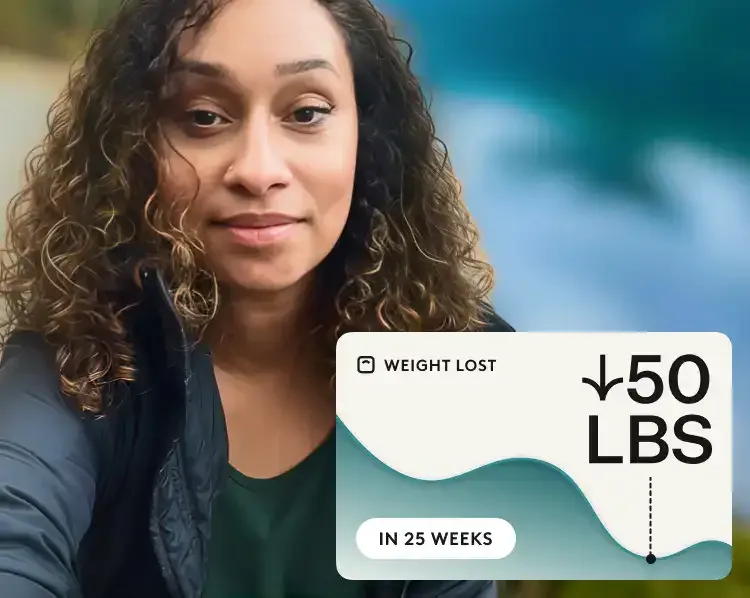
“My favorite parts of Noom are the care team and other Noomers. Sharing and getting help made me feel like I wasn’t doing it alone. That support made all the difference.”
Desirea N. — Real Noom user
Matthew M. — Real Noom user
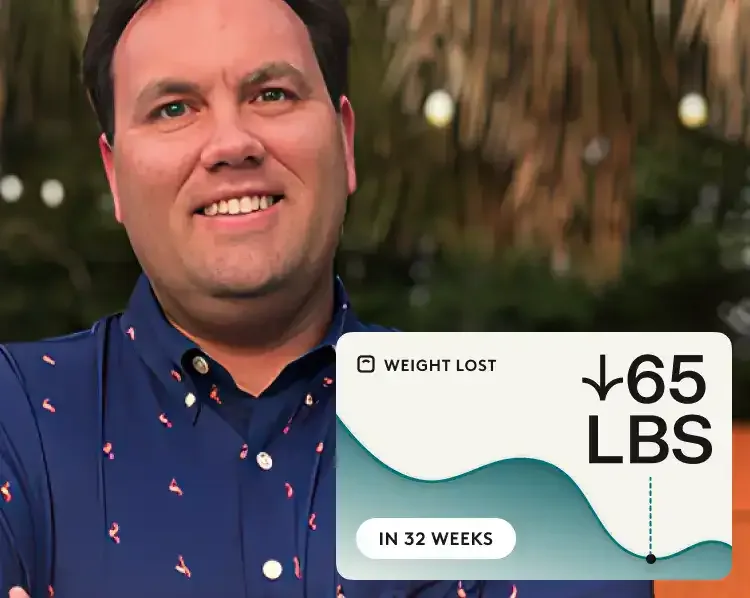
“Noom has taught me that every day is a new chance to make better, healthier choices. It's taught me how to stop overeating.’’
Matthew M. — Real Noom user
Lila M. — Real Noom user
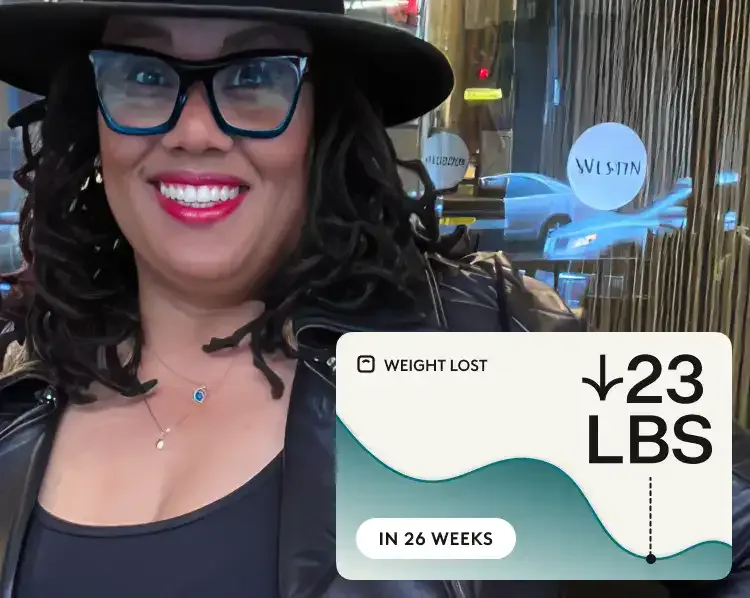
“Clinicians who understand how supportive medication can be is one of the best parts of Noom! I was convinced I wouldn’t have success but I’m down 11 pounds in two months.’’
Lila M. — Real Noom user
Steve M. — Real Noom user
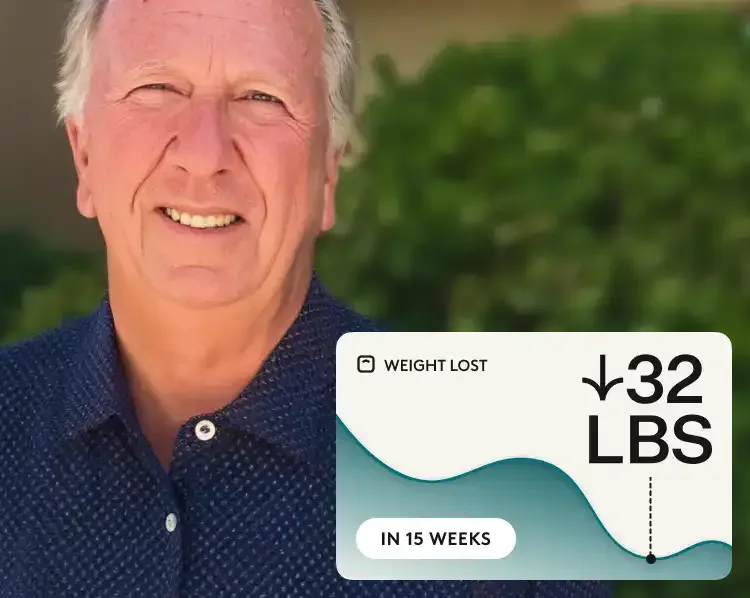
“Noom provided me with the medication which I could not get through Medicare. I have learned the tricks to better eating and life in general.”
Steve M. – Real Noom user
Daisy R. — Real Noom user
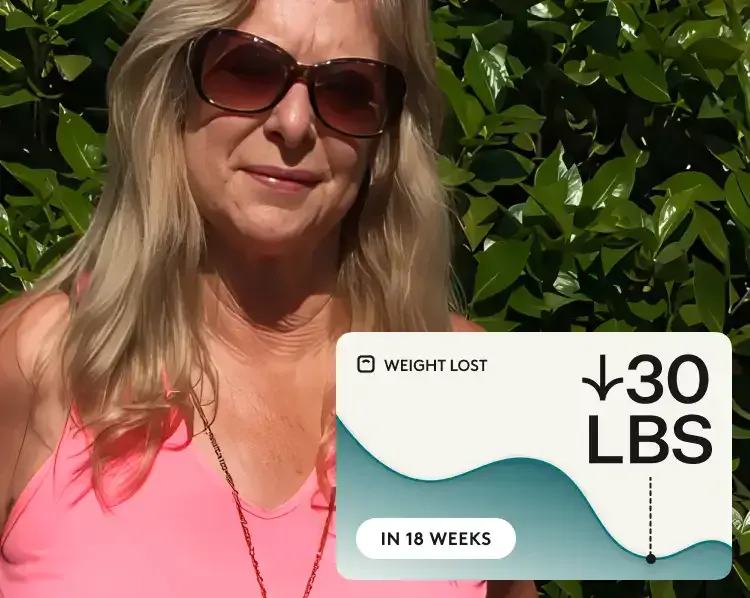
‘’Noom has changed my life and I’m so thankful, I feel great, have more energy and am no longer prediabetic.”
Daisy R. – Real Noom user
Sarah R. — Real Noom user
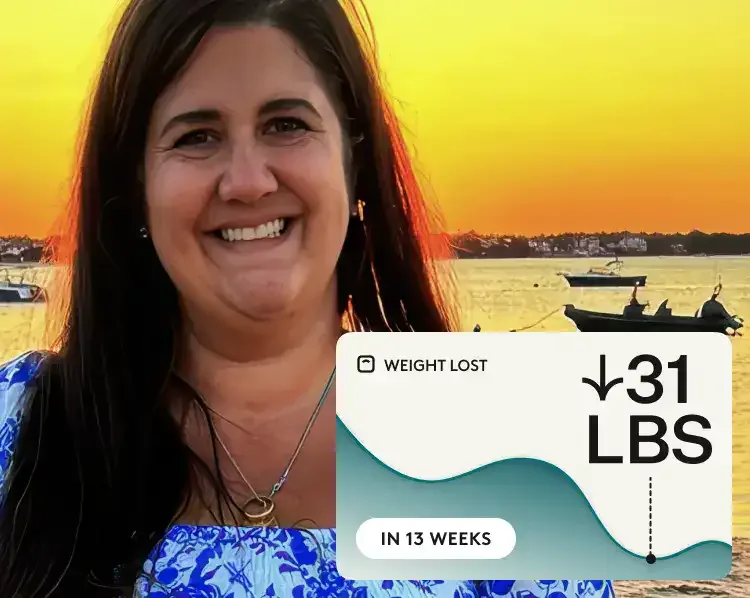
“All of the Noom providers that I’ve met with have been exceptional and prescribed medications that are appropriate for my situation and health.”
Sarah R. – Real Noom user
Madison S. — Real Noom user
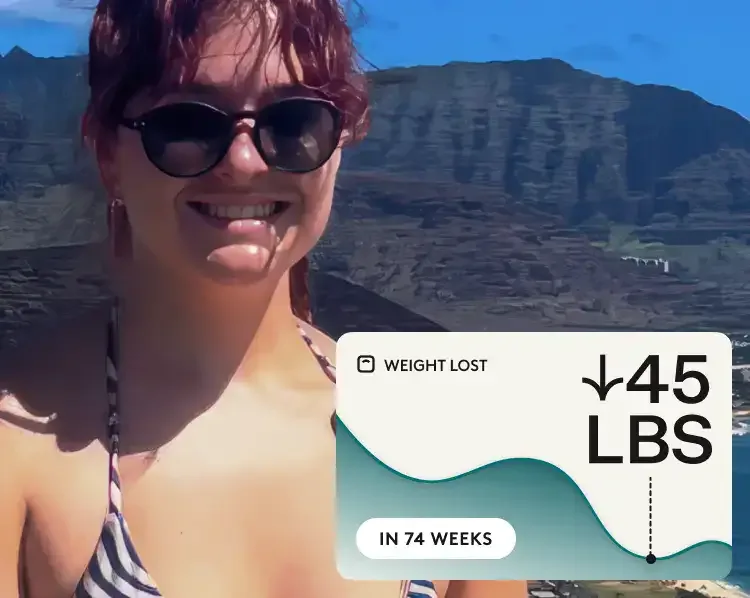
“Noom made the process so simple and now I feel full, free from diet obsession, and at ease in my body again.”
Madison S. – Real Noom user
Sonday K. — Real Noom user
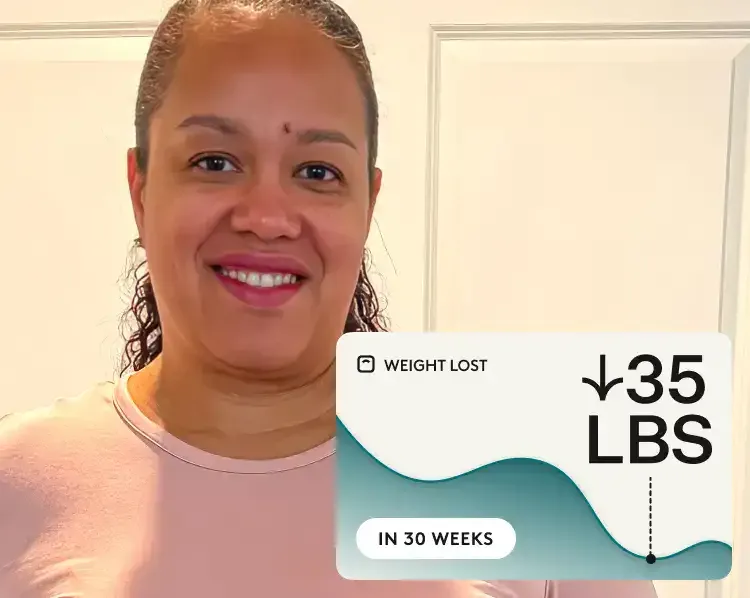
“My doctor recommended Noom after I was frustrated trying to lose weight. The lessons helped change my relationship with food. My body feels lighter & energized.”
Sonday K. – Real Noom user
Cam K. — Real Noom user
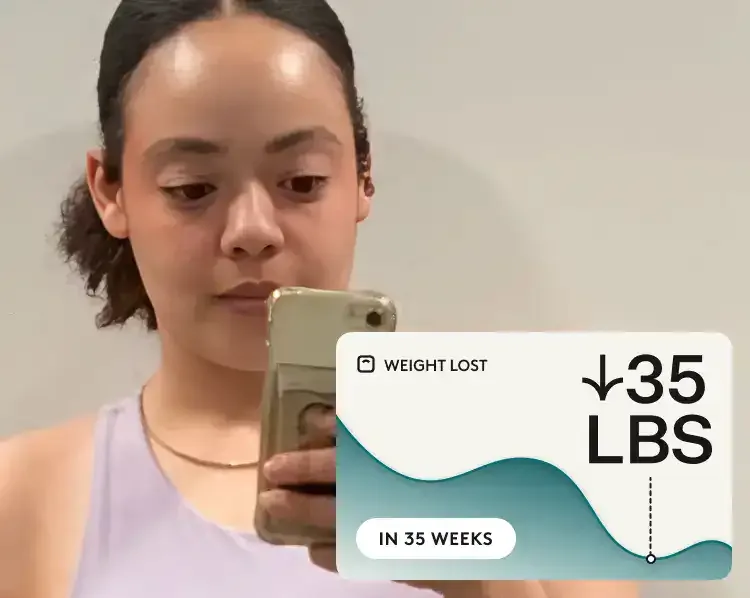
“I built healthy habits with coaching and lessons that make me confident I can maintain my weight loss long term.”
Cam K. – Real Noom user
Laura TR. — Real Noom user
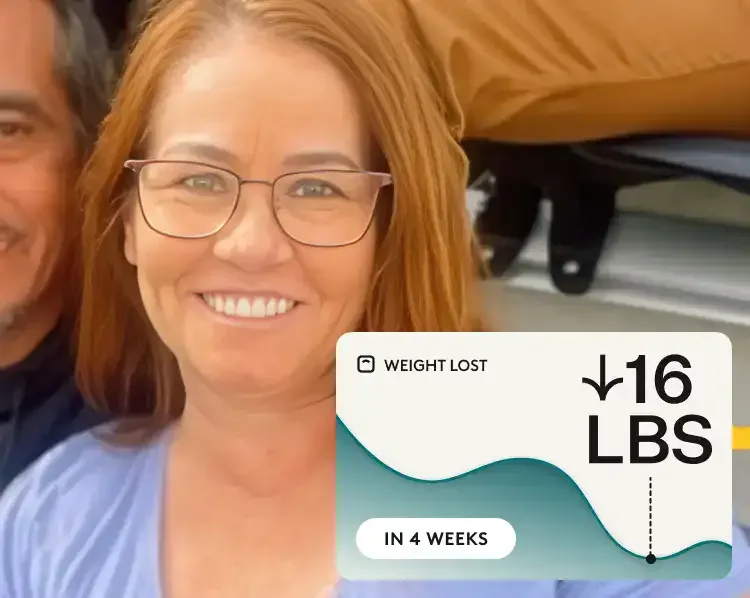
“With the right medication through Noom, hunger and sugar cravings finally quieted and I have the tools to break the cycle.”
Laura TR. – Real Noom user
Jessica S. — Real Noom user
“Cravings and food noise are gone, I finally feel confident in the healthy habits I’ve built to last with Noom.”
Jessica S. – Real Noom user
The bottom line: Wegovy® HD 7.2mg is an effective option for continuing weight loss
The introduction of Wegovy® 7.2 mg isn’t just about a higher number on a label—it raises the ceiling on what’s possible within the same medication.
The data shows that this higher dose can lead to greater weight loss than previous Wegovy® doses, bringing semaglutide closer to the results seen with other leading medications—and, in some cases, closer to more intensive interventions. But those results don’t happen in isolation. Even in clinical trials, medication was paired with lifestyle changes, and placebo groups still lost some weight, reinforcing that behavior still matters.
By reducing hunger and improving appetite control, it makes it easier to follow through on habits that might have felt difficult before—like eating more mindfully, staying consistent with balanced meals, and reducing eating to the point of discomfort.
The addition of the 7.2 mg dose builds on that by offering another step forward for people who need it. It acknowledges something important: weight loss isn’t linear, and plateauing doesn’t mean failure—it just means your body may need a different level of support.
That’s where structure and guidance come in. Medication can help, but it works best when it’s paired with a plan you can actually stick with. Noom Med is designed to connect those pieces. If you qualify, Noom Med combines medication, as needed, with clinical care, coaching, and behavior change support to help turn progress into something sustainable. Learn more.
Editorial standards
At Noom, we’re committed to providing health information that’s grounded in reliable science and expert review. Our content is created with the support of qualified professionals and based on well-established research from trusted medical and scientific organizations. Learn more about the experts behind our content on our Health Expert Team page.