

What you’ll learn:
- Survodutide is an experimental weight loss medication that activates both GLP-1 and glucagon receptors to reduce appetite and increase energy expenditure.
- In a phase 2 trial, people taking the highest dose lost up to 18.7% of their body weight over 46 weeks. Phase 3 results are expected later in 2026.
- Survodutide isn’t available outside of clinical trials. If current studies go well, it could potentially reach the market around 2028.
Due to the popularity of weight-loss medications like Wegovy® and Zepbound®, new options are continually being developed. We’ve already seen updates to existing treatments—like a higher dose of Wegovy® and newer entries like Foundayo® (orforglipron)—while others are generating attention before they’re even available, including retatrutide. Survodutide is one of the latest medications researchers are talking about for its weight loss potential.
Survodutide stands out because it works differently from medications you may already know. Wegovy® (semaglutide) targets GLP-1, and Zepbound® (tirzepatide) targets GLP-1 and GIP. Survodutide activates GLP-1 and glucagon receptors—a combination that may help reduce appetite while also increasing how much energy your body burns.
Right now, survodutide is still being studied in large phase 3 clinical trials and hasn’t yet been approved. Phase 3 trials are typically the final stage before a medication can be submitted for FDA approval, if results show it’s both safe and effective. Early findings have been promising, which is why it’s starting to show up more often in conversations about what’s next in weight management.
Below, we’ll walk through what researchers know so far—how survodutide works, what clinical trials show, how it compares to existing options, and what to expect as it moves through the approval process.
What is survodutide?
Survodutide (also known as BI 456906) is an investigational injectable medication designed for weight management. It belongs to a newer class of drugs called dual receptor agonists—specifically, it activates both glucagon and GLP-1 (glucagon-like peptide-1) receptors.

The Easy Way
to lose weight and get healthy.
See if you qualify
If that sounds technical, here’s the simpler version: Your body naturally produces hormones that regulate appetite, slow digestion, and regulate blood sugar. Survodutide mimics two of those hormones at once. The GLP-1 side helps you feel full and satisfied after eating—similar to what Wegovy® and Zepbound® do. The glucagon side tells your body to use more energy, particularly by promoting fat burning in the liver.
Survodutide’s activation of glucagon receptors could offer distinct metabolic advantages—especially for liver health.
Who’s developing survodutide?
A company called Boehringer Ingelheim is leading development and commercialization globally, with the drug originally licensed from Zealand Pharma. Zealand retains co-promotion rights in the Nordic countries.
What is survodutide being studied for?
Primarily two things: weight management and metabolic dysfunction-associated steatohepatitis (MASH), a serious liver condition. In September 2024, the FDA granted survodutide Breakthrough Therapy designation for MASH treatment—a signal that the agency sees meaningful potential in the drug for that condition.
For weight management, survodutide is being tested across several large phase 3 trials collectively known as the SYNCHRONIZE program. These include studies in people with a BMI of 30 or higher (or 27+ with weight-related health conditions), both with and without type 2 diabetes, plus a large cardiovascular outcomes trial with over 5,500 participants.
Where is survodutide in trials now?
Survodutide has completed phase 2 testing and is now deep into its phase 3 program. The two pivotal trials—SYNCHRONIZE-1 (for people without type 2 diabetes) and SYNCHRONIZE-2 (for people with type 2 diabetes)—enrolled roughly 725 and 752 participants, respectively. Both trials are 76 weeks long, and the last participant visits are expected in the first half of 2026, with the analyzed results available later in 2026.
A quick refresher on what those phases mean:
- Phase 1 tests basic safety in a small group.
- Phase 2 explores whether the drug works and at what doses.
- Phase 3 is the big one—large, rigorous studies designed to confirm safety and effectiveness before a company can submit the data to the FDA for approval.
If Phase 3 results are strong, the company submits the full data package to the FDA for review. From there, timelines can vary, but a standard review typically takes around 10 months, while a priority review (for treatments that address a significant need) can take closer to 6 months.
Even after approval, it can take additional time for manufacturing, pricing decisions, and insurance coverage to fall into place—so availability doesn’t always happen right away.
What makes survodutide different from other GLP-1s like Zepbound® and Wegovy®?
While survodutide, Wegovy®, and Zepbound® are all weekly injections aimed at weight management, they work through different hormonal pathways. Understanding those differences matters because the pathway a medication targets can affect how well it works for you, what side effects you might experience, and whether it offers benefits beyond weight loss.
Access GLP-1 Weight Loss with Noom
Explore a wide range of prescription medications supported by Noom’s program.Microdose GLP-1rx
Noom GLP-1rx
Noom GLP-1rx Plus
Wegovy®
Ozempic®
Metformin
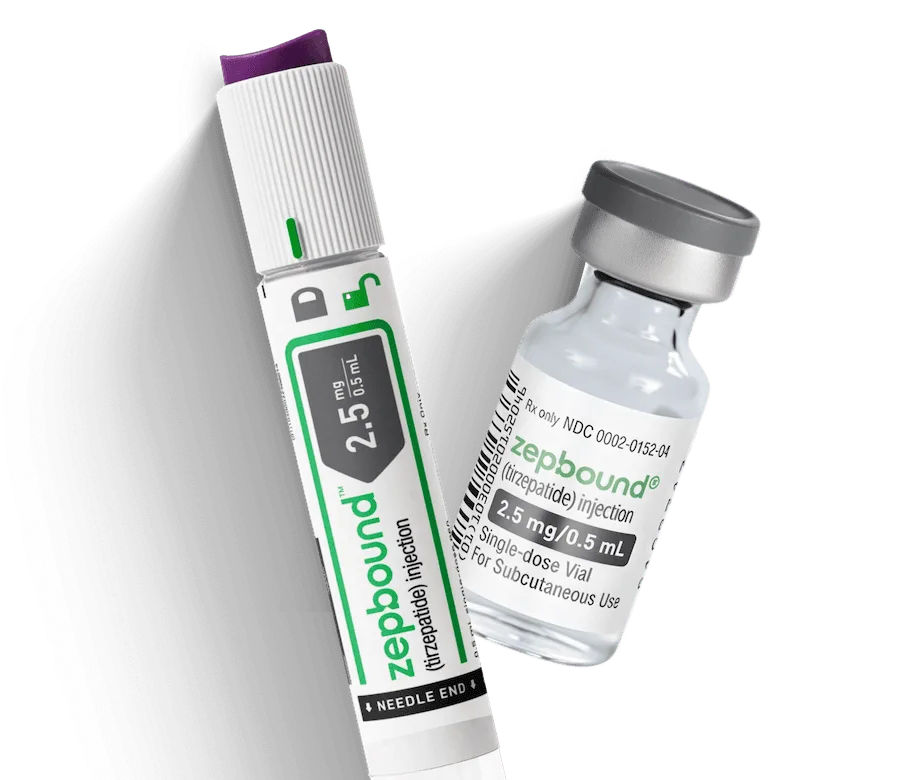
Zepbound®
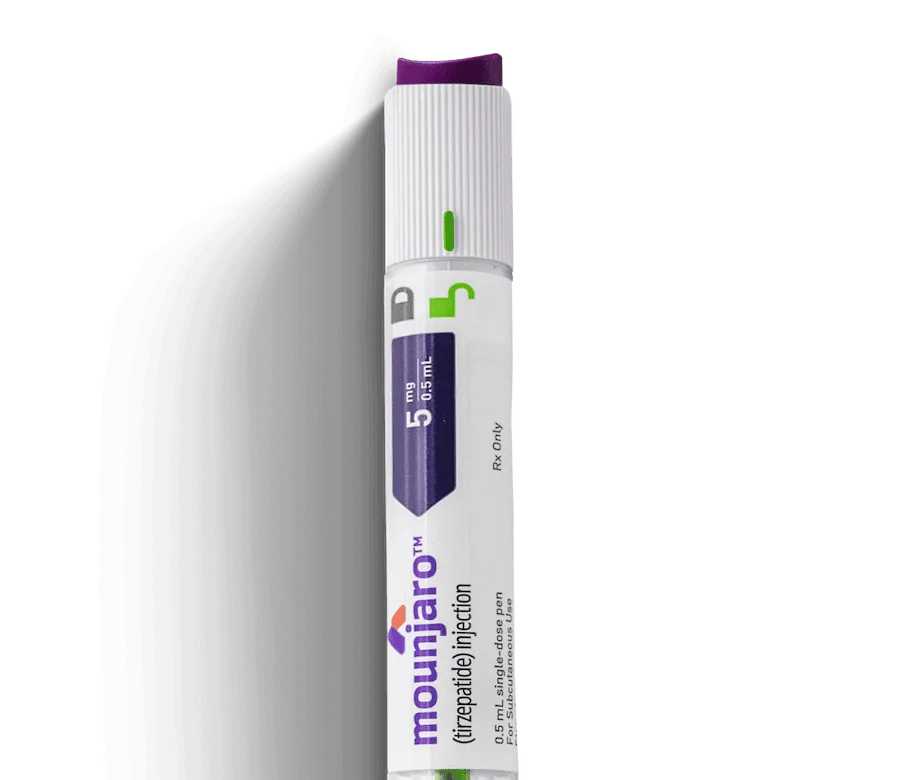
Mounjaro®
Liraglutide
| Medication | Hormone pathway | How it’s taken | FDA status (2026) |
|---|---|---|---|
| Survodutide | GLP-1 and glucagon dual agonist | Weekly injection | In clinical trials |
| Wegovy® (semaglutide) | GLP-1 | Weekly injection or daily pill | FDA-approved |
| Zepbound® (tirzepatide) | GLP-1 and GIP dual agonist | Weekly injection | FDA-approved |
Wegovy® works by targeting the GLP-1 receptor, which helps regulate appetite, improve blood sugar control, and slow digestion. Zepbound® builds on this approach by activating both GLP-1 and GIP receptors, a combination that has been linked to greater weight loss in clinical studies.
Survodutide takes a different approach by pairing GLP-1 with glucagon receptor activity. While GLP-1 helps reduce appetite, glucagon may increase energy expenditure and support reductions in liver fat. Because of this dual mechanism, survodutide is also being studied for liver-related conditions such as metabolic dysfunction–associated steatohepatitis (MASH).
The practical takeaway is that survodutide isn’t just another GLP-1 variation. It’s working through a genuinely different second pathway, and that could make a meaningful difference for certain people—especially those who might benefit from the liver-related effects or who haven’t responded well to existing options.
How is survodutide taken?
In trials, survodutide is administered as a once-weekly subcutaneous injection, meaning it is injected just under the skin. Common injection sites include the abdomen, thigh, or upper arm. There is currently no oral (pill) version available or in development.
Dosing and titration schedule
Like other injectable weight loss medications, survodutide follows a gradual dose-escalation approach. Treatment starts at the lowest dose and increases over time to help the body adjust and reduce side effects.
- Phase 2: Doses were escalated over approximately 20 weeks. The highest tested maintenance dose was 4.8 mg once weekly.
- Phase 3: Ongoing studies are evaluating maintenance doses of 3.6 mg and 6.0 mg weekly, with dose increases typically occurring at 4-week intervals.
One notable feature of the phase 3 trials is built-in dose flexibility. If participants experience significant gastrointestinal symptoms during dose escalation, adjustments can be made, including:
- Pausing dose increases
- Slowing the titration schedule
- Re-escalating more gradually
- Providing dietary guidance
This approach is designed to improve tolerability and help more participants stay on treatment. Earlier trials with faster escalation schedules were associated with higher dropout rates.
Access is limited to individuals enrolled in active clinical trials, and final dosing recommendations will depend on future regulatory approval and prescribing guidelines.
Survodutide: Weight loss potential
The weight loss data from clinical programs where survodutide is tested is what’s generating much of the excitement. But as with any medication, the numbers come with important context.
Phase 2 trials: Weight loss results
In a phase 2 trial, 387 people with a BMI of 27 or higher (without type 2 diabetes) were randomized to different doses of survodutide or placebo for 46 weeks. The results were dose-dependent—meaning higher doses produced more weight loss. Here are the results based on average body weight lost:
- 0.6 mg: 6.2%
- 2.4 mg: 12.5%
- 3.6 mg: 13.2%
- 4.8 mg: 14.9%
Among those who reached and stayed on the 4.8 mg dose throughout the maintenance phase, average weight loss climbed to 18.7%. At that highest dose, about 83% of participants lost at least 5% of their body weight, 69% lost at least 10%, and 55% hit the 15% mark. Roughly 40% of people on the two highest doses lost 20% or more.
Importantly, weight loss was still trending downward at week 46—suggesting that longer treatment could produce even greater results. The phase 3 trials run for 76 weeks and test doses up to 6.0 mg, so we may see higher numbers when those results come in.
Is survodutide being studied alone or as part of a combination?
Unlike some other drugs in development (like CagriSema, which pairs two medications in one injection), survodutide is being studied as a standalone treatment. It’s a single molecule that activates two receptor pathways on its own.
How does it compare to Wegovy® and Zepbound®?
No head-to-head trials have been completed yet, so any comparison has to be made carefully across different studies with different populations. That said, the phase 2 numbers for survodutide (up to 18.7% weight loss at 46 weeks) are in the same general ballpark as what’s been reported for Wegovy® and Zepbound®. Keep in mind, this is a small phase 2 trial versus Wegovy and Zepbound numbers, which come from large phase 3 trials and are well-documented and repeatable.
Phase 3 data, expected later in 2026, will give a much clearer picture of how survodutide truly stacks up.
In an earlier, shorter phase 2 trial involving people with type 2 diabetes, survodutide produced significantly more weight loss than semaglutide 1.0 mg after 16 weeks of treatment. That’s an encouraging early signal, but it’s not the same as a full-scale comparison with semaglutide at its approved higher dose.
Survodutide: Side effects and safety
Like other medications that act on the GLP-1 pathway, survodutide is primarily associated with gastrointestinal side effects. But trial data show a more detailed pattern of which symptoms are most likely to occur.
Across clinical trials, the most frequently reported side effects include:
- Nausea
- Vomiting
- Diarrhea
- Dyspepsia (indigestion)
These effects were significantly more common with survodutide than with placebo, particularly nausea and vomiting, which showed the strongest associations in pooled analyses.
Constipation has been reported, but rates weren’t significantly higher than placebo in available data.
Most side effects were mild to moderate and occurred more frequently during the dose-escalation phase, which is consistent with other incretin-based therapies.
Tolerability and discontinuation
While overall rates of adverse events were similar to placebo, survodutide was associated with a higher likelihood of discontinuation due to side effects.
This suggests that tolerability—not just frequency of side effects—is an important factor in real-world use. Slower dose escalation strategies in ongoing phase 3 trials are designed to improve this.
Does survodutide have any potential for severe side effects?
So far, clinical trials have not identified unexpected safety signals, and no deaths were reported in the analyzed studies.
There is also no clear signal for increased risk of pancreatitis or major organ toxicity based on current evidence, although longer-term data are still needed.
As with other drugs that act on the GLP-1 pathway, clinicians may still apply class-based precautions, particularly for people with a history of:
- Medullary thyroid carcinoma (MTC)
- Multiple endocrine neoplasia syndrome type 2 (MEN2)
Survodutide: Clinical trials and FDA status
Here’s where things stand in the approval pipeline—and what to expect over the coming months.
The phase 3 program includes multiple ongoing trials. SYNCHRONIZE-1 and SYNCHRONIZE-2, the two pivotal trials for weight management, are expected to complete their last participant visits in the first and second quarters of 2026, respectively. Analyzed results are anticipated later in 2026. A large cardiovascular outcomes trial (SYNCHRONIZE-CVOT) with 5,508 participants across 34 countries is also ongoing, with an estimated completion date in mid-2026.
In addition to the weight management program, survodutide is being tested in two phase 3 LIVERAGE trials for MASH (liver disease), where it received FDA Breakthrough Therapy designation in September 2024 and European Medicines Agency PRIME scheme acceptance.
When could survodutide be approved?
The timeline depends on the phase 3 results. If the data are positive:
- Phase 3 results for weight management: expected later in 2026
- Potential FDA submission: 2027, if trial data support it
- Potential FDA approval and market availability: 2028 at the earliest
These timelines can shift based on trial outcomes, FDA review speed, and any additional data requests. But as of now, no major roadblocks have emerged to slow down development.
Survodutide: Price, accessibility, and brand
Since survodutide hasn’t been approved yet, there is no official price and no brand name for the medication.
What might pricing look like?
We can make educated guesses by looking at what comparable weight loss medications cost right now.
- Wegovy® (both the pill and injection) has a list price of about $1,350 per month. Through Novo Nordisk’s NovoCare Pharmacy self-pay program, the cost can range from $149 to $349 per month, depending on the dose and form.
- Zepbound® has a list price of about $1,086 per month for prefilled pens. Through Eli Lilly’s LillyDirect platform, self-pay single-dose vials start at $299 per month for the lowest dose, with higher doses at $399 to $449 per month.
If survodutide is approved, it would likely be priced in a similar range to these premium injectable weight loss medications—though the exact number could go in either direction depending on insurance negotiations, patient assistance programs, and competitive dynamics at the time of launch. The weight loss drug pricing landscape has been shifting quickly, with both major manufacturers introducing lower cash-pay options in late 2025 and early 2026.
Does survodutide have a brand name?
Not yet. The medication is still referred to by its generic name and research designation (BI 456906). Boehringer Ingelheim would typically announce a commercial brand name closer to approval and launch.
How to get survodutide
Right now, the only way to access survodutide is through enrollment in an active clinical trial. ClinicalTrials.gov lists any ongoing studies. If you’re interested, talk to your healthcare provider about whether you might qualify for a trial near you.
Survodutide vs. other weight-loss drugs
Survodutide isn’t the only next-generation medication making its way through the pipeline. The weight loss drug landscape is more diverse than it’s ever been, with several other medications approaching weight management from different angles:
- Retatrutide is a first-in-class triple hormone agonist from Eli Lilly that targets GLP-1, GIP, and glucagon receptors. In its first phase 3 trial (TRIUMPH-4), people lost an average of 28.7% of their body weight over 68 weeks—the highest result seen for any weight loss medication to date. Seven additional phase 3 readouts are expected throughout 2026, and approval could come as early as late 2027.
- Foundayo® (orforglipron) is a once-daily pill from Eli Lilly that was just approved by the FDA on April 1, 2026. It works similarly to GLP-1 injectable medications but as a small molecule that can be taken at any time of day without food or water restrictions. In trials, people lost an average of about 12% of their body weight. Self-pay pricing starts at $149 per month.
- CagriSema is a combination of cagrilintide (an amylin analog) and semaglutide in a single weekly injection, developed by Novo Nordisk. It’s currently under FDA review, with a decision expected by late 2026. In trials, people lost an average of 20-23% of their body weight.
- Amycretin is being developed by Novo Nordisk and targets both GLP-1 and amylin receptors in one molecule. In early trials, the injectable form showed up to 22% weight loss over 36 weeks, and an oral version also showed promising results. Phase 3 trials are expected to begin in 2026.
The coming years will determine whether survodutide’s distinct dual mechanism—GLP-1 plus glucagon, with its unique liver benefits—can carve out a meaningful role among these increasingly powerful options.
FAQs: Other questions about survodutide
People considering weight management options often have specific questions about new medications like survodutide. These answers address practical concerns about availability, effectiveness, and safety based on current research and trial data.
Is survodutide available in the U.S.?
No, survodutide isn’t available for use yet. It’s only accessible through clinical trials right now. The medication is still being tested in phase 3 studies to gather safety and effectiveness data before potential FDA approval.
When will survodutide be available?
If current trials go well, survodutide could potentially reach the market in 2027 or 2028, depending on trial results and FDA review. The phase 3 studies are expected to complete data collection by mid-2026, followed by regulatory review time.
Is survodutide more effective than Zepbound® or Wegovy®?
Direct comparison studies haven’t been done yet, so any comparison has to be made across separate trials using different doses, populations, and timelines.
Phase 3 data, expected later in 2026, will give a much clearer picture of how it truly compares.
It’s also worth noting that GLP-1–based medications don’t work the same way for everyone. Individual response, side effects, and tolerability can all influence real-world results.
What long-term safety data do we have?
Long-term safety data is still being collected through ongoing studies. Current research shows side effects similar to other GLP-1 medications, but more time is needed to understand effects beyond two years of use.
Could survodutide be used for conditions beyond weight loss?
Yes, researchers are studying survodutide for liver health conditions. Early research suggests it may help with MASH, but more studies are needed before approval for these additional uses.
Reviews from real Noom users
Desirea N. — Real Noom user
“My favorite parts of Noom are the care team and other Noomers. Sharing and getting help made me feel like I wasn’t doing it alone. That support made all the difference.”
Desirea N. — Real Noom user
Matthew M. — Real Noom user
“Noom has taught me that every day is a new chance to make better, healthier choices. It's taught me how to stop overeating.’’
Matthew M. — Real Noom user
Lila M. — Real Noom user
“Clinicians who understand how supportive medication can be is one of the best parts of Noom! I was convinced I wouldn’t have success but I’m down 11 pounds in two months.’’
Lila M. — Real Noom user
Steve M. — Real Noom user
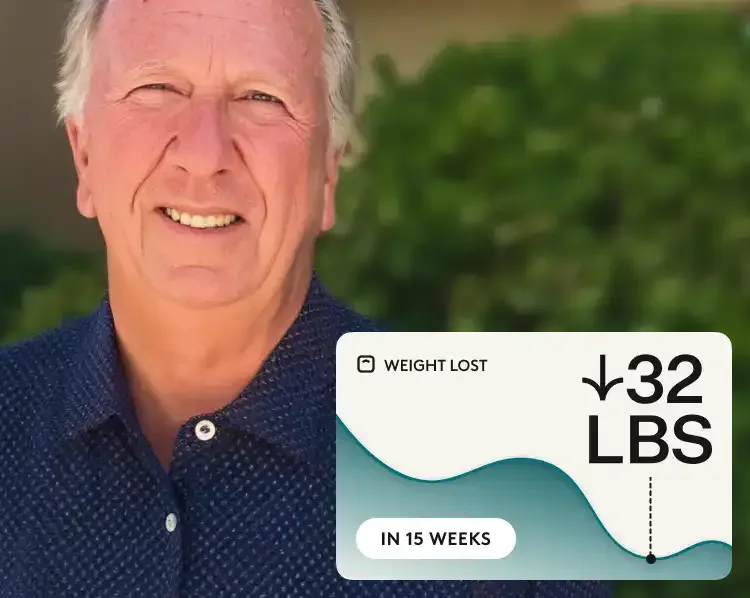
“Noom provided me with the medication which I could not get through Medicare. I have learned the tricks to better eating and life in general.”
Steve M. – Real Noom user
Daisy R. — Real Noom user
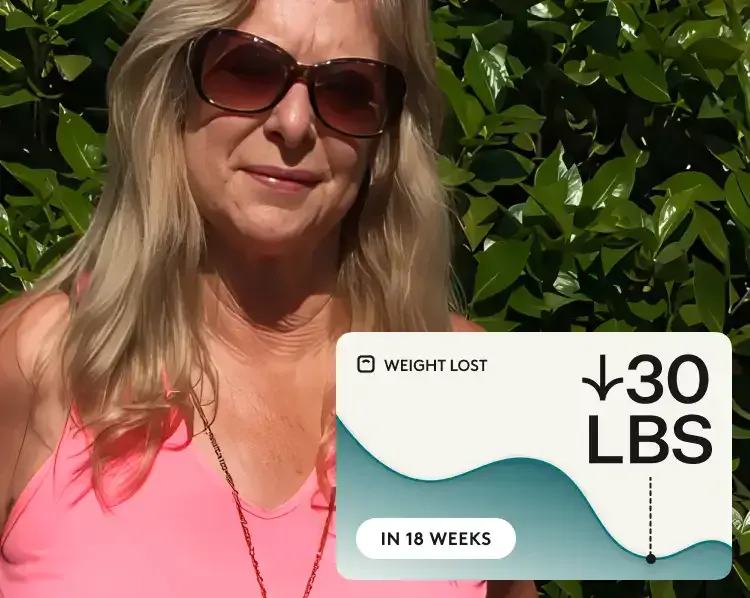
‘’Noom has changed my life and I’m so thankful, I feel great, have more energy and am no longer prediabetic.”
Daisy R. – Real Noom user
Sarah R. — Real Noom user
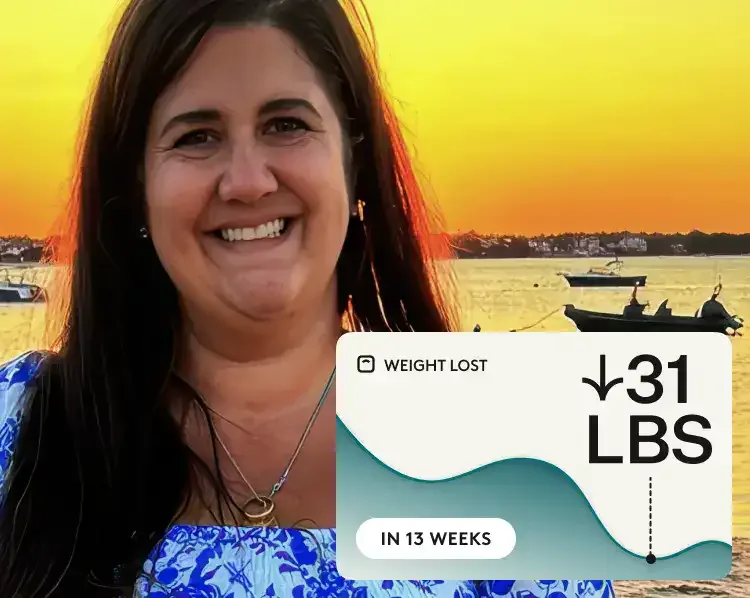
“All of the Noom providers that I’ve met with have been exceptional and prescribed medications that are appropriate for my situation and health.”
Sarah R. – Real Noom user
Madison S. — Real Noom user
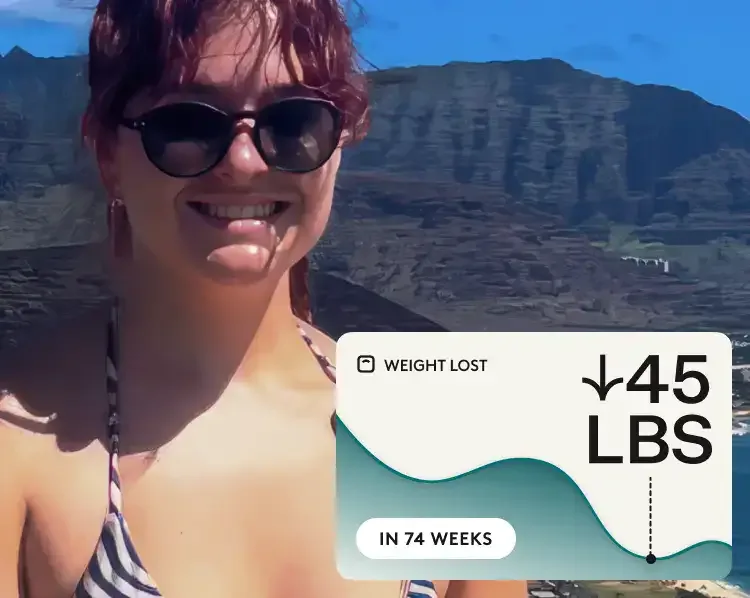
“Noom made the process so simple and now I feel full, free from diet obsession, and at ease in my body again.”
Madison S. – Real Noom user
Sonday K. — Real Noom user
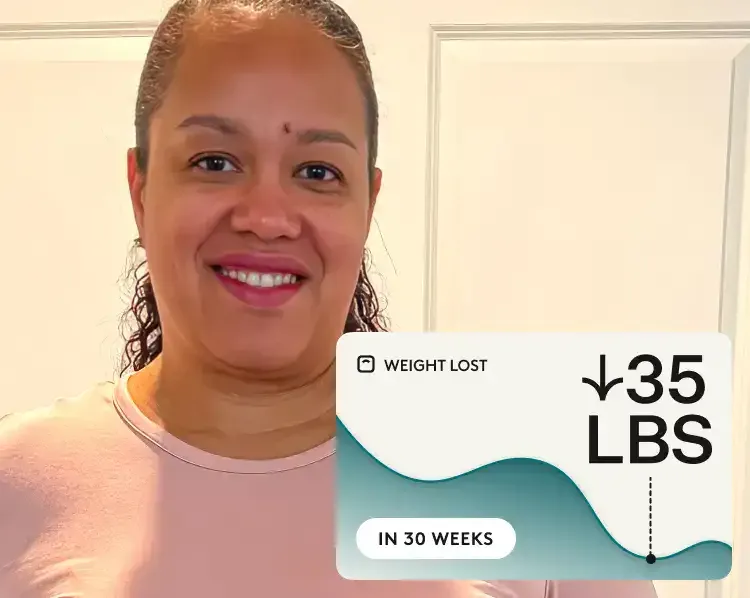
“My doctor recommended Noom after I was frustrated trying to lose weight. The lessons helped change my relationship with food. My body feels lighter & energized.”
Sonday K. – Real Noom user
Cam K. — Real Noom user
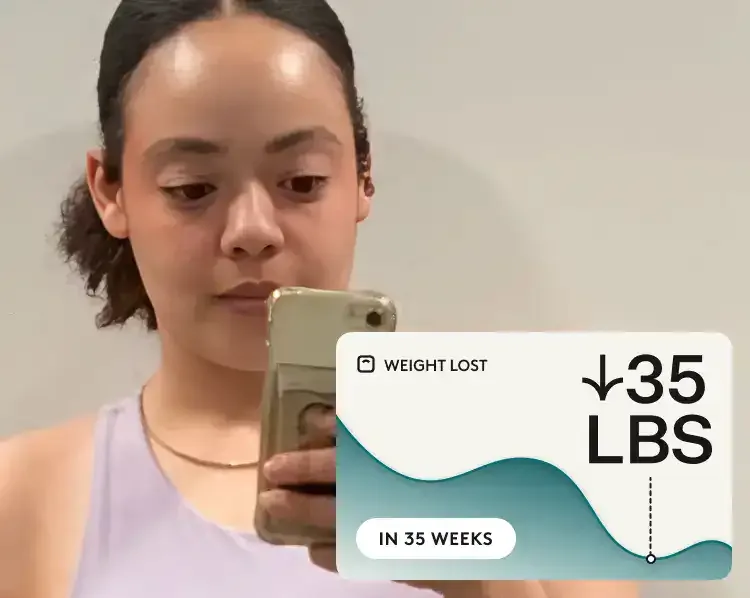
“I built healthy habits with coaching and lessons that make me confident I can maintain my weight loss long term.”
Cam K. – Real Noom user
Laura TR. — Real Noom user
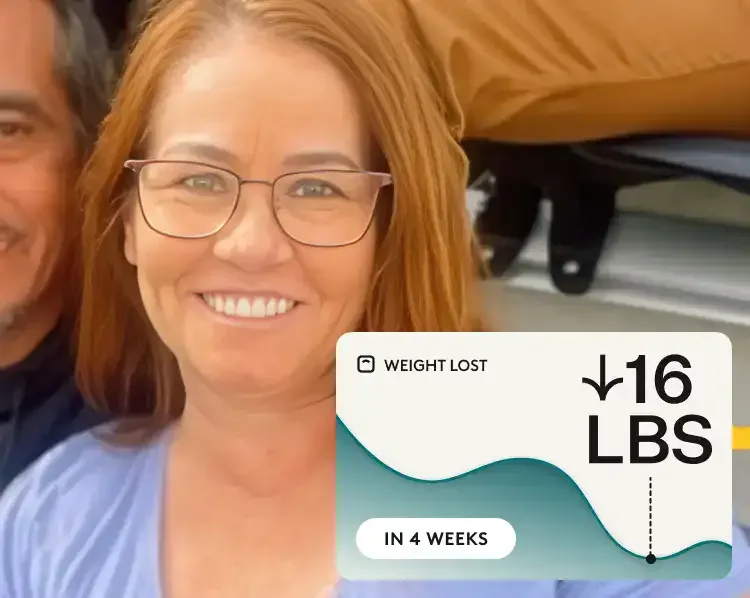
“With the right medication through Noom, hunger and sugar cravings finally quieted and I have the tools to break the cycle.”
Laura TR. – Real Noom user
Jessica S. — Real Noom user
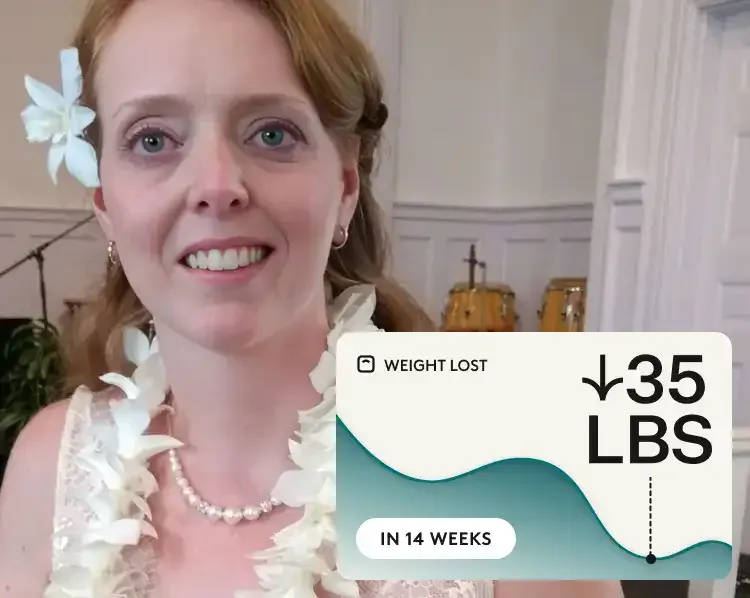
“Cravings and food noise are gone, I finally feel confident in the healthy habits I’ve built to last with Noom.”
Jessica S. – Real Noom user
The bottom line: Survodutide might be an effective weight loss option in a few years
Survodutide represents a genuinely different approach to weight management medication. Its dual activation of GLP-1 and glucagon receptors sets it apart from both Wegovy® and Zepbound®, and its Breakthrough Therapy designation for liver disease adds a dimension that no currently approved weight loss drug offers.
Phase 2 data showing up to 18.7% weight loss at 46 weeks are encouraging, and the broader SYNCHRONIZE phase 3 program—with results expected in 2026—will tell us much more about its real-world potential.
That said, survodutide is still experimental. It hasn’t been approved, it doesn’t have a price tag yet, and it won’t be on pharmacy shelves for at least a couple of years.
If you’re interested in medically supported weight management right now, there are proven options already available. If you qualify, Noom Med clinician can help you find the right medication for you and prescribe it if needed. Plus, you’ll get personalized medical guidance alongside psychology-based coaching, and the GLP-1 Companion provides ongoing support for those already using weight management medications.
Editorial standards
At Noom, we’re committed to providing health information that’s grounded in reliable science and expert review. Our content is created with the support of qualified professionals and based on well-established research from trusted medical and scientific organizations. Learn more about the experts behind our content on our Health Expert Team page.