
What you’ll learn:
- Obstructive sleep apnea happens when the upper airway repeatedly narrows or closes during sleep.
- Weight loss can reduce OSA severity, but it doesn’t guarantee that sleep apnea will go away.
- Zepbound® is FDA-approved for moderate-to-severe OSA in adults with obesity, alongside a reduced-calorie diet and increased physical activity.
If you wake up exhausted after a full night in bed, snore loudly, or have been told you stop breathing in your sleep, sleep apnea may be part of the conversation. It’s a common condition, and it can affect more than your energy: untreated sleep apnea is linked with high blood pressure, heart disease, stroke, and other health concerns.
For many people, weight is one piece of the picture. Extra tissue around the upper airway and abdomen can make the airway more likely to narrow during sleep. That’s why weight loss can improve obstructive sleep apnea (OSA) for some people, but it isn’t the only treatment, and it doesn’t explain every case.
In this article, you’ll learn what sleep apnea is, how weight loss may affect it, what the research really shows, and where treatments like PAP therapy and Zepbound® fit in.
What is sleep apnea?
Sleep apnea is a disorder in which breathing repeatedly stops or becomes too shallow during sleep. These pauses can lower oxygen levels and briefly wake the brain enough to reopen the airway—often without you remembering it the next morning.
Clinicians commonly use the apnea-hypopnea index (AHI) to describe severity. It counts the average number of breathing interruptions per hour of sleep. A sleep study, either at home or in a lab, can diagnose sleep apnea and help determine which type you have.

The Easy Way
to lose weight and get healthy.
Common signs of sleep apnea include:
- Loud, frequent snoring
- Witnessed pauses in breathing, gasping, or choking during sleep
- Daytime sleepiness, morning headaches, or trouble concentrating
- Waking often during the night or feeling unrefreshed after sleep
Snoring alone doesn’t confirm sleep apnea, and not everyone with sleep apnea snores. If these symptoms sound familiar, a clinician or sleep specialist can help you decide whether testing makes sense.
Obstructive vs. central sleep apnea
There are two different types of sleep apnea, obstructive and central. They have different causes, so it’s important to know the difference between them and their connection to weight loss.
| Type | What happens | How weight fits in |
|---|---|---|
| Obstructive sleep apnea (OSA) | Throat muscles relax during sleep and the upper airway narrows or closes, interrupting breathing. | OSA is more common in people with overweight or obesity, but it can affect people at any body size. Weight loss may reduce airway narrowing for some people. |
| Central sleep apnea (CSA) | The brain doesn’t consistently send the signal to breathe. It can be related to conditions such as heart failure, certain medicines, high altitude, or neurologic conditions. | Weight loss isn’t considered a primary treatment for CSA. Treatment focuses on the underlying cause and the right form of breathing support. |
This article focuses mainly on OSA. If you have central sleep apnea, or aren’t sure which type you have, talk with a sleep specialist.
What does losing weight have to do with sleep apnea?
Body weight isn’t a measure of effort or a complete explanation for someone’s sleep apnea. Anatomy, age, family history, alcohol use, nasal congestion, menopause, and certain health conditions can all matter. Still, weight can affect the way you breathe when sleeping.
That doesn’t mean everyone with obesity has OSA or that people without obesity never have OSA. Sleep apnea can happen to people in any body type. But, when excess weight contributes to airway narrowing, reducing weight can lessen the number of breathing disruptions.
There’s also a frustrating reality: OSA can leave you tired, make exercise feel less appealing, and may increase your appetite hormones. That can make losing weight with sleep apnea even harder.
Weight loss and sleep apnea: What does the research say?
Losing weight can improve OSA severity. But weight loss isn’t always a full “cure,” and some people still have OSA despite losing weight. Here’s what the studies found:
- Weight loss can reduce breathing interruptions. The 10-year Sleep AHEAD trial shows that people with type 2 diabetes and OSA who lose weight can have greater AHI reductions than those who don’t. Some people also reach remission, meaning they no longer meet the criteria for OSA on a follow-up sleep study. But that’s not the case for everyone.
- More weight loss is generally linked with larger AHI reductions. A 2024 systematic review and meta-analysis shows that more weight loss is linked with greater reductions in AHI. The study estimates that a 20% reduction in BMI is associated with a 57% reduction in AHI. But this isn’t a formula for predicting any one person’s result.
- Weight loss alone doesn’t always solve OSA. Diet and physical-activity approaches can improve OSA measures, but don’t always bring AHI down to normal levels. After losing weight, some people no longer have OSA, while others still do. That’s because sleep apnea can have several drivers, including airway anatomy, age, family history, and other health conditions. Even after meaningful weight loss, some people still need PAP therapy, an oral appliance, or another treatment to keep their airway open during sleep.
The practical takeaway: Weight loss can be a powerful tool for people who have OSA connected to excess weight, but it’s usually one part of an individualized plan. And weight loss alone doesn’t always “cure” sleep apnea. If there’s an obstruction in your airway, that still needs to be managed.
What treatments help with sleep apnea?
Treatment depends on the type and severity of sleep apnea, your anatomy, other health conditions, and what you can use consistently. A sleep clinician can help tailor the plan.
| Treatment | How it can help | Important note |
|---|---|---|
| PAP therapy (including CPAP) | Uses gentle air pressure to keep the airway open during sleep. | PAP is a standard first-line treatment for many people with moderate-to-severe OSA. Mask fit and pressure settings can often be adjusted to make it easier to use. |
| Oral appliance | A custom device moves the jaw or tongue forward to help keep the airway open. | It may be an option for some people with mild-to-moderate OSA or for those who can’t tolerate PAP. |
| Lifestyle and weight management | Weight loss, regular movement, limiting alcohol near bedtime, and sleep-position changes may improve OSA for some people. | These changes can support treatment but don’t replace follow-up testing. |
| Surgery or implantable devices | Some procedures change the airway; hypoglossal nerve stimulation can help certain eligible adults. | These are specialist decisions based on anatomy, severity, and prior treatment response. |
| Medication for eligible adults | Zepbound® can reduce OSA severity in adults with obesity and moderate-to-severe OSA. | It’s prescribed alongside a reduced-calorie diet and increased physical activity, not as a do-it-yourself replacement for sleep care. |
Small, sustainable habits can help support both sleep and weight goals: keeping a consistent bedtime, building meals around foods that help you feel satisfied, and choosing movement you can repeat are often more realistic than an all-or-nothing reset.
Read more: How to build better sleep habits with microhabits.
Zepbound® for sleep apnea
In December 2024, the FDA approved Zepbound® (tirzepatide) to treat moderate-to-severe OSA in adults with obesity, along with a reduced-calorie diet and increased physical activity. It was the first medication approved specifically for this use.
Zepbound® is a once-weekly injection that activates GIP and GLP-1 receptors. It reduces appetite and food intake, which can lead to weight loss. The improvement in OSA is likely related to that weight reduction—not because the medication mechanically keeps the airway open overnight like PAP therapy does.
The approval was based on two 52-week trials involving 469 adults with obesity and moderate-to-severe OSA who did not have type 2 diabetes. One trial included people who were using PAP therapy; the other included people unable or unwilling to use it. They found that 61.2% of Zepbound® participants not using PAP and 72.4% of those using PAP achieved at least a 50% reduction in AHI.
Those are promising results, but they don’t mean every person with OSA should take Zepbound® or can stop PAP. Zepbound® can cause side effects, most commonly digestive symptoms, and it isn’t right for everyone. Your prescriber can review your health history and help decide if Zepbound® is a good option for you.
Read more: What is Zepbound®? Benefits, side effects, and cost.
Will insurance cover Zepbound® for sleep apnea?
Possibly, but coverage is plan-specific. An FDA-approved OSA diagnosis may give a prescription a different coverage pathway than a prescription written only for weight management. Even then, plans can require prior authorization, documentation of moderate-to-severe OSA and obesity, or step therapy.
Before starting, call the number on your insurance card and ask whether your plan covers Zepbound® for moderate-to-severe obstructive sleep apnea in adults with obesity. Ask about the drug’s formulary tier, prior authorization requirements, any required sleep-study documentation, and your expected copay. Your prescriber’s office may also be able to help submit the necessary records.
For Medicare, Zepbound® may be eligible for Part D coverage when it’s prescribed for its FDA-approved moderate-to-severe OSA indication in an adult with obesity, subject to the plan’s formulary and prior-authorization rules. The separate Medicare GLP-1 Bridge doesn’t apply to Zepbound® prescribed for sleep apnea. People taking the medicine for OSA should work through their Part D plan instead.
Read more: Does insurance cover Zepbound®?
FAQ about sleep apnea and weight loss
Is sleep apnea reversible with weight loss?
Weight loss can reduce OSA severity and, for some people, lead to remission on a follow-up sleep study. But it isn’t guaranteed, and “reversible” can be misleading: symptoms can return if weight changes, anatomy or other risk factors still contribute, or OSA was never solely weight-related. Repeat testing—not just feeling less tired—can show whether your treatment plan needs to change.
Can weight loss cure sleep apnea?
It’s more accurate to say weight loss may improve OSA or help some people reach remission than to call it a cure. Many people still need PAP, an oral appliance, or another treatment after losing weight. Never stop a prescribed sleep-apnea treatment without discussing it with your clinician.
Can sleep apnea go away with weight loss?
It can for some people with OSA, particularly when excess weight is a major contributor. In the Sleep AHEAD trial, some participants reached remission after weight loss, but not everyone did. A new sleep study is the best way to know whether breathing interruptions have resolved or become less severe.
Will insurance cover Zepbound® for sleep apnea?
Some commercial plans may cover it for its FDA-approved OSA indication, but the answer depends on your specific plan. Coverage can change from year to year, and prior authorization is common. Check your formulary and confirm the diagnosis and documentation your plan requires.
Does Medicare cover Zepbound® for sleep apnea?
Medicare Part D may cover Zepbound® when it’s prescribed for its FDA-approved indication of moderate-to-severe OSA in an adult with obesity. That is different from coverage for weight loss alone. The separate Medicare GLP-1 Bridge for weight management isn’t for people with a qualifying OSA diagnosis.
Reviews from real Noom users
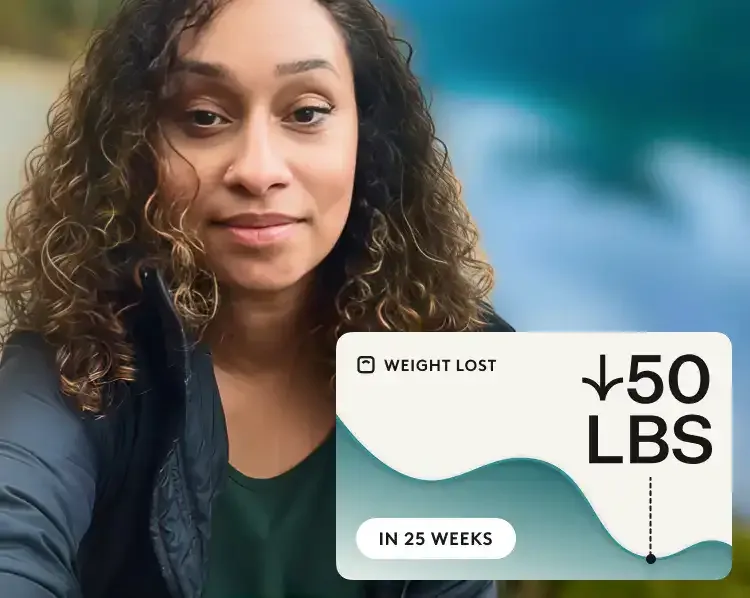
“My favorite parts of Noom are the care team and other Noomers. Sharing and getting help made me feel like I wasn’t doing it alone. That support made all the difference.”
Desirea N. — Real Noom user
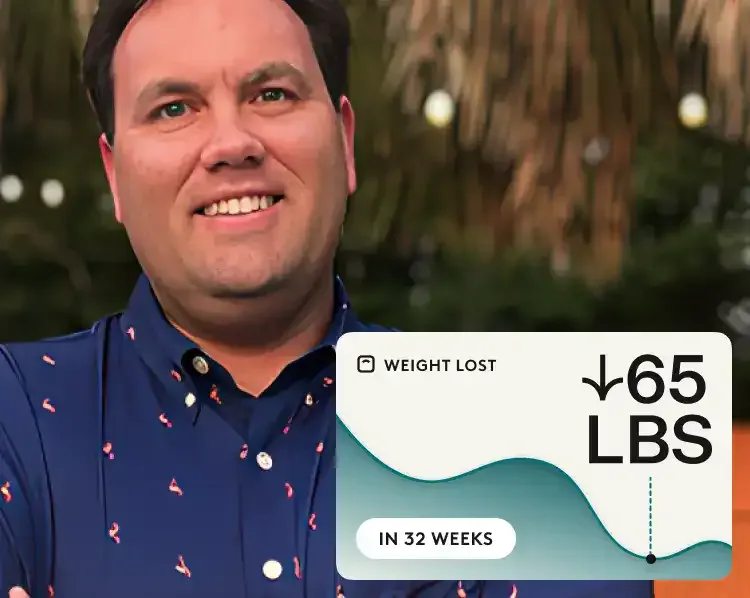
“Noom has taught me that every day is a new chance to make better, healthier choices. It’s taught me how to stop overeating.”
Matthew M. — Real Noom user
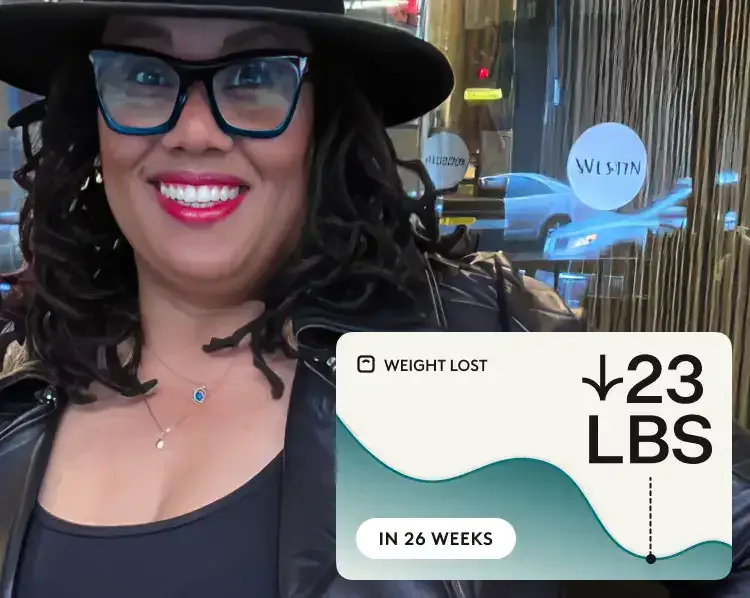
“Clinicians who understand how supportive medication can be is one of the best parts of Noom! I was convinced I wouldn’t have success but I’m down 11 pounds in two months.”
Lila M. — Real Noom user
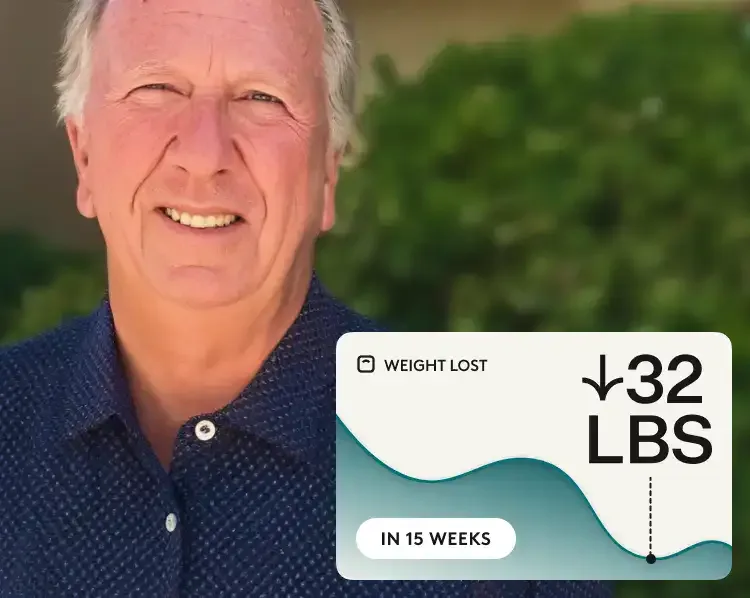
“Noom provided me with the medication which I could not get through Medicare. I have learned the tricks to better eating and life in general.”
Steve M. – Real Noom user
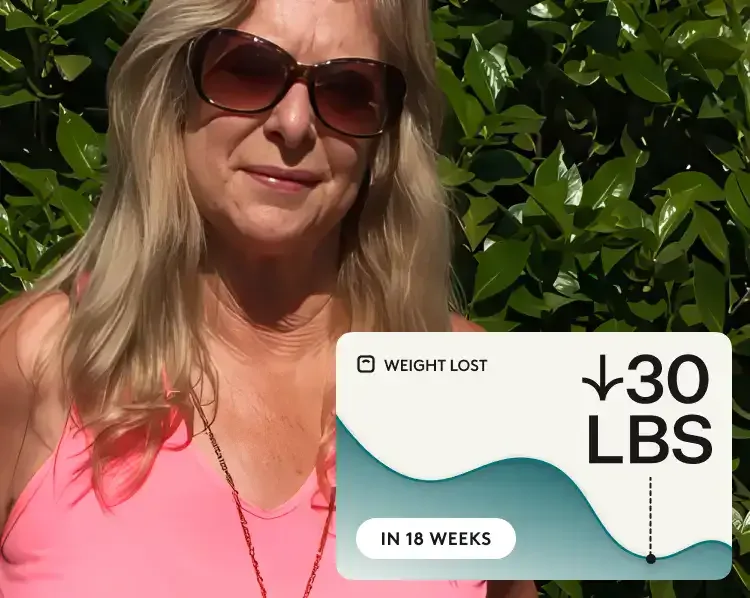
“Noom has changed my life and I’m so thankful, I feel great, have more energy and am no longer prediabetic.”
Daisy R. – Real Noom user
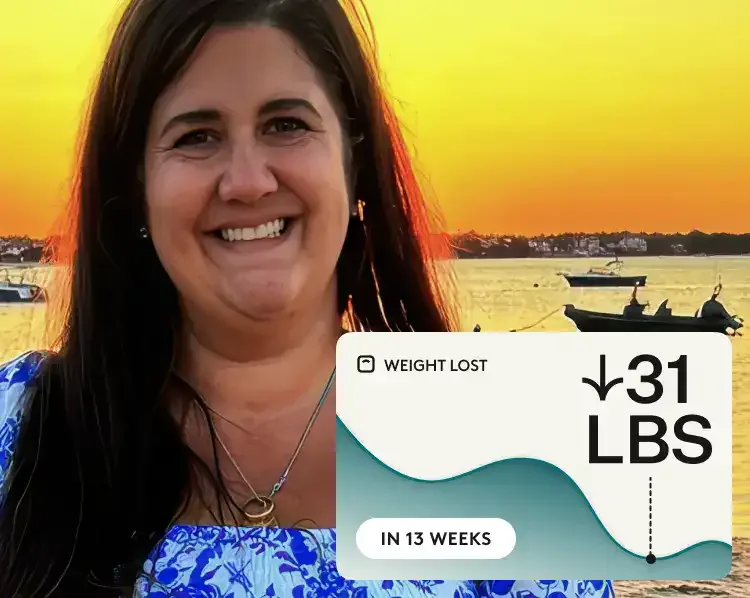
“All of the Noom providers that I’ve met with have been exceptional and prescribed medications that are appropriate for my situation and health.”
Sarah R. – Real Noom user
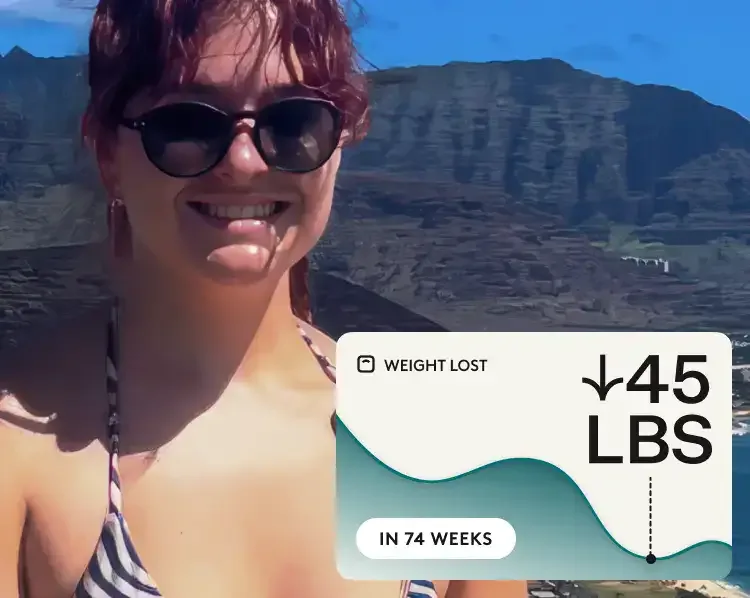
“Noom made the process so simple and now I feel full, free from diet obsession, and at ease in my body again.”
Madison S. – Real Noom user
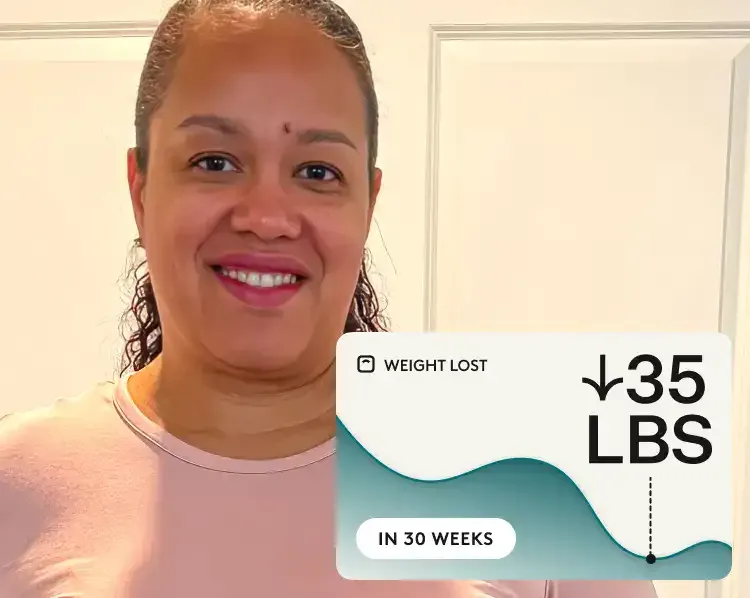
“My doctor recommended Noom after I was frustrated trying to lose weight. The lessons helped change my relationship with food. My body feels lighter & energized.”
Sonday K. – Real Noom user
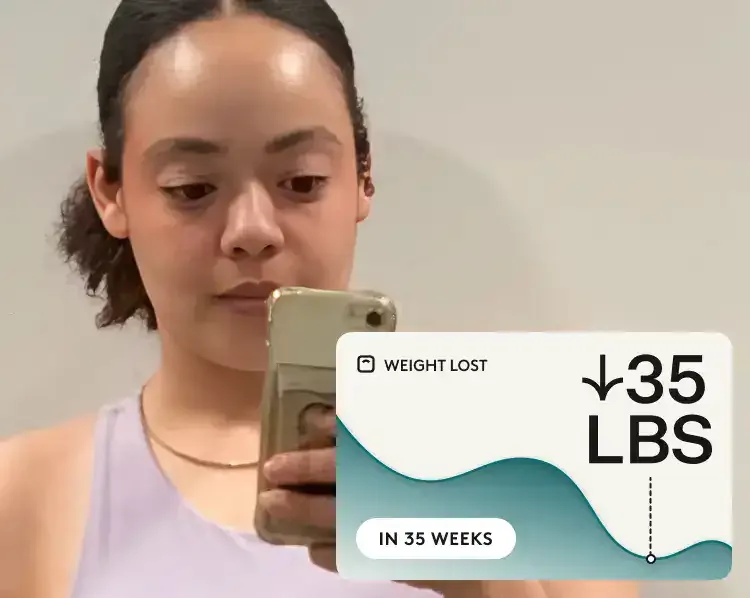
“I built healthy habits with coaching and lessons that make me confident I can maintain my weight loss long term.”
Cam K. – Real Noom user
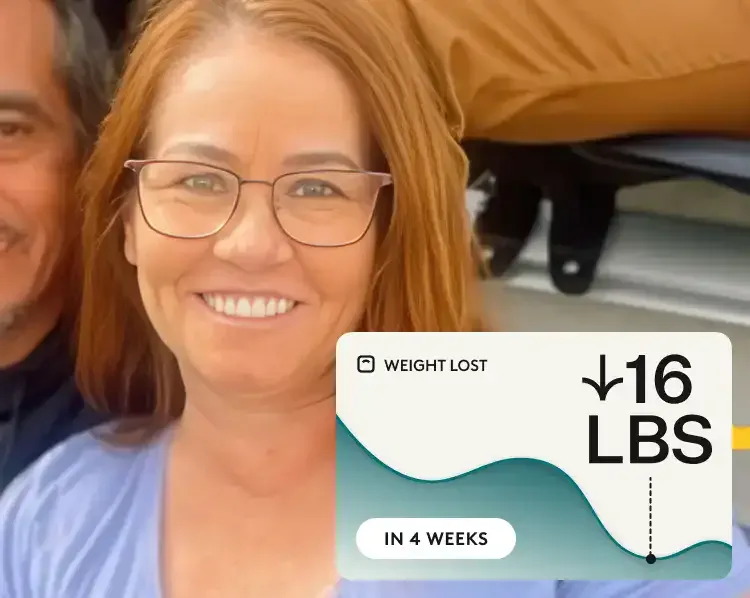
“With the right medication through Noom, hunger and sugar cravings finally quieted and I have the tools to break the cycle.”
Laura TR. – Real Noom user
“Cravings and food noise are gone, I finally feel confident in the healthy habits I’ve built to last with Noom.”
Jessica S. – Real Noom user
The bottom line: Sleep apnea and weight loss are often linked, but many treatments exist
There’s a real connection between sleep apnea and weight loss, especially for obstructive sleep apnea. Losing weight can reduce breathing interruptions and may help some people reach remission, but it isn’t a guaranteed cure and shouldn’t delay or replace proven sleep-apnea care.
PAP therapy, oral appliances, specialist care, and sustainable weight-management support can all have a role. For eligible adults with obesity and moderate-to-severe OSA, Zepbound® is now an FDA-approved option that can help address both weight and sleep-apnea severity.
Noom’s Most Powerful Program
A dual-pathway GLP-1 and behavior change for lasting results.
The right plan starts with a diagnosis and a conversation with a clinician who can look at the full picture. If you’re considering a GLP-1 to help with OSA and obesity, Noom Med can help. If you’re eligible, you’ll work with a provider who will review your health history. Together, you can decide which medication option can help you reach your goals.
Editorial standards
At Noom, we’re committed to providing health information that’s grounded in reliable science and expert review. Our content is created with the support of qualified professionals and based on well-established research from trusted medical and scientific organizations. Learn more about the experts behind our content on our Health Expert Team page.