
What you’ll learn:
- Insurance coverage for semaglutide depends on your plan, your diagnosis, and even your state.
- Monthly pricing can shift dramatically depending on coverage, savings programs, or self-pay options.
- Checking your formulary and approval requirements early can save you time, stress, and money.
Figuring out whether insurance covers semaglutide can feel surprisingly complicated—and that’s because it is. Even though medications like Ozempic®, Wegovy®, and Rybelsus® all contain the same active ingredient, they’re treated very differently by insurance companies.
Coverage isn’t just about the drug itself—it’s tied to why it’s prescribed, how your specific plan is structured, and what rules your insurer has in place around things like prior authorization or step therapy. In 2026, those differences matter more than ever, especially as demand for GLP-1 medications continues to grow and coverage policies keep evolving.
The short answer: sometimes it’s covered, sometimes it’s not. Semaglutide is most consistently covered when it’s prescribed for type 2 diabetes, where medications like Ozempic® and Rybelsus® fit squarely within standard pharmacy benefits. Coverage can also extend to certain cardiovascular risk indications, but it’s still highly plan-dependent.
When semaglutide is prescribed for weight management, coverage becomes much less predictable—even though Wegovy® is FDA-approved for that purpose. That’s largely because many insurance plans don’t include weight-loss medications as a standard benefit, and federal rules (especially under Medicare) have historically excluded them altogether.
Add in the fact that Medicare, Medicaid, and private insurance all follow different rules, and it’s easy to see why two people with the same prescription can end up with completely different out-of-pocket costs.

The Easy Way
to lose weight and get healthy.
See if you qualify
The good news is that there are clear patterns—and once you understand how insurers make these decisions, it becomes much easier to navigate your options. Ahead, we’ll break down how coverage works in 2026, what factors influence approval, how to check your own plan, and where to look for lower-cost Ozempic® or Wegovy® options if your insurance won’t cover them.
If you’re curious how semaglutide actually works for weight loss, check out our full guide here.
Is semaglutide ever covered by insurance?
Yes—but it depends on the medication and why it’s prescribed. Even though Ozempic®, Wegovy®, and Rybelsus® all contain semaglutide, insurers treat them differently based on their FDA-approved uses.
- Ozempic® (type 2 diabetes): Often covered when prescribed for type 2 diabetes. Many commercial plans, along with Medicare Part D and some Medicaid programs, include it on their formularies. Approval usually requires prior authorization and documentation of a diabetes diagnosis. It’s rarely covered if prescribed off-label for weight loss.
- Wegovy® (weight management, cardiovascular risk, MASH): Coverage is less consistent. Some employer-sponsored and private plans include it—especially if they offer weight-loss medication benefits—but many don’t. Coverage may also be possible for certain cardiovascular indications. Medicare doesn’t cover medications prescribed solely for weight loss, and Medicaid coverage varies by state.
- Rybelsus® (type 2 diabetes): Typically covered for type 2 diabetes under many commercial and Medicare Part D plans. Like Ozempic®, it may require prior authorization or step therapy.
Coverage is most reliable for type 2 diabetes and much less predictable for weight management. Because every plan sets its own rules—around formularies, prior authorization, and eligibility criteria—it’s worth checking your specific benefits to see where you stand.
How coverage differs by plan type
Across all plan types, a few common factors influence whether semaglutide is approved: the reason it’s prescribed (diabetes vs. weight loss), the documentation your provider submits, whether your plan includes weight-loss drug benefits, and how the medication is positioned on your plan’s formulary. Because of this, reviewing your specific plan documents is usually the most reliable way to understand your coverage.
- Medicare: Traditional Medicare Part D plans usually cover semaglutide when prescribed for type 2 diabetes, since that aligns with FDA-approved uses for medications like Ozempic® and Rybelsus®. Coverage for weight management with Wegovy® has historically been excluded under federal rules, though pilot programs like the BALANCE Model and policy updates may expand access over time.
- Medicaid: Coverage is set at the state level, so it can vary widely. Many state programs cover semaglutide for diabetes, but may limit or exclude coverage for weight loss. When weight management is covered, it often requires prior authorization, BMI documentation, and sometimes proof of related health conditions.
- Private and employer-sponsored plans: These tend to vary the most. Some plans cover semaglutide for both diabetes and weight management, while others exclude weight-loss medications entirely. Even when covered, approval often depends on prior authorization, step therapy, and whether Wegovy is listed as a preferred drug on the plan’s formulary.
What insurance covers semaglutide medications?
Insurance coverage varies widely across major health plans. Many insurance carriers make coverage decisions based on what the medication is FDA-approved for and what it’s been prescribed for, so semaglutide prescribed for type 2 diabetes is often reviewed differently than semaglutide prescribed for chronic weight management.
Here’s a quick side-by-side look at how major providers typically handle semaglutide coverage, along with the most common requirements.
Semaglutide coverage: Private insurance plans
Semaglutide coverage through private insurance can vary widely depending on the specific medication, your plan type, and where you live. For diabetes management, Ozempic® and Rybelsus® are more commonly covered, while coverage for weight-loss treatment with Wegovy® is often more limited and usually requires prior authorization. Approval may also depend on factors like BMI, diagnosis documentation, and whether the plan includes weight-loss drug benefits. Because each insurer sets its own rules—and some even vary by state or region—checking your plan’s formulary and benefit details is the best way to understand your specific coverage.
| Insurance Provider | Coverage Status (Typical) | Requirements | Comments | State Variation |
|---|---|---|---|---|
| Aetna | Ozempic®/Rybelsus® are often covered. Wegovy® may be covered depending on plan benefits. | Prior authorization may apply. BMI and diagnosis documentation may be required. | Some plans exclude weight-loss drugs. Pharmacy benefits may run through CVS Caremark. | Yes |
| Blue Cross Blue Shield (BCBS) | Coverage varies widely by state and plan. Diabetes coverage is more common than weight management. | Prior authorization is common for Wegovy® and other weight-loss GLP-1s. | Each BCBS plan sets its own rules, so coverage can look different across states. | Yes |
| Cigna | Ozempic®/Rybelsus® are typically covered for type 2 diabetes. Wegovy® coverage depends on weight-loss benefits. | Prior authorization required. Weight-loss approval often depends on BMI and documentation. | Coverage rules are strongly tied to the member’s benefit plan document. | Yes |
| UnitedHealthcare (UHC/OptumRx) | Wegovy® coverage is often limited, with coverage sometimes tied to specific approved conditions. | Prior authorization and reauthorization requirements are common. | Some plans exclude weight-loss meds unless special criteria are met. | Yes |
| Kaiser Permanente | Coverage varies by region; semaglutide medications may be covered in certain plans. Wegovy® is often non-formulary. | Prior authorization is common. Weight-loss drug benefits must be included in the plan. | Kaiser formularies differ by region, so coverage can vary by location. | Yes |
| Humana | Many Humana formularies cover Ozempic®, usually with restrictions. | Prior authorization and quantity limits may apply. | Coverage depends on the specific Humana plan | Yes |
| Anthem | Coverage varies by state and plan. | Plan-specific prior authorization and eligibility rules. | Coverage changes can be state-specific (example: Medi-Cal changes in California). | Yes |
| Molina Healthcare | Coverage often depends on state Medicaid contract rules. | Authorization is common. Renewals may depend on documented weight loss progress. | Molina coverage is usually tied to Medicaid plans, so requirements vary by state. | Yes |
| Ambetter | Coverage varies by state marketplace plan. Wegovy® often requires approval. | Prior authorization is common. Some plans may require additional steps. | Ambetter coverage rules are state-based, so the details differ by location. | Yes |
| Oscar Health | Coverage varies by plan and state. | Prior authorization rules depend on the member’s plan state. | Oscar organizes coverage and PA guidance by state, so checking your plan documents matters. | Yes |
| CVS Caremark (PBM) | Coverage depends on the employer or plan sponsor. | Prior authorization criteria often include BMI and lifestyle documentation. | CVS Caremark manages pharmacy benefits for many plans, so coverage varies widely. | No |
| Express Scripts (PBM) | Coverage depends on the employer or plan sponsor. | Plans may require PA, step therapy, or other restrictions. | Formulary lists are helpful, but they do not guarantee coverage for every member. | No |
The info above reflects publicly available plan information as of February 2026. Coverage can change, so double-check your plan’s formulary for the latest details.
Semaglutide coverage: Federal Medicare insurance plans
Coverage of semaglutide under federal insurance programs depends on the medication and its approved use.
Access GLP-1 Weight Loss with Noom
Explore a wide range of prescription medications supported by Noom’s program.Microdose GLP-1rx
Noom GLP-1rx
Noom GLP-1rx Plus
Wegovy®
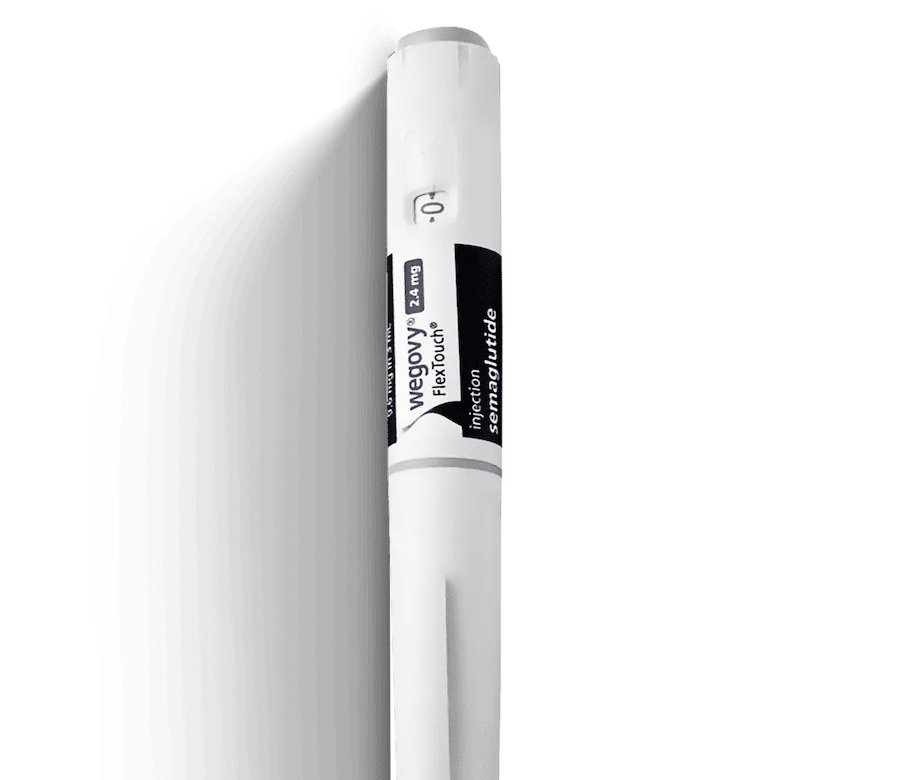
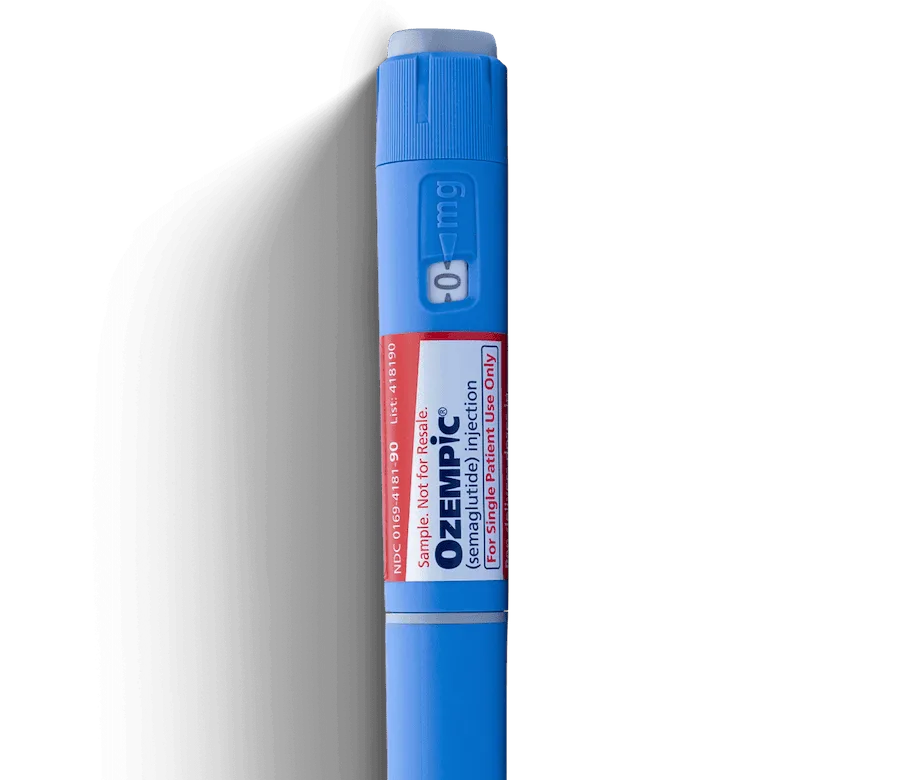
Ozempic®
Metformin
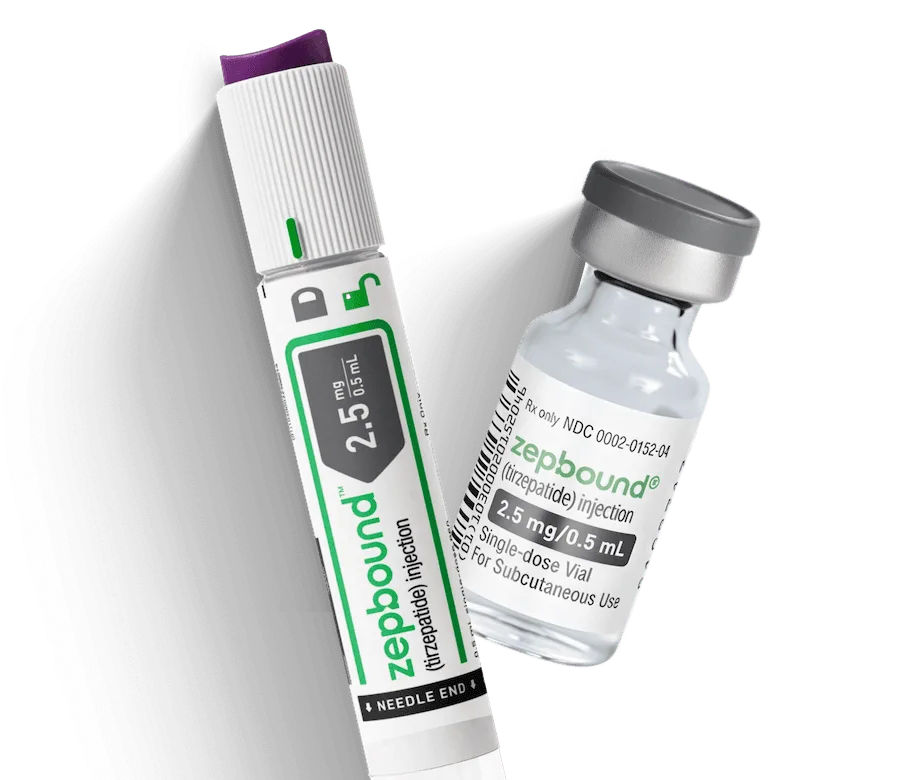
Zepbound®
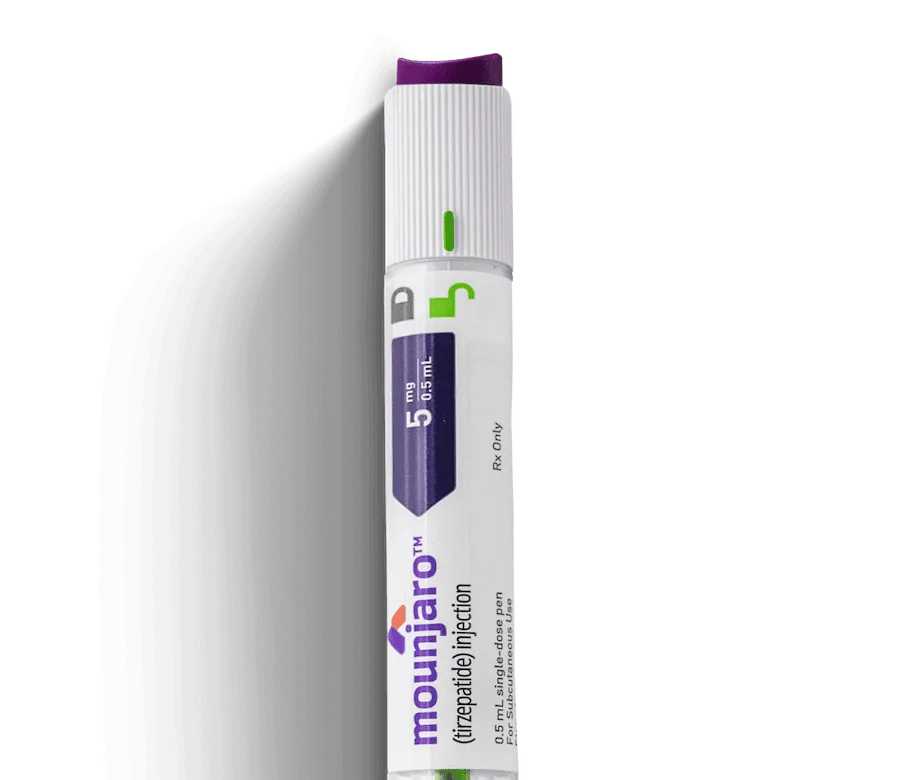
Mounjaro®
Liraglutide
For type 2 diabetes, Medicare Part D plans often provide coverage for Ozempic® and Rybelsus®, though weight-loss use is excluded since Medicare legally can’t cover weight loss medications. TRICARE may cover Wegovy® for weight management, but only when clinical criteria are met, and prescriptions come from network providers. Federal rules and plan-specific formularies largely determine whether and how these medications are covered.
| Insurance Provider | Coverage Status (Typical) | Requirements | Comments | State Variation |
|---|---|---|---|---|
| Medicare (Part D) | Semaglutide may be covered for type 2 diabetes. Weight-loss use is excluded. | Must follow the plan’s formulary and Part D rules. | Coverage varies by Part D plan, but federal rules limit weight-loss coverage. | Yes |
| TRICARE | Wegovy® is covered for weight management under certain TRICARE plans. | Must meet clinical criteria and use a network prescriber. | TRICARE publishes centralized rules and uses its own formulary tools. | No |
Semaglutide coverage: State Medicaid insurance plans
Coverage of semaglutide through Medicaid programs differs by state and by the medication’s approved use. Most state programs routinely cover Ozempic® and Rybelsus® for type 2 diabetes, while coverage for Wegovy® and other weight-loss indications is more variable. States often require prior authorization, documentation of diagnosis, or other criteria, and each maintains its own preferred drug list and coverage rules.
| Insurance Provider | Coverage Status (Typical) | Requirements | Comments | State Variation |
|---|---|---|---|---|
| Medicaid | Diabetes coverage is common. Weight management coverage varies by state. | State rules often require PA and diagnosis restrictions. | Each state sets its own preferred drug list and coverage rules. The BALANCE model was announced as a future access pathway. | Yes |
Medicaid coverage for semaglutide medications
Coverage rules for semaglutide can also look very different depending on the state, especially under Medicaid programs. Several states introduced major policy changes for 2025 and 2026, particularly for medications used for weight loss.
Below are states with the most notable recent policy shifts:
| State | What’s different here? |
|---|---|
| California | Starting January 2026, Medi-Cal removed Wegovy® coverage for weight management. Wegovy® may still be considered for cardiovascular disease or MASH through prior authorization. Ozempic® and Rybelsus® remain restricted to type 2 diabetes diagnosis. |
| Pennsylvania | Beginning January 2026, GLP-1 medications are no longer covered when prescribed strictly for weight management. Prior authorization is now required for all GLP-1 prescriptions. Other medically accepted uses may still qualify. |
| Michigan | Starting in January 2026, Michigan added very strict rules for GLP-1 coverage for weight management. Coverage is generally limited to severe cases with extensive documentation and step therapy requirements. |
| North Carolina | North Carolina removed Wegovy® from its preferred drug list in October 2025, then restored coverage again in December 2025, with updated prior authorization and step therapy rules. |
| South Carolina | Beginning January 2026, South Carolina ended the main Wegovy® pathway for weight management. Coverage may still be available for cardiovascular risk reduction or MASH through prior authorization. |
| New Hampshire | Starting January 2026, New Hampshire ended GLP-1 coverage for weight management-only use. Coverage may still apply for type 2 diabetes and other chronic conditions. |
| Kentucky | In January 2026, Kentucky’s Wegovy® approval pathway became more condition-specific, focusing on cardiovascular risk reduction and MASH rather than general weight management. |
Coverage information may vary and change frequently. Always confirm with your state Medicaid office or insurance provider.
How to check if your insurance covers semaglutide
Getting a clear answer on semaglutide coverage usually takes a little digging, but it’s very doable. The key is checking your plan’s drug list and spotting the small codes that explain whether approval steps are required.
Here’s a quick checklist to walk through:
- Call the member services number on your insurance card
Ask whether your pharmacy benefit covers Ozempic®, Rybelsus®, or Wegovy® and for which medical indication. It can also be helpful to get written confirmation or a link to your plan’s formulary and coverage policy. Many insurers have their formularies listed online, so you may also be able to check your coverage through your insurer’s portal. Medicare Part D plans, for example, release updated formularies publicly each year. - Ask about prior authorization (PA)
Even if your insurance covers Ozempic®, Rybelsus®, or Wegovy®, prior authorization is usually required. This means your healthcare provider has to submit documentation showing that the medication is medically necessary. Find out what information the insurer needs, such as BMI documentation, diagnosis codes, or records of previous treatment attempts. - Check for step therapy requirements
Some plans also use step therapy, which is when you’re required to try other medications or treatments before Ozempic®, Rybelsus®, or Wegovy® can be approved. Ask if your plan includes a step therapy rule and, if so, which medications you must try first. - Confirm BMI and medical eligibility criteria
Coverage for weight management medications usually requires documentation showing:- BMI ≥30, or
- BMI ≥27 with a weight-related health condition, such as high blood pressure or high cholesterol.
The exact criteria and documentation requirements can differ depending on the insurer and, for Medicaid plans, the state program.
- Review Medicare or Medicaid rules (if applicable)
- Traditional Medicare Part D typically doesn’t cover medications prescribed solely for weight loss, though coverage may be possible if Wegovy® is prescribed for another FDA-approved use, such as cardiovascular risk reduction or MASH.
- Medicaid coverage varies widely by state, with each program setting its own rules.
- Use official coverage tools
Novo Nordisk offers a manufacturer coverage resource that can help people explore possible insurance pathways and savings options. - Get everything in writing
If your insurance carrier approves coverage, denies it, or requests further documentation, request written confirmation. If you need to file an appeal, having all the information in writing can make it easier.
In some cases, coverage shifts depending on which GLP-1 medication is on your plan’s preferred list. That’s why some people explore alternatives based on cost and likelihood of approval. For example, more plans cover semaglutide than tirzepatide (Mounjaro or Zepbound). See how these two compare in effectiveness and cost here.
Cost of semaglutide medications: With and without insurance
What you pay for semaglutide depends on the specific medication, your insurance coverage, your dose, and the formulation (injection vs. pill).
List prices for these medications are typically in the $900 to $1,350+ per month range. With commercial insurance and manufacturer savings programs, many people are able to reduce their monthly costs significantly—sometimes to as little as $25. For those without insurance, newer cash-pay programs and pharmacy options can offer lower pricing than standard retail rates.
Semaglutide: Costs with insurance
Semaglutide medications—including Ozempic®, Rybelsus®, and Wegovy®—follow many of the same cost and coverage patterns when insurance is involved. All three are typically placed on formulary tiers that determine whether you pay a flat copay or coinsurance, and most plans require prior authorization along with documentation like diagnosis codes, lab results, or BMI. Costs are also influenced by factors like your deductible, dose strength, and whether you fill a 30- or 90-day prescription.
For people with commercial insurance, manufacturer savings cards from Novo Nordisk are available for each medication and can often bring monthly costs down to around $25, though eligibility restrictions and savings caps apply.
While the pricing structure is similar across all three, coverage tends to be more consistent when semaglutide is prescribed for type 2 diabetes than for weight management, which is why out-of-pocket costs can vary even though all three medications have the same active ingredient.
These programs aren’t available to those with Medicare, Medicaid, or other government-funded coverage.
- Ozempic® – When Ozempic® is covered, many people pay around $25 to $150 per month, depending on their plan. It’s commonly included on formularies for type 2 diabetes and is often assigned a tier that requires either a copay or coinsurance.
- Rybelsus® – Rybelsus® is also frequently covered for type 2 diabetes, with similar out-of-pocket ranges of about $25 to $150 per month for many insured individuals. As an oral medication, it may be placed on a different formulary tier than injectables, which can affect pricing.
- Wegovy® (injection and pill) – When Wegovy® is covered, many people pay between $25 and $150 per month. But coverage is less consistent and depends on what it’s prescribed for, with weight loss being the hardest to get covered. If your plan includes weight-loss benefits, Wegovy® is typically placed on a formulary tier requiring a copay or coinsurance. Lower tiers generally mean lower costs, while higher tiers increase out-of-pocket expenses.
Looking ahead, Novo Nordisk has announced a planned list price reduction for Wegovy®, which may lower costs over time for both insured and cash-paying individuals.
For all three medications, your cost might also depend on:
- Whether you’ve met your deductible
- Prior authorization approval (often requiring BMI and clinical documentation) and/or step therapy
- Dose strength (higher doses may be priced differently) or, for Wegovy®, the prescribed form (injection vs. pill)
- Prescription length (30-day vs. 90-day supply)
While $25 to $150 per month is a common range for these medications, actual costs can vary based on benefit design and savings eligibility.
Understanding the semaglutide savings cards
Wegovy® (injection and pill):
If your commercial insurance includes coverage for Wegovy®, the Novo Nordisk savings program may reduce your monthly copay to as low as $25, with savings capped at $100 per fill. The offer is available to insured people and applies to both the injection and oral versions. It’s not available to people enrolled in government-funded programs like Medicare, Medicaid, or TRICARE.
- How the savings program works: Novo Nordisk provides a manufacturer savings card that helps lower your out-of-pocket cost after your insurance pays its portion. The discount is applied directly at the pharmacy and may bring your monthly cost down to around $25, depending on your plan and the program’s savings limits.
- Who qualifies: Typically, this program is available to people with commercial (non-government) insurance whose plans already cover Wegovy®.
- Who isn’t eligible: Individuals with Medicare, Medicaid, TRICARE, VA coverage, or other government-sponsored insurance plans are not eligible to use the savings card.
- How to use it: You can enroll in the official Wegovy® savings program, download the card, and present it along with your insurance information at the pharmacy. The discount is applied after your insurance claim is processed.
Learn more: Wegovy® costs: With and without insurance coverage
Ozempic®
If your commercial insurance includes coverage for Ozempic®, the Novo Nordisk savings offer may lower your monthly copay to as little as $25, with savings capped at $100 per month.
- How the savings program works: Novo Nordisk provides a copay card that reduces your out-of-pocket cost after your insurance pays its portion. When applied at the pharmacy, it can bring your monthly cost down to around $25, depending on your plan and the program’s savings limits.
- Who qualifies: Typically available to people with commercial (non-government) insurance whose plans already cover Ozempic®.
- Who isn’t eligible: People enrolled in Medicare, Medicaid, TRICARE, VA, or similar government programs cannot use the savings card.
- How to use it: You can enroll online, download or request the savings card, and present it with your insurance at the pharmacy so the discount is applied after your claim is processed.
Learn more: Ozempic® pricing: Your costs with and without insurance
Rybelsus®
For people with commercial insurance that covers Rybelsus®, the manufacturer savings program may reduce your copay to as little as $25 per month, with maximum savings limits depending on the prescription length. The offer applies to eligible insured individuals and is not available for those with government-funded coverage.
- How the savings program works: Novo Nordisk offers a copay savings card that lowers your out-of-pocket cost after insurance. The discount is applied at the pharmacy and can reduce your monthly payment to around $25, subject to caps of $100 for a 1-month supply, $200 for a 2-month supply, or $300 for a 3-month supply.
- Who qualifies: Generally available to people with commercial insurance whose plans include Rybelsus® coverage.
- Who isn’t eligible: People with Medicare, Medicaid, TRICARE, VA, or other government insurance programs—and those paying fully out of pocket—cannot use the savings card.
- How to use it: You can sign up online or request the card by text, then present it at the pharmacy with your insurance so the savings are applied after claim processing.
With all three savings programs, your actual cost will vary based on your insurance benefits, pharmacy rules, and the program’s maximum savings limits.
Learn more: Rybelsus® costs in 2025: With and without insurance coverage
Semaglutide: Costs without insurance
When you’re paying for semaglutide without insurance, the rules are fairly similar across medications—even though the pricing options can differ.
For Wegovy® and Ozempic®, Novo Nordisk’s self-pay program through NovoCare Pharmacy can offer lower monthly costs than standard retail pricing, but they come with specific requirements.
In most cases, you must have a valid prescription, pay entirely out of pocket, and either be uninsured or choose not to submit the medication through your insurance (including government plans like Medicare or Medicaid).
Rybelsus®, on the other hand, doesn’t have a structured self-pay pricing program. Instead, costs are typically reduced by comparing pharmacies or using discount tools. Across all three, your final out-of-pocket price depends on factors like dose, pharmacy pricing, and whether you’re able to take advantage of manufacturer or third-party savings options.
Let’s take a look at how the costs compare when paying out of pocket:
| Medication | Retail price (est.) | Self-pay pricing (2026) | Key requirements |
|---|---|---|---|
| Wegovy® | $1,350/month (injection + pill) | Pen: $199: 0.25 mg and 0.5 mg $349: 1 mg, 1.7 mg, and 2.4 mg $399: 7.2 mg Pill: $149: 1.5 mg $149–$199: 4 mg $299: 9 mg and 25 mg | Must have a valid prescription, pay cash, and not submit to insurance |
| Ozempic® | $1,028/month | 0.25 mg, 0.5 mg: $199/month (first 2 months) 0.25/0.5 mg (after) or 1 mg: $349/month 2 mg: $499/month | Must have a valid prescription, pay cash, and not submit to insurance |
| Rybelsus® | $998/month | N/A; no self-pay program available | N/A |
Wegovy®
On March 31, 2026, Novo Nordisk also introduced a new subscription program for Wegovy® aimed at people paying cash who want more predictable monthly pricing. Available through select telehealth providers, the program offers 3-, 6-, and 12-month plans, with longer commitments lowering the monthly cost.
For the Wegovy® injection, pricing ranges are:
- 3-month subscription: $329/month, a savings of $240 per year
- 6-month subscription: $299/month, a savings of $600 per year
- 12‑month subscription: $249/month, a savings of $1,200 per year
For the Wegovy® pill (9 mg and 25 mg), prices are:
- 3-month subscription: $289/month, a savings of $120 per year
- 6-month subscription: $269/month, a savings of $360 per year
- 12‑month subscription: $249/month, a savings of $600 per year
Note: The above make the most sense at the higher doses. People new to Wegovy pay $199 for each month of 0.25 mg and 0.5 mg, for two monthly fills until June 30, 2026. Lower-dose pills (1.5 mg and 4 mg) remain $149/month (with 4 mg increasing to $199 after August 31, 2026).
For a closer look at how semaglutide costs break down across different payment scenarios, read our complete cost guides here:
- Ozempic® cost without insurance: What to expect in 2026
- What does Wegovy® cost without insurance? How to navigate pricing in 2026
- Rybelsus® costs: With and without insurance coverage
Frequently asked questions about insurance coverage for semaglutide
Why is semaglutide often not covered by insurance?
A big reason coverage can be so inconsistent is that insurance plans aren’t actually required by law to cover medications prescribed specifically for weight loss. Because of that, many plans choose to exclude weight-management drugs as a way to keep overall costs down—even when those medications are FDA-approved for chronic weight management. You can see this clearly in Medicaid programs, too: as of January 2026, only about 13 states covered GLP-1 medications for weight loss.
On the other hand, coverage is usually much more common when semaglutide is prescribed for type 2 diabetes or to reduce cardiovascular risk. Those uses fall under different benefit categories, which often makes them easier for plans to approve.
How can I get insurance to cover semaglutide?
To get semaglutide covered, the medication must be on your plan’s covered list. Your prescription must match an FDA-approved use, and your provider may need to submit prior authorization with documentation such as diagnosis, BMI, labs, or chart notes. Understanding preauthorization and any step therapy rules is also important.
- Private insurance: Coverage is more likely for type 2 diabetes (Ozempic® and Rybelsus®) or for cardiovascular risk management or metabolic dysfunction-associated steatohepatitis (MASH) (Wegovy®) than for weight management. Prior authorization and documentation are usually required.
- Medicare: Part D generally covers semaglutide medications for diabetes, but weight-loss coverage is excluded. Approval will likely require prior authorization and step therapy.
- Medicaid: Coverage varies by state. Diabetes is commonly covered and may require BMI documentation and prior authorization. Weight loss varies by state. Check your state’s formulary for details.
Staying organized and working closely with your provider can make approval faster and smoother.
How much is semaglutide with insurance coverage?
Coverage for semaglutide depends on the medication, your plan, and what it has been prescribed for. If your plan covers these medications, typical out-of-pocket costs are around $25 to $150 per month. Costs can vary based on your plan’s formulary tier, whether you’ve met your deductible, prior authorization requirements, dose strength, and the length of your prescription.
How do people get semaglutide for $25?
Those with commercial insurance may be able to use the manufacturer’s savings cards to lower their monthly copay to around $25, though maximum savings limits apply depending on the prescription length. Each medication has its own savings card program:
These programs are available only to people with commercial insurance whose plans already cover the medication and are not available to those on Medicare, Medicaid, TRICARE, VA, or other government-funded programs. The discount is applied at the pharmacy after insurance processes the claim. To use the savings card, a person must enroll through the official program, download or request the card, and present it along with their insurance at the pharmacy. Actual costs depend on your plan’s benefits, pharmacy rules, and the program’s savings limits.
What’s the most affordable semaglutide option for weight loss if my plan won’t cover it?
Wegovy® injections and pills range from $149 to $299 for pills and $199 to $349 for injections, depending on dose, when you’re paying cash through the NovoCare Pharmacy.
Read more: What does Wegovy® cost without insurance? How to navigate pricing in 2026
How long does semaglutide treatment typically last?
Semaglutide is designed for long-term use, whether you are using it for diabetes or weight loss. For weight loss, people generally lose an average of 14 to 15% of their body weight over a span of about 1 to 2 years.
How long you stay on it will depend on your goals, medical history, and how well you tolerate the medication. Stopping semaglutide can sometimes result in weight regain, so it’s important to develop healthy habits that can be maintained after you’re no longer taking the medication so you can sustain your weight loss long-term. Ongoing follow-up with your provider helps determine the right timeline for you.
Reviews from real Noom users
Desirea N. — Real Noom user
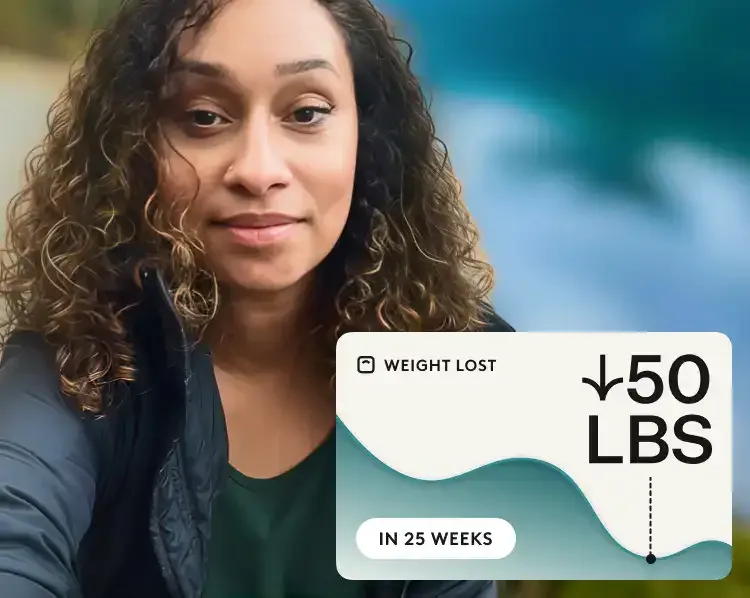
“My favorite parts of Noom are the care team and other Noomers. Sharing and getting help made me feel like I wasn’t doing it alone. That support made all the difference.”
Desirea N. — Real Noom user
Matthew M. — Real Noom user
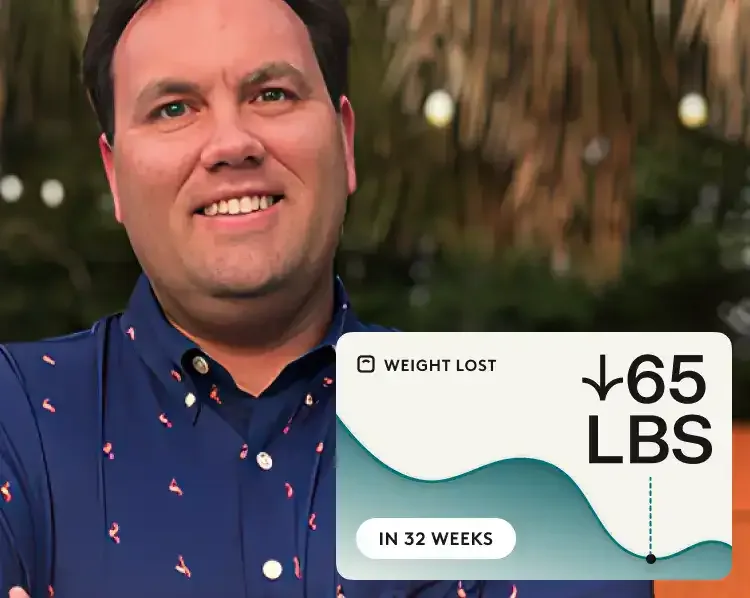
“Noom has taught me that every day is a new chance to make better, healthier choices. It's taught me how to stop overeating.’’
Matthew M. — Real Noom user
Lila M. — Real Noom user
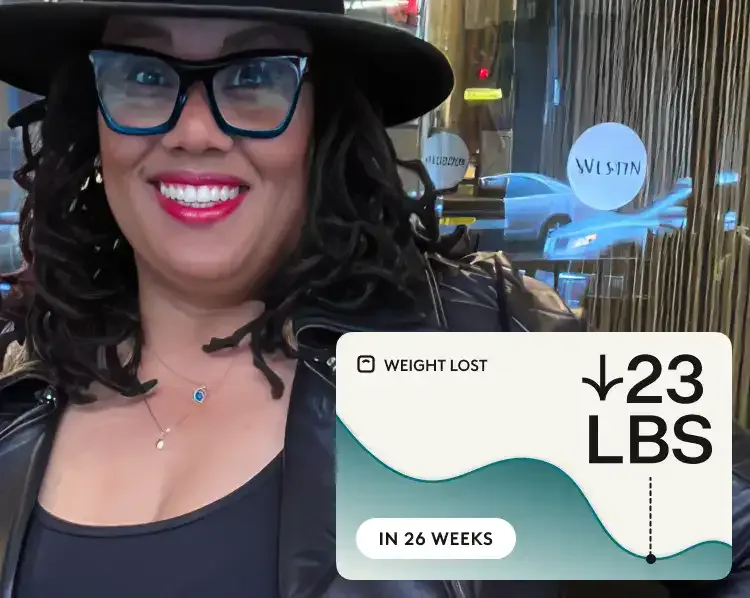
“Clinicians who understand how supportive medication can be is one of the best parts of Noom! I was convinced I wouldn’t have success but I’m down 11 pounds in two months.’’
Lila M. — Real Noom user
Steve M. — Real Noom user
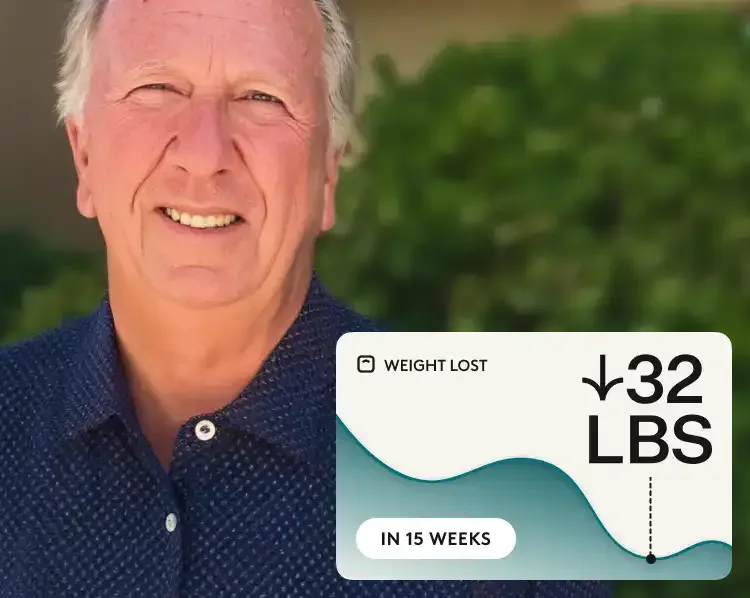
“Noom provided me with the medication which I could not get through Medicare. I have learned the tricks to better eating and life in general.”
Steve M. – Real Noom user
Daisy R. — Real Noom user
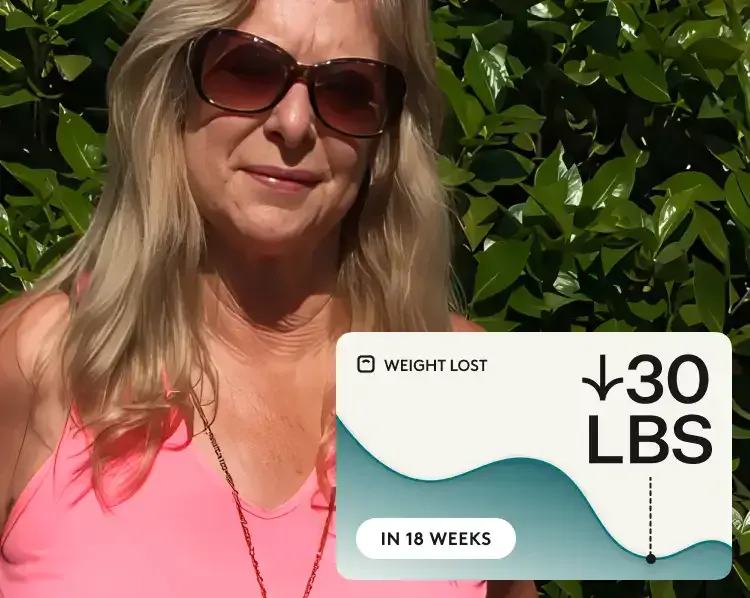
‘’Noom has changed my life and I’m so thankful, I feel great, have more energy and am no longer prediabetic.”
Daisy R. – Real Noom user
Sarah R. — Real Noom user
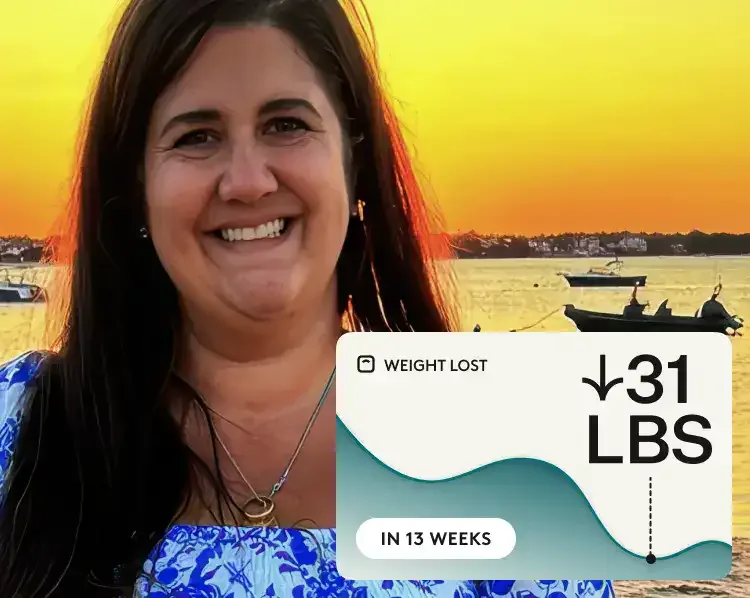
“All of the Noom providers that I’ve met with have been exceptional and prescribed medications that are appropriate for my situation and health.”
Sarah R. – Real Noom user
Madison S. — Real Noom user
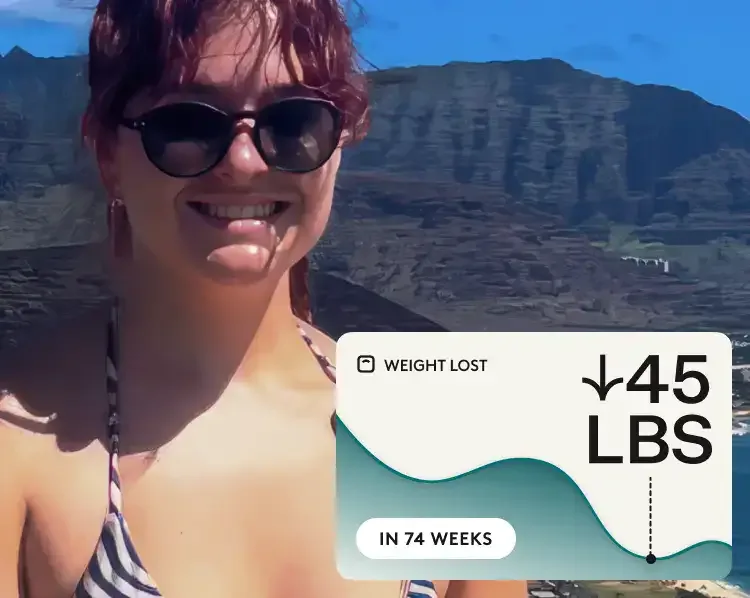
“Noom made the process so simple and now I feel full, free from diet obsession, and at ease in my body again.”
Madison S. – Real Noom user
Sonday K. — Real Noom user
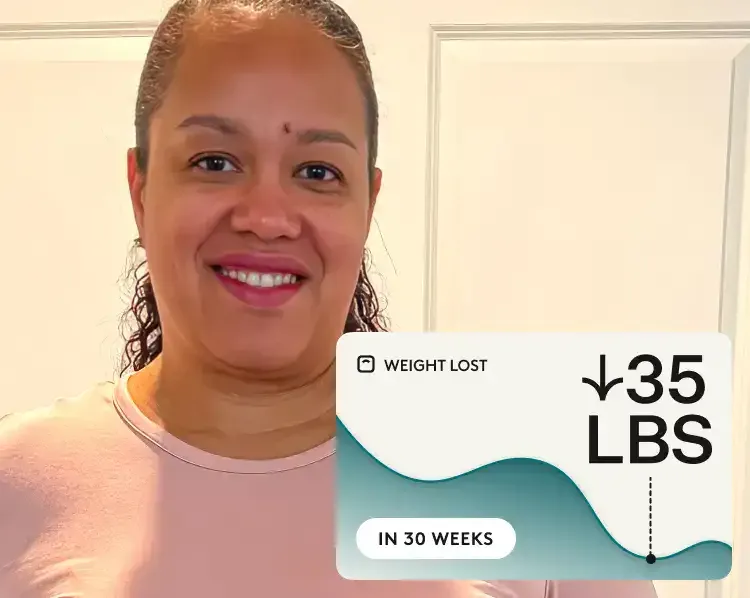
“My doctor recommended Noom after I was frustrated trying to lose weight. The lessons helped change my relationship with food. My body feels lighter & energized.”
Sonday K. – Real Noom user
Cam K. — Real Noom user
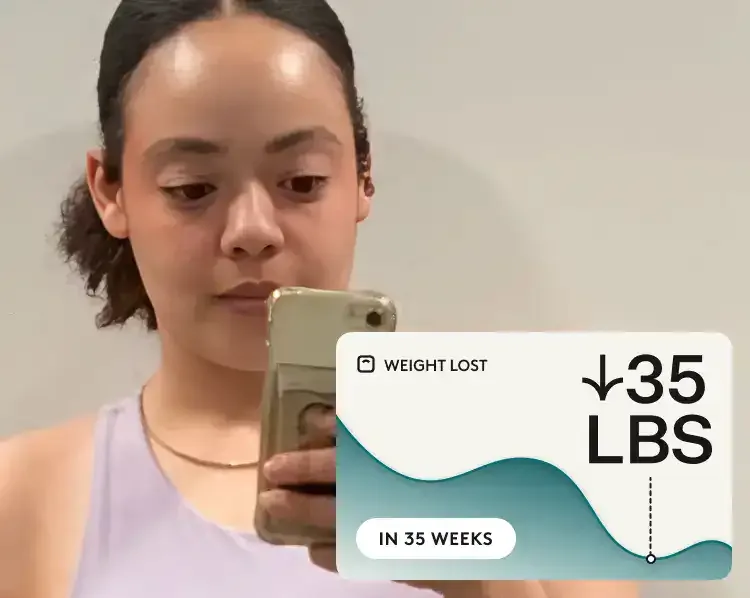
“I built healthy habits with coaching and lessons that make me confident I can maintain my weight loss long term.”
Cam K. – Real Noom user
Laura TR. — Real Noom user
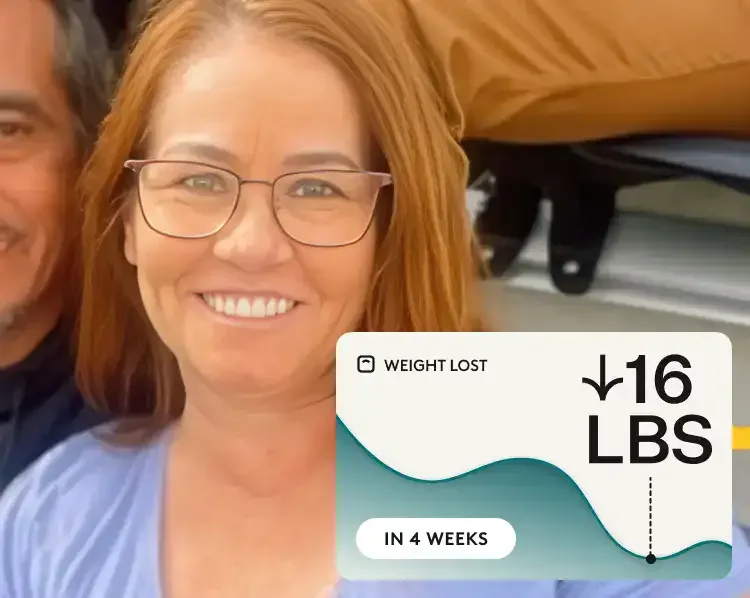
“With the right medication through Noom, hunger and sugar cravings finally quieted and I have the tools to break the cycle.”
Laura TR. – Real Noom user
Jessica S. — Real Noom user
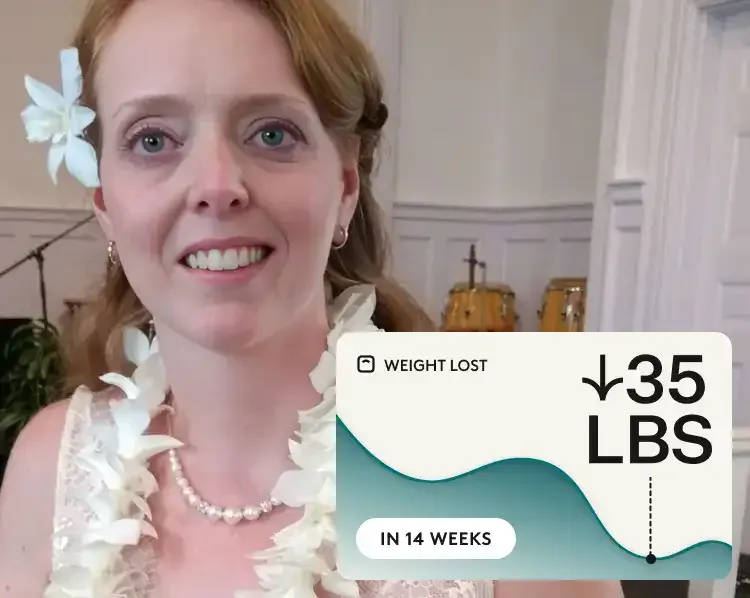
“Cravings and food noise are gone, I finally feel confident in the healthy habits I’ve built to last with Noom.”
Jessica S. – Real Noom user
The bottom line: Semaglutide insurance coverage depends on your specific plan and use
Whether semaglutide is covered by your plan depends on what it’s prescribed for, how your benefits are structured, and what documentation your provider submits. Add in prior authorization requirements and state-level Medicaid changes, and you can see why approval outcomes vary so much.
Cost is just as layered. With commercial coverage, some people pay between $25 and $150 per month. If you don’t have coverage, you can get Wegovy and Ozempic through NovoCare Pharmacy starting at $149. Comparing pharmacies, checking your formulary, and understanding your plan’s restrictions can make a real difference in what you end up paying.
If you’re looking into weight loss medication, see if you qualify for Noom Med. Noom Med offers different plan options depending on the kind of support you’re looking for, and licensed providers review your health history and eligibility before prescribing any medication. You’ll also get behavior-based support that helps you turn small daily actions into lasting progress.
Editorial standards
At Noom, we’re committed to providing health information that’s grounded in reliable science and expert review. Our content is created with the support of qualified professionals and based on well-established research from trusted medical and scientific organizations. Learn more about the experts behind our content on our Health Expert Team page.