
What you’ll learn:
- Retatrutide is an investigational “triple agonist” that may deliver greater weight loss than current GLP-1 medications, but it’s not FDA-approved yet.
- Its side effects are mostly similar to existing options—especially nausea and other digestive issues—though early data suggest a few differences that still need closer study.
- While the results are promising, longer-term research will be key to understanding its safety, cost, and how it fits alongside medications already available today.
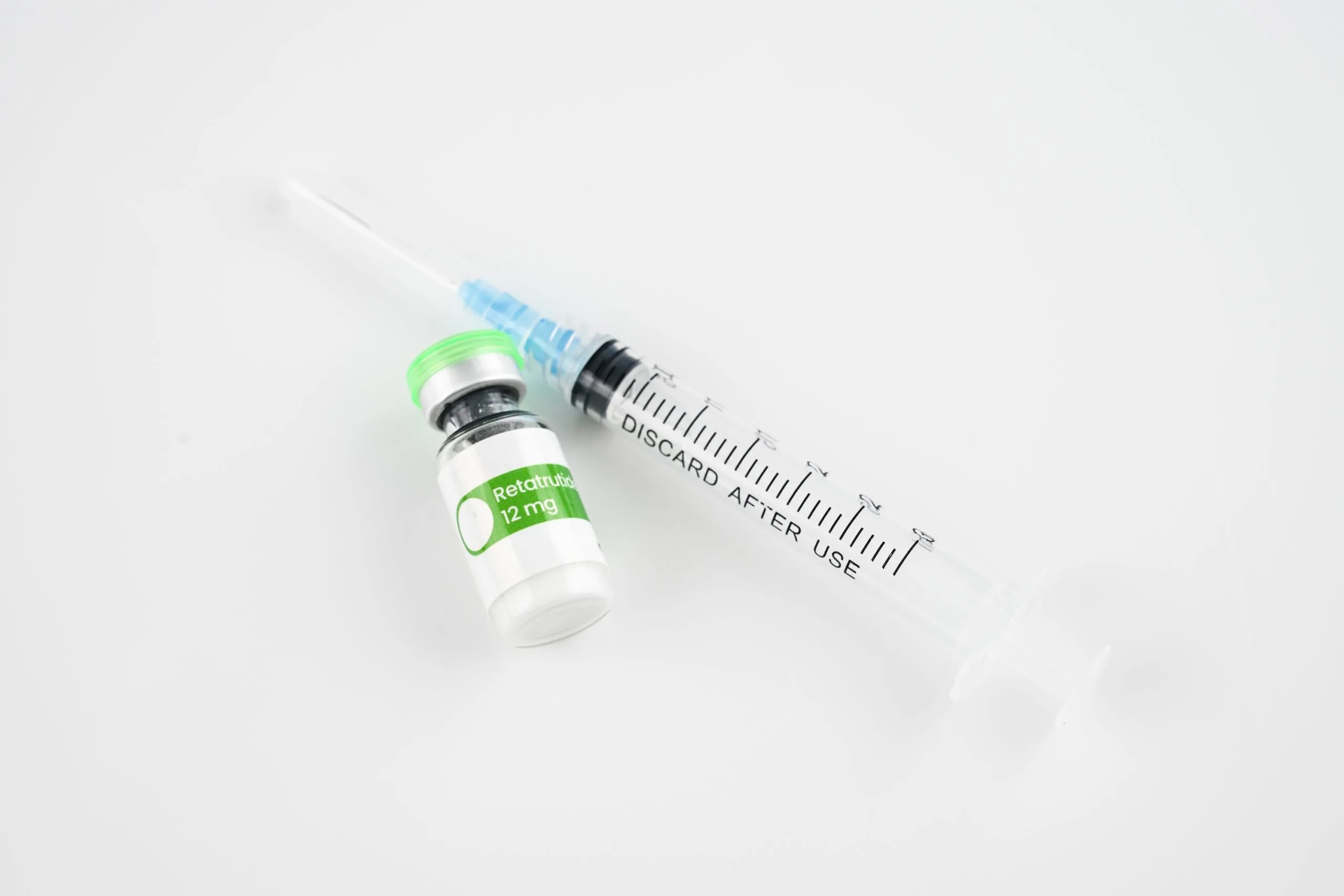
You’ve probably been hearing more about retatrutide lately as a powerful weight loss medication that can rival the GLP-1s currently available. Developed by Eli Lilly, the same company that produces Zepbound® and Mounjaro®, retatrutide is an investigational once-weekly injection still in testing.
Were it to be approved, it would be the first medication to activate three metabolic hormone receptors at once—GLP-1, GIP, and glucagon. If you are familiar with tirzepatide, the active ingredient in Zepbound®, it activates GLP-1 and GIP.
The early results for retatrutide have gotten a lot of industry attention. A phase 2 trial published in the New England Journal of Medicine showed average weight loss of over 24% at 48 weeks, and the first phase 3 results in December 2025 suggested that average weight loss could be around 28 to 29%.
Retatrutide isn’t FDA-approved yet, and some estimates suggest late 2026 to early 2027 for that. But public interest has surged since 2023 as people look ahead to what this medication could offer.
With that promise comes a practical question: What about side effects? Let’s look at what people might expect if retatrutide is approved and how that would be different from the current GLP-1 medication options available today.
How retatrutide affects your body: What is a triple agonist?
Understanding how retatrutide works can help you know what to expect from this medication. Unlike other drugs that mimic GLP-1, like Wegovy®, or GLP-1 and GIP, like Zepbound®, Retatrutide activates three: GLP-1, GIP, and glucacon.
Think of these receptors like different switches in your body that control hunger, digestion, and energy use.
Research shows this triple action creates stronger body weight reduction than medications targeting just one or two receptors.
How GLP-1, GIP, and glucagon work together in your body
These receptors team up to change how your body handles food and energy. The GLP-1 and GIP receptors slow stomach emptying and reduce appetite, making you feel full sooner and longer after eating.
Meanwhile, the glucagon receptor increases energy burning and helps your body use stored fat for fuel. So far, clinical trials show these combined effects can lead to an average weight loss of 24% after 48 weeks, with some other trials suggesting even more. The tirzepatide in Zepbound has been shown to help people lose an average of 21% of body weight over about 72 weeks.
How do you take retatrutide?
Retatrutide is taken as a once-weekly injection, just like Zepbound®.
Like Zepbound®, it follows a gradual step-up dosing approach. This means people start at the lowest dose and it’s increased over time to keep side effects to a minimum. Here’s the testing dose structure:
- 1 mg or 2 mg as the starting dose
- 4 mg
- 8 mg
- 12 mg
The highest dose tested was 12 mg per week.
Studies show that starting with lower doses reduces the severity of common symptoms like nausea and vomiting. Most people begin with 1 to 2 mg weekly and gradually increase to higher doses based on how well they tolerate the treatment.
Read more: What is retatrutide—and how does it work for weight loss?
Retatrutide: Side effects and warnings
Clinical trials show that 6 to 16% of participants stopped taking retatrutide due to side effects, mostly gastrointestinal symptoms that tend to improve as your body adjusts. The common side effects of retatrutide are largely similar to Zepbound®, since they affect GLP-1 and GIP. Here’s what clinical trials have shown so far.
Common side effects
The most frequently reported side effects were gastrointestinal, and they tend to be more likely during the first few weeks of treatment or when the dose is increased. Most are mild to moderate and improve as the body adjusts.
| Side effect | Retatrutide 9 mg | Retatrutide 12 mg | Placebo |
|---|---|---|---|
| Nausea | 38.1% | 43.2% | 10.7% |
| Diarrhea | 34.7% | 33.1% | 13.4% |
| Constipation | 21.8% | 25.0% | 8.7% |
| Vomiting | 20.4% | 20.9% | 0.0% |
Source: Phase 3 TRIUMPH-4 trial (68 weeks, 445 participants)
- Nausea is the most common side effect overall and usually the worst during the first few weeks and during dose increases.
- Diarrhea and constipation both typically result from retatrutide slowing down digestion.
- Vomiting follows a similar pattern to nausea—most common during dose escalation and usually temporary.
Other reported symptoms
| Side effect | Retatrutide 9 mg | Retatrutide 12 mg | Placebo |
|---|---|---|---|
| Dysesthesia (altered skin sensation) | 8.8% | 20.9% | 0.7% |
| Hypersensitivity reactions | 9–20% (dose-dependent) | — | 3% |
| Skin sensitivity (hyperesthesia) | 3–14% (dose-dependent) | — | 1% |
| Injection-site reactions | 2–8% (dose-dependent) | — | 0% |
Sources: Phase 3 TRIUMPH-4 trial and Phase 2 NEJM trial
- Dysesthesia, or a change in skin sensation, was a new finding in the Phase 3 trial. These events were generally mild and rarely led to people stopping treatment.
- Increased heart rate—a dose-dependent rise of about 5 to 10 beats per minute—was also seen, peaking around week 24 and declining afterward. This pattern is consistent with other GLP-1 medications.
Side effects of stopping
Long-term data on what happens after stopping retatrutide is still limited since the medication is in clinical trials. However, based on what’s known about similar GLP-1 medications, appetite and weight may gradually return after discontinuation. Heart rate changes observed during treatment have been shown to return to normal once treatment stops.
Severe side effects and warnings
In clinical trials, serious side effects with retatrutide were uncommon, but they did occur. In one phase 2 study:
- Pancreatitis was reported in about 0.4% of participants (1 out of 267)
- Gallbladder issues affected roughly 1.1%, with no cases in the placebo group
- Heart rhythm changes were reported more often in people taking retatrutide (about 6% compared to 3% with placebo)
- Liver enzyme increases were rare (around 1%), and overall liver health markers stayed stable over time.
At higher doses, some people experienced more intense digestive side effects, and in a larger phase 3 trial, about 12 to 18% of people stopped treatment because of side effects.
These findings largely align with what’s been seen with tirzepatide and other GLP-1–based medications, including small risks of pancreatitis and gallbladder issues, dose-related gastrointestinal side effects, and discontinuation due to tolerability.
One potential difference is the signal for increased heart rate or arrhythmias, which has also been observed to a lesser extent with tirzepatide, but may warrant closer monitoring as more data becomes available.
Retatrutide will likely still have the low chance of severe issues like:
- Acute pancreatitis
- Gallbladder problems
- Severe GI events
- Potential for Allergic reactions
- A warning about thyroid tumors: No cases of medullary thyroid cancer or C-cell hyperplasia were reported in retatrutide trials, but GLP-1 receptor agonists as a class carry preclinical warnings based on rodent studies. People with a personal or family history of medullary thyroid carcinoma or multiple endocrine neoplasia syndrome type 2 should discuss this with their doctor.
Because retatrutide is still in clinical trials, its full long-term safety profile hasn’t been established yet.
Comparing retatrutide side effects to other weight loss drugs
When considering retatrutide, it helps to see how its side effect profile and weight loss potential stack up against medications that are already available. The table below compares the most common side effects and weight loss outcomes from Wegovy and Zepbound.
A few things to keep in mind while reading: side effect percentages come from different clinical trials with different populations, durations, and designs, so direct comparisons have limitations.
| Medication | Nausea | Vomiting | Diarrhea | Constipation |
|---|---|---|---|---|
| Retatrutide (9 mg) | 38.1% | 20.4% | 34.7% | 21.8% |
| Wegovy® (2.4 mg) | 44% | 24% | 30% | 24% |
| Zepbound®/Mounjaro® (15 mg/tirzepatide) | 28% | 13% | 23% | 11% |
Other questions about the side effects of retatrutide
Considering retatrutide for weight management brings up important questions about timing, costs, and safety—especially when it’s still in trials. You probably have questions about how it compares to available options and whether it might be right for you.
How quickly do people lose weight on retatrutide?
Most people see significant results within the first few months. In research studies, people lost an average of 7 to 17% of their body weight by 24 weeks, with continued progress through 48 weeks.

The Easy Way
to lose weight and get healthy.
See if you qualify

How long do Retatrutide side effects last?
Most side effects, especially digestive symptoms, are strongest during the first few weeks or after dose increases. Research shows that gastrointestinal effects typically improve within 3 to 6 weeks as the body adjusts. Starting with lower doses and gradually increasing can help minimize these early symptoms.
Which is better, Wegovy®, Zepbound®, or retatrutide?
Early trial data suggest retatrutide may produce greater results than Wegovy® and Zepbound®. Wegovy® typically leads to an average 15% weight loss, Zepbound® an average of 21%, while Retatrutide showed an average of about 24%, more in some studies. But remember, retatrutide isn’t FDA-approved yet, so Wegovy® and Zepbound® results remain proven and available options for eligible people.
How much is retatrutide a month?
Since retatrutide isn’t FDA-approved yet, there’s no official price. Final pricing will depend on approval status, insurance coverage, and any manufacturer savings programs that may become available.
Is there a generic for retatrutide?
No, there’s no generic version available. Retatrutide is still an investigational medication in trials and isn’t FDA-approved yet. Generic versions typically become available years after a brand-name drug receives approval, so this option is likely many years away.
Who shouldn’t take retatrutide?
People who are pregnant, breastfeeding, or planning pregnancy should avoid retatrutide, along with those who have a personal or family history of thyroid cancer or previous pancreatitis. Current trials also exclude people with diabetes, recent heart problems, and eating disorders, which may indicate future contraindications once approved.
Reviews from real Noom users
Desirea N. — Real Noom user

“My favorite parts of Noom are the care team and other Noomers. Sharing and getting help made me feel like I wasn’t doing it alone. That support made all the difference.”
Desirea N. — Real Noom user
Matthew M. — Real Noom user

“Noom has taught me that every day is a new chance to make better, healthier choices. It's taught me how to stop overeating.’’
Matthew M. — Real Noom user
Lila M. — Real Noom user

“Clinicians who understand how supportive medication can be is one of the best parts of Noom! I was convinced I wouldn’t have success but I’m down 11 pounds in two months.’’
Lila M. — Real Noom user
Steve M. — Real Noom user
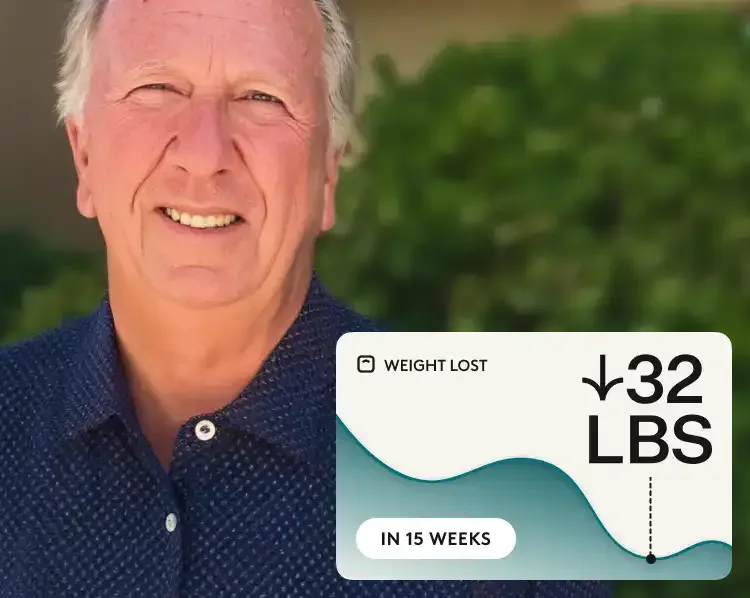
“Noom provided me with the medication which I could not get through Medicare. I have learned the tricks to better eating and life in general.”
Steve M. – Real Noom user
Daisy R. — Real Noom user
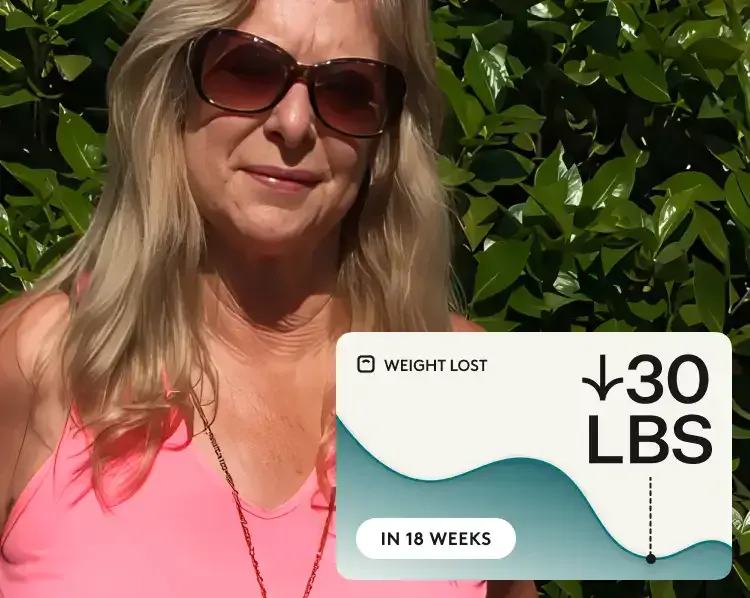
‘’Noom has changed my life and I’m so thankful, I feel great, have more energy and am no longer prediabetic.”
Daisy R. – Real Noom user
Sarah R. — Real Noom user
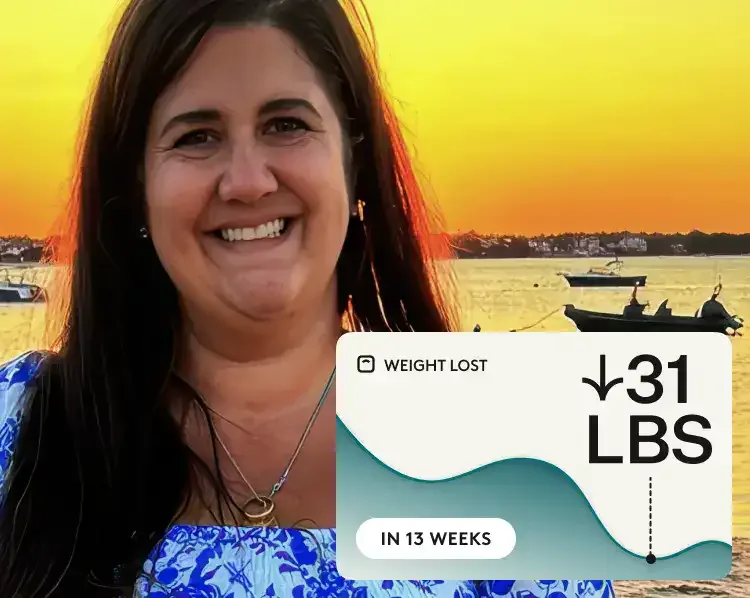
“All of the Noom providers that I’ve met with have been exceptional and prescribed medications that are appropriate for my situation and health.”
Sarah R. – Real Noom user
Madison S. — Real Noom user

“Noom made the process so simple and now I feel full, free from diet obsession, and at ease in my body again.”
Madison S. – Real Noom user
Sonday K. — Real Noom user
“My doctor recommended Noom after I was frustrated trying to lose weight. The lessons helped change my relationship with food. My body feels lighter & energized.”
Sonday K. – Real Noom user
Cam K. — Real Noom user
“I built healthy habits with coaching and lessons that make me confident I can maintain my weight loss long term.”
Cam K. – Real Noom user
Laura TR. — Real Noom user
“With the right medication through Noom, hunger and sugar cravings finally quieted and I have the tools to break the cycle.”
Laura TR. – Real Noom user
Jessica S. — Real Noom user

“Cravings and food noise are gone, I finally feel confident in the healthy habits I’ve built to last with Noom.”
Jessica S. – Real Noom user
The bottom line: The side effects of retatrutide are similar to Zepbound
Retatrutide is shaping up to be one of the most promising next-generation weight loss medications, with early results that go beyond what we’ve seen from current GLP-1 and dual agonist options. Its triple-action approach—targeting appetite, digestion, and energy expenditure at the same time—helps explain why the weight loss numbers are so striking.
But as with any powerful medication, that added effectiveness comes with trade-offs. The side effects look familiar in many ways, especially gastrointestinal symptoms, but there are also a few signals—like changes in heart rate—that researchers are still watching closely.
For now, the most important thing to keep in mind is that retatrutide is still evolving. Larger and longer-term studies will give a clearer picture of its safety, tolerability, and how it compares in real-world use. If it’s approved, it could expand the range of options available and offer another path for people who haven’t responded to existing treatments.
Until then, medications like Wegovy® and Zepbound® remain the best-studied and most accessible choices—and for many people, they already deliver meaningful, sustainable results.
If you’re considering weight loss medication, having the right support can make the process smoother. If you qualify, Noom Med combines prescription options where applicable with structured guidance to help you navigate side effects, build sustainable habits, and stay on track with your goals—so you’re not just starting treatment, you’re set up to succeed with it.
Editorial standards
At Noom, we’re committed to providing health information that’s grounded in reliable science and expert review. Our content is created with the support of qualified professionals and based on well-established research from trusted medical and scientific organizations. Learn more about the experts behind our content on our Health Expert Team page.