
What you’ll learn:
- Medicare won’t pay for weight loss drugs, like GLP-1s, unless the medication is prescribed for another covered condition.
- New changes may be coming through Medicare testing programs, including the BALANCE Model and a short-term bridge program expected to begin in mid-2026.
- Even without Medicare coverage, there are still practical ways to explore treatment options, including cash-pay programs.
GLP-1 medications have become a permanent part of weight loss conversations as more people are using them to improve their health. But part of the conversation always includes price, as all are priced at thousands of dollars per month. And since insurance coverage is very rare, it’s important to know the current rules and regulations around coverage, and any talks about whether and when that might change.
This is particularly important for people covered by Medicare. Medicare provides health coverage for millions of Americans, mostly adults over 65. Since prescription costs can add up fast for this group, having coverage can make a huge difference. So, where do weight loss drugs fit into Medicare, and is that set to change anytime soon?
Right now, Medicare doesn’t cover medications when they’re prescribed solely for weight loss. That rule has been in place for years, even as these treatments have become more common and researchers have asserted that obesity is a treatable medical condition, not a matter of willpower. The biggest barrier isn’t questions about whether the medications can be helpful; it’s long-standing federal policy. Weight management drugs have often been treated as “lifestyle” medications rather than medically necessary care.
With those restrictions in place, it helps to understand the details of what Medicare covers now, where the gaps still are, and change that is on the horizon. Let’s take a closer look at what’s included today, why the limits remain, and what future changes could look like as coverage conversations evolve.
Does Medicare cover weight loss drugs?
The quick answer is: No. Medicare doesn’t currently cover weight-loss drugs when they’re prescribed for weight loss alone. This rule applies across most forms of Medicare. Here’s a brief overview of how Medicare plans work:
- Original Medicare (Part A and Part B): Part A covers hospital care, and Part B covers doctor visits and other outpatient services. Most people don’t pay a premium for Part A, depending on work history. Part B has a standard monthly premium of around $202 in 2026, with higher-income beneficiaries paying more. Original Medicare covers medical care, but doesn’t include prescription drug coverage.
- Medicare Part D prescription drug plans: Part D plans are optional prescription drug plans that people can add. They usually cost about $30 to $50 per month, depending on the plan and location. But federal rules require some drugs to be excluded from coverage, including medications used for weight loss. That’s why drugs like Wegovy® and Zepbound® are generally not covered when prescribed solely for weight loss.
- Most Medicare Advantage (Part C) plans: Medicare Advantage plans are private plans that bundle hospital, medical, and usually drug coverage into one plan. You still pay the Part B premium, and some plans charge an additional monthly premium that can range from $0 to $100+, depending on the plan. Even with drug coverage included, these plans must follow the same federal rules, so weight-loss medications are excluded.
Why doesn’t Medicare cover weight loss medications?
The big reason this restriction exists comes from policy history. In the 1990s, weight loss medications were surrounded by safety concerns and debate. When Medicare Part D was created through the Medicare Modernization Act of 2003 (which took effect in 2006), the law included a specific exclusion for drugs “used for anorexia, weight loss, or weight gain.” That exclusion still shapes coverage today.
How Medicare pricing for GLP-1 drugs is changing
Medicare drug pricing is starting to shift in two key ways—one that’s already in motion and another that’s still being tested.
First, the Centers for Medicare & Medicaid Services (CMS) is negotiating lower prices for certain high-cost medications through a new program created under the Inflation Reduction Act. In a November 2025 announcement, CMS said it negotiated prices for 15 widely used drugs, cutting costs by an estimated 44% and saving about $12 billion.
These negotiated prices are expected to take effect in 2027 and apply to Medicare Part D drugs. Some GLP-1 medications, including Ozempic® and Wegovy®, are part of this broader effort, although coverage still depends on the condition being treated—not just the drug itself.
At the same time, a separate November 2025 White House proposal outlines a Most-Favored-Nation pricing model specifically aimed at GLP-1 medications.
Under this model, Medicare could pay around $245 per month for drugs like Wegovy® and Zepbound®, with eligible patients paying as little as $50 per month. Unlike the negotiation program, this approach would be implemented through a limited CMS demonstration (pilot) program, not standard Medicare coverage.
Together, these changes signal a broader shift. Medicare is moving toward both lower negotiated drug prices and expanded access to weight loss treatments, especially when weight is tied to related health conditions. But for now, what you’ll actually pay depends on the details—your diagnosis, your plan, and whether these newer programs are available where you live.
What this means for you
- Lower prices are coming—but not all at once. Negotiated drug prices are expected in 2027, while the $50 copay model is still limited to a pilot program.
- The $50 monthly cost isn’t guaranteed. It depends on eligibility and whether your plan participates in the new CMS model.
- Coverage is expanding—but with conditions. Medicare is starting to cover obesity treatments when linked to health conditions, not for weight loss alone.
Weight loss drugs and Medicare: GLP-1 coverage depends on diagnosis
Medicare may cover certain GLP-1 medications, but only when they’re prescribed for another FDA-approved condition, not weight loss alone.
Many of these medications now have multiple approvals. As these drugs are studied for additional health benefits, their approved uses continue to expand, which can affect Medicare coverage.
Medicare may cover certain GLP-1 medications when they’re prescribed for:
Access GLP-1 Weight Loss with Noom
Explore a wide range of prescription medications supported by Noom’s program.Microdose GLP-1rx
Noom GLP-1rx
Noom GLP-1rx Plus
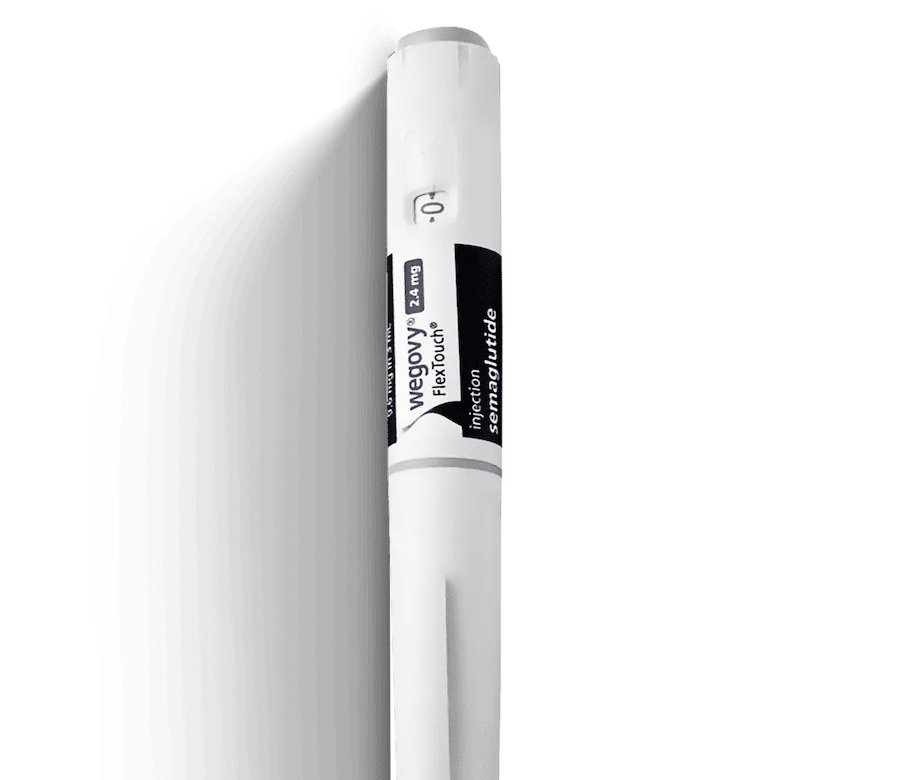
Wegovy®
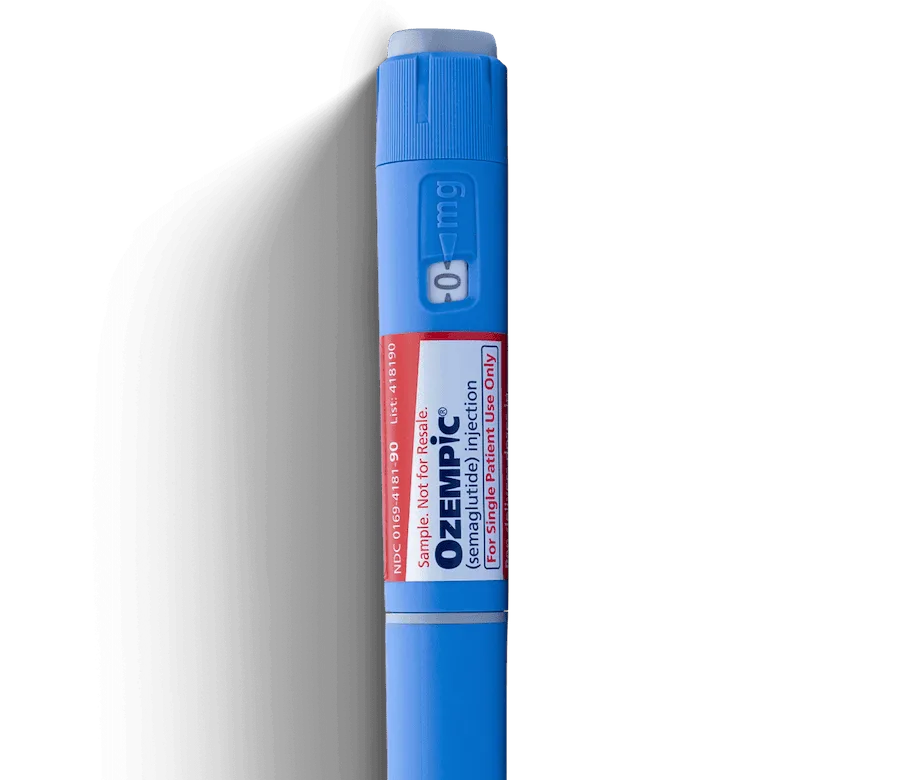
Ozempic®
Metformin
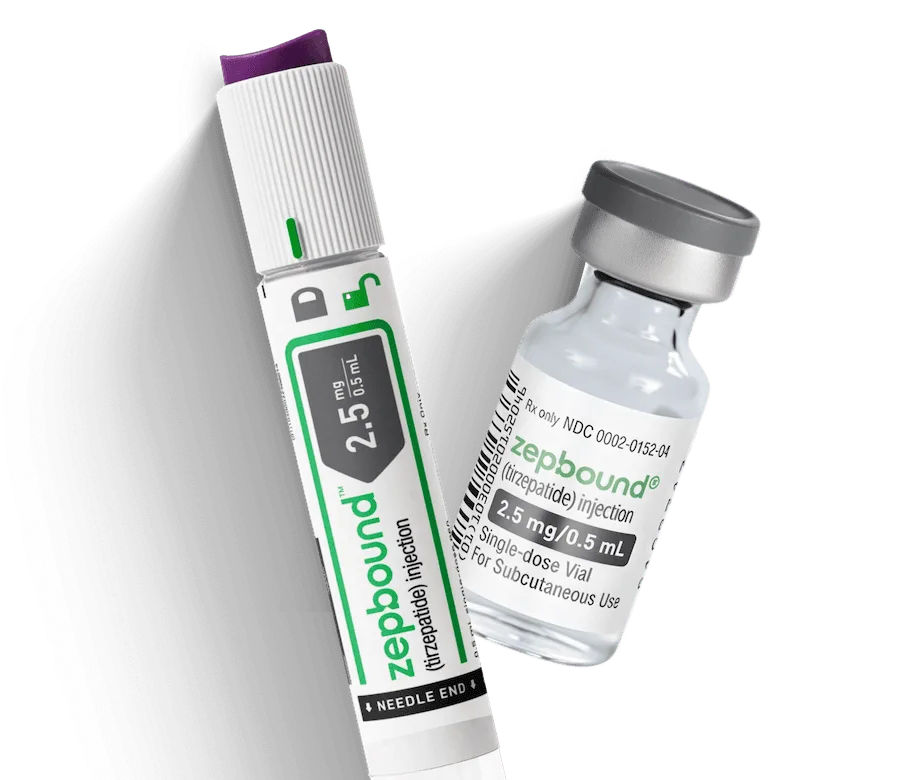
Zepbound®
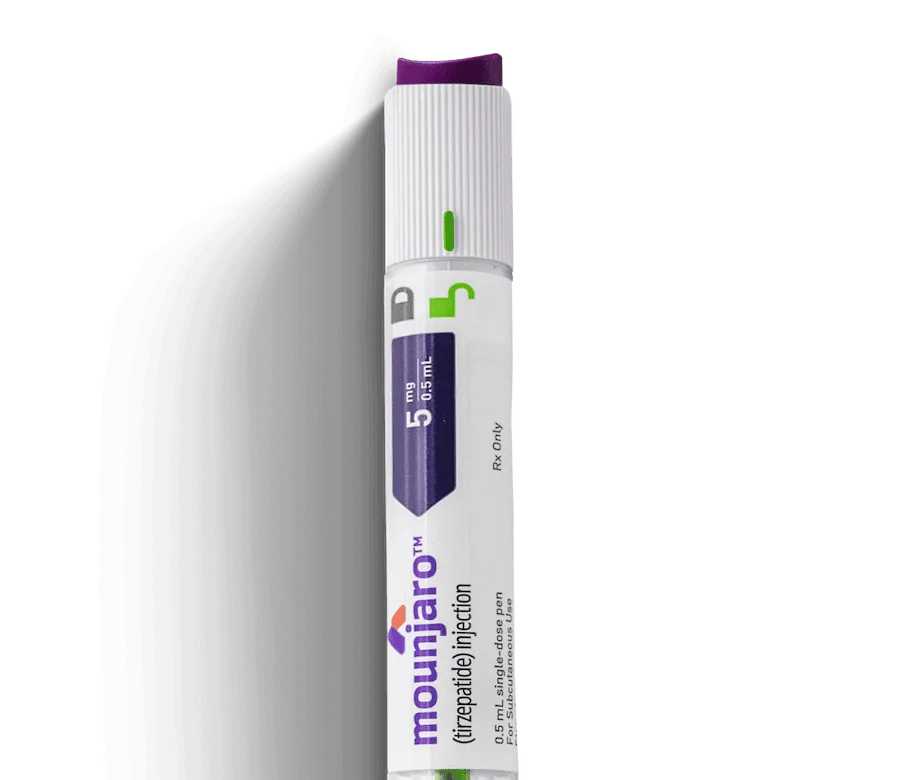
Mounjaro®
Liraglutide
- Type 2 diabetes, where the goal is blood sugar management, for Ozempic (semaglutide), Mounjaro (tirzepatide), and Victoza (liraglutide).
- Cardiovascular risk reduction, meaning lowering the risk of serious heart-related events in eligible people for Wegovy (semaglutide) and Victoza (liraglutide).
- Obstructive sleep apnea (OSA) for Zepbound (tirzepatide).
The key detail is that Medicare coverage depends on a few specific factors, including:
- What the medication is officially approved to treat, excluding weight loss.
- Diagnosis, which is how your provider documents the medical reason for your prescription
- Your plan’s formulary, meaning the list of medications your specific Part D or Medicare Advantage plan agrees to cover
- Utilization management rules, such as prior authorization or step therapy, which may require your provider to get approval or show that other treatments were tried first
So a drug might be covered under Medicare for diabetes or heart health, even though Medicare still isn’t paying for weight loss treatment itself.
Here’s a quick look at how Medicare may approach GLP-1 medications:
| Medication (brand name) | FDA approval(s) | Medicare coverage?* |
|---|---|---|
| Ozempic® (semaglutide) | Type 2 diabetes | May be covered for diabetes |
| Wegovy® (semaglutide) | Weight management, heart disease, and MASH | Not covered for weight loss alone; may be covered for heart disease or MASH |
| Rybelsus® (semaglutide) | Type 2 diabetes | May be covered for diabetes |
| Mounjaro® (tirzepatide) | Type 2 diabetes | May be covered for diabetes |
| Zepbound® (tirzepatide) | Weight management; obstructive sleep apnea (OSA) | Not covered for weight loss alone; may be covered for obstructive sleep apnea (OSA) |
| Victoza® (liraglutide) | Type 2 diabetes, heart disease | May be covered for diabetes or heart disease |
| Saxenda® (liraglutide) | Weight management | Not covered for weight loss |
| Trulicity® (dulaglutide) | Type 2 diabetes | May be covered for diabetes |
Medicare and weight loss drugs: Part D vs Medicare Advantage
Medicare coverage can get confusing fast once you start comparing Part D plans and Medicare Advantage plans, especially around weight loss medications. A lot of the confusion comes from the common misconception that Medicare Advantage covers more, so weight-loss drugs might be included there.
Here’s the clearer split:
- Medicare Part D is strictly prescription coverage. You enroll in it alongside Original Medicare, and it follows Medicare’s federal list of what drug categories can and can’t be covered.
- Medicare Advantage (Part C) is a full replacement plan. It takes the place of Original Medicare and usually includes drug coverage, plus extra benefits that Part D doesn’t offer. Those extra benefits might include things like:
- Gym memberships
- Wellness programs
- Health coaching
Even though Medicare Advantage plans may come with extra wellness perks, they still follow the same federal rules about prescription drugs. So they can’t cover medications that Medicare excludes by law, including weight-loss drugs prescribed solely for weight loss.
When will Medicare cover weight loss drugs?
Weight loss medications are getting a lot more attention right now, and it’s easy to see why. More doctors are talking about weight management as part of long-term healthcare, and medications like GLP-1 drugs are being used more often for conditions like type 2 diabetes and heart-related risk reduction. With so many new approvals and headlines, Medicare coverage has become a big question.
Medicare, though, can’t simply decide overnight to cover a new category of drugs. Coverage rules are set at the federal level, which means changes usually require new legislation or official Medicare policy updates.
So, for now, the simple answer is: discussions are underway, but there’s no guaranteed timeline for Medicare to fully cover weight-loss drugs as a standard benefit.
Medicare is testing new options
In late 2025, the Centers for Medicare & Medicaid Services (CMS) announced a new voluntary test called the Better Approaches to Lifestyle and Nutrition for Comprehensive hEalth (BALANCE) Model. This program is designed to help some Medicare plans expand access to GLP-1 medications for weight management, while also working to control costs.
Here’s what CMS has shared so far:
- Medicare Part D coverage under the BALANCE Model could begin in January 2027.
- A short-term demonstration is expected to start earlier, in July 2026, serving as a bridge to BALANCE so some eligible beneficiaries can access these medications sooner.
- Participation will depend on drug manufacturers and Medicare plans choosing to take part.
These are meaningful steps, but Medicare coverage changes usually happen gradually. Wider access will depend on participation, eligibility rules, and future federal decisions.
Does Medicare cover weight loss drugs for seniors specifically?
Medicare rules on weight-loss drugs are the same for everyone enrolled in the program, including seniors. So if you’re searching for Medicare coverage answers specifically for older adults, Medicare doesn’t use age alone as a deciding factor. The coverage rules stay the same across the board.
This question comes up so often because health needs tend to change over time. Many older adults are managing conditions like type 2 diabetes or heart disease, and medications tied to those diagnoses may be covered under Medicare. Cost is another big reason, since prescription prices can quickly become a major monthly expense, especially on a fixed income.
Medicare coverage depends on the diagnosis your provider documents and what the medication is FDA-approved to treat. If you’re considering a weight loss medication like GLP-1s, it’s best to talk with your healthcare provider and check your plan’s formulary so you know exactly what your Medicare plan will and won’t cover.
What are your options if Medicare doesn’t cover weight loss drugs?
Seeing that Medicare won’t cover a weight loss medication can be frustrating, especially with how expensive these drugs can be and the many health benefits weight loss can offer. Even so, there are still a few practical paths to explore, depending on your health needs and budget.
One important question is whether you can pay out of pocket instead of using Medicare to access lower-cost programs. In some cases, the answer is yes—but there are limits.
People enrolled in Medicare can choose to pay cash for a medication and not use their insurance. This means you would get your prescription filled through direct-pay programs like NovoCare Pharmacy or LillyDirect at their listed prices.
There are also a couple of tradeoffs to keep in mind:
- Cash payments won’t count toward your Medicare deductible or out-of-pocket maximum.
- Your doctor still needs to prescribe the medication, and not all providers will route prescriptions through direct-pay pharmacies.
Some of the biggest cost differences come from manufacturer-sponsored direct-pay options, which may offer reduced pricing compared with retail list prices. Here’s a quick snapshot of common GLP-1 medications and alternatives that may help lower out-of-pocket costs:
| Medication | List price | Alternatives |
|---|---|---|
| Wegovy® (semaglutide) | $1,349 | NovoCare Pharmacy Pen: $199: 0.25 mg and 0.5 mg; $349:1 mg, 1.7 mg, and 2.4 mg Pill: $149: 1.5 mg; $149–$199: 4 mg; $299: 9 mg and 25 mg |
| Zepbound® (tirzepatide) | $1,087 | LillyDirect vials and multi-use pens (QuikPen): $299: 2.5 mg$399: 5 mg; $449: 7.5 mg, 10 mg, 12.5 mg, and 15 mg |
Prices may vary by pharmacy and are subject to change.
Learn more about GLP-1 costs:
- Wegovy® cost without insurance: What to expect in 2026
- Zepbound® cost without insurance: What to expect in 2026
Frequently asked questions about Medicare and weight loss drugs
These are some of the most common questions people ask when they’re trying to understand what Medicare pays for, what it doesn’t, and what may change in the future.
Why doesn’t Medicare cover weight loss drugs?
Medicare generally doesn’t cover weight loss drugs because of long-standing federal rules. Back in the 1990s, weight loss medications raised safety concerns, and that shaped how Medicare policy developed. When Medicare Part D was created in the mid-2000s, the law specifically excluded drugs used for weight loss. That exclusion is still the main reason coverage remains limited today.
Does Medicare pay for any weight loss treatments?
Those with a BMI of 30 or higher may be eligible for intensive behavioral therapy through Medicare Part B, which can include counseling focused on nutrition, physical activity, and behavior change.
For bariatric surgery, the criteria are more specific. Medicare typically requires a BMI of 35 or higher along with at least one obesity-related condition (such as type 2 diabetes or hypertension). In addition, documentation must show that non-surgical weight loss approaches have been tried without sufficient success.
Will Medicare ever pay for weight loss drugs?
It’s possible, but it would take a change at the federal level. Medicare coverage only expands through new legislation or official policy updates. Right now, Medicare is testing programs like the BALANCE Model to explore broader access in certain plans. Still, there’s no guaranteed date for full nationwide coverage.
Does Medicare cover GLP-1 medications for diabetes?
Yes, Medicare may cover certain medications that affect weight when they’re prescribed for type 2 diabetes. Drugs like Ozempic® or Mounjaro® are often covered under Part D plans. Coverage usually comes with conditions. Most plans require prior authorization, meaning your provider must confirm the medical need, and some may use step therapy, requiring you to try other diabetes medications first. Coverage also depends on your specific plan and its formulary.
A quick check with your specific plan can help clarify what applies to you.
Can Medicare Advantage plans cover weight loss drugs?
Medicare Advantage plans follow the same drug coverage rules as Part D. Even though these plans may offer extra wellness benefits, they usually can’t cover medications that Medicare excludes by law. That means weight loss drugs prescribed only for weight management are generally not covered. Coverage may still apply when the drug is prescribed for diabetes or heart-related conditions.
Reviews from real Noom users
Desirea N. — Real Noom user
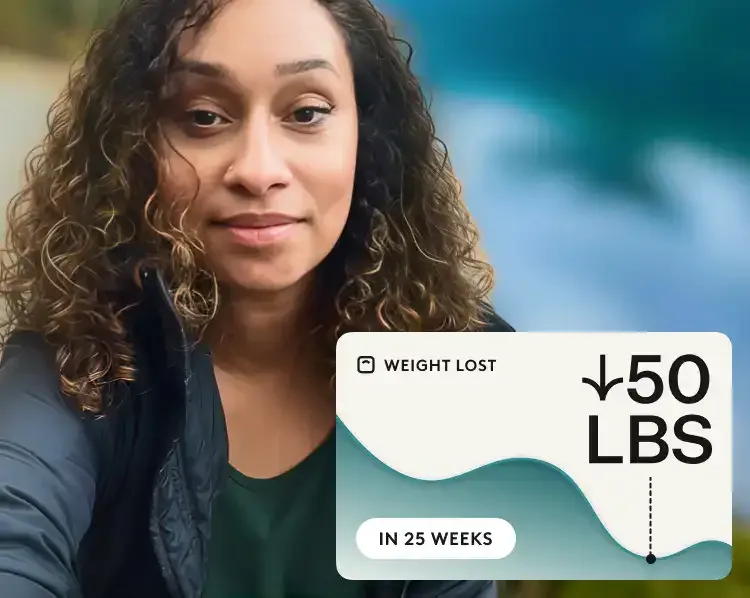
“My favorite parts of Noom are the care team and other Noomers. Sharing and getting help made me feel like I wasn’t doing it alone. That support made all the difference.”
Desirea N. — Real Noom user
Matthew M. — Real Noom user
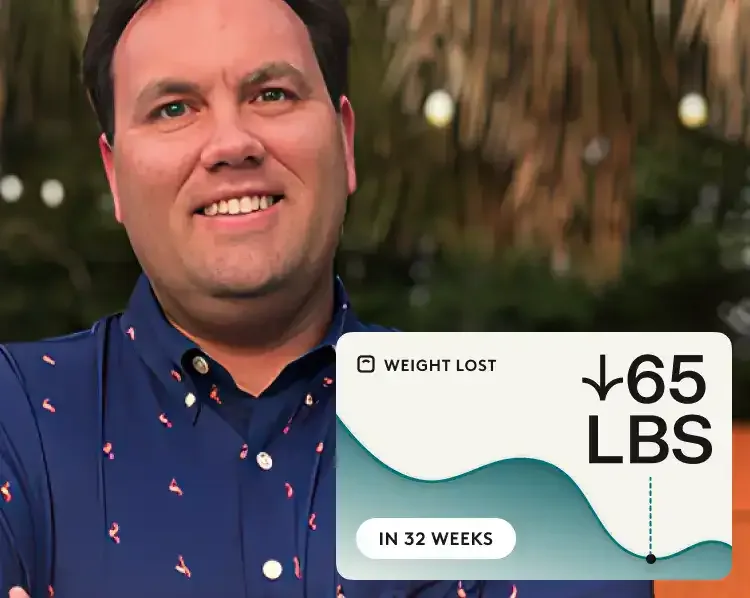
“Noom has taught me that every day is a new chance to make better, healthier choices. It's taught me how to stop overeating.’’
Matthew M. — Real Noom user
Lila M. — Real Noom user
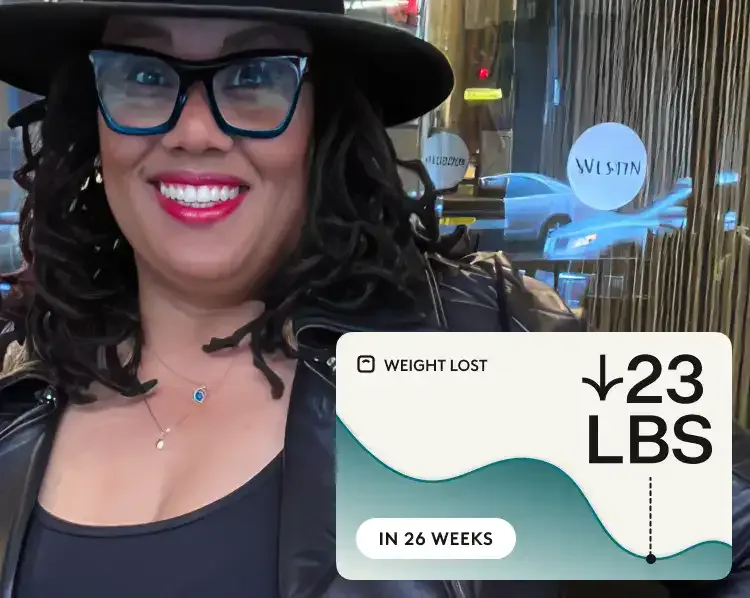
“Clinicians who understand how supportive medication can be is one of the best parts of Noom! I was convinced I wouldn’t have success but I’m down 11 pounds in two months.’’
Lila M. — Real Noom user
Steve M. — Real Noom user
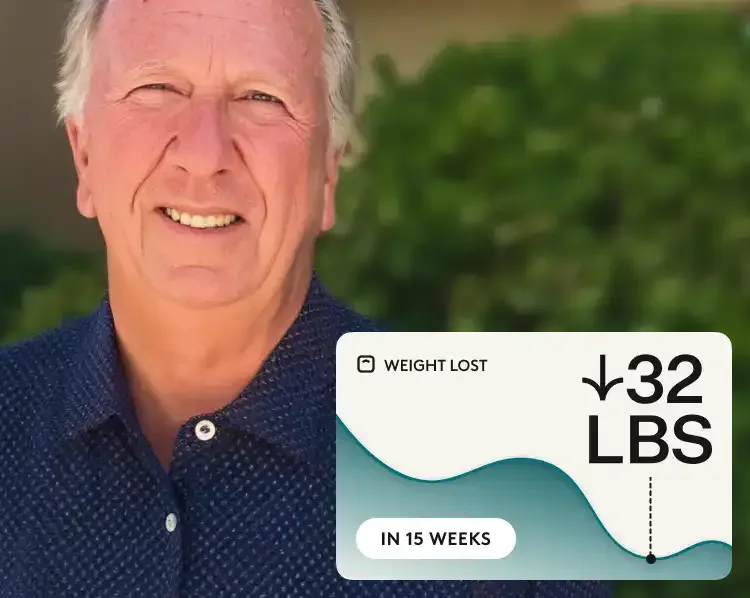
“Noom provided me with the medication which I could not get through Medicare. I have learned the tricks to better eating and life in general.”
Steve M. – Real Noom user
Daisy R. — Real Noom user
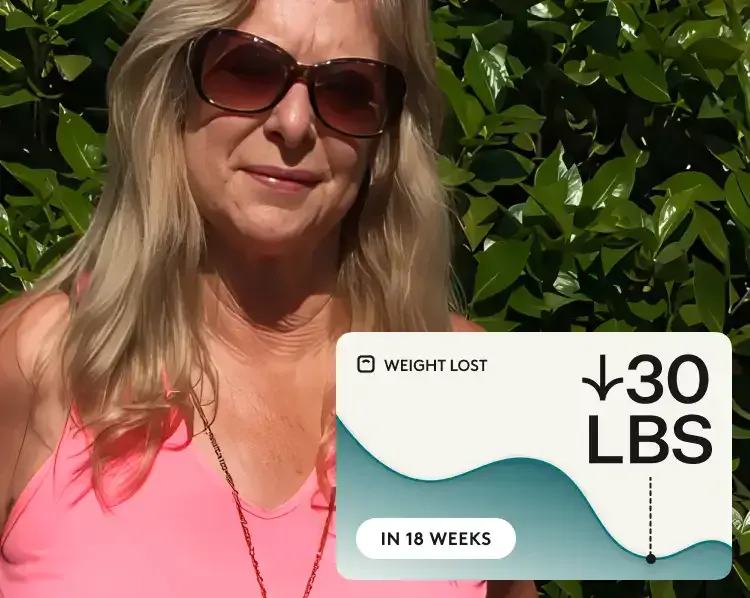
‘’Noom has changed my life and I’m so thankful, I feel great, have more energy and am no longer prediabetic.”
Daisy R. – Real Noom user
Sarah R. — Real Noom user
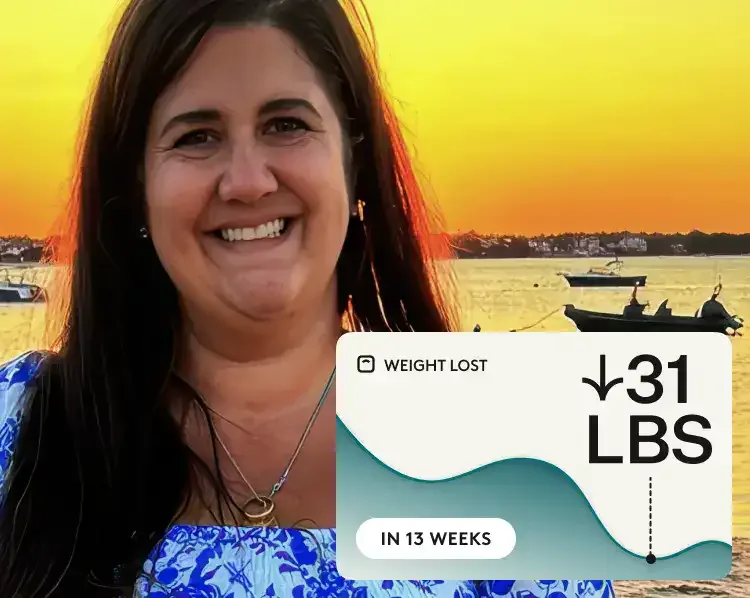
“All of the Noom providers that I’ve met with have been exceptional and prescribed medications that are appropriate for my situation and health.”
Sarah R. – Real Noom user
Madison S. — Real Noom user
“Noom made the process so simple and now I feel full, free from diet obsession, and at ease in my body again.”
Madison S. – Real Noom user
Sonday K. — Real Noom user
“My doctor recommended Noom after I was frustrated trying to lose weight. The lessons helped change my relationship with food. My body feels lighter & energized.”
Sonday K. – Real Noom user
Cam K. — Real Noom user
“I built healthy habits with coaching and lessons that make me confident I can maintain my weight loss long term.”
Cam K. – Real Noom user
Laura TR. — Real Noom user
“With the right medication through Noom, hunger and sugar cravings finally quieted and I have the tools to break the cycle.”
Laura TR. – Real Noom user
Jessica S. — Real Noom user
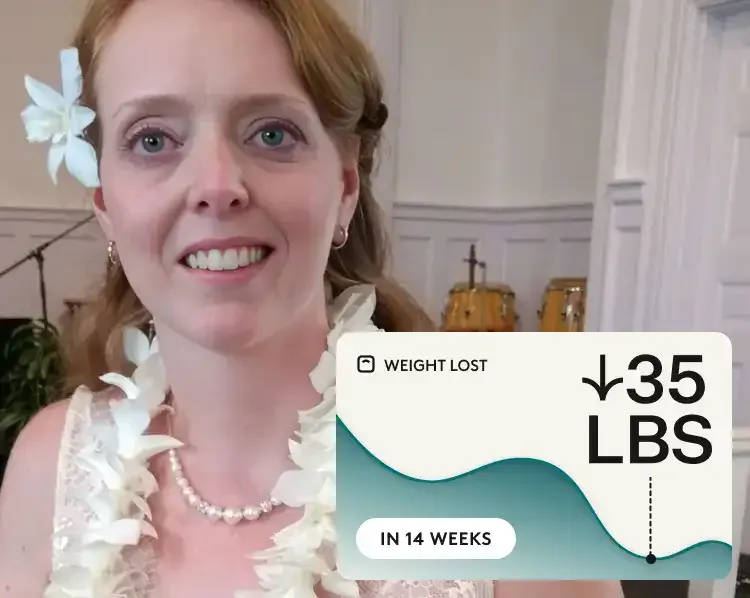
“Cravings and food noise are gone, I finally feel confident in the healthy habits I’ve built to last with Noom.”
Jessica S. – Real Noom user
The bottom line: Medicare coverage is still limited, but changes may be coming
Weight loss medications are now part of everyday health conversations, but Medicare’s coverage rules haven’t moved at the same pace. Right now, Medicare generally doesn’t cover these drugs when they’re prescribed only for weight loss, and that limit applies across plans. Some medications may be covered, but only when they’re tied to specific, approved medical uses like diabetes or heart disease risk.
Even with new pilot programs on the horizon, change at the Medicare level tends to happen slowly and in stages. For now, the most useful step is understanding how coverage works today and what factors actually influence eligibility.
Editorial standards
At Noom, we’re committed to providing health information that’s grounded in reliable science and expert review. Our content is created with the support of qualified professionals and based on well-established research from trusted medical and scientific organizations. Learn more about the experts behind our content on our Health Expert Team page.