

What you’ll learn:
- Both Jardiance® and metformin can lead to modest weight loss off-label, but metformin tends to be more effective than Jardiance®.
- Neither medication is FDA-approved for weight loss. They’re approved for type 2 diabetes, and Jardiance is also approved for heart and kidney conditions.
- You’ll see the best and most sustainable results when they’re paired with long-term habits like balanced eating, regular movement, and other lifestyle changes.
Ever since Ozempic® entered the spotlight as an off-label solution for weight loss, interest in exploring other diabetes medications for weight loss has surged. More people are asking their providers whether certain prescriptions—originally meant for blood sugar control—might also support their weight-loss efforts and overall health.
Two drugs that often come up in these conversations are metformin and Jardiance®. Both are FDA-approved to treat type 2 diabetes, but they act on the body in completely different ways (and operate nothing like GLP-1 medications such as Ozempic®).
- Metformin has been used for decades. It helps the body respond to insulin more effectively, which improves blood-sugar regulation. Some people may also see modest weight loss, especially if they have insulin resistance or prediabetes.
- Jardiance® lowers blood sugar by helping the kidneys release extra glucose through urine—a mechanism that can also contribute to weight reduction. It’s also approved for heart disease, treating heart failure, and chronic kidney disease
Let’s break down how they stack up against each other—and how they compare with other weight-loss medications—to help you determine whether one of them might be a good fit for your goals.
Jardiance® vs. metformin: How do they work?
Jardiance® and metformin might get grouped together because they’re both diabetes medications, but they’re actually very different in how they work and what they’re used for.
How Jardiance® works
Jardiance® (empagliflozin) is part of a class called SGLT2 inhibitors, which work directly on your kidneys. Normally, your kidneys filter glucose and send most of it back into your bloodstream. Jardiance® blocks that “recycling” step, so your body flushes excess glucose out through urine instead of keeping it. That means fewer calories stored and slightly lower blood sugar levels throughout the day. Because you’re excreting sugar rather than using or storing it, some people notice modest weight loss, though Jardiance® doesn’t directly curb appetite.
How metformin works
Metformin takes a completely different approach. As a biguanide, it works mainly in your liver, telling it to produce less glucose. It also helps your body use insulin more effectively, so your cells can absorb the sugar already in your bloodstream. This combo improves blood sugar control and often leads to more stable hunger cues—and for some people, slightly reduced appetite. Metformin comes in two versions: immediate-release (IR), which you usually take multiple times per day, and extended-release (ER), which you take once daily, and many people find it easier on the stomach. Because it’s generic, metformin is typically much more affordable than Jardiance®, even without insurance.
Jardiance® vs. metformin: What are the important differences?
Even though both medications were originally designed for type 2 diabetes, they’re very different in how they work, side effects, and what they cost. Here’s a breakdown of the key differences in the ways that matter most.
Dosing and how you take them
- Jardiance® is taken once a day, because it works through your kidneys over a long, steady window.
- Metformin is more flexible: it comes as immediate-release tablets you take 1 to 2 times a day, or extended-release tablets you take once daily.
Price
- Jardiance® is still under patent, which means it doesn’t have a generic version, and that keeps the price high.
- Metformin is a generic medication, which means it’s widely available at a very low cost; many pharmacies offer it for just a few dollars a month.
Side effects
- Since Jardiance® helps your kidneys flush out extra glucose through your urine, it’s totally normal to notice that you’re peeing more often. Some people also feel thirstier because of the extra fluid loss. And because more sugar is passing through the urine, there’s a slightly higher chance of yeast infections or mild urinary tract infections. Most side effects are manageable, but it’s good to stay hydrated and pay attention to any changes.
- Metformin works in the liver and helps your body use insulin more efficiently, so its side effects look a bit different. The most common ones are stomach-related—things like nausea, cramping, diarrhea, or stomach pain, especially when you first start taking it or increase the dose. These usually get better over time, especially if the dose is increased slowly or taken with food.
Jardiance® vs. metformin: What are the similarities?
Even though Jardiance® and metformin often get mentioned together in weight-loss conversations, they actually have very little in common. However, there are a few similarities:
Approved uses
- Their biggest shared trait is their original purpose: both were created to help people with type 2 diabetes manage blood sugar, not to function as weight-loss medications. Any weight-related benefits are more of a side effect.
- Neither drug is FDA-approved for weight loss, so anytime they’re used to support weight management, it’s considered off-label.
Insurance coverage
- Insurance coverage is also similar, as both may be covered for diabetes, but are unlikely to be covered for weight loss. Jardiance may also be covered for heart failure and chronic kidney disease.
Jardiance® vs. metformin: Which is better for weight loss?
Both Jardiance® and metformin lead to some weight loss, but it will not be as much as you’d see with GLP-1 medications. Keep in mind, too, that most of these studies were done with people with type 2 diabetes, and weren’t on weight loss specifically.
How much weight can you lose on Jardiance® vs metformin?
Here’s what the research shows when you look at the average percentage of body weight lost over time in clinical trials:
- Jardiance® (empagliflozin). In studies of people with type 2 diabetes, taking empagliflozin (10 to 25 mg once a day) led to a pretty modest amount of weight loss—an average of 1 to 3% of their body weight over roughly 12 to 24 weeks.
- Metformin. In people with a BMI over 27, metformin leads to modest but steady weight loss, with studies showing an average loss of about 5 to 6% of starting body weight over several months.
Learn more about Jardiance® for weight loss.
How long does it take to see results?
These medications work gradually, and people see the best results in coordination with lifestyle changes and a reduced-calorie diet. Here’s what the research shows.
Jardiance® (empagliflozin)
In a 24-week study of people with type 2 diabetes, those taking Jardiance® lost an average of about 3% of their starting body weight.
Learn more about Jardiance® for weight loss.
Access GLP-1 Weight Loss with Noom
Explore a wide range of prescription medications supported by Noom’s program.Microdose GLP-1rx
Noom GLP-1rx
Noom GLP-1rx Plus
Wegovy®
Ozempic®
Metformin
Zepbound®
Mounjaro®
Liraglutide
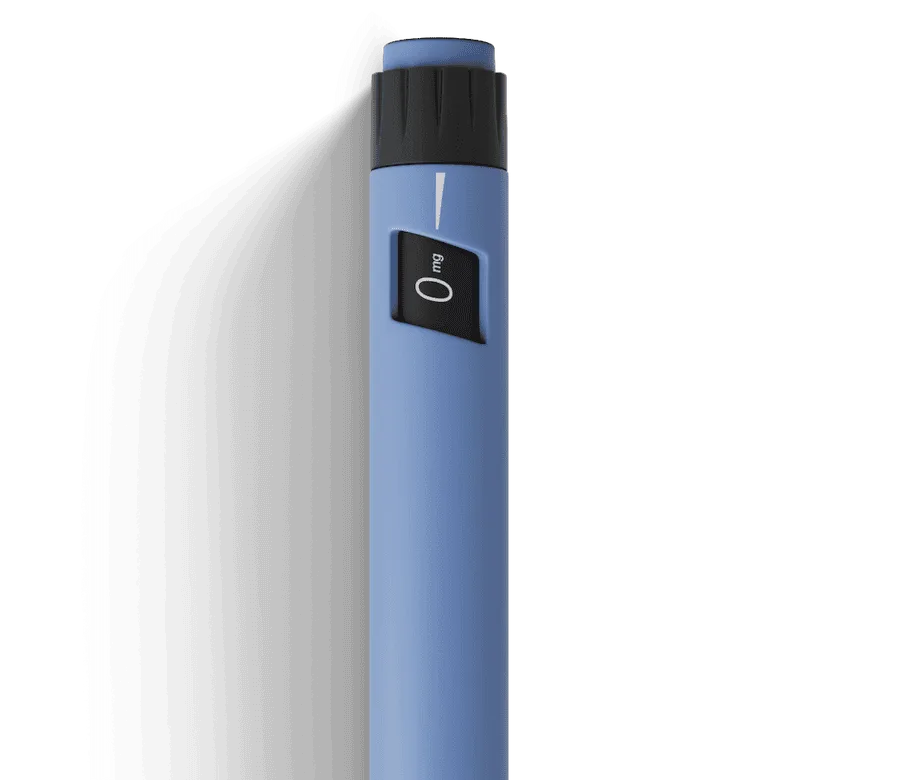
Metformin
The pattern is gradual—most of the change happens over 6 to 12 months—and many people maintain that loss as long as they stay on the medication.
Learn more about metformin for weight loss.
Who is eligible for Jardiance® or metformin for weight loss?
Even though neither Jardiance® nor metformin is officially approved for weight loss, some providers still prescribe them off-label. Whether you’re a candidate usually comes down to your BMI and any related health issues you might have.
- BMI ≥ 25: You might be considered if you also have metabolic concerns like insulin resistance, prediabetes, PCOS, or trouble keeping your blood sugar in a healthy range.
- BMI ≥ 27 with a weight-related condition: Some providers may also consider prescribing one of these medications if you have things like high blood pressure, high cholesterol, or elevated fasting glucose on top of your BMI.
How do these medications work if you don’t have diabetes?
Because both drugs were developed for type 2 diabetes, most of the research includes people with diabetes or prediabetes. But there is some evidence in people without diabetes:
- Metformin has been studied in diabetes-prevention trials and in people with insulin resistance, PCOS, and higher BMIs. It appears to help stabilize blood sugar and gently reduce appetite, even in people without diabetes. Because of this, the Diabetes Prevention Program study has shown that for people with prediabetes or metabolic risk, metformin can gently support weight management and delay diabetes development over the long term.
- Jardiance® works differently—it helps your kidneys remove extra glucose through urine. In people without diabetes, this effect is smaller (because their blood sugar starts lower), so the metabolic shift is milder, and the weight-loss impact is limited. It also doesn’t lower appetite, a key factor in other weight loss medications. Even still, Jardiance® does show up in non-diabetic research, because it can lead to modest weight loss and improvements in things like liver fat and triglyceride metabolism, but the changes were relatively small, and it didn’t act as an appetite suppressant.
If you take metformin or Jardiance® to lose weight, will you need to keep taking them forever?
How long to take Jardiance® or metformin for weight loss depends on your individual health goals and response to treatment. Some people use these medications for years as part of their long-term health management, especially if they also have type 2 diabetes or prediabetes. Others might take them for several months to help support their weight loss journey, then stop once they’ve built sustainable eating and activity habits.
Weight often returns when people stop taking these medications without making lasting lifestyle changes. But here’s the good news: people who focus on building healthy habits, like eating more minimally processed foods and staying active, tend to maintain their weight loss better after stopping medication. Your healthcare provider will help you decide the right timeline and whether you need to reduce your dose gradually or can stop all at once.
Metformin vs. Jardiance®: Costs and insurance considerations
Jardiance® is more expensive than metformin—often by a significant amount.
- Metformin often comes as a generic, which means it’s widely available and extremely affordable, with most people paying $4 to $25 per month without insurance. Even if you need a brand-name version like Glumetza® or Fortamet® because you don’t tolerate the generic well, the cost is still usually far below what you’d pay for Jardiance®.
- Jardiance® is brand-name only, with no generic alternative yet, and the cash price often lands around $762 per month. Even with insurance for people with diabetes, it frequently has higher copays and sometimes requires prior authorization.
Since Jardiance® can be quite expensive, some people turn to Farxiga®, another SGLT2 inhibitor, for a more affordable alternative.
Does Medicare cover Jardiance® or metformin?
Yes, both medications are generally covered under Medicare Part D, but not when they are prescribed for weight loss. Metformin is usually placed on a low-cost tier with very small copays, while Jardiance® is typically covered but often comes with higher copays because it’s a brand-name medication. Coverage and cost vary by plan.
Jardiance® vs. metformin: Side effects and safety
Side effects can be a big part of choosing the right medication, and Jardiance® and metformin each come with their own patterns because they work in completely different ways. Understanding what you experience on either medication can help you make a decision.
Jardiance® side effects
Because Jardiance® works through your kidneys, many of its side effects relate to urination, hydration, and fluid balance, including:
- Increased urination
- Thirst
- Genital yeast infections
- Urinary tract infections (UTIs)
- Dizziness or fatigue
- Low blood sugar (hypoglycemia)
Learn more about Jardiance® side effects.
Severe side effects
While rare, the following serious side effects can occur. If you experience any of these symptoms, seek medical attention immediately.
- Serious urinary tract infections (UTIs): Contact your doctor right away if you experience burning when you pee, a fever, pain in your pelvis or lower back, or notice blood in your urine.
- Ketoacidosis: Get emergency help immediately if you have nausea, vomiting, stomach pain, unusual fatigue, or difficulty breathing — even if your blood sugar isn’t very high.
- Dehydration and low blood pressure: Losing extra fluids can cause dizziness, fainting, or feeling lightheaded. Seek medical care if you feel weak or have trouble staying upright.
- Low blood sugar (hypoglycemia): This usually occurs only when Jardiance is used with insulin or certain other diabetes medications. Check your blood sugar and call your doctor if you notice shakiness, sweating, a fast heartbeat, or confusion.
- Fournier’s gangrene (severe genital infection): A very rare but serious infection in the genital area. Get emergency medical attention right away if you develop a fever along with pain, redness, or swelling in the genital region.
Metformin side effects
Since metformin works through your liver and digestive system, most of its side effects are related to that. They are most likely the first few weeks as your body gets used to the medication, and include:
- Diarrhea
- Nausea
- Stomach pain or cramping
- Gas and bloating
Learn more about metformin side effects.
Severe side effects
There are also some uncommon but serious side effects you should be aware of. Contact your doctor right away if you experience any of the following:
- Lactic acidosis: This is a rare but serious condition where lactic acid builds up in the blood. Warning signs include muscle pain, extreme fatigue, trouble breathing, dizziness, stomach pain, or an irregular heartbeat. People with kidney, liver, or heart problems — or those who drink heavily — are at higher risk. If you notice any of these symptoms, call for emergency help right away.
- Kidney problems: Get immediate medical care if you notice swelling, tiredness, changes in how often you urinate, or shortness of breath. Staying well hydrated is a simple way to help support proper kidney function.
- Allergic reactions: Although uncommon, allergies can be serious. If you experience swelling, trouble breathing, or a rash, seek medical attention right away.
- Vitamin B12 deficiency: Long-term metformin use can lower your B12 levels, which may leave you feeling tired or weak. You might also notice tingling or numbness in your hands or feet. Let your clinician know if something feels off.
- Low blood sugar (hypoglycemia): When metformin is taken with insulin or certain other diabetes medications, it can sometimes cause low blood sugar. Watch for dizziness, sweating, shaking, blurry vision, or a fast heartbeat. Talk to your doctor right away if these symptoms occur, and they may adjust your other meds to help lower this risk.
Who can’t take Jardiance® or metformin?
While many people can safely use these medications, there are some situations where Jardiance® or metformin isn’t recommended. Here’s a quick, clear rundown of who should avoid each option:
You may not be able to take Jardiance® if you have:
- Severe kidney disease or are on dialysis
- A history of recurrent genital infections
- Risk factors for diabetic ketoacidosis (even if your blood sugar isn’t high)
- Low blood pressure or frequent dehydration
You may not be able to take metformin if you have:

The Easy Way
to lose weight and get healthy.
See if you qualify*Initial 3-week subscription and 4 weeks of medication from $99 plus tax and $199 per month plus tax for 12-week subscription thereafter.


- Severe kidney impairment
- Acute or chronic metabolic acidosis
- Conditions that increase the risk of lactic acidosis (such as severe dehydration or serious infection)
- Advanced liver disease
Jardiance® vs. metformin: Dosage and administration
Taking these medications is similar since there are both daily pills. Here’s what the process looks like in real life.
Jardiance®
Jardiance® is a once-daily pill, taken in the morning with or without food. Most people start at 10 mg once daily, and for those who need additional glucose support or weight loss, the dose may be increased to 25 mg once daily, which is the maximum dose. These doses are the same whether you’re taking Jardiance® for diabetes treatment or for weight loss.
For weight loss, studies showed that people can lose an average of 2.8% of their body weight with 10 mg daily, and 3.2% of their body weight with 25 mg daily over about 6 months.
Because it only comes in two strengths (10 mg and 25 mg), adjustments are straightforward, and dose increases aren’t always necessary. Your provider will base your starting dose on factors like kidney function, other medications you’re taking, and how aggressively your blood sugar needs to be managed.
Metformin
Metformin offers a lot more flexibility because it comes in multiple strengths and two different forms: immediate-release (IR) and extended-release (ER). People start low to give their stomach time to adjust. From there, your provider may increase the dose every 1 to 2 weeks, depending on how well you tolerate it.
Here are its available dosages:
- Immediate-release (IR): 500 mg, 850 mg, 1000 mg
- Extended-release (ER): 500 mg, 750 mg, 1000 mg
The starting dose is typically 500 mg twice daily or 850 mg once daily for IR metformin, or 500 mg once daily of ER metformin. From there, doses are usually increased by 500 mg every week if your body is tolerating the medication, up to a maximum dosage of 2550 mg for IR metformin and 2000 mg for ER metformin.
Following a similar dosing schedule, one study showed that people were able to lose an average of about 5% of their body weight over 6 months.
People who struggle with digestive side effects often switch to the ER version because it’s gentler on the stomach. Metformin can also be taken with meals to reduce nausea or cramping, and dose adjustments are common during the first few months.
Learn more about metformin dosage.
Metformin vs. Jardiance®: Which is right for me?
When it comes to weight loss, metformin is generally a bit more effective. And, as an added bonus, it’s often cheaper since it’s a generic medication.
Here’s a simple side-by-side look to help you understand the key differences before you talk things through with your healthcare provider.
| Factor | Jardiance® | Metformin |
|---|---|---|
| Effectiveness | Modest weight loss of an average of 2–3% over 26 to 52 weeks | People lost an average of 3 to 5% of their body weight after 52 weeks |
| Administration | Once-daily pill (10 mg or 25 mg), taken with or without food | Multiple forms: IR (2–3× daily) and ER (1× daily); usually starts low and increases gradually to reduce stomach upset |
| Pricing per month (without insurance) | Brand-name only; typically $600–$700+ per month | Generic; often $4–$25 per month, depending on pharmacy |
| FDA approval and uses | FDA-approved for type 2 diabetes; used off-label for weight loss | FDA-approved for type 2 diabetes; used off-label for weight loss |
| Insurance coverage | May be covered for diabetes, not for weight loss | Covered by most insurance plans and Medicare for diabetes, not for weight loss |
Alternatives to Jardiance® and metformin
If Jardiance® and metformin don’t seem like the right fit, you’re not out of options. But the good news is that several other medications can help with weight loss, each working in different ways.
Your healthcare provider might suggest alternatives based on your health history, insurance coverage, and personal preferences.
Here are some other options to consider:
GLP-1 receptor agonists
GLP-1 medications are drugs that copy a hormone your body naturally makes—called GLP-1 (glucagon-like peptide-1)—that kicks in after you eat. This hormone does a few things at once: it tells your brain you’re getting full, it slows down how quickly food leaves your stomach (so you stay full longer), and it helps regulate your blood sugar. Because of all that, people often notice fewer cravings, steadier blood sugar, and—over time—weight loss. Let’s take a look at some of the medications in this category:
| Medication | Brand names and uses | Cost per month (without insurance) | Effectiveness | How it’s taken |
|---|---|---|---|---|
| Semaglutide – GLP-1 receptor agonist | Ozempic®: type 2 diabetes, off-label weight loss Wegovy®: FDA-approved for weight loss, heart disease, and MASH (Metabolic dysfunction-associated steatohepatitis) Rybelsus®: type 2 diabetes, off-label weight loss | Ozempic®: $998 NovoCare Pharmacy: $199 for the first two months (0.25 and 0.5), $349 thereafter for all doses up to 1 mg, 2 mg $499. Learn more Wegovy®: $1,350 NovoCare Pharmacy: $199 per month for the first two months $349 for all other doses thereafter Learn more Rybelsus®: $998 Learn more | Ozempic®/Wegovy®: People lost an average of 15% of body weight with injectable semaglutide. Rybelsus®: People lost about 4% of their body weight. | Ozempic® and Wegovy®: Weekly injection Rybelsus®: Daily pill |
| Tirzepatide – GLP-1/GIP receptor agonist | Mounjaro®: type 2 diabetes, off-label weight loss Zepbound®: weight loss and obstructive sleep apnea (OSA) | Mounjaro®: $1,080 Learn more Zepbound®: Pens: $1,087 Vials: $349 (2.5 mg) $499 (5 mg, 7.5 mg, 10 mg, 12.5 mg, 15 mg) Learn more | People lost an average of 21% of body weight at 72 weeks. | Weekly injection |
| Liraglutide – GLP-1 receptor agonist | Saxenda®: weight loss Generic liraglutide: type 2 diabetes, weight loss, and heart disease | Saxenda®: $1,350 Learn more. Generic liraglutide: $470 – $700 Learn more. | People lost an average of 5-6% of body weight in one year. | Daily injection |
Other medications:
There are also other types of medications that can help with weight loss. Here are some of the options:
| Medication | Brand names | Cost per month (without insurance) | Effectiveness | How it’s taken |
|---|---|---|---|---|
| Phentermine | Lomaira®, Adipex-P® | $27-$100 | About 80% of people with a BMI of 30 or more lost at least 5% of their body weight in 6 months. | Daily pill |
| Diethylpropion | Tenuate®, Tenuate Dospan® | $40-$85 Learn more. | People lost an average of 10% of their body weight in 6 months. | Pill taken one to three times daily |
| Naltrexone and bupropion | Contrave® | $600-$800 CurAccess™: $99 | People lost an average of 7 to 8% of their body weight in a year. | Pill taken up to twice daily |
| Orlistat | Xenical®, Alli® | $50-$800 | People in a study lost about 10% of body weight after taking Orlistat for 1 year. | Pill taken three times daily with meals. |
Reviews from real Noom users
Desirea N. — Real Noom user
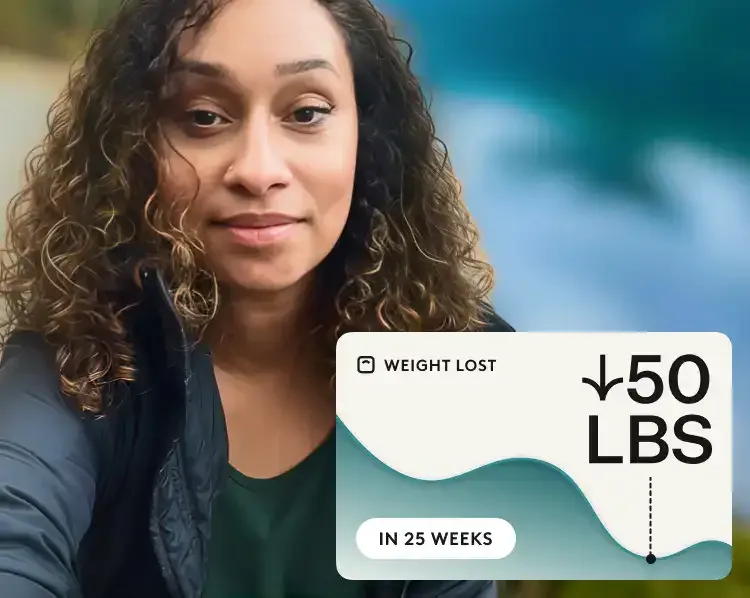
“My favorite parts of Noom are the care team and other Noomers. Sharing and getting help made me feel like I wasn’t doing it alone. That support made all the difference.”
Desirea N. — Real Noom user
Matthew M. — Real Noom user
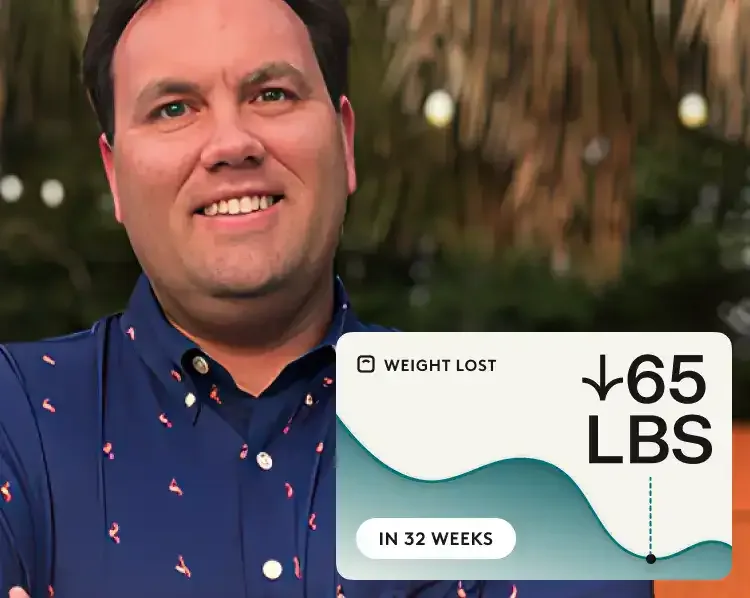
“Noom has taught me that every day is a new chance to make better, healthier choices. It's taught me how to stop overeating.’’
Matthew M. — Real Noom user
Lila M. — Real Noom user
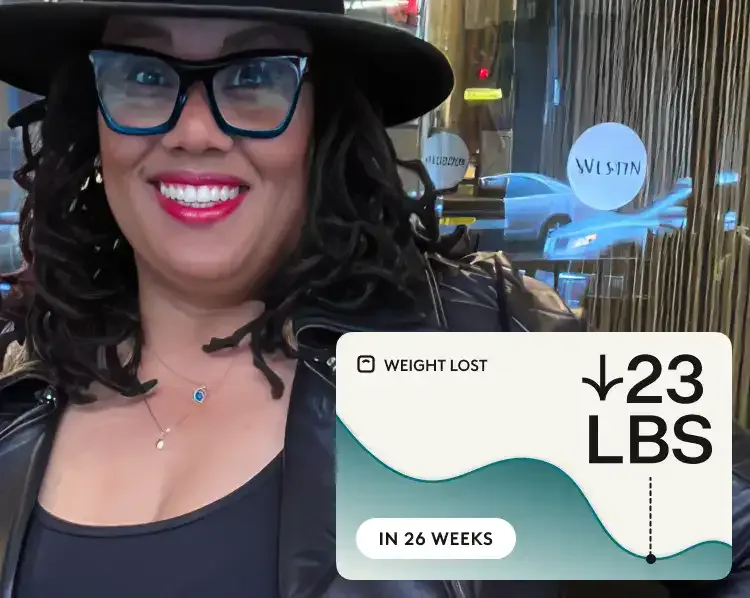
“Clinicians who understand how supportive medication can be is one of the best parts of Noom! I was convinced I wouldn’t have success but I’m down 11 pounds in two months.’’
Lila M. — Real Noom user
Steve M. — Real Noom user
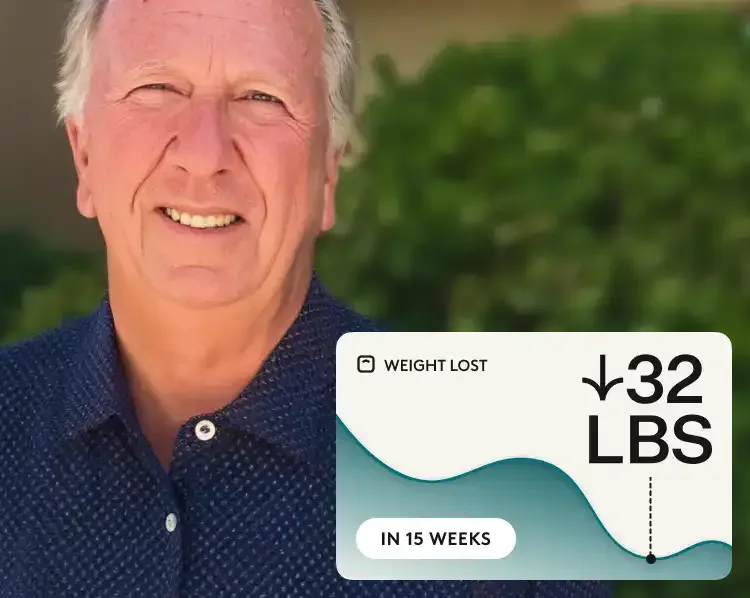
“Noom provided me with the medication which I could not get through Medicare. I have learned the tricks to better eating and life in general.”
Steve M. – Real Noom user
Daisy R. — Real Noom user
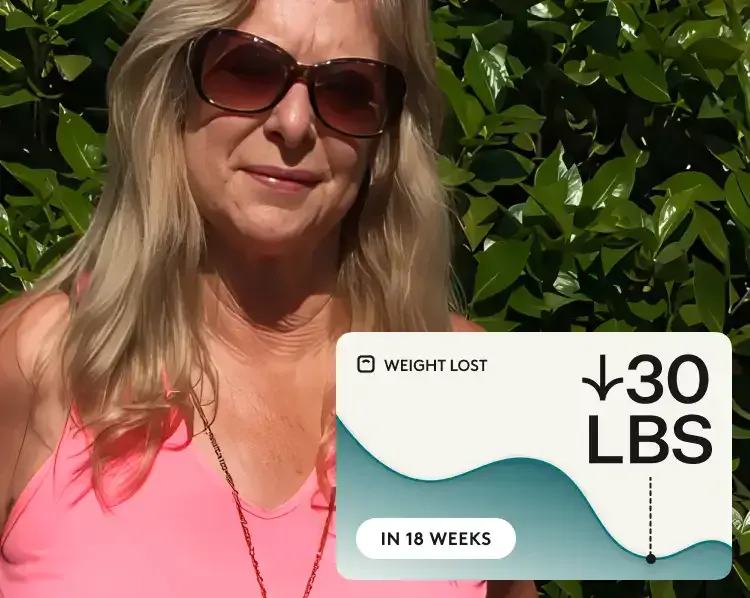
‘’Noom has changed my life and I’m so thankful, I feel great, have more energy and am no longer prediabetic.”
Daisy R. – Real Noom user
Sarah R. — Real Noom user
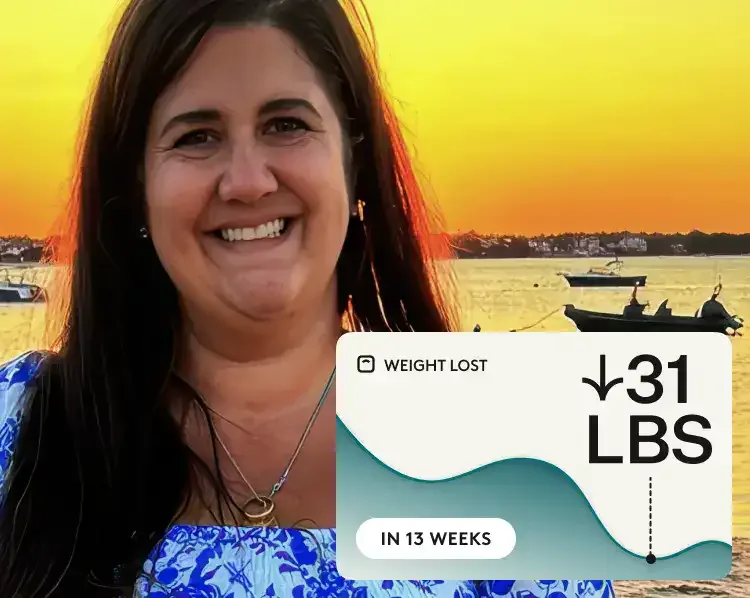
“All of the Noom providers that I’ve met with have been exceptional and prescribed medications that are appropriate for my situation and health.”
Sarah R. – Real Noom user
Madison S. — Real Noom user
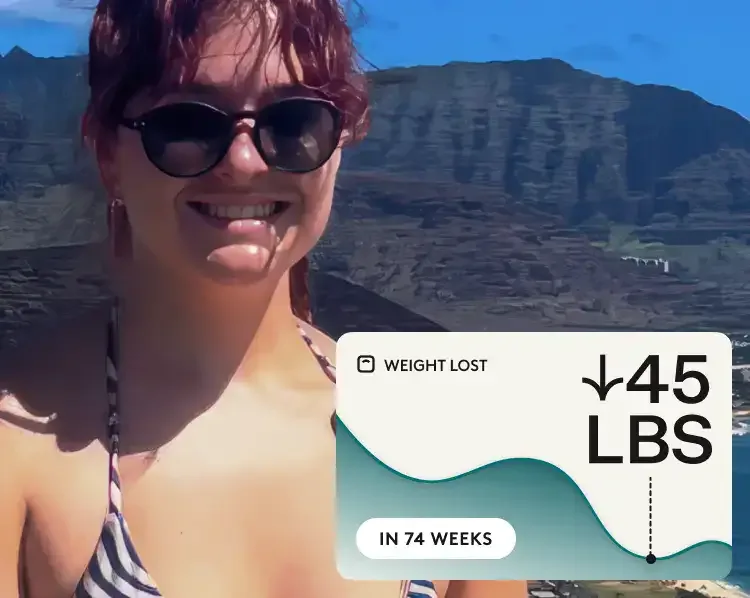
“Noom made the process so simple and now I feel full, free from diet obsession, and at ease in my body again.”
Madison S. – Real Noom user
Sonday K. — Real Noom user
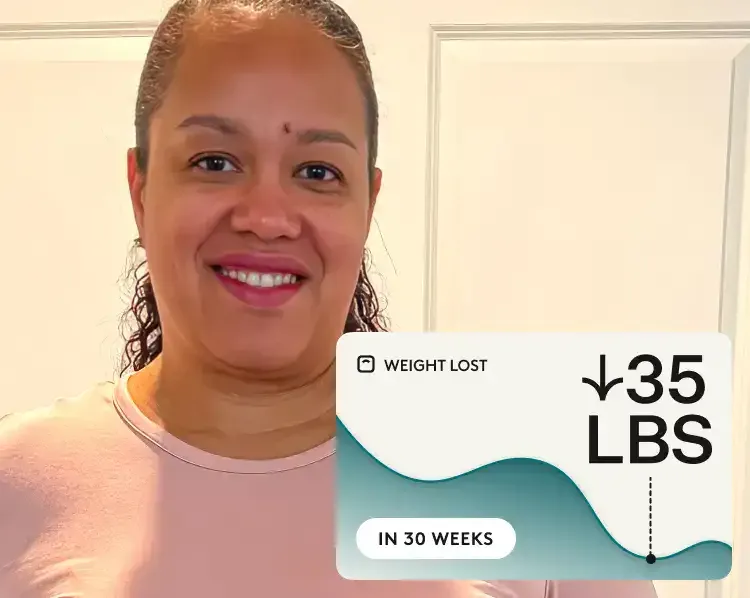
“My doctor recommended Noom after I was frustrated trying to lose weight. The lessons helped change my relationship with food. My body feels lighter & energized.”
Sonday K. – Real Noom user
Cam K. — Real Noom user
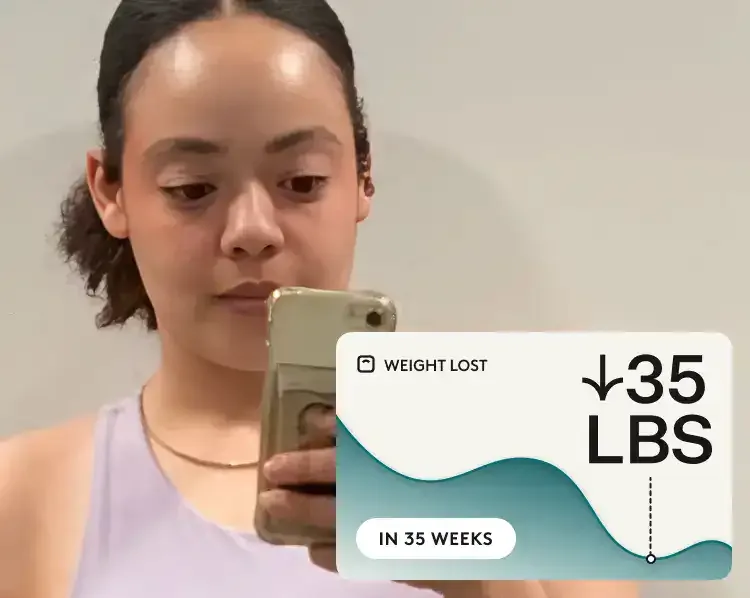
“I built healthy habits with coaching and lessons that make me confident I can maintain my weight loss long term.”
Cam K. – Real Noom user
Laura TR. — Real Noom user
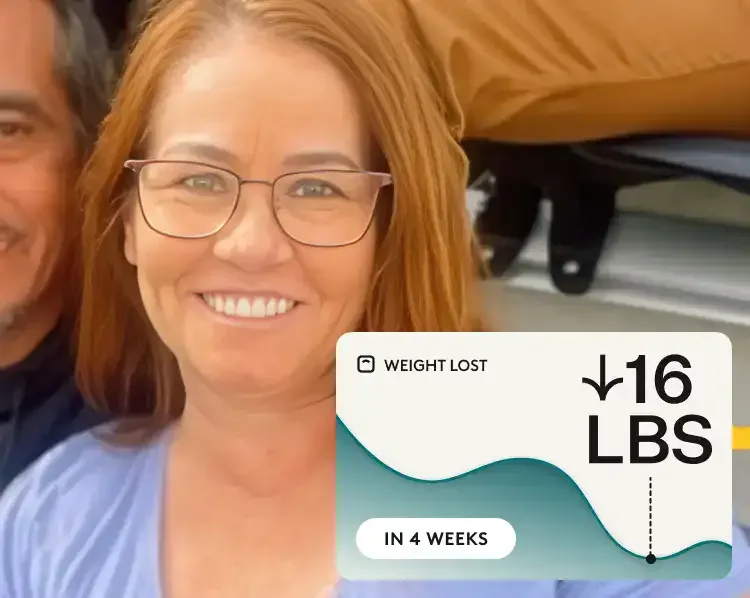
“With the right medication through Noom, hunger and sugar cravings finally quieted and I have the tools to break the cycle.”
Laura TR. – Real Noom user
Jessica S. — Real Noom user
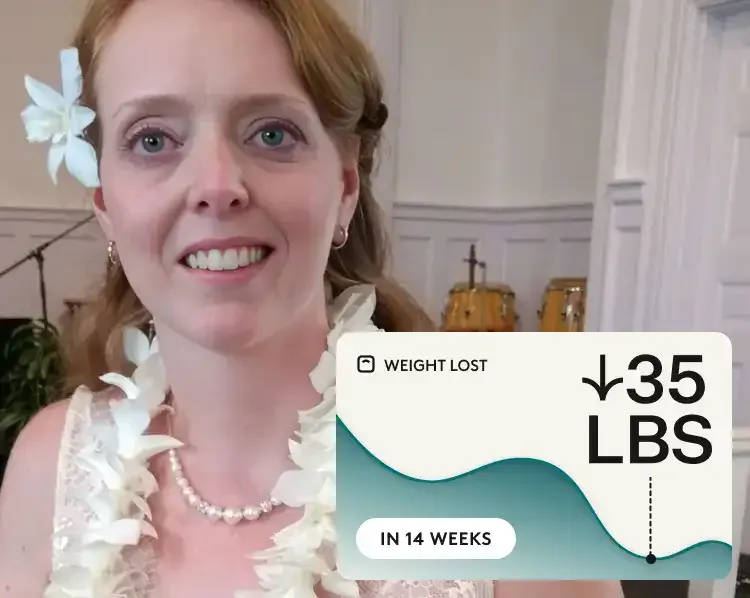
“Cravings and food noise are gone, I finally feel confident in the healthy habits I’ve built to last with Noom.”
Jessica S. – Real Noom user
What to remember about Jardiance® vs. metformin
Jardiance® and metformin can both support modest weight loss, but between the two, metformin will likely be more effective (and more affordable). Metformin also might work a bit better for those with prediabetes and other insulin issues.
The “best” option really depends on your health profile, your budget, your daily routine, and what feels sustainable long term. But, ultimately, neither medication is the most effective option if weight loss is your primary goal, though.
If there’s one other takeaway, it’s this: these medications work best when they’re paired with consistent lifestyle changes, not used on their own.
If you want to explore whether weight loss medication is right for you, see if you qualify for Noom Med. You’ll be connected with a clinician who can go through all the options, prescribe one if needed, and then you’ll build a plan together to help you reach your goals.
Note: Jardiance® and metformin are not FDA-approved to treat obesity or for weight loss.
Editorial standards
At Noom, we’re committed to providing health information that’s grounded in reliable science and expert review. Our content is created with the support of qualified professionals and based on well-established research from trusted medical and scientific organizations. Learn more about the experts behind our content on our Health Expert Team page.