
What you’ll learn:
- Eloralintide is an investigational medication being developed by Eli Lilly that works differently from GLP-1 drugs like Wegovy® and Zepbound®.
- Eloralintide targets a different hormone pathway, called amylin, to help control appetite and increase feelings of fullness. Researchers are also studying it both alone and in combination with tirzepatide.
- Eloralintide is currently in Phase 3 testing and not FDA-approved yet, but early testing suggests it can help people lose an average of about 10% to 20% of body weight.
Wegovy® and Zepbound® have dominated the medical weight loss conversation, but researchers are also studying new medications that may support weight loss in different ways. One of the newer names to know is eloralintide.
Eloralintide is an investigational weight loss drug from Eli Lilly. Unlike Wegovy® and Zepbound®, which work through hormones like GLP-1 and GIP, eloralintide targets a different pathway: amylin. Lilly is studying it both on its own and in combination with tirzepatide, the active ingredient in Zepbound®, to see whether that approach can improve weight loss while remaining safe and tolerable.
Amylin is a hormone your body releases along with insulin after you eat. It helps send signals of fullness, slows how quickly food leaves the stomach, and may help reduce how much you eat. Eloralintide is designed to mimic those effects in a longer-acting form, which could make it a promising new option for obesity treatment.
Right now, eloralintide is in Phase 3 testing, which means it has already moved through earlier studies and is now being tested in larger groups to evaluate how well it works and how safe it appears before regulators consider approval.
Here’s what we know so far about how eloralintide works, how much weight loss it may lead to, its possible side effects, and when it might eventually become available.
What is eloralintide?
Eloralintide is called a selective amylin receptor agonist, which means it mimics the actions of a hormone in your body called amylin.
Your body releases amylin when you eat, alongside insulin. Amylin helps you feel full after you eat, slows how quickly food leaves your stomach, and plays a role in blood sugar control. Research suggests that it also acts as a “meal-ending” signal, helping your brain recognize when you’ve had enough to eat. It works directly in areas of the brain involved in fullness and food reward, which may help reduce the drive to keep eating, not just how hungry you feel.
That might sound familiar, because GLP-1 medications also reduce appetite and slow gastric emptying. The difference is in how they signal. GLP-1 works through pathways that strongly influence insulin and glucagon levels, while amylin works alongside insulin and affects satiety signaling and post-meal glucose.
That overlap—with slightly different mechanisms—is exactly why researchers are interested in combining amylin-based drugs like eloralintide with GLP-1 or GIP medications. The idea is that targeting multiple pathways involved in appetite and fullness could lead to greater weight loss than using either approach alone.
Where is eloralintide in testing right now?
Eloralintide is currently in Phase 3 clinical trials. Phase 3 is the last major stage before a company can ask the FDA for approval. These trials usually include thousands of participants. The main Phase 3 study, called ENLIGHTEN-1, started in 2026 and is expected to continue through at least 2028.
How is eloralintide taken?
Eloralintide doesn’t have official dosing instructions yet, as it’s still in clinical development. But research gives us insight into how it may be used in the future.
In the 48-week phase 2 trial, eloralintide was given as a once-weekly injection. Researchers tested several different dose levels to evaluate safety and effectiveness.
Below are the doses studied:
Weekly injection:
- 1 mg
- 3 mg
- 6 mg
- 9 mg
- 6/9 mg (dose escalation)
- 3/6/9 mg (dose escalation)
Some participants followed a step-up dosing schedule, meaning their dose was gradually increased over time. Slower dose escalation was associated with fewer gastrointestinal side effects in higher-dose groups.
Access GLP-1 Weight Loss with Noom
Explore a wide range of prescription medications supported by Noom’s program.Microdose GLP-1rx
Noom GLP-1rx
Noom GLP-1rx Plus
Wegovy®

Ozempic®

Metformin
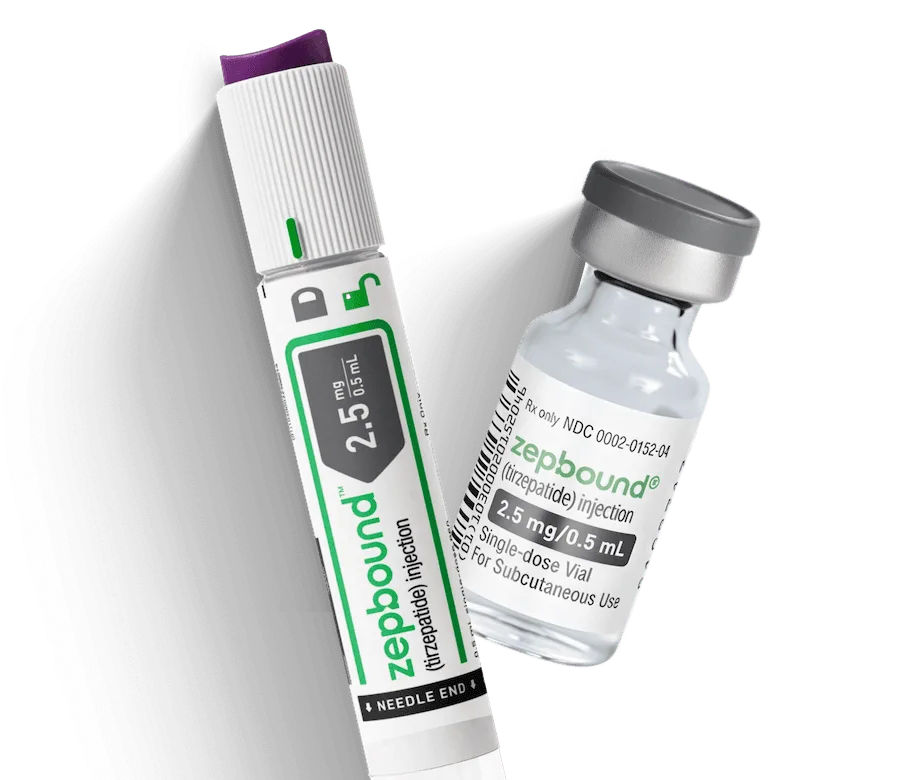
Zepbound®
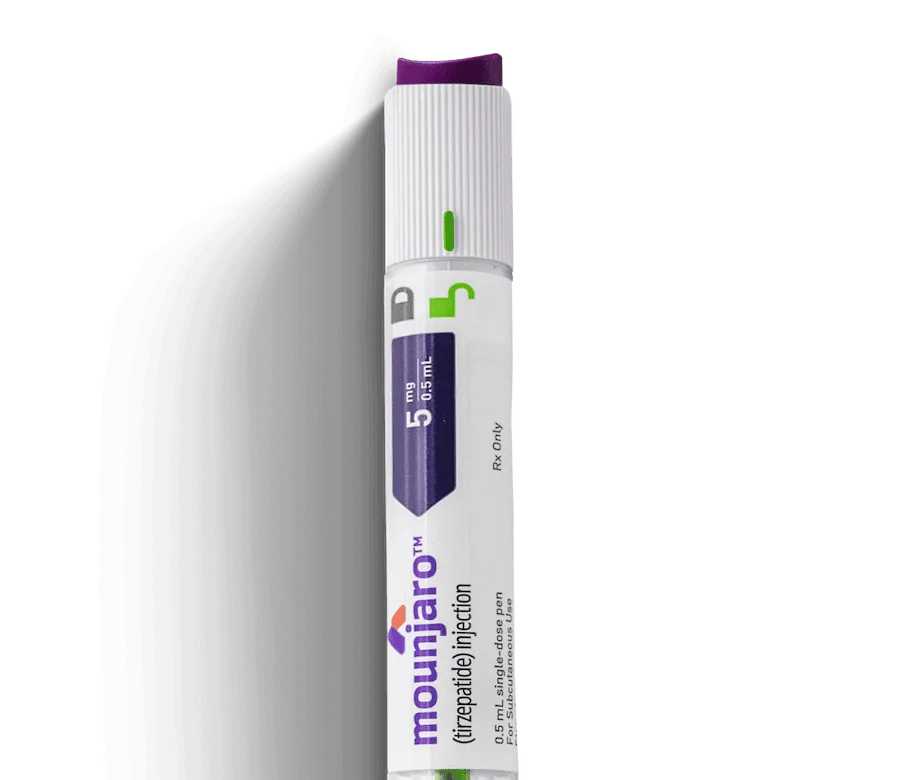
Mounjaro®
Liraglutide
Because eloralintide is still investigational, dosing recommendations may change as phase 3 studies are completed.
Eloralintide: How much weight can you lose?
In a 48-week trial that included 263 people with elevated BMIs but without type 2 diabetes, eloralintide led to meaningful weight loss.
At the start of the study, the people involved in the study weighed an average of about 240 pounds. By week 48, average weight loss ranged from about 10% to 20% of body weight, depending on the dose.
Here’s how the results broke down:
| Dose | Average % weight loss | Average pounds lost* |
|---|---|---|
| 1 mg | 9.5% | 22.5 lbs |
| 3 mg | 12.4% | 29.3 lbs |
| 6 mg | 17.6% | 41.2 lbs |
| 9 mg | 20.1% | 47.0 lbs |
| 6/9 mg (dose escalation) | 19.9% | 46.3 lbs |
| 3/6/9 mg (dose escalation) | 16.4% | 39.2 lbs |
| Placebo | 0.4% | 0.4 lbs |
*Based on an average starting weight of 240.5 pounds.
Overall, higher doses were associated with greater average weight loss. The study also reported improvements in cardiometabolic risk factors such as waist circumference, blood pressure, cholesterol levels, blood sugar markers, and inflammation.
It’s important to remember that these findings come from a phase 2 trial. Larger phase 3 studies are planned to further evaluate safety and effectiveness. As with any clinical study, results reflect averages, and individual outcomes may vary.
Eloralintide: Side effects and safety
Because eloralintide is still in clinical development, safety data comes from Phase 1 and Phase 2 trials. In studies so far, the most commonly reported side effects have involved the digestive system.
In one study, the most common adverse events were nausea and fatigue, which were described as mild to moderate.
| Dose | Nausea | Fatigue |
|---|---|---|
| 1 mg | 11% | 0% |
| 3 mg | 13% | 13% |
| 6 mg | 64% | 29% |
| 9 mg | 33% | 43% |
| 6–9 mg (escalation) | 54% | 46% |
| 3–9 mg (escalation) | 25% | 21% |
| Placebo | 14% | 12% |
Gastrointestinal side effects were more common at higher doses. Dose-escalation schedules appeared to improve tolerability compared to fixed higher-dose groups.
How does eloralintide compare to Wegovy® and Zepbound®?
The table below compares reported rates of nausea and fatigue with eloralintide compared to the highest doses of Wegovy and Zepbound.
| Medication | Dose | Nausea | Fatigue |
|---|---|---|---|
| Eloralintide | 9 mg | 33% | 43% |
| Eloralintide | 6 mg | 64% | 29% |
| Wegovy® (semaglutide) | 2.4 mg | 44% | 11% |
| Zepbound® (tirzepatide) | 15 mg | 28% | 7% |
Nausea appears to be common across all three medications. Fatigue was reported more often in the eloralintide groups compared to Wegovy® and Zepbound® in their respective trials.
It’s important to remember that these numbers come from separate studies with different participants and study designs, so they aren’t direct head-to-head comparisons.
Learn more about common side effects of GLP-1-based weight loss medications:
Eloralintide: Clinical trials & FDA status
Eloralintide is currently in Phase 3 clinical development for weight loss,the final stage of testing before a medication can be submitted for FDA approval.

The Easy Way
to lose weight and get healthy.
See if you qualify
Here’s how it progressed:
The first step was testing the drug in a small group of healthy adults. The goal here was simple: make sure it’s safe, understand how the body processes it, and see how people tolerate it.
These early results helped researchers figure out that a once-weekly injection could work and what dose ranges to study next.
Phase 2 (completed August 14, 2025)
Next, researchers tested eloralintide in a larger group of 263 people with elevated BMIs (but without type 2 diabetes). This phase looks more closely at how well the medication actually works, while continuing to track safety.
After 48 weeks, people taking eloralintide lost about 9% to 20% of their body weight, depending on the dose. Higher doses led to more weight loss, with the top group averaging around a 20% reduction.
The most common side effects were nausea and fatigue, and most were described as mild to moderate.
Phase 3 (current)
Now, eloralintide is moving into Phase 3, which is the largest stage of testing and involves many more people.
In a press release, Eli Lilly announced plans to study the drug as a standalone treatment for weight loss.
They’re also testing it in combination with tirzepatide in a separate Phase 2 study for people with elevated BMIs and type 2 diabetes, to see if targeting multiple hormone pathways could lead to even better results.
When could eloralintide be approved?
Eloralintide has just entered phase 3 testing, which is typically the final stage of clinical trials before a company can apply for FDA approval.
How long does that usually take?
Let’s take a look at how long it took Wegovy and Zepbound to move from phase 3 results to FDA approval:
- Wegovy®: Phase 3 results were published in early 2021, and the FDA approved it for weight management in June 2021.
- Zepbound® (tirzepatide): Phase 3 results were published in 2022, and FDA approval followed in November 2023.
What does this mean? Approval timing depends on many factors, including trial duration, safety findings, regulatory review timelines, and whether the FDA grants priority review.
Because eloralintide’s phase 3 trials just began in late 2025, those must be completed successfully before any regulatory submission happens.
Eloralintide: Potential price, accessibility, and brand
Because it hasn’t been approved by the FDA, the eloralintide price doesn’t have a price, and Eli Lilly hasn’t shared any details about how much it might cost.
And, as of now, eloralintide does not have a brand name. “Eloralintide” is the medication’s scientific (generic) name used during development. If it’s approved in the future, the company would likely introduce it under a brand name at that time.
Eloralintide vs. other weight-loss drugs
Eloralintide is still being tested, so it’s too early to compare it directly to medications like Wegovy® or Zepbound®. But early results give us a rough idea of how it might compare.
It’s also important to remember that weight loss isn’t just about the medication. Things like your starting weight, what you eat, how much you move, and how consistently you take the medication all matter. That’s why results can look different from person to person.
The biggest difference with eloralintide is how it works. Instead of targeting the same hormones as current medications, it works on a different one called amylin, which helps you feel full after eating. This could make it a useful option for people who don’t do well with existing treatments.
Here’s a side-by-side look:
| Medication | How it works | How it’s taken | Study length | Average weight loss (est.) |
|---|---|---|---|---|
| Eloralintide (6-9 mg) | Amylin receptor agonist | Weekly injection | 48 weeks | Up to 20% |
| Zepbound® (tirzepatide) 15 mg | GLP-1 + GIP dual agonist | Weekly injection | 72 weeks | 21% |
| Wegovy® (semaglutide) 2.4 mg (injection), 25 mg (pill) | GLP-1 agonist | Weekly injection & daily pill | 68–104 weeks | 14-15% |
Big picture: Where might eloralintide fit?
If approved, eloralintide could offer:
- An alternative for people who don’t tolerate GLP-1 medications well
- A potential option for those who don’t respond adequately to GLP-1-based drugs
- A different hormone pathway that could possibly be combined with other treatments in the future
Because it targets amylin alone, it may provide a simpler mechanism compared to multi-hormone drugs. Whether that translates to fewer side effects or similar long-term effectiveness remains to be seen.
Much will depend on the results of ongoing Phase 3 trials.
Other weight-loss medications still in development
As research continues, the weight-loss medication landscape is expanding beyond single-hormone GLP-1 treatments. Some drugs combine multiple hormones, while others, like eloralintide, explore entirely different pathways. The next several years of trial data will determine where each ultimately fits in clinical practice. Here’s a look at what is in testing:
| Name | Developer | Type (how it works) | Average weight loss | Trial phase |
|---|---|---|---|---|
| Retatrutide | Eli Lilly | Targets GLP-1, GIP, and glucagon (triple hormone) | Up to 24% | Phase 3 |
| CagriSema | Novo Nordisk | Combines GLP-1 (semaglutide) + amylin analog (cagrilintide, which helps you feel full longer) | 14% | Phase 3 |
| Orforglipron (Foundayo) | Eli Lilly | Oral GLP-1 receptor agonist (pill form) | 11% | Approved |
| Amycretin | Novo Nordisk | Dual GLP-1 + amylin in one molecule | 10% to 15% | Early-stage (Phase 1/2) |
Frequently asked questions about eloralintide
Here are answers to common eloralintide FAQ topics based on current research.
When will eloralintide be available to the public?
Eloralintide is still being tested in large-scale studies, with results expected around 2028. The medication could potentially be available in the coming years if trials succeed and regulatory review goes smoothly.
Is eloralintide better than existing weight-loss drugs?
It’s too early to declare eloralintide superior to medications like Wegovy® or Zepbound®. Early studies suggest eloralintide may lead to about 10% to 20% weight loss, compared to roughly 14% to 15% with Wegovy® and 20% to 21% with Zepbound®.
There haven’t been direct comparison studies yet, and results can vary based on the person.
What are the long-term safety risks of eloralintide?
Long-term safety data remain limited since clinical studies have only followed people taking it for 48 weeks so far. Common short-term side effects include nausea and fatigue. Ongoing studies will provide more complete safety data over several years.
How much will eloralintide cost?
No official pricing has been announced since Eloralintide isn’t approved yet. Eli Lilly hasn’t released cost estimates, and insurance coverage decisions won’t be made until after approval.
Could eloralintide be used for conditions beyond weight loss and diabetes?
Right now, eloralintide is being studied for weight loss. Lilly is testing it both on its own and in combination with tirzepatide in clinical trials. At this stage, research is focused on obesity and related metabolic conditions, and there’s no confirmed evidence supporting use beyond those areas yet.
Reviews from real Noom users
Desirea N. — Real Noom user
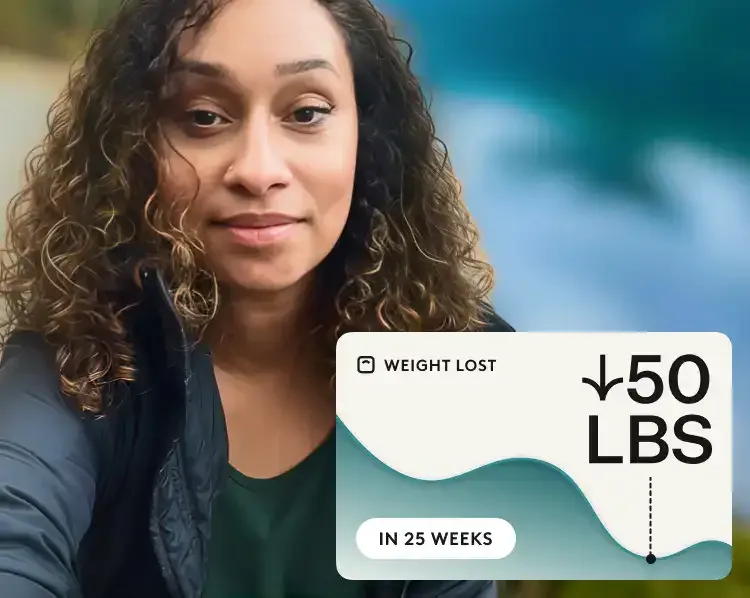
“My favorite parts of Noom are the care team and other Noomers. Sharing and getting help made me feel like I wasn’t doing it alone. That support made all the difference.”
Desirea N. — Real Noom user
Matthew M. — Real Noom user
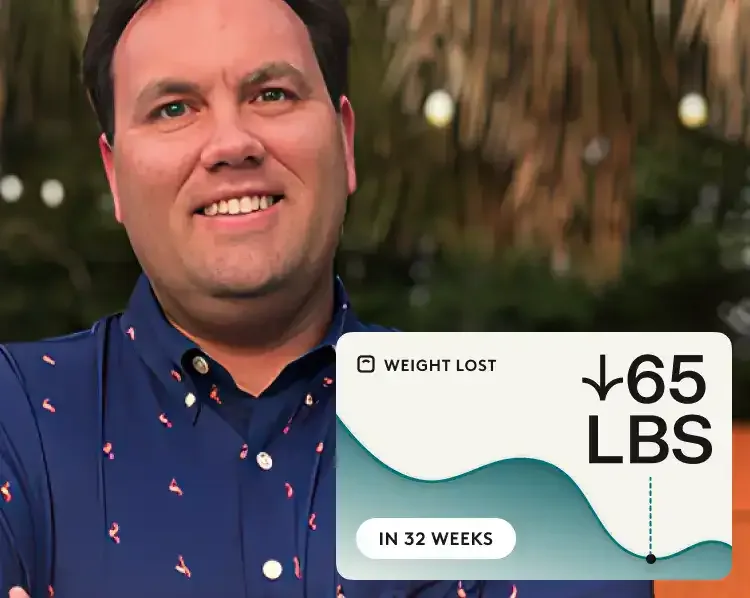
“Noom has taught me that every day is a new chance to make better, healthier choices. It's taught me how to stop overeating.’’
Matthew M. — Real Noom user
Lila M. — Real Noom user

“Clinicians who understand how supportive medication can be is one of the best parts of Noom! I was convinced I wouldn’t have success but I’m down 11 pounds in two months.’’
Lila M. — Real Noom user
Steve M. — Real Noom user
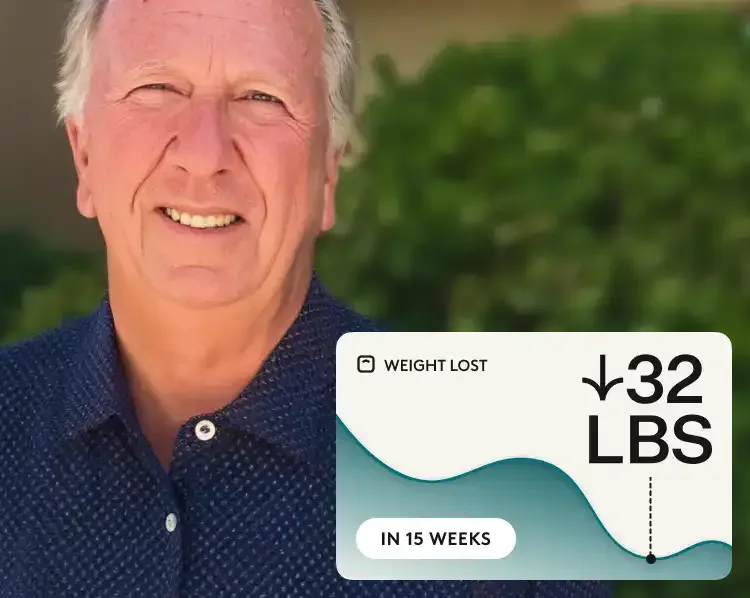
“Noom provided me with the medication which I could not get through Medicare. I have learned the tricks to better eating and life in general.”
Steve M. – Real Noom user
Daisy R. — Real Noom user
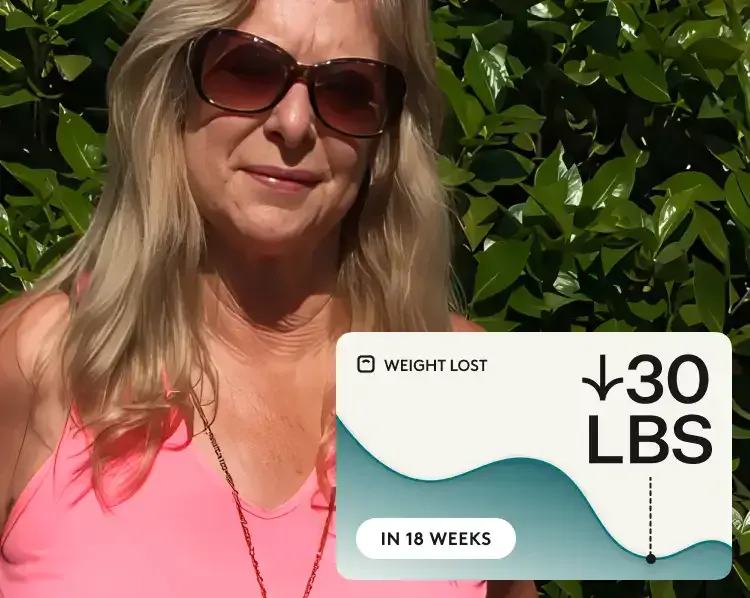
‘’Noom has changed my life and I’m so thankful, I feel great, have more energy and am no longer prediabetic.”
Daisy R. – Real Noom user
Sarah R. — Real Noom user
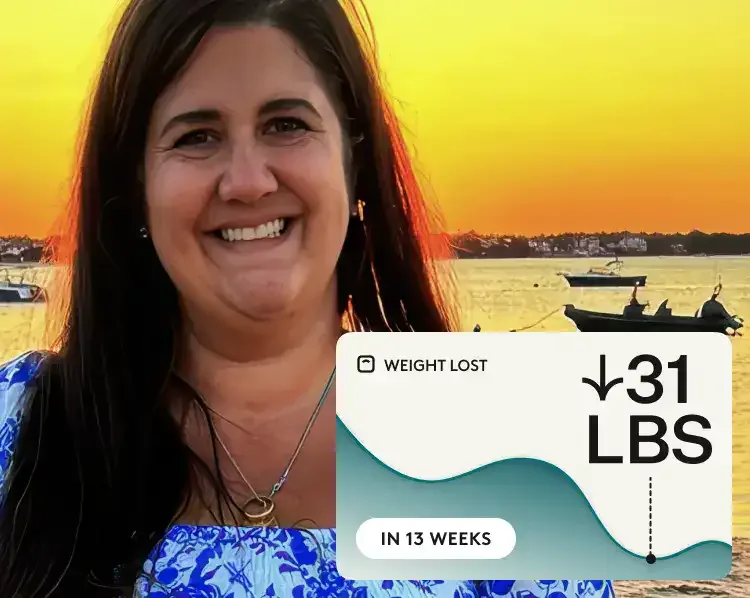
“All of the Noom providers that I’ve met with have been exceptional and prescribed medications that are appropriate for my situation and health.”
Sarah R. – Real Noom user
Madison S. — Real Noom user
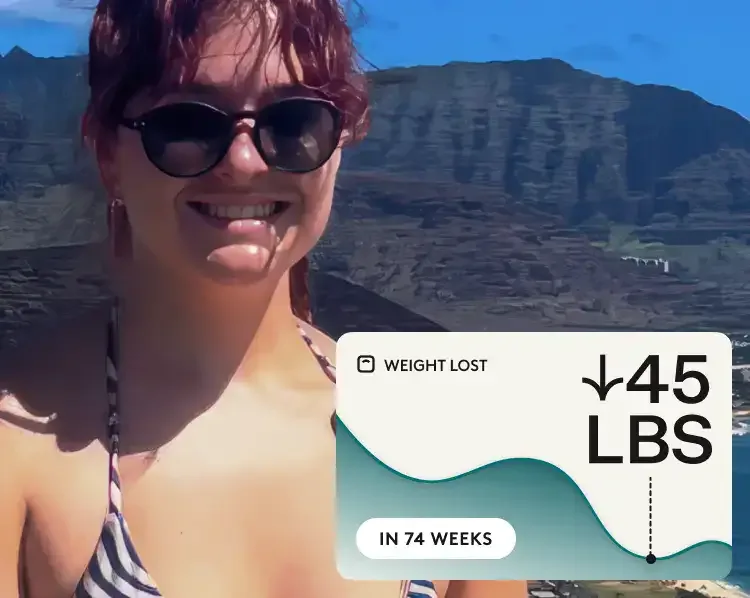
“Noom made the process so simple and now I feel full, free from diet obsession, and at ease in my body again.”
Madison S. – Real Noom user
Sonday K. — Real Noom user
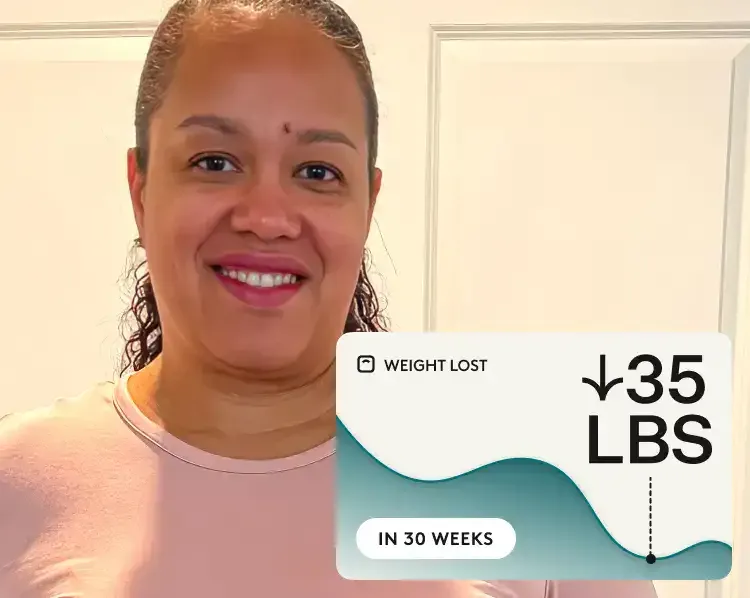
“My doctor recommended Noom after I was frustrated trying to lose weight. The lessons helped change my relationship with food. My body feels lighter & energized.”
Sonday K. – Real Noom user
Cam K. — Real Noom user
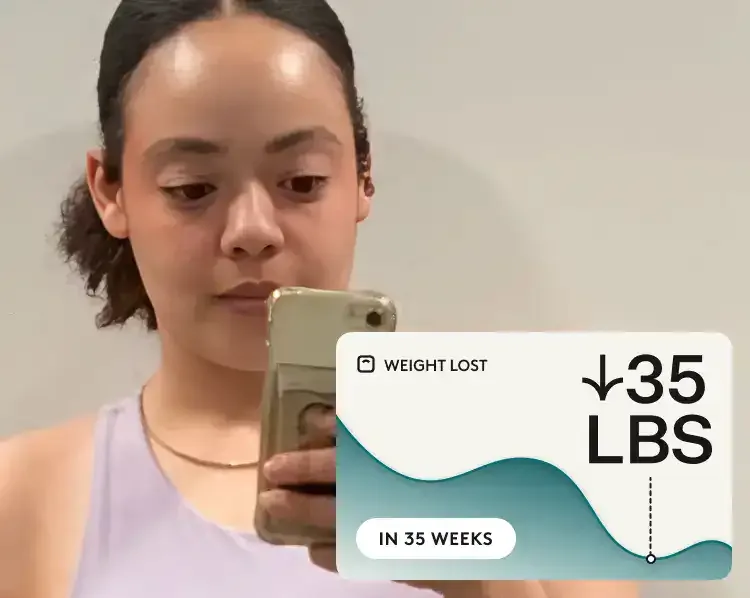
“I built healthy habits with coaching and lessons that make me confident I can maintain my weight loss long term.”
Cam K. – Real Noom user
Laura TR. — Real Noom user
“With the right medication through Noom, hunger and sugar cravings finally quieted and I have the tools to break the cycle.”
Laura TR. – Real Noom user
Jessica S. — Real Noom user
“Cravings and food noise are gone, I finally feel confident in the healthy habits I’ve built to last with Noom.”
Jessica S. – Real Noom user
The bottom line: Eloralintide is a promising but still investigational weight-loss medication
Eloralintide’s early data show why it’s generating attention. In a 48-week study, higher doses led to up to 20% average weight loss, putting it in the same conversation as some of today’s most effective weight loss treatments.
What makes it different is its amylin-based mechanism. Instead of targeting GLP-1 or GIP, eloralintide activates the amylin pathway, a separate hormone system involved in fullness and blood sugar control. That could make it a future option for people who don’t tolerate or respond well to current GLP-1 medications, though larger trials will determine how it ultimately compares in long-term safety and effectiveness.
For now, eloralintide remains investigational. Phase 3 trials are underway, with results expected around 2028. Approval, if it happens, would come after that.
The good news is you don’t have to wait for future treatments to take action. FDA-approved medications like semaglutide and tirzepatide are already available and helping many people achieve meaningful weight loss. If you’re considering medical support, you can explore your eligibility for Noom Med. If you qualify, a licensed clinician can help determine the right treatment option and provide ongoing guidance to support lasting results.
Editorial standards
At Noom, we’re committed to providing health information that’s grounded in reliable science and expert review. Our content is created with the support of qualified professionals and based on well-established research from trusted medical and scientific organizations. Learn more about the experts behind our content on our Health Expert Team page.