

What you’ll learn:
- The egg fast may lead to quick weight changes at first, but much of that early loss is often water weight from cutting carbs.
- There’s little research on the egg fast itself—most results come from calorie reduction and low-carb eating patterns.
- Lasting weight loss is more likely to come from balanced, sustainable habits rather than short-term restrictive plans.
You’re probably familiar with certain types of fasting, like intermittent fasting, where you go without food for part of the day and then eat during a set window. But some trends popping up on social media blur that definition a bit. Take the egg fast. Despite the name, it’s not actually a fast in the usual sense—you’re still eating throughout the day. It’s really a short-term, highly restrictive keto-style diet centered on one main food: eggs.
In practice, it’s a short-term plan built around mostly eggs, along with cheese and added fats, and it’s often framed as a way to break a weight-loss plateau, recover after a few off-track days, or create a sense of momentum when progress feels stalled.
So where did it come from? The idea appears to trace back to the older keto and low-carb diets, where a high-fat “fast” was used to break a plateau. The Atkins-style fat fast—a short-term, high-fat approach that was positioned as a temporary strategy for stubborn plateaus rather than a sustainable way of eating.
Over time, the egg fast seems to have emerged as a more food-specific, internet-friendly version of that concept. Many overviews trace its rise to low-carb blogger Jimmy Moore around 2010, but there doesn’t appear to be a formal medical protocol or scientific paper behind it—just a diet idea that spread through keto blogs and online communities.


That raises a few natural questions: If this isn’t coming from an established nutrition framework, how healthy is it? Can you really eat large numbers of eggs per day and still support your overall health?
We’ll break down what the egg fast involves, whether there’s any evidence behind the claims, and what Maggie Hudspeth, RDN, Senior Manager of Coaching at Noom, wants people to know before trying a single-food approach like this.
What is the egg fast?
The egg fast is a short-term, very low-carb, keto-style eating plan built around a small group of foods. Despite the name, it’s not a true fast—you’re still eating meals throughout the day—but your choices are intentionally limited.
It’s also not a single, standardized plan. What people call an “egg fast” has largely taken shape through blogs, forums, and social media, where different versions circulate with slightly different rules and expectations. In other words, it’s less of a defined diet and more of a trend that evolved within low-carb and keto communities.
Most versions focus on:
- Eggs
- Full-fat cheese
- Added fats like butter, oil, or mayonnaise
The stated goal is to keep carbs extremely low while simplifying meals enough that calorie intake often drops—often without tracking. That’s one reason the egg fast is often described as a keto plateau-breaker or a more restrictive spin on keto eating. That simplicity is part of the appeal, but it’s also part of what makes the results easy to misinterpret (more on that later).
Common rules of the egg fast
Because the egg fast isn’t an official protocol, the rules vary depending on who’s sharing it. That said, many versions repeat a similar structure:
- Eat at least 6 eggs per day
- Pair each egg with added fat
- Include small amounts of cheese
- Avoid fruits, grains, and most vegetables
- Keep carbs near zero
Meals tend to repeat—scrambled eggs, omelets, egg salad—which is part of what makes the plan feel easy to follow in the short term. It also means you’re cutting out entire food groups, including fiber-rich and nutrient-dense options, which is where some of the nutritional concerns come in. And because the food list is so tightly limited to high-fat, very low-carb choices, the plan functions more like a highly restrictive keto variation than a unique diet of its own.
How long should an egg fast last?
Most versions are intentionally short:
- 3 days (often framed as a “reset”).
- Up to 5 days in some variations.
- Longer plans do exist online, but they’re much less common, much harder to sustain, and nutritionally imbalanced.
That short timeline is often presented as a benefit. But it’s also a clue about what’s really happening: highly restrictive plans can produce quick changes, especially on the scale, without necessarily reflecting meaningful fat loss or long-term progress. Even the original low-carb “fat fast” that inspired this approach was described as a limited, temporary strategy—not something to follow for extended periods.
Access GLP-1 Weight Loss with Noom
Explore a wide range of prescription medications supported by Noom’s program.Microdose GLP-1rx
Noom GLP-1rx
Noom GLP-1rx Plus
Wegovy®

Ozempic®

Metformin

Zepbound®

Mounjaro®

Liraglutide

Why is the egg fast trending?
The egg fast fits into a broader pattern of short-term “reset” diets that promise quick results with minimal decision-making. Versions of this idea have been around for decades—from the grapefruit and cabbage soup diet to cleanses and other single-food or “mono” diets.
“Short-term plans like the egg fast can feel motivating because they’re structured and time-limited, but they don’t always translate into habits you can carry forward,” says Hudspeth.
That tension—between quick results and lasting change—is really the point. Plans like this simplify eating enough that weight loss often follows, at least at first. But those early shifts are usually driven by reduced calories, water loss, and glycogen depletion—not anything unique about the specific food itself.
The egg fast is especially popular in keto communities, where it’s often used as a plateau breaker. When progress slows, a more restrictive version of low-carb eating can feel like a way to regain momentum.
People are often drawn to it because it offers:
- Clear structure in a world of endless food choices – When there are fewer decisions to make, eating can feel simpler and less overwhelming.
- A short time commitment – Most egg fasts last just 3 to 5 days, which can make them feel more doable than long-term changes.
- Familiar, affordable foods – Eggs are (relatively) inexpensive, widely available, and easy to prepare.
- The possibility of fast results – Quick changes on the scale can feel motivating—even if they don’t reflect long-term fat loss.
Egg fast diet: Food list
The food list on an egg fast is intentionally small. That simplicity can make planning feel easy—there’s very little to decide—but it also means meals can become repetitive quickly. There’s also no single, official egg fast diet. Instead, the plan seems to have taken shape across mainstream explainers, keto blogs, and recipe-driven low-carb sites, which all describe slightly different versions with the same basic idea.
Most versions of the egg fast revolve around just a few foods:
- Eggs (boiled, scrambled, fried, or baked)
- Full-fat cheese
- Added fats like butter, oil, or mayonnaise
That pattern shows up consistently. These foods are usually included because they’re very low in carbs and relatively high in fat and protein, which lines up with keto-style eating. Several of the most-circulated versions explicitly describe the egg fast as a short-term ketogenic or keto-style approach.
What a day might look like
Because there’s no standardized egg fast, the menu is more of a pattern than a fixed plan. Based on commonly shared versions, a day often looks something like this:
- Breakfast: scrambled eggs cooked in butter
- Lunch: egg salad made with mayonnaise
- Dinner: omelet with cheese
- Snacks: boiled eggs or small portions of cheese
Some versions suggest eating every 3 to 5 hours to keep energy levels steady, while others are more flexible. Either way, most meals end up looking very similar from one day to the next.
Because the menu is so limited, many people may naturally eat fewer calories even without tracking. There’s only so much variety and volume you can get from eggs, cheese, and added fats alone, which may make it easier to end up in a calorie deficit in the short term.
What’s the 3-day egg fast?
The 3-day egg fast is the most common version and is often promoted as a quick reset. It’s designed to be short enough to stick with, while still producing noticeable changes on the scale.
That said, the same factors that make it effective short-term—restriction, repetition, and low carbs—also make it difficult to maintain. It’s not meant to be a long-term eating pattern, and most people transition back to a more varied diet after a few days.
Can the egg fast really help you lose weight?
Weight loss can happen on an egg fast—but why it happens matters more than the number on the scale.
At first glance, the results can seem impressive. Many people report dropping a few pounds in just a few days. But those changes are usually driven by a combination of factors that aren’t unique to eggs themselves.
Why weight loss can happen quickly on an all-egg diet (and what it means)
One reason the egg fast feels effective is how quickly the scale can change. But those early changes don’t always reflect fat loss. When carb intake drops, your body uses stored glycogen for energy. Glycogen holds onto water, so as it’s depleted, water weight is lost quickly. That can make the scale drop within a few days.
At the same time, eating fewer total foods means less volume in your digestive system, which can also affect weight temporarily. These shifts are real—but they’re also reversible. Once carbs and normal eating patterns return, some of that weight may come back.
Research on low-carb and higher-protein eating patterns shows they can support weight loss, especially in the short term. Protein can help with fullness, and reducing carbs can lead to quick shifts in water balance that show up on the scale.
But it’s important to keep those results in perspective. Early changes don’t always reflect long-term fat loss, and they don’t necessarily mean the approach will work over time. And weight loss doesn’t mean that a plan is healthy in the long term.
“The egg fast can lead to short-term weight loss, but that’s mostly because it limits calories and carbs so dramatically—not because it’s doing something unique metabolically,” says Hudspeth. “The bigger question is whether it’s something you can build on, and for most people, it’s not a sustainable way to eat.”
Is the egg fast sustainable?
“Sustainability is really the test of whether something works,” says Hudspeth. “If a plan only works while you’re strictly following it—and falls apart as soon as you stop—it’s not setting you up for long-term success.” Because the egg fast is so restrictive:
- It’s difficult to maintain beyond a few days
- It doesn’t help you build flexible, long-term eating habits
- It can feel monotonous, which may lead to cravings or rebound eating
When normal eating patterns return, some of the weight—especially water weight—often comes back as well. That can make the results feel short-lived, even if the initial drop was motivating.
So while the egg fast may create short-term momentum, it doesn’t necessarily support lasting progress. For most people, sustainable weight loss comes from patterns that are balanced, varied, and realistic enough to maintain beyond a few days.
Common misconceptions about the egg fast
Like many diet trends, the egg fast is often surrounded by claims that sound scientific but need context.
“It resets your metabolism.”
There’s no strong evidence that a short-term restrictive diet resets metabolism in a lasting way.
“Eggs help you burn fat faster.”
Eggs are nutritious and filling, but they don’t have unique fat-burning properties.
“It works differently than other diets.”
Most of the results can be explained by calorie reduction and low-carb intake, not anything specific to eggs.
Is the egg fast healthy?
Eggs themselves are a healthy food. They provide:
- High-quality protein
- Healthy fats
- Nutrients like choline and B vitamins
But the egg fast as a whole isn’t a balanced eating pattern.
It lacks:
- Fiber – Without foods like vegetables, fruits, and high-fiber carbs, intake drops significantly, which can affect digestion, gut health, and fullness.
- Fruits and vegetables – These foods provide antioxidants and plant compounds that support overall health, and they’re largely missing from the plan.
- A range of vitamins and minerals – While eggs contain some nutrients, relying on them alone means you may miss key nutrients like vitamin C, potassium, and others typically found in plant-based foods.
That doesn’t mean it’s harmful for everyone short term—but it’s not designed to support overall nutrition.
Is the egg fast safe?
For many generally healthy people, a short egg fast may be tolerated—but that doesn’t mean it’s risk-free. The safety of this kind of plan depends on how long it’s followed, your overall health, and how your body responds to a very limited way of eating.
Because the egg fast is both restrictive and low in variety, there are a few important things to keep in mind.
Potential concerns
- Low fiber intake – The egg fast eliminates most sources of fiber. This can affect digestion, leading to constipation or discomfort, and may also impact gut health over time.
- Limited nutrient variety – While eggs provide protein and some key nutrients, they don’t cover everything your body needs. Missing out on plant-based foods means you’re likely getting less vitamin C, potassium, and other important nutrients.
- Low energy levels – Some people may feel tired or sluggish, especially in the first few days. This can be due to a combination of lower calorie intake and reduced carbohydrate intake, which can affect how your body fuels daily activity.
- Repetitive, restrictive eating patterns – Eating the same foods repeatedly can feel manageable short-term, but it may also increase cravings or make it harder to return to a more balanced routine. For some people, this kind of restriction can lead to an all-or-nothing cycle with food. And it doesn’t teach balanced eating.
“The biggest concern with something like the egg fast isn’t just what you’re eating—it’s what you’re not eating,” says Hudspeth. “When you cut out entire food groups, even for a few days, you’re missing fiber and a range of nutrients your body relies on to function well.”
Who should avoid it
- People with a history of disordered eating – Highly restrictive plans can trigger unhealthy patterns or reinforce rigid thinking around food.
- Those with certain medical conditions – People managing conditions like diabetes, kidney disease, or heart disease should be especially cautious, as sudden changes in diet can affect blood sugar, electrolytes, and overall health.
- Anyone needing a more balanced nutrition plan – If you’re focused on long-term health, energy, or performance, a plan this limited may not provide the nutrients your body needs to function at its best.
Can eating several eggs per day raise cholesterol?
This is one of the most common questions around egg-heavy diets—and the answer has changed over time.
For many people, dietary cholesterol from foods like eggs doesn’t have as big an impact on blood cholesterol as once thought. But responses can vary. Some people may be more sensitive, and overall eating patterns—including saturated fat intake—still play a role.
If you have specific health concerns, especially related to heart health, it’s worth checking in with a healthcare provider before trying a plan that relies so heavily on one food.
Egg fast meal plan example (and a more balanced option)
An egg fast typically lasts three to five days and centers almost entirely on eggs, cheese, and butter. Here’s what a few days of meals might look like — along with a more balanced approach worth considering.
Typical 3-day egg fast
- Day 1: Eggs with butter, egg salad, omelet
- Day 2: Boiled eggs, fried eggs, cheese
- Day 3: Repeat similar meals
This structure is simple—but very limited.
More balanced alternative
Instead of restricting to just eggs, try:
- Eggs with vegetables at breakfast, for example, scrambled eggs with spinach, tomatoes, and mushrooms, served with a slice of whole-grain toast.
- Lean protein and a salad at lunch, such as grilled chicken breast over mixed greens with cucumber, cherry tomatoes, chickpeas, and a simple olive oil vinaigrette.
- A balanced dinner with protein, fiber, and healthy fats, like baked salmon with roasted broccoli, quinoa, and a drizzle of olive oil.
This keeps the benefits of protein and structure while supporting overall nutrition.
Frequently asked questions about the egg fast
Can you lose weight on an egg fast?
Yes, you may lose weight on an egg fast, especially over a few days. But much of that early drop may come from water loss, glycogen depletion, and eating fewer calories, not necessarily body fat. Because the plan is so limited, many people naturally eat less without tracking. It may also push some people into ketosis, since carbs are kept very low.
How long should you do an egg fast?
Most versions last 3 to 5 days and are not meant to be followed long term. That short timeline is part of the appeal, but it’s also a sign of how restrictive the plan really is.
Is the egg fast keto?
Basically, yes. The egg fast is best understood as a more restrictive version of keto. It keeps carbs extremely low while emphasizing high-fat foods like eggs, butter, mayonnaise, and full-fat cheese.
Is eating mostly eggs healthy?
For a few days, it may be fine for some people. But long-term, it’s too limited to support balanced nutrition. The bigger issue isn’t eggs themselves—it’s that the plan cuts out too many other foods, including fiber-rich fruits, vegetables, legumes, and whole grains.
Reviews from real Noom users
Desirea N. — Real Noom user
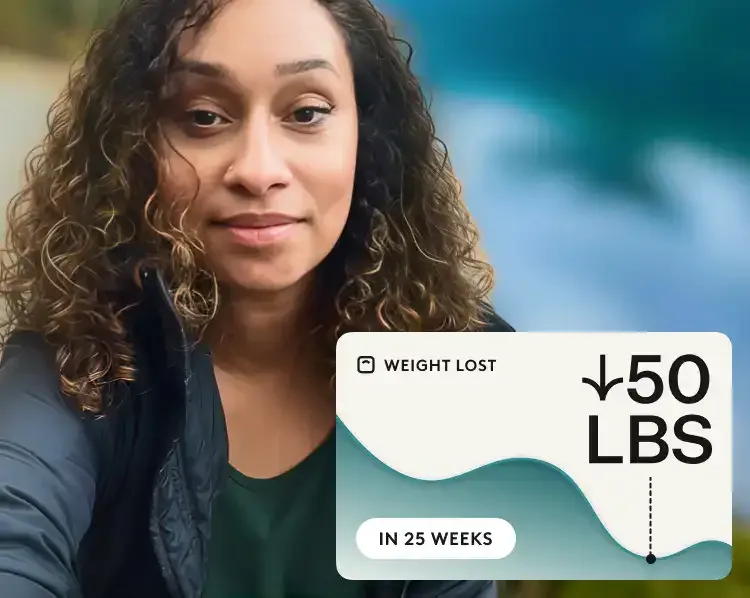
“My favorite parts of Noom are the care team and other Noomers. Sharing and getting help made me feel like I wasn’t doing it alone. That support made all the difference.”
Desirea N. — Real Noom user
Matthew M. — Real Noom user
“Noom has taught me that every day is a new chance to make better, healthier choices. It's taught me how to stop overeating.’’
Matthew M. — Real Noom user
Lila M. — Real Noom user
“Clinicians who understand how supportive medication can be is one of the best parts of Noom! I was convinced I wouldn’t have success but I’m down 11 pounds in two months.’’
Lila M. — Real Noom user
Steve M. — Real Noom user
“Noom provided me with the medication which I could not get through Medicare. I have learned the tricks to better eating and life in general.”
Steve M. – Real Noom user
Daisy R. — Real Noom user
‘’Noom has changed my life and I’m so thankful, I feel great, have more energy and am no longer prediabetic.”
Daisy R. – Real Noom user
Sarah R. — Real Noom user
“All of the Noom providers that I’ve met with have been exceptional and prescribed medications that are appropriate for my situation and health.”
Sarah R. – Real Noom user
Madison S. — Real Noom user
“Noom made the process so simple and now I feel full, free from diet obsession, and at ease in my body again.”
Madison S. – Real Noom user
Sonday K. — Real Noom user
“My doctor recommended Noom after I was frustrated trying to lose weight. The lessons helped change my relationship with food. My body feels lighter & energized.”
Sonday K. – Real Noom user
Cam K. — Real Noom user
“I built healthy habits with coaching and lessons that make me confident I can maintain my weight loss long term.”
Cam K. – Real Noom user
Laura TR. — Real Noom user
“With the right medication through Noom, hunger and sugar cravings finally quieted and I have the tools to break the cycle.”
Laura TR. – Real Noom user
Jessica S. — Real Noom user
“Cravings and food noise are gone, I finally feel confident in the healthy habits I’ve built to last with Noom.”
Jessica S. – Real Noom user
The bottom line: The egg fast helps with short-term weight loss, but the results typically don’t last
The egg fast can lead to quick changes on the scale, mainly because it cuts both calories and carbs. While that can feel motivating, much of the early weight loss is temporary and may not reflect long-term fat loss.
Eggs are a nutritious, protein-rich food—but relying on them almost exclusively creates a very limited eating pattern that lacks variety and key nutrients.
If you’re looking for structure or a way to reset, that makes sense. But lasting progress usually comes from balanced habits that feel realistic and satisfying enough to maintain over time.
A more flexible approach—one that includes a range of foods and fits your daily life—can help you see results that actually stick. If you’re ready for that kind of support, Noom offers practical tools and daily guidance to help you build sustainable routines.
Editorial standards
At Noom, we’re committed to providing health information that’s grounded in reliable science and expert review. Our content is created with the support of qualified professionals and based on well-established research from trusted medical and scientific organizations. Learn more about the experts behind our content on our Health Expert Team page.