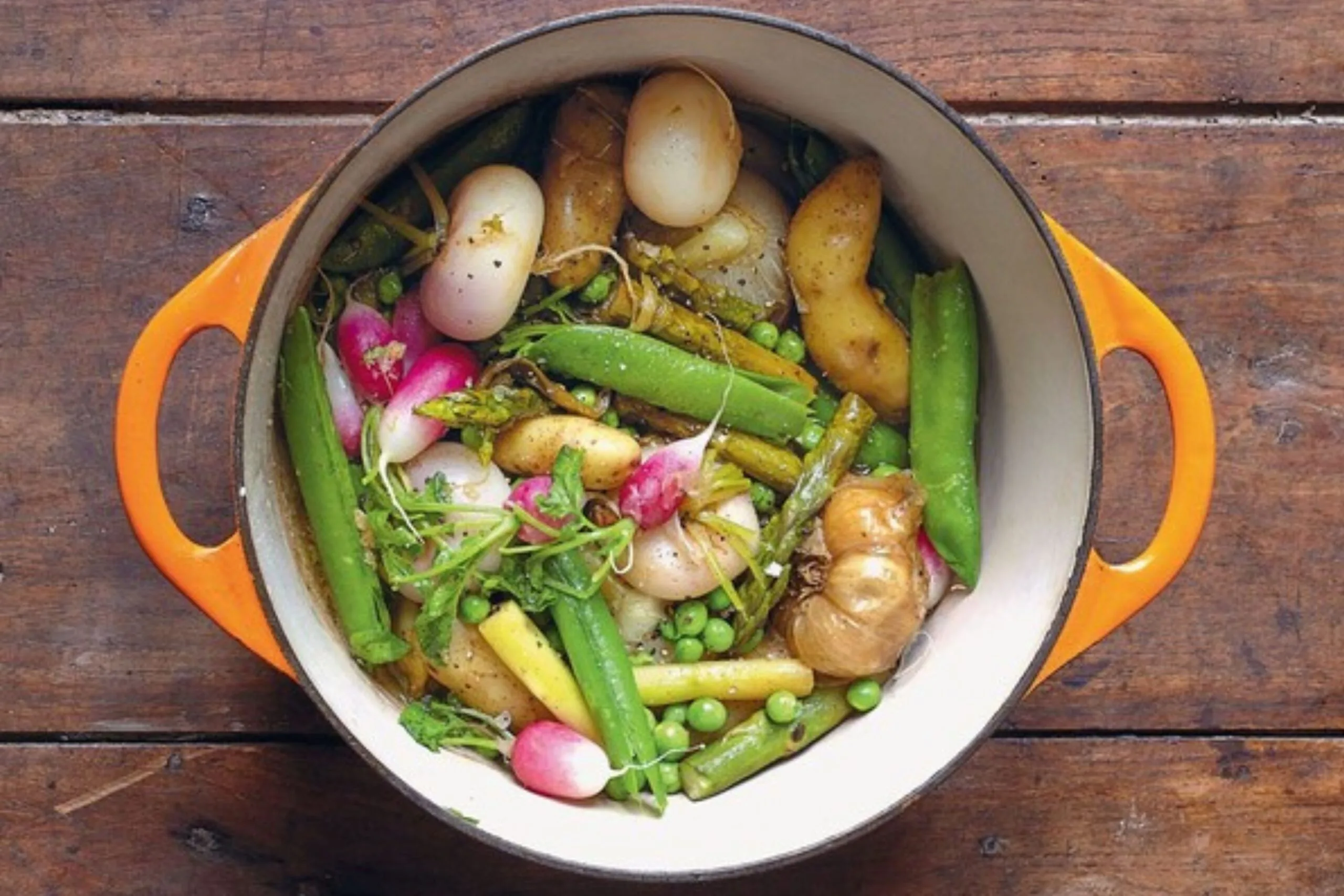
When spring vegetables start showing up, this is the kind of recipe they’re made for. A handful of fresh produce, a little butter, and a quick simmer turn into a bright, comforting vegetable stew that feels hearty without being heavy.
This one-pan spring recipe highlights seasonal favorites like peas, asparagus, radishes, and baby potatoes. They cook gently in a light vegetable broth enriched with butter, which brings the flavors together while letting the vegetables stay vibrant and tender. The result is a simple meal that feels fresh and satisfying.
Rx weight loss, the right way, with Noom
Get access to prescription weight loss medication with Noom.Microdose GLP-1s

Wegovy®

Ozempic®

Metformin

Zepbound®
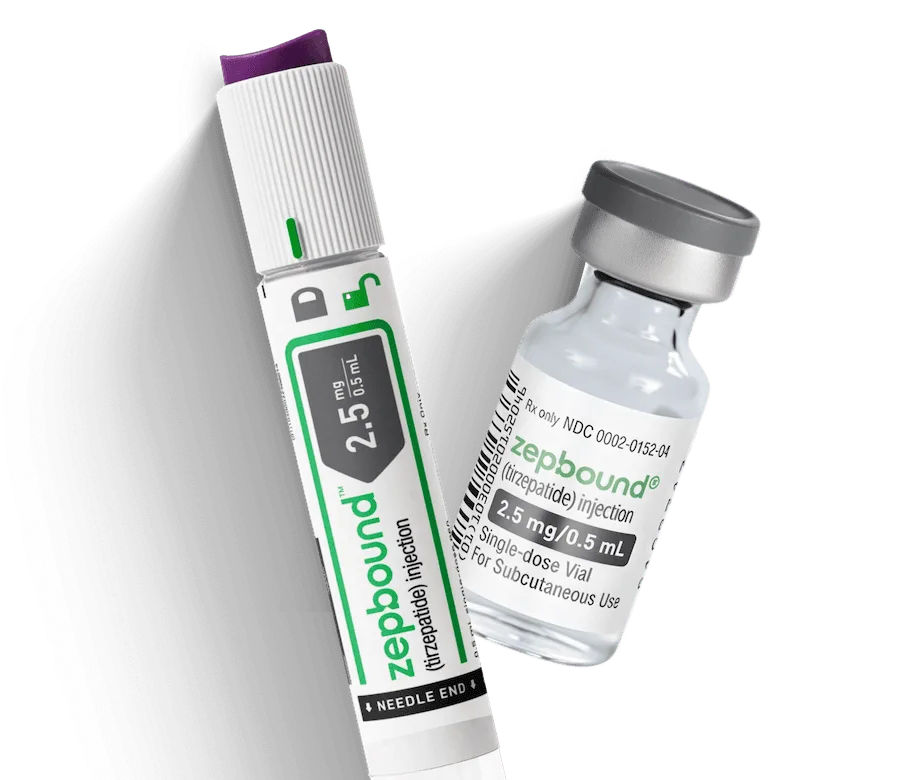
Mounjaro®

Liraglutide

In this recipe, we’ll walk through exactly how to make the stew, what makes the ingredients nutritionally valuable, and why vegetable-forward meals like this can be both filling and nutrient-dense.
You’ll also find practical tips for meal prepping this spring vegetable stew, storing leftovers, and adding extra protein if you want to turn it into a heartier spring dinner recipe later in the week. Because it reheats well and the flavors deepen over time, it’s an easy recipe to cook once and enjoy for several meals.
Spring Vegetable Stew
40 minutes | 315 calories | 4 servinga
Nutrition (per serving )
- Calories: 315
- Protein: 7 g
- Fiber: 6 g
- Carbohydrates: 32 g
- Fat: 18 g
Ingredients
- 7 oz fresh peas (about 1¼ cups), shelled
- 14 oz kipfler or baby potatoes, unpeeled (about 1 lb)
- 1 bunch asparagus
- ¾ cup vegetable stock
- 5½ tablespoons slightly salted butter
- 4 garlic cloves, unpeeled
- 4 spring onions (scallions)
- 4 baby turnips
- 10 radishes
Directions
- Shell the peas, keeping a few in their pods if you like for texture (remove the strings first).
- Halve the potatoes. Trim the asparagus and cut into 1½-inch pieces.
- In a large saucepan or Dutch oven, heat the vegetable stock. Add the butter and bring to a gentle boil.
- Reduce the heat and add the garlic, whole spring onions, potatoes, and turnips.
- Cover and simmer on low for about 20 minutes, until the potatoes begin to soften.
- Add the radishes, peas, and asparagus. Cook for another 5 minutes, until the vegetables are just tender.
- Taste and adjust seasoning if needed, then serve warm.
Why this easy spring recipe is a healthy choice
This spring vegetable stew is built almost entirely from fresh vegetables, which means you get a wide range of vitamins, fiber, and antioxidants in a one-pan meal. At about 315 calories per serving and 6 grams of fiber per serving, it’s filling without feeling heavy.
- Peas provide both fiber and plant protein. A cup of peas contains vitamin C, vitamin K, and folate, nutrients involved in immune health and normal cell function. They also contribute several grams of protein to the dish.
- Potatoes, especially when eaten with their skins, provide potassium, vitamin C, and fiber. Potassium plays an important role in muscle and nerve function and helps balance sodium in the body. The natural starch in potatoes also provides steady energy.
- Asparagus is rich in folate, vitamin K, and antioxidants, and it’s naturally low in calories. It adds both volume and nutrients to this healthy spring recipe while helping keep the meal light.
- Radishes and turnips belong to the cruciferous vegetable family and provide vitamin C and plant compounds associated with metabolic and digestive health. They also add brightness and a slightly peppery bite that balances the richer flavors in the dish.
The small amount of butter helps carry the flavors of the vegetables and makes the meal feel satisfying. Pairing vegetables with a little fat can help slow digestion and enhance fullness—something Noom often emphasizes when building balanced meals.
Spring vegetable stew: Key nutrients per serving
This spring vegetable recipe delivers a range of vitamins, fiber, and minerals while staying moderate in calories. Here are some of the standout nutrients you get in one serving.
| Nutrient | Per serving (est.) | % RDA* | Why it matters |
|---|---|---|---|
| Vitamin C | 35 mg | 45% | Supports immune health and helps your body produce collagen. |
| Vitamin K | 70 mcg | 75–80% | Important for bone health and normal blood clotting. |
| Folate (Vitamin B9) | 120 mcg | 30% | Helps support cell growth and red blood cell production. |
| Potassium | 850 mg | 30% | Helps regulate blood pressure, hydration, and muscle function. |
| Fiber | 6 g | 20–25% | Supports digestion and helps you stay full longer. |
| Protein | 7 g | 15% | Helps support muscle maintenance and satiety. |
*Percentages are based on recommended daily intake levels for adults.
Because this spring vegetable stew centers on whole vegetables like peas, asparagus, potatoes, and radishes, it naturally provides meaningful amounts of fiber, vitamin C, potassium, and folate while keeping calories moderate.
How to meal prep spring vegetable stew
This spring soup recipe works surprisingly well for meal prep because the vegetables hold their shape and the flavors deepen as they sit.
- Refrigerator storage: Store leftovers in an airtight container for up to 3 days. The broth may thicken slightly as the potatoes release starch, which is normal.
- Reheating tips: Warm the stew gently on the stovetop over low heat. If it seems too thick, add a splash of vegetable broth or water to loosen the sauce.
- Plan ahead for lunches: Divide the spring vegetable stew into individual containers after cooking. Pair it with a simple side like a green salad, cottage cheese, or a hard-boiled egg to create a balanced lunch.
- Add protein later in the week: This vegetable base works well with many protein additions, so you can easily change up the meal with:
- grilled chicken or roasted salmon
- white beans or chickpeas stirred into the broth
- a poached or soft-boiled egg on top
- crumbled feta or goat cheese
- Repurpose leftovers: If you want variety later in the week, you can also transform the stew into another meal. Spoon it over toasted sourdough, serve it as a side with grilled fish, or blend a portion slightly to create a thicker vegetable soup.
FAQs about making one-pan spring vegetable stew
Do I need kipfler potatoes?
No. Kipfler potatoes are a waxy variety that holds their shape well in stews, but fingerling potatoes, baby Yukon Gold, or small red potatoes work just as well. Waxy potatoes are ideal for this one-pan spring recipe because they stay intact rather than breaking apart.
Can I make this dairy-free?
Yes. Replace the butter with 4 to 5 tablespoons of olive oil. Olive oil adds richness and a slightly fruitier flavor while keeping the stew plant-based, making it a great spring vegetarian recipe.
Can I add protein to make it more filling?
Absolutely. This spring vegetable stew is vegetable-forward, but it pairs well with many protein additions. Stir in white beans during the last few minutes of cooking, add shredded rotisserie chicken, or top the stew with grilled fish. A soft egg on top can also boost the protein and make it feel more like a full entrée.
Can I use frozen vegetables instead of fresh?
Frozen peas work perfectly in this spring soup recipe and can be added straight from the freezer. Frozen asparagus can also work, though it may cook slightly faster and become softer. If using frozen vegetables, add them near the end of cooking.
Why are the garlic cloves left unpeeled?
Cooking garlic in its skin helps mellow the flavor and prevents it from browning too quickly in the butter. As it cooks, the cloves become soft and slightly sweet. You can squeeze them out of their skins and stir them into the broth for extra flavor before serving.
Reviews from real Noom users
Desirea N. — Real Noom user
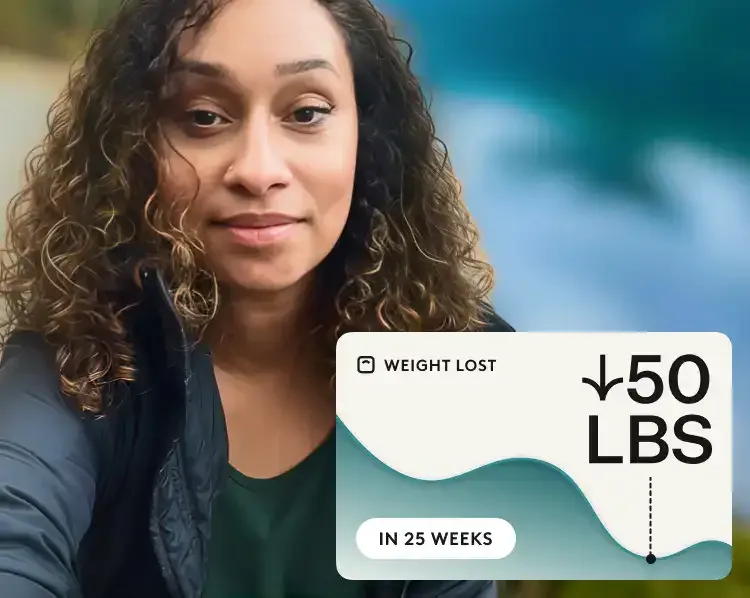
“My favorite parts of Noom are the care team and other Noomers. Sharing and getting help made me feel like I wasn’t doing it alone. That support made all the difference.”
Desirea N. — Real Noom user
Matthew M. — Real Noom user
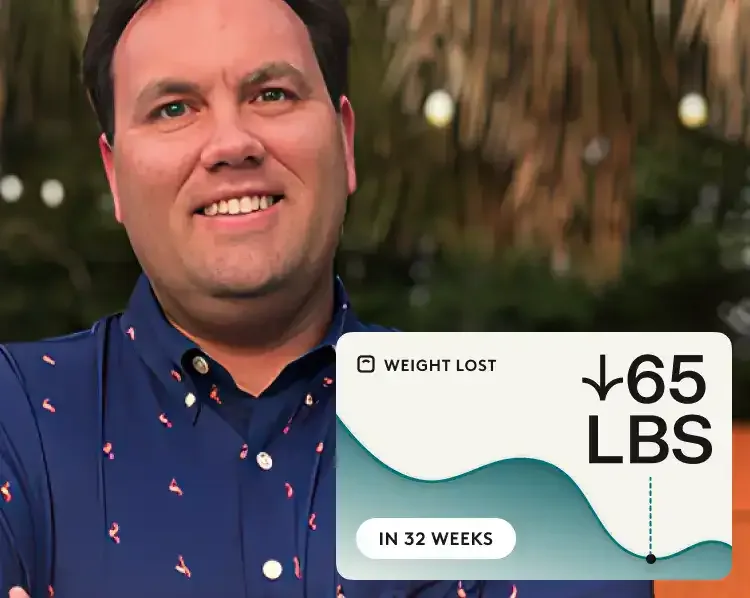
“Noom has taught me that every day is a new chance to make better, healthier choices. It's taught me how to stop overeating.’’
Matthew M. — Real Noom user
Lila M. — Real Noom user
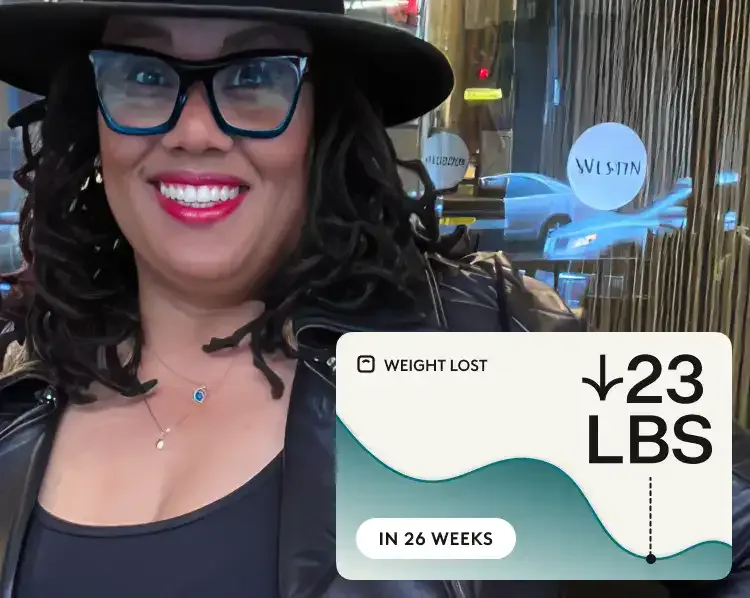
“Clinicians who understand how supportive medication can be is one of the best parts of Noom! I was convinced I wouldn’t have success but I’m down 11 pounds in two months.’’
Lila M. — Real Noom user
Steve M. — Real Noom user
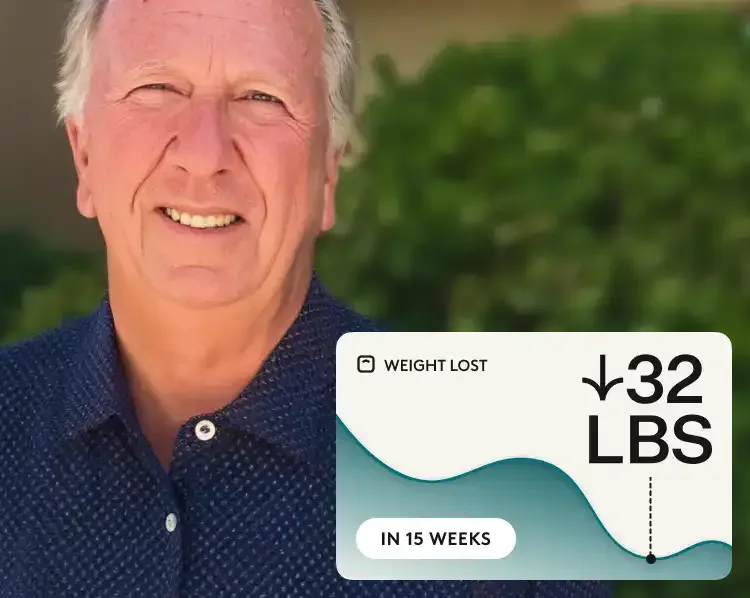
“Noom provided me with the medication which I could not get through Medicare. I have learned the tricks to better eating and life in general.”
Steve M. – Real Noom user
Daisy R. — Real Noom user
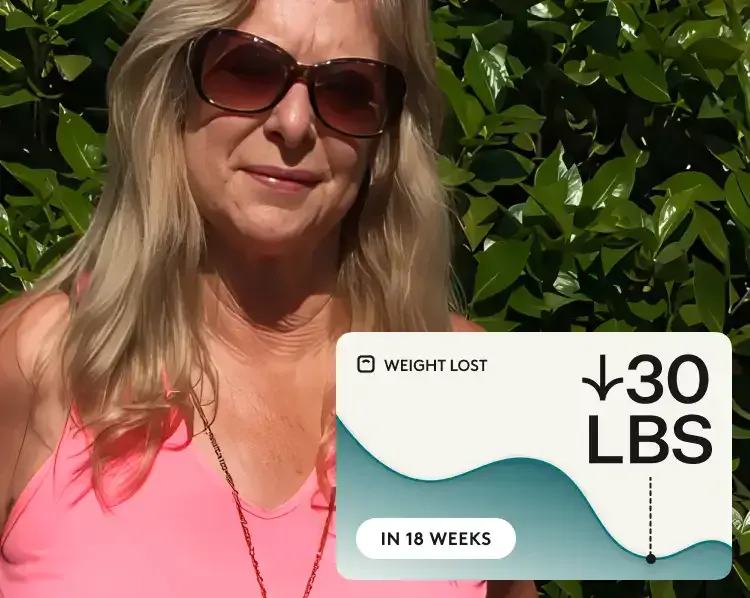
‘’Noom has changed my life and I’m so thankful, I feel great, have more energy and am no longer prediabetic.”
Daisy R. – Real Noom user
Sarah R. — Real Noom user
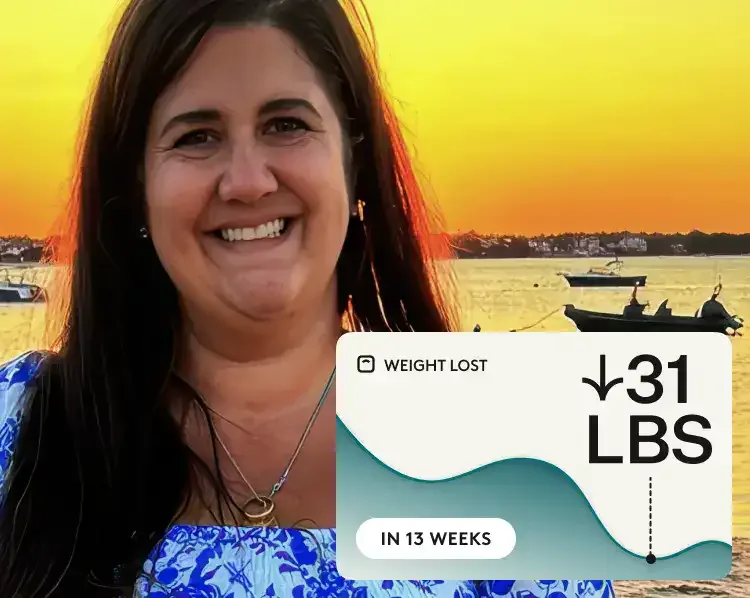
“All of the Noom providers that I’ve met with have been exceptional and prescribed medications that are appropriate for my situation and health.”
Sarah R. – Real Noom user
Madison S. — Real Noom user

“Noom made the process so simple and now I feel full, free from diet obsession, and at ease in my body again.”
Madison S. – Real Noom user
Sonday K. — Real Noom user
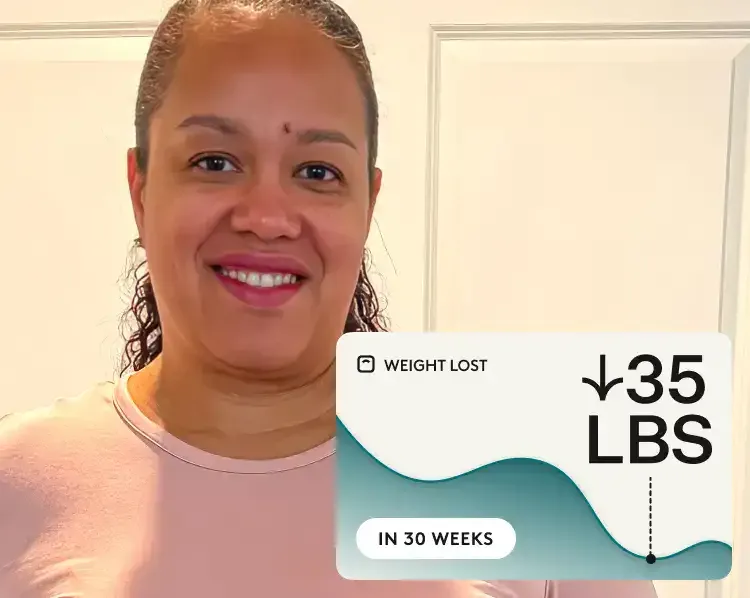
“My doctor recommended Noom after I was frustrated trying to lose weight. The lessons helped change my relationship with food. My body feels lighter & energized.”
Sonday K. – Real Noom user
Cam K. — Real Noom user
“I built healthy habits with coaching and lessons that make me confident I can maintain my weight loss long term.”
Cam K. – Real Noom user
Laura TR. — Real Noom user
“With the right medication through Noom, hunger and sugar cravings finally quieted and I have the tools to break the cycle.”
Laura TR. – Real Noom user
Jessica S. — Real Noom user
“Cravings and food noise are gone, I finally feel confident in the healthy habits I’ve built to last with Noom.”
Jessica S. – Real Noom user
The bottom line: This one-pan spring recipe is healthy and versatile
Spring recipes don’t have to be complicated to be satisfying. This spring vegetable stew shows how a handful of seasonal ingredients can come together into a meal that’s both nourishing and comforting. The combination of fiber-rich vegetables, moderate calories, and a little butter for flavor makes it filling without feeling heavy.
It’s also flexible. You can keep it as a light vegetable-forward meal, add protein if you want something heartier, or make a batch at the start of the week and enjoy it for several lunches or dinners. When meals highlight whole ingredients like this healthy spring recipe, you naturally end up with a variety of vitamins, minerals, and antioxidants that support overall health—without needing complicated techniques or long ingredient lists.
Sign up for a free trial of Noom to access thousands of lightened-up recipes for any day, and follow us on YouTube and Instagram for more quick and healthy recipes.
Editorial standards
At Noom, we’re committed to providing health information that’s grounded in reliable science and expert review. Our content is created with the support of qualified professionals and based on well-established research from trusted medical and scientific organizations. Learn more about the experts behind our content on our Health Expert Team page.