



What you’ll get:
- Clear, step-by-step guidance on how to make chia seed pudding with the right ratio and texture every time.
- Six easy chia seed pudding recipes, from lighter options for weight loss to more filling, treat-level bowls.
- Practical nutrition context and portion tips so you can customize chia pudding without accidentally overdoing it.
Chia seed pudding is one of those rare recipes that quietly does a lot of work for you. It’s easy to prep, flexible enough to fit whatever you’re craving, and surprisingly satisfying for something that starts with a few tablespoons of seeds. When chia seeds soak in liquid, they turn creamy and spoonable like pudding, no extra work required.
From a nutrition standpoint, chia seeds bring fiber, plant-based protein, and omega-3 fats to the table. That combo supports fullness and steadier energy, which can be especially helpful if weight loss or appetite control is part of the bigger picture. The key is how you build it—because chia pudding can be light and simple, or rich and indulgent, depending on what you add.
Below, you’ll find everything you need to know to get chia seed pudding right: what chia seeds are, whether they’re healthy, how to nail the ratio, and how long it keeps. You’ll also find five different chia pudding recipes—some cozy, some fresh and fruity, some ultra-simple—so you can pick what fits your mood (and your day).
The recipes included:
- 3-Ingredient Chia Pudding
- Pumpkin Pie Chia Pudding
- Chia Pudding with Granola and Berries
- Raspberry Chia Pudding
- Avocado Chia Pudding
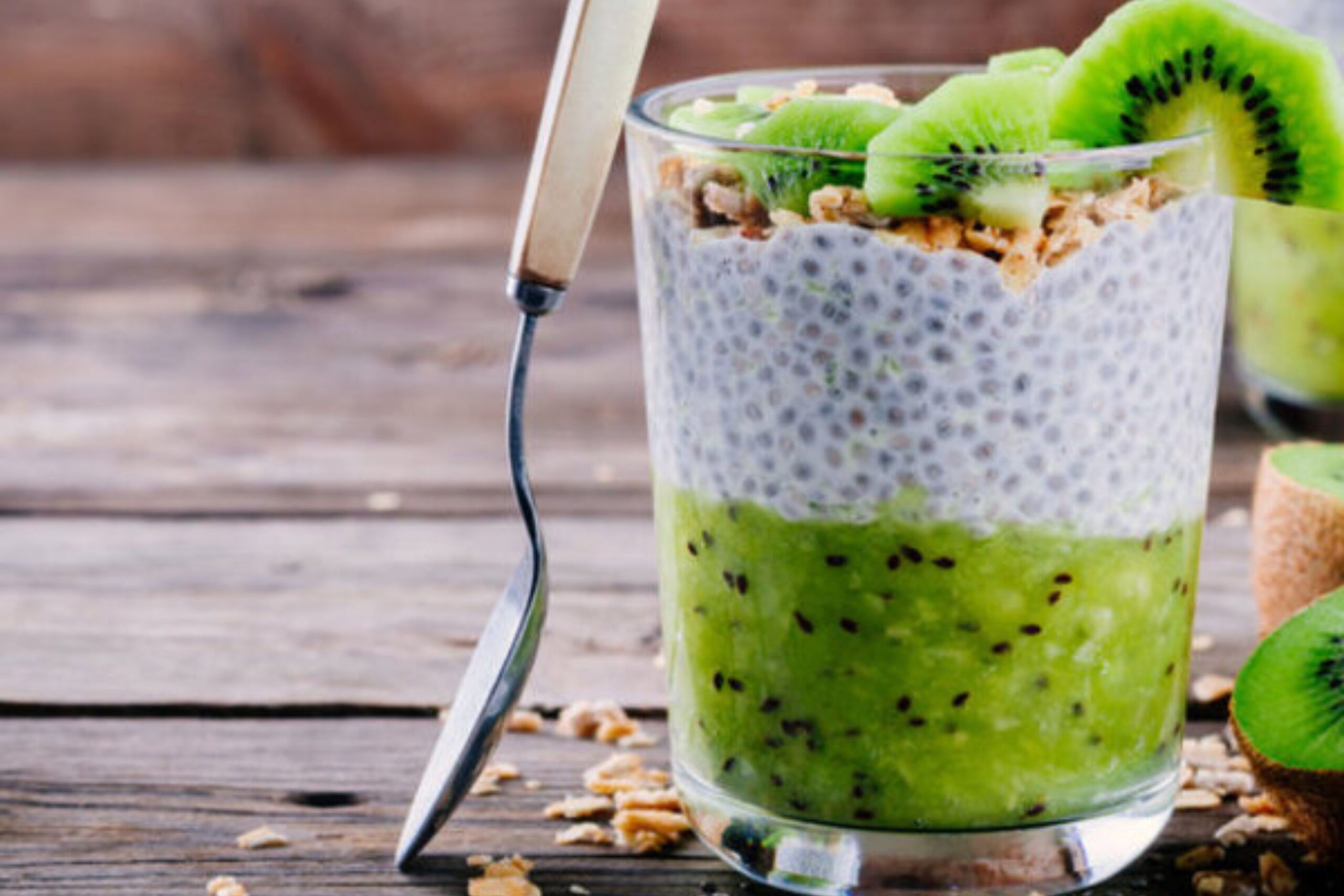
- Kiwi Chia Pudding Parfait with Granola
What are chia seeds?
Chia seeds might be tiny, but they’re doing a lot behind the scenes. They come from Salvia hispanica, a flowering plant native to Central America, and they’ve been used as a food source for centuries. What makes them especially useful in the kitchen is their ability to soak up liquid—when mixed with milk or water, chia seeds can absorb 10–12 times their weight and turn into a soft, gel-like texture.
That natural thickening power is exactly why chia seed pudding works so well. No cooking, no cornstarch, no complicated steps—just time. As the seeds hydrate, they transform a simple liquid into something creamy and spoonable, setting the stage for everything from cozy pumpkin pudding to fresh, fruit-forward bowls.
Related link: Is chia seed water good for weight loss? Experts weigh in
Are chia seeds healthy? Chia seed pudding benefits
Chia seeds carry a lot of nutrition for something so small. They’re especially rich in dietary fiber, which slows digestion and helps you feel satisfied longer—one of the reasons chia pudding tends to be more filling than it looks. They also bring a mix of supporting players to the table, including omega-3 fatty acids linked to heart health, plant-based protein that adds to satiety, and minerals like calcium, magnesium, and iron that support everything from bone health to muscle function.
Another quiet win: when chia seeds are soaked into pudding, they’re fully hydrated. For many people, that makes them easier to digest than dry seeds sprinkled onto food, especially if you’re sensitive to high-fiber ingredients.
Chia seed pudding: Nutrition facts and information
At its core, chia pudding is pretty straightforward. A basic version—chia seeds mixed with milk of choice—is typically:
- High in fiber
- Moderate in fat (mostly unsaturated)
- Modest in protein
Chia seeds: Nutrition facts (2 tbsps)
| Nutrient | Amount |
|---|---|
| Calories | 140 |
| Fiber | 9–10 g (32–40% RDA*) |
| Protein | 4–5 g |
| Total Fat | 9 g |
| Omega-3s (ALA) | 4–5 g |
| Calcium | 180 mg (18% RDA) |
| Magnesium | 95 mg (22–25% RDA) |
| Iron | 2 mg (7-11% RDA) |
A few things in this nutrition profile are worth calling out. First, the fiber is unusually high for such a small serving—2 tablespoons of chia seeds deliver roughly a third to nearly half of the daily recommended intake. That’s a big reason chia pudding tends to feel more filling than it looks.
Chia seeds are also very high in omega-3 fats. In fact, a single serving exceeds the daily adequate intake (AI) for most adults. These are unsaturated fats commonly linked to heart health, which is why chia seeds are often highlighted in plant-forward eating patterns.
You’ll also notice that total fat is relatively high. That’s not a downside here—most of the fat in chia seeds is unsaturated—but it does explain why portions matter. A little goes a long way, especially if you’re also adding coconut milk, nut butter, or granola.
Minerals like calcium and magnesium show up in meaningful amounts as well, which is notable for a plant food and part of what makes chia seeds nutritionally dense.
*Recommended dietary allowance (RDA) is defined as the average daily amount of nutrients needed to meet the requirements of nearly all healthy people in a specific group.
How to make chia seed pudding: The perfect chia seed pudding ratio
A reliable starting ratio is:
- 2 tablespoons of chia seeds:1/2 cup liquid
This yields a thick, creamy pudding.
Prefer it thinner? Add a splash more liquid after it sets.
Prefer it thicker? Add 1 to 2 extra teaspoons of chia seeds.
Clump-prevention tip: Stir well, wait 2 to 3 minutes, then stir again before refrigerating.
Here’s how that looks in practice:
3-Ingredient Chia Pudding
Time: 3 minutes prep + 2 hours fridge | Serves: 1 | Calories: 191
Ingredients
- 2 tbsp chia seeds
- 1/2 cup almond milk (or milk of choice)
- 1 tsp honey or other sweetener (optional)
Directions
- Mix all ingredients in a container.
- Let sit 2–3 minutes, then stir again to prevent clumping.
- Cover and refrigerate at least 2 hours or overnight.
5 easy chia seed pudding recipes
Chia seed pudding is one of those recipes that looks almost too simple—until you realize how many different directions it can go. With just a few pantry staples and a little fridge time, it can turn into a cozy pumpkin-spiced breakfast, a fruit-forward snack, or a rich, filling bowl that actually keeps you full. The key is how you build it: your choice of milk, toppings, and add-ins makes all the difference.
Below, you’ll find 5 easy chia seed pudding recipes, each with a slightly different purpose—from lighter options that work well for weight loss to treat-level bowls when you want something extra satisfying. Think of these as templates you can come back to again and again, depending on your mood, hunger level, and schedule.
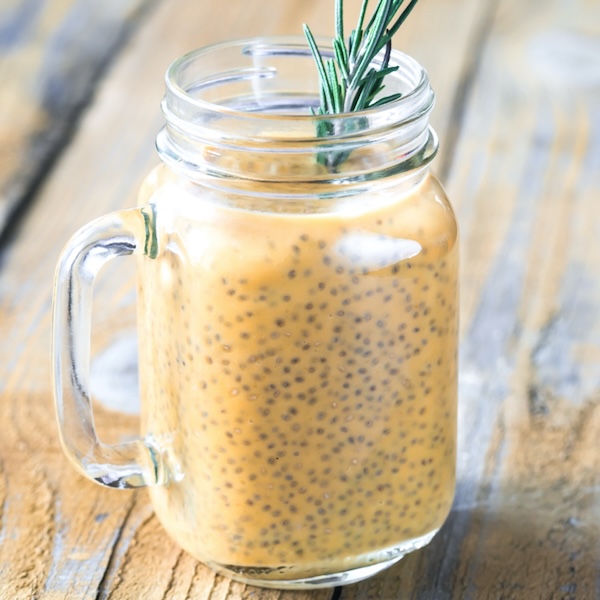
Pumpkin Pie Chia Pudding
Time: 5 minutes (overnight chill) | Serves: 1 | Calories: 344
Ingredients
- 1/4 cup chia seeds
- 1 cup non-dairy milk
- 1/2 cup pumpkin puree
- 1/2 tsp pumpkin pie spice
- Maple syrup, to taste
Directions
- Combine chia seeds, non-dairy milk, pumpkin puree, and pumpkin pie spice in a jar or bowl.
- Sweeten with maple syrup to taste and stir until smooth.
- Cover and refrigerate overnight.
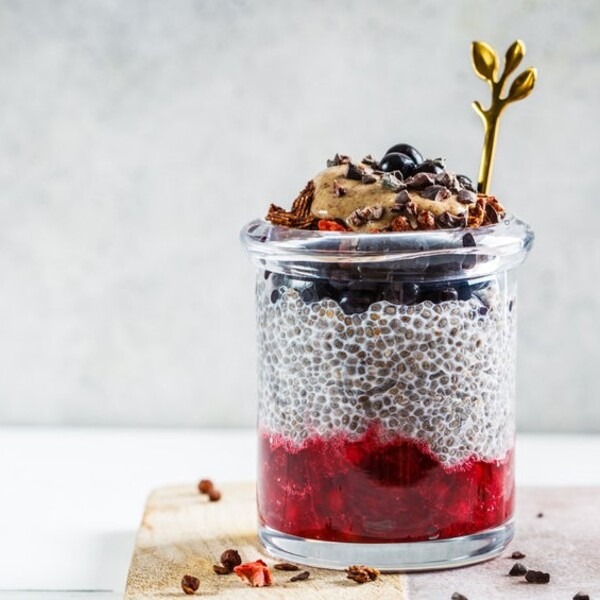
Chia Pudding with Granola and Berries
Time: 10 minutes (plus chilling time) | Serves: 1 | Calories: 594
Ingredients
- 1/2 cup coconut milk
- 1/2 tbsp pure maple syrup
- 1/4 tsp ground cinnamon
- 1 1/2 tbsp chia seeds
- 1/2 cup raspberries
- 1/4 cup granola
- 1/2 cup fresh blueberries
- 1/2 tbsp peanut butter
Directions
- Crush raspberries lightly with a fork.
- Whisk coconut milk, maple syrup, cinnamon, and chia seeds.
- Add raspberries to the bottom of a glass or jar.
- Pour chia mixture on top, cover, and refrigerate at least 1 hour or overnight.
- Top with blueberries, granola, and peanut butter before serving.
Lighter swap ideas
- Use ½ the granola or skip it and add extra berries
- Swap light coconut milk or unsweetened almond milk
- Reduce peanut butter to 1 teaspoon
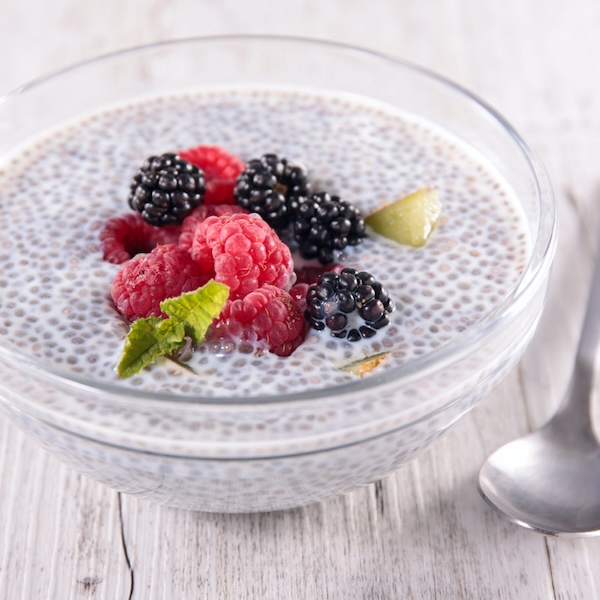
Raspberry Chia Pudding
Time: 5 minutes (overnight chill) | Serves: 1 | Calories: 350
Ingredients
- 1/2 cup crushed raspberries
- 3/4 cup unsweetened almond milk
- 3 tbsp chia seeds
- 1/4 tsp vanilla
- 1 tbsp sweetener
- 1/2 scoop vanilla protein powder (optional)
Directions
- Combine all ingredients in a jar.
- Stir well or blend for a smoother texture.
- Refrigerate overnight.
Lighter swap ideas
- Skip protein powder for a lighter snack
- Reduce or omit added sweetener if berries are very ripe
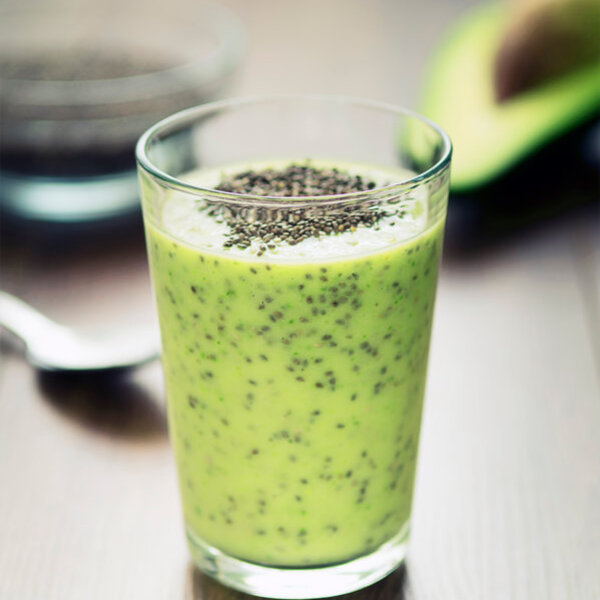
Avocado Chia Pudding
Time: 60 minutes | Serves: 2 | Calories: 276
Ingredients
- 1/2 cup chia seeds
- 1 cup almond milk
- 1 avocado
- 3 tbsp maple syrup
- 1 tsp lemon juice
- 1 oz unflavoured pea protein powder (optional)
- Salt, to taste
Directions
- Blend avocado, almond milk, protein powder (if using), and maple syrup until smooth.
- Stir in chia seeds until evenly distributed.
- Add lemon juice and a pinch of salt.
- Cover and chill for 45 minutes before serving.
Lighter swap ideas
- Use ½ an avocado
- Reduce maple syrup or omit entirely
- Skip protein powder if pairing with another protein-rich meal
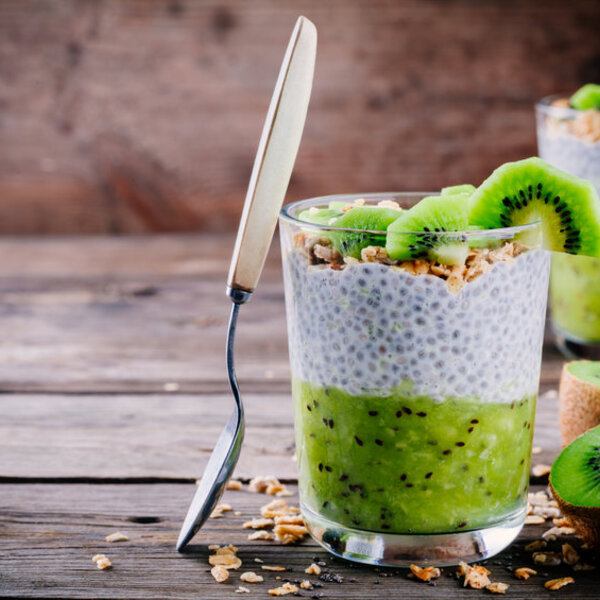
Kiwi Chia Pudding Parfait with Granola
Time: 1 hour, 5 minutes | Serves: 2 | Calories: 300
Ingredients
- 1 cup coconut water
- 1 cup coconut milk
- 1 tbsp maple syrup
- 4 tbsp chia seeds
- 2 kiwi fruits, peeled
- 2 tbsp almond butter
- 4 tbsp homemade granola
Directions
- Combine chia seeds, coconut milk, coconut water, and maple syrup in a glass container. Stir well, then cover and refrigerate for at least 1 hour or overnight until thickened.
- Add kiwi and almond butter to a blender and blend until smooth.
- Remove the chia pudding from the fridge and give it a good stir.
- To assemble, layer chia pudding, kiwi puree, and granola into serving glasses. Serve chilled.
Lighter swap ideas
- Use unsweetened almond milk instead of coconut milk
- Cut the granola to 2 tablespoons total and add extra kiwi instead
- Use 1–2 teaspoons of almond butter or omit
Frequently asked questions about chia seed pudding
How long does chia seed pudding last?
Stored in an airtight container in the refrigerator, chia seed pudding keeps well for 3 to 4 days. Stir before serving. Discard if it develops an off smell, visible mold, or an unusual fermented taste.
Is chia seed pudding high in protein?
On its own, chia pudding isn’t especially high in protein, but it can easily become higher. Adding Greek yogurt, higher-protein milk, or protein powder can turn it into a more protein-forward meal.
Is chia seed pudding healthy for weight loss?
Chia seed pudding can fit well into a weight-loss-friendly eating pattern because its fiber and fat content promote fullness. That said, it’s easy to unintentionally push calories high with large portions of chia seeds or calorie-dense toppings. The most supportive versions tend to be simpler, with fruit for sweetness and measured amounts of added fats.
Find more healthy recipes with Noom
Chia seed pudding is an easy-to-make, healthy meal or snack that earns its place in your routine—not because it’s trendy, but because it actually works. With just a few tablespoons of chia seeds, you get a combination of fiber and healthy fats that helps you feel full and satisfied, while the slow-digesting texture supports steadier energy instead of quick spikes and crashes.
Reviews from real Noom users
Desirea N. — Real Noom user
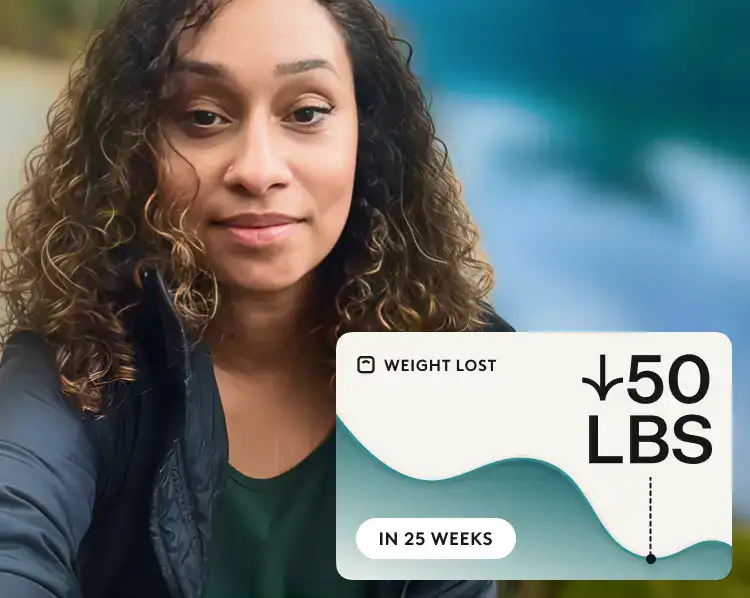
“My favorite parts of Noom are the care team and other Noomers. Sharing and getting help made me feel like I wasn’t doing it alone. That support made all the difference.”
Desirea N. — Real Noom user
Matthew M. — Real Noom user
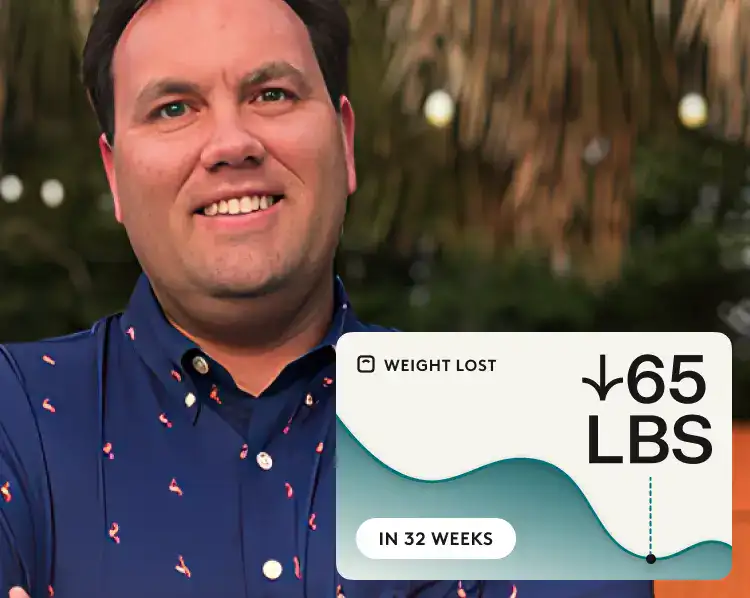
“Noom has taught me that every day is a new chance to make better, healthier choices. It's taught me how to stop overeating.’’
Matthew M. — Real Noom user
Lila M. — Real Noom user
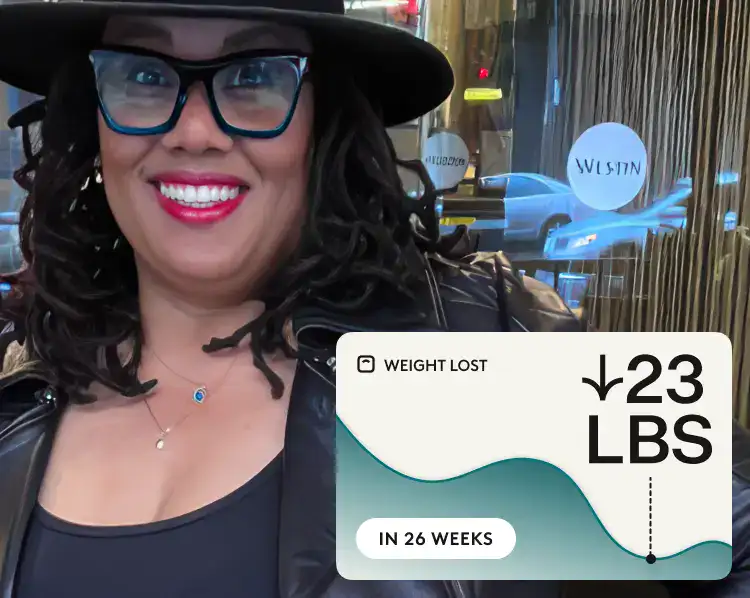
“Clinicians who understand how supportive medication can be is one of the best parts of Noom! I was convinced I wouldn’t have success but I’m down 11 pounds in two months.’’
Lila M. — Real Noom user
Steve M. — Real Noom user
“Noom provided me with the medication which I could not get through Medicare. I have learned the tricks to better eating and life in general.”
Steve M. – Real Noom user
Daisy R. — Real Noom user
‘’Noom has changed my life and I’m so thankful, I feel great, have more energy and am no longer prediabetic.”
Daisy R. – Real Noom user
Sarah R. — Real Noom user
“All of the Noom providers that I’ve met with have been exceptional and prescribed medications that are appropriate for my situation and health.”
Sarah R. – Real Noom user
Madison S. — Real Noom user
“Noom made the process so simple and now I feel full, free from diet obsession, and at ease in my body again.”
Madison S. – Real Noom user
Sonday K. — Real Noom user
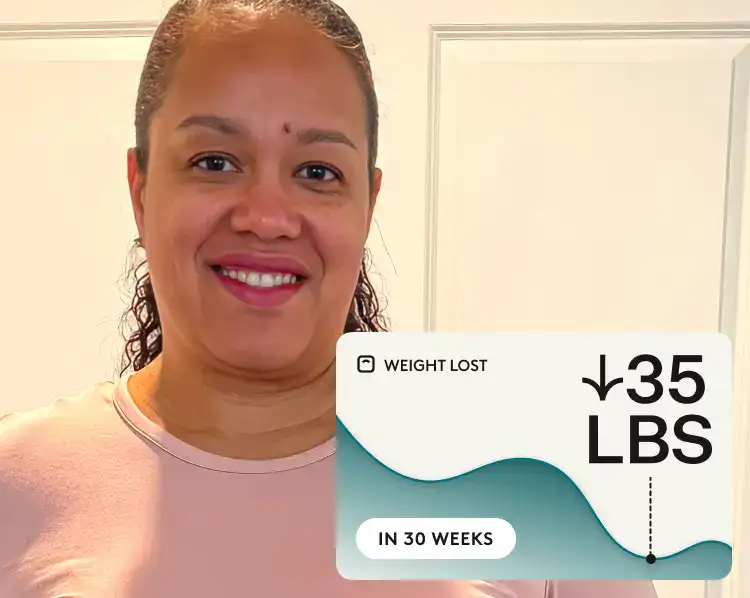
“My doctor recommended Noom after I was frustrated trying to lose weight. The lessons helped change my relationship with food. My body feels lighter & energized.”
Sonday K. – Real Noom user
Cam K. — Real Noom user
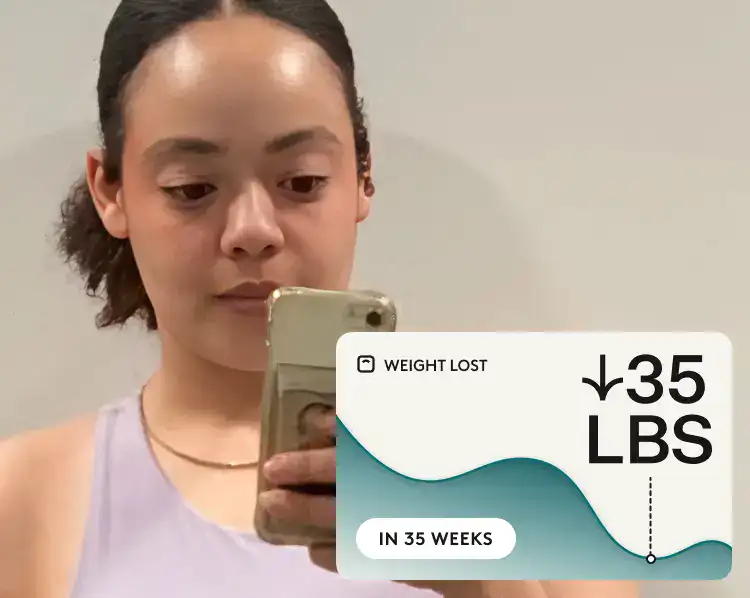
“I built healthy habits with coaching and lessons that make me confident I can maintain my weight loss long term.”
Cam K. – Real Noom user
Laura TR. — Real Noom user
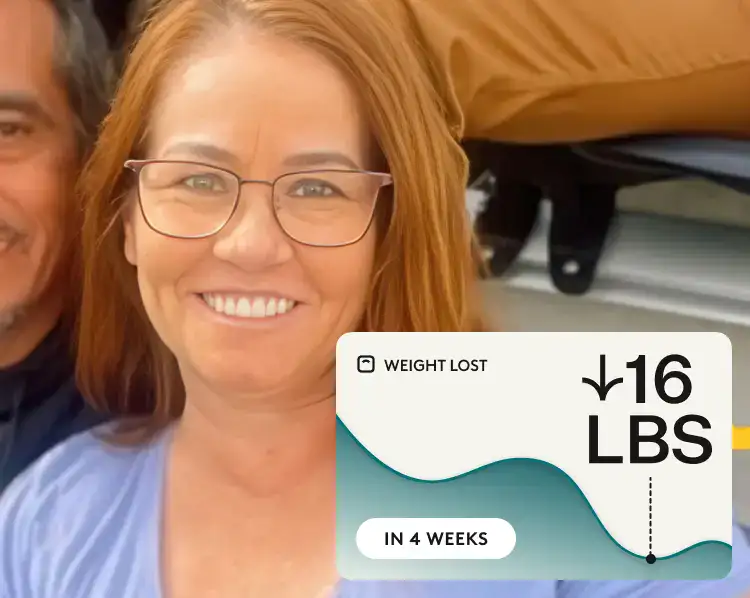
“With the right medication through Noom, hunger and sugar cravings finally quieted and I have the tools to break the cycle.”
Laura TR. – Real Noom user
Jessica S. — Real Noom user
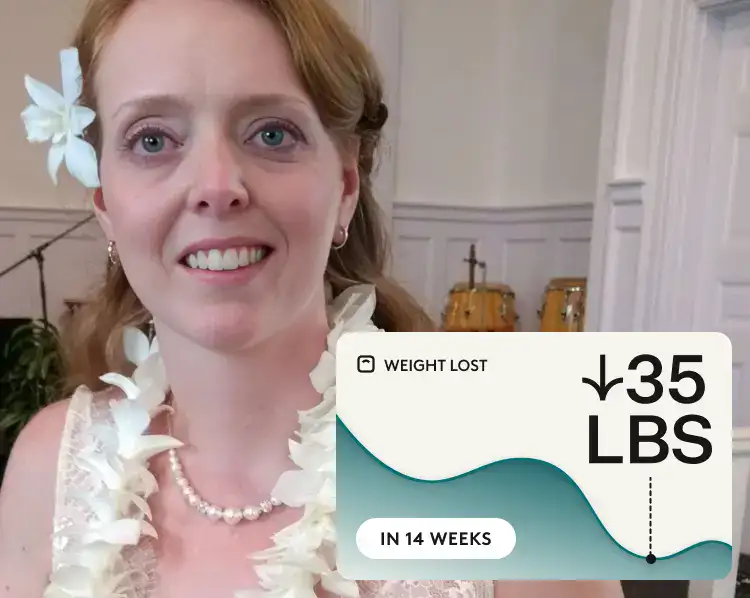
“Cravings and food noise are gone, I finally feel confident in the healthy habits I’ve built to last with Noom.”
Jessica S. – Real Noom user
What makes chia pudding especially useful is how flexible it is. You can keep it light with berries and unsweetened milk, build it into a more filling breakfast with protein or healthy fats, or lean into a treat-level version when you want something comforting that still feels intentional. The key is being mindful with portions and add-ins—granola, nut butters, and coconut milk can be great, but a little goes a long way.
Once you get the base down, chia seed pudding becomes less of a “recipe” and more of a reliable go-to—one you can prep ahead, tweak endlessly, and come back to when you want something simple, satisfying, and genuinely nourishing.
If you’re looking for more healthy recipes and cooking tips, start your free trial of Noom. You’ll get access to thousands of recipes plus a food tracker, easy lessons for learning how to eat and move healthier, and a dedicated community to help you reach your goals.
Editorial standards
At Noom, we’re committed to providing health information that’s grounded in reliable science and expert review. Our content is created with the support of qualified professionals and based on well-established research from trusted medical and scientific organizations. Learn more about the experts behind our content on our Health Expert Team page.