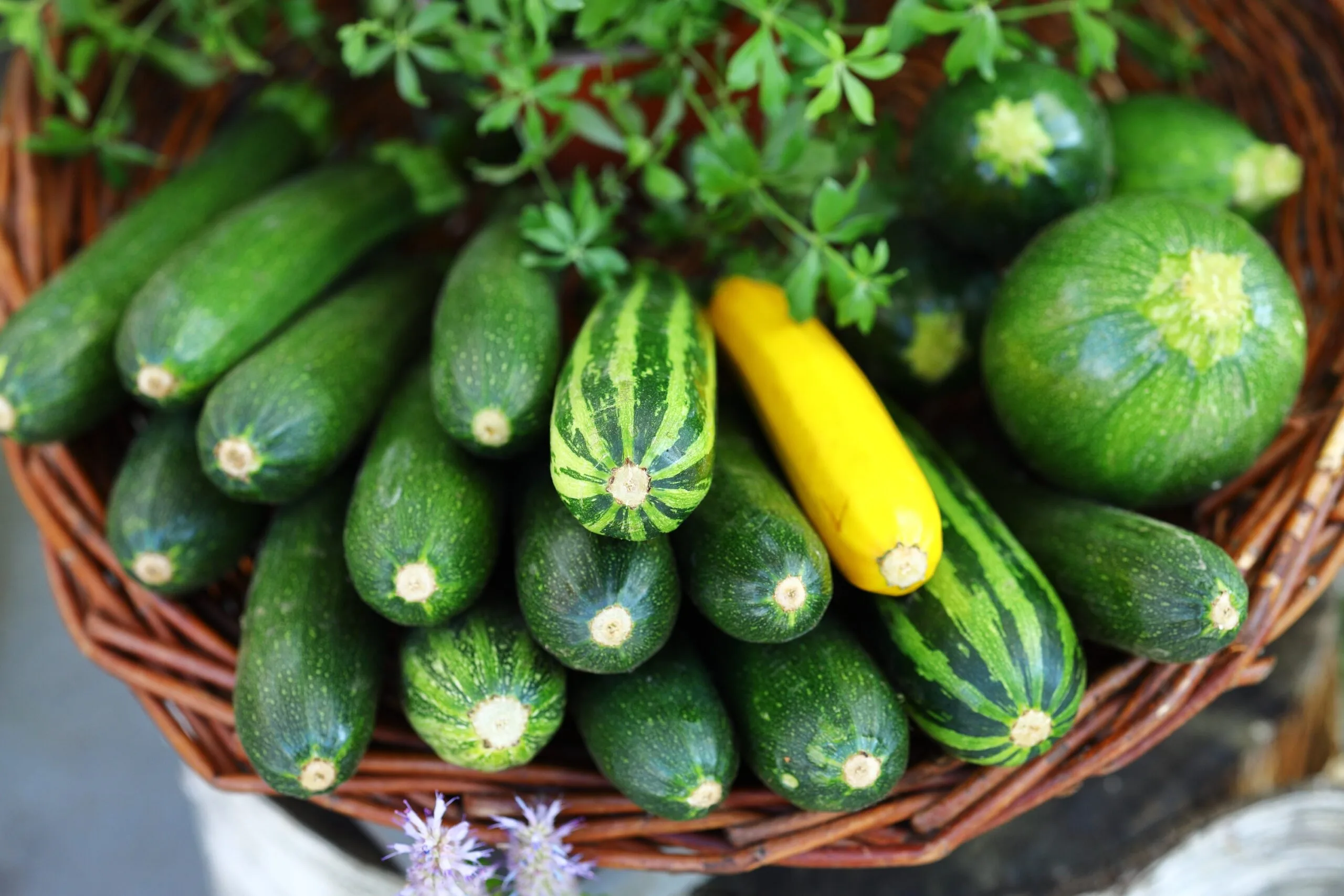
Zucchini may not get the same attention as cauliflower rice or protein pasta, but it deserves more credit. This mild, versatile summer squash is one of those foods that can quietly make weight loss easier—not because it has some magical fat-burning property, but because it helps you eat satisfying portions for very few calories.
That’s a big deal when you’re trying to lose weight without feeling like you’re constantly cutting back. Zucchini is packed with water, low in carbs, and easy to work into meals you already like, from stir-fries to pasta dishes to sheet-pan dinners. It can add bulk, texture, and nutrients without tipping your meal into calorie overload.
At the same time, zucchini isn’t especially high in protein or fiber compared with some other vegetables, so it won’t do all the heavy lifting on its own. Think of it less as a stand-alone “diet food” and more as a strategic ingredient that helps create meals that are lighter, more filling, and easier to stick with.
✅ Quick answer
Yes—zucchini is a great food for weight loss. It’s very low in calories, high in water, and easy to use in place of more calorie-dense ingredients, which can help you stay full while keeping your overall calorie intake in check. That said, zucchini works best when it’s paired with foods that bring more staying power, like protein, healthy fats, or higher-fiber ingredients.
🚀 Weight-loss benefits
- Very low in calories – Zucchini has only about 17 calories per 100 grams, which means you can eat a generous portion without using up much of your calorie budget. That kind of low energy density can make a calorie deficit feel a lot more doable.
- High in water – Zucchini is made up of roughly 95% water, which adds volume to meals and can help you feel physically fuller. Foods with a high water content can make meals more satisfying without adding much energy.
- Easy swap for heavier ingredients – Zucchini can stand in for pasta, add bulk to casseroles, or stretch out meals like soups and stir-fries. These swaps can lower the calorie density of a dish without making it feel skimpy.
⚠️ Things to be mindful of:
- It’s not very filling on its own – Zucchini is low in protein and modest in fiber, so eating it by itself probably won’t keep you satisfied for long. It works better as part of a balanced meal than as the whole meal.
- How you cook it matters – Breaded zucchini fries, deep-fried slices, or recipes loaded with oil and cheese can turn a very light vegetable into something much more calorie-dense. Zucchini itself is diet-friendly, but the preparation can change the equation fast.
- It may bother sensitive stomachs – While zucchini is generally easy to digest, some people—especially those with IBS or a sensitive gut—may notice bloating or gas, particularly when eating larger amounts raw.
🥗 Nutrients in zucchini (per 100 g/about ¾ cup chopped)
| Nutrient | Amount | % RDA* |
| Calories | 17 calories | 1% |
| Protein | 1.21 g | 2% |
| Total carbs | 3.11 g | 1% |
| Fiber | 1.0 g | 4% |
| Sugars | 2.5 g | — |
| Total fat | 0.32 g | <1% |
| – Saturated fat | 0.081 g | <1% |
| – Monounsaturated fat | 0.026 g | — |
| – Polyunsaturated fat | 0.136 g | — |
| Omega-3 | 57 mg | — |
| Omega-6 | 79 mg | — |
Zucchini’s nutrition profile makes one thing very clear: this is a food that gives you a lot of volume for very few calories. That’s one reason it can be so helpful for weight loss. A big serving takes up space on your plate—and in your stomach—without adding much energy, which can help you feel more satisfied on fewer calories overall.

The Easy Way
to lose weight and get healthy.
See if you qualify

Its carb count is also low, which makes zucchini an easy fit for lower-carb eating patterns. But zucchini isn’t particularly rich in protein or fat, the two macronutrients that usually help meals “stick” longer. So while it can absolutely support weight loss, it works best as a base, side, or swap rather than the main source of satiety.
*Recommended dietary allowance (RDA) is defined as the average daily amount of nutrients needed to meet the requirements of nearly all healthy people in a specific group.
💊 Vitamins & minerals in zucchini (per 100 g)
| Vitamin / Mineral | Amount | % RDA |
| Vitamin C | 17.9 mg | 20% |
| Vitamin B6 | 0.163 mg | 10% |
| Manganese | 0.177 mg | 8% |
| Riboflavin (B2) | 0.094 mg | 7% |
| Folate (B9) | 29 mcg | 7% |
| Potassium | 261 mg | 6% |
| Copper | 0.052 mg | 6% |
| Vitamin K | 4.3 mcg | 4% |
| Thiamin (B1) | 0.045 mg | 4% |
| Pantothenic acid (B5) | 0.204 mg | 4% |
| Magnesium | 18 mg | 4% |
| Niacin (B3) | 0.451 mg | 3% |
| Phosphorus | 38 mg | 3% |
| Zinc | 0.32 mg | 3% |
| Iron | 0.37 mg | 2% |
| Vitamin A | 10 mcg | 1% |
| Calcium | 16 mg | 1% |
| Selenium | 0.2 mcg | <1% |
Zucchini may be light, but it still brings a useful mix of micronutrients to the table. Its standout nutrient is vitamin C, which supports immune health and helps your body make collagen. It also provides vitamin B6, riboflavin, and folate, all of which play a role in turning food into energy and supporting normal cell function.
Potassium is another plus, especially if you’re trying to eat in a way that supports heart health or fluid balance. And while none of these nutrients show up in huge amounts individually, that’s part of what makes zucchini helpful: it adds hydration, volume, and a little nutritional backup at a very low calorie cost.
🔍 Nutrient breakdown
Glycemic index (GI) of zucchini
Glycemic index: ~15 (Low)
💡 Tip: Low-GI foods like zucchini are digested more slowly and are less likely to cause sharp blood sugar spikes. That can help support steadier energy and fewer rebound cravings later.
Is zucchini high in protein?
❌ No: Zucchini contains about 1.2 g of protein per 100 g. That’s not enough to make it a meaningful protein food, so it’s best paired with a more filling protein source.
Better protein alternatives: Grilled chicken | Lentils | Tofu
Is zucchini high in fiber?
❌ No: Zucchini has 1 g of fiber per 100 g. That contributes to your daily intake, but it’s not a high-fiber food compared with vegetables like broccoli, Brussels sprouts, or eggplant.
💡 Tip: Leave the skin on when you eat zucchini. That’s where some of the fiber and antioxidants are concentrated.
The Easy Way
to lose weight and get healthy.
See if you qualifyIs zucchini low in carbs?
✔️ Yes: Zucchini has about 3.1 g of carbs per 100 g, making it a very low-carb vegetable.
💡 Tip: Zucchini can be a helpful way to bulk up meals without adding many carbs, whether you’re making zoodles, mixing it into eggs, or adding it to soups and skillet meals.
Is zucchini gluten-free?
✔️ Yes: Zucchini is naturally gluten-free, so it works well for people with celiac disease or gluten sensitivity. Just watch out for breaded or packaged zucchini products that may contain gluten.
Is zucchini good for fat loss?
✔️ Yes: Zucchini can support fat loss because it helps lower the calorie density of meals while still adding volume and texture. It doesn’t directly “burn fat,” but it can make a calorie deficit easier to sustain.
🍽️ Diet compatibility: Which diets include zucchini?
| Diet | ✅ Yes / ❌ No | Why |
| Keto | ✅ | Zucchini is very low in carbs, with only about 2 grams of net carbs per 100 grams, so it fits well into a ketogenic eating pattern. |
| Paleo | ✅ | As a whole, unprocessed vegetable, zucchini fits squarely within Paleo guidelines. |
| Mediterranean | ✅ | Zucchini is commonly used in Mediterranean-style cooking and pairs naturally with olive oil, herbs, legumes, fish, and other staples of the diet. |
| Vegan | ✅ | Zucchini is fully plant-based and easy to use in everything from stir-fries to soups to pasta alternatives. |
| Gluten-free | ✅ | Zucchini is naturally gluten-free and can even replace wheat-based ingredients in some dishes. |
Zucchini is one of those foods that fits almost everywhere. Its low-calorie, low-carb, unprocessed profile makes it easy to include whether you follow a Mediterranean approach, a plant-based diet, or a lower-carb plan.
That flexibility matters because sustainable weight loss usually isn’t about finding one perfect “diet food.” It’s about building meals you can repeat in real life. Zucchini makes that easier because it can slide into so many different styles of eating without much effort.
🌟 Is zucchini healthy? What are the health benefits
Metabolic health: Is zucchini good for your metabolism?
- Boosts metabolism? ❌ No – Zucchini doesn’t contain compounds that meaningfully raise your metabolic rate. But it does support a healthy eating pattern by helping you build lower-calorie meals that are still satisfying.
- Improves insulin sensitivity? ✔️ Yes – Because zucchini is low in carbs and has a low glycemic index, it’s less likely to trigger big blood sugar swings. That can be helpful as part of an overall diet that supports better insulin function.
- Effect on fat storage? Positive – Zucchini can help reduce overall calorie intake when it replaces more energy-dense foods. Over time, that makes it easier to stay in the calorie deficit needed for fat loss.
Cholesterol impact: Does zucchini affect cholesterol levels?
- Does it lower LDL (bad) cholesterol? ✔️ Yes – Zucchini contains a small amount of soluble fiber, which can help support healthy LDL levels as part of a diet rich in vegetables, legumes, oats, and other fiber sources.
- Does it raise HDL (good) cholesterol? ❌ No – There’s no strong evidence that zucchini directly raises HDL cholesterol.
- Overall impact on heart health? Zucchini is a heart-friendly food thanks to its potassium, hydration, and antioxidant content. It won’t transform your cholesterol profile on its own, but it supports the kind of eating pattern that benefits heart health overall.
💡 Tip: Roast zucchini with olive oil, garlic, and herbs. That gives you a satisfying side dish while also adding heart-healthy unsaturated fat.
Can I eat zucchini for a calorie deficit?
✔️ Yes, with confidence: Zucchini is one of the easiest foods to fit into a calorie deficit because it gives you lots of volume for very few calories. It can make meals feel more generous without pushing your calorie intake way up.
💡 Tip: Add chopped zucchini to pasta sauce, chili, or eggs to stretch the meal and increase fullness without drastically changing the flavor.
Is zucchini rich in antioxidants?
✔️ Yes: Zucchini contains antioxidants like vitamin C, lutein, and zeaxanthin, especially in the skin. These compounds help protect your cells from oxidative stress and may also support eye health.
Does zucchini support gut health?
✔️ Yes: Zucchini contributes some fiber and a lot of water, both of which can support a healthier digestive environment. It’s not the most powerful prebiotic food out there, but it can still play a useful supporting role.
Does zucchini support digestion?
Positive: Zucchini’s water content and mild fiber content can help support regular bowel movements and easier digestion. For people with sensitive stomachs, cooked zucchini may be easier to tolerate than raw.
Does zucchini help you feel satiated and less hungry?
Moderate: Zucchini helps with fullness mostly by adding volume. That can create a satisfying “plate feel,” but because it’s low in protein and relatively low in fiber, it won’t keep hunger away for hours unless it’s paired with more filling ingredients.
Satiety Level: Medium
💡 Tip: Pair zucchini with protein and a little fat—like chicken sausage, eggs, salmon, tofu, or cottage cheese—to turn it into a meal that actually holds you.
Does zucchini help with nighttime cravings?
✔️ Possibly: If you want something light and savory in the evening, zucchini can be a good option because it’s low in calories and easy to portion. Just know that if your craving is really driven by hunger, zucchini alone may not be enough.
💡 Tip: Try roasted zucchini with Parmesan or sautéed zucchini with eggs if you want a snack that feels a little more satisfying.
Does zucchini help reduce inflammation?
✔️ Yes: Zucchini contains antioxidants and plant compounds that can help support lower inflammation as part of a diet rich in vegetables and minimally processed foods.
Is zucchini beneficial for brain health?
✔️ Yes: The vitamin C, vitamin B6, folate, and antioxidant compounds in zucchini help support overall brain and nervous system health. It’s not a “brain food” in the way fatty fish is, but it contributes to a nutrient-rich pattern of eating.
Can zucchini improve skin and hair health?
✔️ Minor benefits: Zucchini’s water content supports hydration, and its vitamin C helps with collagen production, which is important for skin structure. It’s not a beauty treatment, but it does support the basics.
Access GLP-1 Weight Loss with Noom
Explore a wide range of prescription medications supported by Noom’s program.Microdose GLP-1rx
Noom GLP-1rx
Noom GLP-1rx Plus
Wegovy®
Ozempic®
Metformin
Zepbound®
Mounjaro®
Liraglutide
Can zucchini help balance hormones?
Limited evidence: Zucchini doesn’t directly balance hormones, but it can support a healthy weight and a higher-quality diet, both of which matter for hormone health. In that sense, it plays more of an indirect supportive role.
💡 Tip: For hormone health, focus less on one “special” food and more on the bigger picture: enough calories, enough protein, fiber-rich carbs, healthy fats, stress management, and sleep.
🍽️ Best ways to eat zucchini for weight loss
- Raw or lightly steamed: This keeps calories very low while preserving zucchini’s crisp texture, hydration, and versatility. It works well in salads, with dips, or as a quick side.
- Grilled or roasted: This brings out zucchini’s natural sweetness and gives it more flavor, which can make healthy meals feel more satisfying. Just be mindful with the oil, since zucchini tends to soak it up.
- As a swap or mix-in: Zoodles, zucchini lasagna, shredded zucchini in meatballs, or chopped zucchini stirred into sauces can all lower the calorie density of a meal without making it feel like “diet food.”
🍏 Best alternatives & comparisons (per 100 g)
| Food | Calories | Carbs | Fiber | Protein | Fat |
| Zucchini | 17 | 3.1 g | 1.0 g | 1.2 g | 0.3 g |
| Cucumber | 15 | 3.6 g | 0.5 g | 0.7 g | 0.1 g |
| Eggplant | 25 | 5.9 g | 3.0 g | 1.0 g | 0.2 g |
| Spaghetti squash | 31 | 7.0 g | 1.5 g | 0.6 g | 0.6 g |
| Bell pepper (green) | 20 | 4.6 g | 1.7 g | 0.9 g | 0.2 g |
| Whole wheat pasta (cooked) | 124 | 26.5 g | 3.7 g | 5.3 g | 0.8 g |
Zucchini compares well with other low-calorie vegetables, especially if your goal is to add volume without adding many carbs or calories. Cucumber is similar but less versatile in cooked meals, while eggplant brings more fiber but also slightly more calories and carbs.
The biggest contrast is with pasta. Replacing cooked pasta with zucchini can dramatically lower the calorie and carb load of a meal. That doesn’t mean pasta is “bad,” but it does show how zucchini can be a smart option when you want more food volume for fewer calories.
Frequently asked questions about zucchini and weight loss
Is zucchini better than pasta for weight loss?
It can be, depending on the meal. Zucchini has far fewer calories and carbs than pasta, so using zoodles or mixing zucchini into pasta dishes can lower the overall calorie density of the meal. That said, zucchini won’t be as filling unless you pair it with enough protein and fat.
Can I eat zucchini every day and still lose weight?
Yes. Zucchini is low in calories and easy to work into a healthy eating pattern. Eating it regularly can help with weight loss if it’s part of a balanced diet and supports an overall calorie deficit.
Is sautéed zucchini still healthy for weight loss?
Yes—just be mindful of how much oil you use. Zucchini cooks down quickly and absorbs fat easily, so a “healthy” pan of zucchini can become much more calorie-dense than you expect if you’re heavy-handed with oil.
Is zucchini good for bloating?
It can be. For many people, zucchini is hydrating and fairly easy to digest, especially when cooked. But if you have IBS or are sensitive to certain fibers, raw or large amounts of zucchini may still cause some bloating.
Do zucchini noodles help with weight loss?
They can. Zoodles are much lower in calories than traditional pasta, so they can help reduce the calorie load of a meal. They’re especially useful when you want the feel of a pasta dish without the heaviness.
Is zucchini keto-friendly?
Yes. Zucchini is very low in carbs and is commonly used in keto cooking for that reason. It adds volume and flexibility without pushing carb intake too high.
🧠 The bottom line: Is zucchini good for weight loss?
Zucchini is a genuinely helpful food for weight loss—not because it does anything flashy, but because it solves a real problem. It lets you eat more food for fewer calories, which can make it easier to stay satisfied while maintaining a calorie deficit. That’s often what sustainable weight loss comes down to: building meals that feel generous enough to stick with.
The catch is that zucchini works best when you use it strategically. It’s not especially high in protein or fiber, so it shouldn’t be the only thing on your plate. But paired with a source of protein, healthy fat, or a more fiber-rich ingredient, it can make meals feel bigger, lighter, and more satisfying. In other words, zucchini probably won’t carry your weight loss plan on its own—but it can absolutely make that plan easier to live with.
📖 Scientific evidence
1. People who eat more vegetables like zucchini tend to have a lower risk of high blood pressure (Hypertension, 2016): In long-term cohort data, higher fruit and vegetable intake was associated with a reduced risk of developing hypertension, likely due to nutrients like potassium and fiber.
2. Zucchini’s potassium content may support healthy blood pressure levels (Foods, 2010): Research shows that higher potassium intake helps counteract sodium and lower blood pressure by improving how the body regulates fluid balance and blood vessel function.
3. Zucchini contains antioxidants and bioactive compounds that may help protect cells from damage and support overall health (Nutrients, 2017): In lab and experimental models, zucchini compounds were shown to reduce oxidative stress and may help slow the growth of certain cancer cells.
4. Adding zucchini to a high-fat diet improved cholesterol markers in experimental studies (Food and Nutrition Sciences, 2020): In this study, diets including zucchini were associated with lower total cholesterol and LDL (“bad”) cholesterol, along with higher HDL (“good”) cholesterol.
Editorial standards
At Noom, we’re committed to providing health information that’s grounded in reliable science and expert review. Our content is created with the support of qualified professionals and based on well-established research from trusted medical and scientific organizations. Learn more about the experts behind our content on our Health Expert Team page.