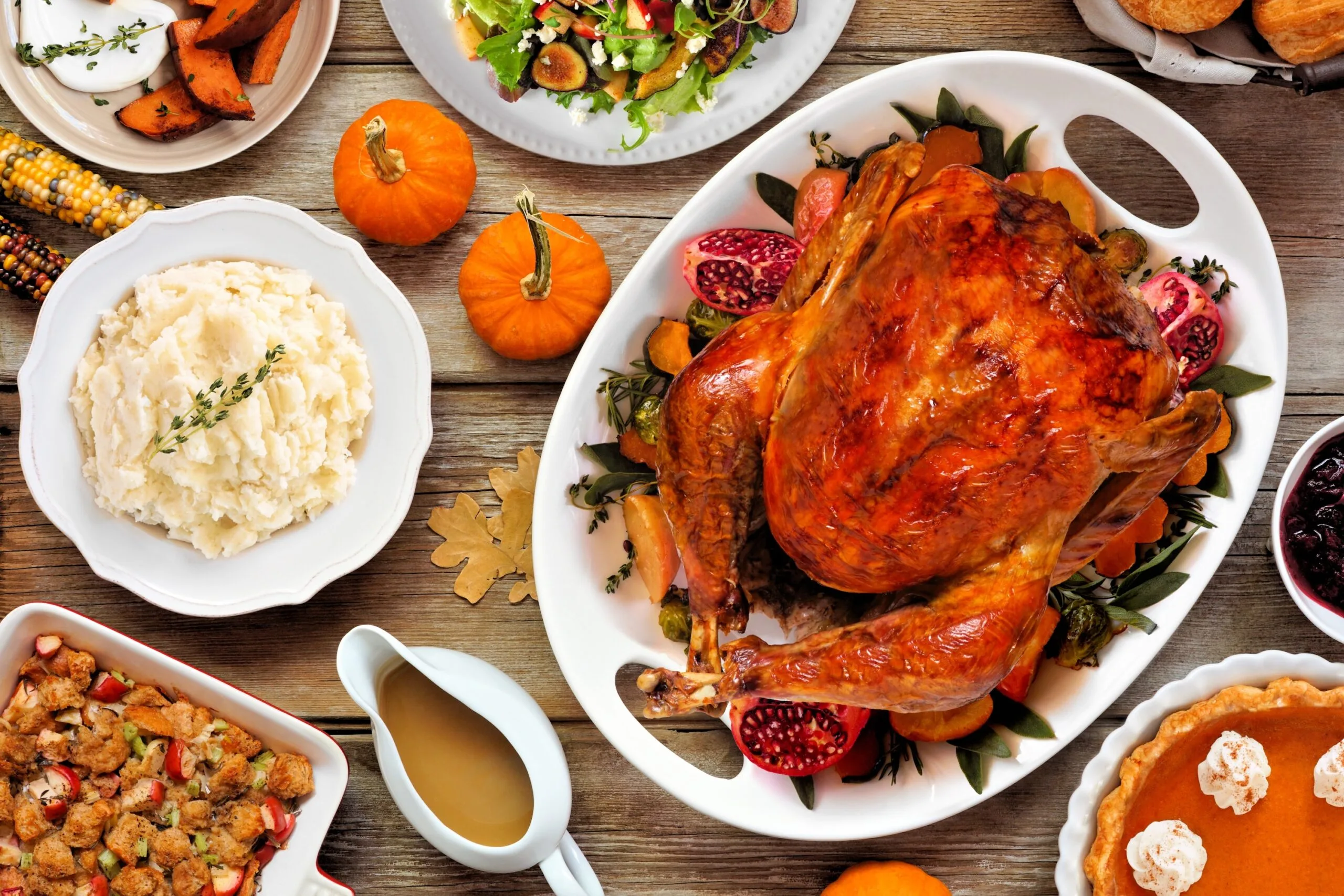
Turkey is one of those foods that shows up again and again in healthy eating conversations, and it actually earns the hype. It’s naturally high in protein, versatile, and easy to fit into all kinds of meals.
But here’s the thing: not all turkey is the same. A roasted, skinless turkey breast and a stack of deli slices might technically come from the same bird, but nutritionally they’re worlds apart. And preparation matters too—think roasting vs. deep-frying, or freshly cooked vs. heavily processed.
If you’re wondering whether turkey can support your weight-loss goals, the short answer is yes—with a few smart choices. Understanding which cuts and cooking styles work best can help you enjoy the flavor and fullness turkey brings without getting tripped up by options that are higher in sodium, fat, or additives.
Quick answer
Yes—turkey can absolutely be a great choice for weight loss, especially the white meat (like the breast) without the skin. A 3.5-ounce serving of roasted turkey breast has about 147 calories and packs in around 30 grams of protein. That gives you one of the best protein-to-calorie ratios of any meat, meaning you get plenty of staying power for relatively few calories. That combo helps keep you fuller longer, supports steady energy, and makes it easier to build meals that actually satisfy you.
Weight‑loss benefits
- It helps you stay full – Turkey is packed with high-quality protein, which naturally helps dial down your hunger hormones and sends your brain clear “I’m satisfied” signals. That means longer-lasting fullness and fewer mid-day snack cravings.
- It may give your metabolism a gentle lift – Protein takes more energy to digest than carbs or fat—your body literally works harder (and burns more calories) breaking it down. This is called the thermic effect of food, and turkey is especially efficient at it.
- It supports muscle while you lose weight – When you’re in a calorie deficit, getting enough protein helps you maintain lean muscle. That keeps your metabolism steadier and makes it more likely the weight you’re losing comes from fat—not muscle.
Things to be mindful of
- There can be a lot of sodium in processed types – Deli slices and pre-packaged turkey often contain high levels of sodium and preservatives, which can cause water retention and bloating. This can mask fat loss on the scale even when you’re making progress.
- It can be dry if overcooked – Because turkey breast is so lean, it can become dry and bland if overcooked. This sometimes leads people to add high-calorie sauces or gravies that can negate the calorie savings.
- The skin adds significant calories – While delicious, turkey skin is nearly pure fat. Leaving it on significantly increases the caloric density of your meal, turning a lean protein into a much higher-calorie option.
Nutrients in roasted turkey breast (meat only) (per 3.5 oz / 100 g)
| Nutrient | Amount | % RDA* |
|---|---|---|
| Calories | 147 calories | 7% |
| Protein | 30 g | — |
| Total carbs | 0 g | 0% |
| Fiber | 0 g | 0% |
| Sugars | 0 g | — |
| Total fat | 2 g | 3% |
| – Saturated fat | 0.6 g | 3% |
| – Monounsaturated fat | 0.5 g | — |
| – Polyunsaturated fat | 0.6 g | — |
| Omega-3 | 0.04 g | — |
| Omega-6 | 0.5 g | — |
Turkey breast is about as close to a pure protein source as it gets—virtually no carbs, very little fat, and a lot of nutrient-dense staying power. Almost every calorie comes from high-quality protein, which makes it an easy way to hit your protein goals without using up much of your overall calorie budget.
A single 3.5-ounce serving gives you 30 grams of protein, leaving plenty of room to build balanced meals with veggies, fiber-rich carbs, and healthy fats. And because it’s low in calories for the amount of food you get, it can help you feel well-fed and satisfied—something that’s essential for sticking with any long-term weight-loss plan.
Vitamins & minerals in turkey (per 3.5 oz / 100 g)
| Vitamin/Mineral | Amount | % RDA* |
|---|---|---|
| Niacin (Vitamin B3) | 9.6 mg | 60% |
| Selenium | 30 μg | 54% |
| Vitamin B6 | 0.8 mg | 48% |
| Phosphorus | 215 mg | 17% |
| Vitamin B12 | 0.4 μg | 15% |
| Zinc | 1.5 mg | 14% |
| Choline | 78 mg | 14% |
| Magnesium | 30 mg | 7% |
| Potassium | 296 mg | 6% |
| Iron | 0.7 mg | 4% |
Turkey gives you far more than protein; it’s also loaded with essential B vitamins. The high levels of niacin (B3) and vitamin B6 are essential for energy metabolism, helping your body efficiently convert food into usable fuel rather than storing it as fat. These vitamins play crucial roles in hundreds of metabolic processes that keep your energy levels steady throughout the day.
The mineral profile is equally impressive, particularly the selenium content. Providing over half of your daily needs in one serving, selenium is crucial for thyroid function, which regulates your metabolism and body weight. Without adequate selenium, metabolic rates can slow down, potentially making weight loss more difficult. The zinc and phosphorus content also supports immune function and bone health, which is important when you’re restricting calories and staying active.
Nutrient breakdown
Glycemic index (GI) of turkey
Glycemic index: 0 (Low)
💡 Tip: Turkey contains no carbohydrates, so it has no impact on blood glucose levels. This makes it an excellent choice for keeping blood sugar stable and controlling hunger between meals.
Is turkey high in protein?
✔️ Yes: Turkey contains 30 g of protein per 3.5-ounce serving.
It’s one of the most protein-dense foods available naturally. This high concentration supports muscle repair and promotes satiety better than most other food groups.
Better protein alternatives: Chicken breast | Egg whites | Cod
Is turkey high in fiber?
❌ No: Turkey provides 0 g of fiber per serving.
💡 Tip: Animal products naturally don’t contain dietary fiber, so you’ll need to pair turkey with vegetables like broccoli, Brussels sprouts, or leafy greens to meet your fiber needs and support healthy digestion.
Is turkey low in carbs?
✔️ Yes: Turkey has 0 g of carbs per serving.
💡 Tip: Turkey is a zero-carb food, making it perfect for low-carb eating patterns. This allows you to save your carbohydrate budget for nutrient-dense vegetables and fruits.
Is turkey gluten-free?
✔️ Yes: Fresh turkey is naturally gluten-free. However, check labels on deli meats, marinades, or pre-seasoned turkey products, as wheat is sometimes used as a binder or filler in processed versions.
Is turkey good for fat loss?
✔️ Yes: Due to its low-calorie and high-protein profile, turkey is helpful for fat loss. The high protein content maximizes the thermic effect of food, meaning you burn calories just by digesting it. Protein is also more difficult for the body to convert into stored body fat compared to carbohydrates or dietary fats.
Diet compatibility: Which diets include turkey?
| Diet | ✅Yes /❌No | Why |
|---|---|---|
| Keto | ✅ | Turkey has zero carbs, so it fits easily into a ketogenic pattern while supporting your protein needs. |
| Paleo | ✅ | It’s a natural, unprocessed animal protein that aligns with hunter-gatherer principles and provides essential amino acids. |
| Mediterranean | ✅ | Poultry is encouraged in moderation as a leaner alternative to red meat, supporting the diet’s heart-health focus. |
| Vegan | ❌ | Turkey is an animal product and isn’t included in vegan eating patterns. |
| Gluten‑free | ✅ | Fresh turkey is naturally gluten-free—just double-check labels on deli slices or processed products. |
Turkey works well with most omnivorous eating styles because it’s lean, filling, and easy to pair with nutrient-dense sides. For low-carb or keto approaches, its zero-carb profile means you can meet your protein goals without bumping blood sugar or ketone levels.
Paleo followers appreciate it as a clean, straightforward protein source, and even within the Mediterranean diet—where plants take center stage—turkey is often favored over red meat thanks to its lower saturated fat content.
Is turkey healthy? What are the health benefits
Metabolic health: Is turkey good for your metabolism?
- Boosts metabolism? ✔️ Yes – Protein takes more work for your body to break down, so you naturally burn a few extra calories during digestion. For context: your body uses about 20–30% of protein’s calories just to process it (compared to 5–10% for carbs and 0–3% for fats).
- Improves insulin sensitivity? ✔️ Yes – Since turkey keeps you full without spiking your blood sugar, it helps keep insulin levels steadier throughout the day. That kind of stability adds up and can support better metabolic health over time.
- Effect on fat storage? Helps prevent – Your body doesn’t easily turn protein into stored fat. Instead, it uses it for muscle repair, enzymes, and energy. So when turkey shows up in your meals, it’s more likely to be put to work than tucked away as fat.
Cholesterol impact: Does turkey affect cholesterol levels?
- Does it lower LDL (bad) cholesterol? ✔️ Yes – Replacing higher-saturated-fat meats like fatty steaks with lean turkey reduces overall saturated fat intake, which can help lower LDL cholesterol levels.
- Does it raise HDL (good) cholesterol? Limited data – While turkey doesn’t actively boost HDL like olive oil or fatty fish might, it doesn’t suppress it either. The effect on HDL is considered neutral.
- Overall impact on heart health? Turkey is generally considered heart-healthy and is endorsed by cardiovascular health associations as a lean protein source. Its low saturated fat content makes it a smart swap for fattier cuts of red meat.
💡 Tip: Roast turkey with herbs and lemon instead of butter or oil to maximize the heart health benefits while keeping it flavorful.
Can I eat turkey for a calorie deficit?
✔️ Yes, with confidence: Turkey provides high volume and fullness for very few calories, making it an excellent choice when you’re trying to create a calorie deficit without feeling hungry all the time.
💡 Tip: Use sliced turkey breast as a high-protein snack between meals instead of reaching for chips or crackers. It can help tide you over until your next meal.
Is turkey rich in antioxidants?
✔️ Yes: Turkey is rich in selenium, which acts as a cofactor for antioxidant enzymes like glutathione peroxidase. These enzymes help protect your cells from oxidative damage.
Does turkey support gut health?
❌ No: Turkey doesn’t feed beneficial gut bacteria since it lacks prebiotic fiber. While it won’t harm your gut microbiome, it doesn’t actively support it either.
Does turkey support digestion?
Positive: Turkey is generally easy to digest compared to tougher red meats. The lean protein breaks down relatively quickly in the digestive system.
💡 Tip: Always pair turkey with fibrous vegetables to keep digestion moving smoothly and support overall gut health.
Does turkey help you feel satiated and less hungry?
High: Protein is the most satiating macronutrient, and turkey is nearly pure protein. Eating turkey triggers the release of satiety hormones and helps suppress ghrelin, the hunger hormone.
Satiety Level: High
💡 Tip: Try eating your turkey first during a meal before moving on to sides and starches. This can help prevent overeating by allowing those fullness signals to kick in earlier.
Does turkey help with nighttime cravings?
✔️ Yes: A small serving of turkey can help curb late-night hunger without spiking your blood sugar or adding excessive calories right before bed.
💡 Tip: If you’re struggling with nighttime cravings, try having a few slices of turkey breast about an hour before bed. The protein can help you feel satisfied without disrupting sleep.
Does turkey help reduce inflammation?
✔️ Yes: The lower fat content means less inflammatory arachidonic acid compared to fattier meats. Chronic inflammation is linked to difficulty losing weight, so choosing anti-inflammatory proteins can support your goals.
Is turkey beneficial for brain health?
✔️ Yes: Turkey contains choline and vitamin B12, both essential for neurotransmitter function and cognitive health. These nutrients support memory, focus, and overall brain function.
Can turkey improve skin and hair health?
✔️ Yes: Turkey provides amino acids that serve as building blocks for collagen and keratin, the proteins that keep skin elastic and hair strong. Adequate protein intake is essential for maintaining healthy skin and preventing hair loss.
Can turkey help balance hormones?
✔️ Yes: The selenium content supports proper thyroid hormone production, which regulates metabolism, energy levels, and weight management. The B vitamins also play roles in hormone synthesis.
💡 Tip: While turkey supports thyroid health through selenium, overall hormonal balance requires adequate sleep, stress management, and a varied diet with healthy fats.
Best ways to eat turkey for weight loss
- Oven-roasted breast – Baking a whole turkey breast with herbs, garlic, and lemon retains moisture without adding extra calories. This method provides delicious leftovers you can use throughout the week in salads, wraps, or as a quick protein alongside vegetables.
- 99% lean ground turkey – Use this as a direct substitute for ground beef in chili, spaghetti sauce, taco bowls, or stuffed peppers. It absorbs flavors well while dramatically cutting fat and calories compared to traditional ground beef.
- Grilled turkey cutlets – Pound turkey breast into thin cutlets and grill with your favorite spice blend. This quick-cooking method keeps the meat tender and can be paired with roasted vegetables for a complete, satisfying meal.
- Avoid deep-fried turkey – While delicious, frying adds massive amounts of oil and calories, completely negating the lean benefits of the bird. Save fried turkey for special occasions rather than regular meals.
Best alternatives & comparisons (per 3.5 oz / 100 g)
| Food | Calories | Carbs | Fiber | Protein | Fat |
|---|---|---|---|---|---|
| Turkey breast | 147 | 0 g | 0 g | 30 g | 2 g |
| Chicken breast | 165 | 0 g | 0 g | 31 g | 3.6 g |
| Pork tenderloin | 143 | 0 g | 0 g | 26 g | 3.5 g |
| Ground turkey (93% lean) | 170 | 0 g | 0 g | 22 g | 8 g |
| Shrimp | 99 | 0.2 g | 0 g | 24 g | 0.3 g |
| Firm tofu | 144 | 3 g | 2 g | 17 g | 9 g |
When compared to similar lean proteins, turkey breast stands out as one of the most protein-dense options available. Chicken breast is the closest competitor and actually contains slightly more protein, though turkey edges it out with lower fat content. Pork tenderloin is another surprisingly lean choice that’s comparable to turkey in both calories and protein, making it a great alternative if you’re looking for variety.
Ground turkey (93% lean) is a more affordable and versatile option from the same bird, though it contains more fat than breast meat due to the inclusion of dark meat. It’s still an excellent choice for weight loss when used in place of ground beef. Shrimp actually beats turkey on the lean protein scale with even fewer calories and almost no fat, though it can be pricier. Plant-based options like firm tofu provide less protein per calorie and more fat, though tofu does offer fiber that animal proteins lack. For maximum protein with minimum calories, turkey breast remains one of your best options.
Frequently asked questions about turkey and weight loss
Is turkey healthier than chicken for weight loss?
Turkey and chicken are nutritionally very similar. Turkey breast is slightly leaner, but both are excellent protein options when you’re working toward weight loss. The best choice is the one you enjoy and can see yourself eating regularly. Mixing both into your routine can also help keep meals interesting.
Can I eat turkey every day and lose weight?
Yes—you can include turkey daily and still lose weight as long as your overall calorie intake supports your goals. That said, rotating your protein sources (fish, chicken, eggs, tofu, beans, etc.) helps you get a wider range of nutrients and keeps your meals satisfying.
Is deli turkey as healthy as fresh turkey?
Not usually. Deli turkey is convenient, but it often comes with added sodium and preservatives. If you pick deli slices, look for low-sodium options and short ingredient lists. Fresh roasted turkey breast you prepare yourself is typically the more nutrient-dense choice.
Does eating turkey at night help you sleep?
Turkey does contain tryptophan, an amino acid that supports serotonin production, but not dramatically more than other protein sources. So the “turkey makes you sleepy” idea is a bit overstated. Still, having protein at night can help keep blood sugar steady and reduce middle-of-the-night hunger.
Is ground turkey good for weight loss?
Yes—especially if you choose 93% or 99% lean ground turkey. It’s versatile, budget-friendly, and works well as a stand-in for ground beef in many recipes. Just note that packages labeled simply “ground turkey” may include dark meat or skin, which bumps up the fat content. Checking the lean percentage on the label helps you choose what fits your goals.
Should I remove the skin from turkey?
If you’re aiming to keep calories lower, removing the skin is a simple way to do that. Turkey skin is mostly fat, so it adds quite a bit of richness and calories. Skinless turkey breast stays firmly in the “lean protein” category.
How much turkey should I eat per meal for weight loss?
A portion of about 3–5 ounces (roughly the size of a deck of cards to a little larger) works well for most people. That gives you around 25–42 grams of protein—enough to help you stay full and support muscle maintenance. You can adjust the amount based on your activity level and how hungry you feel.
The bottom line: Turkey is great for weight loss
Turkey—especially skinless breast meat—is one of the most efficient proteins you can add to a weight-loss plan. It’s incredibly protein-dense while staying low in calories, carbs, and fat, which makes it easier to stay full and meet your goals without feeling restricted. That steady protein hit also helps preserve lean muscle during weight loss and gives your metabolism a small boost thanks to the extra energy your body uses to digest it.
That said, how you prepare turkey matters just as much as choosing it in the first place. Fresh, skinless cuts are your best bet, since processed deli meats often come with added sodium and preservatives. Pair your turkey with fiber-rich veggies to support digestion and build meals that feel balanced and satisfying. And most importantly, remember that sustainable weight loss isn’t about being perfect—it’s about choosing nourishing foods you genuinely enjoy and can keep in your life long-term.
Scientific evidence
- Including turkey in a high-protein plan could help you lose weight. [Journal of the American College of Nutrition, 2004]: Protein triggers a much higher thermic effect than carbs or fat, meaning your body burns more calories digesting it—which can give metabolism a subtle lift. Turkey’s lean, high-protein profile makes it a strong fit for these findings.
- The selenium in turkey may support thyroid health [International Journal of Endocrinology, 2017]: Selenium is required for producing and converting thyroid hormones, and low selenium levels are associated with reduced thyroid function and slower metabolism.
- Regularly eating poultry, like turkey, is linked to weight control [Food & Nutrition Research, 2015]. This review shows that including poultry as part of a vegetable-rich diet is associated with a lower risk of overweight, obesity, and cardiovascular disease compared with diets that rely more heavily on red meat.
Editorial standards
At Noom, we’re committed to providing health information that’s grounded in reliable science and expert review. Our content is created with the support of qualified professionals and based on well-established research from trusted medical and scientific organizations. Learn more about the experts behind our content on our Health Expert Team page.