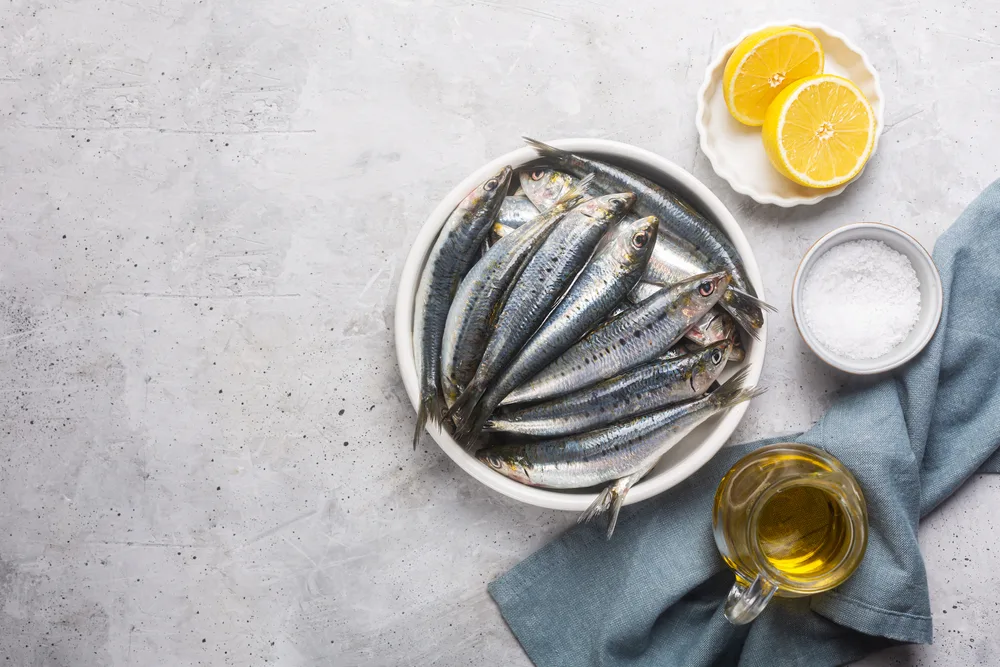
Sardines might not be the first food that comes to mind when you think about weight loss, but they’re one of those small, simple foods that can offer a lot nutritionally. They’ve been a staple in many cuisines for generations, and more recently, they’ve started showing up in conversations around high-protein, nutrient-dense eating.
From a weight loss perspective, sardines have a few things going for them. They’re rich in protein and healthy fats, which can help you feel satisfied and support steady energy throughout the day. They also provide key nutrients like calcium, vitamin D, and omega-3s—all in a relatively small serving.
At the same time, how you eat them matters. Things like portion size, added oils, and sodium levels can change how they fit into your overall pattern. So rather than thinking of sardines as a “superfood” or quick fix, it’s more helpful to look at how they can fit into balanced, satisfying meals.
✅ Quick answer
Yes, sardines are a great choice for weight loss. Their high protein content promotes fullness and helps preserve lean muscle while you’re in a calorie deficit, and their healthy fats support metabolic health. Just be mindful of the packing liquid—sardines in oil carry more calories than those packed in water or tomato sauce—and watch sodium if water retention is a concern for you.
🚀 Weight-loss benefits
- High satiety — Sardines are rich in protein and fat, a combination that slows digestion and keeps you feeling full well after your meal. This makes it easier to stay within your calorie goals without constantly fighting off hunger.
- Metabolic support — The omega-3 fatty acids in sardines have been shown to improve insulin sensitivity and reduce inflammation, both of which play a role in how efficiently your body burns fat.
- Exceptional nutrient density — Sardines deliver many vitamins and minerals — especially B12, calcium, and vitamin D — for a relatively low calorie count. This matters during weight loss, when it can be harder to meet your micronutrient needs while eating less.
⚠️ Things to be mindful of
- Calorie density in oil — Sardines packed in olive or soybean oil contain significantly more calories than water-packed varieties. If you’re not measuring, those extra calories from the oil can add up and chip away at your deficit.
- Sodium content — Canned sardines are naturally higher in sodium, which can cause temporary water retention and bloating. If you’re tracking your weight closely, this can be misleading on the scale. Opting for low-sodium versions or rinsing your sardines can help.
- Strong flavor — The bold taste and smell of sardines can be off-putting for some people, making it hard to eat them consistently. Consistency matters more than any single “perfect” food, so if sardines don’t appeal to you, there are plenty of alternatives worth exploring.
🥗 Nutrients in sardines (per 1 small can / 3.75 oz / 106g, canned in oil, drained)
One small can of sardines packs in a lot for a relatively modest number of calories. With 23 grams of protein for about 221 calories, they offer a strong protein-to-calorie ratio, which can be helpful if you’re trying to stay full while managing your calorie intake.


Sardines are also naturally very low in carbs, so they’re unlikely to cause a big blood sugar spike on their own. That said, what really helps with steady energy is the overall balance of your meal—especially when you pair protein with fiber-rich foods like vegetables, beans, or whole grains.
| Nutrient | Amount | % RDA* |
|---|---|---|
| Calories | 221 calories | 11% |
| Protein | 26.1 g | 52% |
| Total carbs | 0 g | 0% |
| Fiber | 0 g | 0% |
| Sugars | 0 g | — |
| Total fat | 12.2 g | 16% |
| – Saturated fat | 1.6 g | 8% |
| – Monounsaturated fat | 4.0 g | — |
| – Polyunsaturated fat | 5.4 g | — |
| Omega-3 | ~1.6 g | — |
| Omega-6 | ~3.7 g | — |
Their fat content is also a plus. Most of the fat in sardines comes from unsaturated fats, including omega-3s, which support heart health, brain function, and overall well-being. In other words, the calories in sardines come with some real nutritional value.
*Recommended dietary allowance (RDA) is defined as the average daily amount of nutrients needed to meet the requirements of nearly all healthy people in a specific group.
💊 Vitamins & minerals in sardines (per 1 small can / 3.75 oz / 106g)
| Vitamin/Mineral | Amount | % RDA* |
|---|---|---|
| Vitamin B12 | 9.48 µg | 395% |
| Selenium | 55.9 µg | 102% |
| Phosphorus | 519 mg | 42% |
| Calcium | 405 mg | 31% |
| Niacin (B3) | 5.5 mg | 34% |
| Vitamin D | 5.1 µg | 25% |
| Iron | 3.1 mg | 17% |
| Vitamin E | 2.2 mg | 15% |
| Zinc | 1.4 mg | 13% |
| Potassium | 421 mg | 9% |
| Magnesium | 41 mg | 10% |
| Sodium | 325 mg | 14% |
Sardines also bring a lot to the table when it comes to vitamins and minerals. One of the biggest standouts is vitamin B12, which helps your body turn food into energy and supports nerve and brain function. A single can provides well over your daily needs, which can be especially helpful if you don’t eat a lot of animal-based foods.
Because sardines are often eaten with the soft bones, they’re also a surprisingly good source of calcium and phosphorus—two nutrients that help support strong bones. They also provide vitamin D, which helps your body absorb calcium and plays a role in overall health, including immune and metabolic function.
Another notable nutrient is selenium, which supports thyroid health and helps protect cells from oxidative stress. In other words, sardines aren’t just high in protein—they also offer a lot of the nutrients that can be harder to get consistently in everyday eating.
🔍 Nutrient breakdown
Glycemic index (GI) of sardines
Glycemic index: 0 (Low)
💡 Tip: Because sardines have zero carbohydrates, they don’t affect blood sugar at all. Pairing them with a low-GI carb source like whole grain crackers or leafy greens keeps your meal stable and satisfying without a post-meal energy slump.
Are sardines high in protein?
✔️ Yes — sardines contain 26.1 g of protein per can.
This is a high-protein food that provides a complete amino acid profile, meaning it contains all the essential amino acids your body needs for muscle repair and maintenance. That protein density rivals — and in some cases exceeds — many cuts of beef or pork.
🔹 Better protein alternatives: Chicken breast | Egg whites | Canned tuna in water
Are sardines high in fiber?
❌ No — sardines have 0 g of fiber per can.
As an animal product, sardines contain no dietary fiber. To support digestive health and enhance fullness, pair them with fiber-rich foods.
💡 Tip: Eat sardines on top of leafy greens, with a side of raw vegetables, or on whole-grain crackers to round out your meal with fiber.
Are sardines low in carbs?
✔️ Yes — sardines have 0 g of carbs per can.
Sardines are completely carb-free, making them one of the most keto-friendly proteins out there. They’re also a great option for anyone managing blood sugar, since they cause no glycemic response whatsoever.
💡 Tip: Sardines are an ideal food to break a fast without disrupting ketosis or spiking insulin.
Are sardines gluten-free?
✔️ Yes — plain sardines and most canned varieties are naturally gluten-free. That said, sardines packed in flavored sauces like mustard or some tomato blends may contain gluten-containing thickeners, so it’s worth checking the label if you have celiac disease or a sensitivity.
Are sardines good for fat loss?
✔️ Yes — sardines are a strong choice for fat loss. The combination of high protein and healthy fats increases the thermic effect of food (meaning your body burns more calories digesting them), while also promoting the kind of sustained fullness that makes sticking to a calorie deficit much easier.
🍽️ Diet compatibility: Which diets include sardines?
| Diet | ✅/❌ | Why |
|---|---|---|
| Keto | ✅ | An excellent fit. Zero carbs and a solid fat-to-protein ratio make sardines a keto staple that helps hit macro targets without disrupting ketosis. |
| Paleo | ✅ | Fully allowed. Sardines are a minimally processed whole food that fits the ancestral eating framework, and they’re one of the most nutrient-dense options available on paleo. |
| Mediterranean | ✅ | A core component. Oily fish are a cornerstone of the Mediterranean diet, celebrated for their heart-protective omega-3s and alignment with traditional coastal eating patterns. |
| Vegan | ❌ | Not allowed. Sardines are fish and therefore excluded from all plant-based diets. |
| Gluten-free | ✅ | Safe for most. Plain and water-packed sardines are naturally gluten-free, but flavored or sauced varieties may contain hidden gluten, so always read the label. |
Sardines are a remarkably versatile protein that slots comfortably into almost any diet that includes animal products. For keto and low-carb eaters, they’re an excellent choice — zero carbs, plenty of fat, and enough protein to support muscle retention. For paleo and Mediterranean followers, they represent the kind of minimally processed, ancestrally consistent food these diets are built around.
The only dietary frameworks that exclude sardines are vegetarian and vegan. However, for pescatarians, sardines are often the single best source of B12, calcium, and omega-3s in their diet — nutrients that can otherwise be difficult to obtain without red meat or supplementation.
🌟 Are sardines healthy? What are the health benefits
Metabolic health: Are sardines good for your metabolism?
- Boosts metabolism? ✔️ Yes — The high protein content of sardines requires significant energy to digest, a process called the thermic effect of food (TEF). This means your body burns more calories processing a sardine-based meal compared to one built around carbohydrates or lower-protein foods.
- Improves insulin sensitivity? ✔️ Yes — The omega-3 fatty acids in sardines have been shown to reduce systemic inflammation and improve how cells respond to insulin, which supports fat burning and reduces the likelihood of fat storage.
- Effect on fat storage? Helps prevent — By keeping insulin levels low and promoting lasting satiety, sardines create the conditions that make fat storage less likely. They provide energy through protein and fat rather than sugar, helping you stay out of the blood sugar “rollercoaster” that can drive overeating.
Cholesterol impact: Do sardines affect cholesterol levels?
- Does it lower LDL (bad) cholesterol? ✔️ Yes — Omega-3s help lower triglycerides and may reduce the density of LDL particles, making them less likely to contribute to arterial plaque buildup.
- Does it raise HDL (good) cholesterol? Possibly — Regularly eating fatty fish like sardines is consistently linked to higher HDL levels in research, though individual responses can vary.
- Overall impact on heart health? Favorable — Regular consumption of oily fish is associated with a meaningfully reduced risk of heart disease and stroke, making sardines one of the more heart-friendly proteins you can eat.
💡 Tip: Try swapping red meat for sardines twice a week to give your cardiovascular health a boost alongside your weight loss efforts.
Can I eat sardines for a calorie deficit?
✔️ Yes, with confidence — At 221 calories per can with over 26 grams of protein, sardines offer excellent nutritional value for the calorie cost. They’re a nutrient-dense food, meaning you get a lot of nutrition for relatively few calories.
💡 Tip: Choose sardines packed in water to save approximately 40–50 calories per can compared to oil-packed varieties — a simple swap that adds up over time.
Are sardines rich in antioxidants?
✔️ Yes — Sardines are a strong source of selenium and zinc, both of which function as antioxidants in the body, protecting cells from oxidative damage that can accelerate aging and impair metabolic function.
Do sardines support gut health?
✔️ Yes — The omega-3 fatty acids in sardines help support the integrity of the gut lining and reduce gut inflammation, creating a healthier environment for digestion and nutrient absorption.
Do sardines support digestion?
Positive — Sardine protein is highly bioavailable and easier for most people to digest than tougher proteins like red meat. That said, oil-packed sardines may trigger acid reflux in people with sensitive stomachs, so water-packed versions are a gentler option.
Do sardines help you feel satiated and less hungry?
High — The combination of protein and fat in sardines slows gastric emptying, meaning food stays in your stomach longer and hunger signals are delayed. Most people find a single can genuinely filling.
Satiety level: High
💡 Tip: Eating sardines at lunch is a great way to ward off the mid-afternoon energy crash and the sugar cravings that tend to come with it.
Access GLP-1 Weight Loss with Noom
Explore a wide range of prescription medications supported by Noom’s program.Microdose GLP-1rx
Noom GLP-1rx
Noom GLP-1rx Plus
Wegovy®

Ozempic®

Metformin

Zepbound®

Mounjaro®
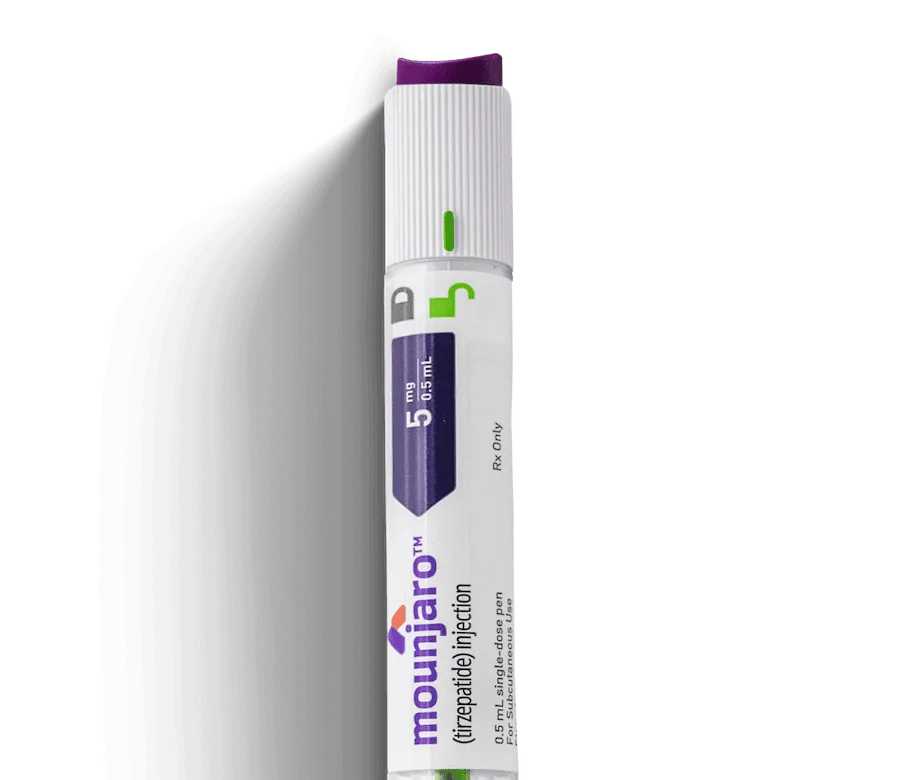
Liraglutide

Do sardines help with nighttime cravings?
✔️ Yes — A small serving of sardines at dinner provides sustained fullness that can help prevent the late-night snacking that often derails calorie deficits. The protein content in particular helps stabilize hunger hormones overnight.
Do sardines help reduce inflammation?
✔️ Yes — Sardines are one of the best whole-food sources of EPA and DHA, the omega-3 fatty acids most strongly linked to reduced inflammatory markers. Chronic inflammation is associated with weight loss resistance, so this is a meaningful benefit for anyone working toward fat loss.
Are sardines beneficial for brain health?
✔️ Yes — High DHA content supports cognitive function, mood stability, and may help protect against neurodegeneration over time. This is one area where sardines genuinely outperform most other proteins.
Can sardines improve skin and hair health?
✔️ Yes — The healthy fats in sardines support skin elasticity and barrier function, while the protein provides the amino acids needed for hair strength and growth.
Can sardines help balance hormones?
✔️ Yes — Vitamin D and healthy fats are both precursors to steroid hormone production, and sardines are a strong source of both. Adequate vitamin D in particular is linked to better hormonal balance and improved metabolic function.
💡 Tip: Hormonal health is influenced by overall dietary patterns, not single foods. Think of sardines as a consistent contributor to a balanced diet rather than a standalone fix.
🍽️ Best ways to eat sardines for weight loss
- ✅ Straight from the can with crackers — One of the most underrated quick lunches. Pair sardines in water or tomato sauce with whole-grain crackers and sliced vegetables for a high-protein, shelf-stable meal that takes about two minutes to put together.
- ✅ On avocado toast — Mash sardines with avocado on whole-grain or sourdough bread. The fiber from the toast and healthy fats from both the fish and avocado make this a genuinely filling meal that covers protein, fiber, and healthy fat in one go.
- ✅ As a salad topper — Flake sardines over a large bowl of bitter greens like arugula or kale and dress with lemon vinaigrette. The acid cuts through the richness of the fish, the greens add volume without calories, and the protein turns a side salad into a meal.
- ❌ Avoid deep-frying — Breaded and fried sardines add refined carbs and significantly more calories, canceling out many of the health benefits. The preparation method matters as much as the food itself.
🍏 Best alternatives & comparisons (per 3.75 oz / 106g serving)
| Food | Calories | Carbs | Fiber | Protein | Fat |
|---|---|---|---|---|---|
| Sardines (in oil) | 221 | 0 g | 0 g | 26.1 g | 12.2 g |
| Canned tuna (in water) | 109 | 0 g | 0 g | 24.3 g | 0.8 g |
| Salmon (canned) | 177 | 0 g | 0 g | 24.4 g | 8.0 g |
| Chicken breast | 175 | 0 g | 0 g | 32.9 g | 3.8 g |
| Mackerel (canned) | 278 | 0 g | 0 g | 25.4 g | 19.1 g |
| Firm tofu | 153 | 3.2 g | 2.1 g | 18.0 g | 9.5 g |
When you compare sardines to other protein options, there’s no single “winner”—it really depends on what you’re looking for in a meal.
Canned tuna in water is one of the leanest options and gives you a similar amount of protein for fewer calories. That can make it useful if you want a lighter protein source, though it doesn’t offer the same omega-3s, calcium, vitamin D, or selenium that sardines do.
Canned salmon is probably the closest swap overall. It has a milder flavor, still provides protein and omega-3s, and can feel a little more approachable if sardines aren’t your thing.
Mackerel is another nutrient-rich fish, but it tends to be richer and more calorie-dense, which may or may not fit your goals depending on the rest of your day.
Chicken breast is a very high-protein, lower-fat option that works well if you want something neutral and versatile, while tofu can be a solid plant-based choice with some protein and a more flexible flavor profile.
The takeaway: Sardines are a strong option, but they don’t have to be your option. The best protein is the one that fits your goals, tastes good to you, and feels easy to eat consistently.
Frequently asked questions about sardines and weight loss
How many sardines should I eat per day for weight loss?
One small can (about 3.75 oz) per day is a practical and sustainable amount for most people. That gives you over 26 grams of protein and a full range of micronutrients for around 220 calories. Eating sardines daily is safe for most people, though variety in your protein sources is generally a good idea for a balanced diet.
Are sardines in olive oil bad for weight loss?
Not bad, but higher in calories than water-packed sardines. The olive oil itself is a healthy fat, but it does add roughly 40–50 calories per can. If you’re tightly managing your calorie intake, water-packed or tomato sauce-packed sardines are the more calorie-conscious choice.
Are sardines better than tuna for weight loss?
It depends on your goal. Tuna in water is lower in calories and fat, making it the better pick if you’re in a strict deficit. Sardines, however, are significantly richer in omega-3s, calcium, vitamin D, and B12 — so nutritionally, they offer more per can. Many people benefit from rotating both.
Can I eat sardines every day?
Yes, for most people. Sardines are low in mercury compared to larger fish like tuna or swordfish, making them one of the safer fish to eat frequently. The FDA considers them a “best choice” fish for regular consumption. If you’re pregnant or have specific health conditions, it’s always worth checking with your doctor.
Do sardines cause bloating?
They can, primarily due to their sodium content, which can cause temporary water retention. Choosing low-sodium sardines, rinsing them before eating, and drinking plenty of water can minimize this effect. The high fat content in oil-packed varieties may also contribute to bloating in people with sensitive digestion.
Are sardines a good protein source for muscle building?
Yes — sardines provide a complete amino acid profile with over 26 grams of protein per can, which supports both muscle repair and retention during weight loss. Combined with resistance training, they’re a solid tool for body recomposition.
Are canned sardines as healthy as fresh?
Pretty close. Canned sardines retain most of their nutritional value, including their omega-3 content, protein, and micronutrients. Fresh sardines may have a slight edge on sodium content, but canned sardines are far more convenient and accessible—and the nutritional difference is minimal enough not to matter for most people.
🧠 The bottom line: Sardines are one of the most underrated foods for anyone working toward a healthier weight.
They’re high in protein, rich in omega-3s, packed with vitamins and minerals, and surprisingly filling for their calorie count. They won’t work miracles on their own — no single food does — but as a regular part of a balanced, calorie-conscious diet, they genuinely earn their place.
For practical purposes, aim for a small can (3.75 oz) a few times a week. If you’re new to sardines, starting with water-packed or tomato sauce varieties tends to be more palatable, and pairing them with something acidic like lemon juice or pickled vegetables helps balance the flavor. Sustainable weight loss is about building eating patterns you can actually stick to — and sardines, once you find a preparation you like, are one of the easiest high-protein options to keep on hand.
📖 Scientific evidence
- Eating sardines regularly is linked to better metabolic health (Nutrients, 2018). A review found that people who eat fatty fish like sardines tend to have lower rates of metabolic syndrome, including less abdominal fat and healthier HDL (“good”) cholesterol levels.
- Sardines may support fat metabolism and reduce inflammation (Frontiers in Nutrition, 2023). Because they’re rich in omega-3 fatty acids, sardines are associated with improvements in how the body processes fat, along with lower levels of inflammation—two factors that can make weight loss and metabolic health easier to manage.
- Sardines can help support fat loss while preserving muscle (The American Journal of Clinical Nutrition, 2015). As a high-protein food, sardines fit into eating patterns that are consistently linked to greater fat loss and better muscle retention compared to lower-protein diets.
- Sardines may help address vitamin D gaps linked to weight challenges (Lipids in Health and Disease, 2016). Sardines naturally contain vitamin D, and low levels of this nutrient are often associated with obesity and a harder time improving metabolic health.
- Regularly eating sardines may support heart health over time (Clinical Nutrition, 2012). Higher fish intake—including fatty fish like sardines—is linked to a lower risk of heart failure and cardiovascular events, reinforcing their role as a heart-healthy protein choice.
Editorial standards
At Noom, we’re committed to providing health information that’s grounded in reliable science and expert review. Our content is created with the support of qualified professionals and based on well-established research from trusted medical and scientific organizations. Learn more about the experts behind our content on our Health Expert Team page.