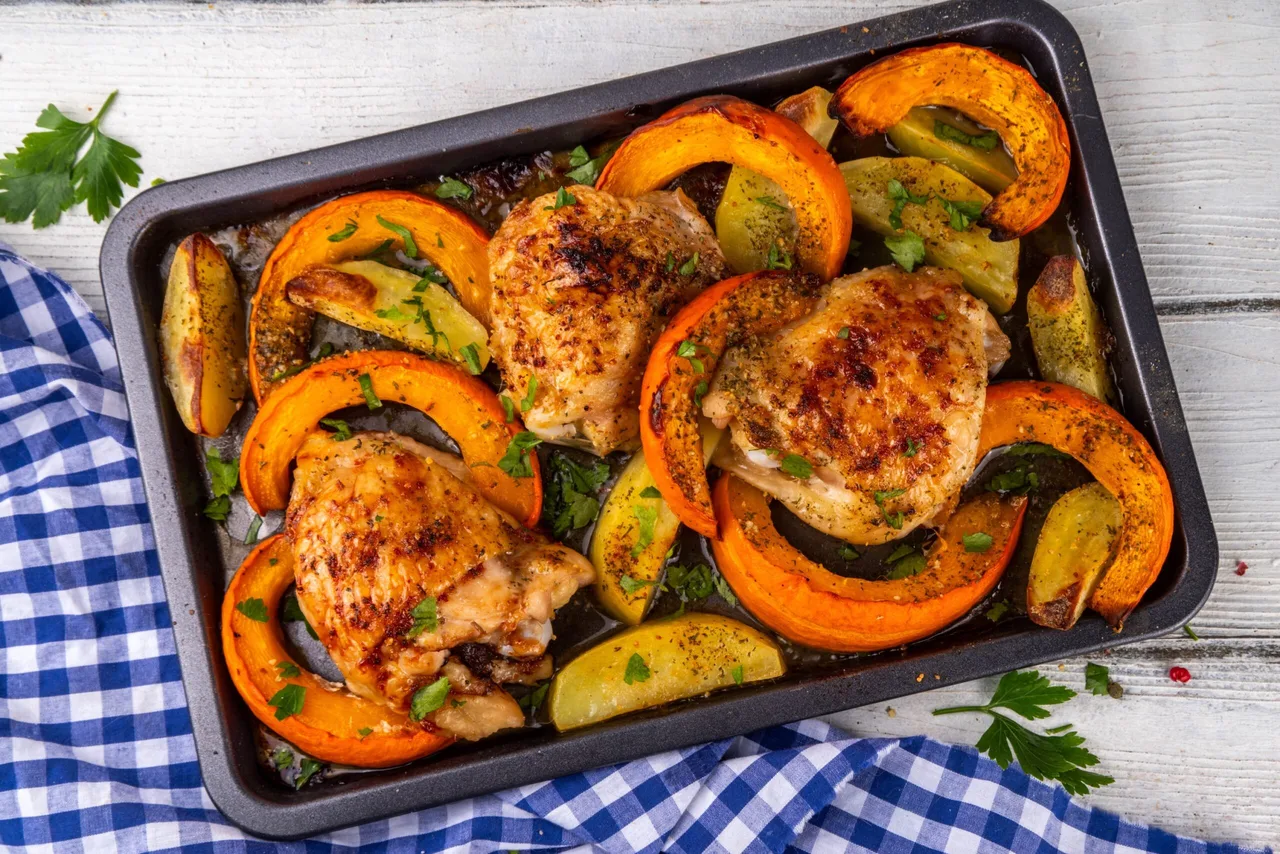
Pumpkin isn’t just for lattes or pumpkin pie; it’s a surprisingly versatile ingredient, whether you’re trying to improve your diet or lose weight. It gives you a lot of volume for very few calories, which can make meals feel more satisfying without pushing you over your daily target. It also delivers real nutritional value—think vitamin A, potassium, and fiber—so you’re not just filling up, you’re supporting your overall health at the same time.
And the best part is how easy it is to use. You can roast it for a simple side, blend it into a smooth soup, stir it into yogurt or oatmeal, or add it to savory dishes for extra richness. It brings that warm, cozy flavor you expect from pumpkin, but without the heavy calorie load that usually comes with seasonal treats.
✅ Quick answer
Yes, pumpkin is an excellent food for weight loss due to its incredibly low calorie density and high water content. One cup of canned pumpkin has just 83 calories while delivering fiber, vitamin A, potassium, and other nutrients that help keep you full and support overall health.
Weight-loss benefits
- It’s satisfying for very few calories – You can eat a full cup of canned pumpkin for only 83 calories while getting 7 grams of fiber, physically filling your stomach, and reducing hunger signals significantly.
- It’s a carb that can help stabilize blood sugar – Despite a high glycemic index, the low carbohydrate load and substantial fiber content help prevent the sharp blood sugar crashes that typically lead to binge eating and sugar cravings.
- It might reduce water retention – The high potassium content (505mg per cup) helps flush out excess sodium and water weight, leading to a leaner appearance and less bloating.
Things to be mindful of
- It’s low in protein – With only 2.7 g per cup, pumpkin can’t stand in as a full meal if you’re trying to maintain muscle during weight loss. Pair it with a protein source to stay balanced.
- It’s often used in sweet preparations – Many pumpkin dishes come loaded with added sugar or fat (like pies, muffins, and seasonal lattes), which can wipe out its natural weight-loss benefits.
- Be sure to check the label – Choose 100% pure pumpkin purée. Pumpkin pie filling contains added sugar and spices that significantly increase calories.
Nutrients in pumpkin (per 1 cup canned / 245g)
| Nutrient | Amount | % RDA* |
|---|---|---|
| Calories | 83 calories | 4% |
| Protein | 2.7 g | 5% |
| Total carbs | 20 g | 7% |
| Fiber | 7.1 g | 25% |
| Sugars | 8.1 g | — |
| Total fat | 0.7 g | 1% |
| – Saturated fat | 0.4 g | 2% |
| – Monounsaturated fat | 0.06 g | — |
| – Polyunsaturated fat | 0.03 g | — |
| Omega-3 | 0.0 g | — |
| Omega-6 | 0.0 g | — |
This nutrition breakdown shows just how light canned pumpkin really is. With only 83 calories per cup—and almost no fat—it’s one of the lowest–calorie-density foods you can add to your meals. Most of its calories come from carbohydrates, but those carbs are primarily water, natural sugars, and a meaningful amount of fiber.
The fiber is what stands out. You get 7.1 grams per cup, which is unusually high because the canning process removes extra water and concentrates the nutrients. That extra fiber helps keep digestion moving, supports gut health, and makes meals feel more filling without adding many calories. The protein content, on the other hand, is low at 2.7 grams per cup. Pumpkin is great for volume and satiety, but it still needs to be paired with a protein source to keep meals balanced.
*Recommended dietary allowance (RDA) is defined as the average daily amount of nutrients needed to meet the requirements of nearly all healthy people in a specific group.
Vitamins & minerals in pumpkin (per 1 cup canned / 245g)
| Vitamin/Mineral | Amount | % RDA* |
|---|---|---|
| Vitamin A (RAE) | 1,906 µg | 212% |
| Iron | 3.4 mg | 19% |
| Vitamin C | 10.3 mg | 11% |
| Vitamin E | 2.6 mg | 17% |
| Potassium | 505 mg | 11% |
| Copper | 0.3 mg | 33% |
| Manganese | 0.5 mg | 22% |
| Vitamin B6 | 0.1 mg | 6% |
| Riboflavin (B2) | 0.2 mg | 15% |
| Magnesium | 56 mg | 13% |
| Phosphorus | 86 mg | 7% |
| Zinc | 0.6 mg | 5% |
The first thing that jumps out here is the vitamin A content. One cup of canned pumpkin gives you more than twice your daily needs, thanks to its rich concentration of beta-carotene, the antioxidant responsible for pumpkin’s bright orange color. Beta-carotene supports immune health, eye health, and overall cell protection, which is especially valuable when you’re in a calorie deficit.
Canned pumpkin also supplies meaningful amounts of copper, manganese, and iron. These minerals play key roles in maintaining steady energy, supporting collagen production, and helping your body form healthy red blood cells. You’ll also find B vitamins like riboflavin, which help convert the food you eat into energy your body can actually use.
The 505 mg of potassium per cup is another standout. Potassium helps regulate fluid balance and can offset some of the water retention that happens when you eat more sodium.
Altogether, canned pumpkin works almost like a naturally nutrient-dense “multivitamin”—delivering high levels of vitamins and minerals for a remarkably low number of calories.
Nutrient breakdown
Glycemic index (GI) of pumpkin
Glycemic index: 75 (High)
💡Tip: Don’t let the high GI scare you off. Pumpkin has a very low glycemic load (around 3) because the total amount of carbs in a serving is small. In practical terms, that means it’s unlikely to spike your blood sugar unless you’re eating extremely large amounts.
Is pumpkin high in protein?
❌No: Pumpkin contains only 2.7 g of protein per cup. It’s not a significant source of amino acids and lacks the protein density needed for muscle repair.
Better protein alternatives: Chicken breast | Lentils | Greek yogurt
Is pumpkin high in fiber?
✔️Yes: Canned pumpkin provides 7.1 g of fiber per cup, which is 25% of your daily needs. This makes it an excellent source of dietary fiber that supports digestive health and keeps you feeling full longer.

The Easy Way
to lose weight and get healthy.
See if you qualify*Initial 3-week subscription and 4 weeks of medication from $99 plus tax and $199 per month plus tax for 12-week subscription thereafter.


💡Tip: Canned pumpkin has significantly more fiber than fresh or raw pumpkin because the canning process concentrates the nutrients by removing excess water.
Is pumpkin low in carbs?
✔️Yes: Pumpkin has 20 g of carbs per cup, with 7.1g of fiber, giving it about 13g net carbs. This makes it suitable for most low-carb diets, provided you track your portion sizes carefully.
💡Tip: Use it as a replacement for higher-carb starchy vegetables like potatoes.
Is pumpkin gluten-free?
✔️Yes: Pumpkin is naturally free from gluten. It’s safe for those with celiac disease or gluten sensitivity.
Is pumpkin good for fat loss?
✔️Yes: Pumpkin can support fat loss because it’s naturally low in calories and high in fiber. It adds satisfying volume to meals without adding much to your daily calorie total, helping you feel comfortably full while still staying on track.
🍽️ Diet compatibility: Which diets include pumpkin?
| Diet | ✅Yes/❌No | Why |
|---|---|---|
| Keto | ⚠️ Moderate | Small portions can fit, but you’ll need to budget carefully within your daily carb limit. |
| Paleo | ✅ Yes | As a natural, unprocessed vegetable (botanically a fruit), it fits perfectly into the hunter-gatherer framework. |
| Mediterranean | ✅ Yes | It’s a plant-based, whole food rich in antioxidants and pairs well with olive oil and herbs. |
| Vegan | ✅ Yes | It’s 100% plant-based and a staple in vegan cooking for its texture and creaminess. |
| Gluten-free | ✅ Yes | Pumpkin contains no gluten proteins and is safe for celiacs. |
Pumpkin is one of those rare ingredients that fits into almost every major eating style. It’s a whole food, nutrient-dense, and incredibly flexible, which makes it easy to use whether you’re cooking Mediterranean dishes, sticking to paleo, or following a vegan or gluten-free plan.
The main place to be mindful is keto. Pumpkin isn’t off-limits, but it does contain more carbs than leafy greens or cruciferous vegetables. If you’re keto, you can still enjoy it—just keep an eye on portions so it fits comfortably within your daily carb target.
🌟 Is pumpkin healthy? What are the health benefits
Metabolic health: Is pumpkin good for your metabolism?
- Boosts metabolism? ❌No – It doesn’t directly increase metabolic rate, but its B vitamins support enzyme function in energy metabolism.
- Improves insulin sensitivity? ✔️Yes – Compounds in pumpkin have been shown to mimic insulin-like effects, potentially aiding blood sugar regulation.
- Effect on fat storage? Neutral – It doesn’t trigger fat storage due to low calories, but it doesn’t actively burn fat chemically.
💡Tip: Season with cayenne pepper to add a slight thermogenic metabolic boost.
Cholesterol impact: Does pumpkin affect cholesterol levels?
- Does it lower LDL (bad) cholesterol? ✔️Yes – The phytosterols and soluble fiber (in cooked forms) can help bind to cholesterol and remove it from the body.
- Does it raise HDL (good) cholesterol? Data limited – There’s no strong evidence suggesting pumpkin significantly raises “good” cholesterol directly.
- Overall impact on heart health? The impact is favorable. High potassium assists in blood pressure regulation, reducing strain on the cardiovascular system.
💡Tip: Eat pumpkin seeds (pepitas) alongside the flesh for healthy fats that support heart health.
Can I eat pumpkin for a calorie deficit?
✔️Yes, with confidence: It’s one of the best foods for a deficit because you can eat a full cup for only 83 calories while getting substantial fiber and nutrients.
💡Tip: Use pumpkin puree to thicken soups instead of heavy cream to slash calories.
Is pumpkin rich in antioxidants?
✔️Yes: It’s rich in beta-carotene, beta-cryptoxanthin, and alpha-carotene, which neutralize free radicals and reduce oxidative stress.
💡Tip: Consume with a small amount of fat (like avocado) to absorb these antioxidants better.
Does pumpkin support gut health?
✔️Yes: The pectin in pumpkin serves as a prebiotic, feeding beneficial gut bacteria.
Does pumpkin support digestion?
Positive: Yes—pumpkin’s high water content and naturally occurring fiber can help keep things moving comfortably. Most people tolerate it really well, but if you’re sensitive to fiber, larger portions of canned pumpkin may leave you feeling a bit bloated. Starting with smaller servings can help you see how your body responds..
Does pumpkin help you feel satiated and less hungry?
Moderate: The combination of water volume and fiber helps signal fullness in the brain.
Satiety level: Moderate
💡Tip: Roast with salt and rosemary to curb savory cravings.
Does pumpkin help with nighttime cravings?
✔️Yes: A warm bowl of pumpkin soup is soothing and filling without versus most late-night snacks.
Does pumpkin help reduce inflammation?
✔️Yes: The antioxidants in pumpkin have anti-inflammatory properties that may help reduce chronic low-grade inflammation.
Access GLP-1 Weight Loss with Noom
Explore a wide range of prescription medications supported by Noom’s program.Microdose GLP-1rx
Noom GLP-1rx
Noom GLP-1rx Plus
Wegovy®
Ozempic®
Metformin
Zepbound®
Mounjaro®
Liraglutide
Is pumpkin beneficial for brain health?
✔️Yes: Lutein and zeaxanthin accumulate in the brain and may help improve cognitive processing speed.
Can pumpkin improve skin and hair health?
✔️Yes: Vitamins A and C promote collagen production and protect skin cells from UV damage.
Can pumpkin help balance hormones?
✔️Yes, with limited evidence: Nutrient density supports general endocrine function, though no direct hormonal manipulation occurs.
💡Tip: A balanced diet with a variety of nutrient-dense foods is the best approach for supporting hormonal health.
🍽️ Best ways to eat pumpkin for weight loss
- Stir it into soups for instant creaminess – Canned pumpkin blends beautifully into almost any broth. Add a scoop to vegetable, chicken, or tomato soup to create a rich, velvety texture without adding many calories. It thickens the soup, boosts fiber, and makes the meal more satisfying.
- Mix it into yogurt or cottage cheese – A spoonful of canned pumpkin adds volume, creaminess, and nutrients to your favorite high-protein base. Add cinnamon or pumpkin pie spice for flavor. It’s a simple way to make a filling snack without extra sugar or fat.
- Use it in smoothies for extra fullness – A few tablespoons of canned pumpkin can make smoothies thicker and more satiating. Pair it with Greek yogurt, unsweetened almond milk, or protein powder. It adds fiber and natural sweetness while keeping calories low.
🍏 Best alternatives & comparisons (per 1 cup, cooked)
| Food | Calories | Carbs | Fiber | Protein | Fat |
|---|---|---|---|---|---|
| Pumpkin | 49 calories | 12 g | 2.7 g | 1.8 g | 0.2 g |
| Sweet potato | 180 calories | 41 g | 6.6 g | 4.0 g | 0.3 g |
| Butternut squash | 82 calories | 22 g | 6.6 g | 1.8 g | 0.2 g |
| Carrots | 55 calories | 13 g | 4.7 g | 1.3 g | 0.3 g |
| Zucchini | 27 calories | 5 g | 2.0 g | 2.0 g | 0.5 g |
| Acorn squash | 115 calories | 30 g | 9.0 g | 2.3 g | 0.3 g |
When you line pumpkin up next to other starchy, orange veggies, its calorie advantage becomes pretty clear. Sweet potatoes are delicious and nutrient-dense, but they come with nearly four times the calories and carbs of pumpkin—so they’re better saved for days when you have more room in your plan.
Butternut squash and carrots are closer comparisons. They share the same cozy sweetness and soft texture once cooked, but still land a bit higher in calories and carbs. Pumpkin stays the lightest of the group, which is why it works so well when you want a lot of volume without a lot of calories.
Zucchini is the only veggie on this list that’s even lower in calories than pumpkin. The tradeoff? It doesn’t have the same creamy, comforting feel that people love about pumpkin recipes—especially in colder weather.
So if you’re looking for a veggie that brings flavor, comfort, and plenty of volume for minimal calories, pumpkin really does earn its place as a go-to choice in a weight-loss-friendly kitchen.
Frequently asked questions about pumpkin and weight loss
Can I eat pumpkin every day for weight loss?
Yes—you can absolutely enjoy pumpkin daily as part of a balanced diet. Its low calorie density and high nutrient content make it an easy everyday add-in. Just be sure to pair it with a good protein source so your meals stay satisfying and nutritionally complete.
Is canned pumpkin as good as fresh for weight loss?
Definitely. Plain canned pumpkin is not only convenient—it’s often more helpful for weight loss because the canning process removes extra water, concentrating the fiber. Just make sure the label says 100% pure pumpkin, not pumpkin pie filling.
Will pumpkin make me gain weight?
Pumpkin itself won’t cause weight gain—it’s far too low in calories for that. The weight-gain risk comes from the things often mixed with it, like sugar, butter, cream, or pumpkin-spice syrups. Keep the pumpkin and lighten up the add-ins, and you’re good to go.
How much pumpkin should I eat for weight loss?
There’s no strict limit, but 1 to 2 cups a day is a reasonable range that delivers nutrients without crowding out other food groups. Since pumpkin is low in protein, pair it with foods like yogurt, eggs, or lean meats to keep meals balanced.
Does pumpkin speed up weight loss?
Not directly—pumpkin isn’t a metabolism booster. What it does do is make weight loss easier by giving you satisfying volume for very few calories. The water and fiber help you feel full, which can support staying in a calorie deficit.
Is pumpkin soup good for weight loss?
Yes—when made simply. A pumpkin soup built on vegetable broth, onions, garlic, and spices can be filling and incredibly low in calories. Just skip heavy cream or large amounts of oil to keep it weight-loss friendly.
Can I eat pumpkin on a keto diet?
You can—but portions matter. One cup of canned pumpkin has about 13 g net carbs, so it needs to fit into your daily carb budget. Many keto eaters enjoy pumpkin in smaller amounts (like ¼–½ cup) for flavor and texture without going over their limit.
The bottom line: Pumpkin is a solid choice for weight loss
Pumpkin brings a lot more to the table than its seasonal reputation suggests. With its very low calorie count, high water content, and impressive nutrient profile, it’s an easy ingredient to work into a weight-loss plan without feeling like you’re sacrificing flavor or satisfaction. One cup gives you standout nutrients like vitamin A, potassium, and antioxidants, all for minimal calories.
Because it’s so versatile, pumpkin fits naturally into soups, sauces, smoothies, and even lighter desserts. It’s not meant to replace protein, but it adds volume, texture, and creaminess that help meals feel more filling and balanced. The main thing to watch is how it’s prepared—pumpkin itself is light and nutritious, but sugary lattes and dessert-style dishes can quickly overshadow its benefits.
When you keep it simple and pair it with nutrient-dense ingredients, pumpkin becomes one of those rare foods that’s both comforting and genuinely supportive of your goals.


📖 Scientific evidence
- The beta-carotene in pumpkin could protect your cells (Food Science & Nutrition, 2024). Research suggests that beta-carotene—the antioxidant that gives pumpkin its bright orange color—may help lower the “cell stress” that tends to build up in the body with obesity and metabolic syndrome. This adds another reason why nutrient-dense foods like pumpkin can support overall metabolic health.
- The nutrients in pumpkin may support health beyond just vitamins and minerals (Plants, 2022). Research reviewing the composition of pumpkin—including its flesh, seeds, and even peel—finds it’s rich in carotenoids, tocopherols, antioxidants, fiber, and micronutrients, while remaining largely low-calorie.
- Pumpkin is naturally rich in antioxidants like beta-carotene (Molecules, 2023). This study shows that pumpkins contain high levels of beta-carotene and other carotenoids, not just in the flesh but also in the peel and seeds. These antioxidants help protect your cells from everyday wear and tear, which is one reason pumpkin can be a healthy addition to your diet.
Editorial standards
At Noom, we’re committed to providing health information that’s grounded in reliable science and expert review. Our content is created with the support of qualified professionals and based on well-established research from trusted medical and scientific organizations. Learn more about the experts behind our content on our Health Expert Team page.