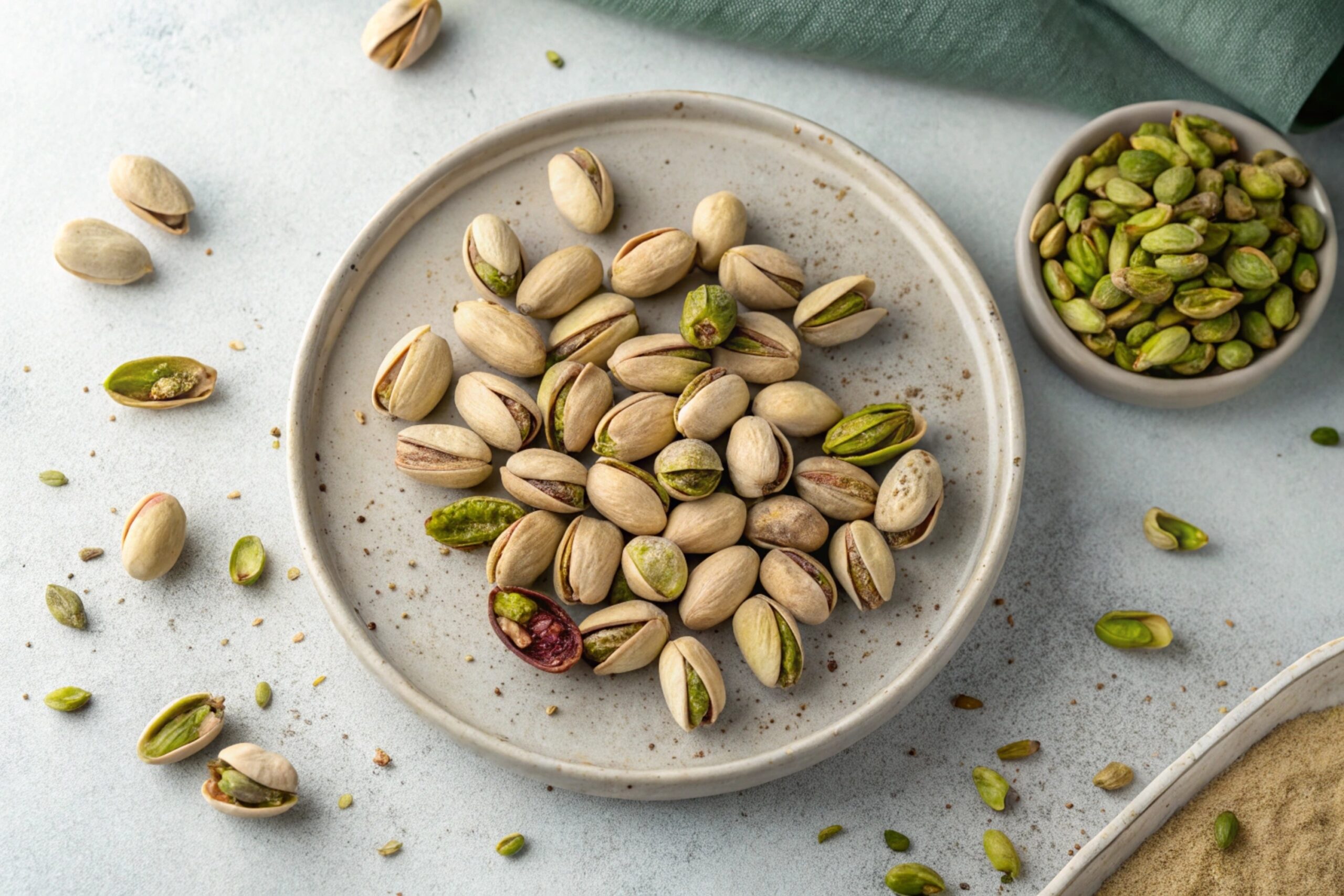
Pistachios might look like a simple snack, but they pack a surprising amount of nutrition into every handful. With a naturally satisfying mix of protein, fiber, and healthy fats—plus standout nutrients like vitamin B6, copper, potassium, and antioxidants—they offer far more than crunch. Their low glycemic impact, high satiety factor, and unique “pistachio principle” (shelling each nut slows you down and encourages mindful eating) make them an easy fit for many eating styles, from Mediterranean to keto.
For weight loss specifically, pistachios deliver benefits on several fronts: they help keep hunger steady, support blood sugar control, may improve insulin sensitivity, and even contain fats your body might not fully absorb. But they’re also calorie-dense, especially when salted or eaten by the handful. Understanding how they fit into your calorie goals—and sticking to a measured 1-ounce portion—is the key to using pistachios strategically without accidentally going over your daily target.
Rx weight loss, the right way, with Noom
Get access to prescription weight loss medication with Noom.Microdose GLP-1s
Wegovy®

Ozempic®

Metformin

Zepbound®

Mounjaro®
Liraglutide

✅ Quick answer
Yes, pistachios can be a helpful food for weight loss when you’re mindful about portions. Their combination of protein, fiber, and healthy fats promotes fullness and helps stabilize blood sugar.
Weight-loss benefits
- They’re a filling blend of nutrients –Pistachios offer a filling blend of protein, fiber, and fat that keeps hunger steady longer than carb-based snacks. That extra staying power helps cut down on mindless snacking later.
- Eating shelled might reduce how many you eat – Cracking pistachios as you eat naturally slows your pace. This gives your body time to register fullness, and the pile of shells provides a visual cue of how much you’ve had. In one study, people who chose in-shell pistachios ate 41% fewer calories than those who ate them pre-shelled.
- All of the fat might not be absorbed – Some research suggests your body may not absorb all the fat in pistachios because part of it stays trapped in the nut’s cell walls. That means their “usable” calories may be a bit lower than what the label lists.
Things to be mindful of
- They’re calorie-dense – A 1-ounce serving contains about 160 calories, so a few handfuls can add up quickly if you’re not portioning them out.
- They’re often salty – Many packaged pistachios are heavily salted, which can lead to bloating, water retention, and higher blood pressure. Unsalted or lightly salted versions are more supportive of long-term health goals.
- You might eat too many – They’re delicious and easy to eat quickly. Pre-portioning into individual bags or containers helps you stay consistent with your calorie goals.
Nutrients in pistachios (per 1 oz / 28 g)
| Nutrient | Amount | % RDA* |
|---|---|---|
| Calories | 159 calories | 8% |
| Protein | 5.7 g | 11% |
| Total carbs | 7.7 g | 3% |
| Fiber | 3.0 g | 11% |
| Sugars | 2.2 g | — |
| Total fat | 12.9 g | 17% |
| – Saturated fat | 1.7 g | 8% |
| – Monounsaturated fat | 6.6 g | — |
| – Polyunsaturated fat | 4.1 g | — |
| Omega-3 | 0.07 g | — |
| Omega-6 | 3.7 g | — |
Pistachios offer a nutrient profile that stands out among snack foods. A 1-ounce serving brings 159 calories, almost 6 grams of protein, and 3 grams of fiber. These three nutrients work together to support fullness and muscle maintenance during weight loss. Nearly 40% of their carbohydrates come from fiber, and most of their fat comes from heart-healthy monounsaturated and polyunsaturated fats.
This combination gives you a slow, steady energy release instead of quick spikes and crashes. Whether you’re looking for a snack that keeps you satisfied between meals or a nutritious topper for yogurt or salads, pistachios deliver balanced nutrition that supports overall wellness.
*Recommended dietary allowance (RDA) is defined as the average daily amount of nutrients needed to meet the requirements of nearly all healthy people in a specific group.
Vitamins & minerals in pistachios (per 1 oz / 28 g)
| Vitamin/Mineral | Amount | % RDA |
|---|---|---|
| Copper | 0.36 mg | 40% |
| Vitamin B6 | 0.48 mg | 28% |
| Thiamin (B1) | 0.24 mg | 20% |
| Manganese | 0.34 mg | 15% |
| Phosphorus | 137 mg | 11% |
| Magnesium | 34 mg | 8% |
| Potassium | 286 mg | 6% |
| Iron | 1.1 mg | 6% |
| Zinc | 0.62 mg | 6% |
| Vitamin E | 0.8 mg | 5% |
| Folate | 14 µg | 4% |
| Selenium | 2.0 µg | 4% |
| Riboflavin (B2) | 0.04 mg | 3% |
| Pantothenic Acid (B5) | 0.15 mg | 3% |
| Calcium | 29 mg | 2% |
| Niacin (B3) | 0.36 mg | 2% |
| Vitamin C | 1.6 mg | 2% |
| Vitamin A | 7.3 µg | 1% |
Pistachios are rich in essential micronutrients. They’re one of the best food sources of vitamin B6, which supports metabolism, energy production, red blood cell formation, and neurotransmitter balance. They’re also packed with copper—providing 40% of the daily value—along with thiamin, manganese, potassium, and magnesium.
These minerals play roles in immune function, muscle health, bone health, and blood pressure regulation. Their antioxidant profile (including lutein, zeaxanthin, and gamma-tocopherol) adds another layer of support, helping your body manage oxidative stress and inflammation.
🔍 Nutrient breakdown
Glycemic index (GI) of pistachios
Glycemic index: 15 (Low)
💡 Tip: Low-GI foods like pistachios are digested slowly, preventing sharp spikes in blood sugar and insulin that can lead to fat storage and energy crashes.
Are pistachios high in protein?
✔️ Yes – Pistachios contain 5.7 g of protein per 1-ounce serving. Pistachios are a complete protein source, meaning they contain all nine essential amino acids necessary for muscle repair and growth. This makes them one of the highest-protein nuts and an excellent choice for vegetarians, vegans, and anyone looking to boost their protein intake.
Better protein alternatives: Lentils | Chicken Breast | Edamame
Are pistachios high in fiber?
✔️ Yes – Pistachios provide 3 g fiber per 1-ounce serving. This amount is about 11% of the recommended daily intake, making pistachios a solid source of dietary fiber. This fiber acts as a prebiotic, feeding beneficial gut bacteria and supporting a healthy digestive system.
💡 Tip: A high-fiber diet is linked to lower body weight and reduced risk of chronic diseases.
Are pistachios low in carbs?
✔️ Yes – Pistachios have 7.7 g carbs per 1-ounce serving, but only 4.7 g of net carbs. When you subtract the high fiber content, the net carbohydrate impact is relatively low. This makes pistachios suitable for many lower-carb eating plans, and the carbs they do contain are complex and release energy slowly, preventing blood sugar swings.
💡 Tip: Focus on net carbs (total carbs minus fiber) to better understand a food’s impact on blood sugar.
Are pistachios gluten-free?
✔️ Yes – Pistachios are naturally gluten-free nuts and are a safe and nutritious option for people with celiac disease or non-celiac gluten sensitivity. However, it’s important to check the packaging for potential cross-contamination if they are processed in a facility that also handles wheat products.
Are pistachios good for fat loss?
✔️ Yes – Due to their high-fiber and high-protein profile, pistachios are helpful for fat loss. These nutrients work together to increase satiety and reduce overall calorie consumption. Some studies suggest that the fats in pistachios may not be fully absorbed by the body, meaning their usable calorie count could be lower than stated.
💡 Tip: Pair a handful of pistachios with an apple for a balanced snack that combines fiber, protein, and healthy fats to crush hunger for hours.
Diet compatibility: Which diets include pistachios?
| Diet | ✅/❌ | Why |
|---|---|---|
| Keto | ✅ | In small quantities, pistachios can fit into a ketogenic diet. A 1-ounce serving contains only 4.7 g of net carbs, which can be incorporated without exceeding typical daily carb limits. |
| Paleo | ✅ | Pistachios are a tree nut and are considered fully compatible with the Paleo diet. |
| Mediterranean | ✅ | Pistachios are a cornerstone of the Mediterranean diet, which emphasizes nuts, seeds, fruits, vegetables, and healthy fats. |
| Vegan | ✅ | As a plant-based food, pistachios are 100% vegan-friendly and are an excellent source of plant-based protein, making them a valuable addition to a vegan diet. |
| Gluten-free | ✅ | Pistachios are naturally free of gluten and are a safe choice for anyone on a gluten-free diet. Always check for certified gluten-free labels to avoid cross-contamination in processed varieties. |
Pistachios are surprisingly versatile and fit comfortably into many popular eating styles. If you follow Paleo, Mediterranean, vegan, or gluten-free guidelines, pistachios aren’t just “allowed”—they’re a naturally nutrient-dense choice that brings protein, healthy fats, and key micronutrients to your day. Their whole-food profile aligns well with the principles behind these approaches.
They can even work within more structured plans like keto when portions are measured. With just 4.7 grams of net carbs per ounce, a single serving offers satisfying crunch, healthy fats, and valuable minerals without pushing you over your carb limit. Whether you’re aiming to reduce inflammation, support heart health, or simplify your food choices, pistachios can usually find a comfortable spot in your overall plan.
🌟 Are pistachios healthy? What are the health benefits
Metabolic health: Are pistachios good for your metabolism?
- Boosts metabolism? ❌ No – Pistachios don’t “boost” metabolism in the same immediate way something like coffee might. Instead, their protein content has a slightly higher thermic effect, meaning your body uses a bit more energy to break them down. Their real metabolic support comes from helping maintain steady blood sugar and supporting lean muscle over time.
- Improves insulin sensitivity? ✔️ Yes – Research shows that eating pistachios regularly can improve markers of insulin sensitivity and lower fasting glucose. Their mix of healthy fats, fiber, and antioxidants helps your body process sugar more smoothly, making them a helpful choice for people managing metabolic syndrome or prediabetes.
- Effect on fat storage? Helps prevent – Pistachios help keep insulin levels steadier by promoting fullness and slowing digestion. This can reduce the spikes that encourage the body to store fat. Their monounsaturated fats are also less likely to be stored as visceral fat compared to saturated fats.
💡 Tip: Pair pistachios with a handful of berries—the combination of fiber, antioxidants, and healthy fats helps keep blood sugar even more stable.
Cholesterol impact: Do pistachios affect cholesterol levels?
- Does it lower LDL (bad) cholesterol? ✔️ Yes – Several clinical trials show that adding pistachios to a balanced eating pattern can help lower LDL cholesterol. Their mix of monounsaturated fats, fiber, and naturally occurring phytosterols helps reduce how much cholesterol your body absorbs. They may also lower the amount of small, dense LDL particles—the type most strongly linked to artery buildup.
- Does it raise HDL (good) cholesterol? ❔ Possibly – The research here is mixed. Some studies show a small increase in HDL, while others show little change. Even so, pistachios consistently support a healthier overall cholesterol ratio by lowering LDL and total cholesterol.
- Overall impact on heart health? Pistachios offer meaningful benefits for cardiovascular health. They’ve been shown to help lower LDL, support healthier blood vessels, reduce oxidative stress, and contribute to better blood pressure control thanks to their potassium content.
💡 Tip: Swapping a snack high in saturated fat—like pastries or cheese and crackers—for a serving of pistachios is an easy way to support healthier cholesterol levels.
Can I eat pistachios for a calorie deficit?
✔️ Yes – Pistachios can work really well when you’re trying to lose weight because they help you feel satisfied on relatively few calories. The mix of protein, fiber, and healthy fats keeps hunger steadier between meals, which can make staying on track much easier. The only real watch-out is portion size: a one-ounce serving (about 49 kernels) is roughly 160 calories, so measuring out your portion helps you get the benefits without going over your target.
💡 Tip: Use a food scale to measure a 28-gram (1-ounce) serving without shells, or count out about 23 in-shell pistachios to stay on portion without accidentally going over.
Are pistachios rich in antioxidants?
✔️ Yes – Pistachios are especially high in antioxidants like lutein, zeaxanthin, and gamma-tocopherol (a form of vitamin E). This combination is unique among nuts and helps protect your cells from everyday oxidative stress. Lutein and zeaxanthin support eye health, while gamma-tocopherol plays a role in protecting cells and may help lower the risk of certain chronic diseases.
Do pistachios support gut health?
✔️ Yes – The fiber in pistachios acts as a prebiotic, meaning it helps feed the beneficial bacteria in your gut. Research shows that pistachios can increase butyrate-producing bacteria—these microbes make a short-chain fatty acid called butyrate, which fuels the cells in your colon and has natural anti-inflammatory benefits.
Do pistachios support digestion?
Positive – The fiber in pistachios adds gentle bulk to your stool and can help keep bowel movements regular, which is key for preventing constipation. Their prebiotic fibers also help nourish the gut microbiome, an important part of overall digestive health. That said, pistachios do contain fructans (a type of FODMAP), so people with IBS or FODMAP sensitivity may notice bloating or discomfort if they eat too many.
Do pistachios help you feel satiated and less hungry?
Moderate – The combination of protein, fiber, and healthy fats makes pistachios especially satisfying. These nutrients slow digestion and provide a steady release of energy, which helps you stay full longer and keeps cravings in check between meals.
Satiety Level: Moderate
💡 Tip: Pair pistachios with a high-fiber fruit like berries or an apple for a snack that keeps you satisfied even longer.
Do pistachios help with nighttime cravings?
✔️ Yes – Pistachios can be a great option for a late-night snack if you’re genuinely hungry. They provide magnesium and vitamin B6, nutrients involved in relaxation and melatonin production, which can support better sleep. A small portion also helps keep blood sugar steadier overnight, so you’re less likely to wake up hungry.
Do pistachios help reduce inflammation?
✔️ Yes – Pistachios contain monounsaturated fats and a variety of antioxidants that naturally help calm inflammation in the body. Since chronic inflammation plays a role in many long-term health conditions, including more anti-inflammatory foods like pistachios can be a simple way to support overall wellness. Their unique antioxidant blend helps neutralize inflammatory compounds and promote healthier cellular function.
Are pistachios beneficial for brain health?
✔️ Yes – Pistachios provide nutrients that support overall cognitive function. They’re rich in lutein, an antioxidant that’s also found in the brain and is linked to better memory and problem-solving skills. Their healthy fats play an important role too, helping maintain the structure and function of brain cells.
Can pistachios improve skin and hair health?
✔️ Yes – Pistachios offer several nutrients that support healthy skin and hair. They’re a good source of vitamin E, an antioxidant that helps protect skin from environmental stress and supports a natural glow. They also contain biotin for strong hair, and their healthy fats contribute to skin hydration. Plus, the copper in pistachios plays a role in elastin production, which helps keep skin firm and resilient.
Can pistachios help balance hormones?
✔️ Yes – Pistachios contain nutrients that play a role in healthy hormone production and regulation. Their vitamin B6 supports the creation of neurotransmitters like serotonin and dopamine, which influence mood and overall hormone balance. The healthy fats in pistachios are important too—they serve as building blocks for many of the body’s essential hormones.
Best ways to eat pistachios for weight loss
- As a portion-controlled snack – Measure out the amount you plan to eat rather than snacking straight from the bag. Studies show that having a set portion in front of you makes it easier to stay mindful and avoid eating more than you intended.
- As a crunchy topping –Crushed pistachios add satisfying texture and extra nutrition to meals you’re already eating. Try sprinkling them over Greek yogurt, oatmeal, or salads instead of croutons or sugary granola. You’ll get more protein, fiber, and healthy fats—all of which help you stay full longer.
- Avoid candied, heavily salted, or oil-roasted versions – Look for raw or dry-roasted, unsalted pistachios and always check the ingredients list to ensure there are no added oils or sugars.
Best alternatives & comparisons (per 1 oz / 28 g)
| Food | Calories | Carbs | Fiber | Protein | Fat |
|---|---|---|---|---|---|
| Pistachios | 159 | 7.7 g | 3.0 g | 5.7 g | 12.9 g |
| Almonds | 164 | 6.1 g | 3.5 g | 6.0 g | 14.2 g |
| Walnuts | 185 | 3.9 g | 1.9 g | 4.3 g | 18.5 g |
| Cashews | 157 | 8.6 g | 0.9 g | 5.2 g | 12.4 g |
| Edamame | 34 | 2.8 g | 1.5 g | 3.4 g | 1.5 g |
| Chickpeas | 39 | 7.7 g | 2.1 g | 2.5 g | 0.7 g |
When you compare pistachios to other popular nuts, they hold their own as a well-rounded choice. They offer more protein than walnuts, more fiber than cashews, and slightly fewer calories than almonds and walnuts. They also stand out for their higher levels of vitamin B6, potassium, and antioxidants like lutein and zeaxanthin.
Lower-calorie plant-based options like edamame and chickpeas look very different on paper—they deliver solid protein and fiber for a fraction of the calories. They don’t offer the same healthy fat profile as nuts, but they’re great for higher-volume snacking if you’re trying to keep calories low. The “best” option really depends on your goals: pistachios and almonds shine when you want nutrient-dense fats and antioxidants, while edamame and chickpeas are excellent if you’re aiming for maximum fullness and protein per calorie.
Frequently asked questions about pistachios and weight loss
How many pistachios should I eat per day for weight loss?
You can absolutely enjoy salted pistachios as long as they fit into your overall goals—just keep in mind that each 1-ounce serving (about 23 in-shell nuts) is roughly 160 calories.
Can eating too many pistachios cause weight gain?
Yes. Even though pistachios are nutrient-dense, they’re calorie-dense. If you regularly eat multiple unmeasured servings, it’s easy to drift into a calorie surplus, which can lead to weight gain over time.
Are pistachios better than other nuts for weight loss?
Pistachios do have some standout advantages: they’re among the lowest-calorie nuts, you get more individual nuts per serving (about 49 kernels per ounce), and in-shell pistachios naturally slow down eating and support mindfulness. That said, other nuts like almonds and walnuts also offer excellent nutrition, so the “best” nut is the one that fits your preferences, portions, and overall plan.
When is the best time to eat pistachios for weight loss?
You can enjoy pistachios any time of day, but they’re especially helpful as a mid-morning or mid-afternoon snack to bridge the gap between meals and prevent intense hunger. They can also work as a small evening snack if you’re genuinely hungry—their magnesium and vitamin B6 content may support relaxation and sleep quality.
Do pistachios help burn belly fat?
No single food can specifically target belly fat, but pistachios can support overall fat loss. Their protein, fiber, and healthy fats help you feel full and keep blood sugar steadier, which may reduce overeating. Their monounsaturated fats are less likely to be stored as visceral fat than saturated fats, and improved insulin sensitivity over time may also help reduce fat storage.
Reviews from real Noom users
Desirea N. — Real Noom user
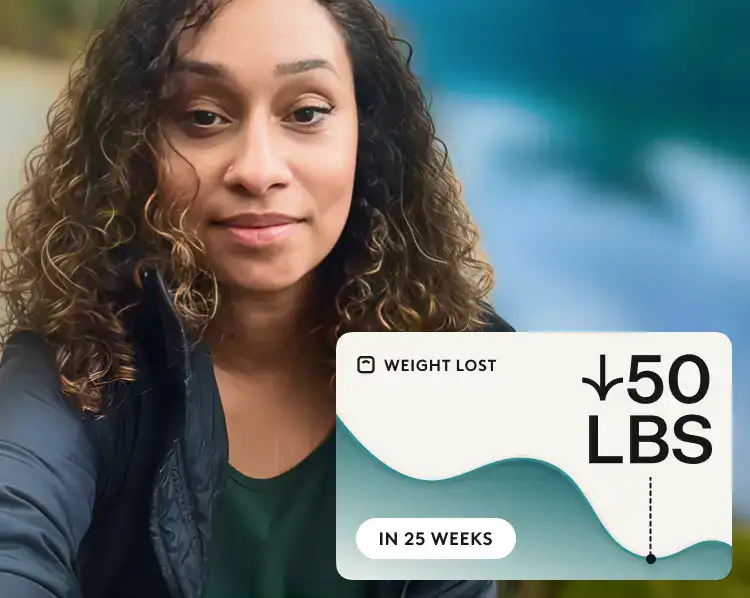
“My favorite parts of Noom are the care team and other Noomers. Sharing and getting help made me feel like I wasn’t doing it alone. That support made all the difference.”
Desirea N. — Real Noom user
Matthew M. — Real Noom user
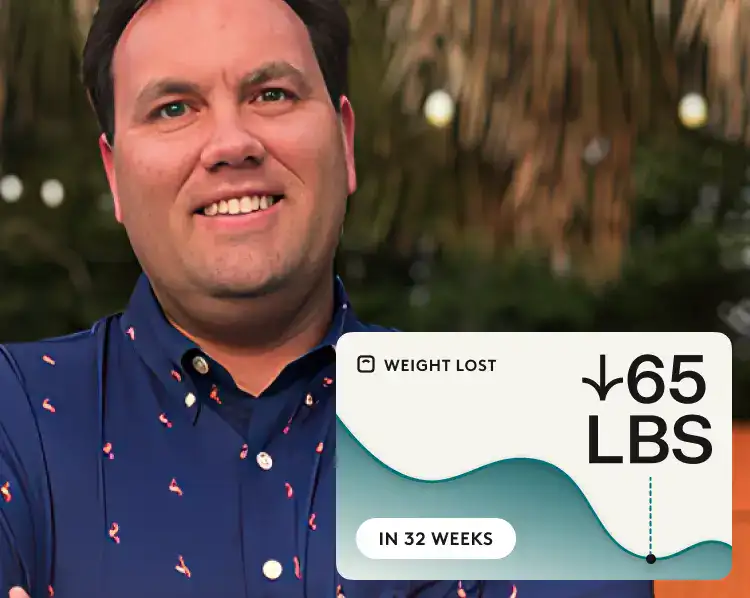
“Noom has taught me that every day is a new chance to make better, healthier choices. It's taught me how to stop overeating.’’
Matthew M. — Real Noom user
Lila M. — Real Noom user
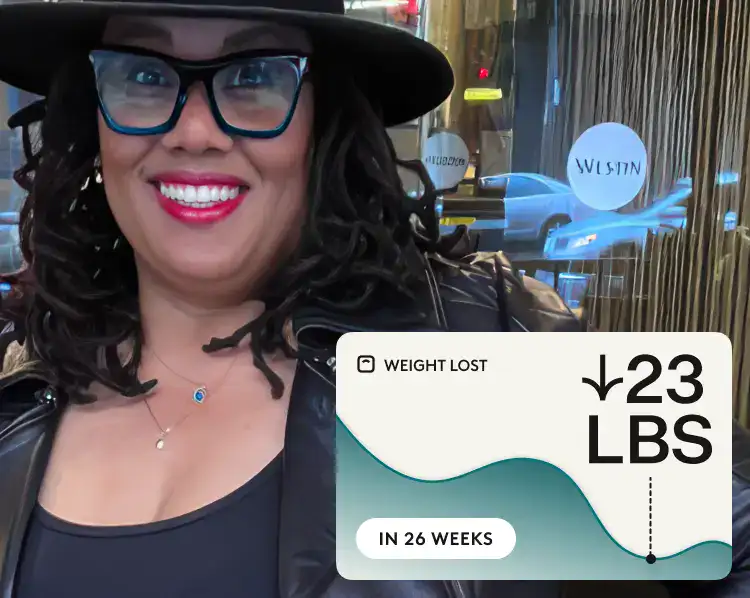
“Clinicians who understand how supportive medication can be is one of the best parts of Noom! I was convinced I wouldn’t have success but I’m down 11 pounds in two months.’’
Lila M. — Real Noom user
Steve M. — Real Noom user
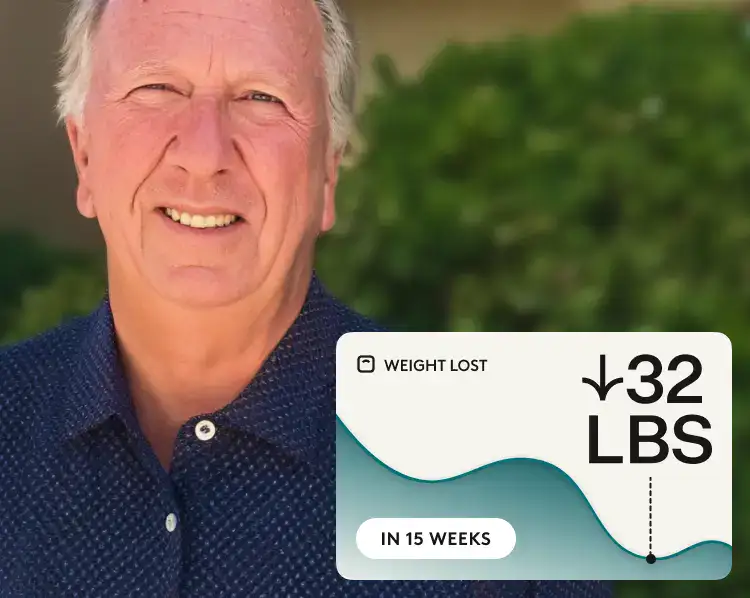
“Noom provided me with the medication which I could not get through Medicare. I have learned the tricks to better eating and life in general.”
Steve M. – Real Noom user
Daisy R. — Real Noom user
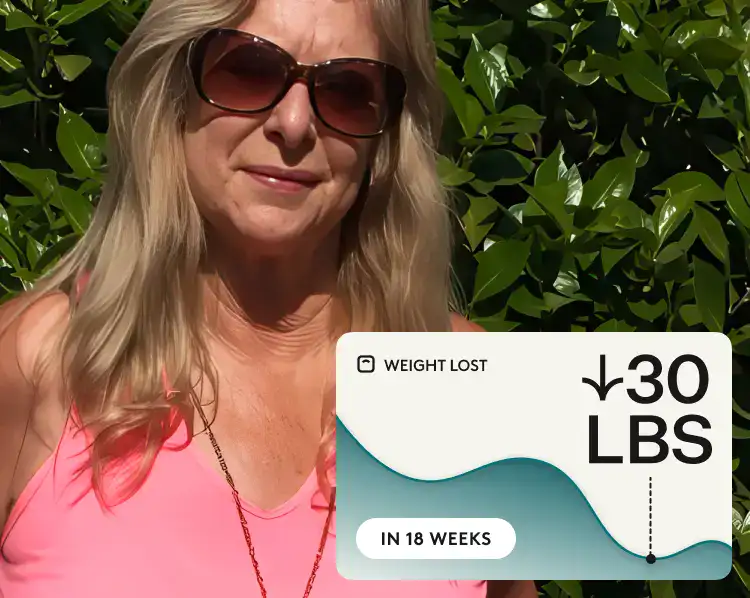
‘’Noom has changed my life and I’m so thankful, I feel great, have more energy and am no longer prediabetic.”
Daisy R. – Real Noom user
Sarah R. — Real Noom user
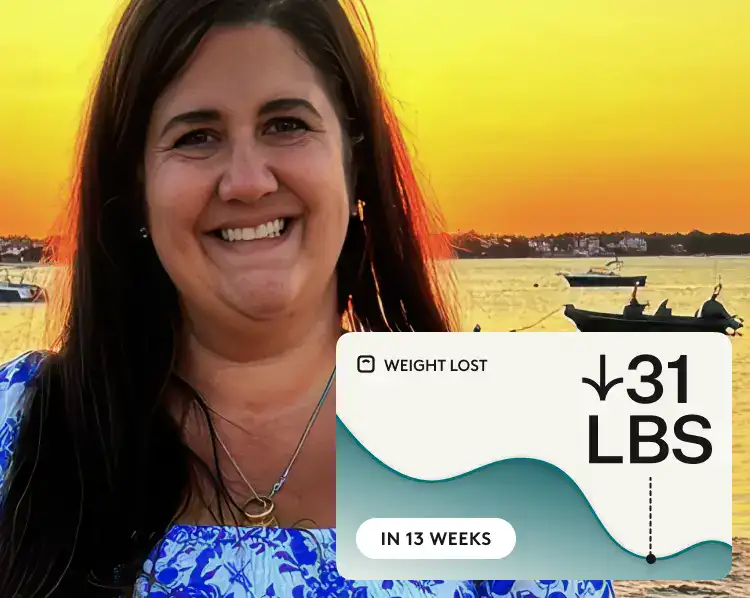
“All of the Noom providers that I’ve met with have been exceptional and prescribed medications that are appropriate for my situation and health.”
Sarah R. – Real Noom user
Madison S. — Real Noom user

“Noom made the process so simple and now I feel full, free from diet obsession, and at ease in my body again.”
Madison S. – Real Noom user
Sonday K. — Real Noom user
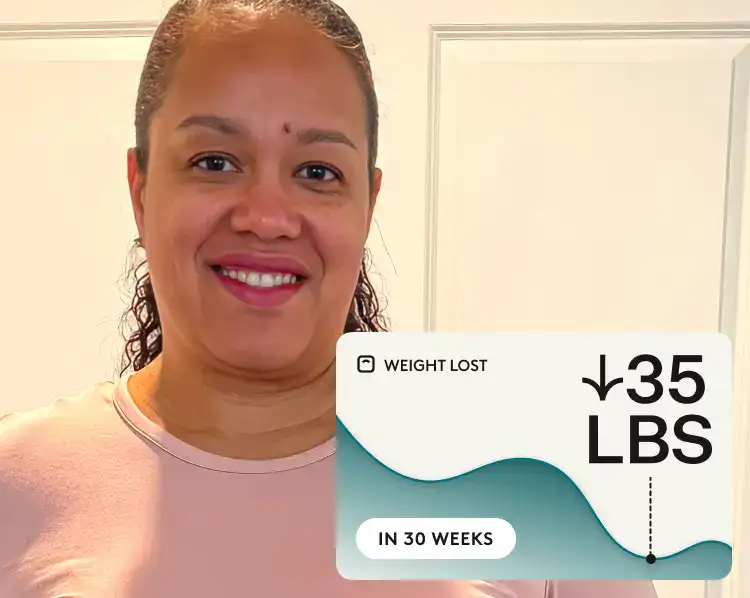
“My doctor recommended Noom after I was frustrated trying to lose weight. The lessons helped change my relationship with food. My body feels lighter & energized.”
Sonday K. – Real Noom user
Cam K. — Real Noom user
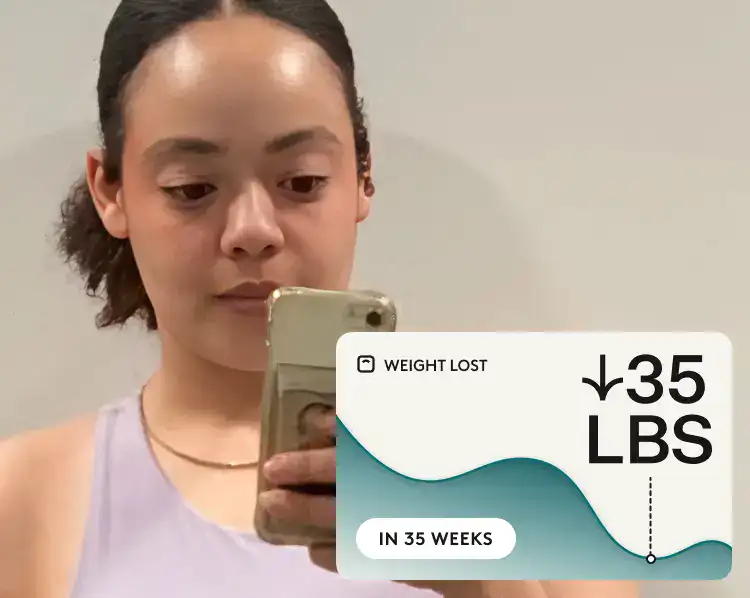
“I built healthy habits with coaching and lessons that make me confident I can maintain my weight loss long term.”
Cam K. – Real Noom user
Laura TR. — Real Noom user
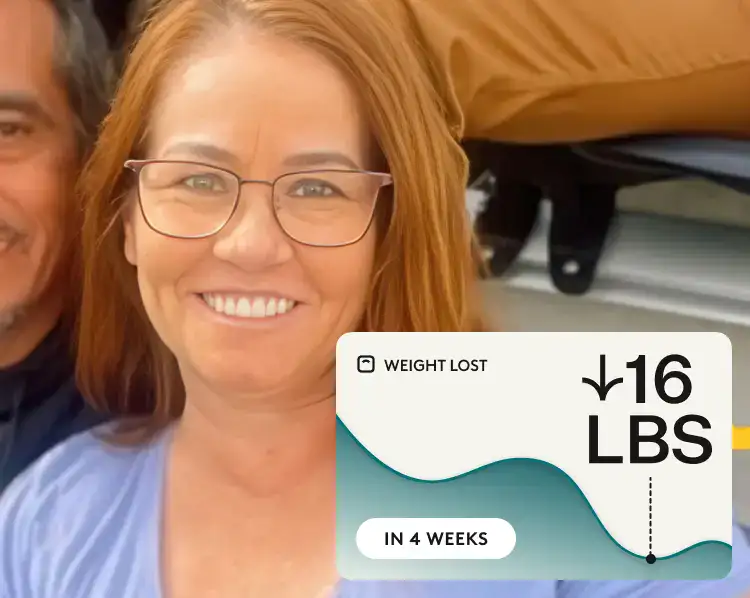
“With the right medication through Noom, hunger and sugar cravings finally quieted and I have the tools to break the cycle.”
Laura TR. – Real Noom user
Jessica S. — Real Noom user
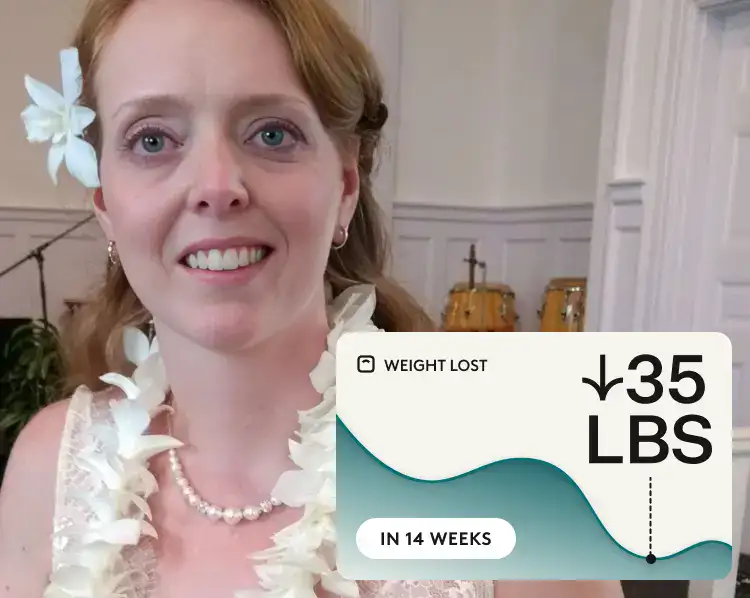
“Cravings and food noise are gone, I finally feel confident in the healthy habits I’ve built to last with Noom.”
Jessica S. – Real Noom user
Are salted pistachios bad for weight loss?
Heavily salted pistachios aren’t the best option for weight loss or overall health. Extra sodium can cause water retention and bloating, which may hide progress on the scale, and can also raise blood pressure for some people. Unsalted or lightly salted pistachios are a better fit if you’re focusing on weight management and heart health.
The bottom line: Pistachios are good for weight loss in moderation
Pistachios are more than a crunchy snack—they’re a nutrient-dense food that can genuinely support your weight-loss goals. Their combination of protein, fiber, and heart-healthy fats helps keep you full and satisfied, which can make staying in a calorie deficit feel a lot more doable. On top of that, they offer benefits that reach beyond weight management, including support for heart health, blood sugar control, gut function, and reduced inflammation.
The key is mindfulness and portion awareness. Choosing unsalted, in-shell varieties and sticking to about 1 ounce (28 grams—roughly 49 shelled kernels or 23 in-shell pistachios) helps you enjoy all the benefits without unintentionally adding too many calories. The “pistachio principle”—slowing down to shell each nut—adds a built-in cue for mindful eating that can naturally lower how much you consume. When eaten intentionally, pistachios are a smart, functional addition to a sustainable, long-term wellness plan.
📖 Scientific evidence
- In-shell pistachio snacks may reduce calorie intake (Appetite, 2011). In a trial published in 2011, people who snacked on in-shell pistachios consumed fewer calories compared to those who ate pistachios without shells. The study also found a reduction in serum oxidized LDL concentrations for the in-shell group.
- Pistachios might help lower cholesterol when they replace high-carb snacks (Journal of the American College of Nutrition, 2010). In this 12-week weight-loss study, participants who replaced their usual refined-carbohydrate snack with pistachios saw a significantly greater drop in triglycerides compared to those who ate pretzels. Both groups lost weight, but the pistachio group showed additional heart-health benefits—notably improved triglyceride levels—suggesting that swapping in pistachios can be a smarter choice during weight loss.
- Pistachios can support healthy habits during weight loss (Nutrients, 2020) In this study, people who added about 1.5 ounces of pistachios a day lost a similar amount of weight as those who didn’t eat nuts—showing pistachios can fit easily into a calorie-reduced plan. They also improved their diet quality and saw reductions in blood pressure, suggesting that adding pistachios may help support healthier habits without slowing progress.
- A moderate-fat diet with pistachios lowers “bad” cholesterol and improves markers of insulin sensitivity (British Journal of Nutrition, 2014). In a study, healthy adults with elevated LDL levels followed diets that included one or two servings of pistachios per day. Those eating two servings (around 20 % of energy from pistachios) saw a significant drop in small-dense LDL particles and an improved ratio compared with both a lower-fat control diet and a pistachio-lower diet.
- Pistachios may support gut health by influencing your microbiome (Foods, 2023). This review article explores how eating pistachios (and peanuts) could benefit your gut microbiota. The authors found evidence that these nuts—in part thanks to their protein, unsaturated fats, vitamins, polyphenols, and fiber—help promote the growth of beneficial gut bacteria that produce short-chain fatty acids, which in turn support metabolism, immune function, and gut barrier health.
- A daily pistachio snack didn’t boost fullness but improved nutrient intake in healthy women (Nutrients, 2019). In a study, healthy women replaced their usual afternoon snack with either pistachios or a biscuit. The results showed that hunger, fullness, and evening energy intake were not significantly different between groups, and neither snack led to changes in body weight or body composition. However, the pistachio group did improve their intake of key micronutrients, including thiamine, vitamin B6, copper, and potassium.
Editorial standards
At Noom, we’re committed to providing health information that’s grounded in reliable science and expert review. Our content is created with the support of qualified professionals and based on well-established research from trusted medical and scientific organizations. Learn more about the experts behind our content on our Health Expert Team page.