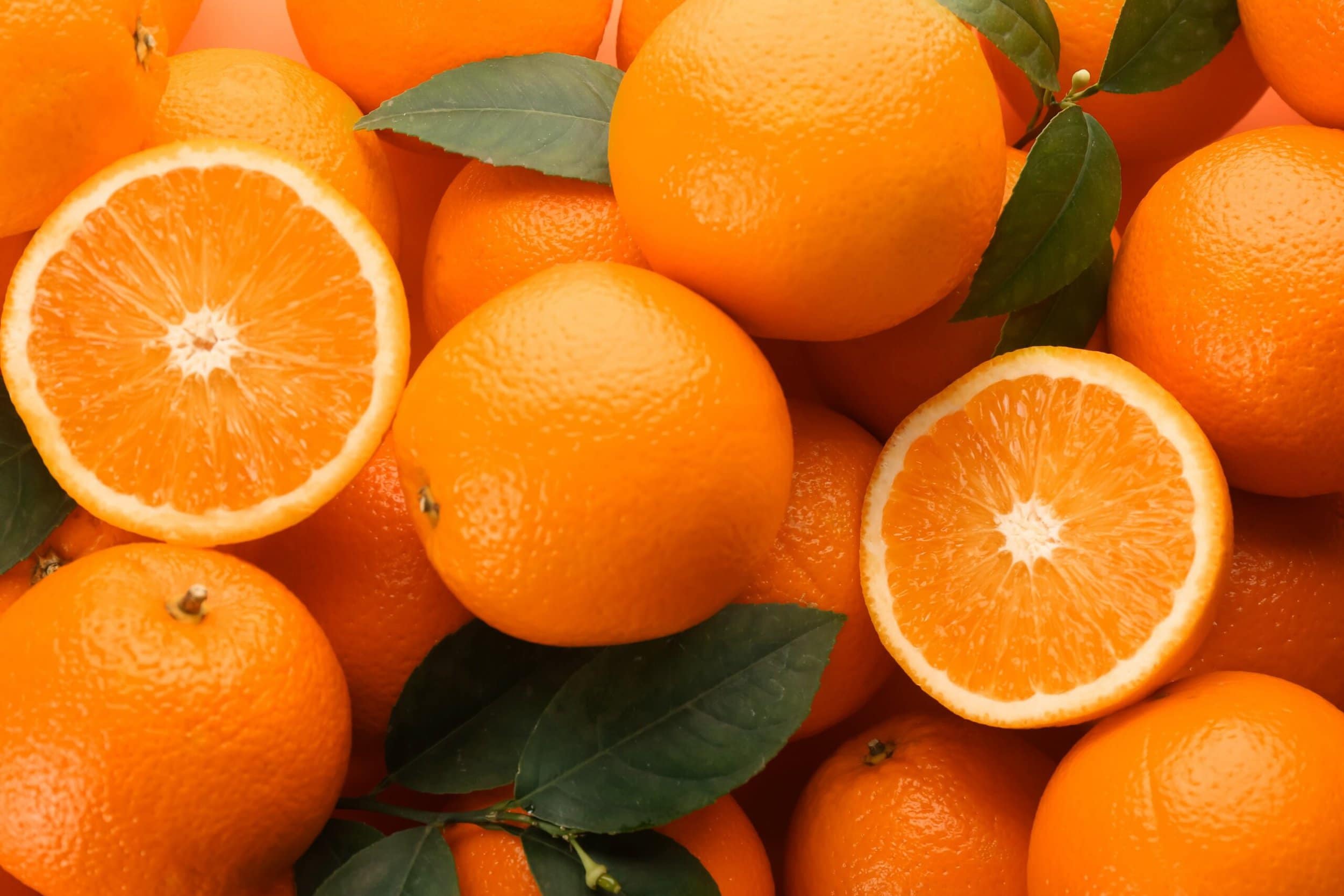
Sweet, juicy, and packed with vitamin C, oranges are a great anytime snack. When weight loss is your goal, oranges offer more than just a burst of sweet flavor. One medium orange has just 62 calories and 3 grams of fiber, making it delicious and filling, a perfect combo for people who want to reduce calories in a healthy way.
Let’s explore the science behind oranges and their role in weight management, examining everything from their glycemic impact to their ability to keep you feeling satisfied.
✅ Quick answer
Yes, oranges can be a fantastic food for weight loss when eaten as part of a balanced diet.
✅ Why oranges can support your goals:
- They’re low in calories – A medium orange contains just 62 calories, making it an easy fit into a calorie-controlled diet. This low energy density allows you to enjoy a sweet, filling snack without derailing your progress.
- They’re high in fiber – With over 3 grams of dietary fiber, oranges are a good source of soluble fiber like pectin. Fiber slows down digestion, which helps stabilize blood sugar levels and prolongs the feeling of fullness after eating.
- Hydrating and Nutrient-Dense – Comprised of about 87% water, oranges contribute to your daily hydration needs while providing essential nutrients like vitamin C and potassium that support optimal metabolism.
Rx weight loss, the right way, with Noom
Get access to prescription weight loss medication with Noom.Microdose GLP-1s
Wegovy®

Ozempic®

Metformin

Zepbound®

Mounjaro®

Liraglutide

⚠️ Things to be mindful of:
- Juicing can remove some benefits – Orange juice is much less weight-loss-friendly compared to the whole fruit since juicing removes nearly all the beneficial fiber while concentrating the sugar and calories.
- Acidity can cause issues – The citric acid in oranges can be problematic for individuals with acid reflux or sensitive stomachs, especially when eaten on an empty stomach.
🥗 Nutrients in oranges (per medium orange – 154g)
| Nutrient | Amount | % RDA* |
| Calories | 62 calories | 3% |
| Protein | 1.2 g | 2% |
| Total carbs | 15.4 g | 6% |
| Fiber | 3.1 g | 11% |
| Sugars | 12.2 g | — |
| Total fat | 0.2 g | <1% |
| – Saturated fat | <0.1 g | <1% |
| – Monounsaturated fat | 0.03 g | — |
| – Polyunsaturated fat | 0.06 g | — |
| Omega-3 | 0.01 g | — |
| Omega-6 | 0.03 g | — |
Looking at a medium orange’s nutritional profile, its value while trying to lose weight and lower calories is clear. With just 62 calories, it’s a perfect example of a low-energy-density food that lets you eat a satisfying portion without consuming too many calories. The 15 grams of carbohydrates come packaged with over 3 grams of dietary fiber, which is key for feeling full and managing blood sugar levels.
*Recommended dietary allowance (RDA) is defined as the average daily amount of nutrients needed to meet the requirements of nearly all healthy people in a specific group.
💊 Vitamins & minerals in oranges (per medium orange – 154g)
| Vitamin/mineral | Amount | % RDA* |
|---|---|---|
| Vitamin C | 70 mg | 78% |
| Folate (B9) | 40 μg | 10% |
| Potassium | 237 mg | 5% |
| Thiamin (B1) | 0.11 mg | 9% |
| Calcium | 52 mg | 4% |
| Vitamin B6 | 0.08 mg | 5% |
| Magnesium | 13 mg | 3% |
| Vitamin A | 16 μg | 2% |
Oranges deliver an impressive 78% of your daily vitamin C needs in just one medium fruit. This potent antioxidant supports immune function and aids in collagen production for healthy skin. The B vitamins, including thiamin and folate, play crucial roles in energy metabolism and cell repair. While the mineral content is more modest, you’ll still get meaningful amounts of potassium for heart health and fluid balance, making oranges a truly functional food for overall wellness.
🔍 Nutrient breakdown
Glycemic index (GI) of oranges
✔️ Glycemic index: 43 (Low)
💡 Tip: Low-GI foods like oranges release sugar into the bloodstream slowly, helping maintain stable energy levels and control hunger, which is ideal for weight management.
Is an orange high in protein?
❌ No: A medium orange contains only 1.2 g of protein. This amount is very low and doesn’t contribute significantly to your daily protein requirements for muscle maintenance or satiety.
🔹 Better protein alternatives: Greek Yogurt | Chicken Breast | Lentils
Are oranges high in fiber?
✔️ Yes: A medium orange provides 3.1 g of fiber, making it a good source. This fiber, especially pectin, adds bulk to meals and slows gastric emptying, which helps you feel full and satisfied.
💡 Tip: Eat the white, pithy part of the orange just under the peel—it’s packed with extra fiber and flavonoids.
Are oranges low in carbs?
❌ No: A medium orange has 15.4 g of carbs, which isn’t considered low-carb. While these are healthy carbs bundled with fiber, they can be too high for strict low-carb diets like keto.
💡 Tip: For lower-carb fruit options, consider berries like strawberries or raspberries.
Are oranges gluten-free?
✔️ Yes: Oranges are naturally 100% gluten-free and safe for individuals with celiac disease or gluten sensitivity.
Are oranges good for fat loss?
✔️ Yes: Due to their low-calorie and high-fiber profile, oranges are helpful for fat loss. The combination of fiber and water promotes fullness, helping you stay within your daily calorie deficit.
🍽️ Diet compatibility: Which diets include oranges?
| Diet | ✅Yes /❌No | Why |
|---|---|---|
| Keto | ❌ | With over 12 grams of net carbs per medium orange, they contain too much sugar and carbohydrates for a standard ketogenic diet. The daily carb limit on keto is typically under 20 to 30g. |
| Paleo | ✅ | Oranges are whole, unprocessed fruits, making them perfectly acceptable on a Paleo diet that emphasizes foods obtainable through hunting and gathering. |
| Mediterranean | ✅ | Fresh fruits are a cornerstone of the heart-healthy Mediterranean diet, and oranges are a classic choice consumed regularly as snacks, desserts, or in salads. |
| Vegan | ✅ | As a plant-based food, oranges are fully compatible with vegan diets and provide essential vitamins and minerals without any animal products. |
| Gluten‑free | ✅ | Oranges are naturally free from gluten, making them a completely safe and healthy option for anyone following a gluten-free diet for medical or personal reasons. |
Oranges fit seamlessly into most healthy eating patterns, highlighting their status as a wholesome, natural food. The main exception is the ketogenic diet, where their carb content is simply too high to maintain ketosis. For most people following balanced approaches to weight loss, oranges offer flavor, nutrition, and satiety that effectively support their goals.
🌟 Are oranges healthy? What are the health benefits
Metabolic health: Are oranges good for your metabolism?
- Boosts metabolism? ❌ No – While oranges don’t directly boost metabolism, they provide nutrients like vitamin C and B vitamins that support healthy metabolic processes.
- Improves insulin sensitivity? ✔️ Yes – The soluble fiber in oranges slows sugar absorption, preventing blood glucose spikes. Citrus flavonoids like hesperidin have been shown to improve insulin sensitivity markers.
- Effect on fat storage? Helps prevent – While no single food prevents fat storage, oranges contain compounds that may help with fat metabolism and promote satiety to discourage excess calorie consumption.
Cholesterol impact: Do oranges affect cholesterol levels?
- Does it lower LDL (bad) cholesterol? ✔️ Yes – Oranges are rich in soluble fiber, particularly pectin, which has been scientifically shown to help lower LDL cholesterol by binding to it in the digestive system.
- Does it raise HDL (good) cholesterol? ❌ No – There’s limited direct evidence that oranges significantly raise HDL cholesterol levels, though they contribute to an overall improved lipid profile.
- Overall impact on heart health? With their ability to help lower blood pressure (thanks to potassium) and reduce LDL cholesterol, oranges have a favorable impact on heart health. Their high antioxidant content also helps reduce inflammation and oxidative stress.
💡 Tip: Combine oranges with healthy fats like avocado in salads to slow sugar absorption and enhance fat-soluble vitamin absorption.
Can I eat oranges for a calorie deficit?
✔️ Yes, with confidence: Oranges are excellent for maintaining a calorie deficit due to their low calories but high volume and satiating nutrients like fiber and water.
💡 Tip: Replace high-calorie desserts or snacks with a whole orange to easily save 100-200 calories.
Are oranges rich in antioxidants?
✔️ Yes: Oranges are packed with powerful antioxidants, including vitamin C, flavonoids (like hesperidin and naringenin), and carotenoids that help protect cells from free radical damage.
Do oranges support gut health?
✔️ Yes: The soluble fiber (pectin) in oranges acts as a prebiotic, feeding beneficial gut bacteria. A healthy gut microbiome is linked to improved digestion, stronger immunity, and better mental health.
Do oranges support digestion?
Positive: The combination of fiber and water in oranges helps promote regular bowel movements and prevents constipation by adding bulk to stool and making it easier to pass.
Do oranges help you feel satiated and less hungry?
High: The significant fiber and water content in whole oranges makes them highly satiating. Fiber slows digestion while water adds volume, stretching the stomach and sending fullness signals to the brain.
Satiety level: High
💡 Tip: Eat an orange as a pre-meal appetizer to take the edge off hunger, helping you eat smaller portions during your main meal.
Do oranges help with nighttime cravings?
✔️ Yes: An orange can be a smart choice for nighttime sweet cravings, providing natural sweetness with far fewer calories than typical late-night snacks like cookies or ice cream.
💡 Tip: Keep oranges easily accessible for when cravings hit, and eat them mindfully to maximize satisfaction.
Do oranges help reduce inflammation?
✔️ Yes: Oranges are rich in flavonoids like hesperidin and naringenin, which have demonstrated potent anti-inflammatory properties in scientific studies.
Are oranges beneficial for brain health?
✔️ Yes: The flavonoids in oranges have been linked to improved cognitive function and protection against age-related neurodegenerative diseases by crossing the blood-brain barrier and reducing brain inflammation.
Can oranges improve skin and hair health?
✔️ Yes: The high vitamin C concentration is crucial for collagen synthesis, the protein that provides skin structure and elasticity. Regular consumption can help maintain your skin’s appearance as you age.
Can oranges help balance hormones?
❌ Limited evidence: There’s little direct evidence that oranges significantly impact hormone balance, though they support overall health and stable blood sugar, creating an environment for optimal hormonal function.
💡 Tip: Focus on overall dietary patterns and lifestyle factors for hormonal health rather than relying on individual foods.
🍽️ Best ways to eat oranges for weight loss
- Eat them whole and raw: This ensures maximum fiber content, which is essential for satiety and blood sugar control. Eating whole oranges becomes a mindful snack that takes time to peel and consume.
- Add to salads: Sliced or segmented oranges add natural sweetness and flavor to both green and grain salads. Pair with spinach, feta cheese, and almonds for a balanced, nutrient-dense meal.
- Use as a pre-meal snack: Eating an orange 15 to 30 minutes before meals can help reduce overall calorie intake by promoting feelings of fullness.
🍏 Best alternatives & comparisons (Per medium fruit/serving)
| Food | Calories | Carbs | Fiber | Protein | Fat |
|---|---|---|---|---|---|
| Orange (medium) | 62 | 15.4 g | 3.1 g | 1.2 g | 0.2 g |
| Grapefruit (half) | 52 | 13.4 g | 2.0 g | 1.0 g | 0.2 g |
| Apple (medium) | 95 | 25.1 g | 4.4 g | 0.5 g | 0.3 g |
| Strawberries (1 cup) | 49 | 11.7 g | 3.0 g | 1.0 g | 0.5 g |
| Kiwi (medium) | 42 | 10.1 g | 2.1 g | 0.8 g | 0.4 g |
All fruits are great for weight loss. The key is variety—rotating between these fruits provides diverse nutrients while keeping your diet interesting.
Frequently asked questions about oranges and weight loss
How many oranges can I eat per day for weight loss?
Most people can safely enjoy 1-2 medium oranges per day as part of a balanced diet. This provides excellent nutrition while keeping sugar and calorie intake reasonable.
Is it better to eat oranges before or after meals?
Eating an orange before meals can help reduce overall calorie intake by promoting feelings of fullness. However, timing is less important than choosing whole fruit over juice.
Can I drink orange juice instead of eating whole oranges?
Whole oranges are better for weight loss because their fiber keeps you full while balancing the natural sugars. Orange juice, on the other hand, concentrates sugar and calories and removes most of that filling fiber. Still, research shows that when orange juice is part of a reduced-calorie diet, it can support weight loss and improve markers linked to obesity, like blood sugar and cholesterol.
Do oranges cause weight gain?
Oranges are unlikely to cause weight gain when eaten in reasonable portions as part of a balanced diet. Their high fiber and water content actually support weight management.
Are oranges good for belly fat loss?
Reviews from real Noom users
Desirea N. — Real Noom user
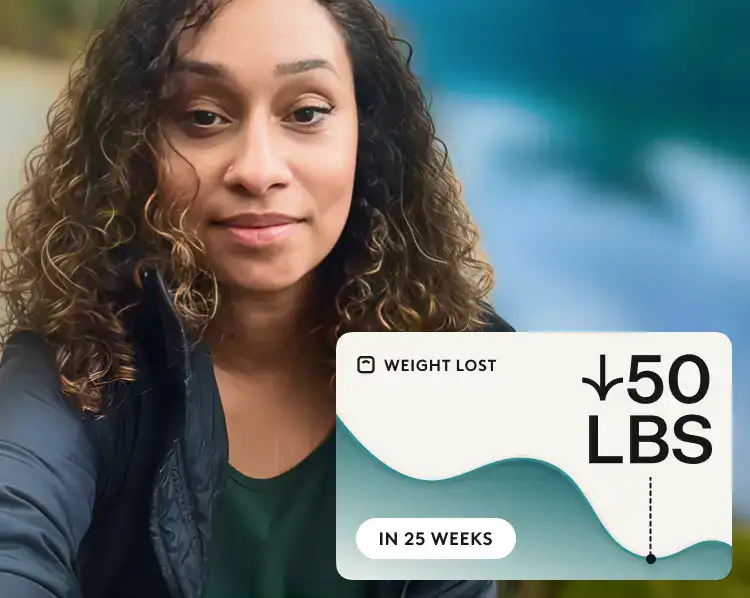
“My favorite parts of Noom are the care team and other Noomers. Sharing and getting help made me feel like I wasn’t doing it alone. That support made all the difference.”
Desirea N. — Real Noom user
Matthew M. — Real Noom user

“Noom has taught me that every day is a new chance to make better, healthier choices. It's taught me how to stop overeating.’’
Matthew M. — Real Noom user
Lila M. — Real Noom user

“Clinicians who understand how supportive medication can be is one of the best parts of Noom! I was convinced I wouldn’t have success but I’m down 11 pounds in two months.’’
Lila M. — Real Noom user
Steve M. — Real Noom user
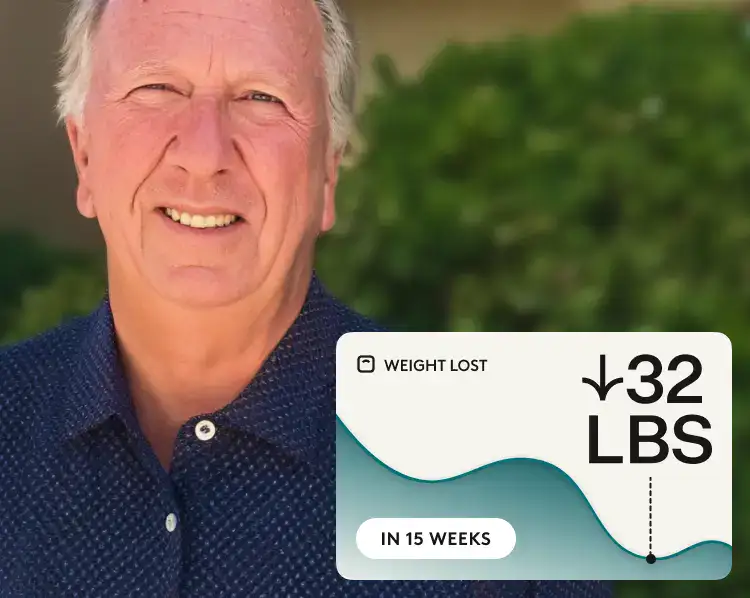
“Noom provided me with the medication which I could not get through Medicare. I have learned the tricks to better eating and life in general.”
Steve M. – Real Noom user
Daisy R. — Real Noom user

‘’Noom has changed my life and I’m so thankful, I feel great, have more energy and am no longer prediabetic.”
Daisy R. – Real Noom user
Sarah R. — Real Noom user
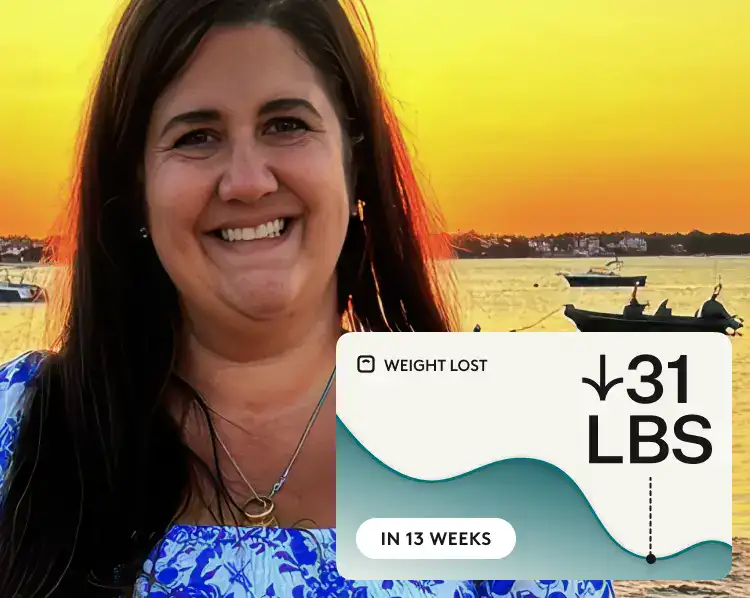
“All of the Noom providers that I’ve met with have been exceptional and prescribed medications that are appropriate for my situation and health.”
Sarah R. – Real Noom user
Madison S. — Real Noom user

“Noom made the process so simple and now I feel full, free from diet obsession, and at ease in my body again.”
Madison S. – Real Noom user
Sonday K. — Real Noom user
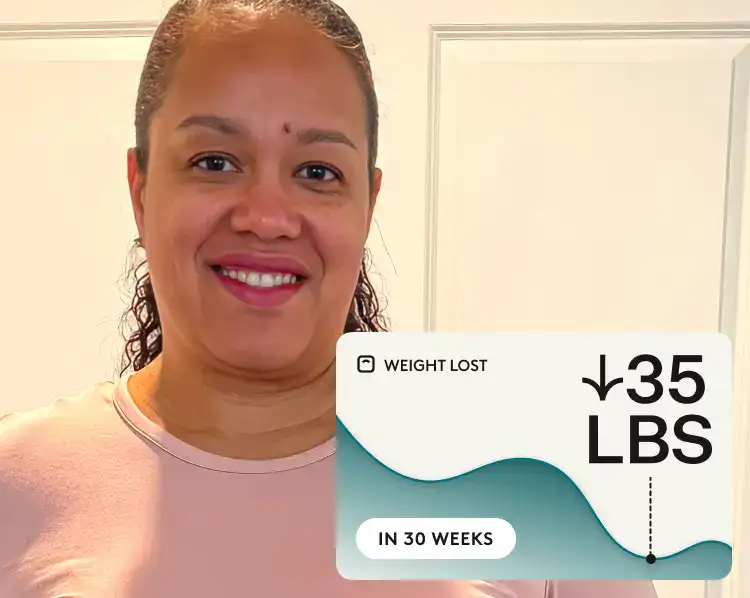
“My doctor recommended Noom after I was frustrated trying to lose weight. The lessons helped change my relationship with food. My body feels lighter & energized.”
Sonday K. – Real Noom user
Cam K. — Real Noom user
“I built healthy habits with coaching and lessons that make me confident I can maintain my weight loss long term.”
Cam K. – Real Noom user
Laura TR. — Real Noom user

“With the right medication through Noom, hunger and sugar cravings finally quieted and I have the tools to break the cycle.”
Laura TR. – Real Noom user
Jessica S. — Real Noom user

“Cravings and food noise are gone, I finally feel confident in the healthy habits I’ve built to last with Noom.”
Jessica S. – Real Noom user
While no food specifically targets belly fat, oranges can support overall fat loss because their low-calorie and high in fiber.
Can I eat oranges on a keto diet?
Oranges are not suitable for ketogenic diets due to their carb content. One medium orange contains about 12 grams of net carbs, which could use up most of the daily allowance on keto.
🧠 Are oranges good for weight loss?
Oranges are undeniably a smart, delicious, and effective food for weight loss plans. Their impressive nutritional profile—low calories, high fiber and water content, plus essential vitamins—makes them powerful allies in sustainable weight management. By promoting satiety and supporting overall health, they make maintaining a calorie deficit more manageable and enjoyable.
The key to leveraging oranges for weight loss is consuming them whole rather than as juice, which preserves the crucial fiber content. When paired with a balanced diet and active lifestyle, oranges can be a satisfying and nutritious component of your weight loss journey. Start swapping processed sweet snacks for fresh, whole oranges—your body will thank you.
📖 Scientific evidence
- Citrus might help with weight control (Phytotherapy Research, 2020): A review of multiple studies found that eating citrus or taking citrus extracts led to small but meaningful changes. On average, participants lost about 3 pounds and trimmed their waist and hips after just 4 weeks.
- Citrus juice may support metabolism (Nutrition Reviews, 2024): A review showed that including orange juice as part of a reduced-calorie diet not only supported weight loss but also improved health markers tied to obesity, like blood sugar and cholesterol.
- More fruit means a healthier heart (International Journal of Epidemiology, 2017): A major review of nearly 100 studies found that every serving of fruit and vegetables was linked to a lower risk of heart disease, stroke, and death from any cause. And the benefits kept growing up to about 10 servings, especially for citrus fruits like oranges.
Why you can trust us
At Noom, we’re committed to providing health information that’s grounded in reliable science and expert review. Our content is created with the support of qualified professionals and based on well-established research from trusted medical and scientific organizations. Learn more about the experts behind our content on our Health Expert Team page.
 Noom Team

 Melissa Kay