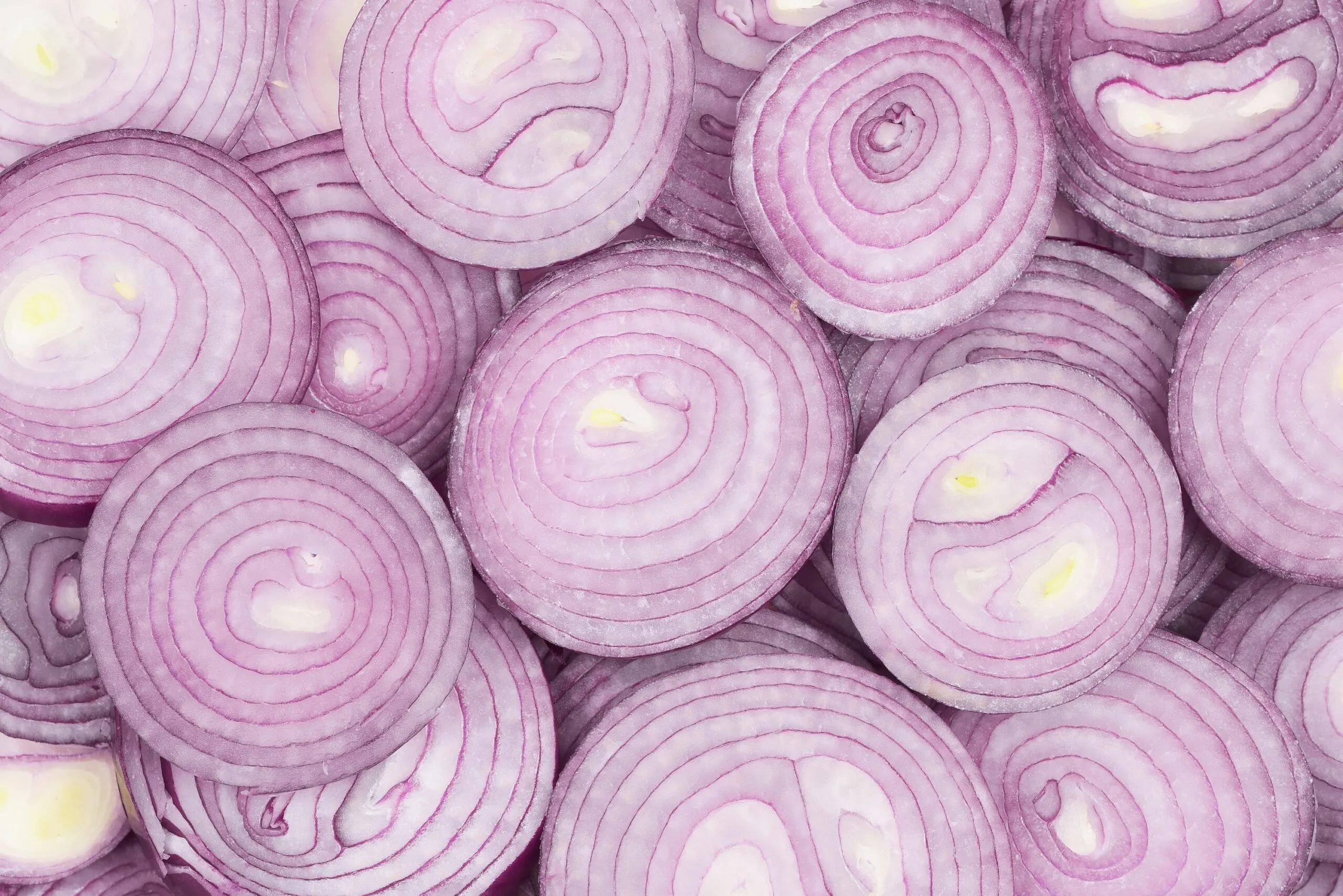
Onions are among the most widely used base ingredients in cooking—showing up in soups, stir-fries, sauces, salads, and sautés around the world. Their popularity comes from how versatile they are: cooked onions bring out natural sweetness and depth as their sugars caramelize, while raw onions add bite, brightness, and crunch.
Onions are more than just a culinary staple; they can also play a meaningful role in supporting weight loss. They’re naturally low in calories, rich in water and fiber, and packed with plant compounds that support everything from gut health to metabolic function. Because they add so much aroma, sweetness, and texture, onions help meals feel fuller and more flavorful without relying on heavy sauces, added sugars, or extra fats.
Their prebiotic fibers and antioxidants are also being studied for potential benefits related to appetite regulation, blood-sugar balance, and inflammation—all important factors for long-term weight management. Below, we break down the science behind why this everyday ingredient can fit into a balanced, sustainable weight-loss plan.
✅ Quick answer
Yes, onions can be a helpful addition to a weight-loss plan. They’re low in calories, offer a surprising amount of fiber, and make meals taste fuller and more satisfying.
🚀 Weight‑loss benefits
- They are a low-calorie flavor enhancer. Onions deliver a lot of flavor for very few calories, which can make it easier to stay within a calorie deficit. They work well in soups, salads, sautés, and stir-fries to bulk up meals without adding heaviness.
- They’re rich in probiotic fiber. Onions contain inulin and fructooligosaccharides (FOS), two types of prebiotic fiber that support a healthy gut microbiome. A balanced gut can play a role in appetite regulation and metabolic health, and these fibers also contribute to feelings of fullness.
- They are a rich source of quercetin. Onions are one of the richest sources of quercetin, a powerful antioxidant flavonoid. Some research suggests that quercetin may help to inhibit the formation of new fat cells and boost metabolism. This compound also has anti-inflammatory properties, which can be beneficial since chronic inflammation is linked to obesity.
⚠️ Things to be mindful of:
They can cause bloating in sensitive people. Onions are high in fructans, a type of FODMAP (Fermentable Oligosaccharides, Disaccharides, Monosaccharides, and Polyols). If you have IBS or a known FODMAP sensitivity, these compounds can ferment in the gut and lead to bloating, gas, or stomach discomfort. For some people, this can make meal planning and consistency a little harder, especially when trying to stick to a weight-loss routine.


🥗 Nutrients in onions (per 100 g/approximately ⅔ cup chopped)
| Nutrient | Amount (per 100 g) | % RDA* |
|---|---|---|
| Calories | 40 calories | 2% |
| Protein | 1.1 g | 2% |
| Total carbohydrates | 9.34 g | 3% |
| Dietary fiber | 1.7 g | 6% |
| Sugars | 4.24 g | — |
| Total fat | 0.1 g | <1% |
| Saturated fat | 0.042 g | <1% |
| Monounsaturated fat | 0.013 g | — |
| Polyunsaturated fat | 0.017 g | — |
| Omega-3 | 0 g | — |
| Omega-6 | 0.017 g | — |
A 100-gram serving of raw white onion (about ⅔ cup chopped) is incredibly light, coming in at just 40 calories. That means you can add a generous amount to meals without making a big dent in your daily calorie budget. Most of those calories come from carbohydrates, including a small but meaningful amount of dietary fiber.
Fat is nearly nonexistent at 0.1 grams, and protein is modest at 1.1 grams—so onions aren’t meant to be a major source of energy or protein. Instead, their value comes from what they bring to the rest of your meal: flavor, volume, and beneficial plant compounds.
For anyone trying to lose weight, this combination is a win. Onions can make simple, nutritious meals like salads, soups, and lean protein dishes taste more complex and satisfying, which can help prevent “taste fatigue” and make it easier to stick with your plan over time.
*Recommended dietary allowance (RDA) is defined as the average daily amount of nutrients needed to meet the requirements of nearly all healthy people in a specific group.
💊 Vitamins & minerals in onions (per 100 g / approximately ⅔ cup chopped)
| Vitamin / Mineral | Amount | % RDA |
|---|---|---|
| Vitamin C | 7.4 mg | 8% |
| Vitamin B6 | 0.12 mg | 9% |
| Manganese | 0.129 mg | 6% |
| Folate (B9) | 19 µg | 5% |
| Copper | 0.039 mg | 4% |
| Potassium | 146 mg | 3% |
| Phosphorus | 29 mg | 2% |
| Magnesium | 10 mg | 2% |
| Calcium | 23 mg | 2% |
| Zinc | 0.17 mg | 2% |
| Iron | 0.21 mg | 1% |
| Selenium | 0.5 µg | 1% |
Onions aren’t a standout source of any single nutrient, but they do offer a nice mix of vitamins and minerals in small amounts. Their biggest contributions come from vitamin C, an antioxidant that supports immunity and skin health, and vitamin B6, which helps power more than 100 enzyme reactions involved in metabolism.
You’ll also find manganese, a mineral connected to bone formation and metabolic function, plus a modest amount of potassium, which helps regulate fluid balance and blood pressure. The folate in onions supports cell growth and DNA synthesis—another quiet but important benefit.
While these amounts may look small individually, they add up. Onions contribute to the broader nutrient picture of your day, especially when you’re eating a variety of vegetables. Every bit of these micronutrients supports your body’s complex systems and overall health.
🔍 Nutrient breakdown
Glycemic index (GI) of white onions
✔️ Glycemic Index: 10 (Low)
💡 Tip: Low-GI foods like onions are digested slowly, leading to a gradual rise in blood sugar and insulin levels. This steady energy release helps manage hunger, prevents energy crashes, and may reduce fat storage compared to high-GI foods.
Are onions high in protein?
❌ No – Onions contain just 1.1 g of protein per 100 g. This is very low and won’t make a meaningful contribution to your daily protein needs. To support muscle maintenance, recovery, and satiety during weight loss, pair onions with high-protein foods.

The Easy Way
to lose weight and get healthy.
See if you qualify*Initial 3-week subscription and 4 weeks of medication from $99 plus tax and $199 per month plus tax for 12-week subscription thereafter.


🔹 Better protein alternatives: Chicken breast | Lentils | Greek yogurt
Are onions high in fiber?
❌ No – An onion provides 1.7 g of fiber per 100 g, which isn’t considered high-fiber. However, the quality of this fiber is exceptional—it includes prebiotic fibers like inulin and fructooligosaccharides that specifically feed beneficial gut bacteria, supporting digestive health and potentially improving weight management.
💡 Tip: To maximize your fiber intake for weight loss and digestive health, combine onions with truly high-fiber foods like beans, lentils, whole grains, broccoli, and Brussels sprouts.
Are onions low in carbs?
✔️ Yes – With 9.34 g of total carbs and 7.64 g of net carbs per 100 g, onions are considered a low-carbohydrate vegetable. Most of these carbs come from natural sugars and beneficial fibers, making them suitable for most carb-conscious eating plans.
💡 Tip: If you’re following a very low-carb diet like keto (typically under 20-50 grams net carbs daily), use onions strategically as a flavoring agent in smaller amounts rather than as a main ingredient to stay within your carb limits.
Are onions gluten-free?
✔️ Yes – Onions are naturally 100% gluten-free. As a vegetable, they contain no wheat, barley, rye, or any gluten proteins whatsoever. They’re a safe and flavorful ingredient for anyone with celiac disease, non-celiac gluten sensitivity, or those choosing to avoid gluten for personal reasons.
Are onions good for fat loss?
✔️ Yes – Thanks to their extremely low calorie and fat content, onions are highly supportive of fat loss efforts. They add significant flavor and bulk to meals, promoting satiety without contributing excess energy. Additionally, their quercetin content may offer modest metabolic benefits that support fat loss, though more research is needed.
💡 Tip: Maximize onions’ fat-loss benefits by using them raw in salads and salsas, or grilling and roasting them with minimal oil. These preparation methods preserve their low-calorie profile while delivering maximum flavor.
🍽️ Diet compatibility: Which diets include white onions?
| Diet | ✅ / ❌ | Why |
|---|---|---|
| Keto | ❌ | Onions contain 7.6 g of net carbs per 100 g, which can add up quickly on a strict ketogenic diet where daily carb limits are typically 20-50 g. |
| Paleo | ✅ | Onions are completely compliant with Paleo principles. As a natural, unprocessed vegetable that our ancestors would have foraged and consumed, they’re a foundational ingredient that provides flavor and nutrients without any modern processed components. |
| Mediterranean | ✅ | Onions are a cornerstone of Mediterranean cuisine, used liberally in salads, sauces, stews, and roasted vegetable dishes. |
| Vegan | ✅ | As a 100% plant-based food, onions are a staple in vegan cooking worldwide. |
| Gluten-free | ✅ | Onions are naturally gluten-free and are a safe, essential ingredient for anyone avoiding gluten due to celiac disease, gluten sensitivity, or personal preference. |
Onions are remarkably versatile and tend to fit into most popular eating patterns. They’re a staple in plant-based diets, where they’re used as a flavorful base for countless vegan and vegetarian dishes. They also blend easily into whole-food approaches like Paleo and Mediterranean diets, where their natural origin, fiber, and antioxidant content are right at home.
The main exception is a strict ketogenic diet. Onions aren’t off-limits, but their carbohydrate content means portion size matters. Small amounts for flavor usually work well, but larger servings can add up quickly. If you’re following keto, it’s helpful to measure out your onions and factor them into your daily carb allowance so you can enjoy the flavor without disrupting ketosis.
🌟 Are onions healthy? The health benefits of onions
Metabolic health: Are onions good for your metabolism?
- ✔️ Boosts metabolism? Yes – Onions are one of the best dietary sources of quercetin, a flavonoid that shows mild thermogenic effects in research. This means it may help your body burn slightly more calories at rest. It’s not a dramatic fat-burning effect, but as part of a consistent, balanced eating pattern, it can contribute to healthier energy balance over time.
- ✔️ Improves insulin sensitivity? Yes – Compounds in onions—including quercetin and natural sulfur compounds—appear to help the body use insulin more effectively. Better insulin sensitivity helps move glucose out of the bloodstream and into cells more efficiently, which supports steadier blood-sugar levels and may reduce the risk of insulin resistance over time.
- ✔️ Effect on fat storage? Animal studies show that quercetin and certain onion extracts may help slow down adipogenesis (the formation of new fat cells) and activate pathways involved in breaking down existing fat. Human studies are still limited, but these findings suggest onions may play a small supporting role in helping prevent excess fat accumulation.
💡 Tip: Try pairing onions with other metabolism-friendly ingredients—like green tea, which contains catechins—in a simple vegetable broth or soup. It’s warming, low-calorie, and may give your metabolism a gentle nudge while keeping you satisfied.
Cholesterol impact: Does white onion affect cholesterol levels?
✔️ Lowers LDL? Yes – Onions contain quercetin and other antioxidants that help protect LDL (“bad”) cholesterol from oxidation. Since oxidized LDL plays a key role in plaque buildup in the arteries, adding onions to your diet may support a healthier cholesterol profile and help reduce long-term cardiovascular risk.
❔ Raises HDL? Possibly – Some animal studies suggest that onions might help increase HDL (“good”) cholesterol, but the research in humans is still limited. While it’s an interesting potential benefit, we need more data before drawing firm conclusions.
✔️ Overall heart impact? Favorable – When you combine their antioxidant content with their anti-inflammatory effects and potential to support healthy blood pressure, onions fit naturally into a heart-healthy eating pattern. They’re an easy, low-calorie way to add more cardioprotective compounds to your meals.
💡 Tip: Red onions tend to have the highest levels of quercetin and anthocyanins, especially in the outer layers. Enjoying them raw—in salads, salsas, or sliced on top of dishes—helps preserve these heart-friendly antioxidants.
Can I eat onions for a calorie deficit?
✔️ Yes – With only about 40 calories per 100 g, onions are low in energy but high in flavor, water, and volume. That combination helps meals feel bigger and more satisfying without adding many calories. When you’re working toward a calorie deficit, foods that boost fullness and taste without a big calorie load can make it much easier to stay consistent.
💡 Tip: Keep pre-chopped onions in the fridge to quickly build flavor into healthy meals. When food tastes satisfying, you’re less likely to reach for higher-calorie snacks or sauces later.
Are onions rich in antioxidants?
✔️ Yes – They’re especially high in flavonoids like quercetin and, in red onions, anthocyanins. Quercetin is a well-studied antioxidant with anti-inflammatory benefits, helping neutralize free radicals—those unstable molecules that can contribute to aging, inflammation, and long-term chronic conditions like heart disease and certain cancers.
💡 Tip: For the biggest antioxidant boost, reach for red or yellow onions and use as much of the outer layers as possible (that’s where antioxidant levels are highest). Cooking lowers some antioxidant content, so try adding a few raw onions to salads, salsas, or grain bowls when you can.
Do onions support gut health?
✔️ Yes – Onions are an excellent source of prebiotic fibers, particularly inulin and fructooligosaccharides (FOS). These special fibers aren’t digested by your body but serve as food for beneficial gut bacteria like Bifidobacteria. A thriving, diverse gut microbiome is increasingly linked to improved immunity, better mood, enhanced metabolism, and more effective weight management.
Access GLP-1 Weight Loss with Noom
Explore a wide range of prescription medications supported by Noom’s program.Microdose GLP-1rx
Noom GLP-1rx
Noom GLP-1rx Plus
Wegovy®

Ozempic®

Metformin
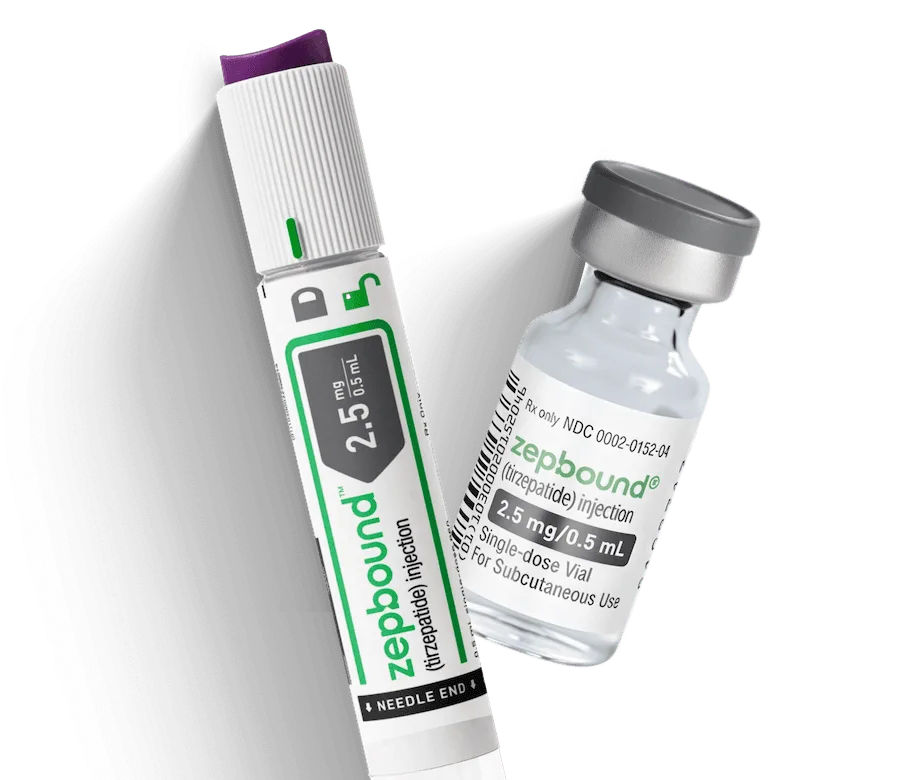
Zepbound®
Mounjaro®
Liraglutide

Do onions support digestion?
✔️ Yes – The fiber in onions adds bulk to stool, promoting regular bowel movements and preventing constipation. Healthy gut transit time is essential for nutrient absorption, toxin elimination, and overall digestive wellness.
⚠️ Sensitive tummy? – For people with IBS or FODMAP sensitivity, the fructans in onions can be poorly absorbed in the small intestine and rapidly fermented by gut bacteria in the colon. This fermentation produces gas and can cause bloating, cramping, and diarrhea. If you’re sensitive, you may need to limit or completely avoid onions.
💡 Tip: Cooking onions thoroughly at high heat can partially break down fructans, potentially making them more tolerable for some people with mild FODMAP sensitivity. Green onions (scallions) are generally better tolerated—use only the green parts.
Do onions help you feel satiated and less hungry?
✔️ Moderate – Onions aren’t major sources of the macronutrients that keep you full the longest (protein and healthy fats), but they do add helpful volume thanks to their fiber and high water content. That extra bulk stretches the stomach slightly, which sends early fullness signals to the brain. Their strong, savory flavor also boosts the overall satisfaction of a meal—an important part of feeling content after eating and staying on track with your goals.
🥄 Satiety level: Moderate
💡 Tip: Maximize satiety by combining sautéed or caramelized onions with high-protein, high-fiber foods like eggs, beans, lentils, or lean meat. This combination creates deeply satisfying meals that keep hunger at bay for hours.
Do onions help with nighttime cravings?
✔️ Yes – Eating onions as part of a balanced, fiber-rich dinner may help keep blood sugar steadier through the evening, which can reduce the dips that sometimes trigger late-night hunger or cravings for sweets. Their savory, slightly sweet flavor also adds a sense of satisfaction to meals, which can make you less likely to reach for salty snacks later on.
Do onions help reduce inflammation?
✔️ Yes – Onions contain over 25 different flavonoid compounds, with quercetin being the most prominent and well-studied. These compounds work synergistically to inhibit inflammatory pathways throughout your body. Since chronic inflammation is a root cause of numerous diseases—including heart disease, type 2 diabetes, arthritis, and even some cancers—regularly consuming anti-inflammatory foods like onions supports long-term health.
Are onions beneficial for brain health?
✔️ Yes – The antioxidants in onions, particularly quercetin, help protect brain cells from oxidative stress and inflammation—two major contributors to cognitive decline. Emerging research suggests these compounds may play a protective role against age-related neurodegenerative diseases like Alzheimer’s and Parkinson’s. The sulfur compounds in onions may also have neuroprotective effects, though more research is needed.
Can onions improve skin and hair health?
✔️ Yes – Onions contain vitamin C, which is absolutely essential for collagen production. Collagen is the structural protein that keeps skin firm, elastic, and youthful-looking, and it also provides strength to hair. Additionally, the sulfur compounds in onions are sometimes linked to improved hair growth in anecdotal reports, though rigorous scientific evidence for topical onion application remains limited.
Can onions help balance hormones?
❔ Possibly – Preliminary research hints that certain compounds in onions may positively influence the endocrine system. Some studies suggest potential benefits for testosterone levels in males and bone density support in postmenopausal women (linked to estrogen levels). However, this research is still in early stages, and more human studies are needed to draw firm conclusions.
💡 Tip: For overall hormonal health, focus on a balanced diet rich in diverse vegetables (including onions), healthy fats, adequate protein, and complex carbohydrates, rather than relying on any single food.
🍽️ Best ways to eat onions for weight loss
- ✅Raw in salads, salsas, and slaws – Think of raw onions as a zero-calorie flavor upgrade. Keeping them uncooked preserves vitamin C and keeps quercetin levels at their peak. Thin slices in salads, salsas, wraps, or grain bowls add crunch, brightness, and that perfect bite that makes a simple meal feel exciting—no oil or extra calories required.
- ✅ Roasted or grilled for natural sweetness – When onions hit high heat, their natural sugars caramelize into a rich, mellow sweetness. Roasting or grilling them gives you those tender, golden edges that taste almost indulgent—without needing butter or heavy sauces. A quick mist of olive oil spray and a sprinkle of herbs turns them into a flavorful side or topper for lean proteins.
- ❌ Skip the fried onion rings (most of the time) – Delicious? Absolutely. Weight-loss friendly? Not so much. Once onions are dipped in batter and deep-fried, you’re looking at 400+ calories and 20+ grams of fat—roughly the same as an entire balanced meal. Enjoy them occasionally if you love them, but they’re best kept as a once-in-a-while treat.
Types of onions: How do they compare nutritionally?
There are many onion varieties, each with slightly different nutritional profiles and culinary characteristics. Understanding these differences helps you choose the best type for your needs:
| Type | Calories (per 100 g) | Carbs | Fiber | Key features |
|---|---|---|---|---|
| White | 40 calories | 9.3 g | 1.7 g | Sharp, pungent flavor; most common in Mexican cuisine; great raw or cooked |
| Yellow | 40 calories | 9.3 g | 1.7 g | Medium pungency; highest quercetin content; ideal for caramelizing and cooking |
| Red | 40 calories | 9.3 g | 1.7 g | Mild, slightly sweet; highest anthocyanin content (purple pigment); best raw in salads |
| Sweet (Vidalia, Walla Walla) | 32 calories | 7.6 g | 1.2 g | Mild flavor; higher in Vitamin K; both white and green parts are edible |
| Green onions/scallions | 32 calories | 7.3 g | 2.6 g | Mild flavor; higher in Vitamin K; both white and green parts edible |
| Shallots | 72 calories | 16.8 g | 3.2 g | Delicate, garlicky flavor; more concentrated nutrients; used sparingly |
- White onions deliver the sharpest, most pungent flavor and are nutritionally nearly identical to yellow onions. They’re excellent when you want a bold onion presence in dishes like Mexican salsas, ceviche, or Indian chutneys without adding calories.
- Yellow onions contain the highest levels of quercetin among all onion varieties, making them particularly valuable for their antioxidant and anti-inflammatory properties. They’re the best all-purpose cooking onions and develop beautiful sweetness when caramelized.
- Red onions are distinguished by their high anthocyanin content—the same powerful antioxidants that give them their distinctive purple color. These compounds may offer additional cardiovascular and anti-cancer benefits. Red onions are best consumed raw to preserve these heat-sensitive compounds.
- Sweet onions like Vidalia and Walla Walla contain slightly fewer calories and less fiber due to higher water and sugar content. They’re significantly lower in the pungent sulfur compounds that cause tears and strong breath, making them ideal for people sensitive to these effects. They’re perfect for eating raw.
- Green onions (scallions) are notably lower in calories and carbs than bulb onions, making them excellent for very low-carb diets. They’re also significantly higher in vitamin K, important for bone health and blood clotting. The green parts are milder and better tolerated by those with FODMAP sensitivity.
- Shallots are more nutrient-dense than regular onions, with higher concentrations of vitamins, minerals, and antioxidants per 100 g. However, they’re typically used in much smaller quantities due to their intense, complex flavor that combines onion and garlic notes.
💡 Tip: For maximum antioxidant benefits, use yellow onions in cooked dishes and red onions raw in salads. If you’re closely monitoring carbs, green onions provide bold onion flavor with half the carbohydrates of bulb onions.
Frequently asked questions about onions and weight loss
Can I eat onions every day for weight loss?
Yes—onions can absolutely be part of your daily routine. With only about 40 calories per 100 g, they add flavor, volume, and texture without impacting your calorie budget. The one exception is if you have IBS or a FODMAP sensitivity, since onions are high in fructans and may cause bloating or gas. If that’s you, you may need to limit or avoid them based on your individual tolerance.
Do cooked onions have more calories than raw onions?
No. Raw and cooked onions have almost identical calorie counts—as long as you don’t add oil or butter during cooking. A 100 g portion of raw onion has about 40 calories, and the same amount cooked without added fat is still about 40 calories. The real calorie swing comes from preparation: each tablespoon of oil adds roughly 120 calories. For lighter meals, try roasting, grilling, or air-sautéing onions with little to no added fat.
Are red onions better than white onions for weight loss?
For weight loss, they’re essentially the same—both are low in calories and similar in carbs and macronutrients. Red onions do offer more anthocyanins (a type of antioxidant), while yellow onions tend to have the most quercetin. Choose the variety you enjoy most and will use regularly; that consistency matters more than the differences between types.
Will eating onions speed up my metabolism?
Onions contain quercetin, a plant compound that shows mild thermogenic effects in research, meaning it may help you burn slightly more calories at rest. But this effect is small and shouldn’t be counted on as a primary metabolism booster. The bigger benefit is practical: onions make low-calorie meals taste great, which helps you maintain the calorie deficit that drives fat loss.
Can onions cause weight gain?
Onions alone are very unlikely to lead to weight gain—they’re low in calories and high in water. However, cooking methods can change that quickly. Fried onion rings, creamy onion sauces, or onions caramelized with a lot of butter or oil can become calorie-dense. For weight loss, stick to raw, roasted, grilled, or lightly sautéed onions prepared with minimal added fats.
How much onion should I eat per day for weight loss?
There’s no strict recommendation, but 50–100 g per day (roughly ⅓–⅔ cup chopped) is a reasonable target for most people. That amount adds meaningful flavor, prebiotic fiber, and antioxidants—without adding many calories. If you’re sensitive to FODMAPs, start small and adjust based on how your digestive system responds.
Do onions burn belly fat?
No single food can target belly fat specifically. Onions don’t directly burn fat, but they support overall weight loss by adding lots of flavor for very few calories, which helps make lower-calorie meals more satisfying. While early research suggests quercetin may help slow the formation of new fat cells, this needs more study in humans. The most effective approach to reducing belly fat is still a consistent calorie deficit, balanced eating, and regular movement.
🧠 The bottom line: Onions are great for weight loss
Onions are a smart, satisfying addition to a weight-loss plan. Their incredibly low calorie count, paired with big, bold flavor, makes them one of the easiest ways to build meals that feel comforting and full without relying on high-calorie fats, added sugars, or heavy sauces. When food tastes good, sticking to a calorie deficit becomes far more doable—and far more enjoyable.
But their benefits go beyond flavor. Onions provide prebiotic fibers that help nourish the gut microbiome, which plays an important role in appetite regulation, metabolism, and overall health. They’re also rich in antioxidants like quercetin, which help counter inflammation and oxidative stress—two factors linked to metabolic issues and long-term disease risk.
There are a few exceptions to keep in mind: people following very strict low-carb diets may need to portion onions more carefully, and those with FODMAP sensitivity may need to limit or avoid them. For everyone else, onions fit easily into most eating patterns—as long as preparation stays on the lighter side. Roasting, grilling, or enjoying them raw keeps calories low and nutrients intact, while deep-fried or heavy cream–based onion dishes can work against your goals.
Embracing the humble onion as a go-to ingredient can make healthy eating more flavorful, more satisfying, and more sustainable—key ingredients for long-term success.
📖 Scientific evidence
- Onions may help support weight loss (Food Science & Nutrition, 2023). This review looked at clinical trials in adults with higher BMIs who consumed onions or onion-peel supplements. Onion intake—especially from onion peels—was linked to meaningful reductions in body weight, body fat, waist size, and blood triglycerides compared with placebo.
- The quercetin in onions may help lower inflammation (Molecules, 2016): Quercetin is a powerful antioxidant found in onions that may help calm the body’s inflammatory response. Lower inflammation is tied to better metabolic health and may support healthy weight management.
- Flavonoids like quercetin may support insulin health (International Journal of Molecular Sciences, 2019): This review shows that flavonoids—including the quercetin found in onions—may help improve insulin resistance by reducing inflammation and oxidative stress. Better insulin function supports steadier blood sugar and overall metabolic health.
- Onions may help support healthy blood pressure (Iran Journal of Basic Medical Sciences, 2022): This review highlights research showing that onions and their key compounds may help lower blood pressure and support overall heart health—both important for metabolic well-being.
- Prebiotic fibers in onions support gut health (Nutrients, 2018): This review explains how prebiotic fibers—like the fructans found in onions—help nourish beneficial gut bacteria. A healthier gut microbiome can support better digestion, steadier appetite signals, and healthier metabolism overall.
Editorial standards
At Noom, we’re committed to providing health information that’s grounded in reliable science and expert review. Our content is created with the support of qualified professionals and based on well-established research from trusted medical and scientific organizations. Learn more about the experts behind our content on our Health Expert Team page.