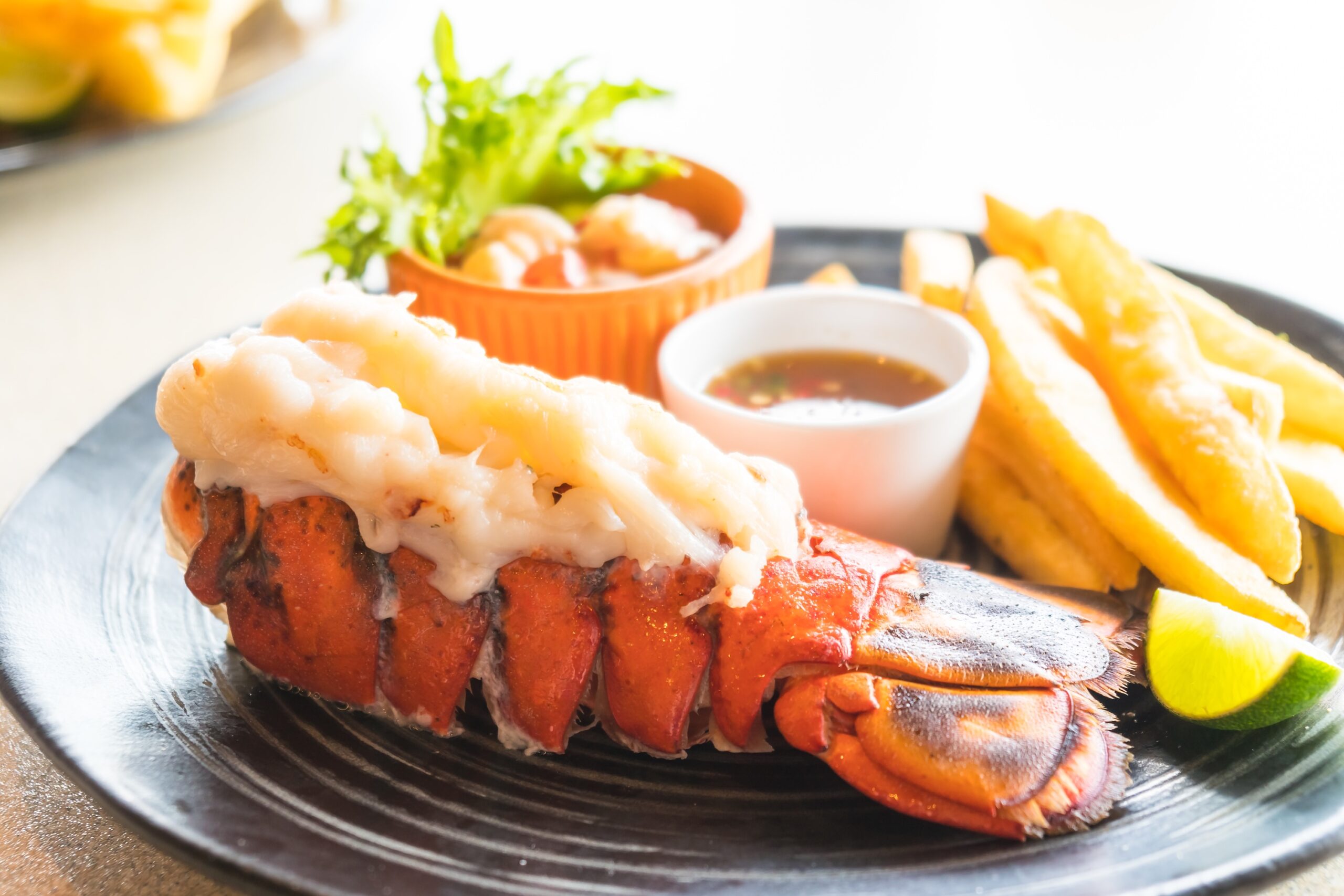
Lobster isn’t just for fancy seafood dinners anymore. From buttery lobster rolls and cheesy lobster quesadillas to lobster grilled cheese and mac and cheese, it’s showing up in all kinds of comfort foods. Food trucks like Cousins Maine Lobster have helped make lobster more accessible, while grocery stores and seafood delivery services make it easier to enjoy at home.
But with so many ways to eat it, you might wonder: Is lobster actually good for weight loss?
On its own, lobster is surprisingly lean. One cup of cooked lobster meat (about 145 grams) has just 129 calories, 28 grams of protein, about 1 gram of fat, and no carbs. It’s also rich in vitamin B12, selenium, and copper, nutrients that support several important functions in the body.
That combination of high protein and relatively few calories can make lobster a great choice for weight loss. But how you eat it matters. Steamed lobster is very different nutritionally from a lobster roll loaded with mayo or a quesadilla filled with cheese. Even a tablespoon of melted butter adds about 100 calories.
Here’s what to know about lobster’s nutrition, how it can support weight loss, and how to enjoy your favorite lobster dishes while keeping your goals in mind.
Noom’s Most Powerful Program
A dual-pathway GLP-1 and behavior change for lasting results.
✅ Quick answer
Yes, lobster can be good for weight loss. One cup of cooked lobster has about 129 calories and 28 grams of protein, making it a filling, lean protein option. Steamed, boiled, or grilled lobster is naturally low in fat, but popular dishes like lobster rolls, quesadillas, and lobster mac and cheese can be much higher in calories depending on the ingredients and portions.
🚀 Weight-loss benefits of lobster
- Lobster packs a lot of protein into very few calories – One cup has 28 grams of protein for just 129 calories. That’s a lot of protein for a relatively small calorie investment, and it may help you stay full and maintain muscle as you lose weight.
- Lobster is naturally low in fat – With just 1 gram of fat per cup, lobster is one of the leaner protein options out there. That leaves plenty of room to build a satisfying meal with your favorite sides.
- Lobster delivers more than just protein – It’s also loaded with vitamin B12, selenium, copper, and zinc. These nutrients help support everything from energy production to healthy thyroid function.
⚠️ Things to be mindful of
- It’s what comes with lobster that can add up – Lobster itself is lean, but a tablespoon of melted butter adds about 100 calories. Lobster rolls, quesadillas, grilled cheese, and mac and cheese can also pack in extra calories from butter, mayo, and cheese. You can still enjoy them—just keep portions in mind.
- Lobster has more sodium than you might expect – One cup can contain about 705 milligrams, even before adding seasonings or sauces. Go easy on extra salt
- Lobster is relatively high in cholesterol – One cup contains about 212 milligrams. That doesn’t mean you need to avoid it, but if you’re managing high cholesterol, pay attention to your overall diet, especially saturated fat from butter and creamy sauces.
🥗 Lobster: Nutrition facts (per 1 cup of cooked meat, about 145 g)
Cooked northern (American) lobster, moist heat. Amounts are USDA FoodData Central values scaled from 100 grams to 145 grams. Percentages use FDA reference amounts for a 2,000-calorie diet.
| Nutrient | Amount | % RDA* |
|---|---|---|
| Calories | 129 calories | 6% |
| Protein | 27.6 g | 55% |
| Total carbs | 0 g | 0% |
| Fiber | 0 g | 0% |
| Sugars | 0 g | — |
| Total fat | 1.2 g | 2% |
| – Saturated fat | 0.3 g | 2% |
| – Monounsaturated fat | 0.4 g | — |
| – Polyunsaturated fat | 0.5 g | — |
| Omega-3 | 0.4 g | — |
| Omega-6 | about 0.1 g | — |
*Recommended dietary allowance (RDA) is defined as the average daily amount of nutrients needed to meet the requirements of nearly all healthy people in a specific group.
Lobster’s biggest nutritional advantage is its protein. One cup delivers nearly 28 grams for just 129 calories, making it a great way to get more protein without adding a lot of calories. Protein helps you feel satisfied after eating and supports muscle maintenance during weight loss.
Lobster also provides omega-3 fatty acids, including EPA and DHA, which support heart and brain health. And while it’s naturally low in fat and contains no carbs, pairing it with fiber-rich vegetables or whole grains can turn it into a more balanced, filling meal.
Lobster: Vitamins & minerals (per 1 cup of cooked meat, about 145 g)
| Vitamin/Mineral | Amount | % RDA* |
|---|---|---|
| Copper | 2.25 mg | 250% |
| Selenium | 106 μg | 193% |
| Vitamin B12 | 2.1 μg | 88% |
| Zinc | 5.9 mg | 74% |
| Vitamin B5 (pantothenic acid) | 2.4 mg | 48% |
| Phosphorus | 268 mg | 38% |
| Choline | 116 mg | 27% |
| Sodium | 705 mg | 31% |
| Vitamin B3 (niacin) | 2.7 mg | 19% |
| Magnesium | 62 mg | 19% |
| Calcium | 139 mg | 14% |
| Potassium | 334 mg | 13% |
| Vitamin B6 | 0.17 mg | 13% |
| Vitamin E | 1.5 mg | 10% |
| Folate | 16 μg | 4% |
| Manganese | 0.09 mg | 5% |
| Iron | 0.4 mg | 2% |
*Recommended dietary allowance (RDA) is defined as the average daily amount of nutrients needed to meet the requirements of nearly all healthy people in a specific group.
Lobster isn’t just a great source of protein. It’s also packed with vitamins and minerals that support everything from your immune system to your thyroid. Here’s what stands out:
- Copper and selenium: One cup provides more than a full day’s worth of both. Copper helps your body use iron and produce energy, while selenium supports thyroid function and helps protect cells from damage.
- Vitamin B12: Lobster provides nearly 90% of your daily needs. B12 helps keep your nerves healthy and supports red blood cell production.
- Zinc: With nearly three-quarters of your daily needs in one cup, lobster supports immune function and wound healing.
- Vitamin B5: Lobster provides nearly half your daily needs of this vitamin, which helps your body turn food into energy.
The takeaway: Lobster delivers plenty of nutrients along with its protein, making it a nutritious choice whether you’re trying to lose weight or simply eat well.
🔍 Nutrient breakdown
Glycemic index (GI) of lobster
Glycemic index: Not applicable (no carbs)
💡 Tip: Glycemic index measures how quickly carbohydrate-containing foods raise blood sugar. Lobster has no carbs, so it has little direct effect on blood sugar. Pair it with fiber-rich vegetables and whole grains for a balanced meal.
Is lobster high in protein?
✔️ Yes. One cup of cooked lobster has about 28 grams of complete protein, meaning it provides all nine essential amino acids your body needs. Protein helps keep you full and supports muscle maintenance during weight loss.
Noom’s Most Powerful Program
A dual-pathway GLP-1 and behavior change for lasting results.
Other lean protein options: Shrimp | Skinless chicken breast | Yellowfin tuna
Is lobster high in fiber?
❌ No. Lobster has no fiber, but its protein can still help you feel satisfied.
💡 Tip: Add a side of roasted asparagus, steamed broccoli, or a green salad for fiber, which supports digestion and helps keep you full.
Is lobster low in carbs?
✔️ Yes. Plain lobster has no carbohydrates. Most carbs in lobster dishes come from additions like rolls, pasta, breading, and sauces.
💡 Tip: You don’t need to avoid carbs to lose weight. Pair lobster with a baked potato, brown rice, or another fiber-rich carbohydrate for a satisfying meal.
Is lobster gluten-free?
✔️ Yes. Plain lobster is naturally gluten-free. But breaded lobster, bisque, mac and cheese, and some imitation seafood products may contain gluten. Check ingredients and preparation methods if you have celiac disease or gluten sensitivity.
Is lobster good for fat loss?
✔️ Yes, it can be. Lobster provides about 28 grams of protein for just 129 calories per cup, making it easy to meet your protein needs while maintaining a calorie deficit. Protein also helps preserve muscle as you lose weight.
Is lobster high in cholesterol?
✔️ Yes. One cup contains about 212 milligrams of cholesterol, but very little saturated fat. Dietary cholesterol can affect blood cholesterol differently from person to person, and saturated fat generally has a greater impact on LDL cholesterol.
💡 Tip: Enjoy lobster steamed or grilled, and go easy on butter and creamy sauces. If you have high LDL cholesterol or heart disease, ask your healthcare provider how lobster fits into your eating plan.
🍽️ Diet compatibility: Which diets include lobster?
| Diet | ✅Yes /❌No | Why |
|---|---|---|
| Keto | ✅ | Lobster has 0 grams of carbs, so it fits any carb limit. It is also very low in fat, and keto gets most of its calories from fat, so adding butter, olive oil or avocado brings a lobster meal in line with the diet. |
| Paleo | ✅ | Paleo plans include seafood, and plain lobster has no grains, dairy or added sugar. Steamed, boiled or grilled lobster fits, while breaded and fried versions add flour and refined oils. |
| Mediterranean | ✅ | The Mediterranean pattern includes fish and shellfish a couple of times a week, and lobster is a lean choice. Serve it with olive oil, lemon, tomatoes and vegetables. |
| Vegan | ❌ | Lobster is an animal food, so vegan diets exclude it. Plant-based seafood alternatives can mimic the texture, but vitamin B12 and zinc would need to come from fortified foods or supplements. |
| Gluten-free | ✅ | Plain lobster meat contains no gluten. Breading, flour-thickened bisque, pasta dishes and imitation lobster made with wheat starch do contain it, so ask about preparation when eating out. |
Lobster fits keto, paleo, Mediterranean, and gluten-free eating, because the meat itself has no carbs, grains, or gluten. The one diet that excludes it is vegan, since lobster is an animal food.
The lobster itself rarely changes whether a meal fits a diet; the preparation does. Butter, breading, cream sauces, and flour-based soups are the ingredients that matter for keto, paleo, and gluten-free eaters. Steamed, boiled, or grilled lobster with lemon, garlic, and herbs is compatible with almost every plan, except vegan.
🌟 Is lobster healthy? What are the health benefits of lobster?
Yes, lobster can be a healthy addition to your diet. Beyond being high in protein and low in calories, it provides nutrients that support heart health, thyroid function, and metabolism. But can eating lobster actually make a difference? Here’s what the research says.
Metabolic health: Is lobster good for your metabolism?
- Boosts metabolism? ✔️ Slightly – Your body burns calories digesting food, and protein takes more energy to process than carbs or fat. Since lobster is almost entirely protein, it has this small advantage. But eating lobster won’t noticeably speed up your metabolism.
- Improves insulin sensitivity? ❓Unclear – Lobster has virtually no carbs, so it has little direct effect on blood sugar. But there’s no evidence that eating lobster improves insulin sensitivity, which is how well your body responds to insulin.
- Effect on fat storage? ⚖️ Depends on your overall diet – Lobster is low in calories and high in protein, making it a good choice when you’re trying to lose body fat. But no single food prevents fat storage. Your overall calorie intake matters more.
Cholesterol impact: Does lobster affect cholesterol levels?
- Does it lower LDL (bad) cholesterol? ❌ Not directly – Lobster hasn’t been shown to lower LDL cholesterol. But because it’s very low in saturated fat, choosing it instead of fatty cuts of meat may help reduce your saturated fat intake, which can support healthier LDL levels.
- Does it raise HDL (good) cholesterol? ❓Unclear – There’s no evidence that lobster specifically raises HDL. It does contain omega-3 fatty acids, which are more closely associated with lowering triglycerides than increasing HDL.
- Overall impact on heart health? ✔️ Can be positive – Lobster is low in saturated fat and provides omega-3s, but it also contains dietary cholesterol. Enjoyed as part of a balanced eating pattern, it can fit into a heart-healthy diet.
💡 Tip: Try lobster with olive oil, lemon, and fresh herbs instead of lots of melted butter. You’ll get the flavor and protein without adding as much saturated fat.
Can you eat lobster in a calorie deficit?
✔️ Yes. One cup of cooked lobster has just 129 calories and about 28 grams of protein, making it easy to fit into a calorie deficit. The protein helps keep you satisfied, while the low calorie count leaves room for sides and sauces.
💡 Tip: Track butter and sauces separately if you’re counting calories. Just one tablespoon of butter adds about 100 calories.
Is lobster rich in antioxidants?
✔️ Yes, in antioxidant-supporting minerals. Lobster is an excellent source of selenium, copper, and zinc, which help your body’s antioxidant defenses protect cells from damage. It also contains some astaxanthin, an antioxidant pigment, though the amount in lobster meat is unclear.
Does lobster support gut health?
⚖️ Not directly. Lobster has no fiber or prebiotics to feed beneficial gut bacteria, but it can still be part of a gut-friendly diet.
💡 Tip: Pair lobster with fiber-rich vegetables, whole grains, or other plant foods to support digestive health.
Does lobster support digestion?
✔️ Generally, yes. Lobster is low in fat and provides protein that most people can digest comfortably. However, shellfish allergies are common, and lobster must be cooked and handled properly to reduce foodborne illness risks.
Does lobster help you feel full and less hungry?
✔️ Yes. With about 28 grams of protein per cup, lobster can help you feel satisfied after eating. Protein generally promotes fullness, which may make it easier to manage hunger between meals.
Access GLP-1 Weight Loss with Noom
Explore a wide range of prescription medications supported by Noom’s program.
Microdose GLP-1rx
Noom GLP-1rx
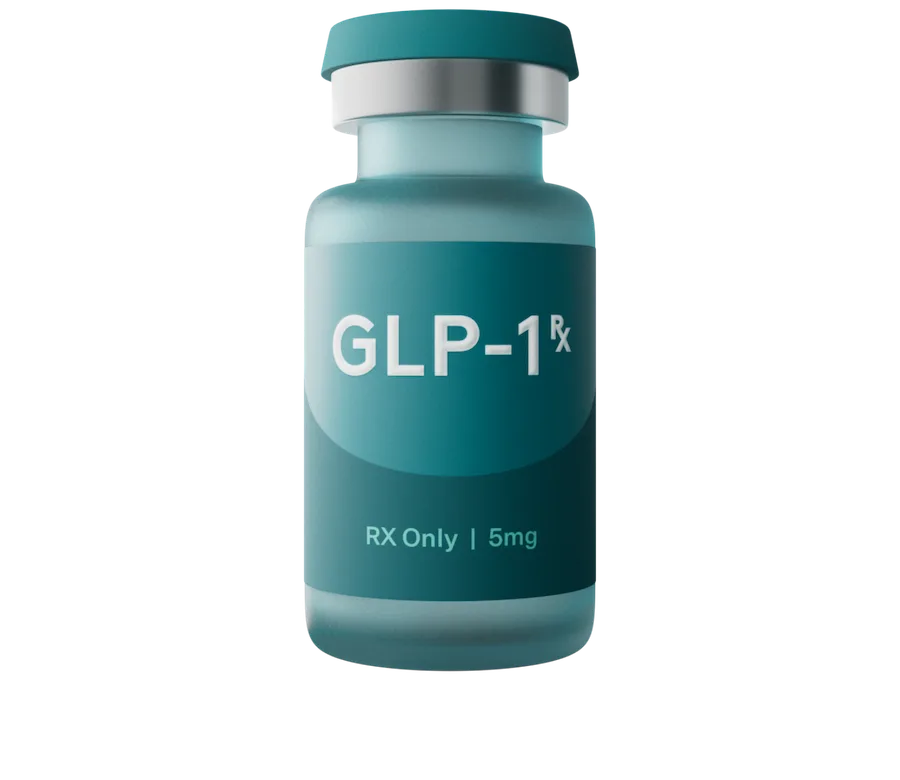
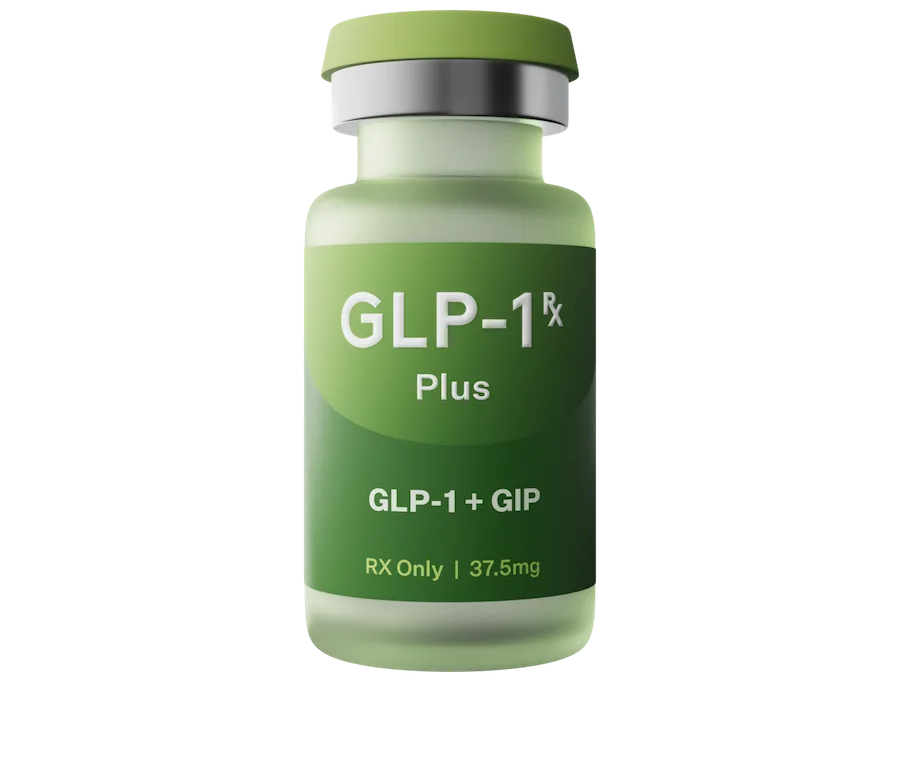
Noom GLP-1rx Plus
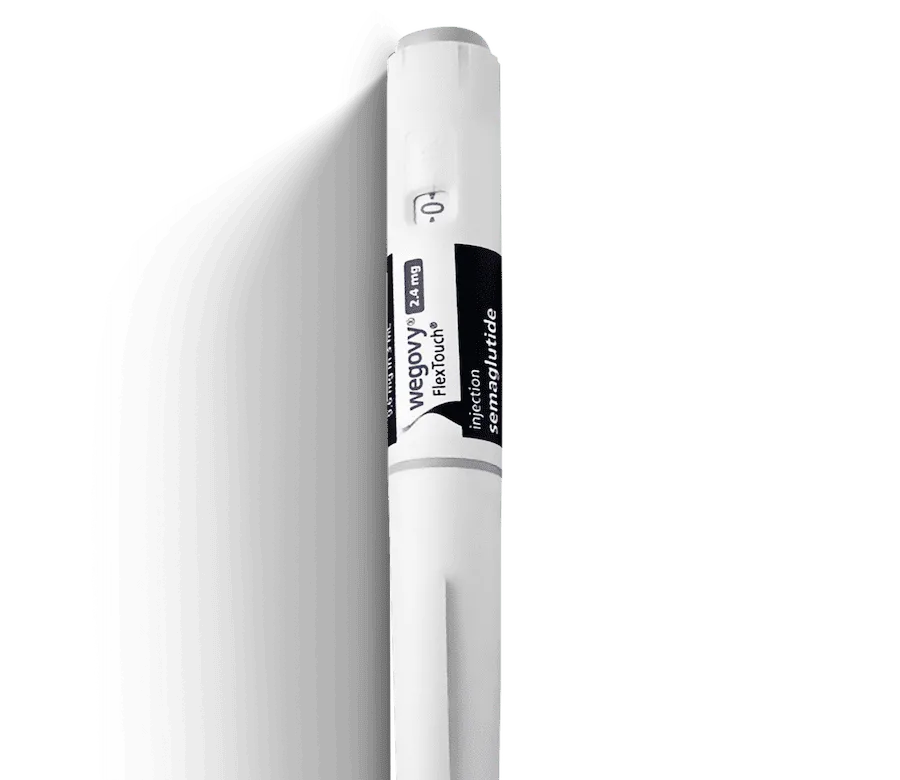
Wegovy®
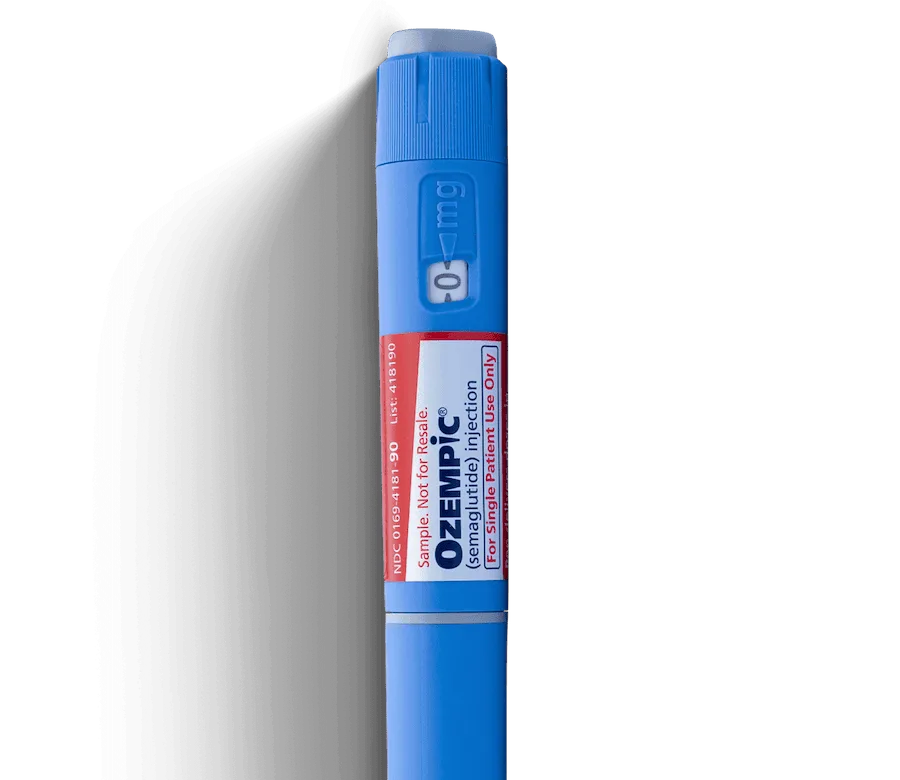
Ozempic®
Metformin
Zepbound®
Mounjaro®
Liraglutide
Satiety level: High
💡 Tip: Add a big salad or roasted vegetables to make your meal more filling without adding too many calories.
Does lobster help with nighttime cravings?
❓ Possibly. There’s no research specifically linking lobster to fewer nighttime cravings, but its protein can help keep you satisfied after dinner.
💡 Tip: Pair lobster with vegetables and a fiber-rich carbohydrate for a balanced dinner that may help prevent hunger later.
Does lobster help reduce inflammation?
❓ Possibly, but evidence is limited. Lobster contains omega-3 fatty acids, which play a role in regulating inflammation. However, there’s no evidence that eating lobster specifically reduces inflammation, and fatty fish like salmon provide considerably more omega-3s.
Is lobster beneficial for brain health?
✔️ It provides brain-supporting nutrients. Lobster contains vitamin B12, choline, and omega-3 fatty acids, which support normal brain and nerve function. That doesn’t mean eating lobster will improve memory or prevent cognitive decline, but it can contribute to a brain-healthy diet.
Can lobster improve skin and hair health?
✔️ It provides nutrients that support both. Lobster contains protein, zinc, and copper, which help maintain healthy skin, hair, and connective tissue. But eating extra lobster won’t necessarily improve your skin or hair if you’re already getting enough of these nutrients.
Can lobster help balance hormones?
⚖️ It supports normal thyroid function. Lobster provides selenium and other nutrients involved in thyroid hormone production and metabolism. But there’s no evidence that eating lobster balances hormones or improves conditions like PCOS or menopause symptoms.
💡 Tip: Hormone health depends on your overall nutrition, sleep, activity, and medical needs—not any single food.
🦞 Lobster rolls, lobster tails, and other popular ways to eat lobster
From buttery lobster rolls to cheesy lobster quesadillas, there are plenty of delicious ways to enjoy lobster. And thanks to food trucks like Cousins Maine Lobster, you don’t even need to visit a seafood restaurant to get your fix.
The good news? Lobster itself is naturally lean and high in protein. It’s usually the butter, mayo, cheese, and other extras that make the biggest difference in calories.
How many calories are in popular lobster dishes?
Calories can vary quite a bit depending on the recipe, portion size, and restaurant. Here’s a general idea of what to expect.
| Lobster dish | Estimated calories |
|---|---|
| Steamed lobster meat (4 oz) | 100 |
| Lobster tail (large, about 8 oz of meat) | 200 |
| Lobster with drawn butter (4 oz meat, 2 tbsp butter) | 300–325 |
| Lobster salad (4 oz meat, 1 tbsp mayo) | 195 |
| Lobster roll | 300–500+ |
| Lobster bisque (1 cup) | 125–350 |
| Lobster mac and cheese (1½ cups) | 480+ |
| Lobster quesadilla | Varies |
These are estimates based on typical ingredients and portions. Restaurant and homemade versions can vary.
Are lobster rolls good for weight loss?
They can be! Lobster rolls generally come in two styles:
- Maine-style lobster rolls: Chilled lobster mixed with mayonnaise, often with celery or lemon, served in a toasted bun.
- Connecticut-style lobster rolls: Warm lobster served with melted butter in a toasted bun.
Neither style is automatically healthier. A lightly dressed Maine-style roll might have fewer calories than a buttery Connecticut-style roll, but it all depends on how much mayo or butter is used.
Most lobster rolls have roughly 300 to 500 calories or more, depending on the portion and preparation.
💡 Tip: Enjoy the roll you like best, and pair it with a salad or vegetables instead of fries. You can also ask for mayo or butter on the side.
Is lobster tail healthy?
Yes! Lobster tail is one of the simplest ways to enjoy lobster’s protein without a lot of added calories. A small tail has about 56 calories, while a large tail with 8 ounces of cooked meat has about 200.
Steamed, boiled, or grilled tails are naturally lean. Broiled tails may come brushed with butter, so check how they’re prepared when ordering out.
What about lobster food trucks like Cousins Maine Lobster?
Food trucks have made lobster rolls, lobster tacos, quesadillas, and other seafood favorites easier to find. Cousins Maine Lobster is especially known for its Maine-style and Connecticut-style lobster rolls, along with other lobster dishes.
These meals can absolutely fit into a weight-loss plan. Just remember that tortillas, cheese, butter, mayo, and sides can add calories beyond the lobster itself.
💡 Tip: If you’re ordering from a food truck, choose what you really want and balance the rest of your meal around it. A lobster roll or quesadilla doesn’t have to be off-limits.
Is drawn butter healthy with lobster?
Drawn butter is melted butter, sometimes clarified to remove water and milk solids. It’s a classic lobster pairing, but the calories can add up quickly.
One tablespoon of regular melted butter has about 100 calories, while clarified butter has about 110. A generous dipping cup can easily add 200 to 400 calories or more.
💡 Tip: Pour a little butter into a small dish for dipping instead of using the whole cup. You’ll still get that buttery flavor without needing as much.
Whether you prefer a classic lobster roll, a buttery tail, or a cheesy quesadilla, lobster can fit into a weight-loss plan. The key is paying attention to portions, preparation, and what comes with it.
🍽️ Best ways to eat lobster for weight loss
- Keep it simple with steamed, boiled, or grilled lobster: These cooking methods don’t require much added fat. Try lemon, garlic, fresh herbs, or a drizzle of olive oil for flavor. A little melted butter is fine, too!
- Add lobster to your favorite meals: Toss 3 to 4 ounces of lobster into salads, grain bowls, tacos, or veggie-packed stir-fries. You’ll get plenty of protein, while vegetables and whole grains add fiber to help keep you full.
- Make lighter versions of lobster favorites: Love lobster rolls, quesadillas, or lobster mac and cheese? You don’t have to skip them. Try using less mayo, butter, or cheese, adding vegetables, or enjoying a smaller portion with a side salad.
- Be mindful of butter and sauces: One tablespoon of butter adds about 100 calories, so a generous dipping cup can add up quickly. Measure out a little for dipping rather than pouring it over everything.
🍏 Lobster vs. other seafood: How does it compare?
| Food (cooked, 145 g) | Calories | Protein | Carbs | Fat |
|---|---|---|---|---|
| Lobster | 129 | 28 g | 0 g | 1 g |
| Salmon (farmed) | 299 | 32 g | 0 g | 18 g |
| Mussels | 250 | 35 g | 11 g | 7 g |
| Clams | 215 | 37 g | 7 g | 3 g |
| Tuna (yellowfin) | 189 | 42 g | 0 g | 1 g |
| Tilapia | 186 | 38 g | 0 g | 4 g |
| Scallops | 161 | 30 g | 0 g | 1 g |
| Cod | 152 | 33 g | 0 g | 1 g |
| Shrimp | 144 | 35 g | 0 g | 0 g |
| King crab | 141 | 28 g | 0 g | 2 g |
Lobster is one of the lowest-calorie options, delivering nearly 28 grams of protein for just 129 calories. Shrimp, cod, and tuna offer even more protein for relatively few calories, while salmon provides more healthy fats, including omega-3s that support heart and brain health.
There’s no single best seafood for weight loss. Lobster is a great lean option, but mixing in fatty fish like salmon and other seafood gives you a wider variety of nutrients.

The Easy Way
to lose weight and get healthy.
Frequently asked questions about lobster and weight loss
How many calories are in lobster?
One cup of cooked lobster meat (145 grams) has about 129 calories and 28 grams of protein. A small lobster tail has about 56 calories, while a large tail with 8 ounces of meat has about 200. Butter, sauces, and other additions increase the total.
Is lobster good for you?
Yes! Lobster is high in protein, low in fat, and rich in nutrients like vitamin B12, selenium, copper, and zinc. It also contains cholesterol and sodium, so preparation and your overall eating pattern matter.
Is lobster tail good for weight loss?
Yes. Lobster tail is a lean, high-protein option that can help you feel full without a lot of calories. Steaming, boiling, or grilling keeps added fat to a minimum, while butter and creamy sauces increase the calorie count.
Is lobster better than shrimp for weight loss?
Both are great options. One cup (145 grams) of cooked lobster has about 129 calories and 28 grams of protein, compared with 144 calories and 35 grams of protein in shrimp. Shrimp offers more protein, while lobster has slightly fewer calories. Either can fit into a weight-loss plan.
How much lobster is a healthy serving?
About 3 to 5 ounces of cooked lobster meat is a reasonable serving, providing roughly 16 to 27 grams of protein. Pair it with vegetables and a fiber-rich carbohydrate for a balanced meal.
How many calories are in a lobster roll?
A typical lobster roll can have about 300 to 500 calories or more, depending on the amount of lobster, mayo, butter, and the size of the bun. Both Maine-style and Connecticut-style rolls can fit into a weight-loss plan.
Is lobster with drawn butter bad for weight loss?
Not at all! Lobster is naturally low in calories, but drawn butter adds about 100 to 110 calories per tablespoon. Enjoying a little butter for dipping can be part of a balanced meal—just keep an eye on how much you’re using.
🧠 The bottom line: Lobster is a good choice for weight loss
Lobster is a great option if you’re looking for a lean, satisfying source of protein. With just 129 calories and 28 grams of protein per cup, it can help you feel full while supporting your weight-loss goals. Plus, it provides important nutrients like vitamin B12, selenium, copper, and zinc.
Whether you love steamed lobster, buttery lobster tails, or a classic lobster roll, there’s room for your favorites in a balanced diet. The biggest difference often comes down to preparation and portions, especially when butter, mayo, and creamy sauces are involved.
Ultimately, no single food determines weight loss. Lobster can be one delicious part of an eating pattern that includes plenty of protein, fiber-rich foods, and meals you genuinely enjoy.
📖 Scientific evidence
- Eating lean seafood may support weight loss. (International Journal of Obesity, 2007) In an 8-week study, men with overweight who included fish or fish oil in a reduced-calorie diet lost about 2 pounds more after 4 weeks than those who didn’t. While the study used cod rather than lobster, both are lean sources of protein. More research is needed to determine whether lobster offers similar benefits.
- Eating more seafood may help with weight management. (Nutrition Research Reviews, 2019) A review of studies found that eating lean seafood instead of meat was associated with consuming 4% to 9% fewer calories. Researchers also found that including seafood in a reduced-calorie diet may support greater weight loss. While the findings are promising, more research is needed to understand whether lobster offers similar benefits.
- Eating shellfish may have a small effect on cholesterol. (Metabolism, 1982) In a small study of six healthy men, researchers found that eating a diet containing lobster, shrimp, and crab slightly increased blood cholesterol levels, while triglycerides remained unchanged. Because the study included several types of shellfish and very few participants, it’s unclear whether lobster alone would have the same effect.
- Lobster shells contain antioxidants that may be useful in cooking. (Processes, 2025) Researchers found that lobster shells contain antioxidants, including astaxanthin, the pigment that gives cooked lobster its red color. That’s especially interesting because lobster shells are often used to make stocks, soups, and bisques. Some of these compounds may transfer during cooking, but the study didn’t test finished dishes or whether eating them provides health benefits.
Editorial standards
At Noom, we’re committed to providing health information that’s grounded in reliable science and expert review. Our content is created with the support of qualified professionals and based on well-established research from trusted medical and scientific organizations. Learn more about the experts behind our content on our Health Expert Team page.