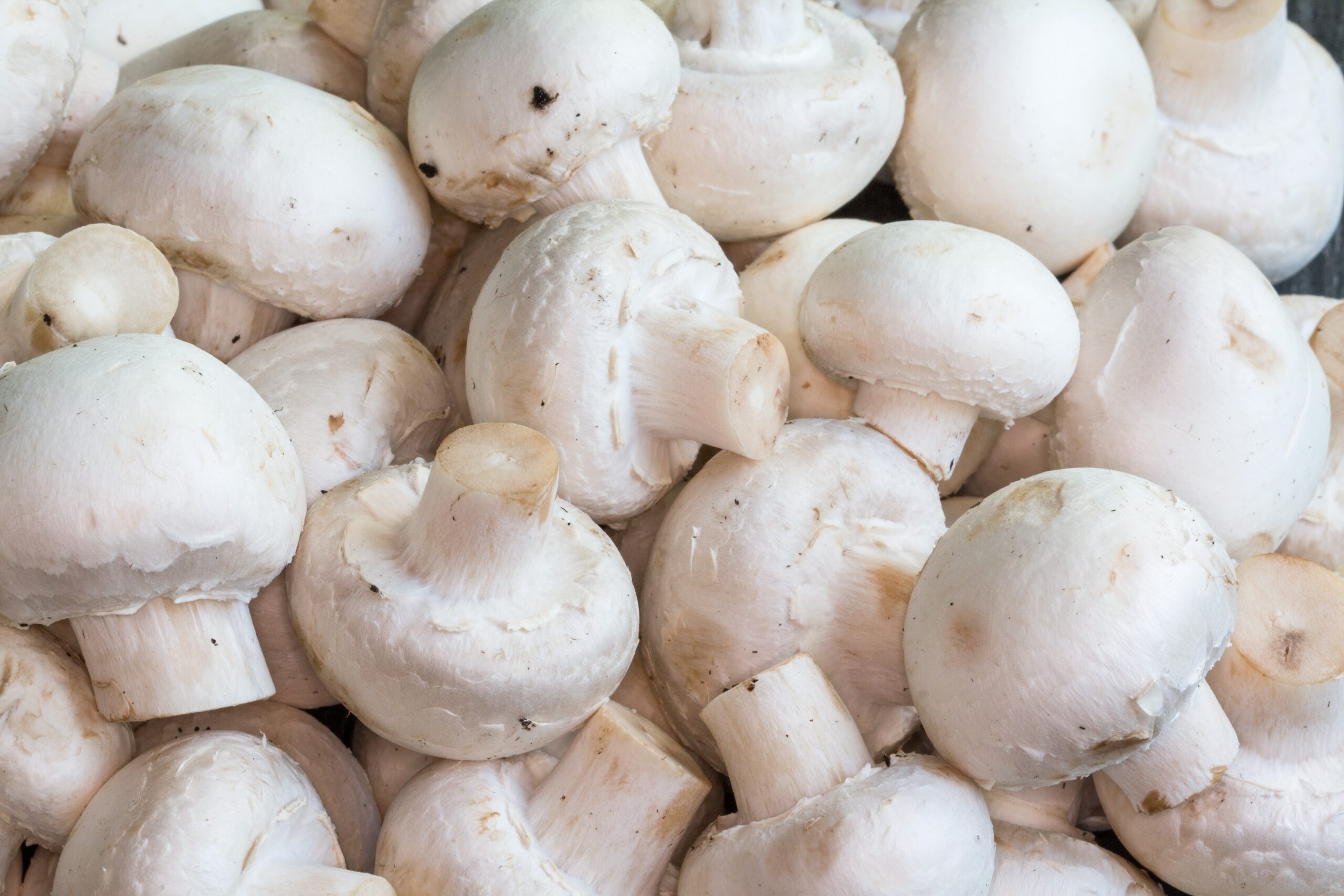
Deliciously versatile and packed with nutrients, mushrooms are perfect for people who want to lose weight. Why? A ½ cup of cooked mushrooms has only 17 calories and adds plenty of volume to your plate (and your stomach). Their savory, umami flavor also makes them a great stand-in for higher-calorie ingredients like meat or cheese in certain dishes.
They’re also rich in B-vitamins, potassium, and antioxidants that support energy, metabolism, and overall health—making them an easy win for anyone trying to eat more nutrient-dense foods. And because mushrooms pair well with almost everything, they slide effortlessly into your routine without feeling like “diet food.”
Rx weight loss, the right way, with Noom
Get access to prescription weight loss medication with Noom.Microdose GLP-1s
Wegovy®
Ozempic®

Metformin
Zepbound®
Mounjaro®
Liraglutide
Let’s explore exactly how mushrooms can support weight loss, the science behind their appetite-friendly properties, and simple ways to add more of them to your meals. Ready to make room for this healthy ingredient in your kitchen? Let’s dig in.
Quick answer
Yes—mushrooms can be a great addition to a weight-loss plan. They’re naturally low in calories and high in water, which means you get a lot of volume for very little energy. That meaty, savory texture also makes them an easy swap for higher-calorie ingredients, helping you feel satisfied without feeling weighed down.
Weight‑loss benefits
- They’re very low in calories: Mushrooms are genuinely one of the lowest-calorie foods you can put on your plate. That means you can enjoy a big, satisfying serving without blowing through your calorie budget. This high volume-to-calorie ratio is a major win for sustainable weight loss—helping you feel fuller, not restricted.
- They’re a great meat substitute: With their rich umami flavor and naturally “meaty” bite, mushrooms make it easy to lighten up a meal without losing the comfort factor. Swapping part of the meat in dishes like tacos, burgers, or pasta sauce for chopped mushrooms can significantly cut calories and fat—while still hitting that savory craving.
- They help you feel more satisfied: Mushrooms bring together fiber, water, and serious umami—three things that help your brain register fullness. Research even shows that starting a meal with mushrooms can lead to eating fewer calories later on. That extra staying power makes a big difference when you’re trying to curb hunger and avoid overeating.
Things to be mindful of
- They’re low in protein: Mushrooms do have a little protein, but not nearly as much as foods like chicken, eggs, tofu, or beans. Since protein is key for maintaining muscle during weight loss and keeping you fuller for longer, mushrooms work best when you pair them with a solid protein source. Think: mushrooms + eggs, mushrooms + chicken, mushrooms + tofu—easy wins.
- They can bother sensitive stomachs: Some people find mushrooms a bit tough to digest because they contain chitin (a type of fiber) and polyols, which fall under the FODMAP umbrella. If you have IBS or a sensitive gut, that combo can lead to gas or bloating. Starting with a small portion can help you figure out how your body handles them.
- How you cook them really matters: Mushrooms are naturally low in calories, but the cooking method can change that fast. sautéing them in lots of butter, oil, or creamy sauces can turn a light ingredient into a calorie-heavy one. For weight loss, you’ll get the most benefit from grilling, roasting, air-frying, or sautéing with just a little oil. You still get that deep, savory flavor, just without the extra calories weighing things down.
Nutrients in mushrooms (per 1/2 cup cooked, ~78g)
| Nutrient | Amount | % RDA* |
|---|---|---|
| Calories | 17 calories | 1% |
| Protein | 2.4 g | 5% |
| Total carbs | 2.6 g | 1% |
| Fiber | 0.8 g | 3% |
| Sugars | 1.6 g | — |
| Total fat | 0.2 g | <1% |
| – Saturated fat | 0.04 g | <1% |
| – Monounsaturated fat | 0 g | — |
| – Polyunsaturated fat | 0.12 g | — |
| Omega-3 | 0.01 g | — |
| Omega-6 | 0.12 g | — |
This breakdown shows exactly why mushrooms earn a spot in a weight-loss plan. A half-cup serving has just 17 calories—barely a blip in your daily total—but still adds volume, flavor, and that savory “something” that makes meals feel more satisfying. That incredibly low calorie density helps you stretch your portions, feel fuller, and stick to your goals without feeling restricted.
Most of their calories come from carbs, and that small amount of fiber supports digestion and steady fullness. The 2.4 grams of protein aren’t enough to make mushrooms a protein source on their own, but they pair beautifully with higher-protein foods—especially in plant-forward meals. And with virtually no fat, you get all that deep umami flavor for almost no caloric cost.
Mushrooms bring big flavor and useful nutrients for very few calories, making them an easy, satisfying add-in for anyone managing their weight or trying to build more nutrient-dense meals.
*Recommended dietary allowance (RDA) is defined as the average daily amount of nutrients needed to meet the requirements of nearly all healthy people in a specific group.
Vitamins & minerals in mushrooms (per 1/2 cup cooked, ~78g)
| Vitamin/Mineral | Amount | % RDA* |
|---|---|---|
| Copper | 0.25 mg | 28% |
| Riboflavin (B2) | 0.31 mg | 24% |
| Pantothenic Acid (B5) | 1.2 mg | 24% |
| Niacin (B3) | 2.8 mg | 18% |
| Selenium | 7.3 μg | 13% |
| Potassium | 248 mg | 5% |
| Phosphorus | 67 mg | 5% |
| Thiamin (B1) | 0.06 mg | 5% |
| Vitamin B6 | 0.09 mg | 5% |
| Zinc | 0.41 mg | 4% |
| Folate (B9) | 13 μg | 3% |
| Choline | 13.5 mg | 2% |
| Iron | 0.4 mg | 2% |
| Magnesium | 7 mg | 2% |
| Manganese | 0.04 mg | 2% |
| Vitamin C | 1.6 mg | 2% |
| Vitamin D | 0.16 μg | 1% |
Mushrooms may look simple, but they have lot of nutrients. They pack an impressive lineup of B vitamins, like riboflavin (B2), pantothenic acid (B5), and niacin (B3), all of which help your body turn food into energy more efficiently. That’s a big plus when you’re focused on weight loss and want steady, reliable fuel throughout the day.
They’re also sneakily rich in minerals. Copper stands out the most, giving you over a quarter of your daily needs in just a half-cup serving. Copper helps your body use iron and supports red blood cell production. Mushrooms are also one of the best food sources of selenium, a powerful antioxidant that helps protect cells from everyday stress.
And here’s a fun bonus: Mushrooms are one of the only non-animal foods that can provide vitamin D. When they’re exposed to UV light, they naturally produce vitamin D2—the same way sunlight helps your skin make vitamin D. So choosing UV-treated mushrooms can give your meals a little “sunshine vitamin” boost.
All together, it’s a lot of nutritional bang for very few calories—another reason they fit so well into a balanced, weight-loss-friendly eating pattern.
Nutrient breakdown
Glycemic index (GI) of mushrooms
Glycemic index: 15 (Low)
💡 Tip: Low-GI foods like mushrooms release sugar into the bloodstream slowly, helping to prevent energy spikes and crashes, which can be beneficial for managing hunger and weight.
Are mushrooms high in protein?
❌ No – Mushrooms contain a modest 2.4 g of protein per 1/2 cup cooked. While this contributes to your daily intake, it is not considered a high-protein food. To build a balanced, muscle-sparing meal, it’s essential to pair mushrooms with more substantial protein sources.
Better protein alternatives: Grilled chicken breast | Lentils | Tofu
Are mushrooms high in fiber?
❌ No – Mushrooms provide 0.8 g of fiber per 1/2 cup cooked, which is not a high amount compared to other vegetables or legumes. However, this fiber, which includes beta-glucans and chitin, still contributes to digestive health and feelings of fullness.
💡 Tip: Aim to include a variety of fiber sources in your diet to support gut health and satiety. To boost fiber intake, combine mushrooms with other vegetables like broccoli or spinach.
Are mushrooms low in carbs?
✔️ Yes – With only 2.6 g of total carbs per 1/2 cup cooked, mushrooms are an excellent low-carbohydrate food. This makes them highly compatible with low-carb and ketogenic diets. Their minimal impact on blood sugar levels further supports weight management goals.
💡 Tip: Try using large portobello caps as a low-carb “pizza crust” or layering thin slices of mushrooms into dishes as a noodle swap. They add volume, texture, and umami—no pasta required.
Are mushrooms gluten-free?
✔️ Yes – Mushrooms are naturally gluten-free. They are a safe and nutritious option for people with celiac disease or gluten sensitivity. However, always be mindful of cross-contamination or added ingredients when consuming pre-prepared mushroom dishes.
Are mushrooms good for fat loss?
✔️ Yes – Due to their extremely low-calorie and low-fat profile, mushrooms are a helpful food for fat loss. They allow you to add bulk and flavor to meals, promoting satiety without contributing significantly to your daily calorie intake. This makes it easier to maintain the necessary calorie deficit for fat burning.
💡 Tip: Replacing a portion of ground meat with finely chopped mushrooms in recipes like burgers or bolognese can significantly reduce the overall calorie and fat content.
Diet compatibility: Which diets include mushrooms?
| Diet | ✅ Yes / ❌ No | Why |
|---|---|---|
| Keto | ✅ | Mushrooms are very low in net carbohydrates, making them an excellent choice to add volume, flavor, and nutrients to a ketogenic diet.. |
| Paleo | ✅ | As a natural, unprocessed food, mushrooms are perfectly aligned with the principles of the Paleo diet. |
| Mediterranean | ✅ | Mushrooms are a staple in Mediterranean cuisine, valued for their flavor and nutritional benefits. |
| Vegan | ✅ | Mushrooms are a fungus, not an animal product, making them 100% suitable for vegan and vegetarian diets. |
| Gluten‑free | ✅ | Mushrooms are naturally free of gluten, making them a safe and versatile ingredient for anyone following a gluten-free diet. |
Mushrooms are one of those rare foods that play nicely with almost every eating style. Their super-low carb count makes them a staple for Keto—where every gram matters—and their whole-food, unprocessed nature fits right in with both Paleo and Mediterranean approaches.
They’re also a plant-based cook’s dream. That deep umami flavor and firm, “meaty” texture let mushrooms step in for animal protein in vegan and vegetarian dishes, adding richness and substance without relying on meat. And because they’re naturally gluten-free, they’re an easy, stress-free choice for anyone with celiac disease or gluten sensitivity.
Put it all together and you’ve got a food that’s flexible, nutrient-dense, and genuinely useful across nearly every dietary pattern. Mushrooms are basically the ultimate team player on any healthy eating plan.
Are mushrooms healthy? What are the health benefits
Metabolic health: Are mushrooms good for your metabolism?
- ✔️ Boosts metabolism? Yes. Mushrooms are loaded with B vitamins—especially riboflavin, niacin, and pantothenic acid—that help your body turn carbs, protein, and fat into usable energy. When those pathways run efficiently, your metabolism runs more smoothly, too.
- ✔️ Improves insulin sensitivity? Yes. Mushrooms contain compounds like beta-glucans that have been studied for their potential to support better glucose control. By helping keep blood sugar steadier, mushrooms may reduce the risk of insulin resistance—good news for both weight management and overall metabolic health.
- ✔️ Effect on fat storage? Helps prevent it. Because mushrooms support satiety and steadier blood sugar, they can indirectly help you avoid the spikes and dips that encourage fat storage. Early research also hints that some of their bioactive compounds may play a role in healthier fat metabolism. And since they’re extremely low in calories, they don’t add excess energy your body might store as fat.
💡 Tip: Pair mushrooms with a lean protein, like chicken, eggs, tofu, or fish, to take advantage of the thermic effect of food and give your metabolism an extra nudge.
Cholesterol impact: Do mushrooms affect cholesterol levels?
- ✔️ Lower LDL (“bad”) cholesterol? Yes. Mushrooms contain beta-glucans—a form of soluble fiber that helps lower LDL cholesterol. In your digestive tract, beta-glucans create a gel-like substance that can bind to cholesterol and carry it out of the body. Oyster mushrooms even contain natural compounds similar to lovastatin, which may help reduce the body’s own cholesterol production.
- ❔ Raise HDL (“good”) cholesterol? Evidence is limited. There isn’t strong research showing mushrooms significantly raise HDL levels. Their heart-health benefits are mostly tied to lowering LDL and providing antioxidants that help reduce inflammation. More studies are needed to know how much they influence HDL specifically.
- ❤️ Overall impact on heart health. With their LDL-lowering effects, helpful minerals like potassium, and a solid dose of antioxidants, mushrooms fit seamlessly into a heart-healthy eating pattern. They’re naturally low in fat, sodium, and calories—making them an easy ingredient to use regularly if you’re supporting cardiovascular health.
💡 Tip: Sauté mushrooms in a little olive oil for a double dose of heart-healthy goodness (and amazing flavor).
Can I eat mushrooms for a calorie deficit?
✔️ Yes – Mushrooms are an ideal food for a calorie deficit. Their very low calorie density allows you to eat a large, satisfying volume of food for very few calories. This helps manage hunger and prevent feelings of deprivation, which are common challenges when reducing calorie intake.
💡 Tip: Use a half-cup of cooked mushrooms to bulk up omelets, soups, or stir-fries, adding nutrients and volume for only about 17 calories.
Are mushrooms rich in antioxidants?
✔️ Yes – Mushrooms are a unique source of two powerful antioxidants: ergothioneine and glutathione. Ergothioneine, in particular, is found in very few other foods and is believed to have a specific role in protecting cells from oxidative damage. These antioxidants help combat free radicals, reducing cellular stress and inflammation.
💡 Tip: Pair mushrooms with other antioxidant-rich foods like spinach, bell peppers, and tomatoes to create a meal that offers a broad spectrum of protective compounds.
Do mushrooms support gut health?
✔️ Yes – The fibers in mushrooms, such as chitin and beta-glucans, act as prebiotics. These compounds are not digested by the body but serve as food for beneficial bacteria in your gut. A healthy gut microbiome is linked to improved immunity, better digestion, and even mental well-being.
Do mushrooms support digestion?
✔️ Yes – The dietary fiber and high water content in mushrooms can help promote regular bowel movements and prevent constipation. By adding bulk to stool, they support the overall health of the digestive system.
⚠️ Sensitive tummy? – For some, especially those with IBS, mushrooms can be problematic. They contain polyols (a type of FODMAP), which can ferment in the gut and cause gas, bloating, and discomfort. If you have a sensitive stomach, introduce them slowly and in small amounts.
💡 Tip: Cooking mushrooms thoroughly can help break down some of the tough fibers, making them easier to digest.
Do mushrooms help you feel satiated and less hungry?
✔️ Yes – The combination of fiber, water, and a savory umami flavor makes mushrooms highly satiating. Studies have shown that including mushrooms in a meal can lead to greater feelings of fullness and reduced hunger compared to meals without them.
Satiety Level: Moderate to High
💡 Tip: Start your meal with a mushroom-based soup to increase satiety and help you eat less during the main course.
Do mushrooms help with nighttime cravings?
✔️ Yes – A balanced, satiating dinner that includes mushrooms can help prevent nighttime cravings. By promoting fullness and providing stable energy release, they can reduce the urge to snack on high-calorie foods before bed.
Do mushrooms help reduce inflammation?
✔️ Yes – The powerful antioxidants and other bioactive compounds in mushrooms have anti-inflammatory properties. Chronic inflammation is linked to numerous diseases, and a diet rich in anti-inflammatory foods like mushrooms can help mitigate this risk.
Are mushrooms beneficial for brain health?
✔️ Yes – The antioxidant ergothioneine has been linked to cognitive health, and some studies suggest it may help protect against neurodegenerative diseases. Certain mushroom varieties, like Lion’s Mane, are specifically studied for their potential to support nerve growth and brain function.
Can mushrooms improve skin and hair health?
✔️ Yes – Mushrooms provide B vitamins, selenium, and copper, all of which are important for healthy skin and hair. B vitamins aid in cell turnover, while selenium and copper act as antioxidants and are involved in maintaining skin’s structural integrity.
Can mushrooms help balance hormones?
Possibly – Some research suggests that compounds in white button mushrooms may have anti-aromatase effects, which could play a role in regulating estrogen levels. However, this area of research is still emerging, and more studies are needed to confirm these effects in humans.
Best ways to eat mushrooms for weight loss
- ✅ Grilled or roasted. Grilling or roasting mushrooms with just a splash of oil brings out their rich, earthy flavor without piling on calories. The heat concentrates their umami, making them delicious as a side or even the star of the plate. Herbs like thyme, rosemary, or garlic powder take them to the next level.
- ✅ Sautéed with water or broth. If you want to keep things extra light, try “water-sautéing.” Just cook the mushrooms in a little water or vegetable broth instead of oil or butter. They soften beautifully, stay low in calories, and work perfectly in omelets, stir-fries, sauces, or bowls.
- ❌ Avoid frying or heavy sauces. Deep-frying mushrooms or drenching them in creamy, buttery, or cheesy sauces can erase their weight-loss advantages fast. Those methods add lots of calories and saturated fat. To keep mushrooms working for your goals, stick to cooking methods that highlight their flavor without overpowering them.
Best alternatives & comparisons (per 1/2 cup cooked)
| Food | Calories | Carbs | Fiber | Protein | Fat |
|---|---|---|---|---|---|
| Mushrooms | 17 | 2.6 g | 0.8 g | 2.4 g | 0.2 g |
| Zucchini | 14 | 2.5 g | 0.8 g | 1 g | 0.2 g |
| Eggplant | 20 | 4.6 g | 2.3 g | 0.8 g | 0.2 g |
| Cauliflower | 20 | 4 g | 1.6 g | 1.5 g | 0.2 g |
| Tofu (Firm) | 113 | 2.2 g | 1.8 g | 12.3 g | 6.8 g |
| Lentils (Cooked) | 90 | 15.6 g | 6.1 g | 7 g | 0.3 g |
This comparison really shows how mushrooms shine. They land right alongside other non-starchy veggies like zucchini, eggplant, and cauliflower—foods that give you tons of volume for barely any calories. If you like switching things up, these veggies all offer a similar low-calorie “bulk” that helps meals feel hearty without tipping you over your calorie goals.
When you look at plant-based proteins like tofu or lentils, the picture changes. They’re much higher in calories because they’re doing a different job: supplying protein. Mushrooms aren’t meant to replace those foods—they’re meant to complement them. The best approach for weight loss is pairing low-calorie veggies (like mushrooms or cauliflower) with just enough protein from tofu, lentils, chicken, eggs, or fish to keep meals filling and balanced.
Together, they create the sweet spot: plenty of volume, great nutrition, and the staying power you need to feel satisfied.
Frequently asked questions about mushrooms and weight loss
Can I eat mushrooms every day for weight loss?
Yes. Mushrooms are low in calories, nutrient-dense, and easy to add to everyday meals. Eating them daily is perfectly fine as long as you pair them with enough protein and mix in other veggies for a broader nutrient range. If you have IBS or a sensitive stomach, start with smaller portions and see how you feel.
Are raw mushrooms or cooked mushrooms better for weight loss?
Cooked. Cooking breaks down tough cell walls, making mushrooms easier to digest and their nutrients easier to absorb. It also brings out more flavor and neutralizes certain compounds that can be irritating when eaten raw. Just keep your cooking method light—avoid heavy oils, butter, or creamy sauces.
Do mushrooms help burn belly fat?
Not directly. No food targets belly fat on its own. But mushrooms can support overall fat loss because they’re low in calories and help you feel full, which makes it easier to maintain a calorie deficit. Pair them with balanced meals and regular movement for the best results.
How many mushrooms should I eat per day for weight loss?
There’s no strict rule, but ½–1 cup cooked per meal is a solid guideline for most people. You can enjoy them in multiple meals throughout the day—just pay attention to how your stomach feels if you’re sensitive to FODMAPs or higher-fiber foods.
Can mushrooms replace meat in my diet for weight loss?
Partially. Mushrooms do a great job mimicking the texture and flavor of meat in mixed dishes like tacos, pasta sauces, burgers, and stir-fries. But they’re low in protein, so you’ll still need another protein source—like tofu, lentils, fish, chicken, or eggs—to keep your meals filling and support muscle during weight loss.
Are portobello mushrooms better than white mushrooms for weight loss?
Both are excellent choices. Portobellos are just mature cremini mushrooms, so the nutrition is almost identical. Portobellos have a denser, meatier texture, which makes them perfect for “burgers” or as a base for meals, but the weight-loss benefits are the same. Choose whichever fits your recipe.
Will eating mushrooms at night cause weight gain?
No. Eating mushrooms at night won’t cause weight gain. What matters is your overall calorie intake—not the time of day you eat. In fact, mushrooms can be great in evening meals because they’re filling, satisfying, and less likely to trigger late-night snacking.
Reviews from real Noom users
Desirea N. — Real Noom user
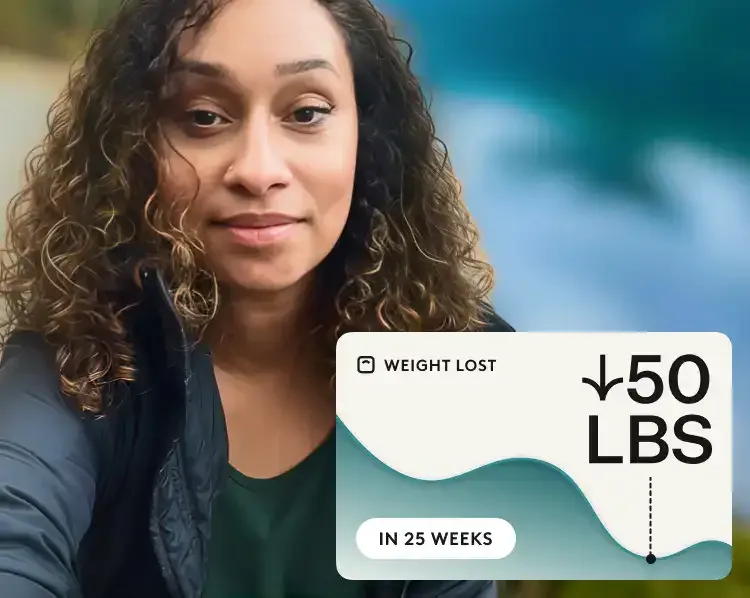
“My favorite parts of Noom are the care team and other Noomers. Sharing and getting help made me feel like I wasn’t doing it alone. That support made all the difference.”
Desirea N. — Real Noom user
Matthew M. — Real Noom user
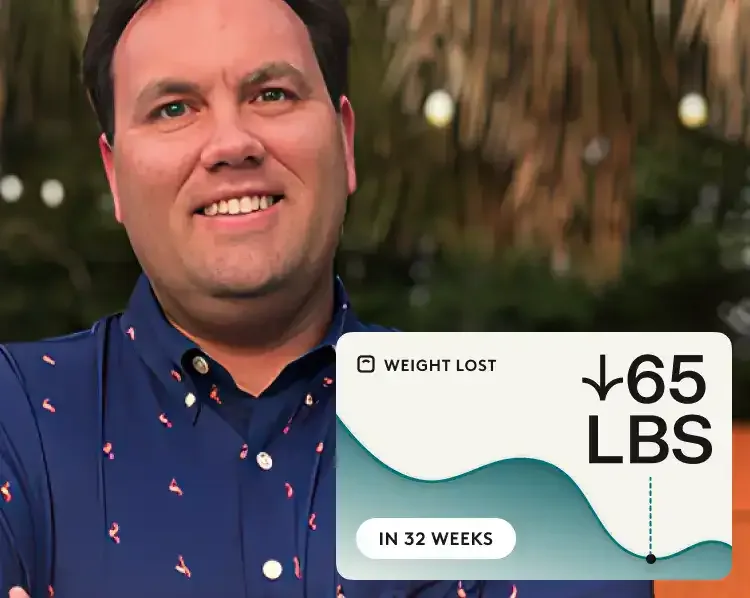
“Noom has taught me that every day is a new chance to make better, healthier choices. It's taught me how to stop overeating.’’
Matthew M. — Real Noom user
Lila M. — Real Noom user
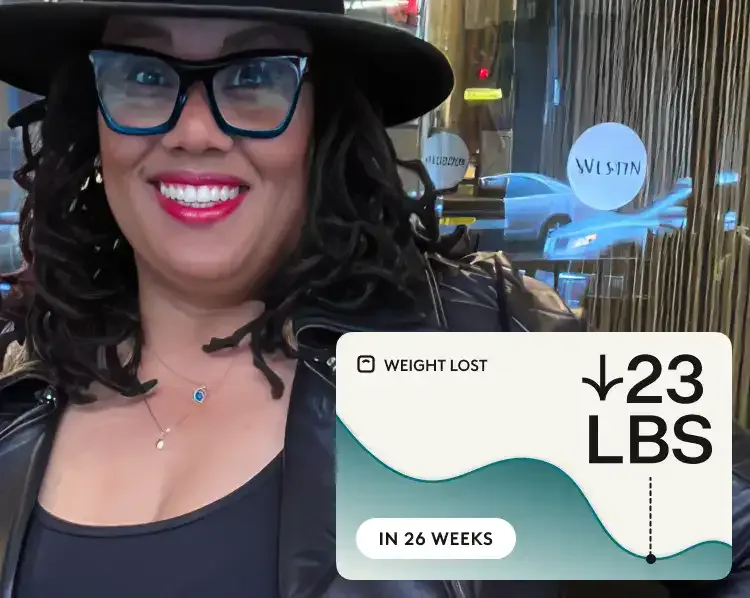
“Clinicians who understand how supportive medication can be is one of the best parts of Noom! I was convinced I wouldn’t have success but I’m down 11 pounds in two months.’’
Lila M. — Real Noom user
Steve M. — Real Noom user
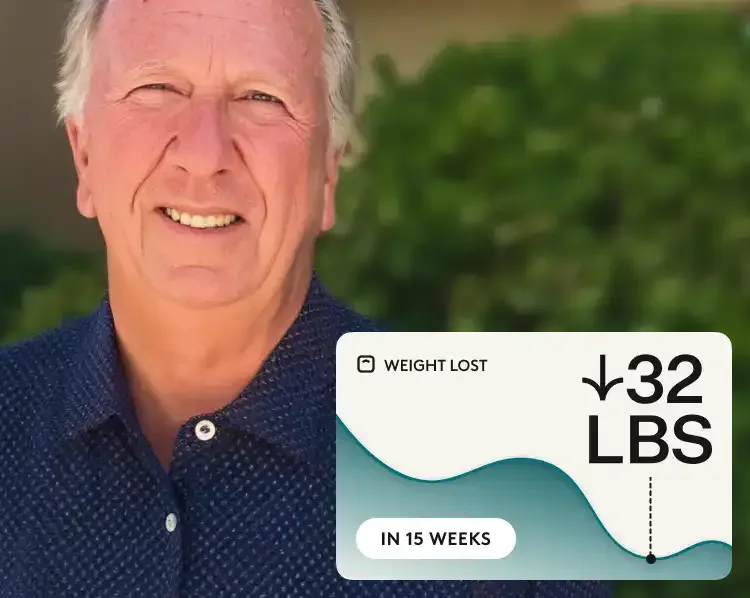
“Noom provided me with the medication which I could not get through Medicare. I have learned the tricks to better eating and life in general.”
Steve M. – Real Noom user
Daisy R. — Real Noom user
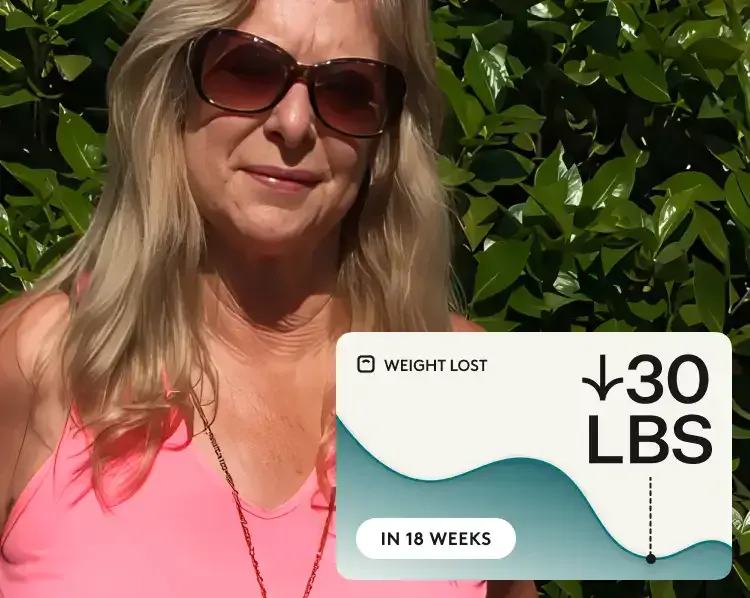
‘’Noom has changed my life and I’m so thankful, I feel great, have more energy and am no longer prediabetic.”
Daisy R. – Real Noom user
Sarah R. — Real Noom user
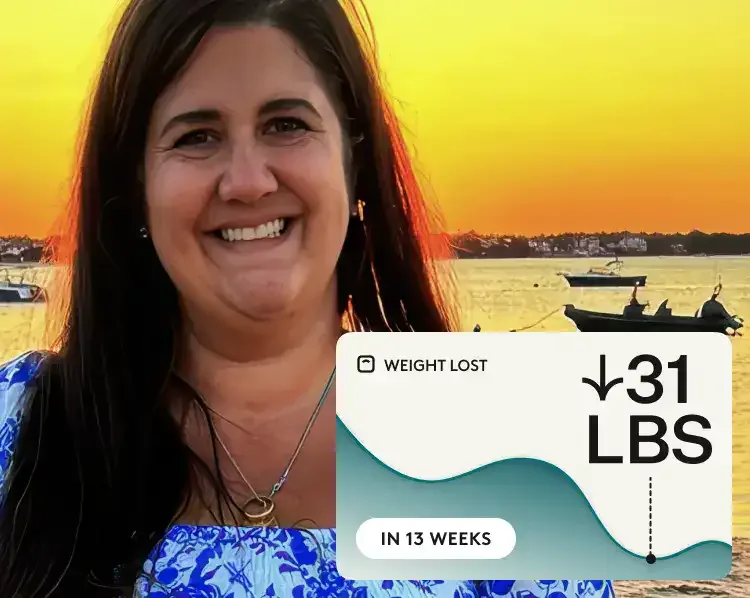
“All of the Noom providers that I’ve met with have been exceptional and prescribed medications that are appropriate for my situation and health.”
Sarah R. – Real Noom user
Madison S. — Real Noom user

“Noom made the process so simple and now I feel full, free from diet obsession, and at ease in my body again.”
Madison S. – Real Noom user
Sonday K. — Real Noom user
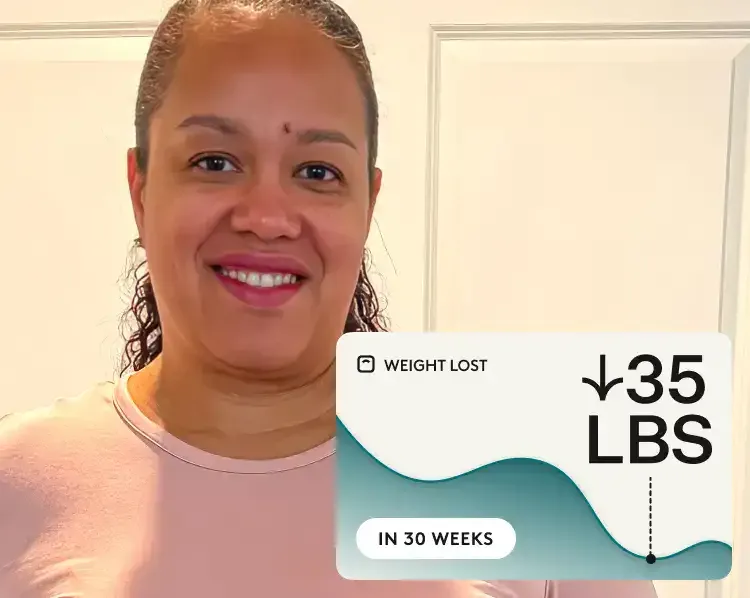
“My doctor recommended Noom after I was frustrated trying to lose weight. The lessons helped change my relationship with food. My body feels lighter & energized.”
Sonday K. – Real Noom user
Cam K. — Real Noom user
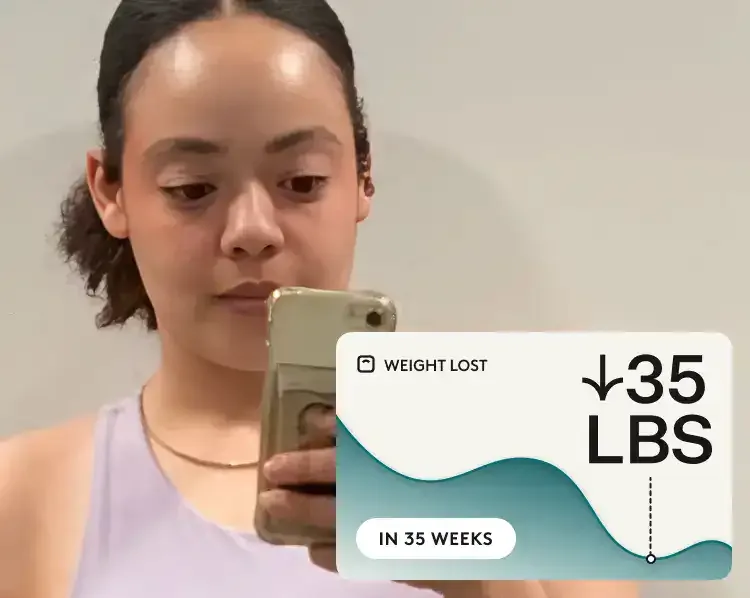
“I built healthy habits with coaching and lessons that make me confident I can maintain my weight loss long term.”
Cam K. – Real Noom user
Laura TR. — Real Noom user
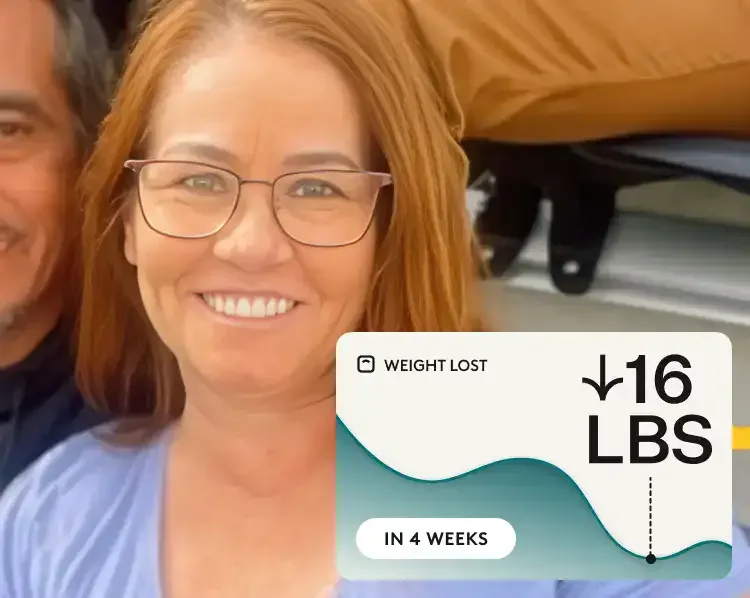
“With the right medication through Noom, hunger and sugar cravings finally quieted and I have the tools to break the cycle.”
Laura TR. – Real Noom user
Jessica S. — Real Noom user
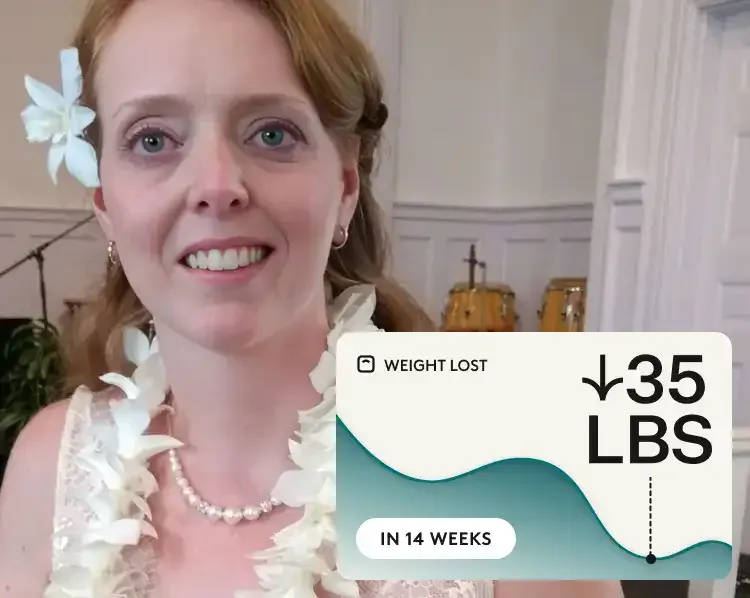
“Cravings and food noise are gone, I finally feel confident in the healthy habits I’ve built to last with Noom.”
Jessica S. – Real Noom user
The bottom line: Mushrooms are delicious addition to a weight loss plan
Mushrooms are one of those foods that make healthy eating feel easier—not stricter. They’re naturally low in calories, almost completely fat-free, and low in carbs, yet still packed with B vitamins, minerals, and antioxidants your body actually needs during weight loss. Their ability to add volume, flavor, and that deep umami “satisfaction factor” to meals makes it easier to stay in a calorie deficit without feeling hungry all the time.
The benefits go beyond fullness, too. Their B-vitamin content supports steady energy and metabolism, and their unique fibers may help support healthier cholesterol levels. Plus, they fit effortlessly into nearly every eating style—Keto, Mediterranean, plant-based, Paleo, gluten-free, you name it. Whether you’re using them to replace some of the meat in a dish or to bulk up soups, stir-fries, and bowls, mushrooms bring a lot of value for very few calories.
When you prepare them with light, healthy cooking methods, mushrooms become a simple, delicious tool to help you hit your goals without sacrificing flavor. They’re a great reminder that weight-loss food doesn’t have to be boring—it can be savory, satisfying, and totally enjoyable.
Scientific evidence
- Mushrooms are associated with a lower risk of cancer (Advances in Nutrition, 2021). This large review found that people who included more mushrooms in their diets had a lower risk of developing cancer. Researchers believe the credit goes to mushrooms’ powerful antioxidants and other protective compounds that help support long-term health.
- Mushrooms support better metabolic & heart health (Nutrients, 2023): This review found that eating more mushrooms was linked to lower triglycerides and reduced levels of hs-CRP (a marker of inflammation), though effects on cholesterol, blood pressure, glucose control, and disease risk were mostly neutral or inconsistent.
- The dietary fiber in mushrooms supports a healthier gut, metabolism, and immune system (Journal of Fungi, 2023). This in-depth review shows that the unique fibers in mushrooms—especially chitin and beta-glucans—work as potent prebiotics. They help nourish beneficial gut bacteria, increase the production of short-chain fatty acids (SCFAs), and in turn support digestion, metabolic balance, and a strong, well-regulated immune system.
- Eating more mushrooms may help with better blood sugar control and metabolic health (Frontiers in Nutrition, 2022): This review found that certain natural compounds in mushrooms may help lower blood sugar, improve how your body responds to insulin, calm inflammation, and support a healthier gut. Together, these effects suggest mushrooms could play a helpful role in supporting metabolic health and reducing the risk of diabetes.
- Mushrooms as a source of vitamin D (Nutrients, 2018): This review found that certain mushroom varieties—especially when exposed to UV light—can provide meaningful amounts of vitamin D₂, making mushrooms one of the few non-animal dietary sources of vitamin D.
Editorial standards
At Noom, we’re committed to providing health information that’s grounded in reliable science and expert review. Our content is created with the support of qualified professionals and based on well-established research from trusted medical and scientific organizations. Learn more about the experts behind our content on our Health Expert Team page.