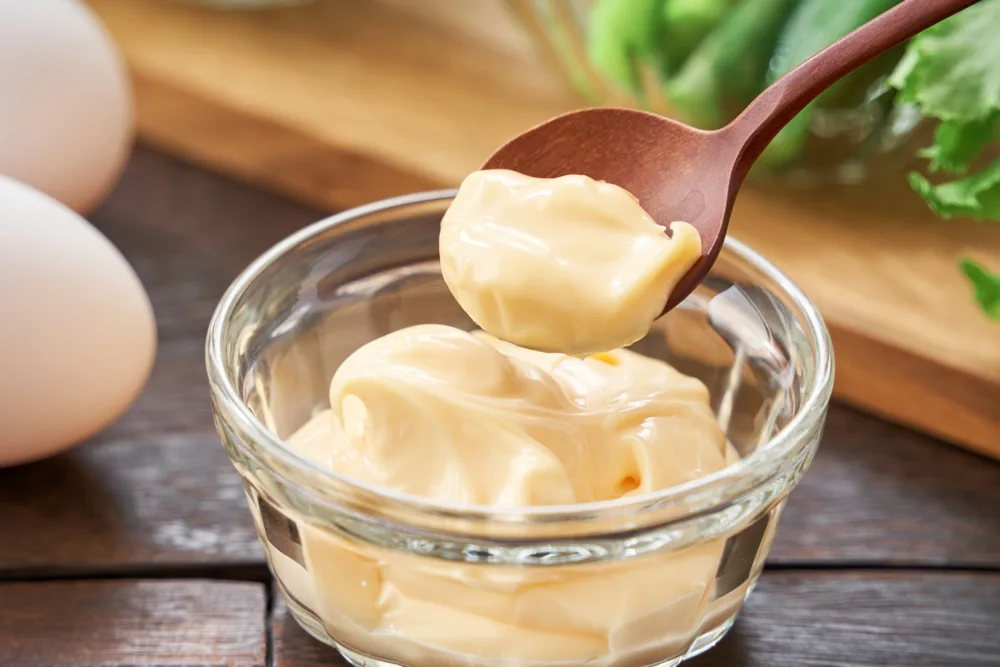
If you’ve ever swapped regular mayo for a light version and felt like you made a smarter choice, that instinct isn’t off—it does lower the calorie count. But like most “lighter” products, it’s not just a straight swap.
When fat is reduced, something has to step in to keep that creamy texture. In light mayo, that’s usually a combination of ingredients like modified starches, stabilizers, and sometimes a small amount of added sugar. That doesn’t make it a poor choice—it just means it’s a bit more processed than the original, which is useful context depending on what you’re prioritizing.
From a weight loss perspective, it can still absolutely work. A typical light mayo lands around 35 calories per tablespoon, compared to about 90–100 calories for regular mayo, and that gap can add up if you’re using several tablespoons. Where it tends to matter most is how you use it—thinking of it as something to measure rather than letting the “light” label quietly double the portion.
✅ Quick answer
Yes, low-fat mayonnaise can support weight loss because it cuts calories compared to regular mayo. But it’s still relatively calorie-dense, and typically contains added sugars and sodium that full-fat mayo doesn’t. It’s a useful swap, not a health food, and portion size still matters.
🚀 Weight-loss benefits
- Low-fat mayo can save calories compared to regular mayo – Switching from regular to low-fat mayonnaise saves roughly 50–60 calories per tablespoon.
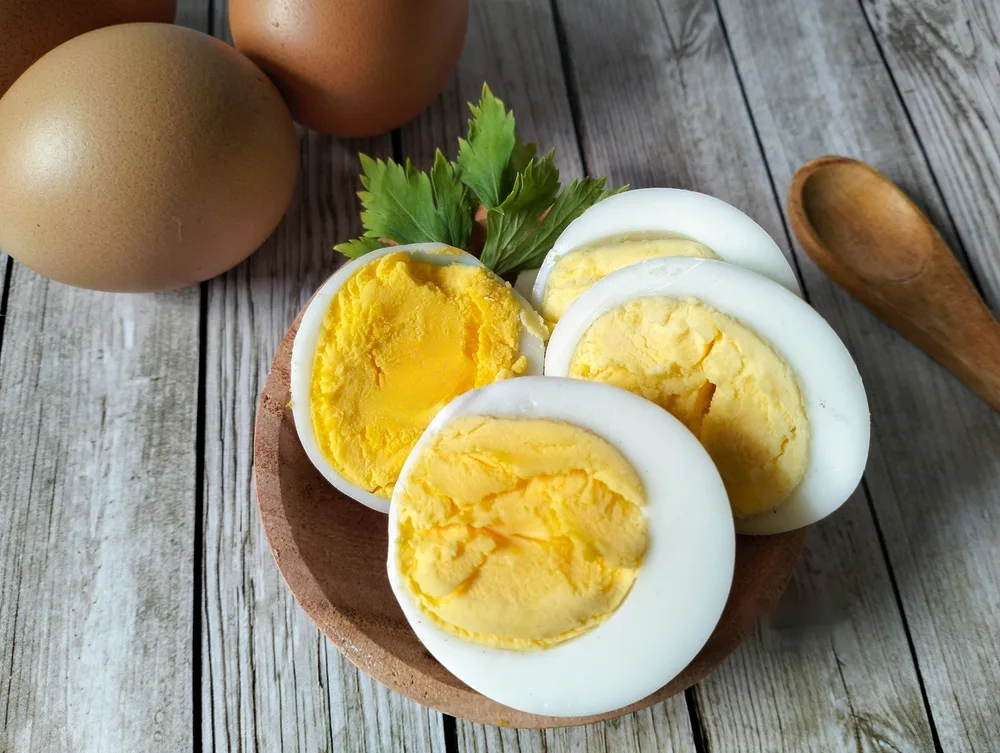
- Low-fat mayo can make some lean proteins more enjoyable – Some people prefer canned tuna, shredded chicken, and hard-boiled eggs with a little mayo.
- It can helps with diet adherence – Feeling deprived is one of the most common reasons diets fail. Keeping familiar flavors and textures in your meals—even in lighter versions—makes it easier to stick to your eating plan long term.
⚠️ Things to be mindful of:
- The “light” label can change how much you use – People tend to serve themselves more of foods labeled “light” or “low-fat”—sometimes without realizing it. Even a small increase in portion can start to close the calorie gap. Taking a second to measure can help keep the swap working in your favor.
- It may include added sugars and starches – When fat is reduced, ingredients like cornstarch or a small amount of sugar are often added to keep the texture and flavor consistent. It’s not a dealbreaker—just part of how the swap works.
- Sodium can be slightly higher – Light versions sometimes rely a bit more on salt to make up for the flavor that fat would normally provide. It’s not extreme, but it’s something to be aware of if mayo shows up often in your meals.
🥗 Nutrients in low-fat mayonnaise (per 1 tablespoon / 15g)
| Nutrient | Amount | % RDA* |
|---|---|---|
| Calories | 35 calories | 2% |
| Protein | 0 g | 0% |
| Total carbs | 1 g | <1% |
| Fiber | 0 g | 0% |
| Sugars | 1 g | — |
| Total fat | 3.5 g | 4% |
| – Saturated fat | 0.5 g | 3% |
| – Monounsaturated fat | 1 g | — |
| – Polyunsaturated fat | 2 g | — |
| Omega-3 | 0.3 g | — |
| Omega-6 | 1.7 g |
*Recommended dietary allowance (RDA) is defined as the average daily amount of nutrients needed to meet the requirements of nearly all healthy people in a specific group.
One tablespoon is a realistic serving for most uses—a sandwich spread, something to bind tuna salad, or the base of a quick dressing. In a popular light mayo brand, you’re looking at about 35 calories per tablespoon, compared to roughly 90–100 calories for regular mayo. That difference can add up, especially if you use it often.
Fat is still the main source of calories here, just in a smaller amount. Most of it comes from vegetable oils, so it’s largely unsaturated. Carbs and sugar are still low overall, but a bit higher than regular mayo, which has almost none. And like traditional mayo, protein is essentially negligible.
It’s also worth keeping in mind that “light” doesn’t mean fat-free. There’s still real fat here, just less of it. The calorie savings are meaningful, but not so dramatic that portions stop mattering—especially compared to condiments like mustard or hot sauce, where calories are close to zero.
💊 Vitamins & minerals in low-fat mayonnaise (per 1 tablespoon / 15g)
| Vitamin/Mineral | Amount | % RDA* |
|---|---|---|
| Sodium | 90 mg | 4% |
| Vitamin K | 10 mcg | 8–10% |
| Vitamin E | 0.3 mg | 2% |
| Choline | 2–3 mg | <1% |
| Selenium | trace | <1% |
| Zinc | trace | <1% |
| Iron | trace | <1% |
| Calcium | 2 mg | <1% |
| Potassium | 5–10 mg | <1% |
The micronutrients here are pretty minimal, but there are still a few worth noting. The main ones are vitamin K and vitamin E, which come from the vegetable oils used to make mayo. Vitamin K helps with blood clotting and bone health, while vitamin E acts as an antioxidant that helps protect cells. The amounts aren’t especially high, but they’re part of what you’re getting along with the fat.
From a practical standpoint, sodium is the number to pay attention to. At around 90 mg per tablespoon, it’s not particularly high on its own—but it can add up if mayo shows up in more than one meal. Two or three tablespoons across the day starts to make a noticeable contribution.
One nuance: light mayo doesn’t necessarily have more sodium than regular mayo—it’s often similar, depending on the brand. Either way, it’s one of the easier things to keep an eye on, especially if you’re already getting sodium from other packaged foods.
🔍 Nutrient breakdown
Glycemic index (GI) of low-fat mayonnaise
Glycemic index: Low to Moderate
💡 Tip: Pure fat has a GI of zero, but low-fat mayo contains added sugars and starches that give it a slightly higher glycemic response than regular mayo. It’s still modest per tablespoon, but pairing it with protein or fiber-rich vegetables helps blunt any blood sugar effect.
Is low-fat mayonnaise high in protein?
❌ No – low-fat mayonnaise contains 0.1 g of protein per tablespoon.
There is essentially no protein here. Low-fat mayo is a condiment, not a protein source—pair it with something that is.

The Easy Way
to lose weight and get healthy.
See if you qualify
Better protein alternatives: Greek yogurt | Cottage cheese | Hummus
Is low-fat mayonnaise high in fiber?
❌ No – low-fat mayonnaise has 0.01 g of fiber per tablespoon.
💡 Tip: Since there’s no fiber in mayo, make sure the food you’re putting it on provides some. Whole-grain bread, a big salad, or raw vegetables all help balance out the meal nutritionally.
Is low-fat mayonnaise low in carbs?
✔️ Yes – low-fat mayonnaise has 1.1 g of carbs per tablespoon.
💡 Tip: The carbs are low per tablespoon, but if you’re on a strict ketogenic diet, the added sugars in low-fat mayo may be worth avoiding. Regular full-fat mayo has essentially zero carbs and is usually the preferred keto option.
Is low-fat mayonnaise gluten-free?
✔️ Yes, for most brands – most major brands of low-fat mayonnaise are gluten-free, as the thickeners used are typically corn-based. That said, some modified food starches can occasionally come from wheat, so checking the label is worth doing if you have celiac disease or a sensitivity.
Is low-fat mayonnaise good for fat loss?
✔️ Yes, with portion control – the calorie reduction compared to regular mayo is real and meaningful over time. Saving 50 calories per tablespoon adds up across a week. The catch is that the “light” label can create a false sense of security, leading people to use more. Measure your serving and the swap genuinely works in your favor.
🍽️ Diet compatibility: Which diets include low-fat mayonnaise?
| Diet | ✅/❌ | Why |
|---|---|---|
| Keto | ❌ | Low-fat mayo replaces fat with sugars and starches, increasing the carb count. Regular full-fat mayo is the standard keto choice. |
| Paleo | ❌ | Low-fat mayo typically contains processed vegetable oils, modified food starch, and preservatives that don’t fit paleo’s whole-food framework. |
| Mediterranean | ❌ | The Mediterranean diet emphasizes whole, minimally processed foods and healthy fats like olive oil. A processed condiment with added sugars and thickeners doesn’t really align with that approach. |
| Vegan | ❌ | Standard low-fat mayo contains eggs. Vegan mayo exists as a separate product—usually made from plant-based oils and starches—but it’s a different item. |
| Gluten-free | ✅ | Most low-fat mayo brands are gluten-free, though label-checking is a good idea. It’s generally a safe condiment choice for people with celiac disease or gluten sensitivity. |
Low-fat mayonnaise is most compatible with a general calorie-counting approach, where the goal is simply to reduce total energy intake and the specific ingredient list matters less than the calorie savings. For people following more specific dietary frameworks like keto, paleo, or Mediterranean, it tends to fall short on ingredient quality rather than calories alone.
For vegans and those with gluten concerns, the situation is straightforward: check the label. Vegan mayo and gluten-free mayo both exist, but they’re not automatically the same product as standard low-fat mayo.
🌟 Is low-fat mayonnaise healthy? What are the health benefits?
Metabolic health: Is low-fat mayonnaise good for your metabolism?
- Boosts metabolism? ❌ No – low-fat mayo doesn’t contain anything that meaningfully affects metabolic rate. It’s a condiment—its value is in making other foods more enjoyable, not in any direct metabolic effect.
- Improves insulin sensitivity? ❌ No – The small amount of added sugar and starch may produce a slightly higher insulin response than pure fat, though the effect per tablespoon is minimal. It’s not a food that helps insulin sensitivity in any meaningful way.
- Effect on fat storage? Neutral – In the context of a calorie deficit, the moderate fat content won’t cause fat storage. The risk is overconsumption due to the “light” halo effect—use more than intended and the calorie savings disappear.
Cholesterol impact: Does low-fat mayonnaise affect cholesterol levels?
- Does it lower LDL (bad) cholesterol? ✔️ Possibly – If you’re using low-fat mayo instead of butter or a higher-saturated-fat spread, the switch to predominantly polyunsaturated fats may help lower LDL cholesterol over time. The effect depends more on what you’re replacing than on the mayo itself.
- Does it raise HDL (good) cholesterol? ❌ Data limited – There’s no strong evidence that low-fat mayo directly raises HDL. Polyunsaturated fats have a neutral to modestly positive effect on HDL compared to saturated or trans fats.
- Overall impact on heart health? Neutral – The fat profile is reasonably heart-friendly, but the sodium content works against that somewhat. It’s not a food that meaningfully moves the needle on heart health either way.
💡 Tip: If heart health is a priority, look for versions made with olive oil or avocado oil rather than soybean oil—the fat profile is better and the omega-6 content is lower.
Can I eat low-fat mayonnaise for a calorie deficit?
✔️ Yes, with caution: low-fat mayo is a useful tool for calorie reduction—swapping it for regular mayo on a sandwich saves around 50 calories with almost no change in taste. The caution is around portion size. Even “light” calories add up if you’re not measuring.
💡 Tip: Try mixing one tablespoon of low-fat mayo with one tablespoon of plain non-fat Greek yogurt. You get a similar creamy texture, double the volume, a fraction of the calories, and a boost of protein—a genuinely better combination for weight loss.
Is low-fat mayonnaise rich in antioxidants?
❌ Limited: low-fat mayo contains small amounts of vitamin E from the vegetable oils, which have antioxidant properties. It’s not a meaningful antioxidant source by any reasonable measure, though.
Does low-fat mayonnaise support gut health?
❌ No: low-fat mayo contains no fiber, no probiotics, and no prebiotics. Some of the emulsifiers and gums used to stabilize the texture—like xanthan gum—may actually cause digestive discomfort in sensitive people, particularly those with IBS.
Does low-fat mayonnaise support digestion?
Neutral: The fat content does trigger bile release, which is necessary for digesting fats, so it’s not entirely inert digestively. But for most people, low-fat mayo is digestively neutral. The thickeners can cause bloating in sensitive individuals, so if you notice discomfort after eating it, that’s likely the culprit.
Does low-fat mayonnaise help you feel satiated and less hungry?
Moderate: Even reduced fat provides some mouthfeel and flavor satisfaction that makes dry food more palatable. Using it as a binder for tuna or chicken adds creaminess that makes the meal more enjoyable and satisfying, which indirectly supports hunger management. On its own, though, it won’t do much to curb appetite.
Satiety level: Moderate
💡 Tip: Use low-fat mayo as a binder for high-protein foods like tuna, shredded chicken, or hard-boiled eggs rather than as a plain spread on toast. You’ll get real satiety from the protein, and the mayo just makes it more enjoyable to eat.
Does low-fat mayonnaise help with nighttime cravings?
❌ Not directly: low-fat mayo is a condiment—it doesn’t do much on its own for nighttime cravings. As part of a protein-rich snack, it might help, but as a standalone answer to late-night hunger, it’s not the right tool.
💡 Tip: If nighttime cravings are a pattern, focus on making dinner more filling rather than reaching for condiments. A higher-protein, higher-fiber dinner naturally reduces the pull toward late-night snacking.
Access GLP-1 Weight Loss with Noom
Explore a wide range of prescription medications supported by Noom’s program.Microdose GLP-1rx
Noom GLP-1rx
Noom GLP-1rx Plus
Wegovy®

Ozempic®

Metformin
Zepbound®
Mounjaro®
Liraglutide

Does low-fat mayonnaise help reduce inflammation?
❌ Neutral to negative: The high omega-6 content from soybean oil—which is the primary oil in most low-fat mayo—can be mildly pro-inflammatory when consumed in large amounts, particularly if your diet is already low in omega-3s. This is most relevant if you’re using mayo daily and in larger quantities.
Is low-fat mayonnaise beneficial for brain health?
❌ No meaningful benefit: low-fat mayo doesn’t provide the nutrients that meaningfully support cognitive function. The small amounts of choline and vitamin E present are too modest to make a real difference.
Can low-fat mayonnaise improve skin and hair health?
✔️ Minor benefits: The vitamin E and fatty acids in the vegetable oils contribute a small amount to skin hydration and cell protection. These effects are real but minor—whole food sources of healthy fats like nuts, avocado, or olive oil are far more meaningful for skin health.
Can low-fat mayonnaise help balance hormones?
❌ No: low-fat mayo has no direct impact on hormonal balance. It doesn’t contain the kind of healthy fats—like those in avocado or fatty fish—that support hormone production in any meaningful way.
💡 Tip: For hormonal health, focus on getting adequate healthy fats from whole food sources. Low-fat mayo can be part of your eating pattern, but it’s not contributing to this particular goal.
🍽️ Best ways to use low-fat mayonnaise for weight loss
- Use it to make lean proteins more satisfying – Mixing a little light mayo into tuna, shredded chicken, or chopped eggs adds creaminess and flavor, which can make these foods more enjoyable to eat regularly. That’s a win, since protein helps with fullness and supports muscle during weight loss.
- Pair it with Greek yogurt for a higher-protein upgrade – Try combining light mayo with plain non-fat Greek yogurt for a creamy dressing or dip. You still get that familiar flavor, but with fewer calories and a boost of protein. It works well for salads, wraps, or alongside crunchy vegetables.
- Use it as a spread, not a dip – Light mayo works best when it’s spread onto something—like a sandwich, wrap, or mixed into a salad—rather than used for dipping. Spreading or mixing naturally keeps portions to about a tablespoon, which is where the calorie savings actually add up.
🍏 Best alternatives & comparisons (per 1 tablespoon / 15g)
| Food | Calories | Carbs | Fiber | Protein | Fat |
|---|---|---|---|---|---|
| Low-fat mayo | 35–50 | 1 g | 0 g | 0 g | 3–5 g |
| Regular mayo | 90–100 | 0 g | 0 g | 0 g | 10 g |
| Greek yogurt (low-fat) | 12–15 | 0.7 g | 0 g | 1–1.5 g | 0.5 g |
| Avocado (mashed) | 24 | 1.3 g | 1 g | 0.3 g | 2 g |
| Yellow mustard | 9 | 0.6 g | 0.5 g | 0.6 g | 0 g |
| Hummus | 25 | 2 g | 1 g | 1 g | 1–2 g |
Switching from regular mayo to a light version can save you around 40–60 calories per tablespoon, which is meaningful—especially if it’s something you use often. That’s the kind of small change that can quietly support weight loss over time.
At the same time, this table helps put things in perspective. Some alternatives—like low-fat Greek yogurt or mustard—are very low in calories, while options like hummus or avocado bring in fiber and nutrients that help with fullness.
Light mayo tends to land somewhere in between. It lowers calories compared to regular mayo, but it doesn’t add much in terms of protein or fiber. That doesn’t make it a bad choice—it just makes it more of a flavor add-on than something that meaningfully contributes to satiety.
A helpful way to think about it: use light mayo when you want that specific creamy texture, and lean on other options when you’re looking to make a meal more filling.
Frequently asked questions about low-fat mayonnaise and weight loss
Is low-fat mayonnaise good for weight loss?io
It can be. Swapping regular mayo for a light version can save you about 40–60 calories per tablespoon, and that difference adds up if it’s something you use often. The key is that the portion still matters—“light” doesn’t mean unlimited. Keeping it around a tablespoon helps the calorie savings actually work in your favor.
How much low-fat mayo can I have per day for weight loss?
For most people, 1–2 tablespoons per day is a reasonable range. That’s roughly 35–70 calories, depending on the brand—small enough to fit into a calorie budget, but still worth being aware of. Beyond that, it can start to crowd out more filling, nutrient-dense foods.
Is low-fat mayo better than regular mayo for weight loss?
If your goal is to lower calories, yes—light mayo makes that easier. But “better” depends on what you’re optimizing for. Regular mayo is simpler (fewer added ingredients) and higher in fat, which some people find more satisfying. Light mayo lowers calories but often includes added starches or small amounts of sugar to maintain texture. For most calorie-focused approaches, light mayo is the more practical choice.
What’s a healthier alternative to low-fat mayonnaise?
It depends on what you’re looking for:
- Low-fat Greek yogurt – creamy, tangy, and adds protein
- Avocado – adds fiber and healthy fats
- Hummus – brings fiber, protein, and more staying power
These options tend to offer more nutritional value per calorie, especially if you’re trying to build a more filling meal.
Does low-fat mayo have a lot of sodium?
It’s moderate. Most light versions have around 90 mg of sodium per tablespoon (about 4% of your daily limit). That’s not high on its own, but it can add up if you’re using it across multiple meals—especially alongside other packaged foods.
Is low-fat mayo suitable for a keto diet?
Not usually. Light mayo contains more carbs than regular mayo due to added starches or sugars, even if the amount is small. For keto, regular mayo is typically the better fit because it’s almost entirely fat with minimal carbs.
Can I make a homemade version of low-fat mayo at home?
Yes—and it’s an easy upgrade. Mixing low-fat Greek yogurt with a small amount of regular mayo, Dijon mustard, and lemon juice creates a creamy spread with fewer calories and more protein, without the added thickeners. It works well for sandwiches, wraps, or as a base for dressings.
Is low-fat mayo an ultra-processed food?
Most versions would be considered ultra-processed. They’re made with refined oils plus added ingredients like modified starches, stabilizers, and preservatives to maintain texture and shelf life.
That doesn’t mean you need to avoid it completely. In a Noom-style approach, it can still fit—especially when used in small amounts to make healthier foods (like lean protein or vegetables) more enjoyable. It’s less about labeling a food as “good” or “bad,” and more about how it fits into your overall pattern of eating.
🧠 The bottom line: Low-fat mayonnaise can be good for weight loss
Low-fat mayonnaise can be a helpful, practical swap. It’s not a health food—and it doesn’t need to be—but it can make everyday meals more enjoyable while keeping calories in check. If switching to a light version helps you stay within your goals without feeling restricted, that’s a meaningful win. The calorie savings per tablespoon are small on their own, but they add up over time.
What matters most is how it fits into the bigger picture. Portions still count, sodium can add up if it shows up in multiple meals, and the added starches or sugars make it a more processed option than some alternatives. Keeping it in the range of 1 to 2 tablespoons per day works well for most people.
A simple way to think about it: use low-fat mayo when you want that specific creamy texture, and mix in other options—like yogurt, hummus, or avocado—when you’re looking for something more filling. Used this way, it fits comfortably into a balanced, sustainable approach to weight loss.
The Easy Way
to lose weight and get healthy.
See if you qualify📖 Scientific evidence
- Reducing dietary fat intake can support body fat loss. (Cell Metabolism, 2015) In a tightly controlled study where calories were matched, people who reduced fat lost slightly more body fat than those who reduced carbohydrates—but the difference was small, and both approaches were effective overall.
- Lower energy density diets are linked with lower body weight. (Nutrition Reviews, 2016) A systematic review found that diets lower in calories per gram of food are associated with weight loss over time. This is where small swaps, like choosing low-fat mayo instead of regular, can help without significantly changing how something tastes.
- Ultra-processed food intake is linked with higher calorie intake and weight gain. (Current Obesity Reports, 2021) A review of both observational and clinical studies found that people who eat more ultra-processed foods tend to consume more calories overall and are more likely to gain weight over time.
- Some additives in processed foods may affect gut health. (Nature, 2015) Animal research found that certain emulsifiers may alter gut bacteria and promote inflammation, raising questions about regular intake of highly processed products like some light mayo options.
Editorial standards
At Noom, we’re committed to providing health information that’s grounded in reliable science and expert review. Our content is created with the support of qualified professionals and based on well-established research from trusted medical and scientific organizations. Learn more about the experts behind our content on our Health Expert Team page.