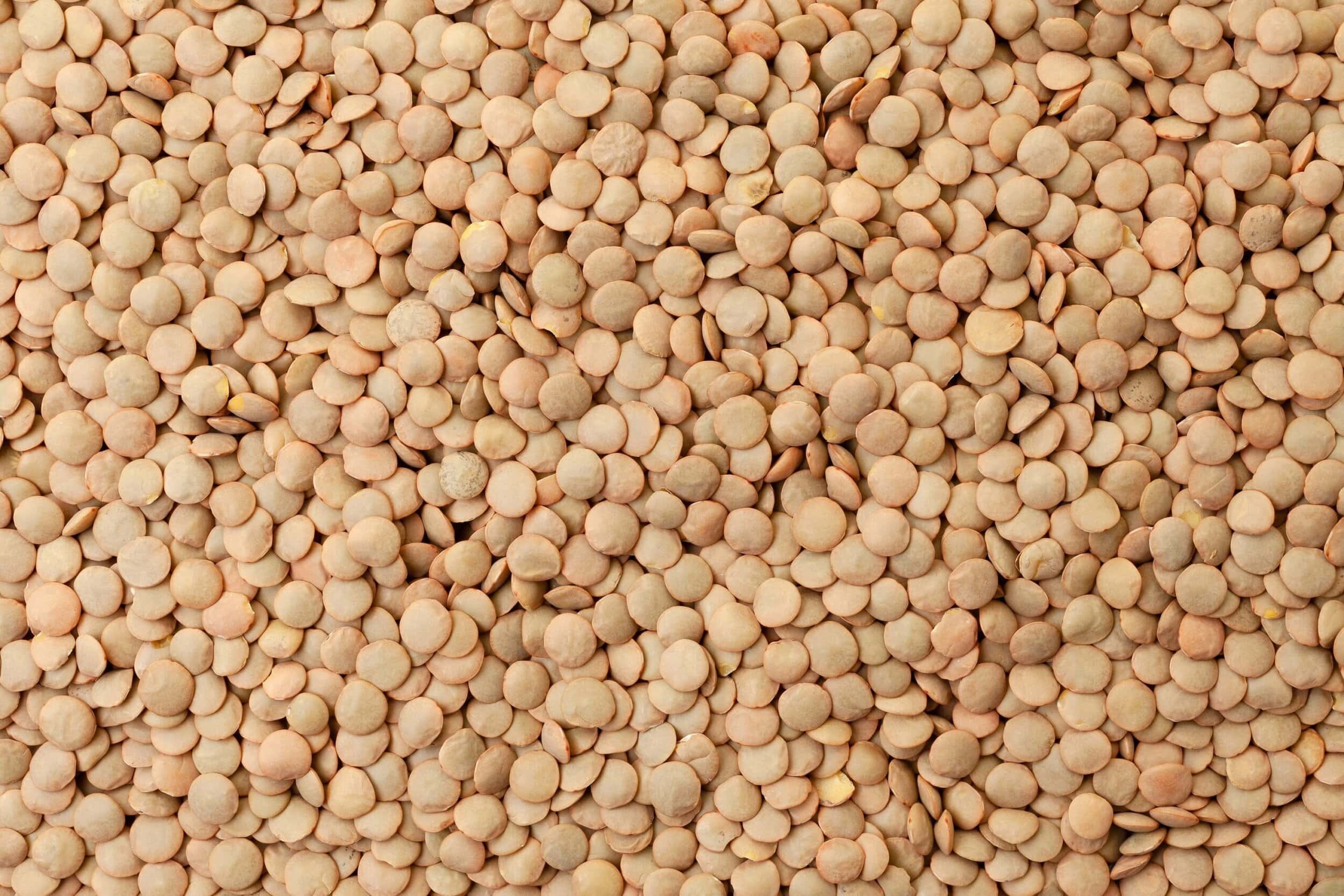
Are lentils good for weight loss? Absolutely. With only 116 calories in a ½-cup cooked serving, lentils deliver an impressive 9 grams of protein and nearly 8 grams of fiber—two nutrients that work together to keep you full and satisfied. That makes them a smart, nutrient-dense swap for anyone trying to manage hunger while staying in a calorie deficit.
But that’s only part of the story. In this article, we’ll dig into why lentils are so good for weight management and talk about how they stack up against other plant-based proteins. We’ll also cover the potential downsides and share the best ways to add them to your meals.
If you’ve ever wondered whether lentils deserve a regular spot on your plate, you’re about to find out.
✅ Quick answer
Yes, lentils can be an excellent food for weight loss. They’re packed with fiber and protein, which promote a feeling of fullness and can help reduce overall calorie intake.
✅ Why lentils can support your goals:
- They’re packed with filling fiber – Just half a cup of lentils gives you a hearty dose of fiber that slows down digestion and keeps you feeling satisfied long after you eat.
- They bring plenty of plant-based protein – Protein is your weight-loss ally because it burns more calories to digest and helps protect muscle as the pounds come off—and lentils deliver a solid dose in every serving.
- They give you a lot of nutrition for very few calories – For just over 100 calories, you get a bundle of vitamins and minerals like folate, iron, and manganese—making lentils one of the best nutrient bargains on your plate.
⚠️ Things to be mindful of:
- They may cause digestive discomfort – The high fiber content that makes lentils great for weight loss can also cause bloating and gas, especially for those not used to a high-fiber diet.
- They contain “anti-nutrients” – Lentils contain compounds like phytic acid and lectins, which can slightly reduce the absorption of minerals like iron and zinc.
🥗 Nutrients in lentils (per 100g / about ½ cup cooked)
| Nutrient | Amount | % RDA* |
|---|---|---|
| Calories | 116 calories | 6% |
| Protein | 9.0 g | 18% |
| Total carbs | 20.1 g | 7% |
| Fiber | 7.9 g | 28% |
| Sugars | 1.8 g | — |
| Total fat | 0.4 g | <1% |
| – Saturated fat | 0.1 g | <1% |
| – Monounsaturated fat | 0.1 g | — |
| – Polyunsaturated fat | 0.2 g | — |
| Omega-3 | 0.1 g | — |
| Omega-6 | 0.1 g | — |
With just 116 calories per 100-gram serving (about half a cup cooked), lentils are low in energy density but surprisingly satisfying. The real stars are their 9 grams of protein and nearly 8 grams of fiber, a duo that helps preserve muscle while keeping hunger at bay. And since lentils have virtually no fat (less than half a gram per serving), almost every calorie goes toward protein, fiber, and a lineup of vitamins and minerals—making them one of the most nutrient-dense foods you can add to your plate.
*Recommended dietary allowance (RDA) is defined as the average daily amount of nutrients needed to meet the requirements of nearly all healthy people in a specific group.
💊 Vitamins & minerals in lentils (per 100g / about ½ cup cooked)
| Vitamin/Mineral | Amount | % RDA* |
|---|---|---|
| Folate (B9) | 181 μg | 45% |
| Copper | 0.3 mg | 28% |
| Manganese | 0.5 mg | 21% |
| Iron | 3.3 mg | 19% |
| Thiamin (B1) | 0.2 mg | 14% |
| Phosphorus | 180 mg | 14% |
| Pantothenic Acid (B5) | 0.6 mg | 13% |
| Zinc | 1.3 mg | 12% |
Lentils aren’t just about protein and fiber—they’re also loaded with key vitamins and minerals that keep your body running smoothly while you’re cutting calories. Just half a cup delivers nearly half your daily folate, crucial for cell repair and energy metabolism. You’ll also get iron to fight fatigue, copper to help absorb that iron, and manganese to support strong bones and antioxidant defenses. Add in solid amounts of zinc (immune health, skin repair) and phosphorus (energy production), and lentils check a lot of boxes that many people fall short on during weight loss.
🔍 Nutrient breakdown
Glycemic index (GI) of lentils
Glycemic index: 28-32 (Low)
💡 Tip: Low-GI foods like lentils release sugar into the bloodstream slowly, helping to maintain stable energy levels and prevent cravings.
Are lentils high in protein?
✔️ Yes: Lentils contain 9 g of protein per 100g serving. This is an excellent amount for a plant source.
🔹 Better protein alternatives: Chicken Breast | Edamame | Greek Yogurt
Are lentils high in fiber?
✔️ Yes: Lentils have 7.9 g of fiber per 100g serving.
💡 Tip: Drink plenty of water with high-fiber foods to help your digestive system process it smoothly.
Are lentils low in carbs?
❌ No: Lentils have 20.1 g of carbs per 100g serving.
💡 Tip: Pair lentils with non-starchy vegetables to balance the carbohydrate content of your meal.
Are lentils gluten-free?
✔️ Yes: Lentils are naturally gluten-free, though check for certified gluten-free labels to avoid cross-contamination.
Are lentils good for fat loss?
✔️ Yes: Due to their high-fiber and high-protein profile, lentils are helpful for fat loss by promoting satiety and helping you stay in a calorie deficit.
🍽️ Diet compatibility: Which diets include lentils?
| Diet | ✅Yes /❌No | Why |
|---|---|---|
| Keto | ❌ | Lentils are too high in carbohydrates to fit within the strict limits of a ketogenic diet. |
| Paleo | ❌ | The Paleo diet typically excludes legumes, including lentils, based on ancestral eating principles. |
| Mediterranean | ✅ | Lentils are a cornerstone of the Mediterranean diet, valued for their fiber, plant-based protein, and micronutrients. |
| Vegan | ✅ | As a nutrient-dense source of plant-based protein and minerals, lentils are essential in vegan diets. |
| Gluten-free | ✅ | Lentils are naturally free of gluten, making them safe for those with celiac disease or gluten sensitivity. |
Lentils are a flexible addition to many eating styles, from Mediterranean to vegan and vegetarian diets, where they’re valued for their plant-based protein, fiber, and nutrient content. That said, they’re not a fit for every approach. Because they’re higher in carbohydrates, lentils don’t work for very low-carb plans like keto. And if you’re following a Paleo pattern, legumes—including lentils—are typically off the list.
🌟 Are lentils healthy? What are the health benefits
Metabolic health: Are lentils good for your metabolism?
- Boosts metabolism? ✔️ Yes – The high protein content in lentils requires more energy to digest than fats or carbs, providing a minor boost to your metabolic rate after meals.
- Improves insulin sensitivity? ✔️ Yes – The soluble fiber in lentils slows carbohydrate absorption, preventing sharp spikes in blood sugar and insulin levels.
- Effect on fat storage? Helps prevent – By promoting stable blood sugar levels, lentils help reduce hormonal signals that lead to fat storage.
Cholesterol impact: Do lentils affect cholesterol levels?
- Does it lower LDL (bad) cholesterol? ✔️ Yes – The soluble fiber in lentils binds with cholesterol in the digestive tract and removes it from the body.
- Does it raise HDL (good) cholesterol? Limited data – While excellent for lowering LDL, their direct effect on raising HDL is not as well-established.
- Overall impact on heart health? Lentils are exceptionally heart-healthy due to their ability to lower LDL cholesterol, reduce blood pressure thanks to potassium content, and provide folate, which lowers homocysteine levels.
💡 Tip: Combine lentils with foods rich in omega-3s, like salmon or walnuts, for a synergistic heart-protective meal.
Can I eat lentils for a calorie deficit?
✔️ Yes, with confidence: Lentils are ideal for a calorie deficit because they’re nutrient-dense and highly satiating, helping you feel full while consuming fewer calories.
💡 Tip: Use lentils as a base for soups, stews, or salads to add volume and nutrients to your meals for very few calories.
Are lentils rich in antioxidants?
✔️ Yes: Lentils are rich in polyphenols, particularly flavonoids and procyanidins, which help protect cells from free radical damage.
Do lentils support gut health?
✔️ Yes: The fiber in lentils acts as a prebiotic, feeding beneficial bacteria in your gut and promoting a healthy microbiome.
Do lentils support digestion?
Positive: The insoluble fiber adds bulk to stool, helping prevent constipation and promote regular bowel movements, though it may cause gas in sensitive individuals.
Do lentils help you feel satiated and less hungry?
High: The combination of high protein and soluble fiber makes lentils incredibly satiating, keeping you feeling full for hours.
Satiety Level: High
💡 Tip: Start your meal with a bowl of lentil soup to significantly reduce the calories you consume for the rest of the meal.
Do lentils help with nighttime cravings?
✔️ Yes: Eating a balanced meal that includes lentils for dinner can help prevent nighttime cravings by providing stable blood sugar levels.
💡 Tip: Include lentils in your dinner to maintain steady energy and reduce the likelihood of reaching for late-night snacks.
Do lentils help reduce inflammation?
✔️ Yes: The polyphenols in lentils have anti-inflammatory properties that help combat oxidative stress throughout the body.
Are lentils beneficial for brain health?
✔️ Yes: Lentils are an excellent source of folate, which is vital for brain function and neurotransmitter synthesis.
Can lentils improve skin and hair health?
✔️ Yes: The iron prevents anemia-related hair loss, while protein supports hair and skin structure, and zinc aids in skin repair.
Can lentils help balance hormones?
✔️ Yes: The fiber helps regulate estrogen levels, and the blood sugar stabilizing effect has a positive impact on hormonal balance.
💡 Tip: Consistent blood sugar control through foods like lentils can be particularly beneficial for conditions like PCOS.
🍽️ Best ways to eat lentils for weight loss
- Add them to soups and stews – When cooked without extra oil and seasoned with spices like cumin, turmeric, garlic, or smoked paprika, lentils are a perfect addition to soups, chili, and salads. They add protein and fiber, making each bowl more filling for very few calories.
- Try a lentil salad bowl – A trendy spin that’s showing up everywhere from TikTok to meal-prep blogs. Toss lentils with roasted veggies, fresh herbs, and a zippy vinaigrette for a satisfying, nutrient-dense lunch that feels fresh and modern.
- Turn them into tacos, burgers, or even meatballs – One of the buzziest plant-based swaps right now. Lentils make a hearty, protein-packed stand-in for ground beef—whether you season them with taco spices for a lighter take on taco night, shape them into burger patties, or roll them into meatballs for pasta.
🍏 Best alternatives & comparisons (Per 100g)
| Food | Calories | Carbs | Fiber | Protein | Fat |
|---|---|---|---|---|---|
| Lentils (cooked) | 116 | 20.1 g | 7.9 g | 9.0 g | 0.4 g |
| Chickpeas (cooked) | 139 | 27.4 g | 7.6 g | 7.0 g | 2.1 g |
| Black Beans (cooked) | 132 | 23.7 g | 8.7 g | 8.9 g | 0.5 g |
| Quinoa (cooked) | 120 | 21.3 g | 2.8 g | 4.4 g | 1.9 g |
| Edamame (cooked) | 121 | 9.9 g | 5.2 g | 11.9 g | 5.2 g |
Lentils hit a sweet spot—high in both protein and fiber for very few calories. Compared to quinoa, they deliver twice the fiber and more than double the protein for roughly the same calories. They also edge out chickpeas and black beans with a better protein-to-calorie ratio.
And while edamame wins on protein, lentils have a big advantage: less fat and more fiber, which means they’ll keep you satisfied longer without adding extra calories. Think of lentils as the middle ground—nutrient-dense, filling, and versatile enough to work in everything from soups to tacos.
Frequently asked questions about lentils and weight loss
Can I eat lentils every day for weight loss?
Yes! Lentils are perfectly safe to enjoy daily as part of a balanced eating plan. Their combo of fiber and protein makes them excellent for weight management. That said, it’s still a good idea to mix up your protein sources so you get a wide range of nutrients.
What’s the right portion of lentils if I’m trying to lose weight?
Most people do well with ½ to 1 cup of cooked lentils (100–200 g) per serving. That’s enough to deliver meaningful protein and fiber without overloading on carbs.
Do lentils make you gain weight?
Nope. On their own, lentils don’t lead to weight gain. In fact, their high satiety factor often helps people eat less overall. As always, it comes down to the bigger picture—your overall calorie balance.
Are canned lentils as good as dried for weight loss?
Nutritionally, they’re very similar. Canned lentils win on convenience and can even be easier to digest, though they sometimes come with extra sodium. A quick rinse before eating helps cut that down.
What’s the best time to eat lentils for weight loss?
Any time! But many people find including lentils at lunch or dinner especially helpful since the fiber and protein can keep afternoon and evening cravings in check.
Can lentils help with belly fat?
There’s no magic “belly fat” food, but lentils support overall weight loss. Their fiber and protein can help you feel fuller, eat fewer calories, and over time, that can lead to less fat around the middle, too.
Reviews from real Noom users
Desirea N. — Real Noom user
“My favorite parts of Noom are the care team and other Noomers. Sharing and getting help made me feel like I wasn’t doing it alone. That support made all the difference.”
Desirea N. — Real Noom user
Matthew M. — Real Noom user
“Noom has taught me that every day is a new chance to make better, healthier choices. It's taught me how to stop overeating.’’
Matthew M. — Real Noom user
Lila M. — Real Noom user
“Clinicians who understand how supportive medication can be is one of the best parts of Noom! I was convinced I wouldn’t have success but I’m down 11 pounds in two months.’’
Lila M. — Real Noom user
Steve M. — Real Noom user
“Noom provided me with the medication which I could not get through Medicare. I have learned the tricks to better eating and life in general.”
Steve M. – Real Noom user
Daisy R. — Real Noom user
‘’Noom has changed my life and I’m so thankful, I feel great, have more energy and am no longer prediabetic.”
Daisy R. – Real Noom user
Sarah R. — Real Noom user
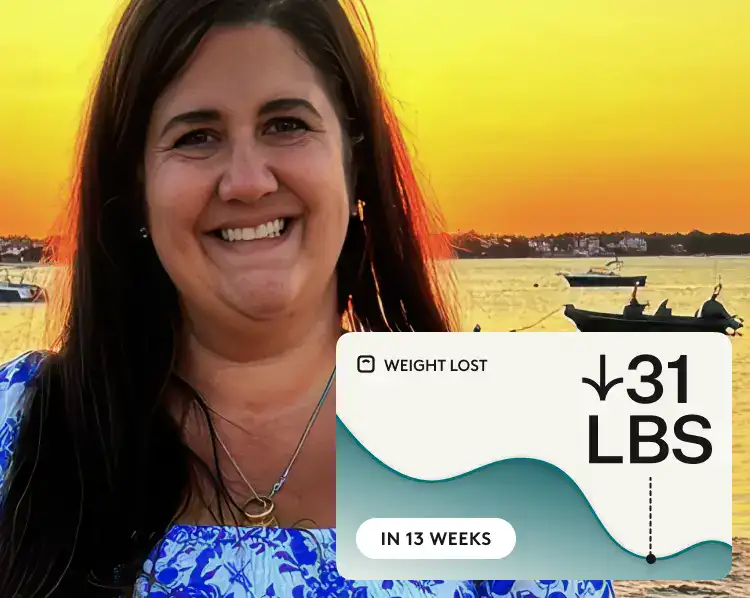
“All of the Noom providers that I’ve met with have been exceptional and prescribed medications that are appropriate for my situation and health.”
Sarah R. – Real Noom user
Madison S. — Real Noom user

“Noom made the process so simple and now I feel full, free from diet obsession, and at ease in my body again.”
Madison S. – Real Noom user
Sonday K. — Real Noom user
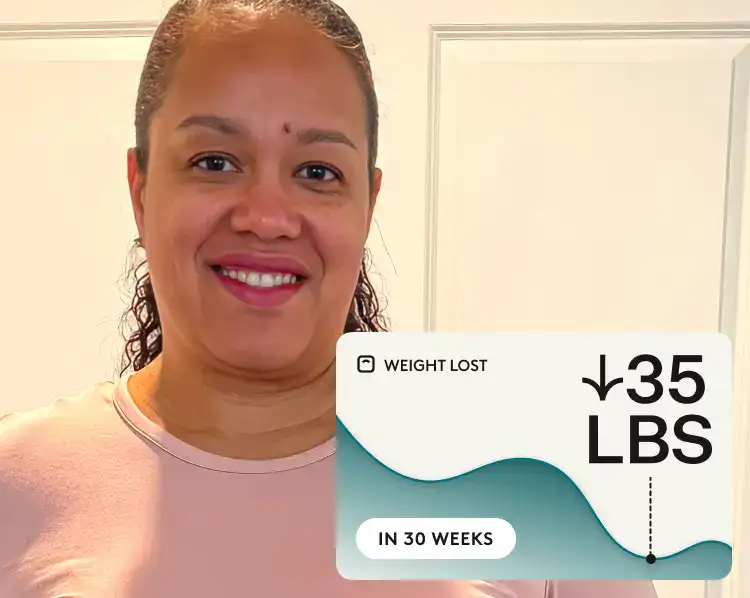
“My doctor recommended Noom after I was frustrated trying to lose weight. The lessons helped change my relationship with food. My body feels lighter & energized.”
Sonday K. – Real Noom user
Cam K. — Real Noom user
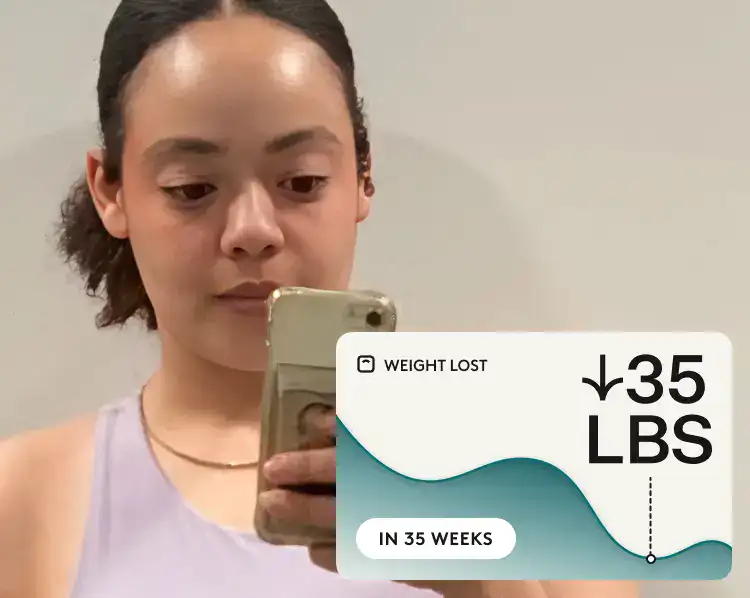
“I built healthy habits with coaching and lessons that make me confident I can maintain my weight loss long term.”
Cam K. – Real Noom user
Laura TR. — Real Noom user
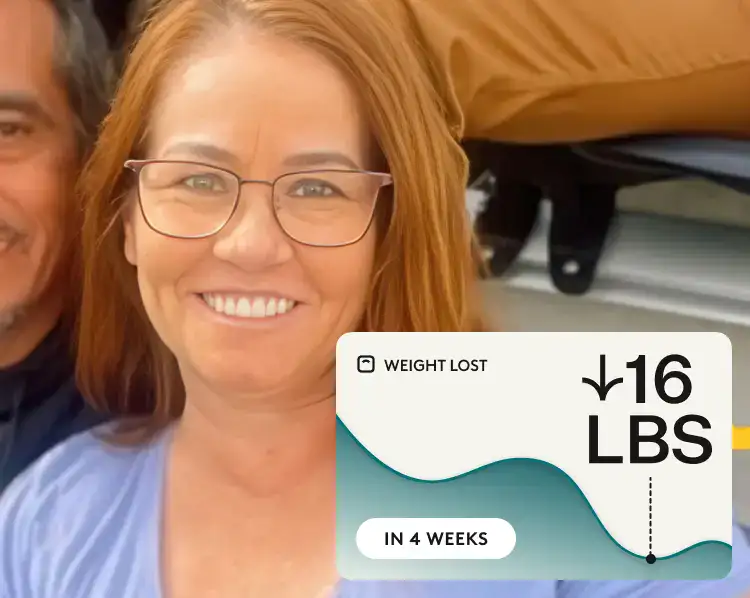
“With the right medication through Noom, hunger and sugar cravings finally quieted and I have the tools to break the cycle.”
Laura TR. – Real Noom user
Jessica S. — Real Noom user
“Cravings and food noise are gone, I finally feel confident in the healthy habits I’ve built to last with Noom.”
Jessica S. – Real Noom user
🧠 The bottom line: Are lentils good for weight loss?
Lentils are undoubtedly an excellent addition to any weight loss plan. Their impressive nutritional profile—packed with fiber, protein, and essential nutrients for relatively few calories—makes them a go-to food for keeping hunger in check while still nourishing your body. A portion of about ½ to 1 cup cooked hits the sweet spot for most people.
The real key is how you use them: keep prep simple, lean on spices and herbs for flavor, and skip excess oils or heavy sauces that can drive up calories. From soups and salads to tacos and veggie burgers, lentils are endlessly versatile, so you can keep meals interesting without straying from your goals.
At the end of the day, sustainable weight loss isn’t about one “magic food”—it’s about building consistent, balanced habits you can enjoy for the long haul. Lentils just happen to be one of those habits that checks both boxes: delicious and good for you.
📖 Scientific evidence
- Eating lentils can support weight loss (The American Journal of Clinical Nutrition – 2016) – A study found that people who added pulses (including lentils, beans, and chickpeas) to their diets lost more weight than those who didn’t—even without intentionally cutting calories.
- Choosing pulses may promote better health and sustainability (Legume Science – 2022) – This review shows that pulses like lentils, beans, and chickpeas are nutrient-dense, high in fiber and protein, affordable, and environmentally friendly—making them a smart choice for both your health and the planet.
- Lentils may help boost fullness (Obesity – 2014 – Eating pulses like lentils, beans, or chickpeas made people feel about 31% fuller immediately after a meal, even if it didn’t always lead to eating less at the next one.
- Pulses help steady your blood sugar over time (Database of Abstracts of Reviews of Effects – 2009) – A study found that regularly eating foods like lentils, chickpeas, and kidney beans led to modest improvements in fasting blood sugar and insulin.
- Lentils may help lower blood pressure (American Journal of Hypertension – 2014) – This study found that adding foods like lentils, beans, and chickpeas to the diet led to significant reductions in blood pressure—both in people with hypertension and in those without it.
Editorial standards
At Noom, we’re committed to providing health information that’s grounded in reliable science and expert review. Our content is created with the support of qualified professionals and based on well-established research from trusted medical and scientific organizations. Learn more about the experts behind our content on our Health Expert Team page.