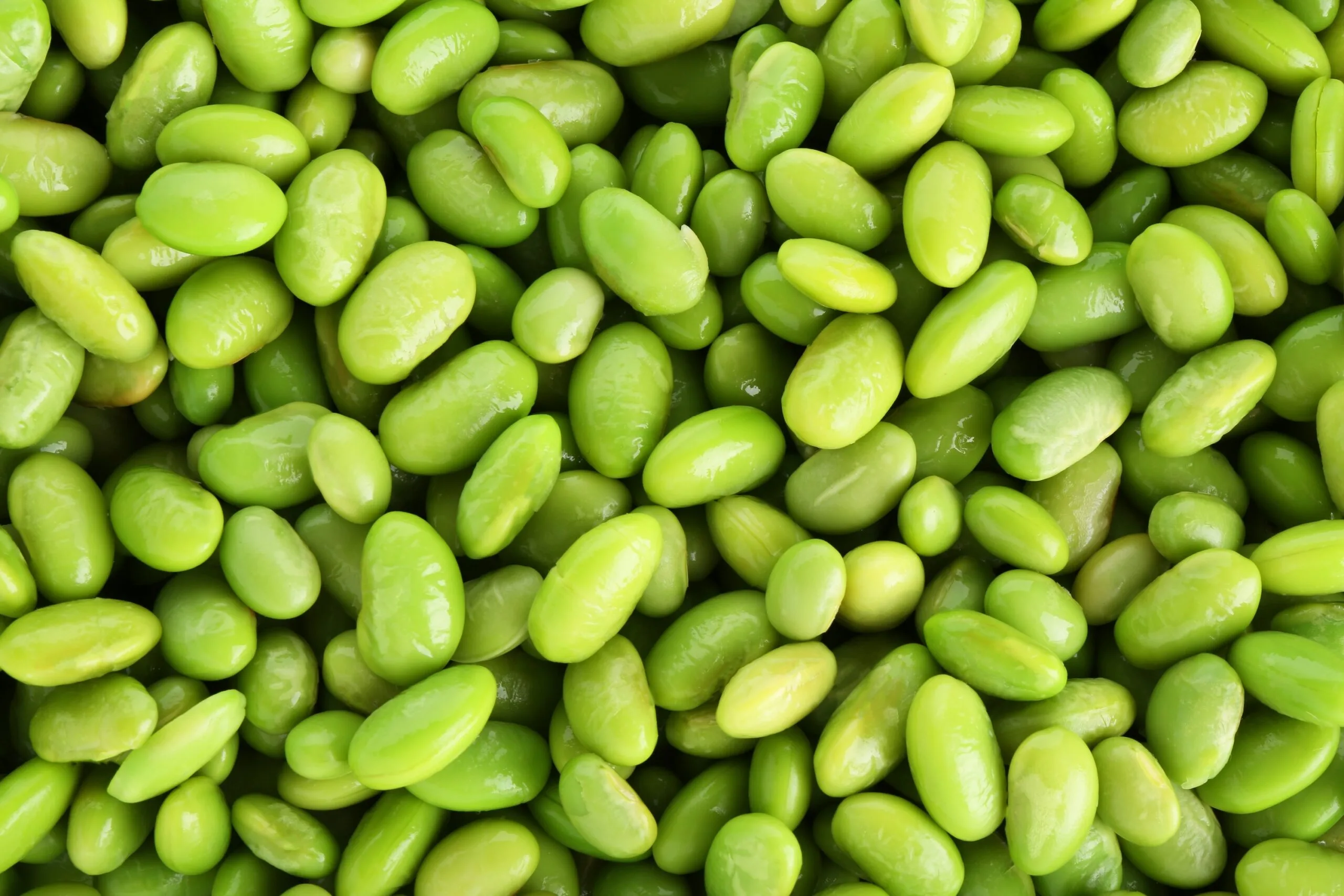
Edamame has become a go-to snack, thanks to its satisfying pop-and-eat pods and mild, slightly sweet flavor. Whether you’ve ordered it lightly salted at a sushi restaurant or mixed the shelled beans into a salad or bowl, you may have wondered how this little green soybean fits into a weight-loss plan.
Here’s the good news: edamame is naturally nutrient-dense and surprisingly filling. At about 121 calories per 100 grams of shelled beans (roughly 1¼ cups in the pods), it delivers a rare combination of complete plant-based protein and high-fiber carbs that give you steady energy and keep you full. It’s a whole food that offers a lot of nutrition for a relatively small calorie cost.
Let’s take a closer look at why edamame has become a favorite for people who want meals and snacks that feel satisfying, energizing, and supportive of healthy weight loss.
✅ Quick Answer
Yes, edamame can be an excellent food for weight loss. It’s high in protein and fiber, and that combo helps you stay fuller for longer—which can naturally lead to eating less throughout the day.
🚀 Weight-loss benefits
✅ It’s rich in plant-based protein – With about 12 grams of protein per cup, edamame gives you a solid protein boost that helps keep you full and supports your metabolism.

The Easy Way
to lose weight and get healthy.
See if you qualify

✅ It’s got a good dose of fiber – One cup has over 5 grams of fiber, which adds volume, steadies your blood sugar, and can help curb cravings.
✅ It’s nutrient-dense – Edamame give you a dose of folate, vitamin K, manganese, and other essentials that support steady energy and overall health—especially helpful when you’re eating in a calorie deficit.
⚠️ Things to be mindful of
⚠️ Edamame may cause digestive discomfort – Because edamame is high in fiber, it can cause gas or bloating if your body isn’t used to it. Starting with a smaller portion—around half a cup—can help you gauge how you feel.
⚠️ Soy is a common allergen – If you have a soy allergy or sensitivity, edamame won’t be the right fit.
⚠️ It contains phytoestrogens – Edamame has natural plant compounds called isoflavones, which can act similarly to estrogen in the body. Most people can enjoy moderate amounts without concern, but if you have a hormone-sensitive condition, it’s worth checking in with your healthcare provider.
🥗 Nutrients in edamame (per 100g shelled, about ⅔ cup; 1 ¼ cups in pods)
| Nutrient | Amount | % RDA* |
|---|---|---|
| Calories | 121 calories | 6% |
| Protein | 11.9 g | 24% |
| Total carbs | 9.94 g | 4% |
| Fiber | 5.2 g | 19% |
| Sugars | 2.18 g | — |
| Total fat | 5.2 g | 7% |
| – Saturated fat | 0.625 g | 3% |
| – Monounsaturated fat | 1.25 g | — |
| – Polyunsaturated fat | 2.13 g | — |
| Omega-3 | 0.339 g | — |
| Omega-6 | 1.79 g | — |
For about 121 calories per cup, edamame gives you nearly 12 grams of plant-based protein—and it’s a complete protein, meaning it includes all nine essential amino acids. That’s rare for a plant food and especially helpful for maintaining muscle during weight loss.
With under 10 grams of carbs, more than half from fiber, edamame helps keep your blood sugar steady and your energy more even. Most of its fats are the healthy unsaturated kind, including small amounts of omega-3 and omega-6 fats, with very little saturated fat.
*Recommended dietary allowance (RDA) is defined as the average daily amount of nutrients needed to meet the requirements of nearly all healthy people in a specific group.
💊 Vitamins & minerals in edamame (per 100g shelled, about ⅔ cup; 1 ¼ cups in pods)
| Vitamin/Mineral | Amount | % RDA* |
|---|---|---|
| Folate | 311 µg DFE | 78% |
| Manganese | 1.03 mg | 45% |
| Vitamin K | 26.7 µg | 22% |
| Copper | 0.174 mg | 19% |
| Thiamin (B1) | 0.207 mg | 17% |
| Magnesium | 64 mg | 15% |
| Phosphorus | 169 mg | 14% |
| Iron | 2.27 mg | 13% |
| Zinc | 1.37 mg | 12% |
| Riboflavin (B2) | 0.155 mg | 12% |
| Potassium | 436 mg | 9% |
| Vitamin C | 6.1 mg | 7% |
| Vitamin B6 | 0.1 mg | 6% |
| Calcium | 63 mg | 5% |
| Vitamin A | 15 µg | 2% |
| Selenium | 0.8 µg | 1% |
Edamame offers much more than protein and fiber—it’s packed with essential vitamins and minerals. One cup delivers 78% of your daily folate needs, which supports cell growth and metabolism, and 45% of your daily manganese, a mineral that helps with bone health and nutrient processing.
You’ll also get meaningful amounts of minerals like copper, magnesium, phosphorus, iron, and zinc, all of which play important roles in energy production, immunity, and overall health. Plus, edamame provides helpful B vitamins for turning food into energy and vitamin K for healthy bones and blood clotting.


This nutrient-dense profile makes edamame especially valuable when you’re eating in a calorie deficit—you’re getting a lot of what your body needs in every serving.
🔍 Nutrient breakdown
Glycemic index (GI) of edamame
Glycemic index: 18 (Low)
💡 Tip: Low-GI foods like edamame digest slowly, helping maintain stable blood sugar levels and control hunger—key factors for successful weight management.
Is edamame high in protein?
✔️ Yes – Edamame contains 11.9 g of protein per cup (about 100g). This makes it one of the best plant-based protein sources available, offering all nine essential amino acids in a “complete” protein that supports muscle repair and keeps you full.
Better protein alternatives: Grilled chicken breast | Lentils | Greek yogurt
Is edamame high in fiber?
✔️ Yes – Edamame provides 5.2 g of fiber per cup. This substantial amount supports digestive health, helps regulate blood sugar, and plays a huge role in keeping you satisfied. The mix of soluble and insoluble fiber supports a healthy gut and promotes regularity.
💡 Tip: Pair edamame with other high-fiber foods like quinoa or leafy greens in a salad to maximize the filling benefits.
Is edamame low in carbs?
✔️ Yes – Edamame has about 10 grams of total carbs per cup. When you subtract the just over 5 grams of fiber, you’re left with only about 5 grams of net carbs, making it an excellent choice for anyone watching their carb intake or following a lower-carb eating plan.
💡 Tip: Focusing on net carbs (total carbs minus fiber) gives you a better picture of how a food will impact your blood sugar and hunger levels.
Is edamame gluten-free?
✔️ Yes – Edamame is a type of soybean and is naturally 100% gluten-free. It’s a safe and nutritious option for anyone with celiac disease or gluten sensitivity. Just check packaged versions for potential cross-contamination if you have a severe allergy.
Is edamame good for fat loss?
✔️ Yes – Thanks to its high-protein, high-fiber, and low-net-carb profile, edamame is very helpful for fat loss. These nutrients work together to increase fullness, stabilize blood sugar, and preserve lean muscle mass when you’re eating fewer calories. Its nutrient density also ensures your body gets what it needs to function efficiently during weight loss.
💡 Tip: Try edamame as a post-workout snack to support muscle recovery and refuel your energy stores without sabotaging your fat-loss goals.
🍽️ Diet compatibility: Which diets include edamame?
| Diet | ✅ / ❌ | Why |
|---|---|---|
| Keto | ❌ | While relatively low in net carbs, 100 grams of edamame (5-7g net carbs) uses up a significant chunk of the strict daily carb limit on keto (usually 20-30g). Small amounts might fit, but it’s not considered a keto staple. |
| Paleo | ❌ | The Paleo diet excludes all legumes, including soybeans and edamame, due to compounds like lectins and phytic acid. |
| Mediterranean | ✅ | Edamame fits beautifully into the Mediterranean diet, which emphasizes plant-based foods, including legumes. |
| Vegan | ✅ | As a 100% plant-based food, edamame is an excellent addition to a vegan diet. |
| Gluten-free | ✅ | Edamame is naturally free from gluten, making it a safe and healthy choice for anyone following a gluten-free diet. |
Edamame fits easily into many popular eating styles, especially plant-forward ones like Mediterranean or vegan diets. Its complete protein and strong nutrient profile make it a helpful option for people avoiding animal products who still want to meet their amino acid needs.
Because it’s a legume, it doesn’t align with stricter ancestral-style diets like Paleo, and while it’s lower in carbs than many beans, it’s not quite low enough to be a staple on strict keto. But for gluten-free diets and most balanced eating plans, edamame is a versatile, nutrient-dense addition that brings protein, fiber, and essential minerals to any meal.
🌟 Is edamame healthy? What are the health benefits
Metabolic health: Is edamame good for your metabolism?
✔️ Can it give your metabolism a boost? Yes.
Edamame’s high protein content increases the thermic effect of food, meaning your body burns a bit more energy digesting it compared to carbs or fat.
✔️ Does it support insulin sensitivity? Yes.
Its mix of protein and fiber slows how quickly sugar enters your bloodstream, helping prevent sharp spikes in blood glucose and insulin. Soy isoflavones may offer an extra nudge toward better insulin sensitivity, according to some research.
✔️ Does it affect fat storage? It can help.
By keeping you fuller for longer and supporting steady blood sugar, edamame can make it easier to manage appetite and overall calorie intake. Soy isoflavones have also been studied for their possible role in fat metabolism.
Access GLP-1 Weight Loss with Noom
Explore a wide range of prescription medications supported by Noom’s program.Microdose GLP-1rx
Noom GLP-1rx
Noom GLP-1rx Plus
Wegovy®
Ozempic®
Metformin
Zepbound®
Mounjaro®
Liraglutide
💡 Tip: Pair edamame with a healthy fat—like avocado—to slow digestion even more and support steady metabolic balance.
Cholesterol impact: Does edamame affect cholesterol levels?
✔️ Can it lower LDL (“bad”) cholesterol? Yes.
Soy protein—which edamame provides—has been shown to help reduce LDL levels. The FDA even allows a health claim noting that 25 grams of soy protein per day, as part of a diet low in saturated fat, may lower heart disease risk.
❔ Does it raise HDL (“good”) cholesterol? The data is mixed.
Some studies show a small increase in HDL, while others show little to no change. The strongest and most consistent benefit remains LDL reduction.
✔️ Overall impact on heart health? Very positive.
Edamame delivers soy protein, fiber, and heart-healthy unsaturated fats—all of which support lower LDL cholesterol, steadier blood pressure, and reduced inflammation.
💡 Tip: Swap out higher–saturated-fat snacks (like cheese or processed meats) for a cup of steamed edamame to support healthier cholesterol levels.
Can I eat edamame for a calorie deficit?
✔️ Yes – Edamame is a great food to include when you’re eating fewer calories to lose weight. A filling cup of shelled beans is only about 120 calories, making it a nutrient-dense option that helps you stay satisfied without overloading on calories. This makes managing hunger—often the biggest challenge in weight loss—much easier.
💡 Tip: Use a 1-cup measure for a portion-controlled snack that provides significant nutrition without excessive calories.
Is edamame rich in antioxidants?
✔️ Yes – Edamame is a good source of antioxidants, particularly isoflavones like genistein and daidzein. These compounds help combat oxidative stress by neutralizing harmful free radicals in your body, reducing cellular damage, and potentially lowering the risk of chronic diseases.
💡 Tip: Lightly steaming edamame is the best cooking method to preserve its antioxidant content, as over-boiling can cause some nutrients to leach into the water.
Does edamame support gut health?
✔️ Yes – The dietary fiber in edamame acts as a prebiotic, feeding the beneficial bacteria in your gut. A healthy and diverse gut microbiome is linked to improved immunity, better mood, and more efficient metabolism. Regular consumption can help your internal ecosystem flourish.
Does edamame support digestion?
✔️ Yes – The fiber content adds bulk to stool and promotes regular bowel movements, which is essential for preventing constipation and keeping your entire digestive system running smoothly.
⚠️ Sensitive tummy? For some people, the high fiber and specific carbohydrates (oligosaccharides) in edamame can cause gas and bloating. If you have a sensitive stomach or IBS, start with a small portion—about half a cup—to see how your body reacts.
💡 Tip: Drink plenty of water when increasing your fiber intake from foods like edamame to help the fiber move through your digestive system more easily.
Does edamame help you feel satiated and less hungry?
✔️ High – The powerful combination of 11.9g of protein and 5.2g of fiber in a one-cup serving makes edamame highly satiating. Protein and fiber digest more slowly than simple carbs, keeping you feeling full and satisfied for hours after eating.
Satiety Level: High
💡 Tip: Pair shelled edamame with a handful of almonds for a snack that delivers extra protein, fiber, and healthy fats, maximizing fullness between meals.
Does edamame help with nighttime cravings?
✔️ Yes – A small bowl of edamame in the evening can be an excellent way to curb late-night cravings. Its protein and fiber content help stabilize blood sugar, preventing the nighttime crashes that lead to pantry raids for sugary or high-fat snacks.
💡 Tip: Keep a bag of frozen edamame on hand for a quick steam when evening cravings hit—it’s ready in minutes and much more satisfying than reaching for chips or cookies.
Does edamame help reduce inflammation?
✔️ Yes – The isoflavones and omega-3 fatty acids in edamame have anti-inflammatory properties. Chronic inflammation is linked to numerous diseases, and a diet rich in anti-inflammatory foods like edamame can help reduce this risk.
Is edamame beneficial for brain health?
✔️ Yes – Edamame is a good source of choline, a nutrient essential for brain health, memory, and mood regulation. It also contains folate and omega-3s, which play important roles in cognitive function and protecting the brain from age-related decline.
Can edamame improve skin and hair health?
✔️ Yes – The high-quality protein in edamame provides the building blocks for collagen and keratin, which are essential for strong hair and supple skin. Additionally, the antioxidants help protect skin cells from damage caused by sun exposure and pollution.
Can edamame help balance hormones?
✔️ Possibly – The phytoestrogens (isoflavones) in edamame can have a weak estrogen-like effect. For some people, particularly menopausal women, this may help ease symptoms like hot flashes by providing a mild balancing effect. However, effects vary greatly depending on the individual.
💡 Tip: If you have concerns about hormones or hormone-sensitive conditions, talk with your healthcare provider about whether edamame is right for you.
🍽️ Best ways to eat edamame for weight loss
- ✅ Steamed and lightly salted – The simplest (and most popular) way to enjoy edamame. Steaming keeps the nutrients intact without adding extra calories, and a sprinkle of sea salt brings out its naturally sweet, buttery flavor.
- ✅ Added to salads, bowls, and stir-fries – Shelled edamame is an easy way to boost the protein and fiber in salads, grain bowls, veggie bowls, and even soups or stir-fries. Half to one cup adds texture, color, and enough staying power to turn a light meal into something more filling.
- ✅ Blended into a hummus-like dip – Edamame blends beautifully into a creamy dip when mixed with lemon, garlic, and a little olive oil. It’s a fresh twist on classic hummus and makes a high-protein, high-fiber spread for veggies or whole-grain crackers.
🍏 Best alternatives & comparisons (per 100g)
| Food (per 100g) | Calories | Carbs | Fiber | Protein | Fat |
|---|---|---|---|---|---|
| Edamame (shelled) | 121 cal | 9.9 g | 5.2 g | 11.9 g | 5.2 g |
| Green peas (cooked) | 78 cal | 14.5 g | 5.5 g | 5.4 g | 0.4 g |
| Snap peas (raw) | 42 cal | 7.3 g | 2.6 g | 2.8 g | 0.2 g |
| Lentils (cooked) | 116 cal | 20.1 g | 7.9 g | 9.0 g | 0.4 g |
| Black beans (cooked) | 132 cal | 23.7 g | 8.7 g | 8.9 g | 0.5 g |
| Kidney beans (cooked) | 127 cal | 22.8 g | 6.4 g | 8.7 g | 0.5 g |
| Pinto beans (cooked) | 143 cal | 26.2 g | 9.0 g | 9.0 g | 0.7 g |
| Chickpeas (cooked) | 164 cal | 27.4 g | 7.6 g | 8.9 g | 2.6 g |
This comparison shows why edamame earns a top spot for weight loss. At 121 calories per 100 grams with a strong balance of protein, fiber, and healthy fats, it offers more staying power than lighter veggies like snap peas or green peas, which are low in calories but also much lower in protein.
When you compare edamame to other legumes—like lentils, black beans, kidney beans, and pinto beans—it stands out for being lower in calories and carbs while still delivering similar or higher protein. That combination can make a meaningful difference in satiety and muscle maintenance, especially when you’re eating at a calorie deficit.
Chickpeas are nutritious, but the most calorie-dense of the group. Edamame offers a more balanced macro profile, giving you satisfying protein and fiber without a big calorie load—making it an easy, versatile choice when you want meals and snacks that feel filling and supportive of your weight-loss goals.
Frequently asked questions about edamame and weight loss
How much edamame should I eat for weight loss?
A serving of 100 grams of shelled edamame (or about 1¼ cups in the pods) is a great portion for weight loss. It gives you about 120 calories, along with plenty of protein and fiber to keep you satisfied.
Is edamame better than other beans for weight loss?
Edamame has a few advantages. It’s higher in protein, lower in carbs, and often lower in calories per cup than many beans. Because it’s a complete protein, it can keep you fuller for longer and support muscle maintenance—both helpful when you’re trying to lose weight.
Can I eat edamame every day?
Yes—edamame is safe to enjoy daily for most people. Regular soy intake has been linked to benefits like heart-health support and steadier weight management. If you’re new to high-fiber foods, start small and increase gradually to give your digestive system time to adjust.
Does edamame make you gain weight?
Not on its own. At 121 calories per cup with a strong mix of protein and fiber, edamame is more likely to support weight loss by helping you stay full. Weight gain only becomes a concern if you consistently eat more calories than your body needs—no single food causes it.
Is frozen edamame as healthy as fresh?
Absolutely. Frozen edamame is usually frozen right after harvest, which helps lock in nutrients. It’s often just as nutritious—sometimes even more so—than beans that have spent days in transit or on store shelves. Choose plain varieties without sauces or added salt for the healthiest option.
Should I eat edamame in or out of the pods?
Either works. Eating edamame from the pods—removing the beans from the inedible shell as you go—can slow you down and make snacking more mindful. If you want convenience, shelled edamame is perfect for tossing into salads, bowls, and recipes.
Can edamame replace meat in my diet?
Yes, edamame can be a solid plant-based protein option. One cup offers about 12 grams of complete protein, which makes it a helpful swap for smaller portions of meat. If you’re replacing meat entirely, make sure you’re getting key nutrients like B12, iron, and zinc from other foods or supplements.
🧠 The bottom line: Edamame is great for weight loss
Edamame is a standout choice for weight loss thanks to its balance of plant-based protein, fiber, and healthy fats—a trio that helps keep you full on relatively few calories. That mix supports steady energy, more controlled hunger, and a nutritional foundation that’s hard to match with other legumes.
It’s also rich in vitamins and minerals like folate, manganese, vitamin K, and magnesium, which help your body stay well-nourished even when you’re eating at a calorie deficit. And because edamame is a whole, minimally processed food, you get the full benefit of its nutrients in every serving.
Its versatility makes it easy to use: enjoy it from the pods for a slower, more mindful snack, or use shelled edamame to add filling protein to salads, bowls, stir-fries, or even hummus-style dips. A 100-gram shelled serving (about 1¼ cups in the pods) is a great portion to aim for.
When you stick with simple preparations—like steaming and adding a pinch of salt—edamame becomes an effortless, satisfying addition to a weight-loss plan. Adding this green, nutrient-dense food to your routine is an easy way to support your goals while keeping your meals enjoyable and satisfying.
📖 Scientific evidence
- Eating soy is associated with a lower risk of chronic diseases [Frontiers in Nutrition, 2022]. This review summarizes that soy consumption, including edamame, can support heart health, improve cholesterol levels, and contribute beneficial nutrients that may lower the risk of conditions like cardiovascular disease and certain cancers.
- Soy foods are associated with a better cholesterol profile [The American Journal of Clinical Nutrition, 2005]. This study found that soy protein can help lower total and LDL (“bad”) cholesterol and triglycerides, and slightly raise HDL (“good”) cholesterol—especially for people who start out with higher cholesterol.
- Soy foods are linked with potential benefits for weight regulation [Experimental Biology and Medicine, 2008]. This review suggests that soy isoflavones may help influence fat metabolism and energy balance, though most evidence comes from early or small studies.
- Soy foods support overall health (Nutrients, 2016): This extensive review concludes that soy consumption is not only safe but may have beneficial effects on cardiovascular health and for postmenopausal women. The research debunks many common myths about soy phytoestrogens and confirms that moderate consumption as part of a balanced diet is health-promoting.
Editorial standards
At Noom, we’re committed to providing health information that’s grounded in reliable science and expert review. Our content is created with the support of qualified professionals and based on well-established research from trusted medical and scientific organizations. Learn more about the experts behind our content on our Health Expert Team page.