What you’ll learn:
- Dunkin’ Zero drinks offer a lower-sugar alternative to traditional coffeehouse beverages, with about 20 calories and 145 mg of caffeine per serving.
- Despite having no added sugar, these drinks are still ultra-processed and rely on sweeteners, flavor systems, and stimulants rather than providing meaningful nutrition.
- Most ingredients are considered safe in typical amounts, but drinks like these are best viewed as an occasional energy boost rather than a regular replacement for water or whole foods.
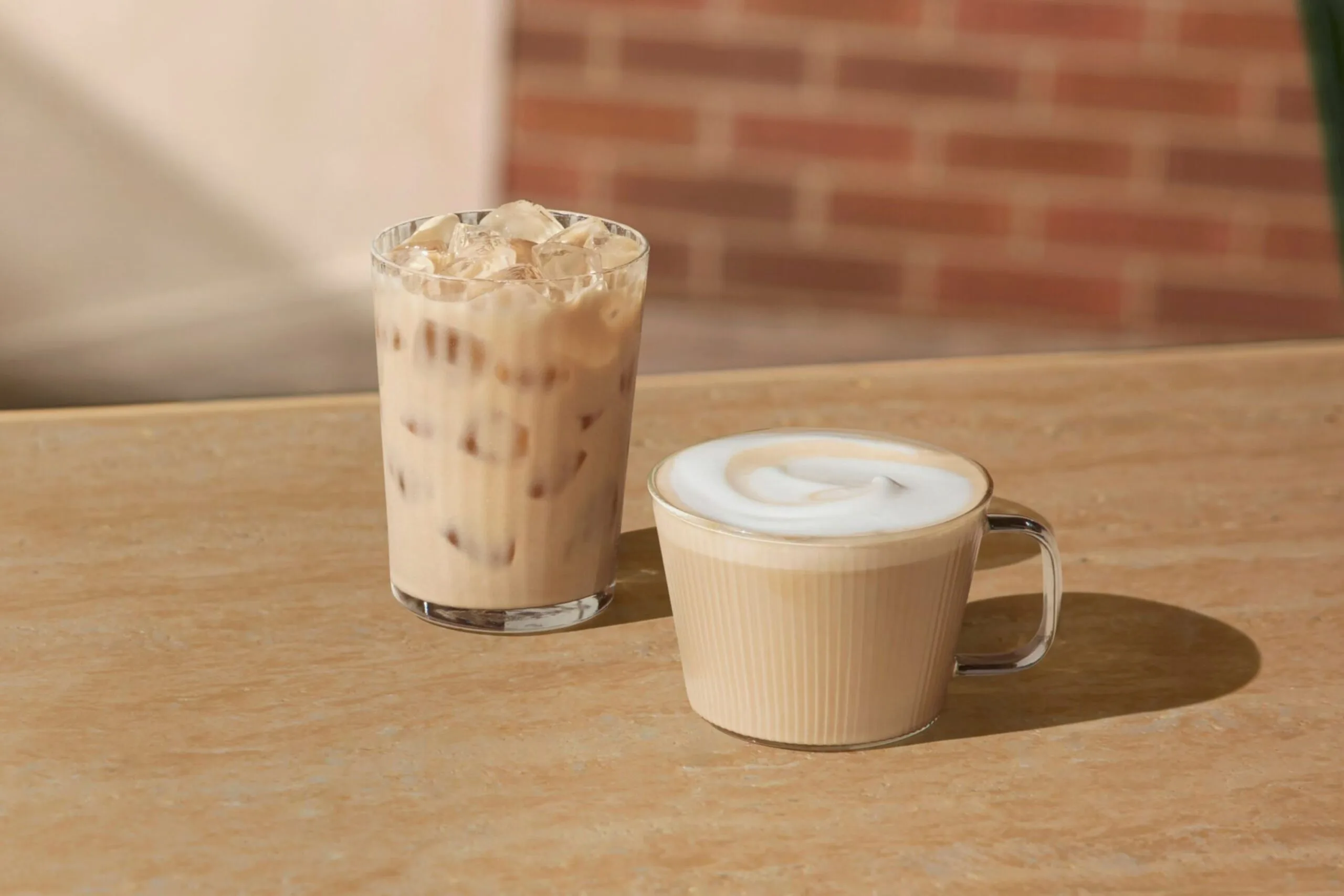
Coffee shop menus are starting to look a little different. For years, the biggest trends were sweeter drinks—caramel swirls, flavored syrups, mounds of whipped cream, and dessert-style iced coffees. But lately the focus has shifted. New drinks are increasingly built around lower sugar, added protein, or functional ingredients.
Both Dunkin’ and Starbucks have leaned into this shift recently with drinks that emphasize higher protein or lower sugar instead of sweetness and flavored toppings. The idea is to give customers something that feels like it fits into a healthier lifestyle but is still satisfying.
Rx weight loss, the right way, with Noom
Get access to prescription weight loss medication with Noom.Microdose GLP-1s
Wegovy®
Ozempic®
Metformin
Zepbound®
Mounjaro®
Liraglutide
Part of the reason is changing nutrition habits. Many people are experimenting with low-carb diets, intermittent fasting, or keto, while others are using GLP-1 medications that reduce appetite and often make extremely sweet drinks less appealing.
Dunkin’ has already introduced protein-focused drinks, and now it’s expanding further with a new category: zero-sugar energy beverages called Dunkin’ Zero.
The timing is notable. The launch comes just days before the U.S. Health and Human Services Secretary Robert F. Kennedy Jr. publicly criticized the high sugar content in many coffee shop drinks, singling out chains like Dunkin’ and Starbucks as examples of how much hidden sugar can show up in everyday beverages. The comments highlighted something real: consumers are increasingly paying attention to how much sugar is in their drinks.
Dunkin’s new zero-sugar beverages promise energy and flavor with very few calories—and they show how quickly the beverage industry is responding to growing attention around sugar intake and metabolic health.
But removing sugar doesn’t automatically make a drink healthy. To create something sweet and energizing without sugar, brands rely on alternative sweeteners, caffeine sources, amino acids, and vitamin blends. That raises reasonable questions: What exactly is in these drinks, and how do those ingredients affect your health?
Let’s take a closer look at what’s inside Dunkin’ Zero drinks, how they’re sweetened, and what the research says about some of the key ingredients.
What is Dunkin’ Zero?
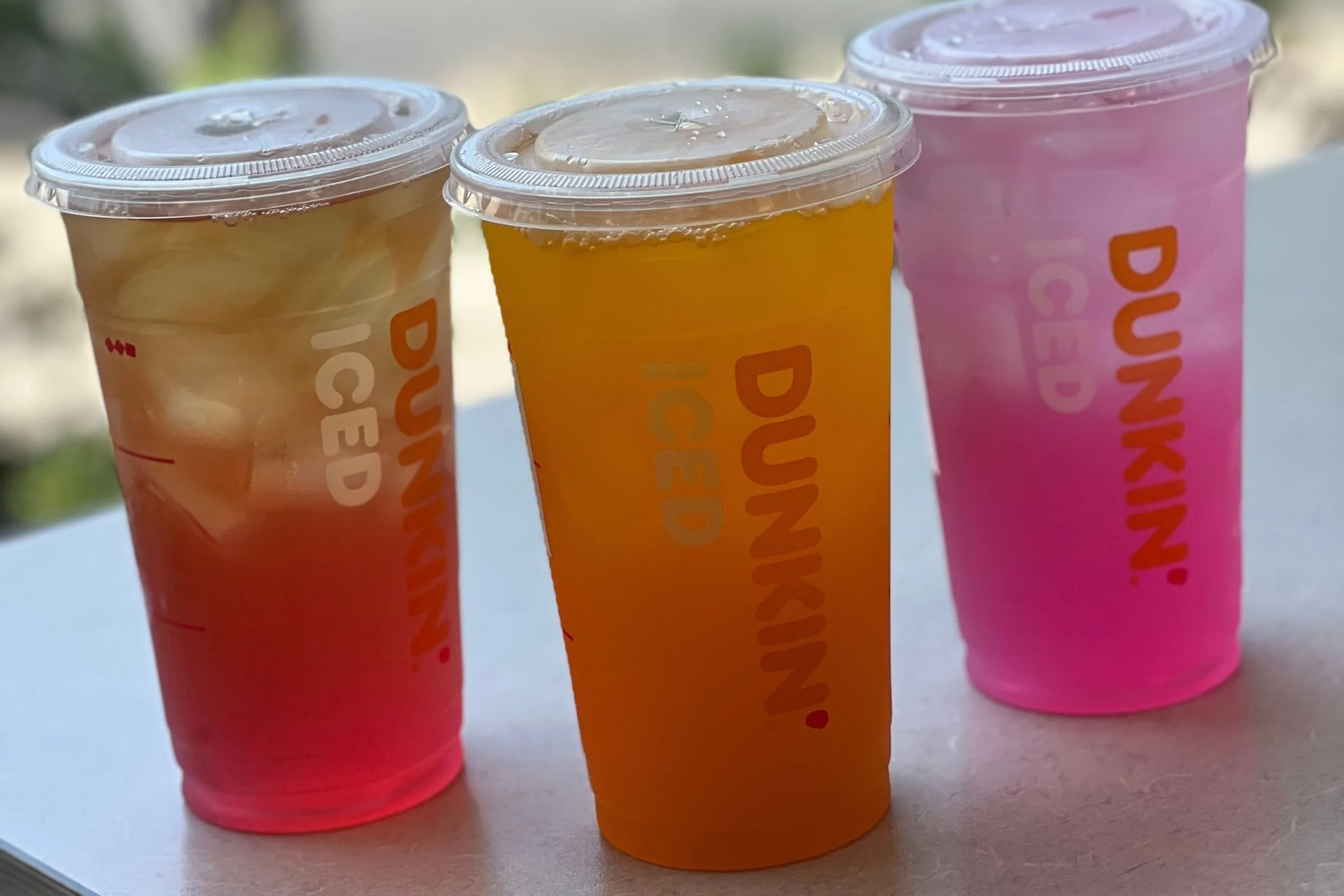
Dunkin’ Zero is a line of sparkling, fruit-flavored energy drinks made without sugar that are very low in calories.
A medium drink contains approximately 20 calories and about 9 carbs with 145 mg of caffeine, which is roughly the amount in two espresso shots or about 1 1/2 cups of coffee.
Dunkin’ Zero: Nutrition info (medium – 16-oz)
| Nutrient | Amount |
|---|---|
| Calories | 20 |
| Total carbohydrates | 9 g |
| Sugar | 0 g |
| Sodium | 190 mg |
| Caffeine | 145 mg |
Dunkin’ Zero: New drink flavors and ingredients
The drinks come in six flavor combinations built from three core fruit syrups. All of the drinks use the same base formula:
- Sparkling water
- Zero-sugar flavored syrups sweetened with allulose
- Caffeine from guarana extract
- Energy-focused ingredients like taurine and B-vitamins
Here’s a look at the full ingredients:
| Drink | Flavor combination | Ingredients |
|---|---|---|
| Blackberry Tangerine Dunkin’ Zero | Blackberry citrus flavor | Sparkling water; Blackberry Tango Energy Zero syrup: water, allulose, natural flavors, citric acid, guarana seed blend (maltodextrin, guarana seed extract, caffeine), taurine, sodium citrate, fruit & vegetable juice (color), potassium sorbate (preservative), steviol glycosides, xanthan gum, vitamin/mineral blend (vitamin B6, vitamin B12, pantothenic acid, niacin, manganese, zinc, maltodextrin). |
| Juicy Peach Dunkin’ Zero | Peach flavored | Sparkling water; Peach Energy Zero syrup: water, allulose, citric acid, natural flavors, guarana seed blend (maltodextrin, guarana seed extract, caffeine), taurine, fruit & vegetable juice (color), sodium citrate, steviol glycosides, xanthan gum, potassium sorbate (preservative), vitamin/mineral blend (vitamin B6, vitamin B12, pantothenic acid, niacin, manganese, zinc, maltodextrin). |
| Tropical Mango Dunkin’ Zero | Mango flavored | Sparkling water; Tropical Tsunami syrup: water, allulose, natural flavors, citric acid, guarana seed blend (maltodextrin, guarana seed extract, caffeine), taurine, sodium citrate, potassium sorbate (preservative), steviol glycosides, beta carotene (color), xanthan gum, vitamin/mineral blend (vitamin B6, vitamin B12, pantothenic acid, niacin, manganese, zinc, maltodextrin). |
| Glamberry Dunkin’ Zero | Blackberry + peach | Sparkling water; Blackberry Tango Energy Zero syrup (water, allulose, natural flavors, citric acid, guarana seed blend, taurine, sodium citrate, fruit & vegetable juice color, potassium sorbate, steviol glycosides, xanthan gum, vitamin/mineral blend) + Peach Energy Zero syrup (water, allulose, citric acid, natural flavors, guarana seed blend, taurine, fruit & vegetable juice color, sodium citrate, steviol glycosides, xanthan gum, potassium sorbate, vitamin/mineral blend). |
| Sunzest Dunkin’ Zero | Mango + peach | Sparkling water; Tropical Energy Zero syrup (water, allulose, natural flavors, citric acid, guarana seed blend, taurine, sodium citrate, potassium sorbate, steviol glycosides, beta carotene color, xanthan gum, vitamin/mineral blend) + Peach Energy Zero syrup (water, allulose, citric acid, natural flavors, guarana seed blend, taurine, fruit & vegetable juice color, sodium citrate, steviol glycosides, xanthan gum, potassium sorbate, vitamin/mineral blend). |
| Blushpop Dunkin’ Zero | Mango + blackberry | Sparkling water; Tropical Energy Zero syrup (water, allulose, natural flavors, citric acid, guarana seed blend, taurine, sodium citrate, potassium sorbate, steviol glycosides, beta carotene color, xanthan gum, vitamin/mineral blend) + Blackberry Tango Energy Zero syrup (water, allulose, natural flavors, citric acid, guarana seed blend, taurine, sodium citrate, fruit & vegetable juice color, potassium sorbate, steviol glycosides, xanthan gum, vitamin/mineral blend). |
Why do Dunkin’s zero-sugar drinks still contain carbs?
You may notice the drinks list some carbohydrates even though they contain zero sugar.
That happens because certain ingredients technically count as carbohydrates but don’t behave like sugar in the body.
- Allulose counts toward carbohydrates on nutrition labels even though it provides very few calories.
- Maltodextrin is used in very small amounts to stabilize ingredients like caffeine extracts and vitamin blends.
Together, these ingredients contribute small carbohydrate amounts while keeping total calories extremely low.
Dunkin’ Zero drinks: Are they healthy?
Dunkin’ Zero drinks are designed to deliver energy without the sugar found in many traditional coffeehouse beverages. Each drink contains about 20 calories, no sugar, and around 145 milligrams of caffeine.
Compared with many flavored coffees or energy drinks, that’s a significant reduction in calories and sugar. For people trying to limit sugary drinks, that alone may make them an appealing option.
But beyond a small amount of added B-vitamins, these beverages aren’t meaningful sources of nutrients or energy. They don’t provide protein, fiber, or the kinds of vitamins and minerals you’d get from whole foods. In other words, they’re not designed to nourish the body—they’re designed to provide flavor and caffeine with very few calories.
They’re also a good example of an ultra-processed beverage, meaning they’re made primarily from refined ingredients, flavorings, and additives rather than whole foods. Research suggests diets high in ultra-processed foods are associated with higher calorie intake and may make it easier to overeat, partly because these foods are engineered to be highly palatable and easy to consume.
From a health perspective, the best outcome for drinks like these is usually that they’re not harmful when consumed in moderation.
Another factor to consider is how sweet flavors affect appetite and cravings. Some research suggests that intensely sweet tastes—even from low-calorie sweeteners—can increase cravings for sweet foods in certain people or reinforce a preference for very sweet flavors. That doesn’t happen to everyone, but it’s something to be aware of if you notice that sweet drinks make you want more sweets later in the day.
For many people, the healthiest approach is to think of drinks like Dunkin’ Zero as an occasional treat, rather than something that contributes meaningful nutrition to the diet or replaces minimally processed foods and drinks.
Dunkin’ Zero drinks: Are they safe?
Most of the ingredients in Dunkin’ Zero are commonly used in energy drinks and flavored beverages and are considered safe in the amounts typically used in food and drinks. Here’s a closer look at a few of the key ingredients.
- Allulose – Allulose is a low-calorie sweetener that tastes similar to sugar but provides only about one-tenth the calories and has minimal effects on blood sugar. In larger amounts, it can cause digestive discomfort for some people.
- Steviol glycosides – While many people refer to them simply as “stevia,” steviol glycosides are the purified sweet compounds extracted from the stevia plant and used as no-calorie sweeteners in foods and beverages. The FDA considers highly purified stevia extracts generally recognized as safe (GRAS). Some people notice a slightly bitter aftertaste, and large amounts may cause digestive sensitivity in some people.
- Taurine – Taurine is an amino acid that the body can produce on its own, and it’s also found naturally in foods like meat and fish. It plays roles in processes like cell signaling, muscle function, and electrolyte balance, and is commonly added to energy drinks. Taurine is generally considered safe at the levels used in beverages, though the long-term effects of combining it with high amounts of caffeine in energy drinks are still being studied.
- Guarana and caffeine – The caffeine in Dunkin’ Zero appears to come from guarana seed extract, a plant that naturally contains caffeine and is commonly used in energy drinks. Some people may experience jitters, anxiety, or sleep disruption, especially if they consume multiple caffeinated drinks or have caffeine later in the day.
Frequently asked questions about Dunkin’ Zero drinks
Do Dunkin’ Zero drinks contain sugar?
No. Dunkin’ Zero drinks contain 0 grams of sugar, though they do include small amounts of carbohydrates from ingredients like allulose.
How much caffeine is in Dunkin’ Zero?
A medium Dunkin’ Zero drink contains about 145 mg of caffeine, which is similar to two espresso shots.
Are Dunkin’ Zero drinks keto-friendly?
Because they contain no sugar and very few calories, some people following lower-carb diets may include them occasionally. But they still contain small amounts of carbohydrates, 9 grams in a medium, which could be too much for a very strict keto diet.
The bottom line: Dunkin’ Zero drinks are safe in moderation
Dunkin’ Zero drinks reflect a clear shift in the coffee and beverage world: people want drinks that taste good without extra sugar. Compared with many coffee shop beverages, these drinks are low in calories, free of added sugar, and still have caffeine, which can make them a lighter alternative to sugary coffee drinks or fruit-flavored caffeinated beverages.
Reviews from real Noom users
Desirea N. — Real Noom user
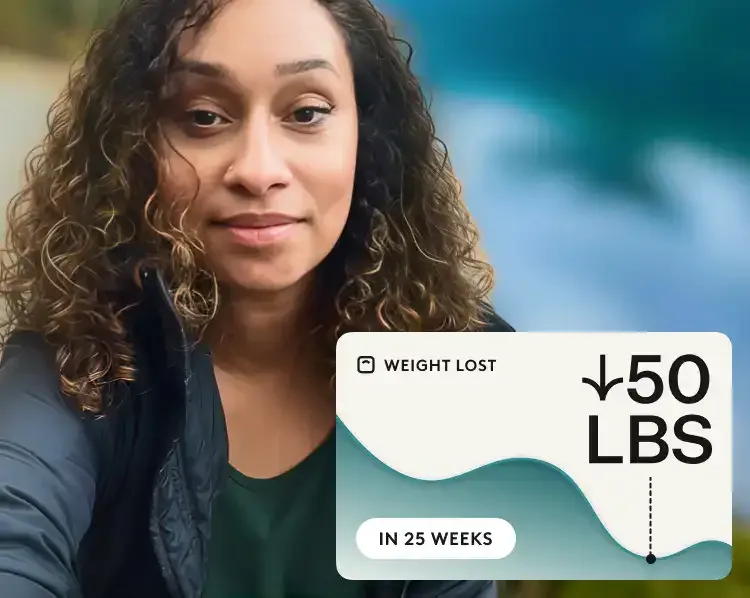
“My favorite parts of Noom are the care team and other Noomers. Sharing and getting help made me feel like I wasn’t doing it alone. That support made all the difference.”
Desirea N. — Real Noom user
Matthew M. — Real Noom user
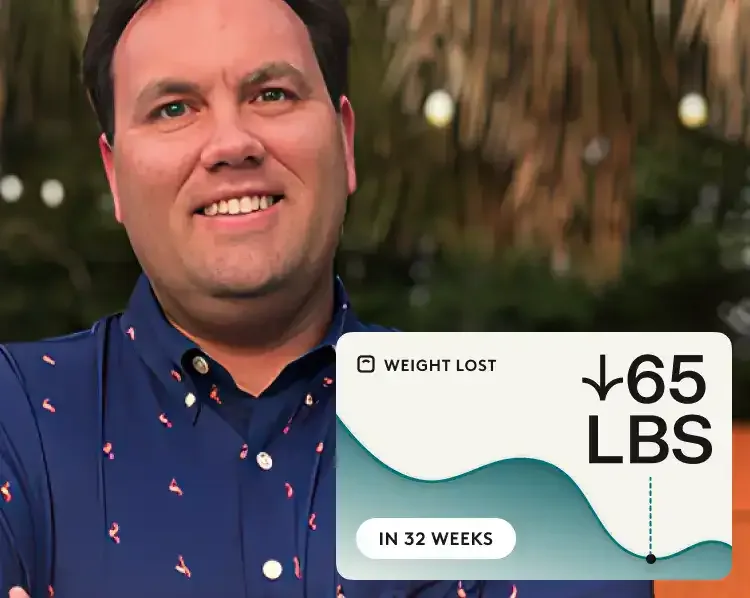
“Noom has taught me that every day is a new chance to make better, healthier choices. It's taught me how to stop overeating.’’
Matthew M. — Real Noom user
Lila M. — Real Noom user
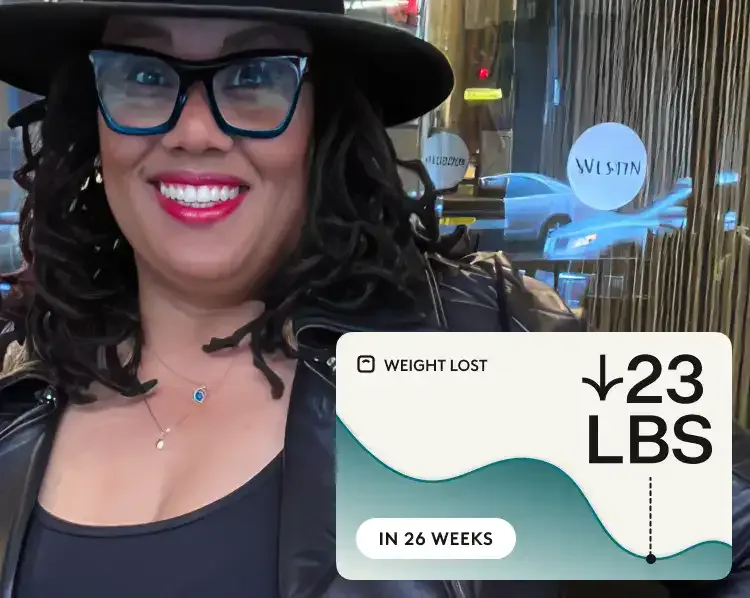
“Clinicians who understand how supportive medication can be is one of the best parts of Noom! I was convinced I wouldn’t have success but I’m down 11 pounds in two months.’’
Lila M. — Real Noom user
Steve M. — Real Noom user
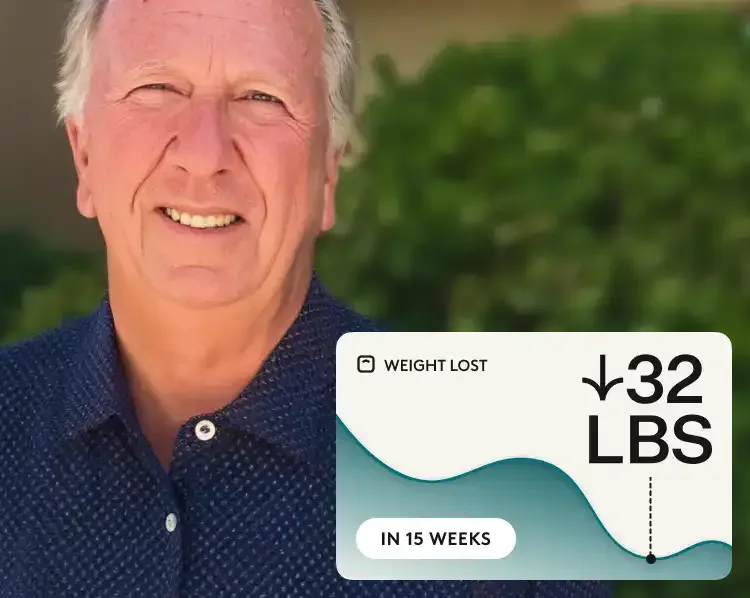
“Noom provided me with the medication which I could not get through Medicare. I have learned the tricks to better eating and life in general.”
Steve M. – Real Noom user
Daisy R. — Real Noom user
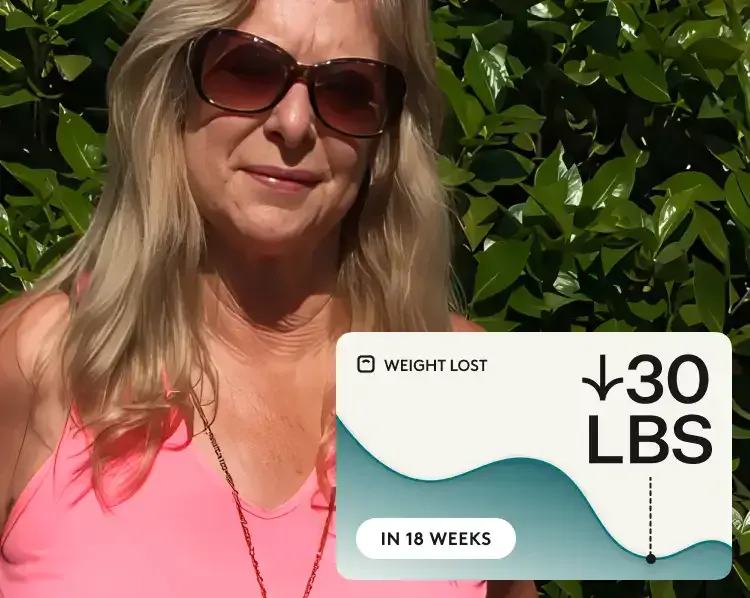
‘’Noom has changed my life and I’m so thankful, I feel great, have more energy and am no longer prediabetic.”
Daisy R. – Real Noom user
Sarah R. — Real Noom user
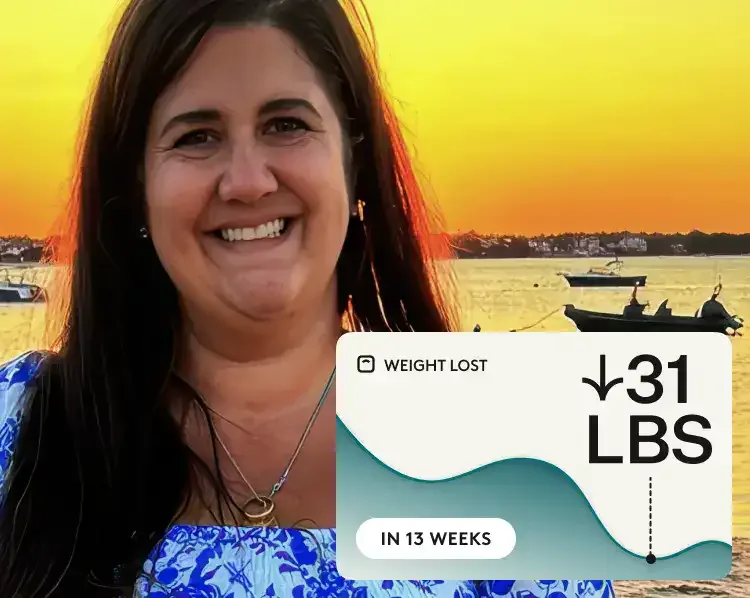
“All of the Noom providers that I’ve met with have been exceptional and prescribed medications that are appropriate for my situation and health.”
Sarah R. – Real Noom user
Madison S. — Real Noom user
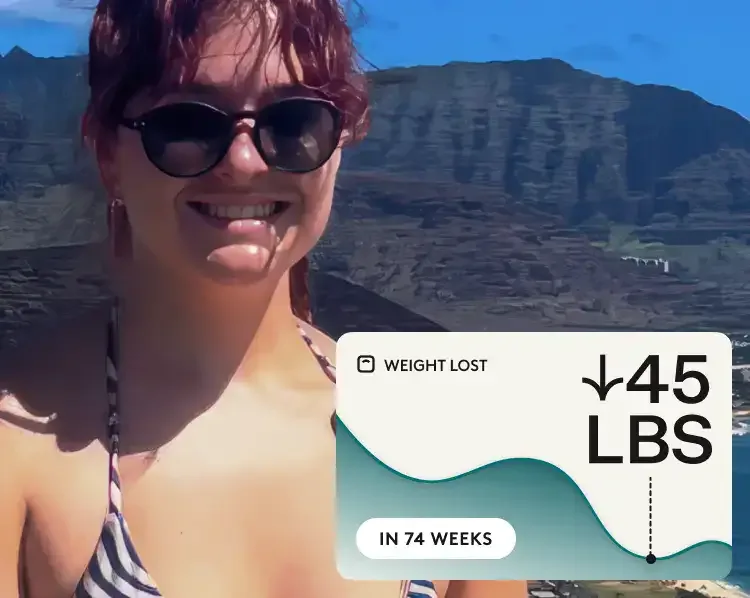
“Noom made the process so simple and now I feel full, free from diet obsession, and at ease in my body again.”
Madison S. – Real Noom user
Sonday K. — Real Noom user
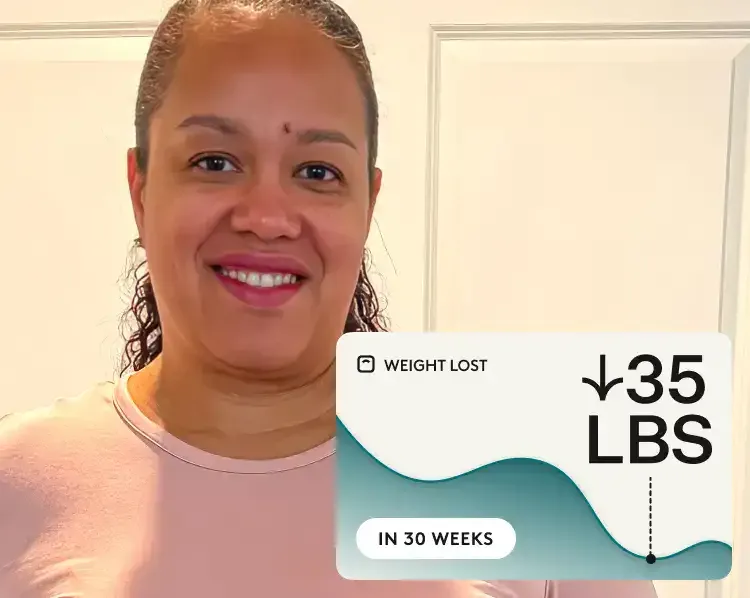
“My doctor recommended Noom after I was frustrated trying to lose weight. The lessons helped change my relationship with food. My body feels lighter & energized.”
Sonday K. – Real Noom user
Cam K. — Real Noom user
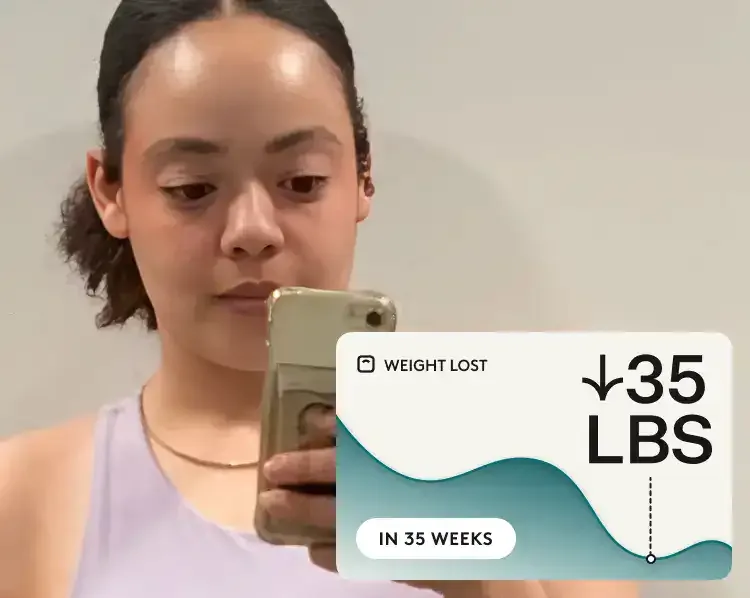
“I built healthy habits with coaching and lessons that make me confident I can maintain my weight loss long term.”
Cam K. – Real Noom user
Laura TR. — Real Noom user
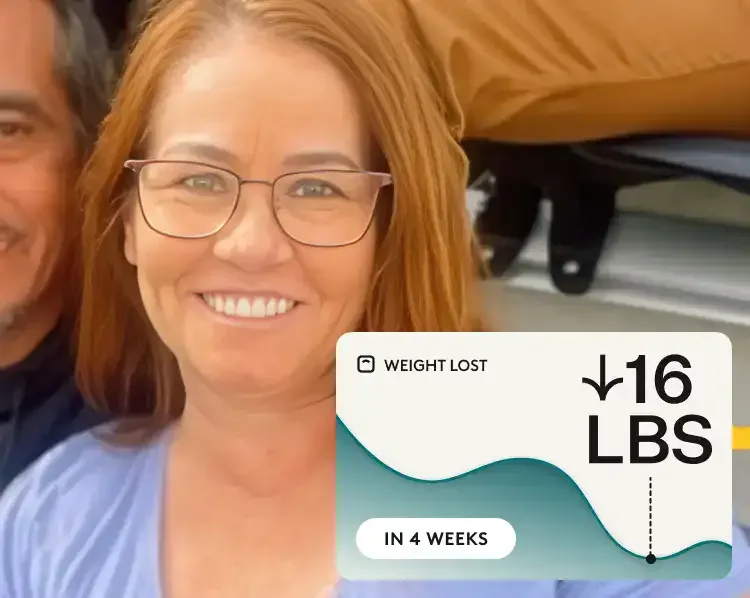
“With the right medication through Noom, hunger and sugar cravings finally quieted and I have the tools to break the cycle.”
Laura TR. – Real Noom user
Jessica S. — Real Noom user
“Cravings and food noise are gone, I finally feel confident in the healthy habits I’ve built to last with Noom.”
Jessica S. – Real Noom user
But lower sugar doesn’t automatically make a drink healthy. Beverages like these rely on low-calorie sweeteners and flavor systems to create sweetness without calories. Research suggests these ingredients can affect people differently—some studies link intensely sweet flavors and ultra-processed ingredients to increased cravings.
For most people, the best way to think about drinks like Dunkin’ Zero is as an occasional energy boost, not a replacement for balanced meals, hydration, or sleep.
If you’re paying attention to habits like caffeine intake, sugar consumption, and overall nutrition, tools that help you understand your choices—like Noom’s behavior-based approach—can make those decisions easier to navigate over time. Download Noom on iOS & Android for daily tips, exclusive recipes, and more to help you on your wellness journey.
Editorial standards
At Noom, we’re committed to providing health information that’s grounded in reliable science and expert review. Our content is created with the support of qualified professionals and based on well-established research from trusted medical and scientific organizations. Learn more about the experts behind our content on our Health Expert Team page.