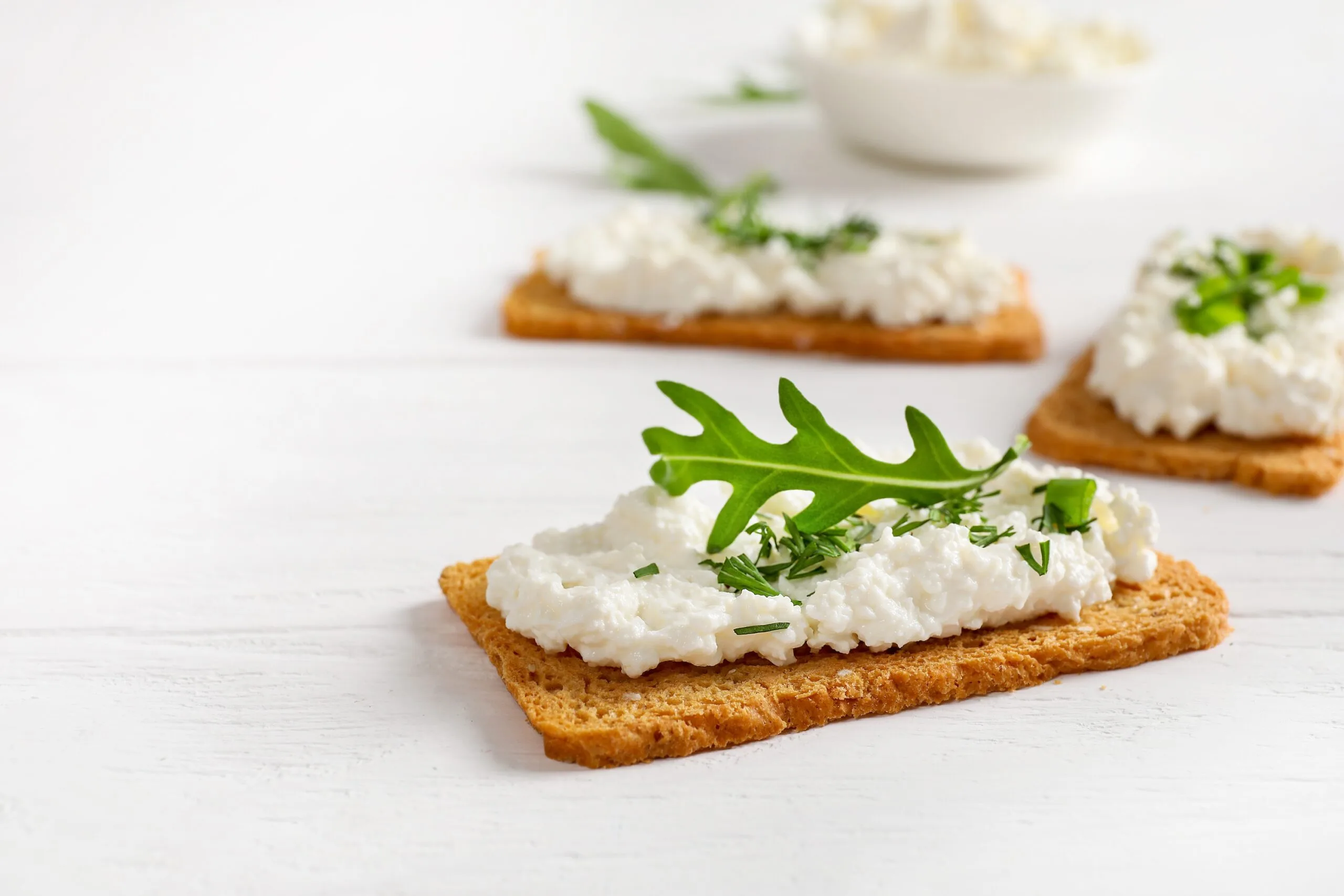
If it feels like cottage cheese is suddenly everywhere, you’re right—it’s having a major moment. From TikTok “ice cream” to protein-packed breads and tortillas, people are finding creative ways to work it into their meals. And the hype is justified: a half-cup of low-fat cottage cheese clocks in at just 90 calories while packing 14 grams of slow-digesting protein—the kind that keeps you full for hours. That protein not only curbs hunger but also helps preserve lean muscle, which is key for keeping your metabolism humming as you lose weight.
Bonus: you’ll also get a boost of selenium (20% of your daily needs) and vitamin B12 (21%), both important for overall health. The caveats? Many brands are high in sodium, and since it’s dairy-based, it’s off the menu for vegans and people with lactose intolerance. But if it fits your diet, cottage cheese is a versatile, budget-friendly staple—and right now, one of the trendiest weight-loss foods around.
✅ Quick answer
Yes, cottage cheese can be a fantastic aid for weight loss, especially when you choose low-fat varieties.
✅ Why cottage cheese can support your goals:
- It’s high in protein that keeps you full – Low-fat cottage cheese is loaded with casein, a slow-digesting protein that keeps you satisfied for hours. That means fewer random snack attacks and an easier time sticking to your goals.
- It’s light on calories, big on impact – For all that protein, cottage cheese is surprisingly low in calories. A half-cup serving has only about 90 calories, which makes it easy to work into your plan..
- It helps protect your muscle while you lose fat – When you’re cutting calories, your body can lose muscle along with fat. Since muscle burns more calories at rest, you want to hold onto it. The protein in cottage cheese delivers the amino acids your muscles need to stay strong—especially if you enjoy it after a workout or as a pre-bedtime snack.
⚠️ Things to be mindful of:
- It can be high in sodium – Many brands pack in extra salt for flavor and shelf life. Too much sodium can cause bloating, water retention, or even bump up your blood pressure. If that’s a concern, go for low-sodium or no-salt-added options.
- It has lactose, which can be an issue for some – Since it’s dairy, cottage cheese naturally contains lactose. If you’re sensitive, that can mean gas, bloating, or stomach cramps. Some brands offer lactose-free versions, but they’re not always easy to find.
🥗 Nutrients in low-fat cottage cheese (per 1/2 cup)
| Nutrient | Amount | % RDA* |
|---|---|---|
| Calories | 90 calories | 5% |
| Protein | 14 g | 28% |
| Total carbs | 5 g | 2% |
| Fiber | 0 g | 0% |
| Sugars | 5 g | — |
| Total fat | 1 g | 1% |
| – Saturated fat | 0.6 g | 3% |
| – Monounsaturated fat | 0.3 g | — |
| – Polyunsaturated fat | 0.1 g | — |
| Omega-3 | 0 g | — |
| Omega-6 | 0.02 g | — |
Low-fat cottage cheese really shines when you look at its macros. Just a half-cup gives you 14 grams of protein for only 90 calories—a pretty great deal if you’re trying to stay full without going over your calorie budget. That protein is the real MVP, helping with muscle repair and keeping you satisfied for hours.
Carbs stay low at about 5 grams per serving, most of which come from natural milk sugar (lactose). That makes it a smart choice for low-carb eaters. The only thing it’s missing is fiber—so pair it with fruit, veggies, or a sprinkle of chia seeds to round things out.
*Recommended dietary allowance (RDA) is defined as the average daily amount of nutrients needed to meet the requirements of nearly all healthy people in a specific group.
💊 Vitamins & minerals in low-fat cottage cheese (per 1/2 cup)
| Vitamin/mineral | Amount | % RDA* |
|---|---|---|
| Selenium | 11 μg | 20% |
| Phosphorus | 190 mg | 15% |
| Sodium | 400 mg | 17% |
| Vitamin B12 | 0.5 μg | 21% |
| Riboflavin (B2) | 0.2 mg | 15% |
| Calcium | 100 mg | 8% |
| Zinc | 0.5 mg | 5% |
| Potassium | 125 mg | 3% |
| Vitamin A | 20 μg | 2% |
| Magnesium | 10 mg | 2% |
Low-fat cottage cheese isn’t just about protein—it delivers in a nice mix of vitamins and minerals, too. A half-cup gives you about 20% of your daily selenium, an antioxidant that helps protect your cells and supports thyroid health. You’ll also get a solid boost of phosphorus for strong bones and teeth, and vitamin B12 for energy and healthy red blood cells.
On top of that, it has riboflavin (vitamin B2), which helps your body turn food into usable energy. The one thing to watch? Sodium. Some brands pack in up to 17% of your daily limit in just half a cup, so choosing low-sodium versions can make a big difference.
🔍 Nutrient breakdown
Glycemic index (GI) of cottage cheese
Glycemic index: 10-20 (Low)
💡 Tip: Low-GI foods like cottage cheese are digested slowly, helping to maintain stable blood sugar levels and control hunger effectively.
Is cottage cheese high in protein?
✔️ Yes: Low-fat cottage cheese contains 14 g of protein per half-cup serving. This is a significant amount, making it one of the most protein-dense dairy products available. The majority of this is casein protein, which digests slowly, providing sustained amino acid release.
🔹 Better protein alternatives: Greek Yogurt | Chicken Breast | Eggs
Is cottage cheese high in fiber?
❌ No: Cottage cheese provides 0 g of fiber per serving. It’s a dairy product and doesn’t naturally contain any dietary fiber. To increase your fiber intake, pair cottage cheese with high-fiber foods like berries, seeds, or whole-grain crackers.
💡 Tip: Mix cottage cheese with a tablespoon of chia seeds or flaxseeds to easily add a fiber boost to your snack.
Is cottage cheese low in carbs?
✔️ Yes: Low-fat cottage cheese has 5 g of carbs per half-cup serving, making it an excellent choice for low-carb and ketogenic diets. The carbs present are primarily from lactose, the natural sugar found in milk.


💡 Tip: For a keto-friendly meal, combine cottage cheese with avocado and a sprinkle of everything bagel seasoning.
Is cottage cheese gluten-free?
✔️ Yes: Plain cottage cheese is naturally gluten-free. It’s made from milk, cultures, and salt, none of which contain gluten. Always check the label, as some brands may add flavorings or thickeners that could contain gluten.
Is cottage cheese good for fat loss?
✔️ Yes: Due to its high-protein and low-calorie profile, low-fat cottage cheese is excellent for fat loss. Protein increases satiety and has a higher thermic effect of food, meaning your body burns more calories digesting it. This combination helps you maintain a calorie deficit while preserving muscle mass.
🍽️ Diet compatibility: Which diets include cottage cheese?
| Diet | ✅Yes /❌No | Why |
|---|---|---|
| Keto | ✅ | With only about 5 grams of net carbs per half-cup serving, low-fat cottage cheese fits well within the daily carb limit of a ketogenic diet. It provides excellent protein to support ketosis. |
| Paleo | ❌ | The Paleo diet excludes all dairy products, as they weren’t consumed by our hunter-gatherer ancestors. Since cottage cheese is a processed dairy food, it’s not permitted on a strict Paleo plan. |
| Mediterranean | ✅ | Low-fat cottage cheese can be included in moderation within a Mediterranean diet. This diet emphasizes plant-based foods but allows for moderate consumption of dairy, particularly cheese and yogurt. |
| Vegan | ❌ | As an animal-derived product, cottage cheese isn’t suitable for a vegan diet. Vegans abstain from all foods that come from animals, including milk, cheese, and other dairy items. |
| Gluten-free | ✅ | Plain cottage cheese is naturally free of gluten, making it a safe and nutritious option for individuals with celiac disease or gluten sensitivity. Always double-check ingredient lists for additives. |
One of the best things about low-fat cottage cheese is how flexible it is—it fits right into several popular eating styles. Its combo of high protein and low carbs makes it a go-to for keto, since it helps hit protein needs without kicking you out of carb limits. It also works well in the Mediterranean diet, which favors nutrient-dense foods but still makes room for moderate dairy.
If you’re gluten-free, good news: plain cottage cheese is naturally safe. But because it’s dairy, it’s a no-go for vegan and strict Paleo eaters. If that’s you, you’ll want to swap in plant-based or non-dairy protein options instead.
🌟 Is cottage cheese healthy? What are the health benefits
Metabolic health: Is cottage cheese good for your metabolism?
- Boosts metabolism? ✔️ Yes – The protein in low-fat cottage cheese has what’s called a thermic effect—your body actually burns calories just to digest it. Protein takes the most energy to break down compared with carbs or fat.
- Improves insulin sensitivity? ✔️ Yes – The casein protein in cottage cheese digests slowly, which helps release glucose into your bloodstream at a steadier pace. That can improve insulin sensitivity and prevent the rollercoaster of energy crashes.
- Effect on fat storage? Helps prevent – Protein also protects lean muscle mass, which is important because muscle burns more calories at rest than fat does. By keeping muscle intact, cottage cheese helps keep your metabolism strong and makes it less likely you’ll store extra fat.
Cholesterol impact: Does cottage cheese affect cholesterol levels?
- Does it lower LDL (bad) cholesterol? ❌ Not directly – There isn’t strong evidence that cottage cheese itself lowers LDL. But as part of a balanced, calorie-conscious diet—especially when you choose low-fat versions—it can support weight loss, which often helps improve cholesterol levels overall.
- Does it raise HDL (good) cholesterol? ❌ Research is limited – We don’t have much data on cottage cheese and HDL specifically. Some dairy studies suggest a neutral effect, meaning it’s unlikely to harm but probably won’t boost HDL in a big way either.
- Overall impact on heart health? Low-fat, low-sodium cottage cheese can absolutely fit into a heart-healthy eating pattern. Its high protein helps with weight management, and keeping a healthy weight is one of the most important factors for cardiovascular health.
💡 Tip: Pair cottage cheese with heart-healthy foods like walnuts, almonds, or berries. You’ll add fiber and healthy fats that give your heart even more support.
Can I eat cottage cheese for a calorie deficit?
✔️ Yes, with confidence: Low-fat cottage cheese is a great choice when you’re trying to cut calories because it’s surprisingly filling for so few calories. A half-cup has only 90 calories and packs in 14 grams of protein, which helps you stay satisfied and makes sticking to your daily target a lot easier.
💡 Tip: Use cottage cheese as a low-calorie substitute for mayonnaise or sour cream in dips and dressings to save calories while adding protein.
Is cottage cheese rich in antioxidants?
✔️ Yes: Low-fat cottage cheese is a solid source of selenium, a mineral that acts like an antioxidant in your body. Selenium helps protect your cells from oxidative stress and inflammation, which supports overall health and may even lower the risk of certain chronic conditions over time..
Does cottage cheese support gut health?
✔️ Limited: Certain brands of cottage cheese contain live and active cultures (probiotics), similar to what you’d find in yogurt. These good bacteria can help support a healthy gut microbiome, which is important for digestion, immunity, and overall wellness. Not all cottage cheese has them, though—so if gut health is your goal, check the label for “live and active cultures.”
Does cottage cheese support digestion?
Positive: The casein protein in cottage cheese digests slowly, giving your body a steady stream of energy and amino acids without spiking your blood sugar. For most people, it’s gentle on the stomach—but since it doesn’t have any fiber, it won’t directly help with regularity.
Does cottage cheese help you feel satiated and less hungry?
High: The high concentration of casein protein in cottage cheese forms a gel-like substance in the stomach, slowing down digestion significantly. This slow digestion process leads to a prolonged feeling of fullness and satisfaction, making it powerful for appetite control.
Satiety Level: High
💡 Tip: Make cottage cheese extra satisfying by pairing it with fiber and healthy fats. For a savory twist, try sliced avocad or a sprinkle of sunflower seeds. For something sweet, top it with berries or pear slices.
Does cottage cheese help with nighttime cravings?
✔️ Yes: Consuming cottage cheese as an evening snack can be particularly effective at curbing nighttime or morning hunger. The slow-releasing protein provides your body with a steady supply of amino acids overnight, preventing hunger pangs and promoting muscle repair while you sleep.
💡 Tip: Try a small serving of cottage cheese with a few berries before bed..
Does cottage cheese help reduce inflammation?
✔️ Neutral: While not a primary anti-inflammatory food, some studies suggest that dairy products in healthy individuals don’t cause inflammation and may even have a mild anti-inflammatory effect. The antioxidant selenium in cottage cheese also helps combat oxidative stress, a driver of inflammation.
Is cottage cheese beneficial for brain health?
✔️ Yes: Low-fat cottage cheese contains vitamin B12 and other B vitamins that are essential for neurological function and cognitive health. A diet rich in B vitamins supports memory and may help protect against age-related cognitive decline.
Can cottage cheese improve skin and hair health?
✔️ Yes: The high-quality protein in cottage cheese provides essential amino acids that are the building blocks of keratin, the protein that makes up hair and nails. Additionally, nutrients like selenium and vitamin A contribute to healthy skin by protecting it from oxidative damage.
Can cottage cheese help balance hormones?
✔️ Limited evidence: Protein and nutrients like selenium and zinc are crucial for hormone production, including thyroid hormones. By providing these building blocks and supporting stable blood sugar levels, cottage cheese can contribute to a healthy hormonal environment.
Access GLP-1 Weight Loss with Noom
Explore a wide range of prescription medications supported by Noom’s program.Microdose GLP-1rx
Noom GLP-1rx
Noom GLP-1rx Plus
Wegovy®
Ozempic®

Metformin
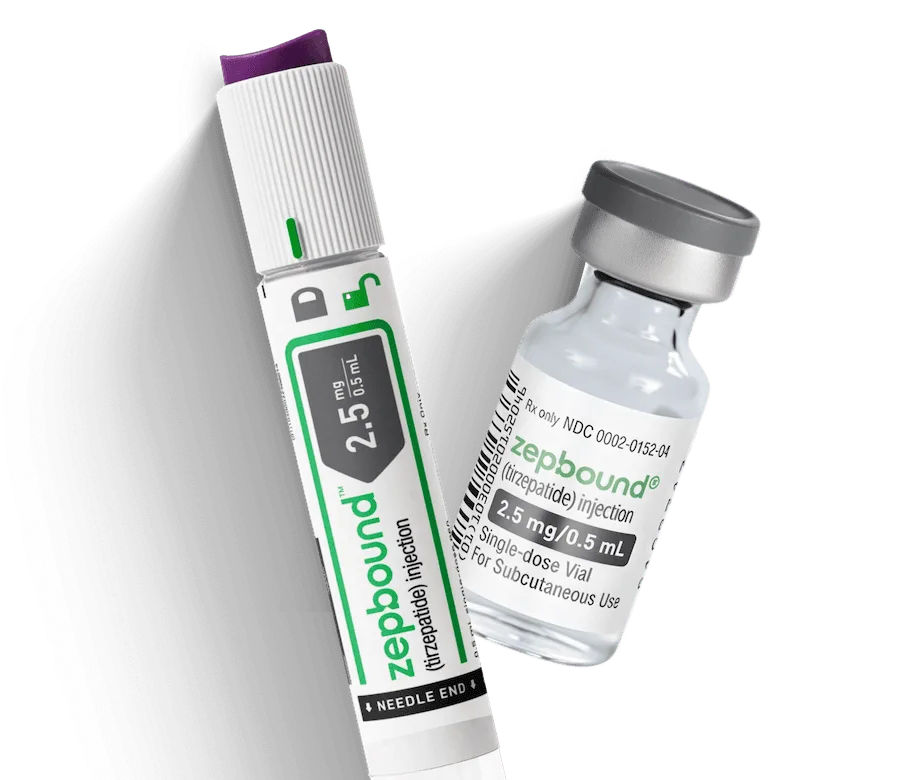
Zepbound®
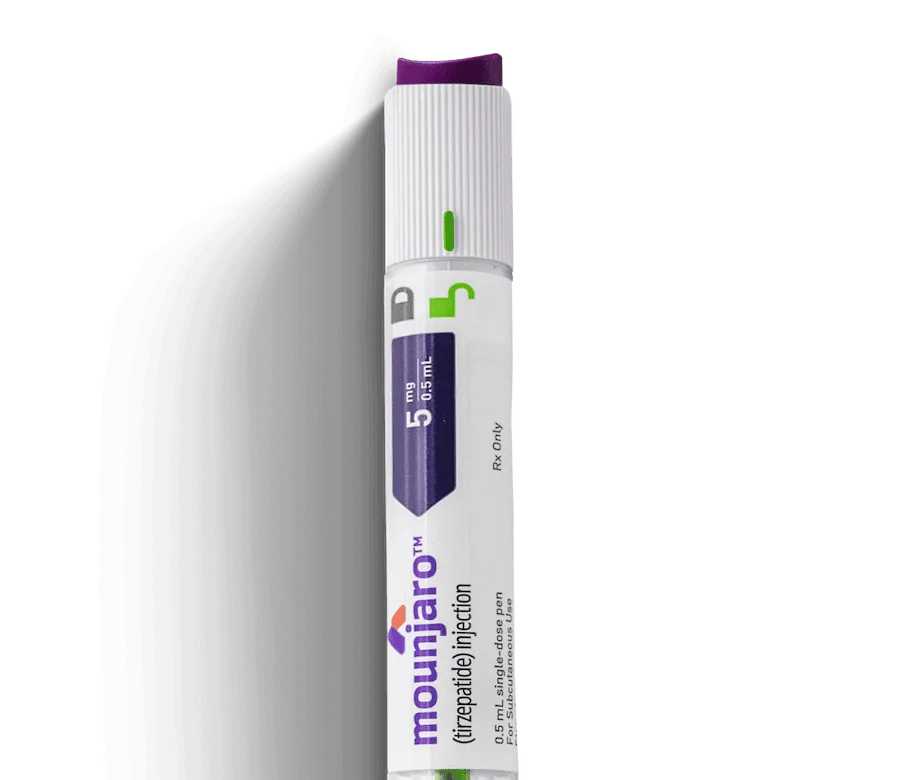
Mounjaro®
Liraglutide
💡 Tip: Combine cottage cheese with foods rich in healthy fats like nuts or seeds to better support hormone production and balance.
🍽️ Best ways to eat cottage cheese for weight loss
Sure, you can always enjoy cottage cheese the classic way—at breakfast with fruit, or as a quick snack with veggies—but its versatility goes way beyond that. Here are three creative, weight-loss-friendly ways to work it into your routine:
- As bread or tortillas – Cottage cheese is having a moment on social media thanks to recipes that turn it into protein-packed breads, flatbreads, and even tortillas. By blending it with eggs (and sometimes oats or psyllium husk), you can make “cloud breads” or wraps that are lighter in calories and higher in protein than traditional options.
- In smoothies or as a dip – Blend cottage cheese into smoothies for a creamy, protein-rich base without the need for protein powder. Or whip it with herbs and spices for a savory dip that’s much lighter than sour cream or mayo but still delicious with veggies.
- As dessert – Blend it into “ice cream” with fruit and a splash of vanilla, and then freeze for a creamy, high-protein treat. You can also use it as a base for puddings, parfaits, or spreads on toast with cinnamon and honey.
🍏 Best alternatives & comparisons (Per 1/2 cup)
| Food | Calories | Carbs | Fiber | Protein | Fat |
|---|---|---|---|---|---|
| Low-fat cottage cheese | 90 | 5 g | 0 g | 14 g | 1 g |
| Low-fat Greek yogurt | 80 | 6 g | 0 g | 15 g | 0 g |
| Skyr (plain) | 100 | 8 g | 0 g | 17 g | 0 g |
| Quark (low-fat) | 80 | 5 g | 0 g | 14 g | 0 g |
| Low-fat plain yogurt | 75 | 8 g | 0 g | 6 g | 2 g |
| Egg whites (equivalent of 2 eggs) | 35 | 0 g | 0 g | 7 g | 0 g |
This side-by-side makes it clear why low-fat cottage cheese is such a standout for weight loss. It’s almost neck-and-neck with Greek yogurt and quark when it comes to protein and calories—so you can’t go wrong with any of them. Skyr sneaks ahead with a little more protein, but it also comes with extra carbs and calories.
Compared to regular low-fat yogurt, cottage cheese really shines: you get way more protein for about the same calories, which means it’s more filling and better at keeping hunger in check. Egg whites are the leanest choice overall, but you’d need a bigger portion to get the same protein boost—and they don’t have the same grab-and-go convenience that cottage cheese offers.
Frequently asked questions about cottage cheese and weight loss
Is cottage cheese better than Greek yogurt for weight loss?
Both low-fat cottage cheese and Greek yogurt are excellent for weight loss, with similar calorie and protein profiles. Cottage cheese has slightly fewer carbs, while Greek yogurt may have more probiotics. Choose based on your taste preference and dietary needs.
How much cottage cheese should I eat per day for weight loss?
A half-cup to one cup of low-fat cottage cheese per day is typically appropriate for most people trying to lose weight. This provides 14-28 grams of protein while keeping calories reasonable. Adjust based on your overall protein and calorie goals.
When is the best time to eat cottage cheese for weight loss?
Cottage cheese is versatile and can be eaten anytime. It’s particularly beneficial as a bedtime snack due to its slow-digesting casein protein, which can support overnight muscle recovery and reduce morning hunger.
Can I eat cottage cheese every day?
Yes, you can eat low-fat cottage cheese daily as part of a balanced diet. Just be mindful of the sodium. Also, it’s a good idea to vary your protein sources to ensure you’re getting a wide range of nutrients.
Does cottage cheese cause bloating?
Cottage cheese may cause bloating in people with lactose intolerance or sensitivity to dairy products. If you experience digestive discomfort, try lactose-free varieties or start with smaller portions to assess your tolerance.
Is cottage cheese good for building muscle?
Yes, cottage cheese is excellent for building muscle due to its high-quality protein content and slow-digesting casein, which provides sustained amino acid release. This makes it particularly beneficial when consumed before bed for overnight muscle recovery.
Is cottage cheese an ultra-processed food?
Traditional cottage cheese is made from milk, cream, salt, and live cultures—simple ingredients without significant additives. While it is a processed food, it usually doesn’t contain the same additives as ultra-processed foods (UPFs). Some brands may use minimal stabilizers or preservatives, making them minimally processed.
Cottage cheese is generally not considered an ultra-processed food, but it depends on the specific product and the ingredient list. UPFs typically contain additives like artificial flavorings, emulsifiers, thickeners, preservatives, and high amounts of sugar, fat, or salt.
Check the label carefully. Cottage cheese becomes ultra-processed if it includes:
- Thickeners like carrageenan or modified starch
- Preservatives such as potassium sorbate
- Artificial flavors or sweeteners
🧠The bottom line: Is cottage cheese good for weight loss?
Low-fat cottage cheese stands out as a true superstar in the world of healthy weight-loss foods. Its nutritional profile is almost perfectly balanced for losing weight while preserving precious muscle mass. With an impressive amount of slow-digesting casein protein packed into a low-calorie, low-carbohydrate package, it excels at keeping you full, stable, and satisfied.
It also delivers essential micronutrients like selenium, phosphorus, and B vitamins that support overall health. It also comes in low-sodium and lactose-free varieties, making it accessible to nearly everyone. Choose low-fat varieties to maximize protein while minimizing calories from fat.

The Easy Way
to lose weight and get healthy.
See if you qualify

📖 Scientific evidence
High protein and more frequent meals reduce belly fat (Obesity, 2013): Eating more protein, spread across 6 smaller meals, helped reduce belly fat and preserve muscle—making protein-rich foods like cottage cheese a smart choice.
More casein at breakfast = longer fullness (British Journal of Nutrition, 2008): When people ate breakfast with 25% of its energy from casein (vs. 10%), they felt fuller several hours later, showing high-casein foods like cottage cheese offer lasting satiety.
Eggs and cottage cheese keep hunger equally low (Appetite, 2015): Eating cottage cheese or eggs as a snack had the same appetite-suppressing effects, even though they digest differently—a win for both options when you’re aiming to stay full.
Cottage cheese might help tame blood sugar spikes (Metabolism, 1992) – In adults with type 2 diabetes, eating cottage cheese alongside glucose reduced the post-meal blood sugar rise by about 11%, while still boosting insulin response.
Editorial standards
At Noom, we’re committed to providing health information that’s grounded in reliable science and expert review. Our content is created with the support of qualified professionals and based on well-established research from trusted medical and scientific organizations. Learn more about the experts behind our content on our Health Expert Team page.