
Boiled eggs are one of the simplest high-protein foods you can make—and they continue to be a staple because they’re practical and nutritious, not because they’re trendy.
They take about 8 to 10 minutes to cook, can be made ahead in batches, and last up to a week in the fridge. Once they’re ready, they’re easy to grab, require no prep, except peeling, and are portable, which makes them a reliable option when you need something quick.
One large egg has about 78 calories, but it’s more filling than many snacks because it combines protein and fat, which slows digestion and helps keep hunger steady for longer. That’s part of why eggs are often linked to better satiety compared to carb-heavy options.
From a weight loss perspective, boiled eggs check a lot of boxes. They’re low in carbs, don’t cause sharp blood sugar swings, and provide steady energy. They also contain nutrients many people don’t get enough of, like choline (important for brain and liver function) and selenium (which supports thyroid function and plays a role in metabolism).
As a protein option, they’re one of the most efficient and low-effort foods you can keep on hand—especially when consistency matters more than complexity.

The Easy Way
to lose weight and get healthy.
See if you qualify
✅ Quick answer
Yes, boiled eggs are excellent for weight loss. They’re high in protein and healthy fats, which help you feel full. One large boiled egg has just 78 calories, making it easy to fit into almost any calorie goal.
🚀 Weight-loss benefits
- Eggs are very satiating – The protein and fat in a boiled egg can slow digestion and trigger fullness hormones, which means you’re less likely to find yourself reaching for a snack an hour later. Studies consistently show that an egg-based breakfast leads to lower calorie intake throughout the rest of the day.
- Protein burns more calories to digest – Protein takes a little more energy to digest than carbs or fat, which can slightly increase the number of calories your body uses during digestion. Eggs are an easy, lower-calorie way to add protein to your day while also helping with fullness.
- They can keep blood sugar stable – Boiled eggs won’t cause a blood sugar spike, which can mean fewer cravings mid-morning.
⚠️ Things to be mindful of:
- They don’t have any fiber – air them with fiber-rich foods like spinach, berries, or whole grain toast to get the full picture nutritionally.
- They are high in cholesterol – But for many people, the cholesterol in eggs has minimal impact on heart health. A small number of people, particularly those who are genetically predisposed to respond to dietary cholesterol, may want to monitor their intake. If you have concerns, it’s worth a quick conversation with your doctor.
- The are a common allergen – Eggs are one of the most common food allergens. If you notice bloating, digestive discomfort, or other symptoms after eating them, it’s worth mentioning to a healthcare provider.
🥗 Nutrients in boiled eggs (per 1 large egg / about 50g)
| Nutrient | Amount | % RDA* |
|---|---|---|
| Calories | 78 calories | 4% |
| Protein | 6.3 g | 13% |
| Total carbs | 0.6 g | <1% |
| Fiber | 0 g | 0% |
| Sugars | 0.6 g | — |
| Total fat | 5.3 g | 7% |
| – Saturated fat | 1.6 g | 8% |
| – Monounsaturated fat | 2.0 g | — |
| – Polyunsaturated fat | 0.7 g | — |
| Omega-3 | 0.08 g | — |
| Omega-6 | 0.6 g | — |
*Recommended dietary allowance (RDA) is defined as the average daily amount of nutrients needed to meet the requirements of nearly all healthy people in a specific group.
One large boiled egg delivers about 6 grams of protein for only 78 calories—that’s a strong protein-to-calorie ratio that makes it easy to stay full.
The fat content is mostly unsaturated—the heart-healthy kind—with only about 1.6 grams of saturated fat per egg. Carbs are essentially a non-issue: less than 1 gram per egg with no added sugar, making boiled eggs one of the most carb-friendly protein sources you’ll find.
What makes eggs particularly useful for weight loss is that all-important protein-to-calorie ratio. Six grams of complete protein—meaning it contains all nine essential amino acids—for 78 calories is genuinely hard to match with most other foods.
🥚 Nutrition by egg size
Most recipes and nutrition labels default to a large egg, so that’s the standard used throughout this article. If you usually buy extra-large or jumbo eggs, you’re getting a little more of everything—including protein. Here’s a look:
| Egg size | Calories | Protein | Total fat | Carbs | Choline |
|---|---|---|---|---|---|
| Small (38g) | 54 | 4.8 g | 3.7 g | 0.4 g | 111 mg |
| Medium (44g) | 63 | 5.5 g | 4.2 g | 0.5 g | 130 mg |
| Large (50g) | 78 | 6.3 g | 5.3 g | 0.6 g | 147 mg |
| Extra-large (56g) | 80 | 7.0 g | 5.6 g | 0.6 g | 164 mg |
| Jumbo (63g) | 90 | 7.9 g | 6.1 g | 0.7 g | 185 mg |
💊 Vitamins & minerals in boiled eggs (per 1 large egg / 50g)
| Vitamin/Mineral | Amount | % RDA* |
|---|---|---|
| Selenium | 15.4 mcg | 28% |
| Choline | 147 mg | 27% |
| Vitamin B12 | 0.6 mcg | 23% |
| Riboflavin (B2) | 0.25 mg | 19% |
| Pantothenic acid (B5) | 0.7 mg | 14% |
| Vitamin A | 75 mcg | 8% |
| Phosphorus | 86 mg | 7% |
| Vitamin D | 1.1 mcg | 6% |
| Folate (B9) | 22 mcg | 6% |
| Zinc | 0.6 mg | 5% |
| Iron | 0.6 mg | 3% |
| Calcium | 25 mg | 2% |
One egg packs a surprising amount of nutrients for its size.
Selenium stands out—a single large egg covers about 28% of your daily needs. It supports thyroid function and acts as an antioxidant, helping your metabolism work efficiently.
Choline is the other big one that often gets overlooked. Nearly 27% of your daily adequate intake in one egg—choline is critical for brain function, liver health, and fat metabolism, and most people don’t get nearly enough of it. Eggs are one of the simplest ways to fix that.
The B vitamins—particularly B12 and riboflavin—support energy production and a healthy nervous system.


And vitamin D, while modest at about 6% per egg, is a nutrient many people are quietly low in. That’s partly because it’s found in relatively few foods, and we don’t always get enough sun exposure for our bodies to make it naturally. Things like spending more time indoors, using sunscreen (which is important for skin protection), living in northern climates, and seasonal changes can all limit vitamin D production. Over time, those small gaps can add up, which is why even modest, consistent dietary sources—like eggs—can make a meaningful difference.
🔍 Nutrient breakdown
Glycemic index (GI) of boiled eggs
Glycemic index: 0 (Very Low)
💡 Tip: Because eggs contain almost no carbohydrates, they have a glycemic index of essentially zero—they won’t raise your blood sugar at all. That makes them a great breakfast choice for staying energized and focused without the mid-morning crash that often follows a carb-heavy start to the day.
Are boiled eggs high in protein?
✔️ Yes – boiled eggs contain 6.3 g of protein per large egg.
Egg are a complete protein, meaning they contain all nine essential amino acids your body needs for muscle repair and daily function. The protein quality in eggs is among the highest of any food.
Better protein alternatives: Chicken breast | Canned tuna | Greek yogurt
Are boiled eggs high in fiber?
❌ No – boiled eggs have 0 g of fiber per egg.
💡 Tip: Since eggs have zero fiber, pair them with something that does—spinach, berries, avocado, or whole grain toast all work well. The combination is more filling and better for your gut than eggs alone.
Are boiled eggs low in carbs?
✔️ Yes – boiled eggs have just 0.6 g of carbs per large egg.
💡 Tip: Their near-zero carb content makes boiled eggs one of the most flexible protein sources for low-carb, keto, and blood sugar-conscious eating patterns. They add protein and fat to a meal without affecting your carb budget at all.
Are boiled eggs gluten-free?
✔️ Yes – eggs are naturally gluten-free and safe for people with celiac disease or gluten sensitivity.
Are boiled eggs good for fat loss?
✔️ Yes – the high-quality protein in boiled eggs helps preserve lean muscle during a calorie deficit, which matters because muscle tissue is what keeps your metabolism running efficiently. Eating the whole egg—not just the white—gives you the fats in the yolk that slow digestion and extend fullness.
🍽️ Diet compatibility: Which diets include boiled eggs?
| Diet | ✅/❌ | Why |
|---|---|---|
| Keto | ✅ | Nearly zero carbs with a solid balance of protein and fat—eggs are a keto staple and one of the most practical foods for hitting keto macro targets. |
| Paleo | ✅ | A whole, unprocessed food that fits naturally into ancestral eating patterns. Eggs are one of the most paleo-friendly proteins there is. |
| Mediterranean | ✅ | Eggs are included in moderation in the Mediterranean diet—typically a few times a week as a protein source alongside fish, legumes, and vegetables. |
| Vegan | ❌ | Eggs are an animal product and are excluded from all vegan diets. |
| Gluten-free | ✅ | Eggs are naturally gluten-free and completely safe for people with celiac disease or gluten intolerance. |
Boiled eggs are one of the most diet-compatible foods you’ll find. They fit naturally into nearly every animal-based eating plan—keto, paleo, Mediterranean, and gluten-free—with no adjustments needed. The only real exception is vegan diets, where eggs are off the table entirely. For most people, eggs are simply a practical, flexible, and affordable protein source that fits wherever you need it to.
🌟 Are boiled eggs healthy? What are the health benefits?
Metabolic health: Are boiled eggs good for your metabolism?
- Boosts metabolism? ✔️ Yes – Protein has a slightly higher thermic effect than carbs or fat, meaning your body uses a bit more energy to digest it. So while the effect is small, eating eggs may give your metabolism a modest short-term boost compared to a more carb-heavy meal with similar calories.
- Improves insulin sensitivity? ✔️ Yes – By replacing higher-carb foods and causing essentially no glycemic response, regular egg consumption can help keep baseline insulin levels lower over time, which supports better blood sugar management.
- Effect on fat storage? Positive – The combination of strong satiety signals and stable insulin levels creates conditions where your body is less likely to store incoming energy as fat. Eggs don’t directly burn fat, but they support the hormonal environment that makes fat loss easier.
Cholesterol impact: Do boiled eggs affect cholesterol levels?
- Does it lower LDL (bad) cholesterol? ❔ It depends – For most people, dietary cholesterol has little impact on blood cholesterol levels. For a smaller group of people who are genetically predisposed to respond to dietary cholesterol, LDL may rise slightly—though typically the larger, less harmful type of LDL particle.
- Does it raise HDL (good) cholesterol? ✔️ Possibly – Some studies suggest egg consumption may increase HDL cholesterol, which helps transport cholesterol away from the arteries. That’s generally considered a positive cardiovascular effect.
- Overall impact on heart health? Neutral to positive – Current evidence suggests that for healthy individuals, moderate egg consumption doesn’t increase heart disease risk. The old concern about eggs and cholesterol has been significantly revised by more recent research.
💡 Tip: If you’ve been told you have high cholesterol, it’s worth checking in with your doctor about how many whole eggs per week makes sense for you specifically. Egg whites are always an option if you need to limit yolk intake.
Can I eat boiled eggs for a calorie deficit?
✔️ Yes, with confidence: At 78 calories per egg, boiled eggs are easy to fit into a calorie-restricted diet without giving up nutrition or fullness. Two eggs make a filling snack or light meal for around 156 calories—far fewer than most packaged protein bars with a similar protein count.
💡 Tip: Eat a hard-boiled egg 20–30 minutes before a larger meal to take the edge off hunger and naturally reduce how much you eat at the meal itself.
Are boiled eggs rich in antioxidants?
✔️ Yes, limited: Eggs contain lutein and zeaxanthin—two antioxidants that accumulate in the eyes and help protect against macular degeneration and cataracts. They’re not the highest antioxidant food available, but they offer a meaningful amount that most people don’t think about when they reach for an egg.
Do boiled eggs support gut health?
❌ Limited: Eggs don’t contain prebiotic fiber to feed beneficial gut bacteria, so they won’t actively support your microbiome. That said, they’re easy to digest and unlikely to cause issues for most people. For gut health benefits at breakfast, pair your eggs with vegetables or a piece of fruit.
Do boiled eggs support digestion?
Positive: Cooked egg protein is highly bioavailable—your body can absorb and use around 91% of what you eat, which is higher than most other protein sources. They’re generally easier on the stomach than raw eggs or tougher cuts of meat, making them a practical choice for people with sensitive digestion.
Do boiled eggs help you feel satiated and less hungry?
High: Eggs trigger the release of peptide YY (PYY), a hormone that signals fullness to your brain. Research consistently shows that people who eat eggs at breakfast consume fewer calories at subsequent meals compared to those eating a carb-based breakfast of equal calories. The satiety effect is real and well-documented.
Access GLP-1 Weight Loss with Noom
Explore a wide range of prescription medications supported by Noom’s program.Microdose GLP-1rx
Noom GLP-1rx
Noom GLP-1rx Plus
Wegovy®

Ozempic®

Metformin

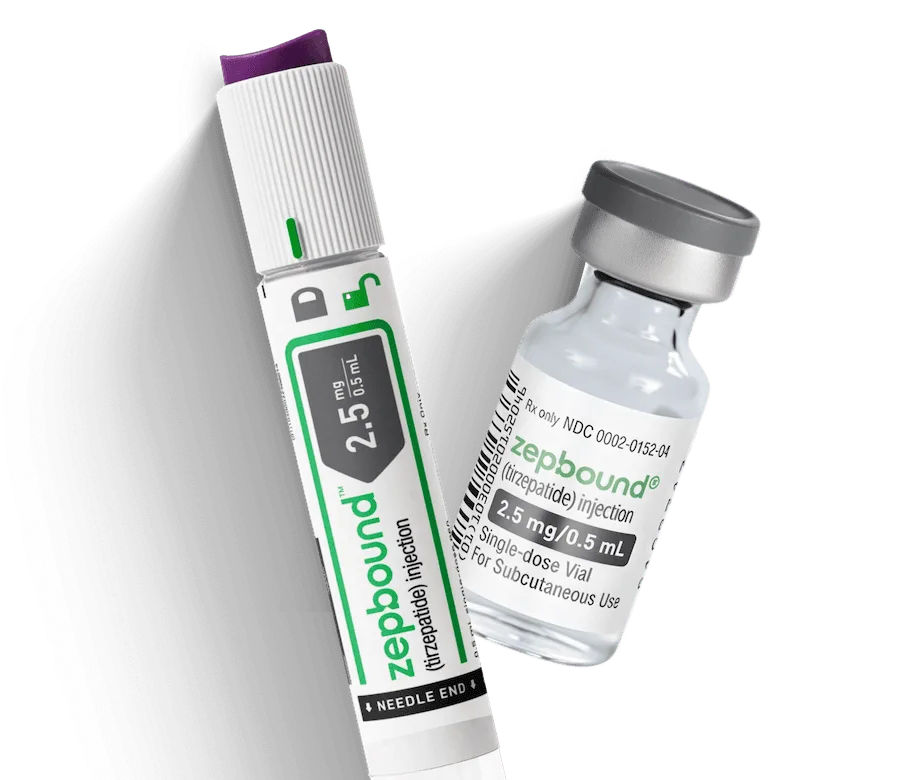
Zepbound®
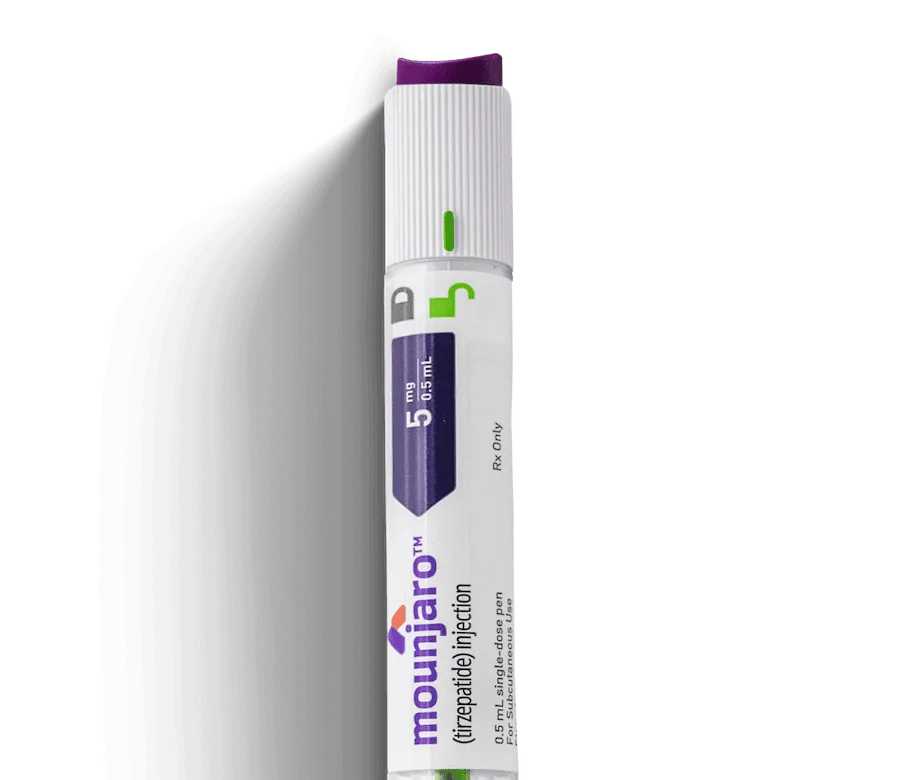
Mounjaro®
Liraglutide

Satiety level: High
💡 Tip: Eat a hard-boiled egg 20–30 minutes before a big meal to take the edge off your appetite. It’s a simple habit that can naturally reduce portion sizes without any conscious effort.
Do boiled eggs help with nighttime cravings?
✔️ Yes: The protein and fat in eggs provide slow-releasing energy that can help prevent late-night hunger without spiking blood sugar before bed. A hard-boiled egg is a much better evening snack than crackers or chips—satisfying, nutrient-dense, and unlikely to push you over your daily calorie goal.
💡 Tip: Keep a couple of pre-boiled eggs in the fridge so there’s always something ready to reach for when an evening craving hits.
Do boiled eggs help reduce inflammation?
Neutral: Standard eggs aren’t particularly anti-inflammatory. If reducing inflammation is a priority, omega-3 enriched eggs—from hens fed an omega-3-rich diet—provide a more meaningful benefit. They’re a bit more expensive but worth considering if this matters to you.
Are boiled eggs beneficial for brain health?
✔️ Yes: Choline—found primarily in the yolk—is a building block for acetylcholine, a neurotransmitter involved in memory, learning, and muscle control. It’s one of the most compelling reasons to eat the whole egg rather than just the white. Most people don’t get enough choline from diet alone, and eggs are one of the most efficient ways to close that gap.
Can boiled eggs improve skin and hair health?
✔️ Yes, minor benefits: The biotin, protein, and sulfur-containing amino acids in eggs all contribute to the structure of keratin—the protein that makes up your hair and nails. Regular egg consumption can support stronger, healthier hair over time, though the effects are gradual rather than dramatic.
Can boiled eggs help balance hormones?
✔️ Yes, modest evidence: The cholesterol in egg yolks is actually a necessary building block for steroid hormones like testosterone and estrogen. Cutting dietary fat too aggressively can sometimes interfere with hormonal balance, and the healthy fats in eggs help prevent that.
💡 Tip: For overall hormonal health, focus on getting enough healthy fats, quality sleep, and managing stress. Eggs are a useful piece of that picture, but one piece of many.
🍽️ Best ways to eat boiled eggs for weight loss
As a breakfast anchor – Start your day with two boiled eggs alongside fresh fruit and whole grain toast, or vegetables. Research shows that an egg-based breakfast leads to significantly fewer calories consumed over the rest of the day compared to a carb-heavy breakfast of equal calories. It’s one of the simplest habits for managing hunger without having to think too hard about it.
On top of a salad – Slice a hard-boiled egg over a big green salad with a light vinaigrette. The fat in the yolk helps your body absorb the fat-soluble vitamins—A, D, E, and K—from the vegetables, so eggs and greens genuinely make each other more nutritious.
Keep toppings simple and flavorful – Boiled eggs pair well with easy add-ons like a pinch of salt, hot sauce, fresh herbs, or a little mustard. Keeping preparations light lets you enjoy the protein and nutrients without adding too much extra.
🍏 Best alternatives & comparisons (per 50g / 1 large egg equivalent)
| Food | Calories | Carbs | Fiber | Protein | Fat |
|---|---|---|---|---|---|
| Boiled egg (1 large) | 78 | 0.6 g | 0 g | 6.3 g | 5.3 g |
| Chicken breast (cooked) | 83 | 0 g | 0 g | 15.5 g | 1.8 g |
| Firm tofu | 72 | 2.0 g | 1.2 g | 8.5 g | 4.4 g |
| Low-fat Greek yogurt | 30 | 1.8 g | 0 g | 5.0 g | 2.0 g |
| Salmon, cooked | 104 | 0 g | 0 g | 10.0 g | 6.5 g |
Boiled eggs are not the highest in protein per gram, but do offer a uniquely complete nutritional profile that the other options don’t fully replicate.
Chicken breast is the best option in terms of protein per calorie, but it lacks the vitamins, choline, and healthy fats that make the whole egg healthy.
Salmon is the closest nutritional match—rich in omega-3s and high-quality protein—but it typically costs more and isn’t known as a grab-and-go option.
For a plant-based swap, firm tofu offers a similar calorie and fat profile with the added benefit of some fiber, though egg protein remains more bioavailable.
Greek yogurt is a great lower-calorie option if volume is your priority, but it doesn’t provide the same lasting satiety as an egg.
Rotating between these healthy protein sources throughout the week is a practical way to get nutritional variety.
Frequently asked questions about boiled eggs and weight loss
How many boiled eggs should I eat per day for weight loss?
For most healthy adults, one to two boiled eggs per day is a great starting point. They’re nutrient-dense and filling, and it’s easy to fit them into meals without pushing your calorie intake too high. Some research suggests up to three eggs per day is safe for healthy people, but if you have specific health concerns—particularly around cholesterol—it’s worth checking with your doctor.
Is it better to eat boiled eggs in the morning or at night?
Both work, but there’s solid evidence that eating eggs at breakfast helps manage hunger throughout the day. Studies show that an egg-based breakfast leads to lower calorie intake at subsequent meals compared to carb-heavy alternatives. That said, a boiled egg also makes a genuinely good evening snack if nighttime cravings are a challenge for you.
Are whole boiled eggs better than just egg whites for weight loss?
For most people, yes. Whole eggs give you more nutrients—including choline, vitamin D, and healthy fats—and are more satisfying. Egg whites are a lower-calorie option if you’re in a very strict calorie deficit, but the extra nutrition and satiety from the whole egg are usually worth the modest difference in calories. Unless you have a specific reason to skip the yolk, eat the whole egg.
Do boiled eggs help with belly fat?
Boiled eggs don’t target belly fat specifically—no single food does. But their high protein content helps preserve muscle during weight loss, and their low glycemic impact helps keep insulin levels stable, both of which support overall fat loss over time including in the abdominal area.
Can I eat boiled eggs every day?
Yes, for most healthy people, eating boiled eggs daily is perfectly fine and can be part of a well-balanced diet. The older concern that daily egg consumption significantly raises heart disease risk in healthy individuals is not well supported by current research. As always, variety matters—eggs should be part of a broader diet that includes vegetables, fruits, high-fiber carbs, healthy fats, and other lean protein sources.
Are boiled eggs more nutritious than scrambled or fried eggs?
The core nutrition is very similar across cooking methods—it’s the same egg either way. Where boiling has an edge is that it requires no added oil or butter, keeping the calorie count lower than fried versions. It’s one of the simplest ways to prepare an egg.
What should I eat with boiled eggs to make a more complete meal?
Pair them with something that provides fiber and volume—fresh vegetables, a piece of fruit, avocado, or whole grain toast all work well. The protein and fat from the egg, combined with fiber from plant foods, create a more satisfying and nutritionally complete meal.
🧠 The bottom line: Boiled eggs are an excellent choice for weight loss
Boiled eggs are one of the most practical, affordable, and nutritious foods you can add to a weight loss plan. One large egg gives you meaningful protein, healthy fats, choline, B vitamins, and selenium for just 78 calories. They’re filling, fast, and genuinely support the two things that matter most for sustainable weight loss—staying full and maintaining muscle.
The only real gap is fiber, which means eggs work best as part of a broader meal. Add some vegetables, fruit, or whole grains, and you’ve covered all the bases. Unless you have a specific medical reason to limit eggs, adding one or two boiled eggs to your daily routine is a straightforward, science-backed move that holds up well over time.
The Easy Way
to lose weight and get healthy.
See if you qualify📖 Scientific evidence
- Egg-based breakfasts may support weight loss when you’re already dieting. (International Journal of Obesity, 2008) In one study, people following a reduced-calorie diet lost more weight over 8 weeks when their breakfast included eggs compared to a bagel breakfast with the same calories—likely because they felt more satisfied and naturally ate less overall.
- Eggs at breakfast may help reduce calorie intake later in the day. (Journal of the American College of Nutrition, 2005) In a short-term study, people who ate eggs for breakfast felt fuller and consumed fewer calories over the next 24 hours than those who had a calorie-matched bagel breakfast.
- For most healthy people, dietary cholesterol from eggs doesn’t appear to significantly increase heart disease risk. (Nutrients, 2018) A large review found that cholesterol from foods like eggs has a relatively small impact on blood cholesterol levels for most individuals, suggesting earlier guidance to limit egg intake may have been overly cautious.
- Choline—found abundantly in eggs—is widely under-consumed and essential for metabolic health. (Nutrients, 2018) This review found that choline supports liver function, fat metabolism, and brain health, and highlighted eggs as one of the most concentrated and accessible food sources of this often-overlooked nutrient.
- Higher-protein diets can support weight loss by helping with fullness, energy expenditure, and muscle maintenance. (Journal of the American College of Nutrition, 2013) This review found that protein-rich foods like eggs may support fat loss by increasing satiety, slightly raising calorie burn during digestion (the thermic effect of food), and helping preserve lean muscle during a calorie deficit.
Editorial standards
At Noom, we’re committed to providing health information that’s grounded in reliable science and expert review. Our content is created with the support of qualified professionals and based on well-established research from trusted medical and scientific organizations. Learn more about the experts behind our content on our Health Expert Team page.