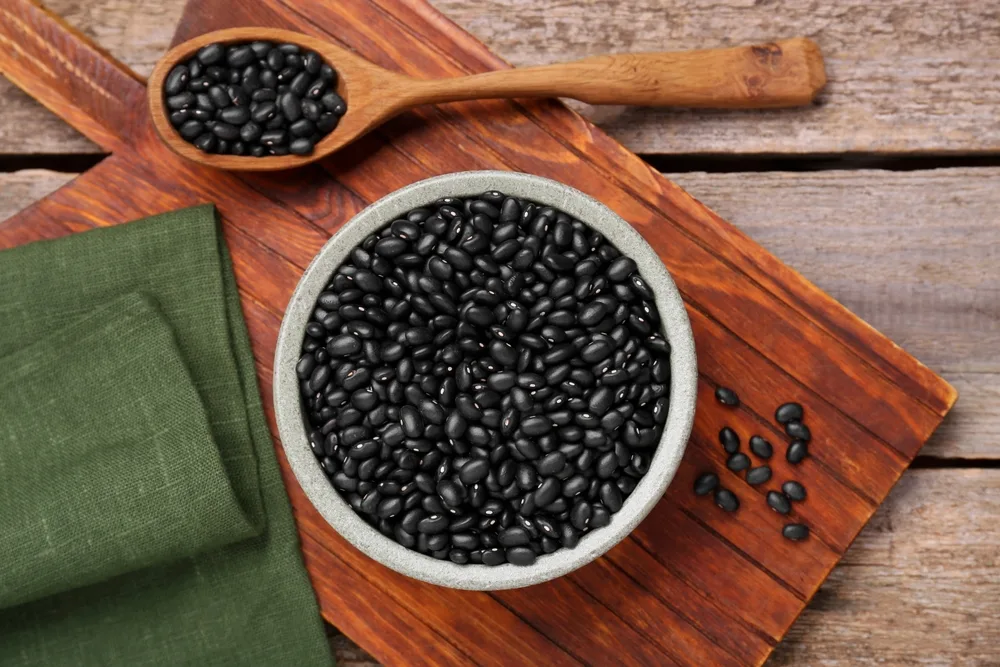
Black beans tend to show up in a lot of “healthy food” conversations—and for good reason. They’re affordable, easy to keep in your pantry, and they check a few important boxes for weight loss: fiber and protein. That combination can help you stay full longer and avoid the energy dips that can lead to extra snacking later on.
Nutritionally, they hold their own. One cup of cooked black beans has about 15 grams of fiber and 15 grams of protein for around 227 calories. They also digest more slowly than many refined carbs, which can help support steadier blood sugar and a more consistent feeling of fullness. On top of that, they provide nutrients like folate, magnesium, and iron.
That said, how you eat them still matters. A simple serving of black beans—like beans added to soup, salad, or paired with vegetables—is very different from beans cooked with bacon fat, loaded into a burrito with cheese and sour cream, or served with salty sauces. Those additions can quickly increase calories, saturated fat, and sodium, which can shift the overall impact of the meal.
✅ Quick answer
Yes, black beans are excellent for weight loss. They’re high in dietary fiber and protein — two nutrients that significantly increase satiety and reduce overall calorie intake.
🚀 Weight-loss benefits
- The fiber and protein in black beans can help you feel full and stay full longer – The combination of fiber and protein slows digestion, which can help you stay full longer compared to more refined foods. That can make it easier to stay within your calorie goals without feeling like you’re constantly managing hunger.
- Black beans can help smooth out blood sugar ups and downs – With a glycemic index of around 30, black beans tend to lead to a slower, steadier rise in blood sugar. That can help avoid the sharp spikes and crashes that often drive cravings. More stable blood sugar also tends to mean more consistent energy throughout the day.
- Black beans can help support a healthier gut – Black beans also contain resistant starch, a type of carbohydrate that feeds beneficial gut bacteria. That’s important because gut health is increasingly linked to appetite regulation and metabolic health, including hormones like GLP-1 that help signal fullness.
⚠️ Things to be mindful of:
- Black beans can cause some digestive discomfort at first – The fiber and natural carbohydrates in black beans can lead to gas or bloating, especially if you’re not used to eating a lot of fiber. This is usually temporary. Starting with smaller portions and gradually increasing intake can give your gut time to adjust.
- Black beans may not fit very low-carb or keto diets – Even though the carbs in black beans are complex and digest slowly, the total amount is still relatively high. That makes them a great fit for most balanced eating patterns, but not ideal for strict ketogenic or very low-carb approaches.
- Black beans contain compounds that can affect nutrient absorption—but it’s usually not a big concern – Like many plant foods, black beans contain lectins and phytates, which can slightly reduce the absorption of certain minerals. In practice, this isn’t something most people need to worry about. Cooking—and soaking dried beans before cooking—largely reduces these compounds.
🥗 Nutrients in black beans (per 1 cup cooked / about 172g)
One cup of cooked black beans offers a lot for a relatively modest number of calories. With about 227 calories, 15 grams of fiber, and 15 grams of protein, they can help make a meal feel more filling and satisfying. The fiber alone provides more than half of what most people need in a day, which can be especially helpful when you’re trying to stay full while managing calories.
| Nutrient | Amount | %RDA* |
|---|---|---|
| Calories | 227 calories | 11% |
| Protein | 15.2 g | 30% |
| Total carbs | 40.8 g | 15% |
| Fiber | 15 g | 54% |
| Sugars | 0.6 g | — |
| Total fat | 0.9 g | 1% |
| – Saturated fat | 0.2 g | 1% |
| – Monounsaturated fat | 0.1 g | — |
| – Polyunsaturated fat | 0.4 g | — |
| Omega-3 | 0.2 g | — |
| Omega-6 | 0.2 g | — |
*Recommended dietary allowance (RDA) is defined as the average daily amount of nutrients needed to meet the requirements of nearly all healthy people in a specific group.
Black beans are primarily a source of complex carbohydrates and protein, with virtually no fat. The big plus is the dietary fiber—over half your daily needs in a single cup. That high fiber-to-calorie ratio is one of the clearest indicators of a weight-loss-friendly food: you get a physically satisfying volume of food without consuming a lot of energy.
The fat content is negligible, and what little exists is mostly polyunsaturated—the kind associated with heart health rather than weight gain. The calorie density is moderate, meaning black beans are substantial enough to fuel activity but filling enough to make overeating difficult. The carbs, while significant in total, are almost entirely complex and slow-digesting, which is a very different picture from refined carbohydrate sources.
💊 Vitamins & minerals in black beans (per 1 cup cooked / 172g)
| Vitamin/Mineral | Amount | % RDA* |
|---|---|---|
| Folate (B9) | 256 mcg | 64% |
| Copper | 0.36 mg | 40% |
| Thiamin (B1) | 0.42 mg | 35% |
| Manganese | 0.76 mg | 33% |
| Magnesium | 120 mg | 29% |
| Iron | 3.6 mg | 20% |
| Phosphorus | 241 mg | 19% |
| Zinc | 1.9 mg | 18% |
| Potassium | 611 mg | 13% |
| Vitamin E | 1.5 mg | 10% |
| Choline | 56.1 mg | 10% |
| Vitamin B6 | 0.12 mg | 7% |
Black beans bring more to the table than just fiber and protein—they’re also rich in a few key micronutrients that support how your body functions day to day.
One of the standouts is folate (vitamin B9). A single cup covers about 64% of your daily needs. Folate plays a role in cell repair and DNA production and is especially important during pregnancy. Black beans also provide thiamin (vitamin B1), which helps your body turn carbohydrates into usable energy—something that matters for both energy levels and metabolism.
On the mineral side, magnesium is worth paying attention to. It’s involved in blood sugar control and insulin sensitivity, both of which are linked to weight management. Iron is another key nutrient, helping carry oxygen through your body so you can maintain energy and stay active. Because it’s plant-based iron, pairing black beans with foods rich in vitamin C—like tomatoes, peppers, or a squeeze of lime—can help your body absorb more of it.
You’ll also get potassium, which helps balance out sodium and may reduce bloating, along with copper, which supports red blood cell production and immune function.
🔍 Nutrient breakdown
Glycemic index (GI) of black beans
Glycemic index: 30 (Low)
💡 Tip: Black beans have a very low GI compared to other carbohydrate sources like white rice or pasta, meaning they digest slowly and cause only a minimal rise in blood sugar. This helps maintain stable energy levels and control hunger, preventing the “crash” that leads to cravings and snacking.
Are black beans high in protein?
✔️ Yes — black beans contain 15.2 g of protein per cup.

The Easy Way
to lose weight and get healthy.
See if you qualify

While not as protein-dense as animal sources, this is high for a plant food and contributes meaningfully to muscle preservation during weight loss. Combining black beans with rice or corn creates a complementary amino acid profile that covers all essential amino acids.
Better protein alternatives: Chicken breast | Tofu | Lentils
Are black beans high in fiber?
✔️ Yes — black beans have 15 g of fiber per cup.
💡 Tip: One cup of black beans delivers more than half of most people’s daily fiber needs, including both soluble and insoluble types. Soluble fiber helps slow digestion and lower cholesterol, while insoluble fiber supports regular bowel movements. Increase water intake when adding more fiber to your diet to keep things moving comfortably.
Are black beans low in carbs?
❌ No — black beans have 40.8 g of total carbs per cup (about 26 g net carbs after fiber).
💡 Tip: Black beans are a carbohydrate-rich food, but these are complex, slow-digesting carbs — not simple sugars. They’re suitable for balanced and moderate-carb diets but not strict keto. A practical swap: use black beans as your main carb source instead of white rice or bread to increase fiber and nutrient density at the same time.
Are black beans gluten-free?
✔️ Yes — black beans are naturally gluten-free. They’re safe for people with celiac disease or gluten sensitivity, provided they’re not processed in facilities that also handle wheat. Check the label if you need certified gluten-free.
Are black beans good for fat loss?
✔️ Yes — due to their high-fiber, high-protein profile, black beans are genuinely helpful for fat loss. Despite their carbohydrate content, the high volume and nutrient density make it difficult to overeat, naturally supporting a calorie deficit. Replacing a portion of higher-fat or higher-calorie protein sources with black beans can reduce both saturated fat and total calories without sacrificing fullness.
🍽️ Diet compatibility: Which diets include black beans?
| Diet | ✅/❌ | Why |
|---|---|---|
| Keto | ❌ | Contains too many carbohydrates (about 26 g net carbs per cup) to maintain ketosis for most people. |
| Paleo | ❌ | Legumes are generally excluded on strict paleo due to lectins and phytates, though some flexible versions allow them since cooking neutralizes most of these compounds. |
| Mediterranean | ✅ | Legumes are a cornerstone of the Mediterranean diet, valued for plant protein, fiber, and heart-health benefits. |
| Vegan | ✅ | An essential staple providing critical protein, iron, and lysine for plant-based eaters — practically non-negotiable on a vegan diet. |
| Gluten-free | ✅ | Naturally gluten-free and a great source of complex carbohydrates to replace wheat-based sides. |
Black beans are a cornerstone of the Mediterranean and vegan diets. In the Mediterranean approach, they’re prized for their heart-healthy fiber and antioxidants, often replacing red meat in stews and salads. For vegans, they serve as a primary source of lysine—an amino acid often lacking in grains—along with iron and protein.
They don’t fit strict keto or paleo frameworks, but for the vast majority of people eating a balanced diet, black beans are one of the most versatile and affordable plant foods available. For those eating gluten-free, they offer the heartiness and texture that can sometimes be missing in gluten-free meals, making them a useful psychological and physiological ally during dieting.
🌟 Are black beans healthy? What are the health benefits?
Metabolic health: Are black beans good for your metabolism?
- Boosts metabolism? ✔️ Yes — The high protein content induces a higher thermic effect of food (TEF), meaning your body burns more calories digesting beans than it does with fats or simple carbs. More energy burned at rest is a modest but real metabolic advantage.
- Improves insulin sensitivity? ✔️ Yes — The resistant starch in black beans improves the body’s response to insulin, helping to clear glucose from the blood more efficiently. USDA research found that adding black beans to a high-fat diet significantly lowered insulin resistance in animal models, with promising implications for humans.
- Effect on fat storage? Positive — By keeping insulin levels low and stable, black beans help minimize the hormonal signal to store energy as fat. Their slow-digesting carbs and fiber work together to keep blood glucose steady, which is one of the most practical levers for managing fat storage over time.
💡 Tip: Pair black beans with a source of vitamin C, like lime juice or tomatoes, to improve iron absorption and support overall metabolic function.
Cholesterol impact: Do black beans affect cholesterol levels?
- Does it lower LDL (bad) cholesterol? ✔️ Yes — Soluble fiber binds to cholesterol in the digestive tract and helps carry it out of the body before it can be absorbed into the bloodstream. This is one of the most well-supported mechanisms for reducing LDL cholesterol through diet.
- Does it raise HDL (good) cholesterol? ❌ Not directly — Black beans don’t appear to significantly raise HDL cholesterol on their own, but improving the overall lipid profile and reducing LDL has indirect benefits for cardiovascular risk.
- Overall impact on heart health? Favorable — High folate, magnesium, potassium, and antioxidants like quercetin and anthocyanins all contribute to reduced cardiovascular risk. Epidemiological studies have consistently linked regular legume consumption to lower rates of heart disease.
💡 Tip: Choose low-sodium canned black beans or cook from scratch, and eat them regularly as part of a varied, plant-rich diet for the best heart health benefits.
Can I eat black beans for a calorie deficit?
✔️ Yes, with confidence: Black beans are low in calorie density — about 1.3 calories per gram — which means you can eat a physically large portion without consuming excessive energy. A full cup of black beans at 227 calories is enough to anchor a satisfying meal, making it much easier to stay in a calorie deficit without feeling deprived.
💡 Tip: Use black beans to bulk up soups and stews—blending some into the broth adds creaminess without cream, while keeping whole beans in the mix adds texture and satiety. You’ll eat fewer calories per bowl without feeling like you’re eating less.
Are black beans rich in antioxidants?
✔️ Yes: The deep black color of the seed coat comes from anthocyanins—the same class of potent antioxidants found in blueberries. These compounds help fight oxidative stress and reduce inflammation at the cellular level. Black beans rank among the highest-antioxidant foods in the legume category, largely because of this pigmentation. Keeping the cooking water when making soups or stews helps retain some of these nutrients.
Does black beans support gut health?
✔️ Yes: Black beans contain resistant starch that reaches the colon largely undigested, where it feeds beneficial bacteria like bifidobacteria. These bacteria produce short-chain fatty acids (SCFAs), which help regulate appetite hormones and support a healthy gut environment. USDA research found that adding black beans to a high-fat diet restored healthier gut bacteria balance in obese mice—a finding that’s encouraging for human gut health as well.
Do black beans support digestion?
Positive: The insoluble fiber in black beans adds bulk to stool and promotes regular bowel movements, supporting a healthy digestive system overall. That said, the oligosaccharides they contain can cause gas and bloating in people who aren’t used to eating many legumes. Soaking dried beans overnight and discarding the soaking water before cooking significantly reduces gas-causing compounds. Rinsing canned beans well has a similar effect.
Do black beans help you feel satiated and less hungry?
High: Black beans are among the most satiating plant foods available. The combination of fiber, protein, water content, and slow-digesting carbohydrates creates significant stomach volume, delays gastric emptying, and sends multiple fullness signals. You simply stay full for longer after a meal built around black beans.
Satiety level: High
💡 Tip: Eat a small portion of black beans as a starter or in a soup before the main course to reduce overall calorie intake during the meal. Pairing them with healthy fats like avocado or olive oil further slows digestion and extends fullness.
Access GLP-1 Weight Loss with Noom
Explore a wide range of prescription medications supported by Noom’s program.Microdose GLP-1rx
Noom GLP-1rx
Noom GLP-1rx Plus
Wegovy®

Ozempic®

Metformin

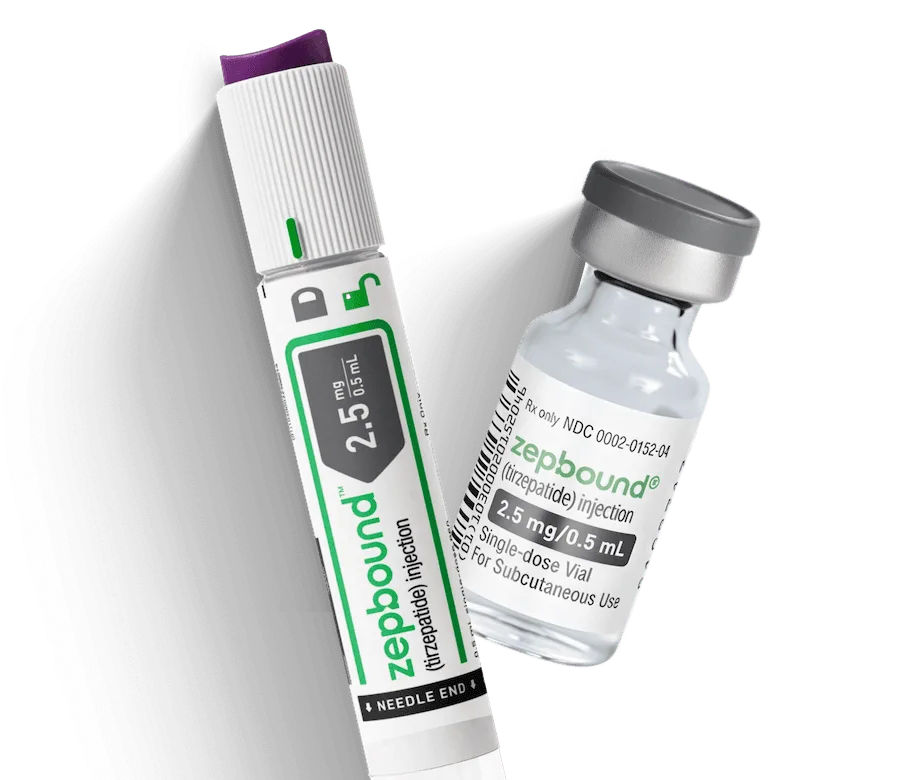
Zepbound®
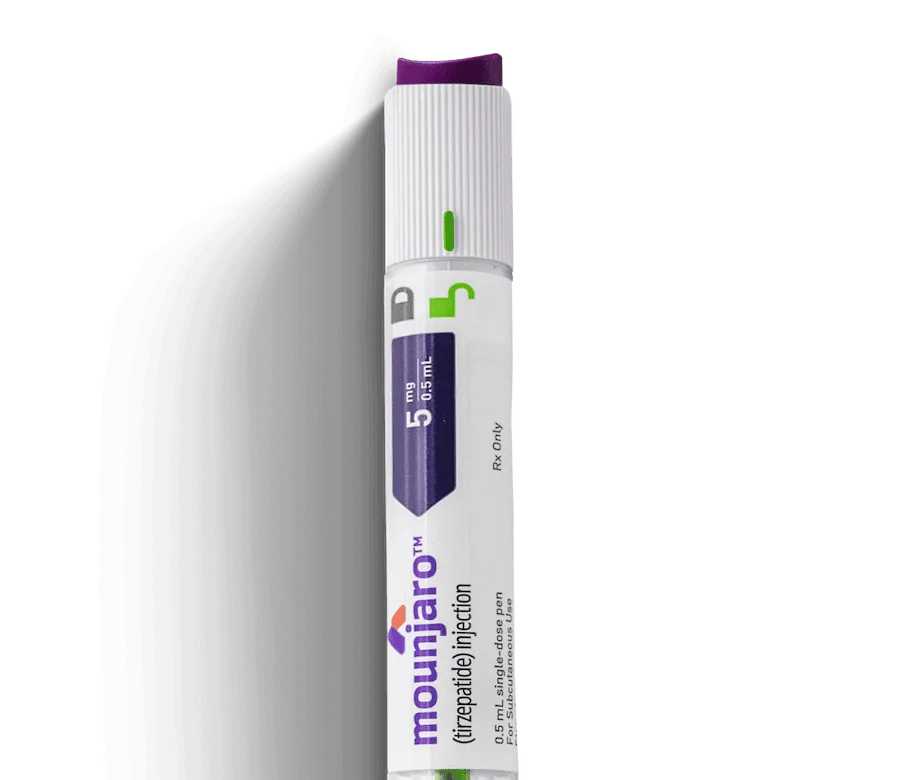
Mounjaro®
Liraglutide
Do black beans help with nighttime cravings?
✔️ Yes, possibly: The stable blood sugar response that black beans produce helps prevent the late-night dip in blood glucose that often triggers cravings for high-calorie foods. Including them at lunch or dinner can extend the feeling of satisfaction well into the evening, reducing the pull toward snacking before bed.
💡 Tip: A black bean soup or grain bowl at dinner is one of the most practical strategies for keeping nighttime cravings manageable — satisfying, nutrient-dense, and unlikely to leave you hungry two hours later.
Do black beans help reduce inflammation?
✔️ Yes: The flavonoids and anthocyanins concentrated in the black seed coat have well-documented anti-inflammatory properties. Chronic low-grade inflammation is associated with obesity, metabolic syndrome, and heart disease, making anti-inflammatory foods a meaningful part of a long-term health-focused diet. Research has also shown that regular legume consumption is inversely associated with circulating inflammatory markers.
Are black beans beneficial for brain health?
✔️ Yes, limited benefits: Black beans provide folate, thiamin (B1), and choline — all of which play roles in brain function and nerve signaling. Thiamin is critical for nerve function, folate supports cognitive health and helps reduce homocysteine levels linked to cognitive decline, and choline is a precursor to acetylcholine, a key neurotransmitter. These benefits are meaningful when black beans are part of a consistent, varied diet, though they’re not a targeted brain food on their own.
Can black beans improve skin and hair health?
✔️ Yes, minor benefits: The zinc and protein in black beans both support skin and hair health. Zinc plays a role in skin repair and reducing inflammation, while protein provides the structural building blocks for hair growth and collagen production. These are indirect benefits that become more meaningful the more consistently black beans appear in your diet.
Can black beans help balance hormones?
Limited evidence: Black beans don’t contain phytoestrogens the way soy does, so they don’t have a direct hormonal effect. However, their fiber helps move excess estrogen out of the body via the digestive tract, and their magnesium supports adrenal function and stress hormone regulation. These are supportive, indirect effects rather than targeted hormonal treatment.
💡 Tip: For hormonal health, dietary variety matters more than any single food. Black beans can be a useful part of a plant-rich eating pattern that supports hormonal balance overall, but they’re not a substitute for medical advice if you’re dealing with a hormonal condition.
🍽️ Best ways to eat black beans for weight loss
- In soups and stews: Blending a portion of black beans into the broth adds creaminess without cream, while leaving the rest whole provides texture and lasting fullness. A big bowl of black bean soup is one of the most calorie-efficient meals you can make, and deeply satisfying.
- Cooled in salads: Cooling cooked black beans increases their resistant starch, which may boost gut health benefits. Adding a half cup to a green salad can make it more satisfying and filling.
- Mashed into spreads or dips: Black beans can double as a base for quick spreads—think a simple mash with lime, garlic, and a little olive oil. It works as a higher-fiber alternative to things like mayo-based spreads or even hummus. You get the same creamy texture, but with more protein and fiber, which makes snacks or sandwiches more filling without adding a lot of extra calories.
🍏 Best alternatives & comparisons (per 1 cup cooked)
| Food | Calories | Carbs | Fiber | Protein | Fat |
|---|---|---|---|---|---|
| Black beans | 227 | 40.8 g | 15 g | 15.2 g | 0.9 g |
| Lentils | 230 | 39.9 g | 15.6 g | 17.9 g | 0.8 g |
| Chickpeas | 269 | 44.9 g | 12.5 g | 14.5 g | 4.2 g |
| Kidney beans | 225 | 40.4 g | 11.3 g | 15.3 g | 0.9 g |
| Quinoa | 222 | 39.4 g | 5.2 g | 8.1 g | 3.6 g |
| Chicken breast (cooked) | 231 | 0 g | 0 g | 43.4 g | 5.0 g |
When you look across similar foods, black beans hold their own—especially when it comes to fiber and overall staying power.
Lentils are one of the closest swaps. They’re slightly higher in protein, just as high in fiber, and cook faster, which can make them an easy everyday option.
Chickpeas are a bit higher in calories and fat, but still nutrient-dense. They work well if you want variety or are building meals like salads, bowls, or Mediterranean-style dishes.
Kidney beans are very similar nutritionally, just with slightly less fiber. In practice, they’re an easy substitute depending on what you have on hand.
Quinoa is often grouped with high-protein plant foods, but it’s lower in both protein and fiber than beans. That means it may not keep you full in the same way, though it can still be a good option if beans don’t sit well for you.
Comparing black beans to chicken breast shows a different kind of trade-off. Chicken gives you a much higher dose of protein with no carbs or fiber, which can be helpful in some lower-calorie approaches. Black beans bring less protein, but add fiber and support digestion and fullness in a way animal proteins don’t. Including both in your routine can help balance those benefits.
Frequently asked questions about black beans and weight loss
Are black beans good for weight loss?
Yes. Black beans are high in fiber and plant-based protein, two nutrients that promote fullness and support a calorie deficit. Their low glycemic index of 30 also helps keep blood sugar stable, which reduces cravings and makes it easier to stay on track with your eating goals.
How many black beans should I eat per day for weight loss?
A half cup to one cup of cooked black beans per day is a practical starting point. That range is consistent with amounts used in legume research and provides meaningful fiber, protein, and micronutrients without pushing calorie intake too high. From there, adjust based on how your digestion responds and how they fit into your meals.
Are black beans high in carbs?
Yes—one cup of cooked black beans contains about 41 grams of total carbohydrates, with roughly 26 grams of net carbs after fiber. However, their low glycemic index means these carbs digest slowly and have a much gentler effect on blood sugar than refined carbohydrates like white bread or white rice.
Can black beans replace meat as a protein source?
Black beans can absolutely contribute to your protein intake, especially in plant-forward or vegetarian diets. At about 15 grams of protein per cup, they’re less protein-dense than meat, but they bring something different to the table—fiber, along with vitamins and minerals that animal proteins don’t provide.
Are canned black beans as nutritious as dried and cooked?
For the most part, yes. The macronutrient and micronutrient profiles are comparable between canned and home-cooked black beans. The main difference is sodium—canned varieties typically contain significantly more. Rinsing canned beans under cold water can reduce sodium content by 40% or more, making them nearly equivalent to cooking from scratch for most nutritional purposes.
Do black beans cause bloating?
They can, especially for people who don’t regularly eat high fiber foods. Black beans contain oligosaccharides—a type of carbohydrate fermented by gut bacteria—that can produce gas and bloating. Soaking dried beans overnight (and discarding the soaking water), rinsing canned beans well, starting with smaller portions, and staying well hydrated all help reduce this effect. Most people find their tolerance improves significantly within a few weeks of eating them regularly.
Are black beans keto-friendly?
Not for strict keto. With around 26 grams of net carbs per cup, black beans would use most of a strict keto dieter’s daily carb budget in a single serving. Small portions might fit a more moderate low-carb approach, but they’re not a standard keto staple. For similar richness with fewer carbs, green beans or black soybeans are closer alternatives.
🧠 The bottom line: Black beans are an excellent choice for weight loss
Black beans are a practical, affordable food that can fit well into a weight loss approach. They provide a combination of protein and fiber, which can help with fullness and support more steady energy throughout the day—two things that can make it easier to stick with your usual eating pattern over time.
They may not fit stricter approaches like keto or paleo, but for most people, their mix of complex carbohydrates and a low glycemic index can be a helpful part of balanced meals. A half cup to one cup a few times a week—added to soups, grain bowls, salads, or tacos—is a realistic place to start.
If you’re using canned beans, choosing low-sodium options or giving them a quick rinse can help manage sodium levels. It can also help to be mindful of preparation methods—keeping added fats in check and pairing black beans with vitamin C-rich foods (like tomatoes or peppers) can support iron absorption.
In the context of a varied, balanced diet, black beans are a simple, flexible option that can make meals more satisfying without overcomplicating things.
The Easy Way
to lose weight and get healthy.
See if you qualify📖 Scientific evidence
- Eating black beans may lead to modest weight loss even without calorie restriction. (American Journal of Clinical Nutrition, 2016) Research looking at foods like black beans (often grouped as “pulses”) has found that people who include them regularly tend to see small reductions in body weight and waist size—even without trying to cut calories on purpose. One reason may be that their fiber and protein help you feel full, which can naturally lead to eating a bit less over time.
- People who eat beans tend to have lower body weight than those who don’t. (Journal of the American College of Nutrition, 2013) People who eat beans regularly tend to have lower body weight and smaller waistlines than those who don’t—even when they’re eating about the same number of calories. That points to the role beans may play in fullness and overall eating patterns.
- People with type 2 diabetes who ate more legumes, like black beans, had better blood sugar control. (Archives of Internal Medicine, 2012) In one study, people with type 2 diabetes who ate more beans saw better blood sugar levels after a few months, along with a lower estimated risk of heart disease.
- People who eat more legumes, like black beans, may have a lower risk of heart disease. (Archives of Internal Medicine, 2001) A large study of nearly 10,000 people found that those who ate beans regularly—about four or more times a week—had a lower risk of heart disease than those who rarely ate them. That may be linked to the fiber and other nutrients beans provide.
- Beans may help you feel fuller, even compared to foods with the same calorie count. (Advances in Nutrition, 2010). In the study, people felt fuller and less hungry after eating beans compared to meals with the same number of calories. That helps explain why black beans can keep you satisfied longer than many other foods.
Editorial standards
At Noom, we’re committed to providing health information that’s grounded in reliable science and expert review. Our content is created with the support of qualified professionals and based on well-established research from trusted medical and scientific organizations. Learn more about the experts behind our content on our Health Expert Team page.