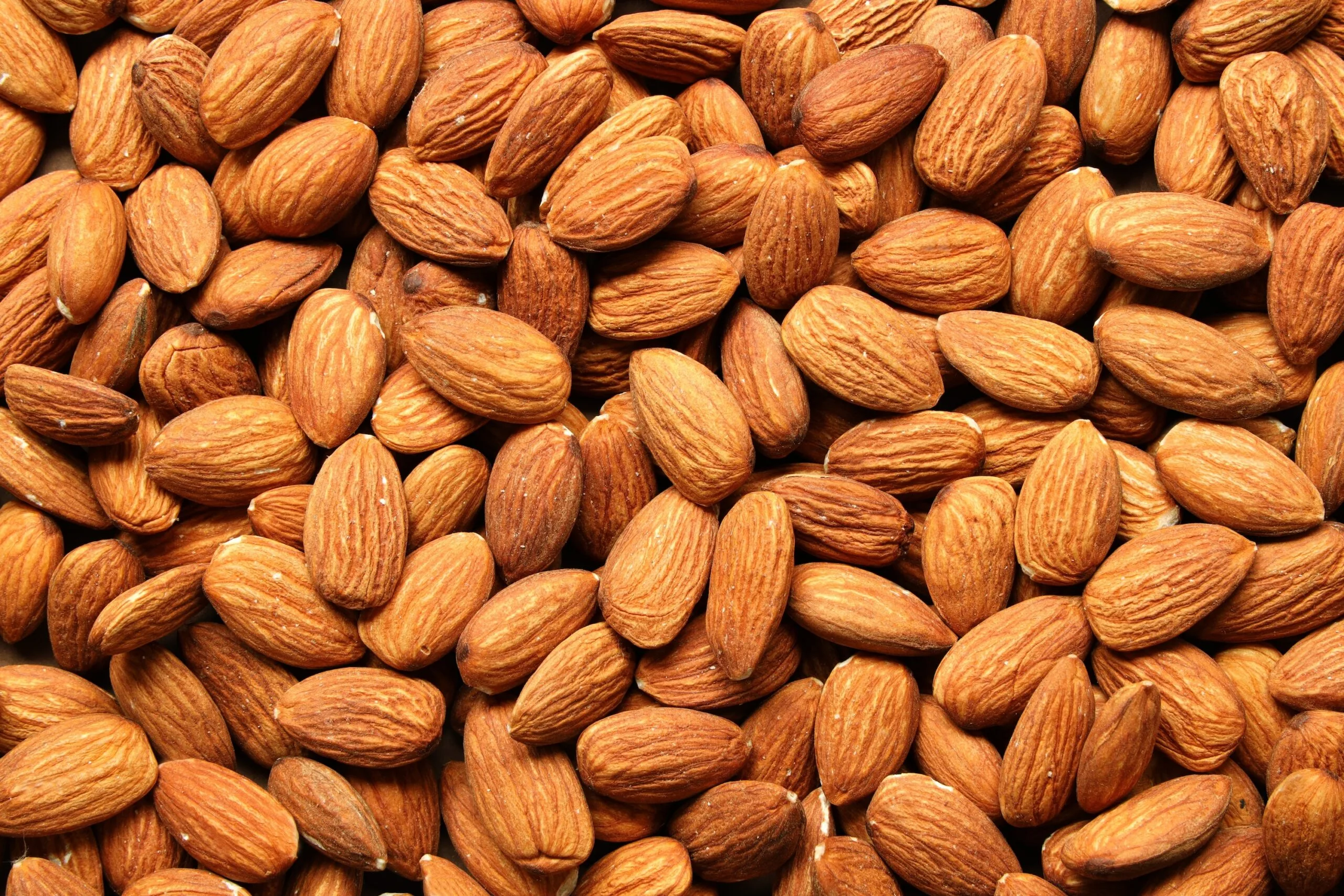
There’s no doubt that almonds are healthy. They’re nutrient-dense—rich in healthy fats, fiber, protein, vitamin E, and magnesium. At the same time, they’re calorie-dense.
Fitting almonds into a weight-loss plan is really about paying attention to portion sizes. Though a small handful has nearly 200 calories, their mix of protein, fiber, and healthy fat can help keep you full and provide steady energy. And studies consistently link them to better weight management and improved metabolic health.
If you’re trying to lose weight, be intentional—measure a portion, pair them with fruit or low-fat Greek yogurt, or sprinkle them over a salad.
Part of what makes almonds so interesting is how they interact with appetite, blood sugar, and even how many calories your body actually absorbs. Let’s take a closer look at why almonds might deserve a permanent spot in your pantry—and how to enjoy them without derailing your progress.
✅ Quick answer
Yes, almonds can support weight loss when eaten in moderation. Despite being calorie-dense, their unique combination of protein, fiber, and healthy fats keeps you fuller for longer, which often leads to eating less throughout the day.
🚀 Weight-loss benefits
- They can keep you full longer – The combo of fiber, protein, and healthy fats slows digestion, keeping you satisfied between meals and reducing the urge to snack on less nutritious options.
- All the calories might not be absorbed – Studies show that your body doesn’t absorb a small portion of the calories in almonds due to their fibrous structure.
- They keep blood sugar steady – Almonds have a very low glycemic index and are rich in magnesium, which helps prevent insulin spikes.
⚠️ Things to be mindful of
- They’re high in calories – Almonds pack a lot of energy into a small volume, so it’s easy to eat more than you intended if you don’t measure before eating.
- They’re easy to keep eating – Because they’re crunchy, tasty, and salty, the flavor might keep you eating beyond satiety.
- They might reduce the absorption of some minerals – Almonds contain phytic acid, a compound that can reduce the absorption of minerals like iron and zinc if you eat large amounts regularly.
🥗 Nutrients in almonds (per 1 ounce / 28 g / about 23 almonds)
| Nutrient | Amount | % RDA* |
|---|---|---|
| Calories | 164 calories | 8% |
| Protein | 6.0 g | 12% |
| Total carbs | 6.1 g | 2% |
| Fiber | 3.5 g | 13% |
| Sugars | 1.2 g | — |
| Total fat | 14.2 g | 18% |
| – Saturated fat | 1.1 g | 5% |
| – Monounsaturated fat | 8.9 g | — |
| – Polyunsaturated fat | 3.5 g | — |
| Omega-3 | 0.0 g | — |
| Omega-6 | 3.4 g | — |
A 1-ounce serving of almonds packs a lot into a small portion—especially for a plant-based food. Most of their fat is monounsaturated, the same heart-healthy type found in olive oil and avocados. In that single ounce, you’ll also get about 6 grams of protein and 3.5 grams of fiber—a combo that can help support fullness and steadier energy.
Almonds are naturally low in net carbs (around 2.6 grams after subtracting fiber), which makes them easy to work into different eating styles, whether you lean low-carb, Mediterranean, or somewhere in between. They’re a simple way to add texture, nutrients, and staying power to meals or snacks—just keep portions in mind.
*Recommended dietary allowance (RDA) is defined as the average daily amount of nutrients needed to meet the requirements of nearly all healthy people in a specific group.
💊 Vitamins & minerals in almonds (per 1 ounce / 28 g / about 23 almonds)
| Vitamin/Mineral | Amount | % RDA* |
|---|---|---|
| Vitamin E | 7.3 mg | 48% |
| Copper | 0.3 mg | 31% |
| Manganese | 0.6 mg | 27% |
| Riboflavin (B2) | 0.3 mg | 24% |
| Magnesium | 76 mg | 18% |
| Phosphorus | 136 mg | 11% |
| Zinc | 0.9 mg | 8% |
| Calcium | 76 mg | 6% |
| Iron | 1.0 mg | 6% |
| Potassium | 208 mg | 4% |
Almonds really shine when it comes to micronutrients. They’re one of the richest food sources of vitamin E, delivering close to half your daily needs in just one ounce. Vitamin E acts as an antioxidant, helping protect cells from oxidative stress and supporting immune health.
They’re also a strong source of magnesium—a mineral many people fall short on. Magnesium plays a role in blood sugar regulation, muscle and nerve function, and the metabolic processes that help your body use energy efficiently. Almonds also provide manganese and copper, which support energy production and antioxidant defenses, along with calcium and iron—nutrients that matter for bone health and oxygen transport, especially if you follow a more plant-forward eating pattern.
In other words, beyond their protein, fiber, and healthy fats, almonds deliver a meaningful dose of the smaller nutrients that quietly support overall health.
🔍 Nutrient breakdown
Glycemic index (GI) of almonds
Glycemic index: 0-15 (Low)
Almonds have virtually no impact on blood sugar levels, making them an excellent choice for keeping energy stable throughout the day.
💡 Tip: Try pairing them with higher-carb fruits like bananas or apples to help blunt the sugar spike from the fruit.
Are almonds high in protein?
✔️ Yes: Almonds contain 6.0 g of protein per 1-ounce serving.

The Easy Way
to lose weight and get healthy.
See if you qualify

They provide a solid amount of plant-based protein that helps preserve lean muscle mass when you’re eating in a calorie deficit.
💡 Tip: Other protein alternatives: Chicken breast | Greek yogurt | Cottage cheese
Are almonds high in fiber?
✔️ Yes: Almonds have 3.5 g of fiber per 1-ounce serving.
This represents about 13% of your daily fiber needs, which promotes fullness and supports digestive health.
💡 Tip: Keep the skin on when you buy almonds (look for unblanched), as the majority of the fiber and antioxidants are found in that brown outer layer.
Are almonds low in carbs?
✔️ Yes: Almonds have only about 2.6 g of net carbs per 1-ounce serving.
With most of the total carbohydrate content coming from indigestible fiber, the impact on blood glucose is minimal, making them perfect for low-carb eating patterns.
💡 Tip: Almonds work beautifully as a crunchy, satisfying replacement for chips or crackers when you’re following a keto or low-carb diet.
Are almonds gluten-free?
✔️ Yes: Almonds are naturally gluten-free. However, if you’re buying flavored or roasted varieties, always check the label to make sure no wheat-based seasonings or additives were used during processing.
Are almonds good for fat loss?
✔️ Yes: Thanks to their high-fiber and high-protein profile, almonds can support fat loss efforts.
Despite the calorie density, the high satiety factor often leads to eating fewer calories later in the day, which helps create the deficit needed for fat loss.
💡 Tip: Eat almonds whole rather than as almond butter—the act of chewing signals fullness to your brain more effectively than eating nut butter straight from the jar.
🍽️ Diet compatibility: Which diets include almonds?
| Diet | ✅ Yes / ❌ No | Why |
|---|---|---|
| Keto | ✅ | High fat and low net carbs make almonds a staple keto-friendly snack that won’t kick you out of ketosis. |
| Paleo | ✅ | They’re a natural, minimally processed food that fits perfectly within the hunter-gatherer eating template. |
| Mediterranean | ✅ | Nuts are a cornerstone of the Mediterranean diet and consumed regularly for heart health and longevity benefits. |
| Vegan | ✅ | Almonds provide valuable plant-based protein, calcium, iron, and healthy fats for those avoiding animal products. |
| Gluten-free | ✅ | Naturally free from gluten and safe for people with celiac disease, though watch for cross-contamination in processing. |
Almonds are one of those foods that fit into almost any diet or eating plan. Whether you’re cutting back on carbs, eating more plant-based foods, or limiting grains, they’re an easy staple to keep on hand.
If you follow a lower-carb approach like keto or paleo, almonds work well as a portable snack or can be ground into almond flour for baking, without the blood sugar swings that come with refined grains. If you lean more Mediterranean or vegan, almonds offer plant-based protein, calcium, and other key nutrients that can sometimes take a little more planning to get.
The fact that almonds show up across so many different eating styles says something. They’re not just a “superfood” trend—they’re a practical, nutrient-dense option that can support a wide range of health goals when enjoyed in balanced portions.
🌟 Are almonds healthy? What are the health benefits
Metabolic health: Are almonds good for your metabolism?
- Boosts metabolism? ✔️ Yes – The high protein content has a higher thermic effect of food, meaning your body burns more calories digesting protein compared to fats or carbs, giving your metabolism a modest boost.
- Improves insulin sensitivity? ✔️ Yes – The high magnesium content plays a key role in helping insulin work more effectively to clear sugar from the bloodstream and regulate blood glucose levels.
- Effect on fat storage? Helps prevent – By stabilizing blood sugar and preventing insulin spikes after meals, almonds create a metabolic environment that’s less conducive to storing excess calories as body fat.
Cholesterol impact: Do almonds affect cholesterol levels?
- Do they lower LDL (bad) cholesterol? ✔️ Yes – Regular almond consumption has been shown to reduce oxidized LDL cholesterol, which is a major risk factor for heart disease and atherosclerosis.
- Do they raise HDL (good) cholesterol? ✔️ Possibly – Some research suggests modest increases or preservation of HDL cholesterol levels, though the evidence is less consistent than for LDL reduction.
- Overall impact on heart health? The monounsaturated fats and antioxidants in almonds significantly improve lipid profiles and reduce cardiovascular disease risk. Multiple studies show regular nut consumption is associated with better heart health outcomes.
💡 Tip: Try replacing saturated fat sources like cheese or butter with almonds in your snacks and meals to maximize the cholesterol-lowering benefits.
Can I eat almonds for a calorie deficit?
✔️ Yes, with mindfulness: While almonds are calorie-dense, their ability to suppress hunger and keep you satisfied makes it psychologically easier to stick to a calorie deficit without feeling deprived or constantly hungry.
💡 Tip: Pre-portion almonds into small bags or containers (like 1-ounce servings) to avoid “portion distortion” and accidental overeating straight from a large container.
Are almonds rich in antioxidants?
✔️ Yes: Almonds are rich in vitamin E and polyphenols, which are concentrated primarily in the brown skin. These antioxidants fight oxidative stress and inflammation in the body, protecting cells from damage.
💡 Tip: Always choose brown, skin-on almonds over blanched white ones to get the full antioxidant benefit that the skins provide.
Access GLP-1 Weight Loss with Noom
Explore a wide range of prescription medications supported by Noom’s program.Microdose GLP-1rx
Noom GLP-1rx
Noom GLP-1rx Plus
Wegovy®

Ozempic®

Metformin

Zepbound®
Mounjaro®
Liraglutide

Do almonds support gut health?
✔️ Yes: The skins of almonds contain prebiotic properties that feed beneficial gut bacteria like Bifidobacteria, supporting a healthy and diverse microbiome that’s linked to better weight management.
Do almonds support digestion?
Positive: The high fiber content adds bulk to stool and supports regular bowel movements, promoting digestive health and regularity.
⚠️ Note: If you have IBS or a sensitive digestive system, the high fiber and FODMAPs in almonds might cause bloating if you eat large amounts. Soaking almonds overnight can make them easier to digest.
Do almonds help you feel satiated and less hungry?
High: The combination of protein, fiber, and healthy fats triggers satiety hormones like CCK (cholecystokinin), helping you feel full and satisfied after eating them.
Satiety Level: High
💡 Tip: Drink a glass of water with your almonds to help the fiber expand in your stomach, increasing the feeling of fullness even more.
Do almonds help with nighttime cravings?
✔️ Yes: The magnesium in almonds can help relax muscles and improve sleep quality, which may reduce stress-related nighttime eating. The protein and fat also provide steady energy without spiking blood sugar before bed.
💡 Tip: A small handful of almonds about an hour before bed can help stabilize blood sugar overnight and prevent wake-ups from low blood sugar or hunger.
Do almonds help reduce inflammation?
✔️ Yes: The high concentration of antioxidants, particularly vitamin E and polyphenols, helps lower systemic inflammation markers like C-reactive protein (CRP) in the body.
Are almonds beneficial for brain health?
✔️ Yes: Vitamin E and healthy fats are linked to reduced cognitive decline and better memory function as we age. Some research suggests regular nut consumption may protect against neurodegenerative diseases.
Can almonds improve skin and hair health?
✔️ Yes: Vitamin E protects skin from sun damage and supports collagen production, while the healthy fats help maintain skin moisture and hair strength.
Can almonds help balance hormones?
✔️ Limited evidence: Healthy fats are the building blocks for hormone production, so adequate fat intake is important for overall hormonal health. However, almonds alone won’t significantly alter hormone levels.
💡 Tip: Focus on getting a variety of healthy fat sources—including nuts, avocados, olive oil, and fatty fish—to support optimal hormone production and balance.
🍽️ Best ways to eat almonds for weight loss
- Raw with the skin on – Keeping the skin means you get the full fiber and antioxidant content. It’s a simple, minimally processed option that makes portion control easier—especially if you pre-portion them instead of eating from the bag.
- Dry roasted (no added oils) – Dry roasting boosts flavor and crunch without extra oils. Just check the ingredient list—ideally, it should say almonds (and maybe salt), nothing more. The extra crunch can also make a small portion feel more satisfying.
- Lightly salted or seasoned – A little salt or spices like smoked paprika or cinnamon can make almonds more enjoyable, which may help you feel satisfied with a measured portion. Look for blends without added sugars or sweet coatings.
🍏 Best alternatives & comparisons: Almonds vs. other nuts (per 1 ounce / 28 g)
| Food | Calories | Carbs | Fiber | Protein | Fat |
|---|---|---|---|---|---|
| Almonds | 164 | 6.1 g | 3.5 g | 6.0 g | 14.2 g |
| Walnuts | 185 | 3.9 g | 1.9 g | 4.3 g | 18.5 g |
| Cashews | 157 | 8.6 g | 0.9 g | 5.2 g | 12.4 g |
| Peanuts | 161 | 4.6 g | 2.4 g | 7.3 g | 14.0 g |
| Pistachios | 159 | 7.7 g | 3.0 g | 5.7 g | 12.9 g |
When you line almonds up next to other popular nuts, they hold their own—especially for weight management and metabolic health.
- Walnuts are well known for their omega-3 fatty acids, which is a clear strength. But compared to almonds, they’re lower in protein and fiber per ounce, which are two nutrients that play a big role in fullness.
- Cashews are creamy and satisfying, but they’re a bit higher in carbohydrates and lower in fiber than almonds, which may make them slightly less helpful for steady blood sugar and longer-lasting satiety.
- Peanuts (technically legumes) offer a little more protein per serving and can absolutely fit into a healthy pattern. That said, almonds provide more vitamin E and fiber, and some people prefer them if they’re looking to vary fat sources or avoid legumes.
- Pistachios are probably the closest comparison nutritionally. They’re similar in calories and protein, and the act of shelling them can naturally slow you down. Almonds, though, tend to edge ahead in vitamin E and calcium.
The real differentiator? Fiber. Almonds are among the highest-fiber nuts, and that combination of fiber, protein, and healthy fats is what helps support fullness and appetite control during weight loss. It’s not about one nut being “good” and another “bad”—it’s about choosing the one that best supports your goals and enjoying it in balanced portions.
Frequently asked questions about almonds and weight loss
Can I eat almonds every day for weight loss?
Yes, eating almonds daily can support weight loss—especially when you keep portions reasonable (about 1 ounce, or a small handful).
Research consistently finds that people who regularly include almonds in their eating pattern tend to have better weight management and healthier metabolic markers. One likely reason: almonds are satisfying. Their mix of protein, fiber, and healthy fats can help curb hunger and may naturally lead to eating a bit less later in the day—without feeling deprived.
As with most foods, it’s not about adding them on top of everything else. It’s about swapping them in thoughtfully—replacing a less filling snack, pairing them with fruit, or building them into meals in a way that supports your overall goals.
How many almonds should I eat per day to lose weight?
A good target is about 1 ounce (28 grams), which is roughly 23 almonds or a small handful. This provides around 164 calories along with beneficial protein, fiber, and healthy fats. Eating this amount as a snack can help control hunger without adding excessive calories to your daily total.
Are roasted almonds as healthy as raw almonds?
Dry-roasted almonds are just as healthy as raw almonds—they retain most of their nutrients and the roasting process can actually make them more palatable and satisfying. Limit almonds roasted in oil or coated with sugary seasoning, as these add calories and sodium that can interfere with weight loss goals in excess.
Do almonds make you gain belly fat?
No, almonds don’t cause belly fat gain. Eating too many may, so portion control is important.
Should I soak almonds before eating them for weight loss?
Soaking almonds isn’t necessary for weight loss, but it can make them easier to digest for people with sensitive stomachs. Soaking reduces phytic acid content and may improve mineral absorption. For weight loss purposes, both soaked and unsoaked almonds provide the same satiety benefits and nutritional value.
Are almonds better than other nuts for weight loss?
Almonds are often considered one of the strongest nut choices for weight loss because of their fiber content and balanced mix of protein and healthy fats, along with relatively low net carbs. That combination can help support fullness and steadier energy—two factors that matter when you’re trying to manage appetite.
Other nuts like pistachios and walnuts bring their own benefits, from plant-based omega-3s to built-in portion control from shells. But almonds stand out for offering a well-rounded nutritional profile that supports appetite control and overall metabolic health—all in a simple, versatile handful.
Can eating too many almonds prevent weight loss?
Yes—because almonds are calorie-dense, it’s easy for portions to creep up without realizing it. Even though research suggests your body may not absorb every single calorie from whole almonds, they still contribute calories. If your goal is fat loss, portion size matters.
If you’re eating almonds regularly and not seeing progress, it may be worth measuring them out instead of eyeballing a handful. A simple shift—pre-portioning 1 ounce at a time—can help you keep the benefits (fiber, protein, healthy fats) while staying aligned with your overall calorie target.
🧠 The bottom line: Almonds can be good for weight loss in moderation
Almonds are a nutrient-dense food that can absolutely support weight loss—when eaten with intention. Even though they’re calorie-dense, their mix of fiber, protein, and healthy fats can help support fullness and steadier blood sugar, which may reduce the urge to keep snacking on less satisfying options.
Research also suggests that your body doesn’t absorb all the calories from whole almonds, thanks in part to their structure. That doesn’t make them “free,” but it does add an interesting layer to how they fit into a weight-loss plan.
To make almonds work for you, choose raw or dry-roasted varieties with the skin on, and consider pre-portioning them into 1-ounce servings. Eat them as a snack, paired with fruit or yogurt, or sprinkled over salads or vegetables for crunch.
When included as part of a balanced eating pattern, almonds deliver important nutrients like vitamin E and magnesium that support overall metabolic and heart health—not just the number on the scale.


📖 Scientific evidence
- Eating almonds regularly may improve heart health and lower belly fat (Journal of the American Heart Association, 2015). In this study, people who ate about 1.5 ounces of almonds daily—replacing a higher-carb snack—saw reductions in LDL (“bad”) cholesterol and abdominal fat.
- Eating almonds as a snack may help curb hunger (European Journal of Clinical Nutrition, 2013). In this study, people who ate about 1.5 ounces of almonds as a snack or with meals reported feeling less hungry and less interested in eating compared to when they didn’t include almonds. Importantly, their total daily calorie intake didn’t increase to make up for the almonds—suggesting they naturally adjusted elsewhere.
- You may not absorb all the calories from almonds (American Journal of Clinical Nutrition, 2012): In this well-known study, researchers found that the body absorbs fewer calories from whole almonds than food labels predict—about 20–30% less. That’s likely because some of the fat stays trapped inside the nut’s cell walls and passes through digestion. Almonds still contain calories, but the usable energy may be lower than expected.
- Replacing some carbs with almonds may support greater fat loss (International Journal of Obesity, 2003): In this study, people on a reduced-calorie diet who ate almonds instead of some complex carbohydrates lost more weight and body fat than those following a similar low-calorie, higher-carb plan.
- People who eat almonds tend to have better overall diet quality and heart health (European Journal of Nutrition, 2021): In this analysis, almond consumers had higher intakes of key nutrients—including fiber, vitamin E, magnesium, potassium, and healthy unsaturated fats—and lower intakes of added sugars and saturated fat. They also showed a lower risk of cardiovascular issues overall.
Editorial standards
At Noom, we’re committed to providing health information that’s grounded in reliable science and expert review. Our content is created with the support of qualified professionals and based on well-established research from trusted medical and scientific organizations. Learn more about the experts behind our content on our Health Expert Team page.