
What you’ll learn:
- Semaglutide starts working after your first dose, but noticeable weight loss happens gradually as your dose increases
- Studies show that people can begin losing weight within the first month, with results continuing to accumulate over many months.
- The form you take, your dose, side effects, lifestyle habits, and health profile can all affect how quickly and how much weight you lose.
For many people taking a GLP-1 medication, like semaglutide, one of the biggest questions is how quickly they’ll see results and visible weight loss. And while there are studies that can tell you what you might experience from trial averages, your experience may follow its own path.
Why? Many factors can affect weight loss. While studies show that injections tend to work slightly better than the oral version, that isn’t the case for everyone. A lot has to do with the dose you can comfortably take, your daily eating and exercise habits, and even your age or other concurrent health issues.
You may hear one person say they noticed a difference within weeks and another say it took several months. Both experiences are common.
Let’s take a look at what you can expect when you start taking semaglutide. We’ll go through the medication options, talk about the process of titration, share a week-by-week timeline of what you might expect, and go through how you can get the best results.
What is semaglutide—and how does it work in your body?
Semaglutide mimics GLP-1, a hormone involved in appetite, digestion, and blood sugar regulation. It can help you feel less hungry and full sooner, making it easier to eat less and lose weight. In weight-loss trials, injectable semaglutide produced average losses of about 15% with 2.4 mg and 19% with 7.2 mg, while the 25 mg pill produced about 14%.

The Easy Way
to lose weight and get healthy.
Semaglutide is the active ingredient in both Wegovy® and Ozempic®. Wegovy is approved for weight management and comes as an injection and pill. Ozempic also comes in both forms but uses lower doses and is approved for type 2 diabetes, although it has been prescribed off-label for weight loss.
Both medications work the same way in the body; the main differences are their approved uses, available doses, and cost and insurance coverage.
What’s the difference between the semaglutide injection and the pill?
The biggest difference is how—and how often—you take them.
- The injection: Semaglutide injections are taken once weekly, at any time of day, with or without food. You inject it under the skin of your abdomen, thigh, or upper arm, rotating injection sites.
- The pill: Semaglutide pills are taken every morning on an empty stomach with no more than 4 ounces of plain water. Wait at least 30 minutes before eating, drinking anything else—including coffee—or taking other oral medications.
The pill contains an absorption enhancer called SNAC, which helps semaglutide cross the stomach lining. Because oral absorption is still limited, pill doses are much higher than injection doses.
Both forms work through the same GLP-1 pathway, but the injection may produce greater weight loss, particularly at the newer 7.2 mg dose. The choice may also come down to convenience: a once-weekly injection versus a daily pill with a stricter morning routine.
Semaglutide results: When does it start working?
Semaglutide starts working in your body after your first dose, but you probably won’t notice all of its effects at once. Appetite, digestion, blood sugar, and weight can change on different timelines, especially since semaglutide starts at a low dose and increases gradually.
Here’s what you might notice:
- Less hunger and food noise: You may feel full sooner, stay satisfied longer, or think about food less often. In a 20-week trial, semaglutide reduced hunger and calorie intake and increased feelings of fullness and satiety.
- Digestive changes: Semaglutide can affect how quickly food moves through your digestive system, so you may notice longer-lasting fullness or side effects like nausea, constipation, or diarrhea, particularly after starting treatment or increasing your dose. Side effects don’t mean the medication is working better.
- Changes in blood sugar: Semaglutide helps lower blood sugar when it’s elevated by increasing insulin release and reducing glucagon. These changes can happen even if you don’t feel any different, which is why blood sugar readings and A1C are more useful measures for people with type 2 diabetes.
- Gradual weight loss: The scale usually takes longer to reflect semaglutide’s effects. You may lose some weight within the first few weeks, but weight loss generally builds over several months as your dose increases.
A slow first few weeks doesn’t necessarily predict your long-term results. In a 60-week study, some early differences in hunger became less pronounced over time, while people taking semaglutide continued to eat fewer calories than those taking a placebo.
Semaglutide injection timeline: Week-by-week weight loss
Most of what we know about semaglutide’s weight-loss timeline comes from the STEP clinical trial program, which studied injectable semaglutide for weight management. In STEP 1, people taking semaglutide 2.4 mg lost an average of about 15% of their starting weight over 68 weeks. More recently, STEP UP found an average loss of about 19% at 72 weeks with the higher 7.2 mg dose.
Weight loss was already measurable by week 4 in STEP 1 and continued to build over treatment. Wegovy starts at 0.25 mg weekly and typically increases every four weeks, so your results can change as your dose increases. Your clinician may also slow the schedule if you experience side effects.
Access GLP-1 Weight Loss with Noom
Explore a wide range of prescription medications supported by Noom’s program.
Microdose GLP-1rx
Noom GLP-1rx
Noom GLP-1rx Plus
Wegovy®
Ozempic®

Metformin

Zepbound®
Mounjaro®
Liraglutide
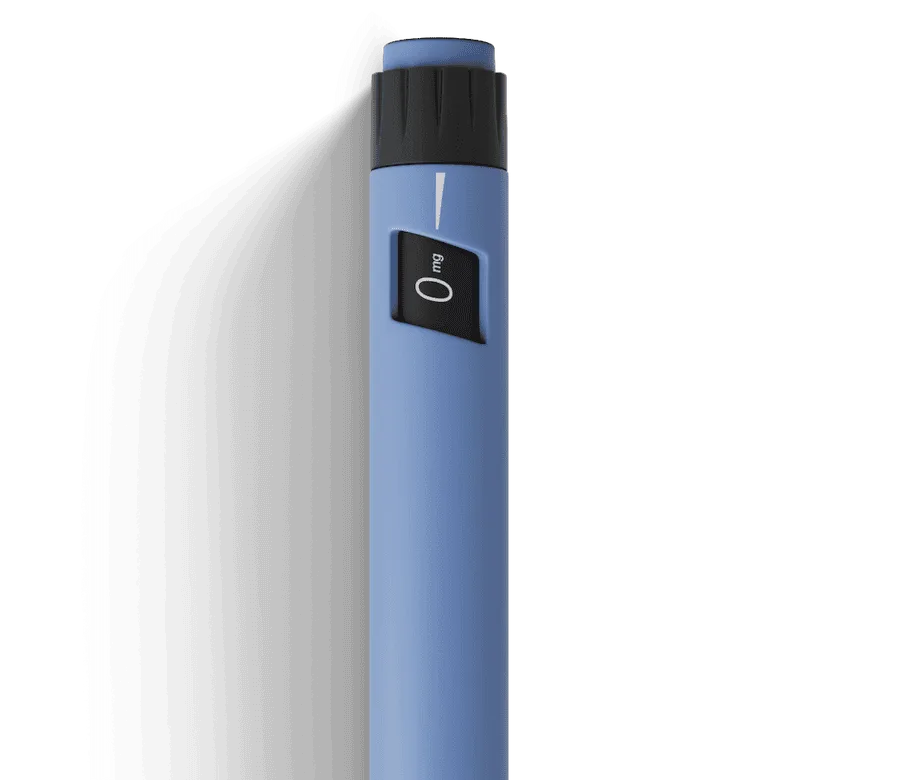
Here’s what the clinical-trial data can tell us about weight loss as treatment progresses:
Weeks 1–4: What to expect when starting semaglutide
Wegovy injections start at 0.25 mg once weekly, an introductory dose designed to help your body adjust. In STEP 1, participants lost an average of about 1% to 2% of their starting weight by week 4. You may also notice earlier fullness, smaller portions, or less hunger before significant changes appear on the scale.
Weeks 5–8: When weight loss may become easier to see
The standard schedule increases Wegovy to 0.5 mg weekly. By week 8, participants in STEP 1 had lost roughly 3% to 4% on average. Daily fluctuations can still hide progress, so look at your weight trend over several weeks rather than individual weigh-ins.
Weeks 9–12: Building on your early weight loss
Wegovy typically increases to 1 mg during this period. By week 12, average weight loss in STEP 1 was approximately 5% to 6%. Your results may differ, especially if side effects have slowed your dose increases.
Weeks 13–16: Approaching a maintenance dose
The standard schedule moves to 1.7 mg, with average weight loss reaching roughly 7% to 8% by week 16 in STEP 1. For adults, 1.7 mg can also be a maintenance dose, so your clinician may recommend staying here rather than increasing further.
Weeks 17–20: Reaching the recommended maintenance dose
Wegovy typically increases to 2.4 mg beginning at week 17. Participants in STEP 1 had lost roughly 8% to 10% by week 20, but weight loss continued well beyond this point, eventually reaching about 15% at week 68.
Week 21 and beyond: Continued weight loss and Wegovy HD
Once you reach a maintenance dose, weight loss can continue, although the pace may slow over time. For some people who need additional weight loss, Wegovy HD 7.2 mg may be an option after taking 2.4 mg for at least four weeks.
In the STEP UP trial, people taking 7.2 mg lost an average of about 19% by week 72, or about 21% among those who stayed on treatment as intended. The higher dose isn’t an automatic next step, though, and whether to increase depends on your results and how well you tolerate treatment.
Read more: Wegovy® HD: What the new 7.2mg dose means for weight loss
Semaglutide pill timeline: How does the Wegovy pill differ from the injection?
The Wegovy® pill is taken daily and increased every 30 days over the first three months, from 1.5 mg to the 25 mg maintenance dose. Your clinician may slow that schedule if you’re having trouble tolerating a dose.
In the OASIS 4 trial, people taking oral semaglutide 25 mg lost an average of about 14% of their starting weight by week 64, or about 17% among those who stayed on treatment as intended. That’s broadly similar to the 2.4 mg Wegovy injection, although the pill and injection weren’t compared head-to-head.
The approved Wegovy pill schedule below reflects the FDA-approved label. OASIS 4 trial, the trial behind the pill’s weight-loss data, used a similar step-up approach to the same 25 mg maintenance dose, though the intermediate doses in the trial differed from the ones now on the label — so treat the trial results as reflecting the maintenance dose and overall pattern, not the specific weekly doses shown here.
Here’s how the Wegovy pill timeline progresses:
Days 1–30: Starting at 1.5 mg
The first month is an adjustment period. You may notice less hunger, quieter food noise, or earlier fullness before you see much movement on the scale. In OASIS 4, weight loss began during the dose-escalation period and continued to build over time.
Days 31–60: Moving to 4 mg
If the starting dose feels manageable, the next step is 4 mg daily. Weight loss may become easier to see as treatment continues, although OASIS 4 doesn’t give us a specific percentage you should expect to lose by day 60. Side effects can also return after a dose increase, so your clinician may slow the schedule if needed.
The Easy Way
to lose weight and get healthy.
Days 61–90: Stepping up to 9 mg
The next step is 9 mg daily. By this point, you’ve been taking semaglutide for about two to three months, but you’re still in the dose-escalation phase. OASIS 4 shows that weight loss continued well beyond these first three months, so your results at day 90 aren’t necessarily a good indication of where you’ll ultimately land.
Day 91 and beyond: Reaching the 25 mg maintenance dose
After the first 90 days, the standard schedule reaches the 25 mg daily maintenance dose. In OASIS 4, average weight loss continued to build over the following months, reaching about 14% by week 64. Among participants who stayed on treatment as intended, average weight loss was about 17%.
How you take the pill also matters. Take it in the morning on an empty stomach with no more than 4 ounces of plain water, then wait at least 30 minutes before eating, drinking anything else—including coffee—or taking another oral medication. Don’t split the tablet or change your dose on your own.
The pill and injection follow a similar overall pattern: appetite changes may come first, while weight loss builds gradually as the dose increases and treatment continues.
Why is the pill a higher dose than the injection?
Why does the pill require 25 mg a day when the injection only requires 2.4 mg a week? Oral semaglutide isn’t absorbed as efficiently because it has to pass through the digestive system. The higher oral dose helps enough semaglutide reach the bloodstream to produce its effects—it doesn’t mean you’re getting dramatically more semaglutide than you would from the injection.
What can change semaglutide results? Side effects and lifestyle changes
The weight-loss timelines above come from clinical trials, but your experience with semaglutide won’t necessarily follow the same path. Your dose, side effects, eating and activity patterns, health conditions, other medications, and individual response can all affect how quickly—and how much—weight you lose.
That’s why clinical-trial results are best used as reference points rather than goals you need to hit by a particular week. Here’s a closer look at some of the factors that can shift your personal semaglutide timeline.
Side effects and why they can slow weight loss
Semaglutide’s most common side effects involve the digestive system, including nausea, diarrhea, vomiting, constipation, and abdominal discomfort. They’re especially common while you’re increasing your dose and often become less frequent as your body adjusts.
A pooled analysis of the STEP 1–3 trials found that nausea, diarrhea, and vomiting were most common during or shortly after dose escalation and generally became less frequent afterward. Most individual episodes were relatively short: The median duration was eight days for nausea, three days for diarrhea, and two days for vomiting. Constipation tended to last longer, with a median duration of 47 days.
Importantly, experiencing more side effects doesn’t mean you’ll lose more weight. In that same analysis, people taking semaglutide lost substantial weight whether or not they experienced gastrointestinal symptoms. Earlier semaglutide research in people with type 2 diabetes also found that nausea and vomiting explained only a small proportion of the medication’s effect on body weight.
Side effects can still affect your personal timeline, though. If symptoms are difficult to tolerate, your clinician may keep you at your current dose longer rather than increasing it on schedule. Significant symptoms can also make it harder to eat adequately, stay hydrated, exercise, or continue treatment consistently.
Do the pill and injection have different side effects?
Their overall profiles are similar, with gastrointestinal symptoms being the most common for both. In studies, gastrointestinal side effects were reported in about 74% of people taking oral semaglutide at 25 mg. Gastrointestinal symptoms were also common in the STEP trials of injectable semaglutide, particularly while doses were being increased.
Those percentages shouldn’t be compared directly because the pill and injection were studied in separate trials. But taking semaglutide as a pill rather than an injection doesn’t change the possibility of digestive side effects.
A special note about Wegovy 7.2 mg
The higher-dose injection has also been associated with dysesthesia, a group of unusual or uncomfortable skin sensations that can include tingling, burning, tenderness, pins and needles, or increased skin sensitivity. In STEP UP, dysesthesia-related symptoms were reported in about 22% of people taking 7.2 mg compared with 6% taking 2.4 mg. These symptoms were generally mild to moderate, but they can be uncomfortable.
Read more about dysesthesia and Wegovy 7.2 mg and what to expect with Wegovy HD 7.2 mg.
Lifestyle changes: How what you eat and exercise matter
There’s an important detail behind the weight-loss percentages from all semaglutide trials: Participants didn’t simply receive medication. Lifestyle changes were part of the treatment being studied.
In STEP 1, participants received individual counseling every four weeks and were encouraged to follow a reduced-calorie eating pattern and get at least 150 minutes of physical activity per week. The OASIS trials of oral semaglutide also paired medication with lifestyle intervention.
That doesn’t mean you need a perfect diet or an intense exercise program for semaglutide to work. But what you eat and how much you move can affect your weight-loss results—and become especially important when semaglutide substantially reduces how much you want to eat.
- What you eat matters. Semaglutide can make it easier to eat less by reducing hunger and helping you feel full sooner, but eating fewer calories can also mean getting less of the nutrition your body needs. A 2025 study of people taking GLP-1 medications found that participants’ protein and fiber intake fell below recommended levels as overall food intake decreased. So, while reducing calories is part of weight loss, it’s also important to make the food you do eat count.
- Prioritize protein. Weight lost with semaglutide isn’t exclusively body fat—some lean mass can be lost as well. A review of GLP-1 medications and body composition found reductions in lean mass during treatment, although the amount varied considerably among studies. Getting enough protein and incorporating resistance exercise can help support muscle while you’re losing weight. Protein-rich options include eggs, Greek yogurt, cottage cheese, chicken, fish, beans, lentils, and tofu.
- Make room for fiber-rich foods. Vegetables, fruits, beans, lentils, and whole grains provide fiber along with vitamins and minerals. Fiber can also help support regular bowel movements, which may be particularly useful since constipation is a common semaglutide side effect. The 2025 GLP-1 nutrition study found that fiber was another area where participants tended to fall short.
- Adjust how you eat if you’re having digestive symptoms. Semaglutide slows gastric emptying and can leave you feeling full longer, so large meals may be uncomfortable for some people. Smaller portions, eating slowly, and stopping when you feel comfortably full can make eating more manageable. And remember, you don’t need to feel nauseated for semaglutide to work: The STEP 1–3 analysis found substantial weight loss regardless of whether participants experienced gastrointestinal symptoms.
There’s no single “semaglutide diet” you need to follow. Aim for an eating pattern that allows you to maintain a calorie deficit while still getting enough protein, fiber, and nutrient-rich foods—and that feels comfortable enough to sustain as treatment continues.
Other factors that can affect your semaglutide results
Semaglutide results can vary even among people taking the same dose. Other factors that may affect how much or how quickly you lose include:
- Exercise: Regular movement can increase energy expenditure, while resistance training may help preserve muscle as you lose weight. A review of GLP-1 medications found that some lean mass can be lost along with body fat.
- Sleep and stress: Poor sleep can affect hunger, food choices, and energy for exercise, while chronic stress can make healthy routines harder to maintain.
- Type 2 diabetes: People with diabetes tend to lose less weight with semaglutide on average. In STEP 1, people without diabetes lost about 15% with semaglutide 2.4 mg, compared with about 10% among people with type 2 diabetes in STEP 2.
- Your individual biology: Starting weight, body composition, genetics, metabolic health, age, sex, and other health conditions may all play a role. Researchers still can’t reliably predict exactly how one person will respond.
- Other medications: Some medications, including certain antidepressants, antipsychotics, corticosteroids, and insulin, can contribute to weight gain and may affect what you see on the scale.
If your weight loss is very different from what you and your clinician expected—or your progress changes unexpectedly—it’s worth looking at the full picture rather than assuming semaglutide simply isn’t working.
What if you’re not losing weight on semaglutide—or your weight loss stalls?
If the scale isn’t moving as quickly as you expected, it doesn’t necessarily mean semaglutide isn’t working. Where you are in treatment matters, and there’s an important difference between losing weight slowly and losing weight for a while before reaching a plateau.
If you’ve just started semaglutide: Give it time. Semaglutide starts at a low dose and increases gradually, so the first few weeks aren’t necessarily a good predictor of your eventual results. In a conference analysis of the STEP 4 trial, even people who hadn’t lost at least 5% of their starting weight by week 20 went on to lose more weight when they continued treatment. Early response was useful for predicting who would do particularly well, but a slower start didn’t necessarily mean the medication wouldn’t work.
If you’re losing weight more slowly than you expected: Remember that clinical-trial results are averages, not targets. Some people lose considerably more and others less. Your dose, diabetes status, side effects, eating and activity patterns, and individual biology can all affect where you fall within that range.
If your weight loss has stalled: Plateaus can be a normal part of long-term semaglutide treatment. In the two-year STEP 5 trial, average weight loss gradually leveled off at around week 60 and was then largely maintained through week 104. That suggests a plateau doesn’t necessarily mean semaglutide has suddenly stopped working.
If you’ve been taking semaglutide consistently at a maintenance dose and aren’t seeing the results you and your clinician expected—or your weight has stopped changing for an extended period—check in with them. They can look at your dose, side effects, other medications, health conditions, and overall progress and help determine whether your current treatment plan still makes sense.
FAQs: Semaglutide results and timeline
How long does it take to lose 20 pounds on semaglutide?
It depends on your starting weight and your average rate of loss. Someone starting at 200 pounds would need to lose 10% to reach 20 pounds, while someone starting at 300 pounds would need to lose about 6.7%. In higher-dose weight-management trials, many participants reached that range within several months, but lower doses and individual responses can take longer. Your clinician can help you set a timeline based on your medication, dose, and health.
What are the first signs that semaglutide is working?
You may feel full sooner, stay satisfied longer, experience fewer cravings, or naturally leave more food on your plate. These appetite changes can appear before a large change on the scale.
How quickly do you lose weight on semaglutide?
Some people lose some weight during the first month, but results usually become easier to see over the next three to six months as the dose increases. In clinical trials, average weight loss continued for 64 to 72 weeks. The pace depends heavily on the formulation, dose, diabetes status, and individual response.
Can you lose weight on the 0.25 mg semaglutide dose?
Yes, some people do. But 0.25 mg is a starter dose for weekly injectable semaglutide, so it isn’t expected to produce the medication’s full effect. A small loss—or no loss—during the first four weeks doesn’t predict your final result.
How can you speed up semaglutide results?
The best approach is to take semaglutide consistently, follow the dosing schedule, aim for a calorie deficit, eat enough protein and nutrient-dense foods, stay hydrated, and include regular movement and strength training. Ask your clinician for help if side effects or a lack of appetite make it hard to meet your nutrition needs.
How long do semaglutide results last?
Semaglutide is generally intended for ongoing treatment, and some weight regain is common after stopping. In the STEP 1 extension study, participants regained about two-thirds of the weight they had lost within one year of stopping semaglutide. That doesn’t mean you’ll regain the same amount, but it does show why having a maintenance plan matters. If you’re thinking about stopping, talk with your clinician about how to maintain the progress you’ve made.
Can I get semaglutide through the Medicare GLP-1 Bridge Program?
Some people with Medicare Part D may qualify for Wegovy® for a $50 monthly copay through the Medicare GLP-1 Bridge Program, a temporary program running through December 2027. It covers both the Wegovy injection and pill, along with select other GLP-1 medications approved for weight management. Ozempic® isn’t included because it’s approved for type 2 diabetes, not weight loss.
How can you tell if semaglutide is working?
Early signs can include less hunger, quieter food noise, smaller portions feeling satisfying, and staying full longer between meals — even before major scale movement. Weight loss usually follows more gradually. Look at your overall appetite and weight trends rather than using side effects, or one weigh-in, as proof that the medication is or isn’t working.
How much weight can you lose on semaglutide in a month?
There is no dependable first-month pound range. The starting dose is designed for adjustment, and early changes in water and digestion can make the scale noisy. A more useful question is whether hunger, portions, cravings, or your weight trend are starting to shift. Remember that trial results also included a reduced-calorie eating pattern and physical activity counseling alongside the medication.
Does the Wegovy pill work as fast as the injection?
Both forms have a gradual timeline: appetite changes can come before visible weight loss, and results build as the dose increases. They haven’t been directly compared head-to-head, but results in OASIS 4 (the pill’s trial) were broadly comparable to the injection’s STEP 1 trial. The pill’s absorption also depends on following its strict morning routine: take it on an empty stomach with plain water and wait at least 30 minutes before food, other drinks, or oral medications.
Reviews from real Noom users
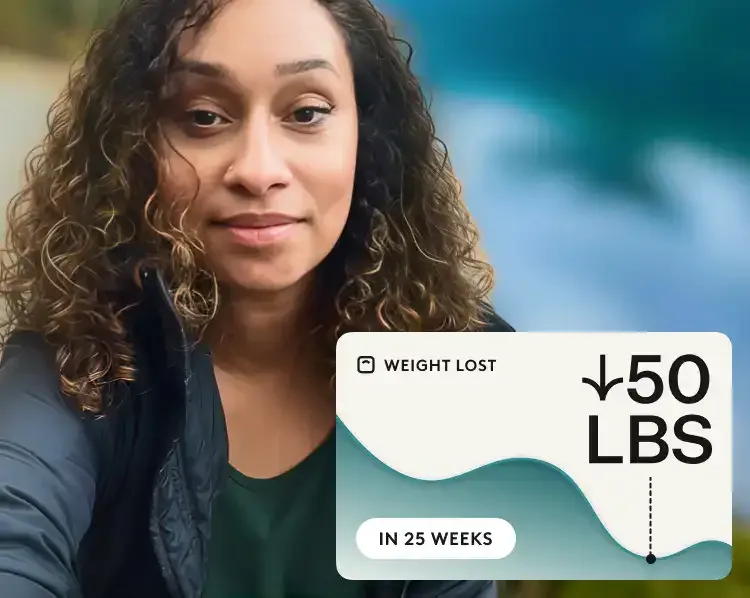
“My favorite parts of Noom are the care team and other Noomers. Sharing and getting help made me feel like I wasn’t doing it alone. That support made all the difference.”
Desirea N. — Real Noom user
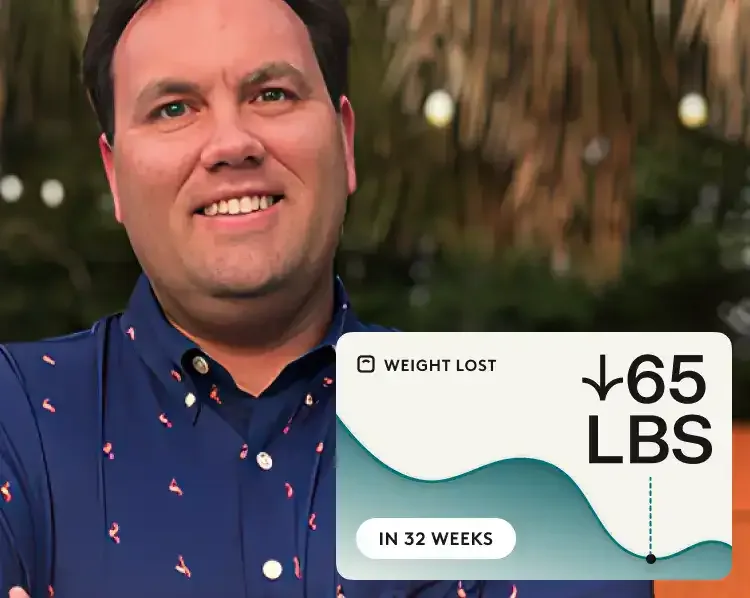
“Noom has taught me that every day is a new chance to make better, healthier choices. It’s taught me how to stop overeating.”
Matthew M. — Real Noom user
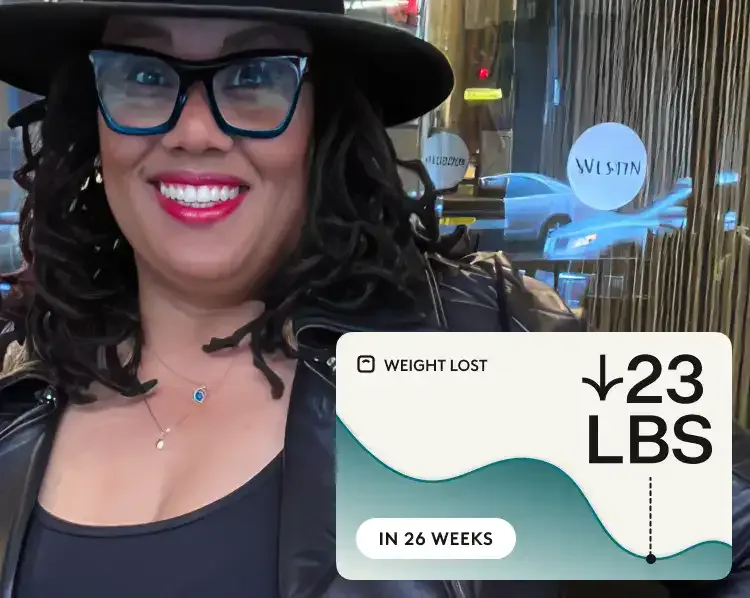
“Clinicians who understand how supportive medication can be is one of the best parts of Noom! I was convinced I wouldn’t have success but I’m down 11 pounds in two months.”
Lila M. — Real Noom user
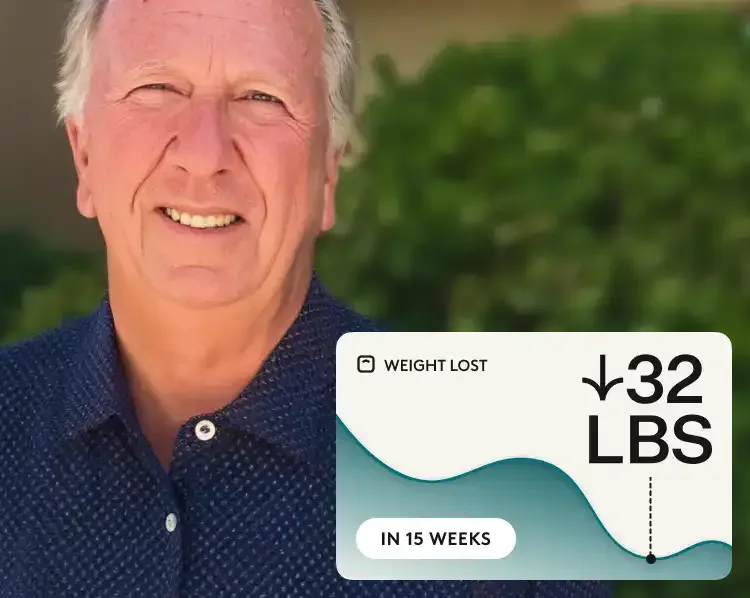
“Noom provided me with the medication which I could not get through Medicare. I have learned the tricks to better eating and life in general.”
Steve M. – Real Noom user
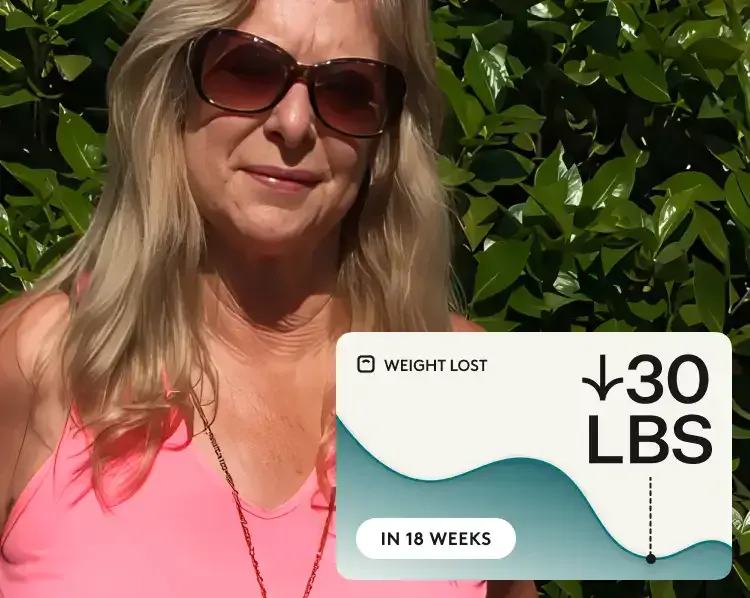
“Noom has changed my life and I’m so thankful, I feel great, have more energy and am no longer prediabetic.”
Daisy R. – Real Noom user
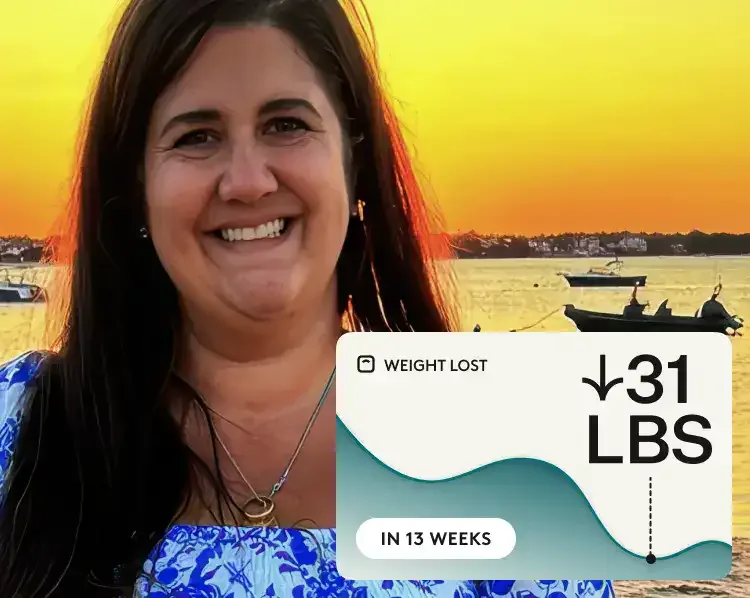
“All of the Noom providers that I’ve met with have been exceptional and prescribed medications that are appropriate for my situation and health.”
Sarah R. – Real Noom user
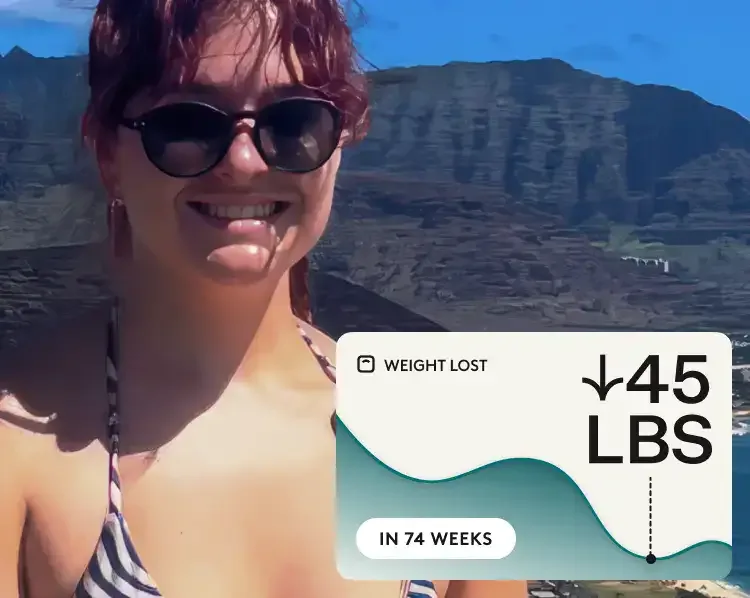
“Noom made the process so simple and now I feel full, free from diet obsession, and at ease in my body again.”
Madison S. – Real Noom user
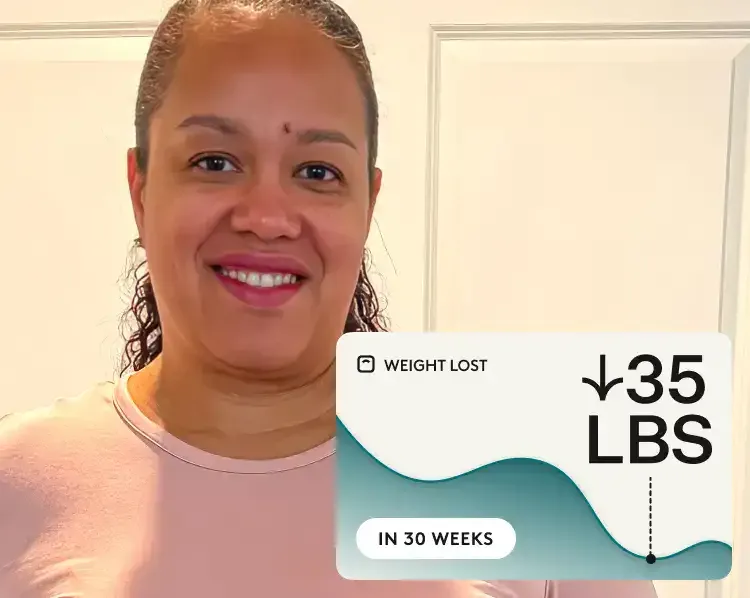
“My doctor recommended Noom after I was frustrated trying to lose weight. The lessons helped change my relationship with food. My body feels lighter & energized.”
Sonday K. – Real Noom user
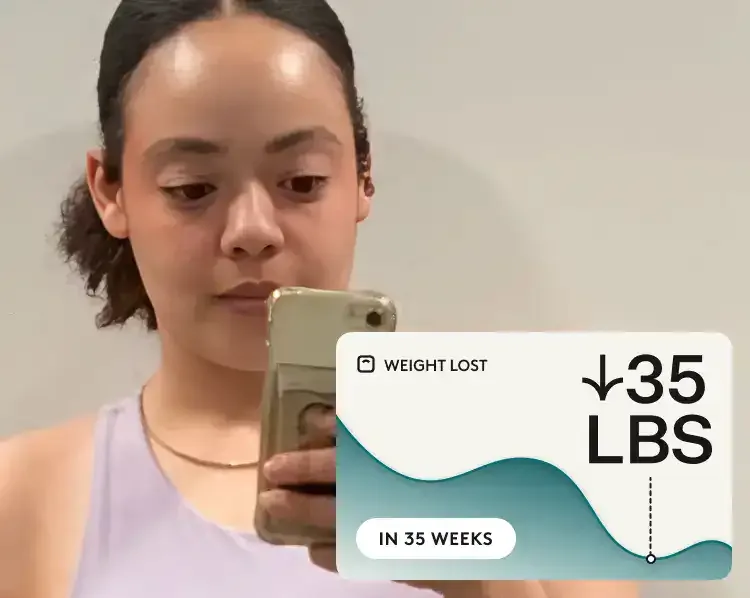
“I built healthy habits with coaching and lessons that make me confident I can maintain my weight loss long term.”
Cam K. – Real Noom user
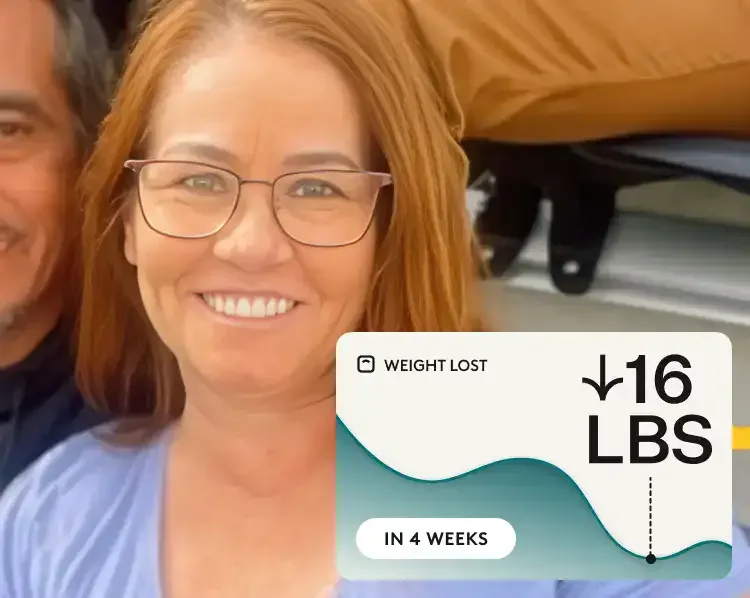
“With the right medication through Noom, hunger and sugar cravings finally quieted and I have the tools to break the cycle.”
Laura TR. – Real Noom user
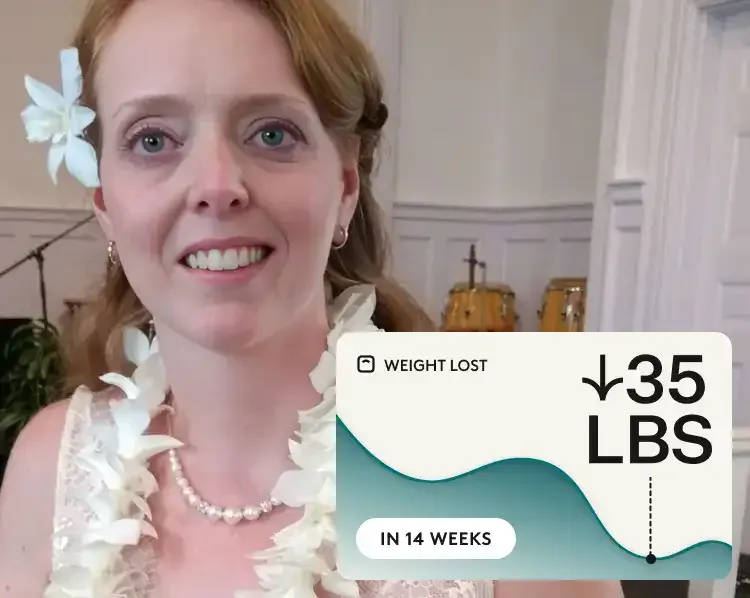
“Cravings and food noise are gone, I finally feel confident in the healthy habits I’ve built to last with Noom.”
Jessica S. – Real Noom user
The bottom line: Semaglutide weight loss results tend to build as the dose increases
Semaglutide weight loss is a process, not an overnight change. You might notice less hunger or feel full sooner within the first few weeks, while changes on the scale can take longer to become clear. And because the dose increases gradually, results often continue building for months after treatment begins.
How much you ultimately lose depends on more than time. Your dose, whether you take the pill or injection, how well you tolerate treatment, your eating and activity habits, and factors like diabetes and other health conditions can all shape your results.
The clinical trials give us useful benchmarks, but they aren’t a schedule your body has to follow. Focus on your overall trend rather than what happens in any single week—and work with your clinician to find a dose and routine that you can comfortably stick with long term.
If you’re considering semaglutide or another weight-loss medication, see if you qualify for Noom Med. If eligible, you’ll be connected with a licensed clinician who can help you compare your options and prescribe medication when appropriate, while Noom’s behavior-change support helps you build habits that can support long-term progress.
Editorial standards
At Noom, we’re committed to providing health information that’s grounded in reliable science and expert review. Our content is created with the support of qualified professionals and based on well-established research from trusted medical and scientific organizations. Learn more about the experts behind our content on our Health Expert Team page.