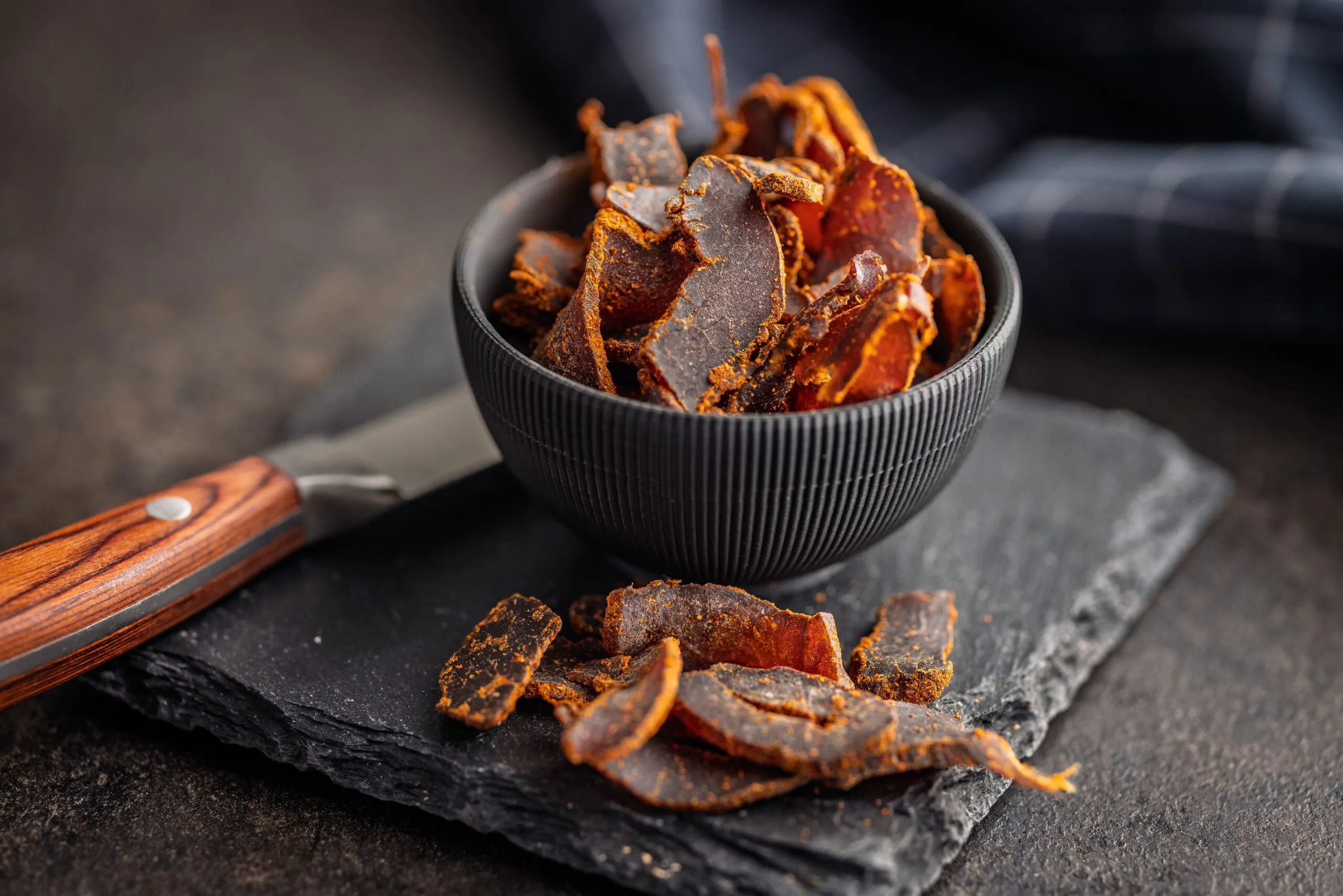
Beef jerky isn’t new—creating jerky is one of the oldest methods of food preservation—but the way people think about it has changed. Once known mainly as a road-trip staple, it’s now just as likely to be found in health food stores. As more people prioritize protein for weight loss, muscle maintenance, and overall health, jerky has become a go-to snack because it’s portable, shelf-stable, and packs a lot of protein into a relatively small serving.
Most beef jerky is made by marinating lean beef and drying it until most of the moisture is removed. That process gives it its chewy texture, long shelf life, and concentrated nutrition. A typical 1-ounce serving contains about 115 calories and 9 grams of protein. But different brands have different processes and some are more processed than others.
The varieties available has changed a lot too. Alongside traditional brands, you’ll now find everything from minimally processed jerky made from whole cuts of lean beef to products with long ingredient lists, added sugars, preservatives, smoke flavoring, and lots of sodium. While they’re all sold as “beef jerky,” they aren’t nutritionally interchangeable.
So, is beef jerky a smart choice for weight loss? It can be. Its high protein content can help make snacks more satisfying, but the ingredients, sodium, and portion size vary widely from one product to the next. Here’s what to look for—and what to watch out for.
✅ Quick answer
It can be. Beef jerky is high in protein, naturally low in carbohydrates, and packs a lot of protein into a relatively small serving, which can help curb hunger between meals. The tradeoff is that many varieties are also high in sodium and may contain added sugars or preservatives. If you’re trying to lose weight, look for jerky made with simple ingredients, little or no added sugar, and less sodium—or make your own at home so you can control exactly what goes into it.
New from Noom
Microdose GLP-1Rx Plus
An affordable way to start your GLP-1 journey with Compounded Tirzepatide.

*Initial 3 week subscription and 4 weeks of medication from $79 plus tax and $199 per month plus tax for 12 week subscription thereafter. Final pricing depends on program selection. Noom GLP-1Rx Plus Microdose Program involves medication (when appropriate), healthy diet, exercise and support. Individual results vary. Meds & personalization based on need as determined by a third-party clinician. Medications are not reviewed by FDA for safety, efficacy, or quality. No affiliation with Eli Lilly and Company, the only US source of FDA-approved tirzepatide. Not available in all 50 US states.
🚀 Weight-loss benefits
- Beef jerky is high in protein to help keep you full – With about 9 grams of protein per 115-calorie serving, beef jerky delivers more protein per calorie than many packaged snacks, including granola bars, crackers, and chips. Protein helps increase feelings of fullness, so a small serving may keep you satisfied longer and make it easier to avoid unnecessary snacking.
- Plain beef jerky is naturally low in carbs – Plain beef contains no carbohydrates, so the carbs in beef jerky come from the marinade. Plain or peppered varieties often contain just 2 to 3 grams of carbs per ounce, making them a good fit for lower-carb eating patterns. Just keep in mind that teriyaki, honey, barbecue, and other flavored varieties may contain significantly more added sugar.
- Beef jerky is easy to keep on hand – One of beef jerky’s biggest advantages is convenience. Because it doesn’t need refrigeration, it’s easy to stash in your desk, gym bag, or car. Having a satisfying, high-protein snack within reach can make it easier to skip the vending machine or drive-through when hunger hits.
⚠️ Things to be mindful of
- Beef jerky can be high in sodium – A single ounce of many commercial beef jerkies contains 400 to 600 milligrams of sodium, and some flavored varieties contain even more. If you eat jerky regularly—especially alongside other packaged or restaurant foods—your sodium intake can add up quickly. Choosing a lower-sodium brand can help.
- Some beef jerky contains added sugar – Plain or peppered varieties are usually very low in sugar, but teriyaki, honey, barbecue, and other flavored jerkies may contain 5 to 10 grams of added sugar per serving. If you’re trying to limit added sugar or follow a lower-carb eating pattern, compare nutrition labels before you buy.
- Beef jerky is a processed meat – Most commercial beef jerky is considered a processed red meat because it’s cured or preserved. While enjoying jerky occasionally is unlikely to be a concern for most people, experts generally recommend limiting processed meats as part of an overall healthy eating pattern. If you eat jerky often, consider rotating in other high-protein snacks, such as roasted edamame, cottage cheese, Greek yogurt, or hard-boiled eggs.
🥗 Nutrition facts: Beef jerky (per 1 ounce, about 28 grams)
| Nutrient | Amount | % RDA* |
|---|---|---|
| Calories | 115 calories | 6% |
| Protein | 9 g | 19% |
| Total carbs | 3 g | 1% |
| Fiber | 0.5 g | 2% |
| Sugars | 2.5 g | — |
| Total fat | 7 g | 9% |
| – Saturated fat | 3 g | 15% |
| – Monounsaturated fat | 3 g | — |
| – Polyunsaturated fat | 0.5 g | — |
| Omega-3 | 0 g | — |
| Omega-6 | 0.3 g | — |
*Recommended dietary allowance (RDA) is defined as the average daily amount of nutrients needed to meet the requirements of nearly all healthy people in a specific group.
Beef jerky’s biggest strength is its protein-to-calorie ratio. A 1-ounce serving provides about 9 grams of protein for just 115 calories, meaning it delivers nearly 20% of the Daily Value for protein while using less than 6% of a 2,000-calorie diet. Compared with many grab-and-go snacks, beef jerky provides substantially more protein for the same number of calories, which can help keep you feeling satisfied between meals.
The biggest nutritional drawback isn’t the protein—it’s what often comes with it. Many commercial jerkies are high in sodium, and flavored varieties may also contain added sugar. A 1-ounce serving also provides about 15% of the Daily Value for saturated fat, so it’s best enjoyed as part of a balanced eating pattern rather than your only protein source. And because beef jerky contains very little fiber, pairing it with a fiber-rich food like fruit, raw vegetables, or whole-grain crackers can make for a more satisfying snack.
💊 Beef jerky: Vitamins & minerals (per 1 ounce, about 28 grams)
| Vitamin/Mineral | Amount | % RDA* |
|---|---|---|
| Sodium | 583 mg | 25% |
| Zinc | 2.3 mg | 21% |
| Vitamin B12 | 0.34 mcg | 14% |
| Phosphorus | 114 mg | 9% |
| Iron | 1.5 mg | 8% |
| Choline | 31 mg | 6% |
| Selenium | 3 mcg | 5% |
| Potassium | 167 mg | 4% |
| Niacin (B3) | 0.5 mg | 3% |
| Magnesium | 14 mg | 3% |
Beef jerky provides several nutrients that are commonly found in animal-based foods, especially zinc and vitamin B12. A 1-ounce serving delivers about 21% of the Daily Value for zinc, which supports immune function and wound healing, and 14% of the Daily Value for vitamin B12, which helps keep your nerves and red blood cells healthy. It also contributes smaller amounts of phosphorus, iron, potassium, selenium, and choline.
The biggest nutritional drawback is sodium. A typical 1-ounce serving contains about 583 milligrams—roughly 25% of the recommended Daily Value—and some brands contain even more. That’s one reason it’s worth comparing nutrition labels, especially if you eat beef jerky regularly or are trying to limit sodium.
Overall, beef jerky offers more than just protein, but it’s best viewed as one part of a balanced diet rather than your primary source of vitamins and minerals.
🔍 Nutrient breakdown
Glycemic index (GI) of beef jerky
Glycemic index: 0 (Low)
💡 Plain beef jerky contains virtually no digestible carbohydrates, so it has little to no effect on blood sugar. Flavored varieties with added sugar may have a slightly higher glycemic impact, but it’s still typically low.
Is beef jerky high in protein?
✔️ Yes. Beef jerky provides about 9 grams of complete protein per ounce, supplying all nine essential amino acids. Its high protein-to-calorie ratio can help make snacks more satisfying.
Is beef jerky high in fiber?
❌ No. Because it’s made from meat, beef jerky contains virtually no fiber.

See if your insurance
covers GLP-1s.
The form only takes 2 minutes to answer. We’ll handle the rest.
GET STARTED💡 For a more balanced snack, pair beef jerky with a fiber-rich food like fruit, vegetables, or whole-grain crackers.
Is beef jerky low in carbs?
✔️ Yes. Plain beef jerky typically contains about 2 to 3 grams of carbohydrates per ounce, with most of those coming from the marinade rather than the meat itself.
💡 Flavored varieties, such as teriyaki, honey, or barbecue, may contain significantly more added sugar and carbohydrates, so check the nutrition label.
Is beef jerky gluten-free?
❌ Not always. Beef itself is naturally gluten-free, but many marinades contain soy sauce or teriyaki sauce made with wheat. If you have celiac disease or gluten sensitivity, always check the ingredient list or look for a certified gluten-free product.
Is beef jerky good for fat loss?
✔️ It can be. Beef jerky’s high protein content can help keep you full between meals, making it easier to stick to a calorie deficit. Just pay attention to the nutrition label—some brands are high in sodium, added sugar, or both. Choosing a lower-sodium, lower-sugar variety makes beef jerky a better fit for a weight-loss-friendly eating pattern.
🍽️ Diet compatibility: Which diets include beef jerky?
| Diet | ✅ / ❌ | Why |
|---|---|---|
| Keto | ✅ | Beef jerky is naturally low in carbohydrates and high in protein, making it a good fit for most keto eating patterns. Choose unsweetened varieties, since sugary marinades can add more carbs than you might expect. |
| Paleo | ✅ | Plain, minimally processed beef jerky made with beef, salt, and spices fits well within a paleo diet. Many commercial brands contain added sugar, soy, or preservatives, so check the ingredient list if you follow paleo strictly. |
| Mediterranean | ⚠️ Limited | The Mediterranean diet emphasizes fish, legumes, nuts, and other plant-based proteins while limiting red and processed meats. Beef jerky can fit occasionally but isn’t a staple of this eating pattern. |
| Vegan | ❌ | Beef jerky is made from animal meat, so it isn’t suitable for a vegan diet. Plant-based jerky made from mushrooms, soy, or seitan can provide a similar chewy snack. |
| Gluten-free | ✅ | Plain beef jerky is often gluten-free, but many marinades contain soy sauce or other ingredients made with wheat. Look for a certified gluten-free product if you have celiac disease or gluten sensitivity. |
Overall, beef jerky is most compatible with lower-carb eating patterns like keto and paleo because it’s naturally high in protein and low in carbohydrates. It can also fit into many other healthy eating patterns—as long as it’s eaten in moderation and you choose a variety with minimal added sugar and sodium. If you need to avoid gluten, remember that the marinade—not the beef—is usually what determines whether a product is gluten-free.
🌟 Is beef jerky healthy? What are the health benefits?
Metabolic health: Is beef jerky good for your metabolism?
- Does beef jerky boost metabolism? ✔️ Slightly — Protein has a higher thermic effect than carbohydrates or fat, meaning your body burns more calories digesting and processing it. A high-protein snack like beef jerky contributes modestly to that effect over the course of the day.
- Does beef jerky improve insulin sensitivity? ➖ Neutral — Beef jerky’s very low carbohydrate content means it has little effect on blood sugar, but there’s no strong evidence that eating beef jerky directly improves insulin sensitivity.
- Does beef jerky affect fat storage? ➖ Neutral — On its own, a moderate serving of beef jerky isn’t likely to promote fat storage. However, its sodium content may cause temporary water retention, which can make the number on the scale fluctuate.
Cholesterol impact: Does beef jerky affect cholesterol levels?
- Does beef jerky lower LDL (“bad”) cholesterol? ❌ No. Beef jerky contains saturated fat and dietary cholesterol, so it’s unlikely to lower LDL cholesterol. Eating processed red meats frequently may contribute to higher LDL levels in some people, especially as part of an overall diet high in saturated fat.
- Does beef jerky raise HDL (“good”) cholesterol? ➖ Unclear. Higher-protein eating patterns have been linked to modest improvements in HDL cholesterol in some studies, but there isn’t good evidence that beef jerky itself raises HDL.
- What is beef jerky’s overall impact on heart health? ➖ Mixed. Beef jerky provides satisfying protein, but many commercial varieties are also high in sodium and saturated fat. Enjoying it occasionally and choosing lower-sodium, minimally processed options can help it fit into a heart-healthy eating pattern.
💡 Tip: Pair beef jerky with potassium-rich foods like fruit or vegetables to help round out your snack—but keep in mind that potassium doesn’t cancel out a high sodium intake, so choosing a lower-sodium jerky is still the best strategy.
Can you eat beef jerky in a calorie deficit?
✔️ Yes. Beef jerky’s high protein-to-calorie ratio makes it a filling snack that can fit well into a calorie deficit. Just keep portion sizes in mind—a typical serving is 1 ounce (about 115 calories), but many bags contain two or more servings.
💡 Tip: Portion out a serving instead of eating straight from the bag to avoid accidentally doubling or tripling the calories.
Is beef jerky rich in antioxidants?
❌ No. Beef jerky isn’t considered an antioxidant-rich food. It does provide a small amount of selenium, which helps support your body’s natural antioxidant defenses, but it lacks the vitamins and plant compounds found in fruits and vegetables.
💡 Tip: Pair beef jerky with berries, an apple, or colorful vegetables for a more nutrient-rich snack.
Does beef jerky support gut health?
❌ Not directly. Because beef jerky contains virtually no fiber or prebiotics, it doesn’t nourish the beneficial bacteria in your gut.
Does beef jerky support digestion?
➖ Neutral. The protein in beef jerky can help keep you full because it takes longer to digest than carbohydrates, but it doesn’t promote digestive health or regularity the way fiber-rich foods do.
Is beef jerky hard on a sensitive stomach?
➖ It can be. Some people find that spicy seasonings, black pepper, or the high sodium content aggravate reflux or other digestive symptoms. If you have a sensitive stomach, plain or mildly seasoned beef jerky may be easier to tolerate.
Does beef jerky help you feel satiated and less hungry?
✔️ Yes. Beef jerky is rich in protein, the nutrient most strongly linked with fullness. Its chewy texture may also encourage slower eating, giving your body more time to recognize fullness signals.
Does beef jerky help with nighttime cravings?
➖ Possibly. A small serving of beef jerky may help curb hunger before bed without adding many calories. However, because it’s salty, some people find it encourages additional snacking rather than satisfying cravings.
Does beef jerky help reduce inflammation?
❌ No. Beef jerky doesn’t contain the anti-inflammatory nutrients found in foods like fatty fish, nuts, fruits, and vegetables. As a processed red meat, it’s best enjoyed in moderation as part of an overall healthy eating pattern.
Is beef jerky beneficial for brain health?
➖ Neutral. Beef jerky provides vitamin B12 and zinc, both of which support normal brain and nerve function, but it isn’t considered a standout food for brain health.
Can beef jerky improve skin and hair health?
➖ Neutral. Protein is important for healthy skin and hair, but beef jerky isn’t uniquely beneficial compared with other high-quality protein sources.
Can beef jerky help balance hormones?
➖ Neutral. Beef jerky provides zinc, a mineral involved in hormone production, but no single food is likely to have a meaningful effect on hormone balance.
Access GLP-1 Weight Loss with Noom
Explore a wide range of prescription medications supported by Noom’s program.Microdose GLP-1rx
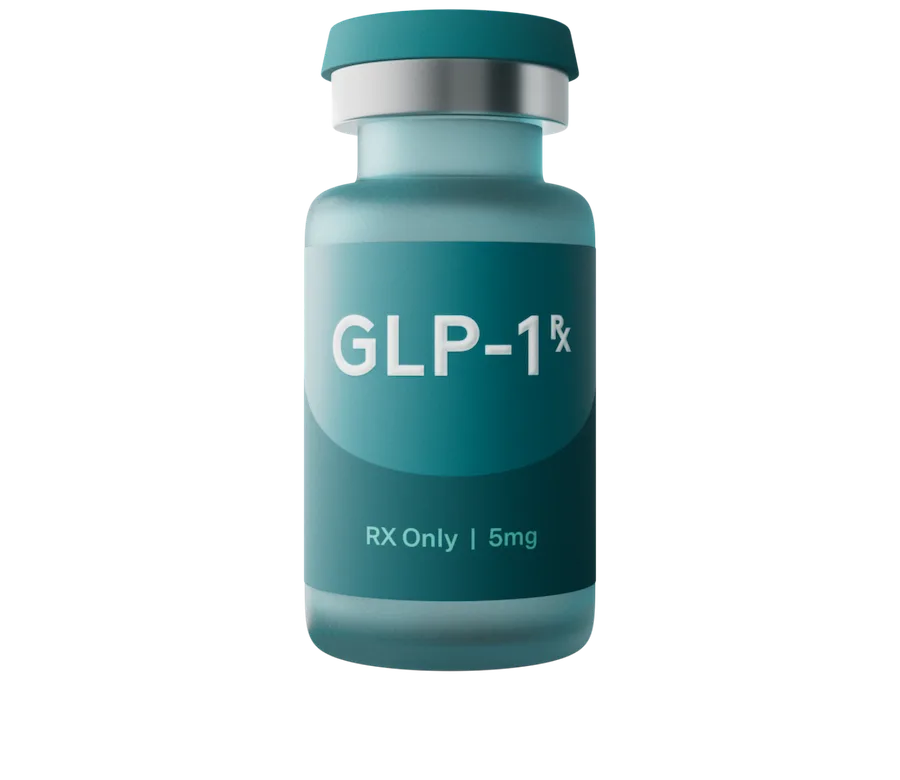
Noom GLP-1rx
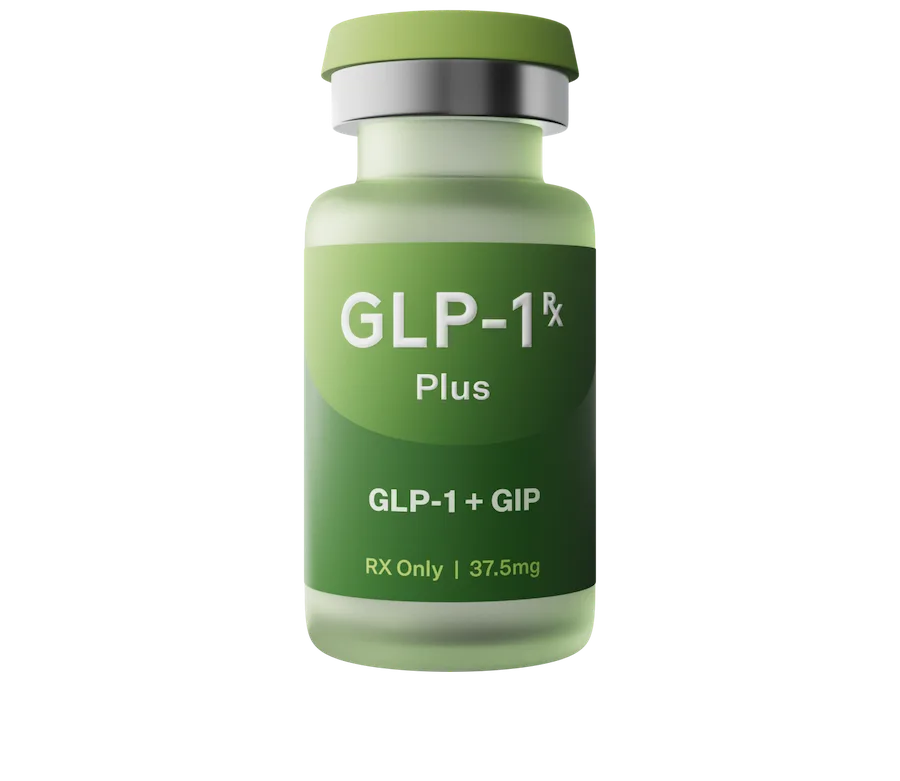
Noom GLP-1rx Plus
Wegovy®

Ozempic®

Metformin

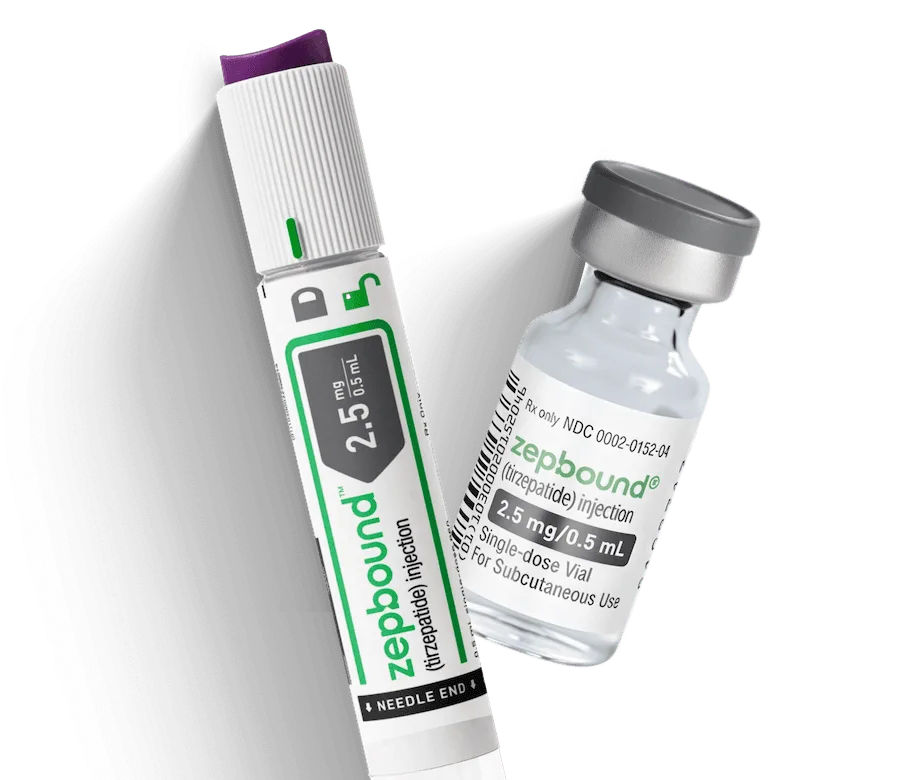
Zepbound®
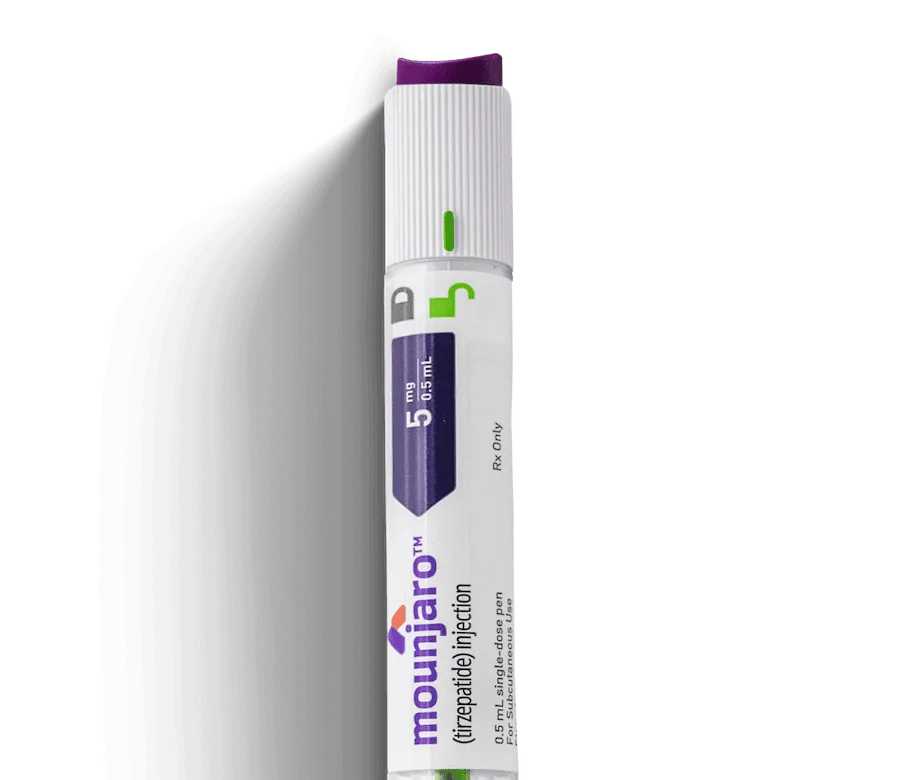
Mounjaro®
Liraglutide

🍽️ Best ways to eat beef jerky for weight loss
- Choose a lower-sodium, low-sugar beef jerky. Nutrition can vary dramatically from one brand to the next. Comparing labels can help you find options with significantly less sodium and little or no added sugar—without sacrificing protein.
- Use beef jerky as a bridge between meals, not a meal replacement. A 1-ounce serving can help curb hunger between lunch and dinner without adding many calories. But on its own, beef jerky lacks the fiber, vitamins, and volume you’d get from a balanced meal.
- Pair beef jerky with a fiber-rich food. Since beef jerky contains virtually no fiber, pair it with fruit, raw vegetables, or whole-grain crackers to create a more balanced, satisfying snack.
- Be mindful of your overall sodium intake. Try not to pair beef jerky with other salty foods like chips, pretzels, or fast food. Instead, enjoy it with water and fresh produce, and choose lower-sodium varieties if you eat beef jerky regularly.
🍏 Best alternatives & comparisons (per 1 ounce, about 28 grams)
| Food | Calories | Carbs | Fiber | Protein | Fat |
|---|---|---|---|---|---|
| Beef jerky | 115 | 3 g | 0.5 g | 9 g | 7 g |
| Turkey jerky | 80 | 2 g | 0 g | 13 g | 1 g |
| Salmon jerky | 90 | 3 g | 0 g | 12 g | 3 g |
| Roasted edamame | 120 | 9 g | 5 g | 11 g | 5 g |
| Almonds | 164 | 6 g | 3.5 g | 6 g | 14 g |
| String cheese | 80 | 1 g | 0 g | 7 g | 6 g |
If your goal is the most protein for the fewest calories, turkey jerky and salmon jerky have a slight edge over beef jerky. Both provide more protein per serving while being lower in calories and saturated fat.
If you’re looking for a more balanced snack, roasted edamame and almonds add something beef jerky can’t: fiber. That extra fiber can help support digestion and may keep you feeling full longer. String cheese is another high-protein option that’s lower in sodium than many jerkies, though it requires refrigeration.
The best choice depends on your priorities. Beef jerky is hard to beat for convenience, shelf life, and protein density. Turkey or salmon jerky are good alternatives if you want a leaner option, while roasted edamame or almonds are worth considering if you’re trying to eat more fiber. If you choose beef jerky, pairing it with fruit or vegetables can give you many of the same benefits as those higher-fiber snacks.
Beef jerky and weight loss: FAQs
How much beef jerky can you eat per day for weight loss?
A serving of 1 to 2 ounces of beef jerky can fit into many weight-loss plans. Just keep in mind that sodium adds up quickly, so if you eat beef jerky often, pay attention to your total sodium intake and balance it with plenty of fruits, vegetables, and other minimally processed foods.
Is beef jerky a good pre-workout or post-workout snack?
It can be—especially after a workout. Beef jerky provides high-quality protein to support muscle recovery, but it contains very little carbohydrate. Pairing it with fruit, such as a banana or apple, gives you both protein and carbohydrates for a more balanced recovery snack.
Does beef jerky cause bloating or water retention?
It can. The high sodium content in many brands may cause temporary water retention, which can make the number on the scale increase for a day or two. That’s water weight—not body fat.
Is it okay to eat beef jerky every day?
It depends. Enjoying beef jerky occasionally or in moderation is unlikely to be a concern for most healthy adults. However, because many varieties are high in sodium and classified as processed red meat, it’s a good idea to rotate in other protein-rich snacks, such as Greek yogurt, roasted edamame, cottage cheese, or hard-boiled eggs.
Is beef jerky a good snack for women trying to lose weight?
Yes. Beef jerky can help women stay full between meals thanks to its high protein content. Since calorie needs vary from person to person, paying attention to portion size is more important than whether you’re a man or a woman.
Can older adults eat beef jerky?
Yes. Beef jerky can be a convenient source of protein, which becomes increasingly important for maintaining muscle mass with age. If you have high blood pressure or have been advised to limit sodium, choose a lower-sodium variety and enjoy it in moderation.
What’s the healthiest way to buy beef jerky?
Look for beef jerky made with a short ingredient list—ideally beef, salt, and spices—with little or no added sugar and less sodium than comparable brands. Choosing a minimally processed, lower-sodium option is one of the easiest ways to make beef jerky a healthier snack.
🧠 The bottom line: Beef jerky is okay for weight loss in moderation
It can be. Beef jerky is one of the more protein-dense shelf-stable snacks you can buy, delivering about 9 grams of protein for just 115 calories. That combination can help keep you feeling full between meals and support muscle maintenance while you’re in a calorie deficit.
The catch is that not all beef jerky is created equal. Many brands are high in sodium, and some also contain added sugars or long ingredient lists. Choosing a lower-sodium, low-sugar variety—and sticking to about a 1-ounce serving—helps you get the benefits without many of the drawbacks.
For an even more satisfying snack, pair beef jerky with a fiber-rich food like fruit or raw vegetables. That combination gives you protein to help curb hunger, fiber to support fullness and digestion, and a more balanced snack overall. When enjoyed in moderation as part of an overall healthy eating pattern, beef jerky can absolutely have a place in a weight-loss plan.
📖 Scientific evidence
- Beef jerky’s protein may help support weight loss. (American Journal of Clinical Nutrition, 2015) Beef jerky is a high-protein snack, and a review of controlled feeding studies found that people eating higher-protein diets generally lost more body fat and preserved more lean muscle than those eating less protein while consuming the same number of calories.
- The protein inbeef jerkey may help you stay full longer. (Physiology & Behavior, 2020) While this study didn’t look at beef jerky specifically, a meta-analysis of nearly 70 clinical trials found that eating more protein consistently reduced hunger and increased feelings of fullness in the hours after a meal.
- Eating beef jerky every day may not be the best choice. (GeroScience, 2025) While this study didn’t examine beef jerky specifically, a meta-analysis of 60 prospective studies found that higher intakes of processed meat were associated with an increased risk of colorectal cancer. That’s why most nutrition guidelines recommend enjoying processed meats, including beef jerky, in moderation.
- Beef jerky’s protein may help you stay full between meals. (Physiology & Behavior, 2020) While this study didn’t look at beef jerky specifically, a meta-analysis of nearly 70 clinical trials found that eating more protein consistently reduced hunger and increased feelings of fullness for several hours after eating.
- Beef jerky’s sodium is one of its biggest drawbacks. (BMJ, 2020) While this study didn’t look at beef jerky specifically, a review of 133 randomized trials found that lowering sodium intake consistently reduced blood pressure. That’s why choosing a lower-sodium beef jerky can be a smart move if you eat it regularly.
Editorial standards
At Noom, we’re committed to providing health information that’s grounded in reliable science and expert review. Our content is created with the support of qualified professionals and based on well-established research from trusted medical and scientific organizations. Learn more about the experts behind our content on our Health Expert Team page.