What you’ll learn:
- A study found that combining protein with exercise—especially resistance training—worked far better for preserving muscle after 50 than either strategy alone.
- Whey protein paired with strength training produced the strongest overall gains in muscle mass and strength.
- Research shows that adults well into their 70s and 80s can still improve strength, mobility, and physical function with regular exercise and adequate protein intake.
You’ve probably heard that losing muscle is just part of getting older. And yes, our bodies do change with age. But research increasingly shows that muscle loss isn’t completely inevitable—especially if you combine the right kinds of exercise with enough high-quality protein.
A large new study published in the journal Nutrients looked at exactly what works best. Researchers analyzed 235 clinical trials involving nearly 21,000 people over 50, comparing different protein sources and exercise styles to see which combinations were most effective for preserving strength and building muscle after 50.
The protein sources ranged from familiar options like whey, meat, milk, soy, and casein to less expected ones like collagen, rice protein, oat protein, and even insect protein. On the exercise side, researchers compared traditional strength training, aerobic exercise like walking or cycling, and multicomponent programs that combined strength, cardio, balance, and mobility work.
And that combination piece turned out to matter a lot.
Protein provides the raw materials muscles need to repair themselves, while exercise gives the body the signal to actually use those materials. Together, they create a much stronger response than either one alone. That becomes increasingly important with age, since older muscles naturally become less responsive to these growth signals over time.
So which combinations worked best? Here’s what the researchers found, along with insights from Maggie Hudspeth, RDN, Senior Manager of Coaching at Noom.
Why muscle loss matters more than most people realize, especially after 50
The medical term for age-related muscle loss is sarcopenia. But this isn’t just about looking less toned or feeling a little weaker with age.
Muscle plays a major role in how well we move through everyday life. As muscle mass and strength decline, things like climbing stairs, carrying groceries, getting up from a chair, or catching yourself during a stumble can start to become noticeably harder.
Over time, sarcopenia is linked to:
- Reduced strength and mobility
- Slower walking speed
- Higher risk of falls and fractures
- Loss of independence
- Increased risk of hospitalization and earlier death in older adults
And it’s surprisingly common. Researchers estimate that sarcopenia affects roughly 8% to 13% of otherwise healthy older adults living independently, with rates climbing much higher among people living in assisted living or long-term care settings.
The good news is that muscle loss isn’t completely inevitable. Research increasingly shows that the body remains surprisingly responsive to strength training and adequate protein intake well into older age.
“Sarcopenia is something that sneaks up on people. Most people don’t notice they’ve been losing muscle mass for years until they struggle to carry groceries or get up from a chair. The earlier you act, the better your outcome,” says Hudspeth
What researchers found: Best protein and exercise combos
This wasn’t just one small study with a handful of participants. Researchers looked at the bigger picture by conducting something called a network meta-analysis—a type of study that combines data from many clinical trials to identify patterns across large groups of people. It also allows scientists to compare approaches that may not have been tested directly against each other in the same experiment.
How researchers studied muscle loss and aging
To pull this together, scientists reviewed decades of research from major medical databases.
Altogether, the analysis included nearly 21,000 people from countries across the world, making it one of the largest looks at muscle health and aging to date.
Access GLP-1 Weight Loss with Noom
Explore a wide range of prescription medications supported by Noom’s program.Microdose GLP-1rx
Noom GLP-1rx
Noom GLP-1rx Plus
Wegovy®
Ozempic®

Metformin
Zepbound®
Mounjaro®
Liraglutide
Who was included in the research?
The adults in these studies ranged from 50 to 89 years old, with an average age of just over 73. And this wasn’t only a group of super-fit older adults hitting the gym every day.
The research included a wide range of people:
- Adults living independently
- Sedentary adults
- People with sarcopenia (age-related muscle loss)
- Frail older adults
- People managing chronic health conditions
About three-quarters of participants were community-dwelling adults who were medically stable, and women made up roughly 58% of the total group.
The foods and protein strategies researchers looked at
This research wasn’t only about exercise. Researchers were also trying to understand how different types of protein—from both foods and supplements—influenced muscle health as people age.
Across the studies, participants consumed a wide range of protein sources, including:
- Whey protein: Often provided in the form of shakes or powdered supplements consumed around workouts.
- Collagen protein: Typically given as collagen peptide powders or drinks alongside resistance training programs.
- Meat-based protein: Usually comes from whole foods like chicken, beef, fish, eggs, or higher-protein meal plans.
- Soy protein: Often provided as soy protein shakes, powders, or soy-enriched foods.
- Milk protein: Commonly delivered through dairy-based supplements or protein-fortified beverages.
- Other proteins: Casein, rice, oat, and insect protein were typically provided through powders, fortified drinks, or higher-protein foods and meals. These approaches still showed benefits when paired with exercise, even if they didn’t perform as strongly overall as whey or other animal proteins.
- Dietary protein interventions: Some studies focused on increasing total daily protein intake through regular meals rather than supplements alone.
Researchers then compared how these different protein approaches performed when paired with various forms of exercise.
The three exercise types tested for muscle building after 50
Researchers grouped the workouts into three broad categories:
- Resistance training: This included traditional strength training like lifting weights, using resistance bands, or doing bodyweight exercises designed to build muscle. More than half of the studies focused on this type of training, usually at a moderate-to-challenging intensity.
- Aerobic exercise: This category includes activities like walking, cycling, and other forms of cardio that raise your heart rate. Only a smaller portion of the studies focused on cardio alone.
- Multicomponent training: This was more of a mix-and-match approach—combining strength training with cardio, balance work, mobility, and functional movement exercises. About one-third of the studies used this style of program.
The programs varied quite a bit in length, ranging from just a couple of weeks to several years. But most lasted around three months or less.
“What I find so valuable about this type of research is that it doesn’t just look at one small group. When you pool data from tens of thousands of people across hundreds of trials, the signal becomes much clearer. This isn’t a trend—it’s the evidence speaking,” says Hudspeth.
Which protein and exercise combos worked best for muscle preservation
One of the biggest takeaways from the research was that protein alone wasn’t a magic ingredient. The strongest results consistently came from pairing protein with some form of exercise—especially resistance training.
Here’s how the top combinations stacked up:
1. Whey protein + strength training had the strongest overall results
This combination came out on top for building muscle mass and improving leg strength.
Whey protein was also the most heavily studied protein in the analysis, appearing in nearly half of all trials. Researchers think it performed especially well because whey is rich in leucine—an amino acid that helps activate muscle protein synthesis—and it’s absorbed quickly by the body.
Whey, paired with multicomponent exercise (a mix of strength, cardio, balance, and mobility work), also ranked highest for physical function measures like walking ability, chair-rise performance, and balance-related testing.
2. Collagen + strength training performed surprisingly well
Collagen protein ranked near the top for muscle mass improvements when combined with resistance exercise.
That was notable because collagen is usually considered less effective for muscle building than proteins like whey due to its amino acid profile. But researchers think it may still help support connective tissue, tendons, and joints—all of which matter for staying active and maintaining strength as we age.
3. Whole-food animal protein + strength training was also highly effective
Protein from foods like chicken, fish, beef, and dairy also performed very well when paired with resistance exercise.
The study reinforced a broader trend researchers often see in aging research: higher-quality protein combined with strength training tends to produce the strongest muscle-preserving effects.
4. Soy protein + resistance training showed meaningful benefits too
Soy protein stood out as one of the stronger plant-based options, particularly for grip strength.
That’s encouraging for people who eat mostly plant-based diets, since soy naturally contains a more complete amino acid profile compared to many other plant proteins.
5. Other proteins still helped—especially when paired with exercise
Casein, rice protein, oat protein, insect protein, and protein-enriched meals all showed benefits for things like walking speed and leg strength.
They generally didn’t perform as strongly as whey overall, but the bigger pattern was hard to miss: almost every protein source worked better when paired with regular exercise than when used alone.
“Plant proteins are still absolutely worth eating—especially when you’re combining several sources to cover all your essential amino acids. But if you have no dietary restrictions and your primary goal is preserving muscle mass as you age, the evidence does favor whey or other animal proteins.”
Animal vs. plant protein for preserving muscle after 50: What the research found
One of the clearer patterns in the study was that animal-based proteins tended to produce larger muscle gains than plant proteins overall—especially when paired with resistance training.
Researchers think that’s largely because many animal proteins naturally contain more leucine, the amino acid that helps trigger muscle protein synthesis. Animal proteins also tend to be digested and absorbed more quickly, which may create a stronger muscle-building response after exercise, particularly in older adults.
But that doesn’t mean plant proteins were ineffective.
Plant-based proteins still showed meaningful benefits, especially for strength and physical function outcomes. Soy protein, in particular, performed well in several categories and stood out as one of the stronger plant-based options in the analysis.
The bigger takeaway is that consistency matters more than perfection. Regular strength training paired with adequate protein intake—whether that comes from animal or plant sources—was consistently associated with better muscle outcomes than exercise or protein alone.
Tips for building muscle after 50
The findings from the study were pretty consistent: the most effective approach wasn’t just eating more protein or exercising more. It was combining the two strategically—especially strength training plus adequate protein intake.
Here’s what that can look like in real life.
1. Prioritize some form of strength training
The strongest muscle-building results in the study came from resistance training—exercises that challenge your muscles enough to adapt and get stronger over time.
That doesn’t have to mean bodybuilding or heavy gym sessions. Resistance training can include:
- Weight machines or free weights
- Resistance bands
- Bodyweight exercises like squats, lunges, wall push-ups, or modified push-ups
- Functional strength work like step-ups or sit-to-stands
In many of the successful studies, participants trained about two to four times per week at a moderate-to-challenging intensity.
If traditional strength training feels intimidating or unrealistic right now, the research also found strong benefits from multicomponent exercise—a mix of strength, cardio, balance, and mobility work. In other words, a well-rounded movement routine still counts.
2. Make protein part of your exercise routine
The research consistently found that protein works best when paired with exercise.
In many studies, participants consumed protein shortly before or after workouts to support muscle repair and muscle protein synthesis—the process the body uses to rebuild and strengthen muscle tissue after exercise.
The effective amount in many trials landed around 25 to 30 grams of protein at a time.
That could look like:
- A whey protein shake after a workout
- Low-fat Greek yogurt and fruit after a walk or strength session
- Eggs and cottage cheese at breakfast
- Salmon, chicken, tofu, lentils, or beans as part of meals
The research also suggested that older adults may benefit from slightly higher daily protein intake than the standard minimum recommendation, especially when trying to preserve muscle mass with age.
3. Don’t save all your protein for dinner
One pattern researchers and dietitians see often is that people eat very little protein during the day, then have a large protein-heavy dinner.
But muscles seem to respond better when protein is spread more evenly throughout the day.
Instead of getting most of your protein at night, it may help to include a meaningful protein source at each meal:
- Breakfast: Greek yogurt, eggs, cottage cheese, or a protein smoothie
- Lunch: Chicken, fish, tofu, beans, or lentils
- Dinner: Another protein-rich meal paired with vegetables and whole grains or other carbohydrates
“One of the most common patterns I see with clients is skimping on protein at breakfast and lunch, then trying to make it all up at dinner. But your muscles can only use so much protein at one time. Spreading it throughout the day is one of the simplest and most impactful changes you can make,” says Hudspeth.
The bigger takeaway from the research wasn’t that there’s one perfect protein or one perfect workout. It’s that muscles remain surprisingly adaptable with age—and even small, consistent changes in strength training and protein intake can make a meaningful difference over time.
At what age should you start worrying about muscle loss?
The short answer? Earlier than most people realize—but it’s also never too late.
Muscle mass starts declining gradually as early as our 30s, but the rate tends to accelerate more noticeably after 60. But some of the most encouraging research shows that benefits from strength training and protein intake show up across a wide age range—even in adults who are already frail or sedentary.
Younger older adults, say people in their 60s, do tend to gain muscle a bit more easily than those in their 80s. The earlier you start, the more you have to work with. But that doesn’t mean it’s too late—studies consistently show that adults well into their 70s and 80s can still make real improvements in strength, mobility, and physical function. And those gains matter enormously in everyday life, since they’re closely tied to independence, balance, and fall prevention.
Research backs this up. One trial following adults in their 80s found that combining exercise with protein and vitamin D produced meaningful gains in lean mass, grip strength, and daily functioning—even at that age. A broad review of dozens of studies found the same thing: exercise works, and pairing it with the right nutrition tends to work even better.
The body doesn’t stop responding—it just needs the right signal.
“I’d love for people in their 40s and 50s to think of resistance training and protein intake as preventive medicine. But I work with people in their 70s and 80s who have made remarkable improvements by starting these habits. The body responds at every age—it just needs the right signal,” says Hudspeth.
What to know before starting a muscle-building plan after 50
The overall findings from this research were encouraging, but there are a few important caveats worth keeping in mind before overhauling your diet or workout routine.
The studies weren’t all identical
The trials included in the analysis varied quite a bit. Participants differed in age, health status, fitness level, protein intake, exercise intensity, and program length.
That means the exact rankings between proteins shouldn’t be viewed as absolute or universal. Researchers noted that some outcomes—especially muscle mass measurements—showed signs of publication bias and variability between studies.
The bigger takeaway is less about finding one “perfect” protein and more about the consistent pattern that emerged: strength training paired with adequate protein intake repeatedly outperformed either strategy alone.
Whey protein may cause mild digestive side effects for some people
Whey protein generally performed best overall, but it was also associated with slightly higher rates of mild gastrointestinal side effects in some studies, including:
- Bloating
- Nausea
- Reflux
- Stomach discomfort
These effects were usually mild, but people who are sensitive to dairy or prone to digestive issues may prefer to start slowly or choose another protein source.
More protein isn’t always better
The research found a fairly clear dose-response relationship: getting enough protein mattered for muscle preservation and growth.
But there’s also a point of diminishing returns. Doubling your protein intake doesn’t necessarily double your results, especially if overall calorie intake, exercise, sleep, and recovery aren’t aligned.
Muscle health isn’t only about protein
Protein and resistance training were the stars of this analysis, but they aren’t the only factors involved in healthy aging.
Other nutrients and lifestyle habits also support muscle function, including:
- Vitamin D
- Magnesium
- Omega-3 fats
- Adequate hydration
- Sleep and recovery
- Regular movement throughout the week
A balanced, sustainable routine will almost always outperform an extreme or short-term approach.
Talk with your doctor before starting a new exercise or nutrition plan
That’s especially important if you:
- Have kidney disease or reduced kidney function
- Have heart disease or uncontrolled high blood pressure
- Are recovering from surgery or injury
- Have significant mobility limitations
- Take medications that affect hydration, balance, or muscle function
The good news is that the study included many older adults with chronic conditions and frailty—and they still saw meaningful benefits from exercise and adequate protein intake when programs were appropriately tailored.
Reviews from real Noom users
Desirea N. — Real Noom user
“My favorite parts of Noom are the care team and other Noomers. Sharing and getting help made me feel like I wasn’t doing it alone. That support made all the difference.”
Desirea N. — Real Noom user
Matthew M. — Real Noom user
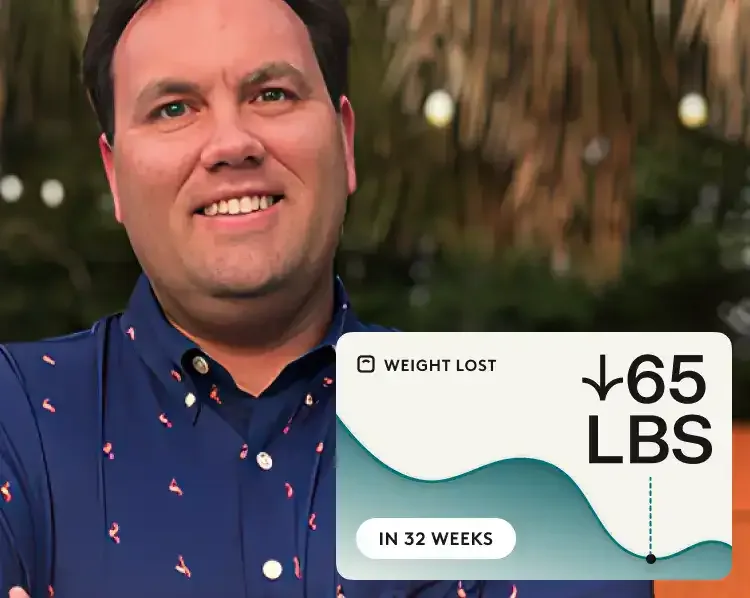
“Noom has taught me that every day is a new chance to make better, healthier choices. It's taught me how to stop overeating.’’
Matthew M. — Real Noom user
Lila M. — Real Noom user
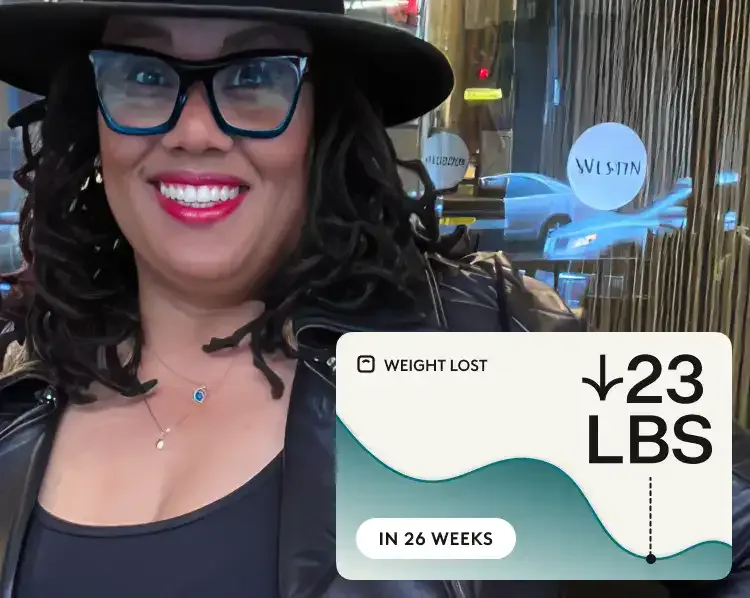
“Clinicians who understand how supportive medication can be is one of the best parts of Noom! I was convinced I wouldn’t have success but I’m down 11 pounds in two months.’’
Lila M. — Real Noom user
Steve M. — Real Noom user
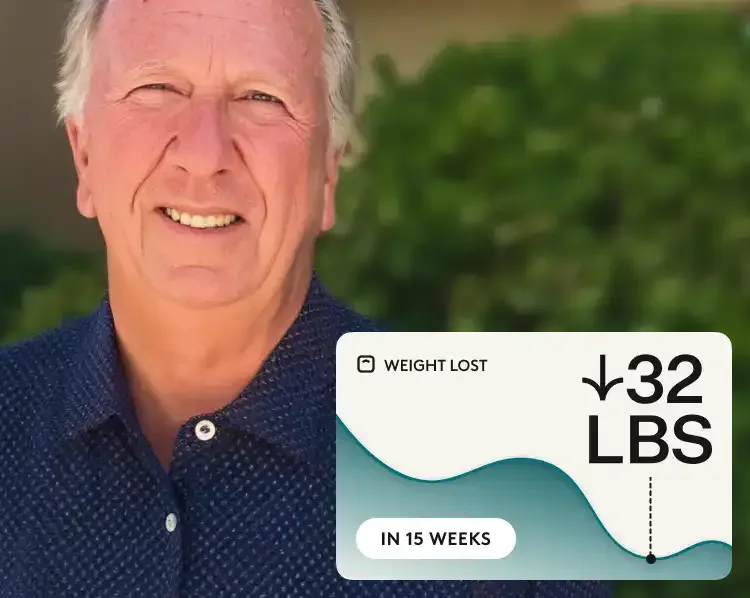
“Noom provided me with the medication which I could not get through Medicare. I have learned the tricks to better eating and life in general.”
Steve M. – Real Noom user
Daisy R. — Real Noom user

‘’Noom has changed my life and I’m so thankful, I feel great, have more energy and am no longer prediabetic.”
Daisy R. – Real Noom user
Sarah R. — Real Noom user
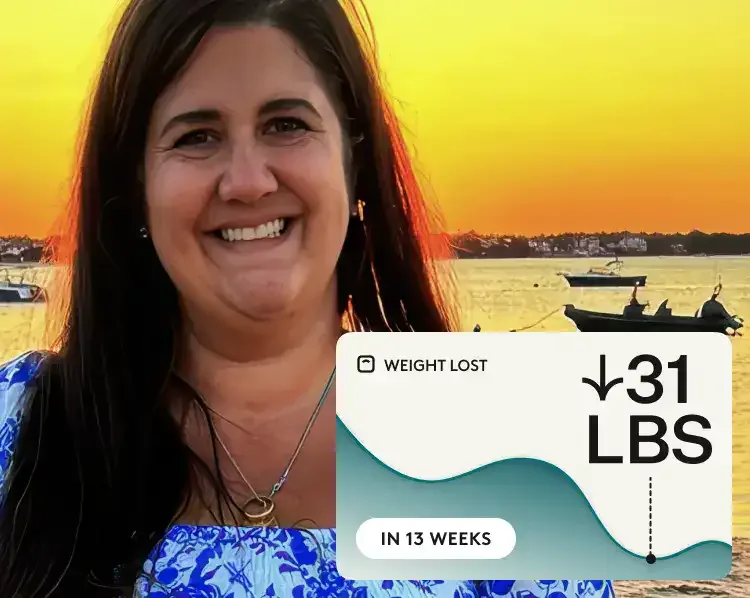
“All of the Noom providers that I’ve met with have been exceptional and prescribed medications that are appropriate for my situation and health.”
Sarah R. – Real Noom user
Madison S. — Real Noom user

“Noom made the process so simple and now I feel full, free from diet obsession, and at ease in my body again.”
Madison S. – Real Noom user
Sonday K. — Real Noom user
“My doctor recommended Noom after I was frustrated trying to lose weight. The lessons helped change my relationship with food. My body feels lighter & energized.”
Sonday K. – Real Noom user
Cam K. — Real Noom user
“I built healthy habits with coaching and lessons that make me confident I can maintain my weight loss long term.”
Cam K. – Real Noom user
Laura TR. — Real Noom user
“With the right medication through Noom, hunger and sugar cravings finally quieted and I have the tools to break the cycle.”
Laura TR. – Real Noom user
Jessica S. — Real Noom user
“Cravings and food noise are gone, I finally feel confident in the healthy habits I’ve built to last with Noom.”
Jessica S. – Real Noom user
The bottom line: Building muscle after 50 takes protein and exercise
Muscle loss with age is common, but it’s not inevitable. This large review of nearly 21,000 older adults found that the best results consistently came from combining strength training with adequate protein intake.
Overall, whey protein paired with resistance training produced the strongest gains in muscle and strength. But the bigger takeaway wasn’t that everyone needs a specific protein powder. It was that protein and exercise worked far better together than either one alone.
The research also showed that improvements are possible well beyond middle age. Adults in their 70s and 80s—including those who were frail or already experiencing muscle loss—still improved strength, mobility, and physical function.
In other words: It’s not too early to start supporting muscle health, and it’s not too late either.
“This research reinforces what we’ve been coaching at Noom for years: sustainable muscle health isn’t about a single supplement or a single workout. It’s about consistently pairing quality protein with movement that challenges your body. That combination, repeated over time, is what makes the difference,” says Hudspeth.If you’re looking for support putting these habits into practice, Noom’s coaching tools and community are built around exactly this kind of evidence.
Editorial standards
At Noom, we’re committed to providing health information that’s grounded in reliable science and expert review. Our content is created with the support of qualified professionals and based on well-established research from trusted medical and scientific organizations. Learn more about the experts behind our content on our Health Expert Team page.