
What you’ll learn:
- The purple peel weight loss trend is positioned as a hack for losing weight through a supplement.
- The trend borrows the language of metabolism, mitochondria, and purple plant compounds to make its claims sound more scientific than they are.
- Building habits that support lasting weight loss can be more helpful long-term than unproven supplements.
If you’ve spent any time on TikTok, YouTube, or wellness blogs lately, you’ve probably come across the purple peel weight loss trend. The concept is that purple fruit and vegetable extracts can unlock fat burning at a cellular level — but through a supplement, not food. It’s also sometimes called the purple peel exploit.
Trends like these usually sound scientific, specific, and offer a cure for weight loss when the process has felt hard. We’ve seen it before with the gelatin trick, which promises appetite suppression through a budget collagen hack, the pink Himalayan salt trick, which frames a pantry staple as a metabolic tool, and weight loss gummies that work like GLP-1 medications.
The purple peel weight loss hack seems similar to these other “tricks.” The trend borrows the language of antioxidants, metabolism, and cellular health to sound credible. Even the idea of a “purple peel” sounds like a healthy food, right?
The problem is that this is less about eating nutritious vegetables and more about selling a supplement. And while the ingredient list may sound impressive, the research behind the product and its weight loss claims is much less convincing than the marketing suggests.
But before taking purple peel weight loss reviews at face value—or buying into the claims around the ingredients—it’s worth taking a closer look at what this trend actually is, how it went from a food-like idea to a supplement pitch, and why it has spread so quickly online.
New from Noom
Microdose GLP-1Rx Plus
An affordable way to start your GLP-1 journey with Compounded Tirzepatide.

*Initial 3 week subscription and 4 weeks of medication from $79 plus tax and $199 per month plus tax for 12 week subscription thereafter. Final pricing depends on program selection. Noom GLP-1Rx Plus Microdose Program involves medication (when appropriate), healthy diet, exercise and support. Individual results vary. Meds & personalization based on need as determined by a third-party clinician. Medications are not reviewed by FDA for safety, efficacy, or quality. No affiliation with Eli Lilly and Company, the only US source of FDA-approved tirzepatide. Not available in all 50 US states.
In this article, we’ll break down what “purple peel” is actually referring to, the supplement most closely tied to the trend, the ingredients behind the marketing, and what the research really says. We’ll hear from Maggie Hudspeth, Registered Dietitian Nutritionist, to hear an expert’s take on the trend and what it really means to lose weight in a sustainable way.
What is the purple peel weight loss trend?
Even though the name “purple peel” sounds like a weight loss food trend, conversations around purple peel center around a supplement, not a diet.
The name suggests there’s some hidden weight loss benefit in the peel of a purple fruit or vegetable—something natural that people have somehow overlooked.
But influencers and affiliate marketers often use “purple peel” to tell a much bigger story: that purple plant compounds can “repair metabolism,” “activate mitochondria,” “increase cellular energy,” or “turn on fat burning.” The pitch is often that these compounds help increase mitochondrial ATP production, allowing the body to turn stored fat into usable energy rather than just causing temporary water loss.
From there, the claims get even more specific. Marketing around the trend often suggests that with daily supplementation—usually by taking a capsule such as Mitolyn in the morning with water—you can help activate your body’s cellular “furnaces.” Some promotions go on to say that users may notice higher energy and even visible reductions in belly fat, often by week 3 or 4 of consistent use.
And that’s the key point: they’re not usually telling you to eat the outsides of purple potatoes or purple dragon fruit. They’re usually selling Mitolyn, one of the main supplements tied to the purple peel trend and marketed to people who want to lose weight.
Why is the purple peel trend so popular?
The purple peel trend took off because it offers a more compelling story than standard diet advice. Instead of telling people to simply eat less and move more, it reframes weight loss as a problem of hidden biology. The message is that your metabolism needs to be “repaired,” and your mitochondria need to be “activated.” And when the trend is called the “purple peel exploit,” it implies that you can take advantage of a pill to do that work for you.
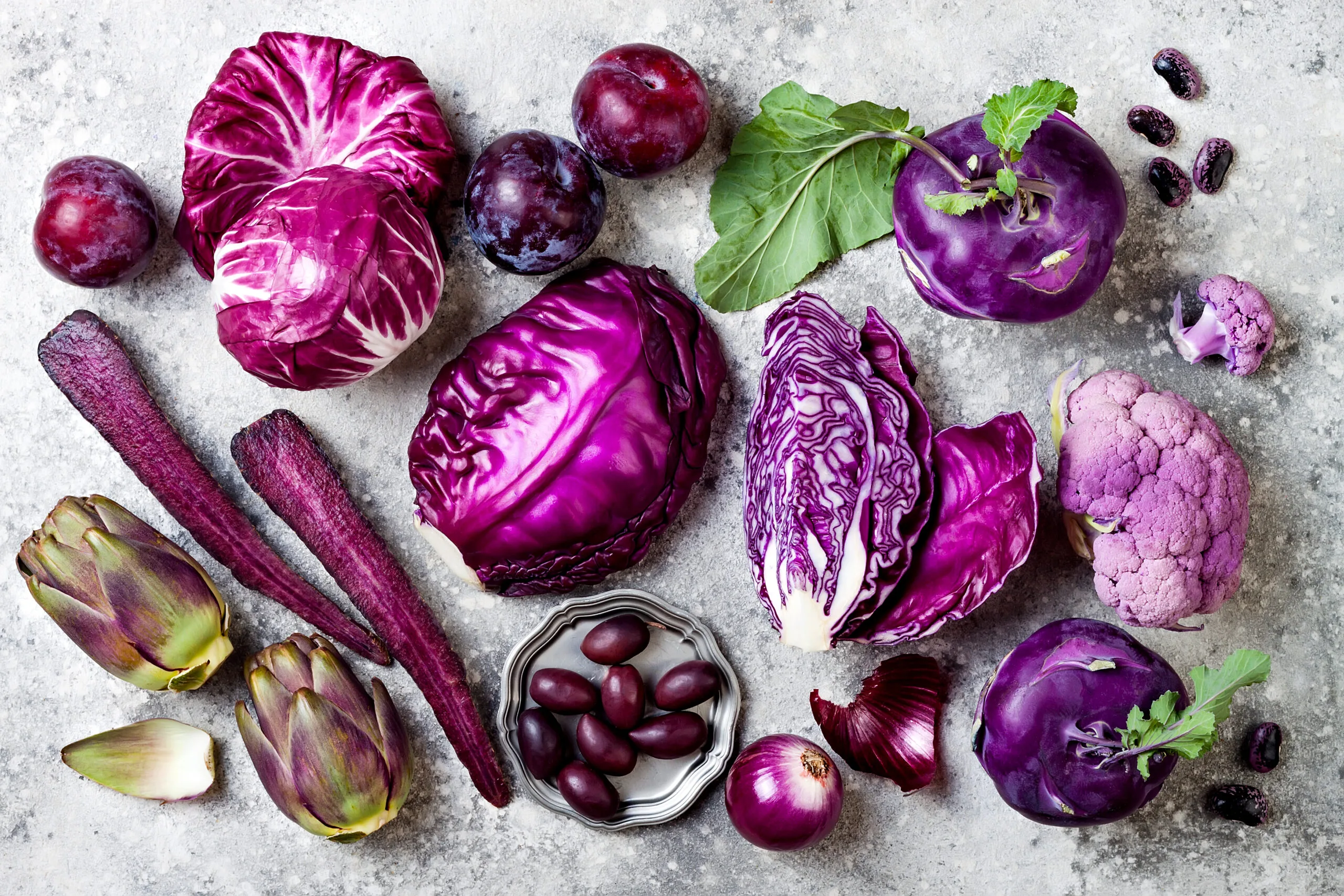
The trend also uses the health halo around purple foods. Deep purple fruits already signal antioxidants and wellness, in part because they contain anthocyanins—the natural plant compounds that give foods like berries, red cabbage, and purple sweet potatoes their red, blue, or purple color. That makes it easier for marketers to take real science around anthocyanins and other plant compounds and stretch it into bigger claims about fat burning, belly fat loss, and increased energy.
And the power of reviews can make the whole thing feel more real. When you see videos, testimonials, and “before and after” stories repeating the same message, it can start to look like proof. But a lot of that content is designed to sell a product, not evaluate it objectively. That doesn’t mean people are wrong to be curious—it just means popularity and repetition are not the same thing as strong evidence.
“Motivation matters when you’re trying to lose weight. It can feel really discouraging to put effort into your health and not see immediate results,” notes Hudspeth. “But meaningful change often happens more slowly than we want it to. Seeing these images online may leave you feeling worse instead of supported, because many of them set unrealistic expectations.”

The Easy Way
to lose weight and get healthy.
See if you qualify
Purple peel weight loss: Ingredients
Supplements tied to the purple peel trend usually contain a similar mix of plant extracts and antioxidant compounds, including:
- Maqui berry: A small, deep-purple fruit rich in anthocyanins — the antioxidant plant compounds responsible for its color. Because the purple peel trend is built around the idea that purple plant compounds can support metabolism, maqui berry is usually positioned as the star ingredient. There is real research on maqui berry extract — primarily around antioxidant activity and post-meal blood sugar response — which is part of why it makes such a convincing centerpiece. But those findings are about oxidative stress and glucose, not fat loss, and that gap is where the marketing tends to stretch the furthest.
- Rhodiola rosea: An adaptogenic herb often used in supplements for stress, fatigue, and energy support. In the purple peel trend, it helps reinforce the idea that the formula can improve resilience, stamina, or “cellular energy.” Research published in Phytomedicine does support rhodiola’s effects on mental performance and fatigue.
- Schisandra: A berry used in traditional herbal medicine and commonly included in formulas aimed at stress support, endurance, or vitality. Like rhodiola, people talk about it for endurance and mental performance — not for fat loss.
- Astaxanthin: This is an antioxidant compound. In purple peel-style supplements, it’s typically included for its antioxidant reputation and to support claims around inflammation, recovery, and cellular health. Some also claim it helps with weight loss, though studies don’t support that.
- Amla: Also called Indian gooseberry, this is a fruit commonly marketed for its antioxidant content and general wellness benefits. In the purple peel trend, it’s usually presented as another “metabolic health” ingredient that helps round out the formula.
What does the research actually say about using purple peel for weight loss?
The purple peel trend makes big promises about fat burning, but the actual research doesn’t hold up to the claims. There are some studies linking three of the main ingredients to weight loss. The problem is that the connections are theoretical, not proven. Let’s explore the evidence for three of these ingredients and how they do or don’t cause meaningful fat loss in humans.
Maqui berry
Maqui berry is doing most of the heavy lifting in the purple peel trend. It’s the ingredient most closely associated with the idea that a deep-purple plant compound can “switch on” fat burning.
An animal study suggests that maqui berry may influence fat browning in subcutaneous white adipose tissue. On paper, that sounds relevant to weight loss because fat browning is when sugar and fat from the blood generate heat, reducing the risks of obesity, diabetes, and cardiovascular diseases. But this was an animal study, not a human trial. Animal research does not reliably predict what will happen in people—and no equivalent human weight-loss trial exists.
“There’s no one food, supplement, or ingredient that flips a switch for fat burning,” shares Hudspeth. “Fat loss happens when your overall habits support a calorie deficit over time.”
Rhodiola rosea
Rhodiola rosea is the other ingredient with at least some theoretical connection to weight loss, though that connection is even more indirect.
In a lab study, two rhodiola rosea extracts appeared to make immature human belly-fat cells less likely to turn into mature fat cells, and may have increased fat breakdown.
But cell studies aren’t clinical outcomes. This was research done in a lab, not inside someone’s body. The research can suggest a possible mechanism, but it isn’t enough to say that a person taking rhodiola will actually lose weight in real life.
Astaxanthin
Of the three ingredients, astaxanthin has the most direct human weight loss research. Unfortunately, the results aren’t enough to support the big claims.
A systematic review and meta-analysis looked at whether astaxanthin affects body weight and BMI in humans. The results showed that people taking astaxanthin didn’t lose meaningfully more weight than people taking nothing at all.
A separate meta-analysis pooling nine clinical trials landed in the same place: no overall effect on BMI or body weight. The pattern here is consistent — astaxanthin has been tested in humans for weight outcomes, and it hasn’t moved the needle.
Purple peel supplement safety and side effects
One reason supplement trends can spread easily is that the ingredients sound natural and familiar. But “natural” does not automatically mean risk-free or appropriate for everyone. Here’s what the research says about the key ingredients in purple peel supplements:
- Maqui berry is generally well tolerated in the doses studied in humans, with no significant adverse effects reported in clinical trials, according to the. That said, most trials were only four weeks or less, so long-term safety data is limited.
- Rhodiola rosea might not be safe for everyone. A review of rhodiola preparations notes that some people experience dizziness, dry mouth, or restlessness, particularly at higher doses. It also has known interactions with antidepressants (especially SSRIs and MAOIs) and blood pressure medications.
- Astaxanthin has a relatively strong safety record. A clinical review of astaxanthin in humans found no significant safety concerns at doses up to 24 mg daily for 12 weeks, with gastrointestinal discomfort reported occasionally at higher doses.
More importantly, the supplement formulas might not be the same as the individual ingredients themselves. So even if one ingredient appears safe on its own, that doesn’t automatically tell you how those ingredients react when put together.
If you’re pregnant, breastfeeding, taking medications, or managing a chronic condition, this is the kind of supplement trend that you need to run by a healthcare provider before trying.
How purple foods can be helpful for weight loss
There is a grain of truth to the purple peel trend: that eating colorful foods is good for you.
As Hudspeth shares, “Purple foods can absolutely have a place in a balanced eating pattern. Foods like purple berries, red cabbage, and purple sweet potatoes can be a nutritious addition to meals because they offer fiber, vitamins, and beneficial plant compounds.
What you eat matters more than taking a supplement each morning. “The bigger picture is still your overall pattern of eating, not one color or one ingredient,” reminds Hudspeth. “Instead of thinking about purple foods as a fat-burning fix, it may be more helpful to think of them as one way to add more plant variety and nutrition to your day.”
Frequently asked questions (FAQ) about purple peel
What is the purple peel for weight loss?
The “purple peel” for weight loss usually refers to a supplement marketing trend, not a proven nutrition method. These products are often built around maqui berry and other botanicals, but there’s no strong human evidence showing they directly cause meaningful weight loss.
What is the purple fruit that helps you lose weight?
The purple fruit most often mentioned in this trend is the maqui berry. It has been studied for antioxidant effects and post-meal blood sugar response, but human studies have not shown that it directly leads to fat loss.
Access GLP-1 Weight Loss with Noom
Explore a wide range of prescription medications supported by Noom’s program.Microdose GLP-1rx
Noom GLP-1rx
Noom GLP-1rx Plus
Wegovy®
Ozempic®
Metformin
Zepbound®
Mounjaro®
Liraglutide
What is the purple plant that helps you lose weight?
There isn’t one proven “purple plant” that reliably causes weight loss on its own. Purple fruits and plants may contain antioxidants and other beneficial compounds, but sustainable weight loss still depends on overall habits, consistency, and a calorie deficit over time.
What is the purple peel exploit?
The purple peel exploit is another name for the purple peel weight loss trend. Using the word “exploit” implies that you can take advantage of something to control your health. This can give a false sense of control that you can change your body with just one ingredient or pill.
The Easy Way
to lose weight and get healthy.
See if you qualifyThe bottom line: Habits, not hacks, help with weight loss
Weight loss is hard, and anything that promises a smarter, deeper, more effective way in is going to get attention. The purple peel weight loss trend is appealing for those reasons.
Although it looks good on paper and the purple color signals health, it’s really just a supplement. And the individual ingredients and supplement formulas associated with this trend don’t have strong human evidence showing they produce meaningful weight loss.
When you’re trying to lose weight, it usually comes back to the basics: sustainable habits, nutritious foods, and joyful movement. The habits that support lasting weight loss are the ones you can come back to again and again—like eating balanced meals, noticing hunger and fullness cues, finding movement you actually enjoy, getting enough sleep, and building routines that feel realistic for your life.If you’re looking for evidence-backed ways to lose weight, programs at Noom can help. We combine behavior change strategies with medical support, helping you build habits that last while also addressing the biological side of weight loss. Learn more now.
Editorial standards
At Noom, we’re committed to providing health information that’s grounded in reliable science and expert review. Our content is created with the support of qualified professionals and based on well-established research from trusted medical and scientific organizations. Learn more about the experts behind our content on our Health Expert Team page.