What you’ll learn:
- Subway’s new Protein Pockets reflect a growing demand for meals that prioritize protein while reducing refined carbs and calories.
- These menu options repackage familiar Subway ingredients into smaller wraps that emphasize protein.
- These higher-protein choices may support weight-management goals for some people, though sauces, portions, and overall calorie intake still matter.
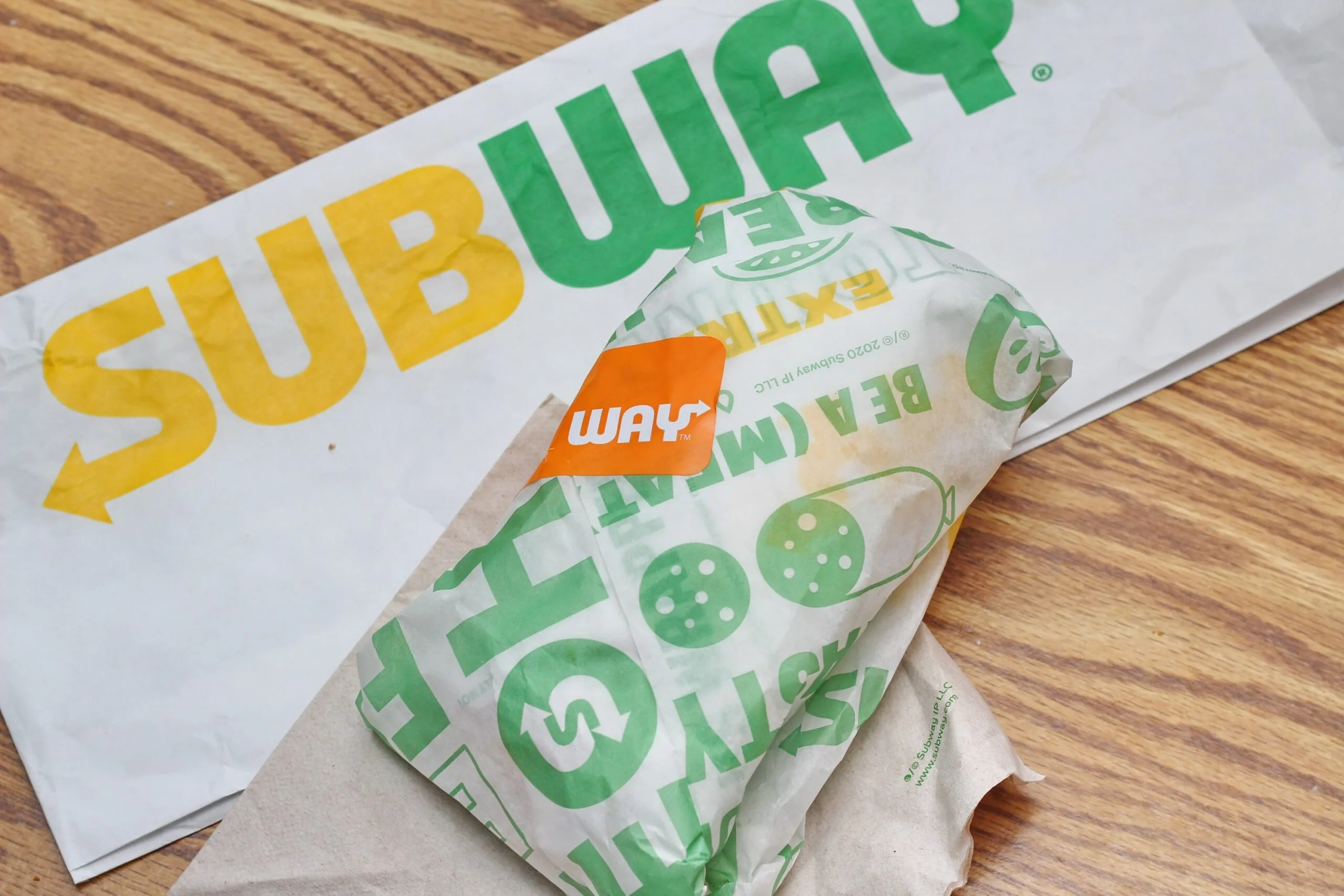
Subway has joined the growing list of fast-food chains leaning into higher-protein meals. In early 2026, the brand introduced Protein Pockets, a new line of toasted wrap-style sandwiches. These wraps have curated ingredient combinations a departure from the chain’s customizable sandwiches, bowls, and wraps..
There are four varieties of Protein Pockets: Baja Chicken, Peppercorn Ranch Chicken, Italian Trio, and Turkey & Ham. Each one features a wheat tortilla and different fillings, creating a compact, handheld option designed for convenience and flavor. Each wrap has 20 grams or more of protein and 320 to 480 calories.
The format also reflects a broader shift across fast-food and fast-casual menus. Restaurants, like Shake Shack and Chipotle, are increasingly experimenting with protein-forward meals that emphasize smaller portions.
This trend has been driven by several factors, including growing interest in higher-protein eating for satiety, greater awareness of maintaining muscle during weight loss, and the rise of GLP-1 medications, which often lead people to prefer smaller, protein-dense meals.
Subway’s Protein Pockets fit squarely into that shift. But how nutritious are these wraps? Let’s take a closer look at what’s inside them, how they compare to the traditional menu items, and whether they can fit into weight-loss goals.

The Easy Way
to lose weight and get healthy.
See if you qualify
What’s in Subway’s Protein Pockets?
While Subway is best known for its customizable sub-style sandwiches served on bread in different sizes, the Protein Pockets have a different approach. These smaller wraps have curated sandwich fillings on a smaller 9-inch tortilla, and have fewer calories and carbs than a sub or wrap.
The lineup currently includes:
- Baja Chicken Protein Pocket – grilled chicken with lettuce, tomatoes, onions, and green peppers, plus a Baja-style sauce.
- Peppercorn Ranch Chicken Protein Pocket – grilled chicken with lettuce, tomatoes, onions, and green peppers, topped with peppercorn ranch sauce.
- Italian Trio Protein Pocket – pepperoni, salami, and ham with cheese, lettuce, tomatoes, onions, green peppers, and olives.
- Turkey & Ham Protein Pocket – sliced turkey and ham with cheese, lettuce, tomatoes, onions, and green peppers in a wrap.
Together, these options reflect a larger restaurant trend toward smaller, protein-forward meals, partly driven by:
- Growing consumer focus on protein intake.
- Increased awareness of muscle maintenance during weight loss.
- The rise of GLP-1 medications, which often shift appetite toward smaller, protein-dense meals.
Subway Protein Pockets: Nutrition info
| Protein Pocket | Calories | Carbs | Protein | Saturated fat | Sodium |
|---|---|---|---|---|---|
| Baja Chicken | 330 | 30g | 24g | 5g | 800mg |
| Peppercorn Ranch Chicken | 330 | 30g | 24g | 5g | 820mg |
| Italian Trio | 490 | 33g | 23g | 10g | 1,200mg |
| Turkey & Ham | 320 | 29g | 21g | 4g | 780mg |
Protein pockets are smaller than Subway’s sandwiches and wraps, but they still deliver a meaningful amount of protein for their size. A few patterns stand out:
Protein is high for the calorie range.
Each pocket has about 20 to 24 grams of protein for 320–490 calories. That puts them in line with options like grilled chicken salads or protein boxes at other spots.
Calories stay moderate—but depend on the protein choice.
Most options cluster around 320–330 calories, making them comparable to a light lunch or substantial snack. The Italian Trio jumps to 490 calories, largely due to higher-fat processed meats, which increase calories without adding much more protein.
Sodium is still on the higher side.
Even though these are smaller than traditional subs, sodium ranges from about 780 mg to 1,200 mg per pocket. For context, that’s about one-third to over half of the recommended daily limit (2,300 mg) in a single item, with the Italian Trio again being the highest.
Fat quality varies by protein source.
Chicken and turkey-based pockets are lower in saturated fat (around 4 to 5 grams), while the Italian Trio has 10 grams of saturated fat, driven by processed meats like pepperoni and salami. This makes a noticeable difference if you’re paying attention to heart health markers.
Subway Protein Pockets vs. Subway sandwiches and wraps
Protein pockets are designed to sit somewhere between a full sandwich and a snack. Instead of the larger bread used in a standard sub, they use a smaller 9-inch wrap and less fillings. That difference in format changes the portion size and the nutrition profile—they are also cheaper.
The Easy Way
to lose weight and get healthy.
See if you qualifyCompared with traditional Subway menu options, the biggest difference usually comes down to portion size and carbohydrates from bread.
Protein Pockets vs. 6-inch subs vs. wraps
| Item | Calories | Carbs | Protein | Cost |
|---|---|---|---|---|
| Protein Pocket | 320–490 | 29–33g | 21–24g | $3.99 |
| 6-inch sub | 400–500 | 40–50g | 20–25g | $6-10 |
| Subway wrap | 500–650 | 50–60g | 25–35g | $10-13 |
Prices may vary by location.
What the comparison shows:
- Protein is similar—but not meaningfully higher. Most Protein Pockets have 20 to 24 grams of protein, which is nearly identical to a typical 6-inch sub and sometimes lower than a wrap. In other words, they’re not a “high-protein upgrade.”
- Carbohydrates are lower, but they aren’t low-carb – Protein pockets contain about 29 to 33g of carbs, compared to 40 to 50g in a 6-inch sub and 50 to 60g in a wrap. They still provide a moderate amount of carbohydrates—not a low-carb option.
- Calories reflect portion size more than ingredients – At 320 to 330 calories for most options, Protein Pockets are lighter primarily because they’re smaller. The Italian Trio (490 calories) shows how quickly calories can climb when higher-fat meats are used—putting it closer to a 6-inch sub.
- Price – The Protein Pockets are smaller but also lower in price at $3.99.
What does this all mean?
The biggest difference isn’t the ingredients—it’s the amount of food. Protein pockets are simply smaller. Subway wraps tend to be the highest in calories and carbs because of the larger tortilla, even when protein is higher. This makes them more filling—but also easier to overshoot calorie goals.
Plus, remember, the base numbers only tell part of the story. Adding extra cheese, creamy sauces, or processed meats can quickly push a protein pocket into the same calorie range as a sandwich. On the other hand, loading up on vegetables (lettuce, spinach, tomatoes, cucumbers, peppers, onions) adds volume and fiber with minimal calories.
Can Subway’s Protein Pockets help with weight loss?
Subway’s Protein Pockets are designed to deliver more protein while changing the format of the traditional sandwich. For people trying to lose weight, that sounds appealing. But whether these options actually help with weight management depends on how they fit into the bigger picture of your diet.
In general, meals that emphasize protein can support weight-loss goals. Protein tends to be more filling than many other nutrients, which can help people feel satisfied after eating and make it easier to stick with a calorie target over time.
Research shows that protein can:
- Increase fullness after meals
- Help preserve lean muscle during weight loss
- Support stable blood sugar levels
That’s one reason protein is often emphasized for people using GLP-1 medications, which reduce appetite and slow digestion. When you naturally start eating less, every bite tends to matter more. Getting enough protein can help support muscle maintenance, keep you feeling fuller longer, and make sure your body still has the nutrients it needs even as portions shrink.
Are Subway’s Protein Pockets healthy?
Whether Subway’s Protein Pockets are a healthy choice comes down to the specific option and how it fits into your overall eating pattern.
All four varieties are smaller, protein-forward meals. Each has over 20 grams of protein, which may keep you fuller longer and make them a more satisfying option than many typical fast-food snacks.
The calorie range is also relatively moderate for most options, especially the chicken and turkey pockets, which land on the lighter end compared to larger sandwiches or wraps. Another plus is that they include vegetables by default, adding some fiber and micronutrients, even if the amounts are modest.
At the same time, there are a few trade-offs to keep in mind:
- The sodium is high: Sodium is one of the biggest considerations, since the combination of deli meats, cheese, and sauces can push levels fairly high—sometimes approaching a large portion of the recommended daily limit in a single item.
- The Italian Trio is high in saturated fat: The Italian Trio (made with salami and pepperoni) contains significantly more than the chicken or turkey versions.
- Fiber is low: Even though these pockets are high in protein, because the fiber is low they might not be as filling or balanced as meals built around whole grains, beans, or larger portions of vegetables.
Protein pockets can work as a reasonable fast-food option if you’re looking for a smaller, portion-controlled meal or snack with solid protein. The chicken and turkey varieties tend to be the more balanced choices, while the Italian Trio is more calorie-dense and higher in sodium and saturated fat. As with most restaurant meals, the overall impact depends less on the item itself and more on how often it’s eaten and how it fits into the rest of your diet.
Frequently asked questions about Subway’s Protein Pockets
What’s the difference between a Subway wrap and a protein pocket?
The main difference comes down to size. Subway wraps are typically larger and have the same fillings as a 6-inch sandwich, often with 25 to 35 grams of protein and about 500 to 700 calories, depending on the ingredients.
Protein pockets are designed to be smaller. They use a smaller wrap and more compact portion, usually providing about 20 to 24 grams of protein and roughly 320 to 490 calories.
What is GLP-1 friendly at Subway?
For many people using GLP-1 medications, smaller, lighter meals tend to feel easier to tolerate. In that sense, Protein Pockets may be a more comfortable option, since they’re typically lower in calories than many of the other menu items. The smaller pocket can better match the reduced appetite many people experience on these medications.
What should I order at Subway if I want more protein for fewer calories?
Choose menu items built around lean proteins, like the Oven-Roasted Turkey sandwich, Grilled Chicken wrap, or a Grilled Chicken Protein Bowl, which skips the bread and keeps calories lower while still delivering plenty of protein. You can also try options like the Turkey & Ham Protein Pocket. Add lots of vegetables and go light on creamy sauces to keep the meal lighter while boosting protein.
The Easy Way
to lose weight and get healthy.
See if you qualifyThe bottom line: Protein pockets are a lower calorie, high-protein wrap option
Subway’s Protein Pockets tap into a bigger trend—smaller, protein-forward meals that feel a little more manageable than a full sandwich. But they’re not a totally different category of fast food. Think of them more as a portion-controlled option than a nutritional upgrade. You’re still getting 20+ grams of protein in a compact wrap, which can be helpful if you’re trying to keep calories in check or just don’t want something heavy. At the same time, what’s inside still matters. Sodium can add up quickly, fiber tends to be on the lower side, and options like the Italian Trio can creep up in calories and saturated fat faster than you might expect.
If your goal is weight loss or just eating in a way that feels better day to day, Protein Pockets can absolutely fit. Leaner choices like chicken or turkey make a noticeable difference. But they’re not a shortcut to better nutrition on their own. Like most fast-food meals, they work best when they’re part of a bigger pattern that includes fiber, whole foods, and some variety. The real win here isn’t that they’re magically “healthier”—it’s that they make it easier to choose a smaller, protein-rich meal without overthinking it.
If you’re looking for guidance on building balanced meals, understanding nutrition trends, and creating sustainable habits that support your goals, download Noom on iOS & Android. You’ll get daily tips, exclusive recipes, and more to help you on your wellness journey.
Editorial standards
At Noom, we’re committed to providing health information that’s grounded in reliable science and expert review. Our content is created with the support of qualified professionals and based on well-established research from trusted medical and scientific organizations. Learn more about the experts behind our content on our Health Expert Team page.