What you’ll learn:
- There is no generic version of Wegovy® or semaglutide currently available in the U.S.
- Patent protections mean a generic is unlikely in the U.S. before the early to mid-2030s, though several other countries, like Canada, might see a generic in 2026.
- While generics typically offer significant savings, there is no guarantee that semaglutide will follow suit.
If you’ve looked into Wegovy® for weight loss, you may have wondered: Is there a generic version—and if not, when might one become available? The question comes up often because cost has become one of the biggest talking points around GLP-1 medications.
While these treatments have reshaped the landscape of medical weight loss, affordability can still be a significant barrier. Wegovy® (which contains semaglutide) has a list price of about $1,350 per month, and insurance coverage for weight-loss medications is frequently limited or denied. Traditionally, generic medications tend to cost less and may be easier to access through insurance, though that isn’t always guaranteed.
Right now, there isn’t a generic version of Wegovy® or semaglutide available in the United States. But the access picture has started to shift. Manufacturer discounts and savings programs have lowered out-of-pocket costs for some people, and new programs aimed at improving affordability are emerging as demand for these medications grows.
Here’s what to know about why a generic Wegovy® isn’t available yet, when one could potentially arrive, how pricing might change, and what options exist in the meantime.
What is Wegovy®?
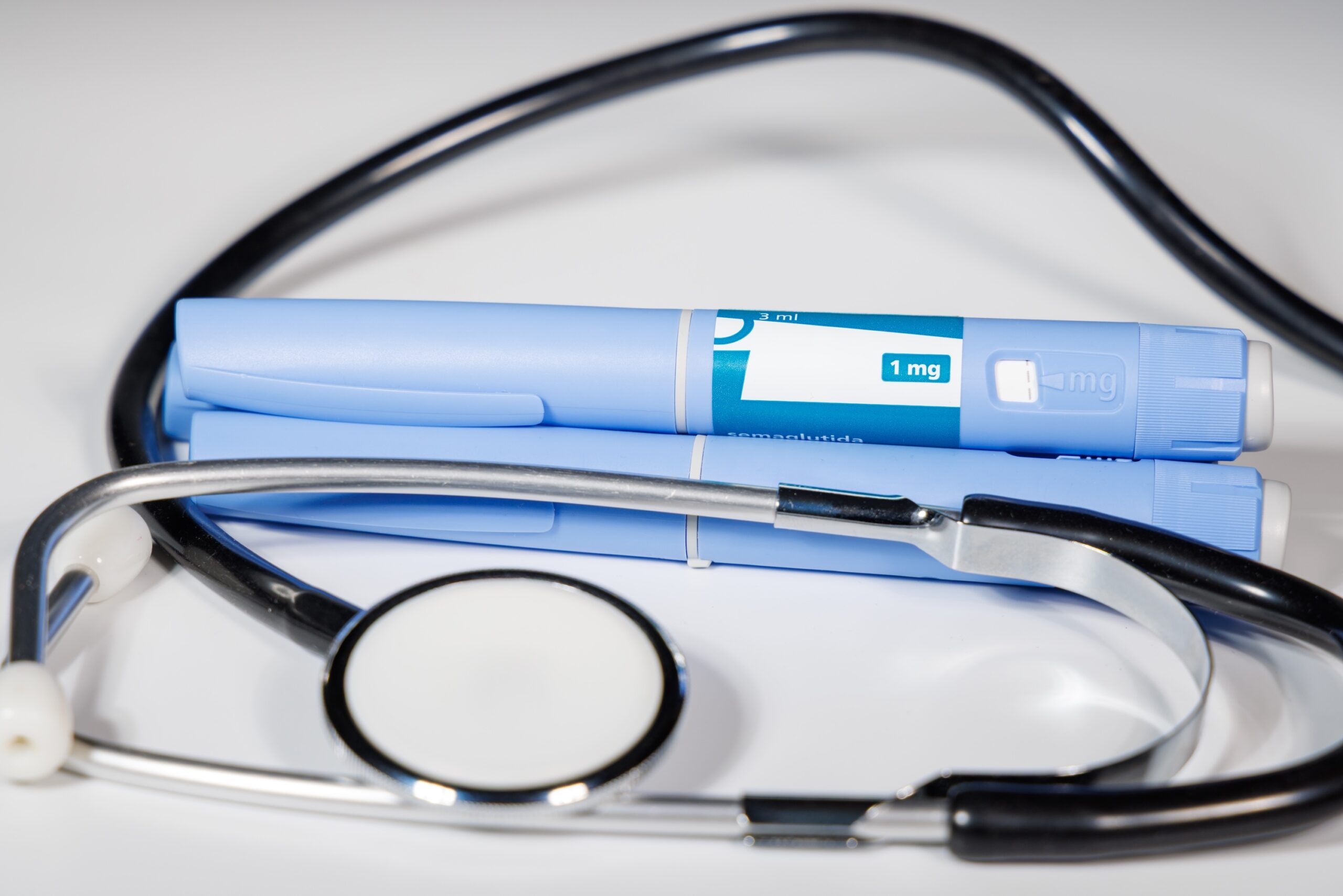
Wegovy® is a prescription weight loss medication with the active ingredient semaglutide. Ozempic has the same active ingredient, but is approved for diabetes management, though you may have heard that it can be prescribed for off-label use.
Semaglutide is a GLP-1 receptor agonist, which means it works by mimicking GLP-1 (glucagon-like peptide-1). This action helps lower appetite, slow digestion, and regulate blood sugar, which can make it easier to eat less and lose weight over time.
Wegovy® was first FDA-approved for weight loss in 2021. Today, Wegovy® is available in two forms, which gives people more flexibility depending on their preferences and medical needs:
- Once-weekly injection
- Once-daily pill
Wegovy®: Cost and insurance concerns
Much of the interest in a future generic version of Wegovy® or semaglutide comes down to cost. The medication has a list price of around $1,350 per month before insurance or discounts, which means yearly costs can become significant for people paying out of pocket.
Insurance coverage can also be limited. Many health plans aren’t required to cover medications prescribed specifically for weight loss, and even when coverage is available, people may face prior authorization requirements, high deductibles, or coinsurance. That can make access unpredictable and sometimes frustrating to navigate.
Wegovy® is also often used long-term to help maintain weight loss, with many people staying on the medication for months or even indefinitely to help keep the weight off. Over time, those monthly costs can add up.
All of these factors help explain why so many people ask about a generic option. When generics become available, they’re typically priced lower than brand-name medications and are often easier for insurance plans to add to their coverage lists—potentially reducing some of the cost barriers people face today. If a generic semaglutide eventually reaches the market, it could meaningfully improve affordability and expand access for people seeking a weight-loss medication.
Why Wegovy® doesn’t have a generic yet
There isn’t a generic Wegovy® yet, because of layered patent protections on semaglutide and the complexity of how the medication is made and delivered.
For semaglutide products like Wegovy®, Novo Nordisk has filed about 320 U.S. patent applications. These cover everything from the compound itself to the pen injector used for weekly shots. That is why generic competition can still be delayed even if one patent expires.
At a high level, those protections can include:
- The active ingredient itself: patents tied to semaglutide’s chemical composition
- Formulation patents: protections related to how the drug is prepared and kept stable
- Injection device patents: protections covering the pen injector and dosing mechanism
- Administration-related patents: protections tied to how the medication is delivered and used
Because these protections overlap, generic manufacturers may still be blocked even after one patent expires. A patent on the drug itself might expire first, while others covering the formulation or delivery device remain in place. That layered protection is a big reason why generic semaglutide products like Wegovy® may take longer to reach the market.

The Easy Way
to lose weight and get healthy.
Patent experts estimate that Wegovy® may not face true generic competition until around 2040. This extended timeline results from overlapping patents with different expiration dates, patent term extensions, and the difficulty of challenging multiple patents at once.
When will generic Wegovy® be available?
Based on current patent timelines and expert reporting, most realistic forecasts place generic Wegovy® in the early-to-mid 2030s at the earliest.
Patent expiration timelines give a rough starting point, but they don’t guarantee when a generic will actually show up at pharmacies. In most cases, the end of a patent is just the beginning of the generic process.
Here’s how it usually works:
Once the most important patents and exclusivity protections expire, generic manufacturers can apply to the FDA to launch an equivalent product. But for complex medications like semaglutide, it takes time. Companies have to finalize the formulation, prove bioequivalence, meet strict manufacturing standards, and scale production—steps that can easily stretch the timeline by months or years, even after patents lapse.
For injectable semaglutide products like Wegovy®, those challenges also include reproducing the drug’s delivery system and meeting device-combination product standards.
The oral version of semaglutide (the Wegovy® pill) follows a similar patent landscape, but generic development may involve additional hurdles because the pill uses a specialized absorption technology designed to help semaglutide survive digestion and enter the bloodstream. That means generic versions of oral semaglutide could follow a comparable timeline—or potentially take longer depending on how those formulation patents play out.
Real-world comparison: How generic timelines usually unfold
A helpful comparison is liraglutide, the active ingredient in Saxenda® and Victoza®. When the patents for liraglutide began to expire, the rollout was gradual, and availability varied by pharmacy and region.
Here’s how liraglutide progressed to generic availability:
- 2010: Novo Nordisk launched Victoza® (liraglutide) for type 2 diabetes.
- 2014: The same active ingredient was approved at a higher dose as Saxenda® for weight loss.
- 2024: Generic liraglutide was first approved for type 2 diabetes in Victoza®-equivalent doses.
- 2025: Generic liraglutide expanded into weight-loss dosing, aligning with Saxenda®-equivalent strengths.
Generic versions appeared relatively quickly on the diabetes side because Novo Nordisk partnered with Teva Pharmaceutical Industries to help manufacture and distribute an authorized generic. After that, additional manufacturers gradually entered the market with their own versions, increasing supply over time. But even then, it wasn’t an overnight shift—availability expanded step by step.
That’s why liraglutide is such a useful comparison for semaglutide medications like Wegovy®. Even after key patents begin to expire, generics don’t immediately flood the market. Companies still need time to complete regulatory review, prove their version is equivalent, and build the manufacturing capacity needed for a complex medication.
Generic Wegovy®: Factors influencing timelines
Patent expiration doesn’t mean that a generic will appear on pharmacy shelves the next day. It’s also important to understand why any timeline for generic semaglutide is an estimate:
- Patent challenges: Generic manufacturers can try to challenge patents early, but these cases are complex and don’t always succeed—especially when there are many overlapping patents.
- Litigation: Even when a company is ready to launch, lawsuits can delay generic entry for years, depending on how disputes play out in court.
- Manufacturing readiness: Semaglutide products might be harder to make than other, less complicated medications. Sterile injectables, pills with special formulation for absorbability, and device compatibility, and large-scale production can slow things down even after legal barriers are cleared.
When will the price of Wegovy® go down?
The price of Wegovy® may begin to decline gradually over the next several years as competition increases and manufacturer pricing strategies evolve.
Aside from that, several factors could push the cost of Wegovy® lower over time—even before generic semaglutide becomes available:
- Planned list-price reductions. Novo Nordisk has announced plans to reduce U.S. list prices for several semaglutide medications, including Wegovy®, starting in 2027. The planned price is expected to be around $675 per month, substantially lower than current list prices that often exceed $1,000 per month.
- Medicare drug price negotiations. Under the Inflation Reduction Act, Medicare can negotiate prices for certain high-cost medications. Semaglutide products have been identified among drugs expected to be included in future negotiation rounds, with negotiated prices beginning to take effect later in the decade. If Wegovy® becomes part of this process, Medicare beneficiaries could see significantly lower prices.
- Medicare Part D annual spending cap. Recent reforms to Medicare Part D introduced an annual cap on prescription drug spending for beneficiaries. While this does not change the official list price of Wegovy®, it limits how much Medicare patients pay out of pocket each year, making long-term treatment costs more predictable.
Generic Wegovy price: What could a future semaglutide generic cost
Predicting the price of a future generic Wegovy® (semaglutide) isn’t straightforward. In many cases, generic medications cost 80% to 90% less than brand-name versions, but that pattern doesn’t always hold—especially for newer injectable drugs like GLP-1 medications.
To get a sense of what might happen, it helps to look at current pricing and trends for similar drugs. The list price for Wegovy® is about $1,349 per month, which sets the baseline for potential savings if generic versions eventually become available.
Generic liraglutide: When generic liraglutide reached the market, prices didn’t drop as dramatically as expected. Generic versions used in pen packages equivalent to Victoza® have been reported at roughly $228 to $709 for 2- to 3-pen packages, while larger 5-pen packages used for weight-loss dosing similar to Saxenda® have ranged from about $370 to $1,240.
Here’s a comparison with the branded medications:
| Medication | Generic price (approx.) | Brand price |
|---|---|---|
| Victoza® (liraglutide) | $228–$709 (2–3 pens) | $543–$815 |
| Saxenda® (liraglutide) | $370–$1,240 (5 pens) | $1,349/month |
These examples show that while generics can reduce costs, the difference isn’t always dramatic, and prices can vary widely depending on the pharmacy, supply, and insurance coverage.
International indicators: Some Canadian pricing estimates suggest that once multiple competitors enter the market, generic semaglutide could eventually cost around $100–150 CAD per month (about $75–$110 USD). That provides a useful reference point, but it doesn’t guarantee similar pricing in the U.S., where drug prices are influenced by different regulatory systems, insurance structures, and market competition.
Actual out-of-pocket costs vary widely depending on insurance, savings programs, coupons, and the pharmacy chosen.
How do generic drugs actually work?
Generic drugs are true copies held to strict FDA standards designed to make sure they work the same way as the brand-name medication.
To be approved, a generic must have:
- the same active ingredient
- the same strength
- the same dosage form (like a tablet, injection, or liquid)
- the same route of administration (such as oral or injectable)
In other words, the generic has to replicate the aspects of the drug that determine how it works in the body and how safely it can be used.
A central requirement in this process is something called bioequivalence. This means manufacturers must show that the generic medicine enters the bloodstream at roughly the same speed and in the same amount as the brand-name drug. When two drugs meet this standard, the body processes them in essentially the same way, which is why most patients experience no noticeable difference when switching between the two.
Creating a generic is typically simpler for standard tablets. But injectable medications—especially complex treatments like GLP-1 drugs—are harder to reproduce. These products can involve challenges related to manufacturing processes, long-term stability, and how the medication is delivered.
For drugs that use pen-injector devices, the delivery system itself adds another layer of complexity. Because of these factors, generics for injectable medications often take longer to develop and review than typical pill-based drugs.
More questions about generic Wegovy®
What’s the earliest Wegovy® could come out as a generic?
In the United States, Novo Nordisk’s patents on semaglutide may extend until the early 2030s, which means a generic Wegovy® likely won’t be available here until then. Some other countries could see generic versions starting in 2026 because semaglutide patents have expired or are expiring in India, Canada, and Brazil in 2026, which could open the door to early generic competition.
Will insurance cover generic Wegovy® when it’s available?
Insurance will likely cover generic Wegovy® similarly to how they cover the brand version now. That means more likely coverage for diabetes than weight loss, with prior authorization often required. Generic medications typically have lower copays than brand-name versions, which could reduce your out-of-pocket costs.
Could the Wegovy® pill become generic before the injection?
Unlikely. Both oral and injectable semaglutide rely on the same core semaglutide patents. That means generic versions of the pill and the injection would generally be expected to face similar patent timelines in most major markets, including the United States.
Are other GLP-1 generics coming before Wegovy®?
Yes, generic liraglutide is already available for weight management. Other GLP-1 medications may also become generic before Wegovy®, depending on their individual patent timelines.
Like semaglutide, tirzepatide, the active ingredient in Mounjaro® and Zepbound®, is protected by extensive patents in the U.S. and other major markets. The core compound patent for tirzepatide is expected to expire around 2036, and additional formulation patents may extend protection beyond that, meaning a true generic would likely take many more years to arrive.
Are generics always cheaper?
Generic drugs can cost around 80 to 85% less than the brand-name version because generic manufacturers don’t repeat the original costly safety and efficacy trials and benefit from streamlined approval pathways.
But that general figure applies most accurately to older drugs. It doesn’t necessarily reflect pricing for newer complex biologic or injectable drugs (like GLP-1 medications).
Price declines for biologics and biosimilars tend to be smaller and slower because these products are more complex to produce, and fewer manufacturers enter the market, resulting in more modest cost reductions initially.
A study comparing biologic and biosimilar price competition found that even after multiple competitors enter, price declines for biologics can be significantly less pronounced than the typical generic drug market.
What countries have generic Wegovy®?
Currently, no countries have an approved generic version of Wegovy®. But that may begin to change soon. Patent protections are starting to expire in some regions, which could allow lower-cost versions of semaglutide to enter markets such as Canada, India, parts of Latin America, Asia, and the Middle East—where intellectual property timelines often differ from those in the United States and Western Europe.
Canada may see generic semaglutide around 2026, as key patent protections there have already expired or been cleared. This allows manufacturers to move forward pending regulatory approval.
Broader rollout in the U.S. and much of Europe is expected later, since semaglutide patent protection runs to 2032 in the U.S. and 2031 in Europe and Japan. Until those protections expire—or licensing deals change—brand-name options like Wegovy® will likely remain the main choice in those markets.
The bottom line: There is no generic Wegovy® or semaglutide in the U.S.
There isn’t a generic Wegovy® or semaglutide available in the United States—and one is unlikely to arrive before the early 2030s due to ongoing patent protections.
While some countries may see generic semaglutide as early as 2026, major markets like the U.S., U.K., and much of Europe are expected to wait several more years.
Even when generics do enter the market, early pricing may be lower but not dramatically lower, especially for complex injectable medications like GLP-1s. Insurance coverage may improve if costs fall, but policies for weight-loss medications vary widely across private insurance, Medicare, and Medicaid.
If you’re interested in finding the right medication for you, see if you qualify for Noom Med. Noom Med pairs prescription access with psychology-based coaching, exclusive muscle-building exercises, our exclusive GLP-1 Companion, meal planning and tracking, and more to help you lose weight while building habits that last.
Editorial standards
At Noom, we’re committed to providing health information that’s grounded in reliable science and expert review. Our content is created with the support of qualified professionals and based on well-established research from trusted medical and scientific organizations. Learn more about the experts behind our content on our Health Expert Team page.