

What you’ll learn:
- Fatigue is a possible side effect of tirzepatide, but it’s relatively uncommon, affecting about 5 to 7% of people.
- When tiredness does happen, it’s usually linked to dose adjustments, eating fewer calories, dehydration, or blood sugar shifts—and often improves as your body adapts.
- If fatigue feels severe or persistent, it’s important to check in with your healthcare provider to rule out other causes and adjust your plan if needed.
GLP-1 medications like Mounjaro® and Zepbound® have generated a lot of excitement—and for good reason. These medications, both made with the active ingredient tirzepatide, have been helpful for a variety of conditions. They can help people lose weight, improve blood sugar control for people with type 2 diabetes, and improve sleep apnea.
But, like many medications, they can also come with side effects. A few of the most common are nausea, diarrhea, and constipation—especially when first starting treatment or increasing the dose. One less common side effect that people often ask a lot about is fatigue.
If you’re feeling more tired than usual after starting tirzepatide, it’s not just you. Studies show that 5 to 7% of people taking a tirzepatide medication report it. While that means many don’t experience it, tiredness can happen.
So here’s the question: Does tirzepatide make you tired, or is it something else causing it?
Let’s take a look at how tirzeptide works, the reasons it may cause fatigue, and some practical ways to manage it.
New from Noom
Microdose GLP-1Rx Plus
An affordable way to start your GLP-1 journey with Compounded Tirzepatide.

*Initial 3 week subscription and 4 weeks of medication from $99 plus tax and $199 per month plus tax for 12 week subscription thereafter. Final pricing depends on program selection. Noom GLP-1Rx Plus Microdose Program involves medication (when appropriate), healthy diet, exercise and support. Individual results vary. Meds & personalization based on need as determined by a third-party clinician. Medications are not reviewed by FDA for safety, efficacy, or quality. No affiliation with Eli Lilly and Company, the only US source of FDA-approved tirzepatide. Not available in all 50 US states.
Dr. Odhett Cojocaru, MD, a Noom physician, will share her advice and expert opinion on why tirzepatide may make you tired and what to do about it.
What is tirzepatide?
Before looking at the side effects, let’s take a look at how tirzepatide works. Tirzepatide mimics two hormones, GLP-1 and GIP. These actions help regulate blood sugar, slow digestion, and reduce appetite, which can help manage diabetes and support weight loss. It comes as Mounjaro and Zepbound.
Although both medications contain the same active ingredient in the same doses, they’re approved for different conditions:
- Mounjaro® – FDA-approved to treat type 2 diabetes (though it may be prescribed off-label for weight loss)
- Zepbound® – FDA-approved for weight loss and obstructive sleep apnea (OSA)
Learn more: Zepbound® vs. Mounjaro®: Understanding the differences
While the reason you are taking the medication will be different, the course of taking tirzepatide is typically the same. You will start on the lowest dose (2.5 mg) once per week, and it will be increased in monthly intervals to achieve your desired results as tolerated up to 15 mg.
The goal is to minimize side effects while helping you lose weight, control diabetes, or manage OSA.
How common is fatigue with tirzepatide?
The most common side effects of taking tirzepatide are gastrointestinal side effects, especially during the first few weeks of treatment or after a dose increase. Here’s a look at how frequently these were reported at some of the most common doses:
| Symptom | Tirzepatide 5 mg | Tirzepatide 10 mg | Tirzepatide 15 mg |
|---|---|---|---|
| Nausea | 25% | 29% | 28% |
| Diarrhea | 19% | 21% | 23% |
| Constipation | 17% | 14% | 11% |
| Vomiting | 8% | 11% | 13% |
| Abdominal pain | 9% | 9% | 10% |
| Indigestion | 9% | 9% | 10% |
| Fatigue | 5% | 6% | 7% |
As you can see, fatigue was reported in about 5 to 7% of people, and increased slightly with higher doses.
This means that over 92% of people taking tirzepatide, even at the highest dose, don’t experience significant tiredness. But if you do experience it, it’s important to know what’s causing it so you can get some relief.
Here’s the thing: there isn’t one known cause of feeling tired on tirzepatide. Fatigue might happen for several reasons—and many of them overlap with the normal effects of weight loss.
Let’s take a look at some causes of fatigue while losing weight.
5 reasons tirzepatide can make you feel tired
Both the medication’s effects and the process of eating less and losing weight can cause tiredness; it’s difficult to fully isolate one cause. In many cases, fatigue is likely the result of multiple overlapping factors.
Here are some reasons why tirzepatide may make you feel tired:
- You’re eating significantly fewer calories: Tirzepatide works in part by lowering appetite. While this supports weight loss, studies show that calorie restriction can reduce energy levels.
- You’re not eating enough protein: When it comes to calories, it’s not just about the number, but also the balance of nutrients you get from those calories. Getting enough protein is important during weight loss to keep energy up and to avoid losing muscle.
- You’re not eating enough carbohydrates: It may seem like a good idea to cut back on carbs when you’re trying to lose weight, but you do need some for energy, and the type matters. Aim for more fiber-rich, minimally processed carbs like whole grains, legumes, and vegetables, which digest more slowly and support steadier blood sugar.
- You’re dehydrated: According to the British Journal of Nutrition, even mild dehydration can cause fatigue. And because tirzepatide can cause nausea, vomiting, or diarrhea—especially early on or during dose increases—dehydration is common.
- You’re not moving as much as you used to: Some side effects may leave you unable to exercise as much as usual. It may seem counterintuitive, but a randomized controlled trial found that exercise can give you energy and may make you feel less tired. The problem is that if you’re not feeling good when adjusting to your medication, you may not want to move your body.
How to manage tiredness from tirzepatide
If you’re feeling tired on tirzepatide, try these tips from Dr. Cojocaru:
- Hydrate. Drink water regularly, and increase it if you’ve had vomiting or diarrhea. Even mild dehydration can cause fatigue. “A lot of what people call exhaustion is actually mild dehydration,” says Dr. Cojocaru. “Some people experience lower thirst along with the drop in appetite with GLP-1s. Staying hydrated can be one of the simplest energy fixes.”
- Eat enough protein. Include protein at each meal and most snacks to keep your energy up. “Protein protects your muscle during weight loss,” notes Dr. Cojocaru. “And maintaining muscle helps protect your metabolism and stamina.”
- Eat complex carbohydrates. If your carb intake has dropped too low, you may notice dips in energy. Including balanced, fiber-rich carbs can help support more stable energy levels while you lose weight. “Oats, quinoa, beans, lentils, fruit, and whole grains can help you maintain stable blood sugar and provide steady energy to combat fatigue,” recommends Dr. Cojocaru.
- Check blood sugar (if applicable). If you have diabetes or use glucose-lowering medications, rule out low blood sugar as a cause of fatigue. “Low blood sugar commonly shows up as weakness, shakiness, or confusion,” says Dr. Cojocaru. “Monitoring helps you quickly identify and correct it.”
- Prioritize sleep. It might sound obvious, but getting enough sleep is critical. Consistent, quality sleep supports not just your energy, but also your weight loss efforts. “Poor sleep directly affects appetite hormones and daytime energy,” emphasizes Dr. Cojocaru.
- Move regularly. It can be hard to get moving, but it may be motivating to learn that it helps you feel less tired. “Regular movement actually reduces fatigue over time,” explains Dr. Cojocaru. Even a 10-minute walk can improve your energy levels.
- Work with your provider. If fatigue is getting in the way of your progress, your clinician may slow dose increases to improve tolerability. “Sometimes, people need to slow down their dosing and stay at a lower dose for longer. This allows the body to adapt while maintaining benefits,” says Dr. Cojocaru.
Learn more: GLP-1 side effects: What to expect & how to manage them
When can being tired be a sign of a more severe side effect?
Most fatigue on tirzepatide is mild and related to eating less, dehydration, or normal adjustment to the medication. But in rare cases, unusual or severe tiredness can be a sign of severe side effects like:
- Kidney problems: These can sometimes develop after prolonged vomiting or dehydration. Fatigue paired with swelling in the legs or ankles, reduced urination, or shortness of breath should be evaluated promptly.
- Low blood sugar (hypoglycemia): Usually, this happens when tirzepatide is used with insulin or sulfonylureas. It can cause fatigue, along with shakiness, sweating, confusion, dizziness, blurred vision, or a rapid heartbeat.
- Thyroid C-cell tumors: Tirzepatide carries a boxed warning about a potential risk of thyroid C-cell tumors observed in animal studies, though it’s unknown if this applies to humans. Thyroid issues sometimes show up as fatigue, but tumors are usually accompanied by a lump or swelling in the neck, hoarseness, trouble swallowing, or persistent neck pain.
Fatigue that is severe, persistent, worsening, or accompanied by other concerning symptoms should be taken seriously and discussed with a healthcare provider.
Read more: Tirzepatide side effects: Symptom guide and management tips
FAQs about whether tirzepatide is making you tired
Is feeling tired the most common side effect of tirzepatide?
The most common side effect of taking tirzepatide is nausea. Some people also experience diarrhea, constipation, and vomiting. 5 to 7% of people report fatigue while taking a tirzepatide medication, depending on the dose.
Why does tirzepatide make you tired?
Fatigue while taking tirzepatide can happen for a few reasons, like eating less, dehydration, blood sugar shifts, sleep disruptions, or your body adjusting to weight loss. It’s reported in 5 to 7% percentage of people and is usually temporary. If your tiredness feels intense, persistent, or concerning, reach out to your healthcare provider.
Does tirzepatide make you as tired as semaglutide (Ozempic® and Wegovy®)?
Both tirzepatide and semaglutide (the active ingredient in Ozempic® and Wegovy®) have been associated with fatigue in clinical trials. Overall, the rates appear fairly similar at higher doses. In studies of Wegovy®, fatigue was reported in about 12% of people taking 1.7 to 2.4 mg. In comparison, fatigue was reported in about 10% of people taking higher doses of tirzepatide (10 to 15 mg).
That said, everyone responds differently. If you notice changes in your energy levels, it’s worth tracking and discussing with your provider so you can decide what works best for you.
How can I feel less tired while taking tirzepatide?
Start with the foundations: hydrate intentionally, prioritize proteins at meals, eat enough high-fiber carbs, and avoid skipping meals. Even small, balanced meals can stabilize energy. Gentle movement, like a short walk, can actually boost energy rather than drain it. If fatigue lasts longer than you’d expect, your clinician can help adjust your plan so it works with your body, not against it.
How long will fatigue last on tirzepatide?
There isn’t a clear, published timeline for exactly when fatigue improves if you experience it. But in clinical trials, side effects were most likely to show up when people first started tirzepatide or increased their dose — and they often eased as the body adjusted and patients reached a steady maintenance dose.
So if you notice you’re more tired than usual, it’s most likely to happen in those early weeks and gradually improve as your system adapts. Still, if fatigue lingers, worsens, or starts interfering with your daily life, it’s a good idea to check in with your healthcare provider to rule out other possible causes.


Reviews from real Noom users
Desirea N. — Real Noom user
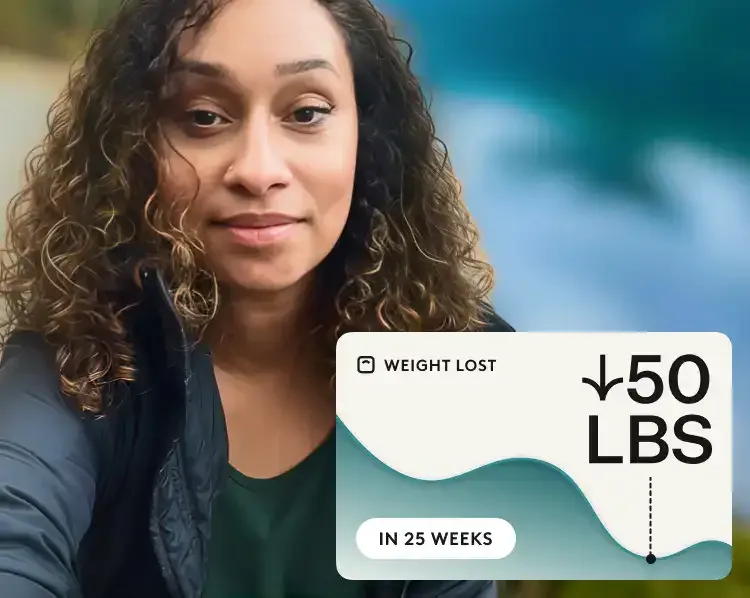
“My favorite parts of Noom are the care team and other Noomers. Sharing and getting help made me feel like I wasn’t doing it alone. That support made all the difference.”
Desirea N. — Real Noom user
Matthew M. — Real Noom user
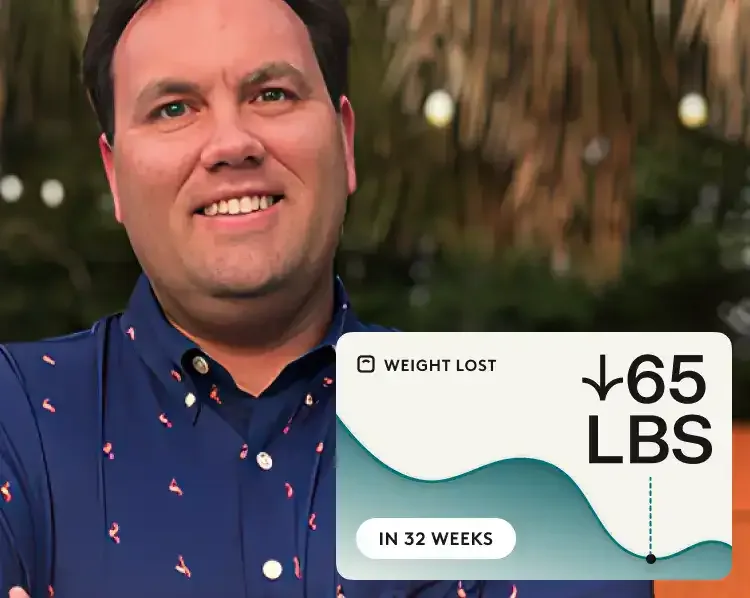
“Noom has taught me that every day is a new chance to make better, healthier choices. It's taught me how to stop overeating.’’
Matthew M. — Real Noom user
Lila M. — Real Noom user
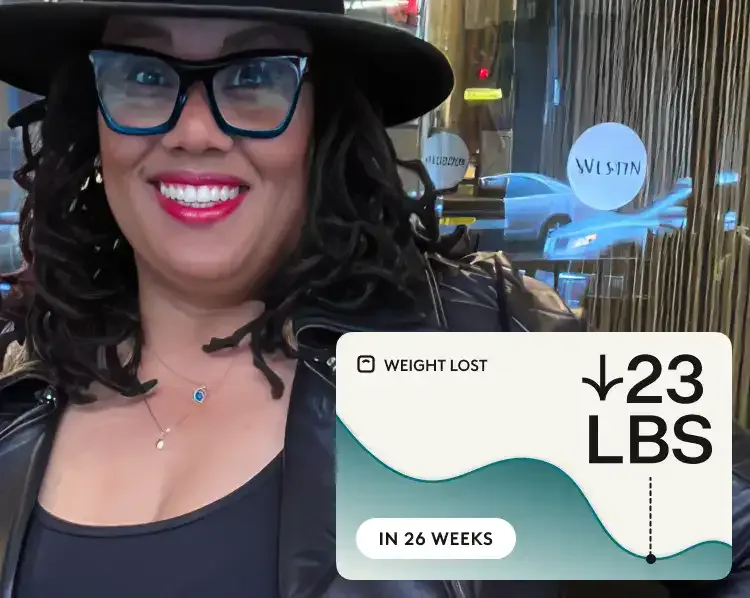
“Clinicians who understand how supportive medication can be is one of the best parts of Noom! I was convinced I wouldn’t have success but I’m down 11 pounds in two months.’’
Lila M. — Real Noom user
Steve M. — Real Noom user
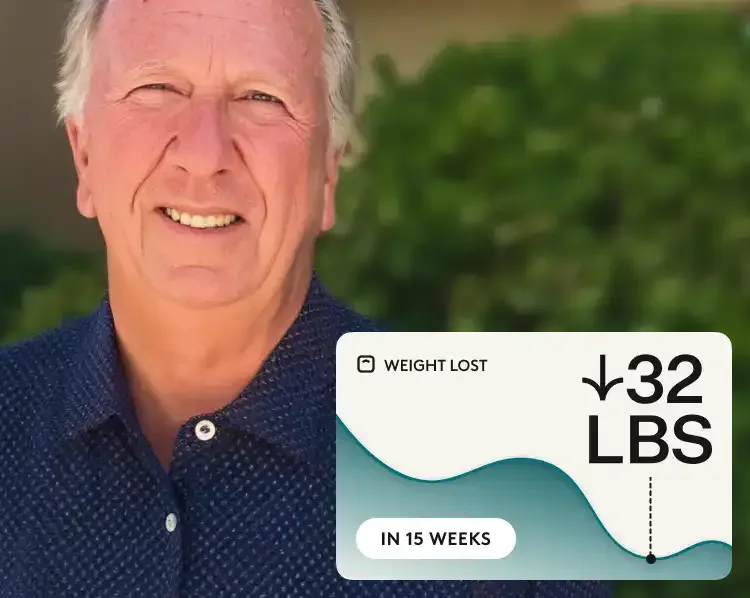
“Noom provided me with the medication which I could not get through Medicare. I have learned the tricks to better eating and life in general.”
Steve M. – Real Noom user
Daisy R. — Real Noom user
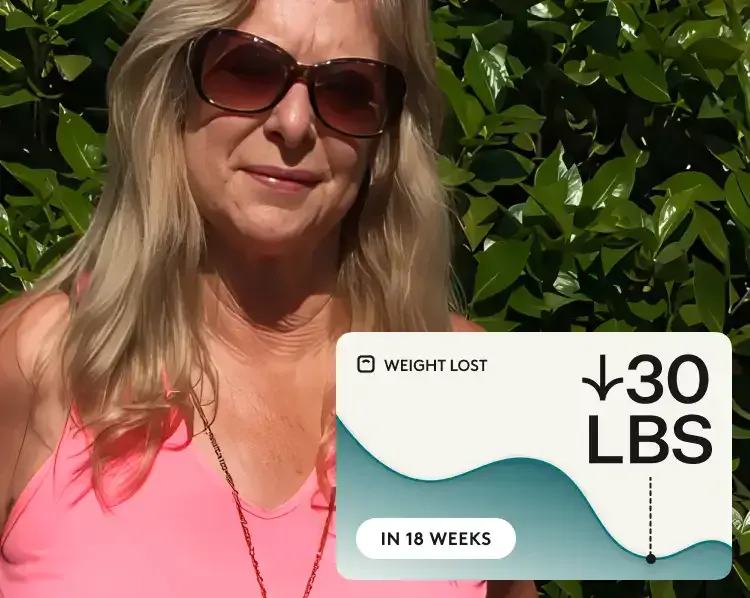
‘’Noom has changed my life and I’m so thankful, I feel great, have more energy and am no longer prediabetic.”
Daisy R. – Real Noom user
Sarah R. — Real Noom user
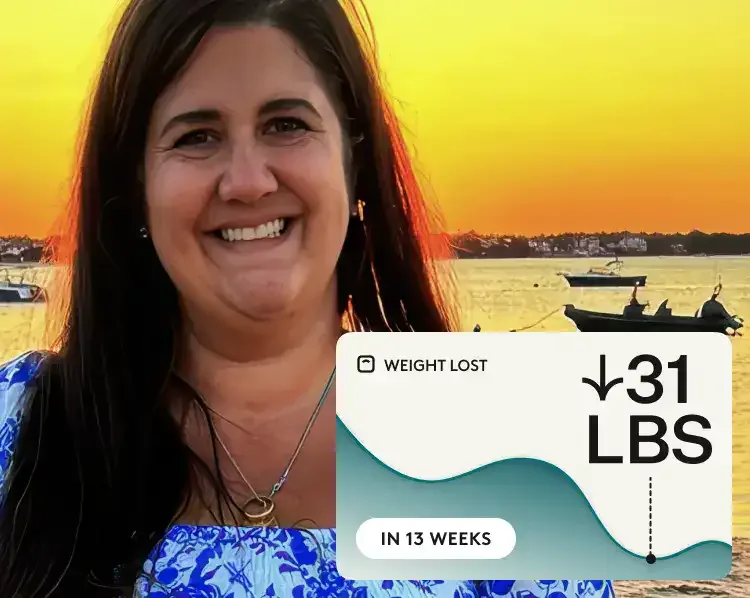
“All of the Noom providers that I’ve met with have been exceptional and prescribed medications that are appropriate for my situation and health.”
Sarah R. – Real Noom user
Madison S. — Real Noom user
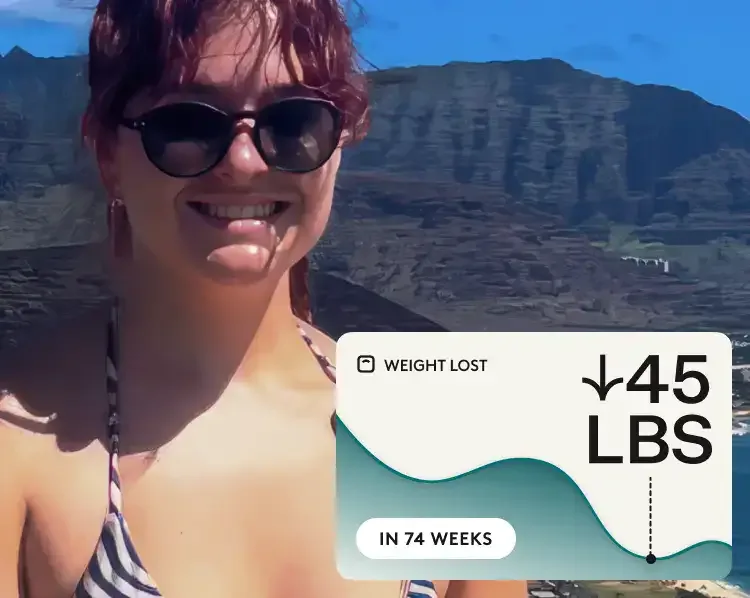
“Noom made the process so simple and now I feel full, free from diet obsession, and at ease in my body again.”
Madison S. – Real Noom user
Sonday K. — Real Noom user
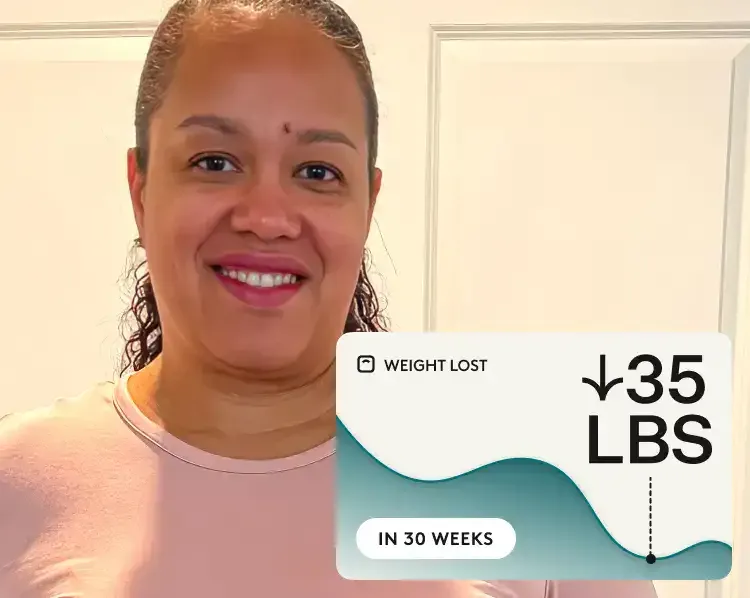
“My doctor recommended Noom after I was frustrated trying to lose weight. The lessons helped change my relationship with food. My body feels lighter & energized.”
Sonday K. – Real Noom user
Cam K. — Real Noom user
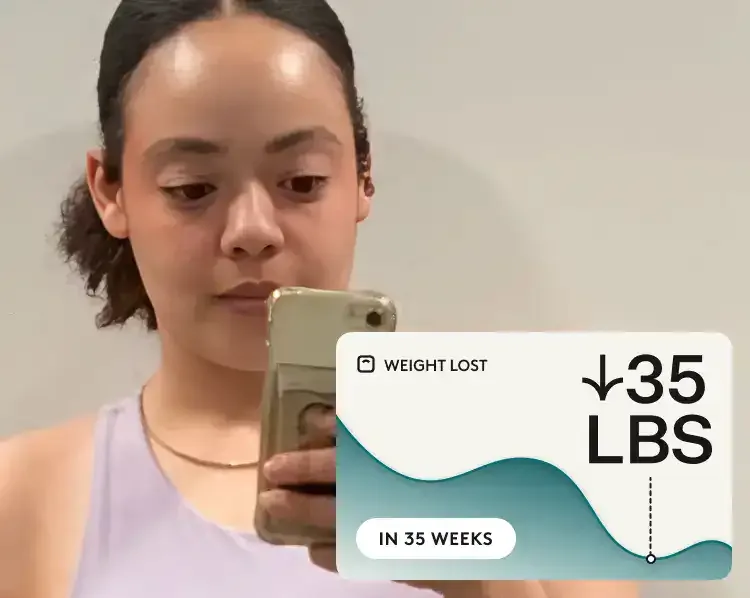
“I built healthy habits with coaching and lessons that make me confident I can maintain my weight loss long term.”
Cam K. – Real Noom user
Laura TR. — Real Noom user
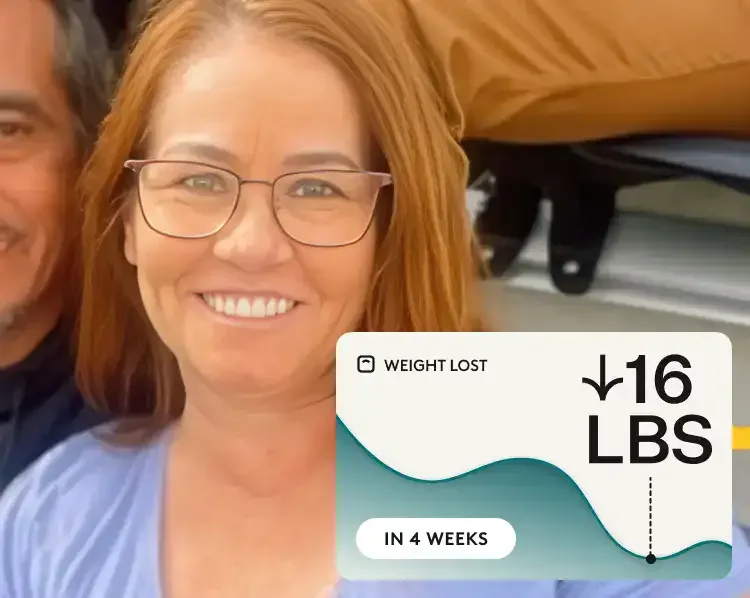
“With the right medication through Noom, hunger and sugar cravings finally quieted and I have the tools to break the cycle.”
Laura TR. – Real Noom user
Jessica S. — Real Noom user
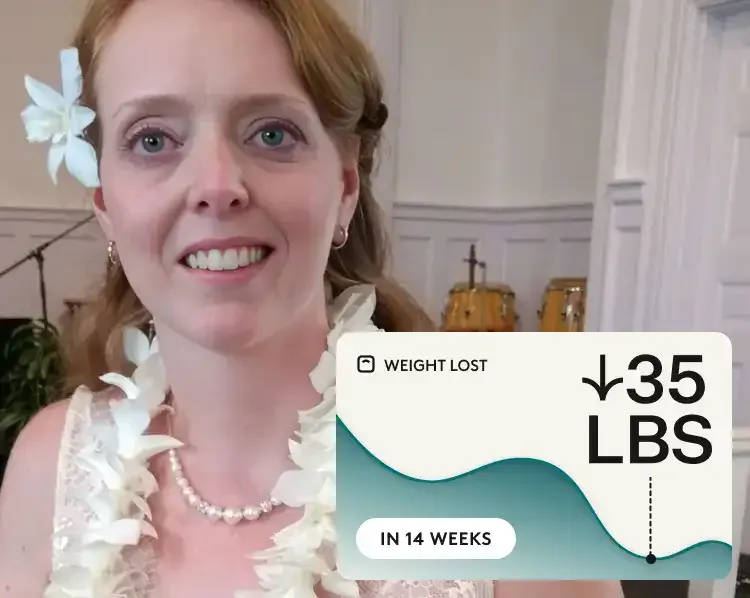
“Cravings and food noise are gone, I finally feel confident in the healthy habits I’ve built to last with Noom.”
Jessica S. – Real Noom user
The bottom line: Tirzepatide can make you tired, but it’s usually temporary
GLP-1 medications like tirzepatide can be powerful tools for weight loss and diabetes management—but side effects are part of the conversation. Fatigue does happen, but it’s relatively uncommon, affecting about 5–7% of people in clinical trials. And when it does occur, it’s typically mild and temporary, most often showing up in the first few weeks of treatment or after a dose increase while your body adjusts.
Tirzepatide medications can be incredibly effective for weight loss, blood sugar control, and even sleep apnea. And while fatigue can happen, it’s not one of the most common side effects. In clinical trials, more than 9 out of 10 people didn’t report significant tiredness. When low energy does show up, it’s often tied to eating much less than usual, not getting enough protein, mild dehydration from nausea or diarrhea, shifting blood sugar, or simply your body adjusting to rapid weight loss.
The good news? Those are things you can work with, like drinking more water, increasing protein, and having small, balanced meals instead of skipping food altogether. If you haven’t been active, a short walk can improve things.
But if fatigue feels intense, persistent, or out of proportion, that’s a signal to check in with your clinician. Sometimes, slowing your dose increase makes a big difference.
With tirzepatide, it’s important that side effects are manageable. And for most people, with the right adjustments, energy stabilizes as the body adapts.
Want to know more about whether tirzepatide or another GLP-1 medication is right for you? See if you qualify for Noom Med. Along with your prescription, you’ll receive personalized support from a Care Team that can answer your questions, monitor your progress, and help tailor your plan so you can feel your best while reaching your health goals. Find the right program for you today.
Editorial standards
At Noom, we’re committed to providing health information that’s grounded in reliable science and expert review. Our content is created with the support of qualified professionals and based on well-established research from trusted medical and scientific organizations. Learn more about the experts behind our content on our Health Expert Team page.