Sweet, juicy, and bursting with tropical flavor, mangoes are loved around the world—and for good reason. Whether you’re eating them fresh, in smoothies, or frozen as a treat, they offer that rare combo: delicious and nutritious.
If you’re trying to lose weight, you might wonder if mangoes belong in your plan. The answer: absolutely, when eaten mindfully. They’re packed with vitamins, minerals, and fiber, but also contain natural sugars, so portion control matters. Learn how to work them into your routine to satisfy sweet cravings and stay on track.
✅ Quick answer
Yes, mangoes can support your weight loss goals when eaten in moderation. They’re a low-calorie, nutrient-dense fruit that can satisfy sweet cravings naturally and provide essential vitamins and fiber.
✅ Why mango can support your goals:
- Nutrient-dense and low in calories – At just 60 calories per 100 grams (about 0.6 cups chopped), mangoes deliver impressive amounts of vitamins A and C, plus fiber, making them a smart choice for getting nutrition without excess calories.
- High in fiber – With 1.6 grams of fiber per 100 grams, mangoes help promote feelings of fullness and support healthy digestion, which can help prevent overeating throughout the day.
- Natural sweet satisfaction – The natural sugars in mangoes can help curb cravings for processed sweets and desserts, allowing you to satisfy your sweet tooth with fewer calories and more nutrients.
.
🥗 Nutrients in mango (per 100g / 0.6 cups)
| Nutrient | Amount | % RDA* |
|---|---|---|
| Calories | 60 calories | 3% |
| Protein | 0.8 g | 2% |
| Total carbs | 15.0 g | 5% |
| Fiber | 1.6 g | 6% |
| Sugars | 13.7 g | — |
| Total fat | 0.4 g | <1% |
| – Saturated fat | 0.1 g | <1% |
| – Monounsaturated fat | 0.1 g | — |
| – Polyunsaturated fat | 0.1 g | — |
| Omega-3 | 7 mg | — |
| Omega-6 | 64 mg | — |
Mangoes are mostly high in natural sugars but also low in calories (just 60 per serving), making them easy to enjoy as part of a weight loss plan. They’re also low in fat and protein, so pairing mango with something like Greek yogurt, nuts, or cottage cheese can help balance the snack and keep you fuller longer.
New from Noom
Microdose GLP-1Rx Plus
An affordable way to start your GLP-1 journey with Compounded Tirzepatide.

*Initial 3 week subscription and 4 weeks of medication from $79 plus tax and $199 per month plus tax for 12 week subscription thereafter. Final pricing depends on program selection. Noom GLP-1Rx Plus Microdose Program involves medication (when appropriate), healthy diet, exercise and support. Individual results vary. Meds & personalization based on need as determined by a third-party clinician. Medications are not reviewed by FDA for safety, efficacy, or quality. No affiliation with Eli Lilly and Company, the only US source of FDA-approved tirzepatide. Not available in all 50 US states.
*Recommended dietary allowance (RDA) is defined as the average daily amount of nutrients needed to meet the requirements of nearly all healthy people in a specific group.
💊 Vitamins & minerals in mango (per 100g / 0.6 cups)
| Vitamin/mineral | Amount | % RDA* |
|---|---|---|
| Vitamin C | 36.4 mg | 40% |
| Copper | 0.11 mg | 12% |
| Folate (B9) | 43 μg | 11% |
| Vitamin B6 | 0.12 mg | 7% |
| Vitamin A | 54 μg | 6% |
| Vitamin E | 0.9 mg | 6% |
| Potassium | 168 mg | 4% |
| Vitamin K | 4.2 μg | 4% |
| Manganese | 0.06 mg | 3% |
| Magnesium | 10 mg | 2% |
Mangoes pack a surprising amount of nutrition into a small serving, especially vitamin C, which supports your immune system and skin health. You’ll also get a solid boost of copper (important for red blood cell production) and folate (key for cell growth and metabolism).
All that in just 100 grams? Not bad for a sweet, tropical snack.
🔍 Nutrient breakdown
Glycemic index (GI) of mango
Glycemic index: 51 (Low)
💡 Tip: Low-GI foods are digested more slowly, leading to a gradual rise in blood sugar levels, which helps manage appetite and sustain energy levels throughout the day.
Are mangos high in protein?
❌ No: Mango contains only 0.8 g of protein per 100 grams, which doesn’t contribute significantly to daily protein needs.
🔹 Better protein alternatives: Greek yogurt | Chicken breast | Lentils
Are mangos high in fiber?
❌ No: Mango provides 1.6 g of fiber per 100 grams, which contributes to daily intake but isn’t considered high-fiber compared to foods like berries or legumes.
💡 Tip: To boost satiety, pair mango with high-fiber foods like chia seeds or whole-grain oats for a more filling snack.
Are mangos low in carbs?
❌ No: Mango has 15 g of carbs per 100 grams, primarily from natural sugars, making it unsuitable for very low-carb or ketogenic diets.
💡 Tip: Consume mangoes before workouts for a natural energy boost, or pair with protein to slow sugar absorption.
Are mangos gluten-free?
✔️ Yes: Mango is naturally 100% gluten-free and safe for individuals with celiac disease or gluten sensitivity.
Are mangos good for fat loss?
✔️ Yes: Due to its low-calorie and high-nutrient profile, mango can support fat loss when consumed in moderation by satisfying sweet cravings for fewer calories than processed desserts.
🍽️ Diet compatibility: Which diets include mangos?
| Diet | ✅ Yes / ❌ No | Why |
|---|---|---|
| Keto | ❌ No | Mango is too high in carbohydrates and natural sugars (15g per 100g) to fit within the strict daily carb limits of ketogenic diets. |
| Paleo | ✅ Yes | As a natural, whole fruit, mango aligns perfectly with Paleo principles as an unprocessed food that would have been available to early humans. |
| Mediterranean | ✅ Yes | The Mediterranean diet emphasizes fruits and whole foods, making mango an excellent choice with its heart-healthy nutrients like potassium and antioxidants. |
| Vegan | ✅ Yes | Mango is plant-based and provides natural sweetness along with essential vitamins and minerals for those following a vegan lifestyle. |
| Gluten-free | ✅ Yes | Mango is naturally gluten-free and can be enjoyed fresh, frozen, or dried without concern for gluten contamination. |
Mangoes fit seamlessly into most healthy eating patterns, particularly those emphasizing whole, plant-based foods. Their rich vitamin and mineral content makes them valuable for Paleo, Mediterranean, and vegan diets. However, their carbohydrate content makes them unsuitable for very low-carb approaches like keto, where even small portions could exceed daily carb allowances.
🌟 Is mango healthy? What are the health benefits
Metabolic health: Is mango good for your metabolism?
- Boosts metabolism? ❌ No – While mangoes contain B-vitamins that support energy metabolism, they don’t directly boost metabolic rate.
- Improves insulin sensitivity? ✔️ Yes – Research suggests bioactive compounds in mango, especially mangiferin, may improve insulin sensitivity and help with blood glucose regulation.
- Effect on fat storage? Positive – Some studies indicate mango compounds may help prevent the formation of new fat cells, though more research is needed.
Cholesterol impact: Does mango affect cholesterol levels?
- Does it lower LDL (bad) cholesterol? ✔️ Yes – The soluble fiber and antioxidants in mangoes can help lower LDL cholesterol by binding to it in the digestive system.
- Does it raise HDL (good) cholesterol? ❌ No – Current research doesn’t show direct effects on HDL levels, though overall heart health benefits are observed.
- Overall impact on heart health? Mangoes have a favorable impact on cardiovascular health through their combination of fiber, potassium, and antioxidants that help control blood pressure and reduce inflammation.
💡 Tip: Combine mango with heart-healthy fats like avocado or almonds in salads for enhanced cardiovascular benefits.
Can I eat mangos for a calorie deficit?
✔️ Yes, with confidence: Mango is excellent for calorie deficits because it’s low in calories but high in nutrients and natural sweetness, making it a perfect substitute for high-calorie processed desserts.
💡 Tip: Keep frozen mango chunks in the freezer for a quick, low-calorie treat that satisfies ice cream cravings.
Are mangoes rich in antioxidants?
✔️ Yes: Mangoes are exceptionally rich in antioxidants, including vitamin C, vitamin A, and polyphenols like mangiferin that protect cells from oxidative stress and may reduce chronic disease risk.
Do mangos support gut health?
✔️ Yes: Mango contains dietary fiber and prebiotic compounds that feed beneficial gut bacteria, potentially improving the gut microbiome and supporting digestive health.
Does mango support digestion?
Positive: Mangoes contain amylase enzymes that help break down complex carbohydrates, making them easier to digest, plus fiber that promotes regular bowel movements.
Does mango help you feel satiated and less hungry?
Moderate: The combination of fiber, water content, and natural sweetness helps promote fullness, though it’s not as satiating as high-protein foods.
Satiety Level: Medium
💡 Tip: Blend mango into smoothies with protein powder and chia seeds for a highly satisfying meal replacement that keeps you full longer.
Does mango help with nighttime cravings?
✔️ Yes: A small portion of mango can effectively satisfy nighttime sweet cravings without the guilt of processed candy, and its magnesium content may promote better sleep.
💡 Tip: Try frozen mango chunks as a healthy evening treat that takes time to eat, helping you slow down and feel more satisfied.
Does mango help reduce inflammation?
✔️ Yes: Mango is rich in anti-inflammatory compounds, particularly mangiferin and Vitamin C, which help modulate the body’s inflammatory response.
Is mango beneficial for brain health?
✔️ Yes: The antioxidants in mangoes help protect brain cells from oxidative stress, while B-vitamins support neurotransmitter production for mood and cognitive function.
Can mangos improve skin and hair health?
✔️ Yes: High Vitamin C content supports collagen production for healthy skin, while Vitamin A helps protect against sun damage and supports scalp health.
Can mangos help balance hormones?
✔️ Limited evidence: While no single food can balance hormones, mangoes provide nutrients like Vitamin B6 that support hormone synthesis and endocrine function.
💡 Tip: Focus on overall dietary patterns rather than single foods for hormonal health, using mango as part of a nutrient-dense eating plan.
Access GLP-1 Weight Loss with Noom
Explore a wide range of prescription medications supported by Noom’s program.Microdose GLP-1rx
Noom GLP-1rx
Noom GLP-1rx Plus
Wegovy®

Ozempic®

Metformin

Zepbound®
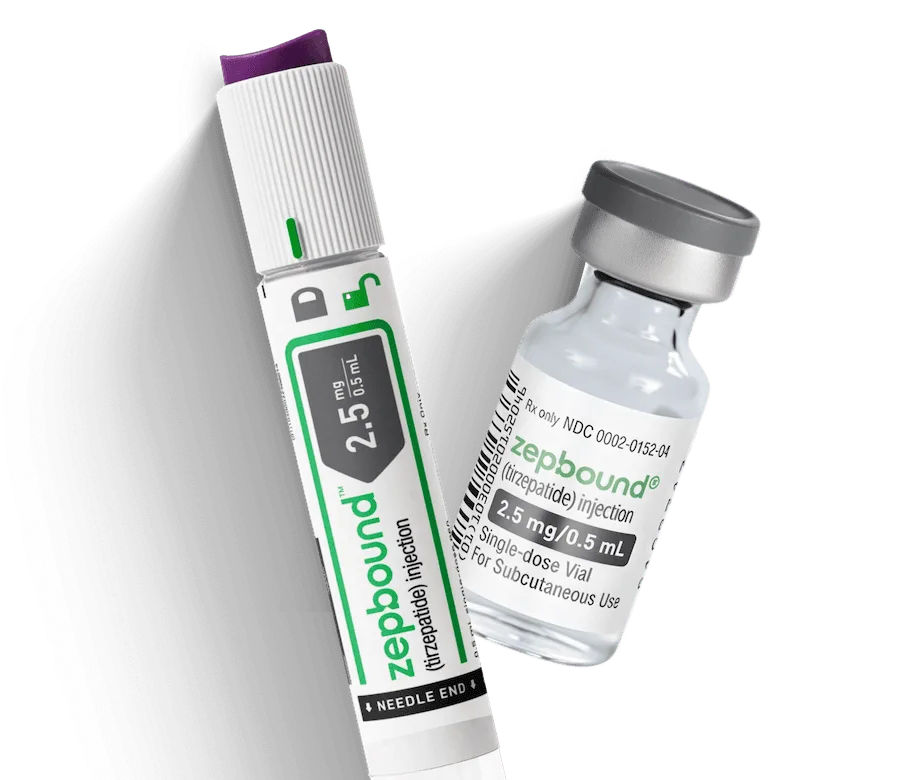
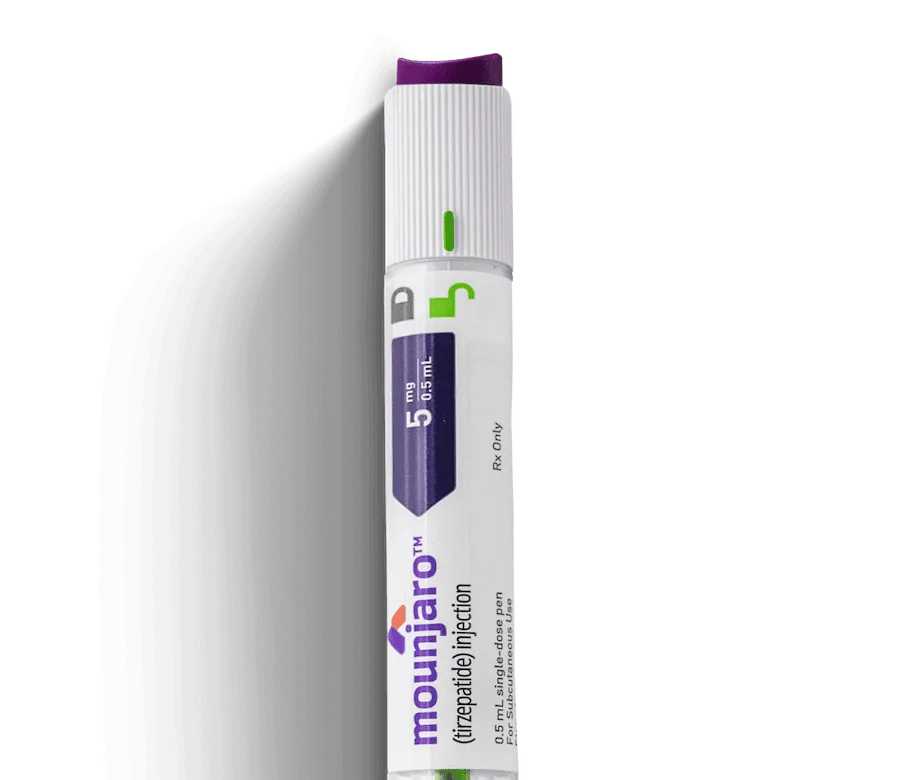
Mounjaro®
Liraglutide

🍽️ Best ways to eat mango for weight loss
- Fresh or frozen chunks: Enjoying mango in its whole form ensures you get all the fiber and nutrients without added sugars or processing, making it perfect as a snack or healthy dessert.
- In protein smoothies: Blending mango with Greek yogurt, protein powder, or milk creates a balanced meal that slows sugar absorption and keeps you satisfied for hours.
- Paired with healthy fats: Combining mango with nuts, seeds, or avocado in salads helps slow digestion and increases satiety while providing complementary nutrients.
⚠️ Potential downsides
- High natural sugar content – While natural, mangoes contain 13.7 grams of sugar per 100 grams, which can add up quickly if you’re not watching portion sizes and may cause blood sugar spikes.
- Easy to overconsume: The delicious taste and natural sweetness can lead to eating larger portions than intended.
- May trigger digestive issues: Some individuals with IBS or sensitive stomachs may experience bloating or discomfort from mangoes due to their FODMAP content.
🍏 Best alternatives & comparisons (Per 100g)
| Food | Calories | Carbs | Fiber | Protein | Fat |
|---|---|---|---|---|---|
| Mango | 60 | 15.0 g | 1.6 g | 0.8 g | 0.4 g |
| Raspberries | 52 | 11.9 g | 6.5 g | 1.2 g | 0.7 g |
| Papaya | 43 | 10.8 g | 1.7 g | 0.5 g | 0.3 g |
| Kiwi | 61 | 14.7 g | 3.0 g | 1.1 g | 0.5 g |
| Pineapple | 50 | 13.1 g | 1.4 g | 0.5 g | 0.1 g |
When comparing mango to other fruits, raspberries stand out as a superior choice for maximizing fiber intake with fewer calories and carbs. Papaya offers a similar tropical flavor with slightly fewer calories and carbs. For those seeking variety while maintaining similar nutritional profiles, kiwi and pineapple provide excellent alternatives with comparable calorie counts and unique flavor profiles.
Frequently asked questions about mangos and weight loss
How much mango can I eat per day for weight loss?
Stick to about 1 cup (165g) of fresh mango per day, which provides around 99 calories. This portion size allows you to enjoy the nutritional benefits while keeping calories in check for weight loss.
Is frozen mango as good as fresh for weight loss?
Yes, frozen mango without added sugars has virtually the same nutritional profile as fresh mango. It can actually be more convenient for portion control and makes a great low-calorie frozen treat.
Should I avoid mangos if I have diabetes?
Not necessarily, but portion control is crucial. Mango has a moderate glycemic index, so eating small portions paired with protein or healthy fats can help minimize blood sugar spikes.
Can I eat mango at night without affecting weight loss?
A small portion of mango can actually help with nighttime sweet cravings without derailing your goals. The key is keeping portions modest and accounting for the calories in your daily intake.
Is mango juice good for weight loss?
No, mango juice removes the beneficial fiber and concentrates the sugars, making it easy to consume excess calories. Stick to whole, fresh mango for the best weight loss benefits.
How do mangos compare to other tropical fruits for weight loss?
Mango is comparable to other tropical fruits like pineapple and papaya in terms of calories and carbs. The choice often comes down to personal preference and which fits best into your overall eating plan.
🧠 Are mangos good for weight loss?
Mango can absolutely fit into a weight loss plan—it’s all about how you use it. With its low calorie density, natural sweetness, and nutrient boost, mango is a smart way to satisfy cravings without derailing your goals. The trick? Portion awareness and balance, just like with any food, on your journey.
One cup of fresh mango comes in under 100 calories and delivers fiber, antioxidants, and key vitamins, making it a great swap for more processed sweets. Try it in a smoothie, post-workout snack, or as a naturally sweet dessert. With a little planning, mango can be one of those foods that makes healthy eating feel both satisfying and doable.
📖 Scientific evidence
- Mango and its compounds may help manage metabolic diseases (Nutrients, 2023). This review found that mango and its bioactive compounds, like mangiferin, may support healthy blood sugar levels and reduce inflammation linked to metabolic conditions.
- Mango intake supports gut health and microbiome balance (Food Science & Nutrition, 2021). Daily mango consumption was shown to positively shift gut bacteria, suggesting potential digestive and metabolic benefits.
- Mangoes deliver antioxidant and anti-inflammatory benefits (Food & Function, 2017) – Mango’s plant compounds were linked to improved immune function and reduced oxidative stress.
Editorial standards
At Noom, we’re committed to providing health information that’s grounded in reliable science and expert review. Our content is created with the support of qualified professionals and based on well-established research from trusted medical and scientific organizations. Learn more about the experts behind our content on our Health Expert Team page.